Loading subject page…

872 views

Video Summary: Urinary Tract Calculi V Nursing Management Explained
Did you know that kidney stones affect 1 in 11 Americans, with emergency departments seeing over 3 million stone-related visits annually? Urinary tract calculi V nursing management involves systematic assessment, pain control, and patient education to facilitate stone passage and prevent complications. Consider a 35-year-old construction worker presenting to Massachusetts General Hospital with severe flank pain-nurses must quickly implement evidence-based interventions including fluid therapy, positioning techniques, and dietary counseling. Watch the full video on JoVE Coach to master this concept with expert-led visuals and step-by-step explanations.
Urinary tract calculi V nursing management represents a critical area of clinical practice where nurses play a pivotal role in patient care coordination. Unlike other urological conditions, kidney stones require immediate pain management while simultaneously promoting natural passage through strategic interventions. This nursing specialty demands understanding of both acute symptom management and long-term prevention strategies.
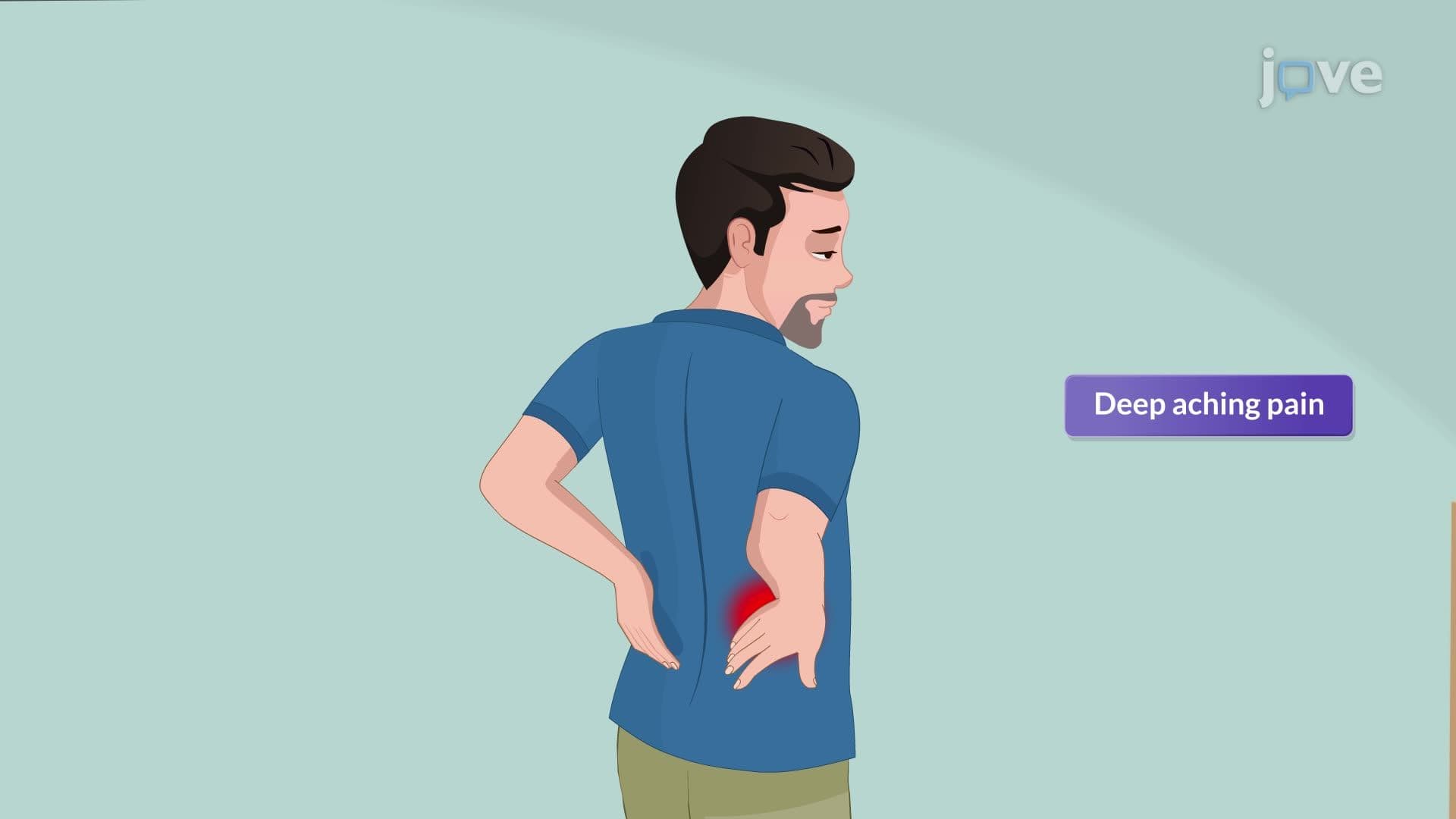
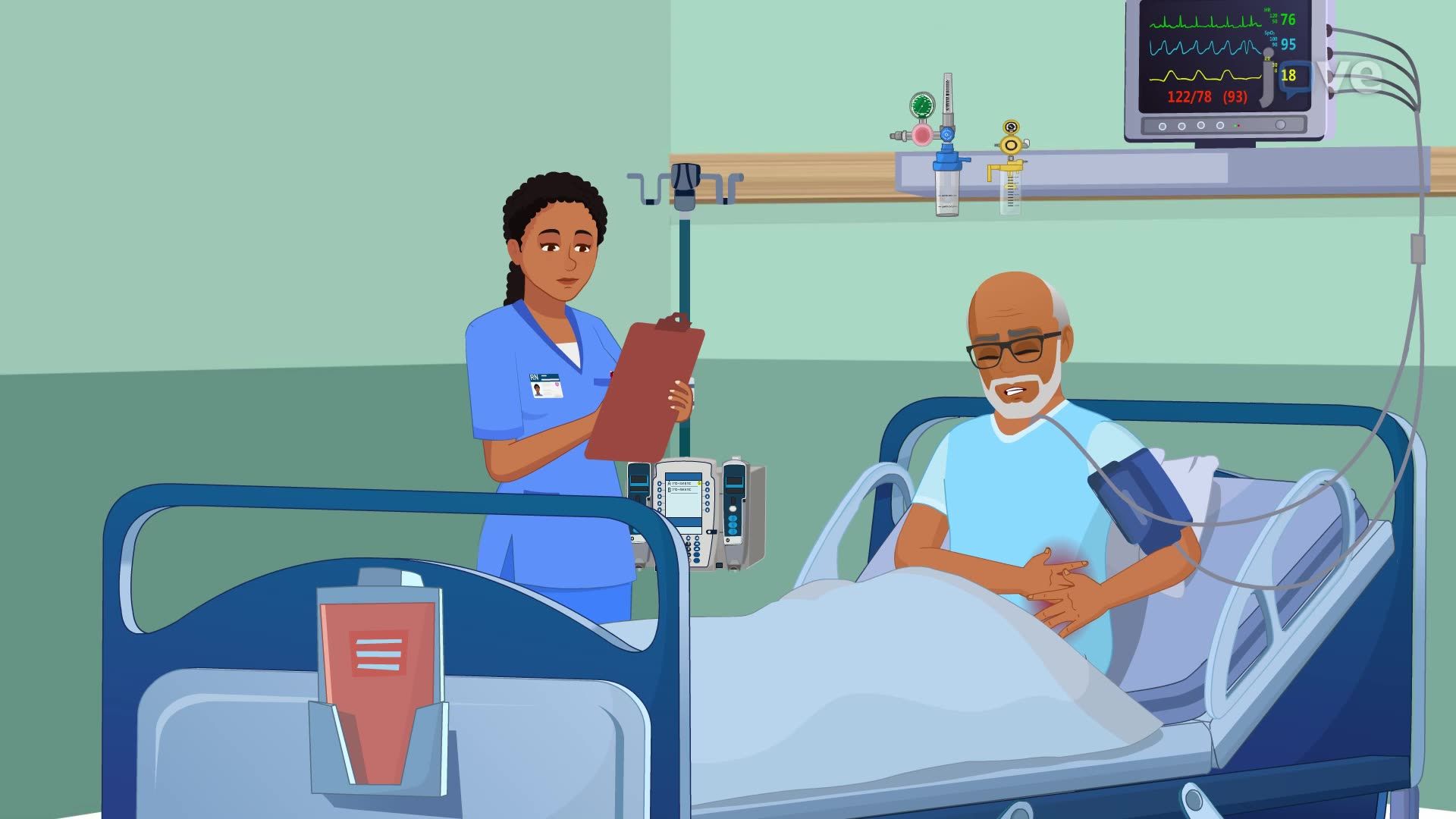
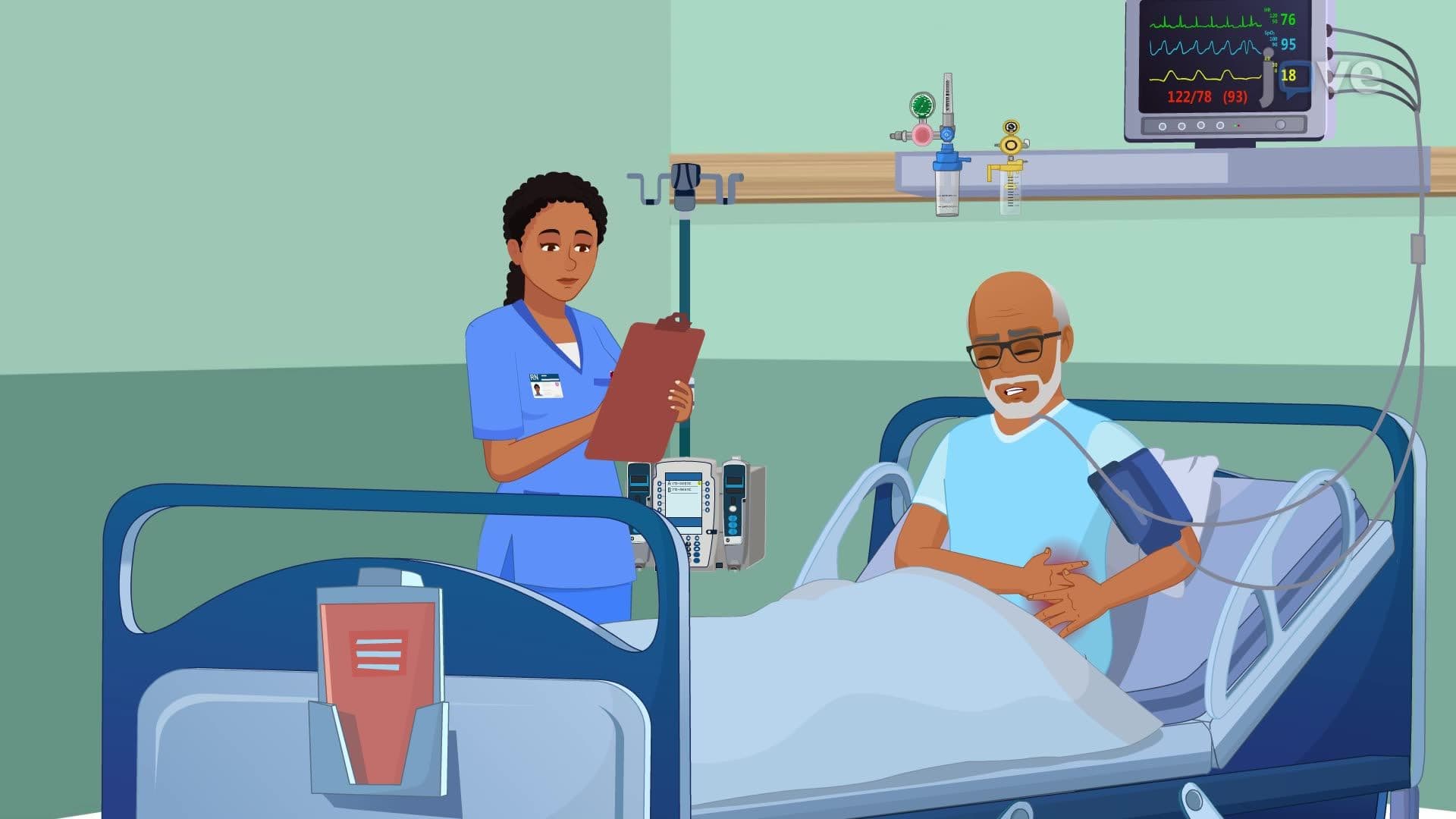
Effective nursing management begins with thorough assessment techniques that go beyond basic vital signs. Nurses must evaluate pain characteristics using validated scales, monitor urinary output patterns, and assess for signs of complications such as infection or obstruction. The classic presentation includes sudden-onset, severe colicky pain radiating from the flank to the groin-often described by patients as worse than childbirth.
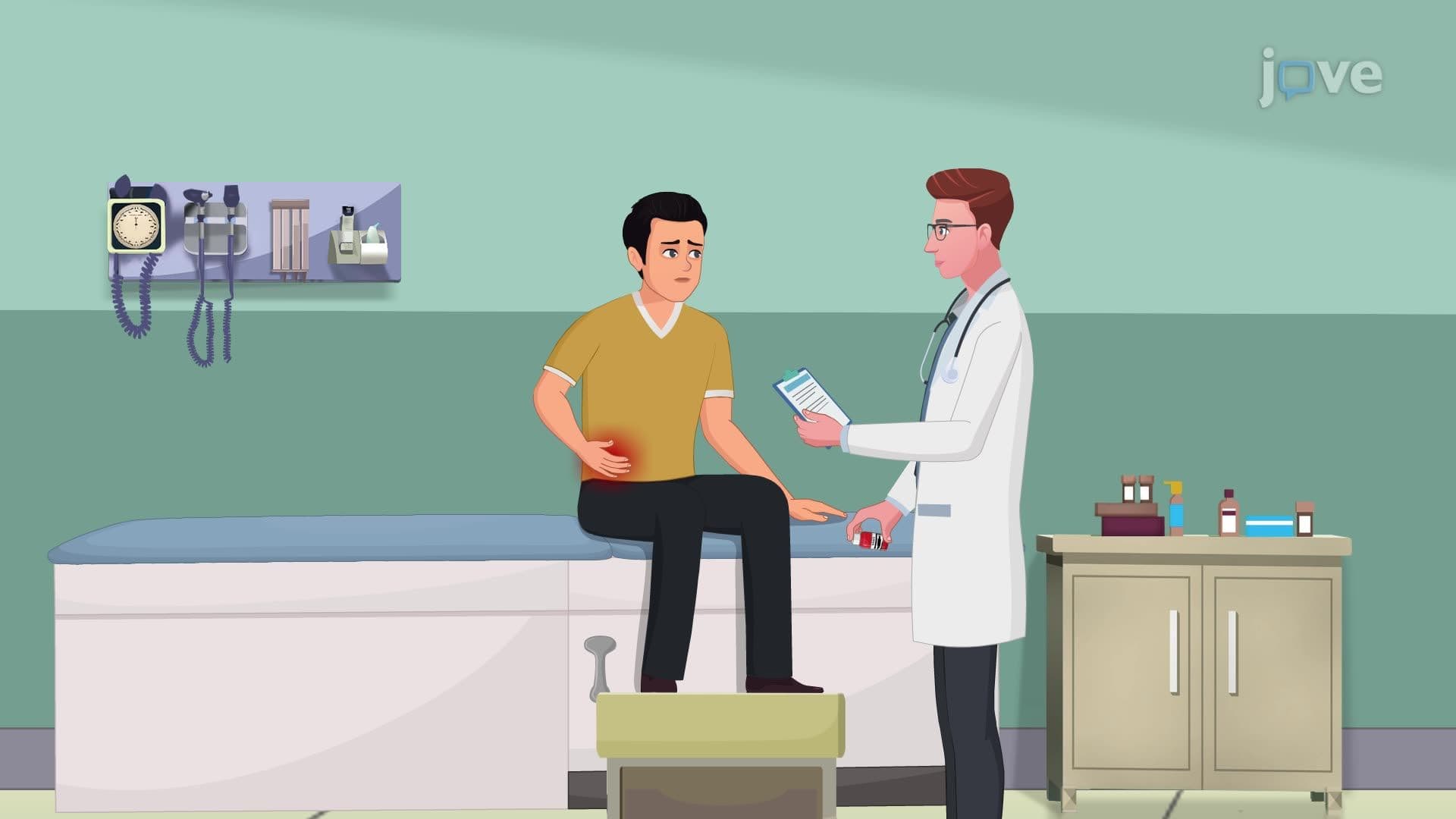
Advanced practice nurses in emergency departments like those at Johns Hopkins Hospital utilize systematic assessment protocols that include reviewing medical history for predisposing factors such as dehydration, dietary habits, and previous stone episodes. Understanding when to expedite diagnostic imaging versus implementing comfort measures requires clinical judgment that nursing students develop through case-based learning.
Modern nursing practice emphasizes multimodal approaches to stone management. Pain control typically involves both pharmacological interventions-such as ketorolac or opioid analgesics-and complementary therapies including heat application and positioning techniques. The "stone position" involves having patients assume various postures that may facilitate gravitational stone movement through the urinary tract.
Hydration management requires careful balance: encouraging 2.5-3 liters daily fluid intake while monitoring for signs of fluid overload in patients with cardiac conditions. Nurses at leading institutions like Cleveland Clinic have developed protocols that individualize hydration goals based on patient-specific factors and stone characteristics.
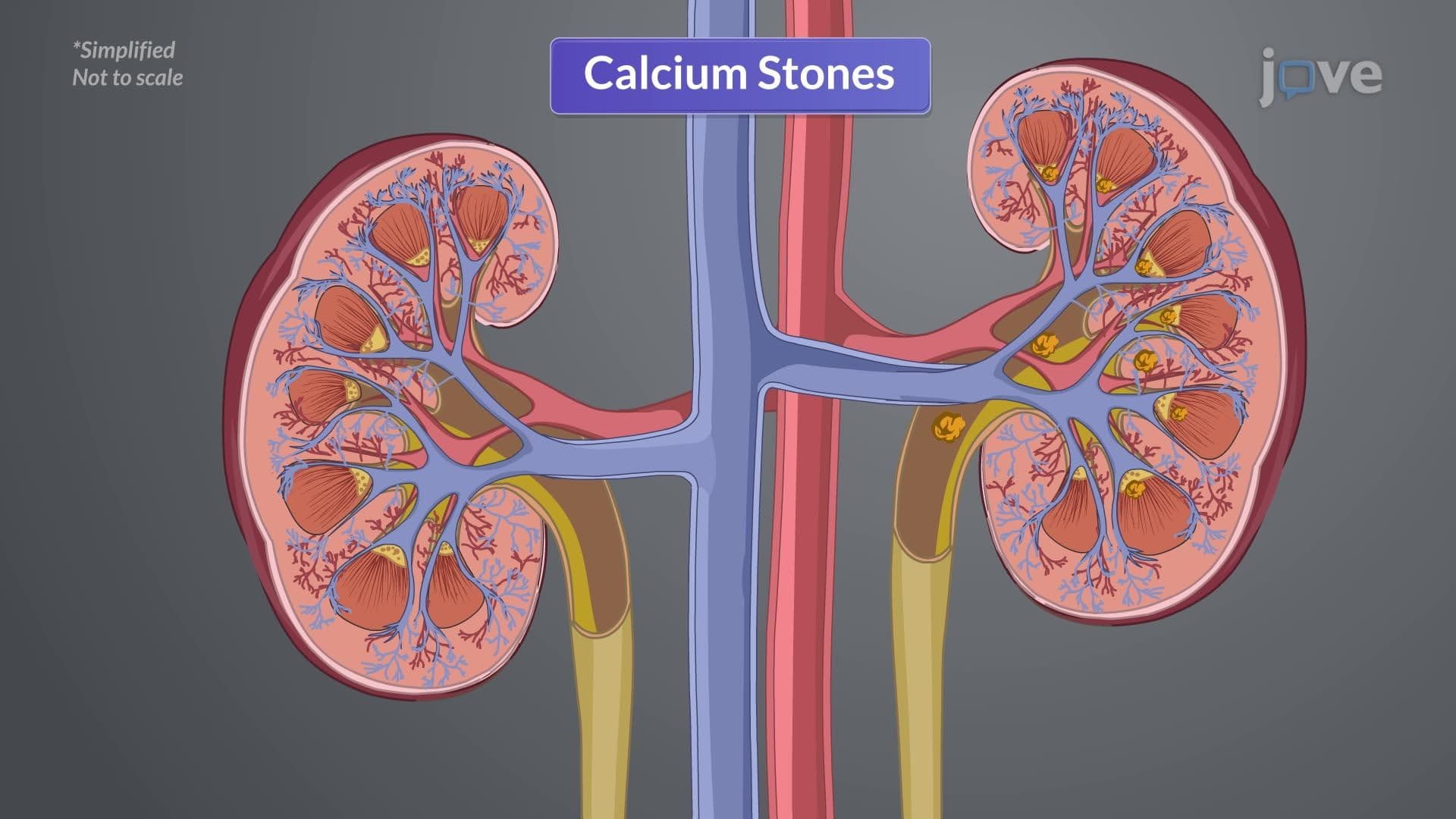
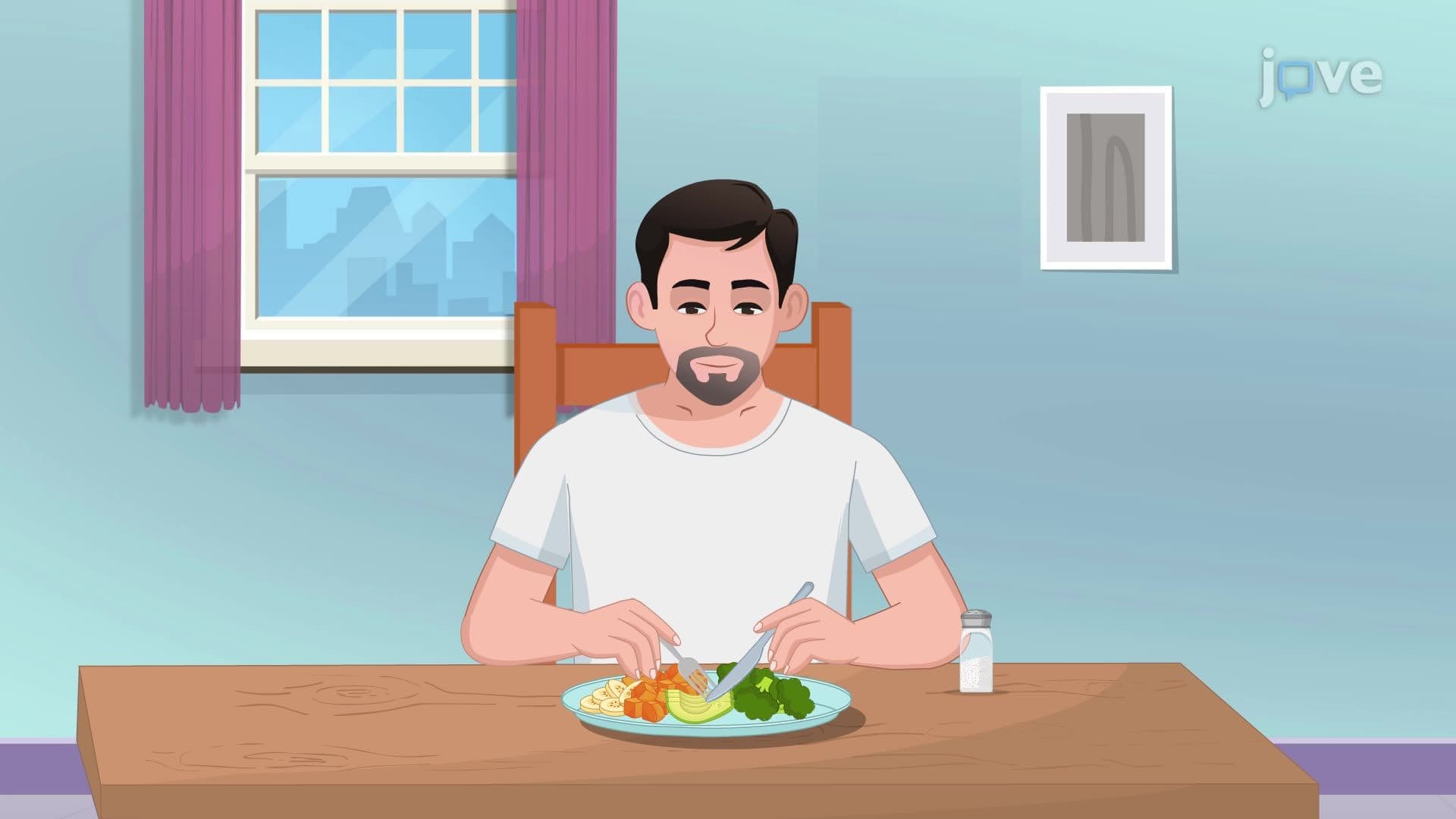
Long-term success in stone management depends heavily on patient education initiatives. Nurses must provide stone-specific dietary guidance-for instance, patients with calcium oxalate stones need education about limiting high-oxalate foods like spinach, nuts, and chocolate while maintaining adequate calcium intake. This counterintuitive approach often surprises patients who assume all calcium should be restricted.
These concepts frequently appear on nursing examinations including the NCLEX-RN, where students encounter questions about prioritizing interventions and recognizing complications. Understanding the pathophysiology helps students excel in pathophysiology courses and clinical rotations in medical-surgical and emergency nursing settings.
Related Micro-courses