Loading subject page…

872 views

Video Summary: Urinary Tract Calculi Vi Surgical Management Explained
Did you know that over 600,000 Americans undergo surgical procedures for kidney stones annually, with techniques ranging from minimally invasive laser therapy to open surgery? Urinary tract calculi VI surgical management encompasses sophisticated interventional approaches that urologists use to treat stones throughout the urinary system. At major medical centers like Mayo Clinic, specialists employ endoscopic procedures, advanced lithotripsy techniques, and percutaneous methods to fragment and remove stones based on their size and location. Watch the full video on JoVE Coach to master this concept with expert-led visuals and step-by-step explanations.
Modern surgical management of urinary tract stones represents a paradigm shift from invasive open procedures to sophisticated minimally invasive techniques. This evolution has transformed patient outcomes at leading US medical institutions, with procedures now tailored to specific stone characteristics including composition, size, and anatomical location. Students preparing for the MCAT or pursuing pre-medical studies must understand these interventional approaches as they represent core principles in modern urology practice.
Endourological techniques form the foundation of contemporary stone management, utilizing natural body openings to access and treat calculi. Cystoscopy serves as the primary approach for small bladder stones, allowing direct visualization and removal through the urethra. For larger bladder stones, transurethral cystolitholapaxy employs specialized instruments that deliver ultrasonic, laser, or electrohydraulic energy to fragment stones into removable pieces. This technique, commonly performed at academic medical centers like Johns Hopkins, demonstrates the principle of energy transfer for mechanical disruption.
Ureteroscopy extends these principles to treat stones in the ureters and renal pelvis, using flexible or rigid scopes depending on anatomical requirements. The procedure combines direct visualization with lithotripsy capabilities, allowing real-time fragmentation and removal. Students should understand that ureteroscopy success rates exceed 90% for stones smaller than 1.5 cm, making it a preferred first-line treatment.
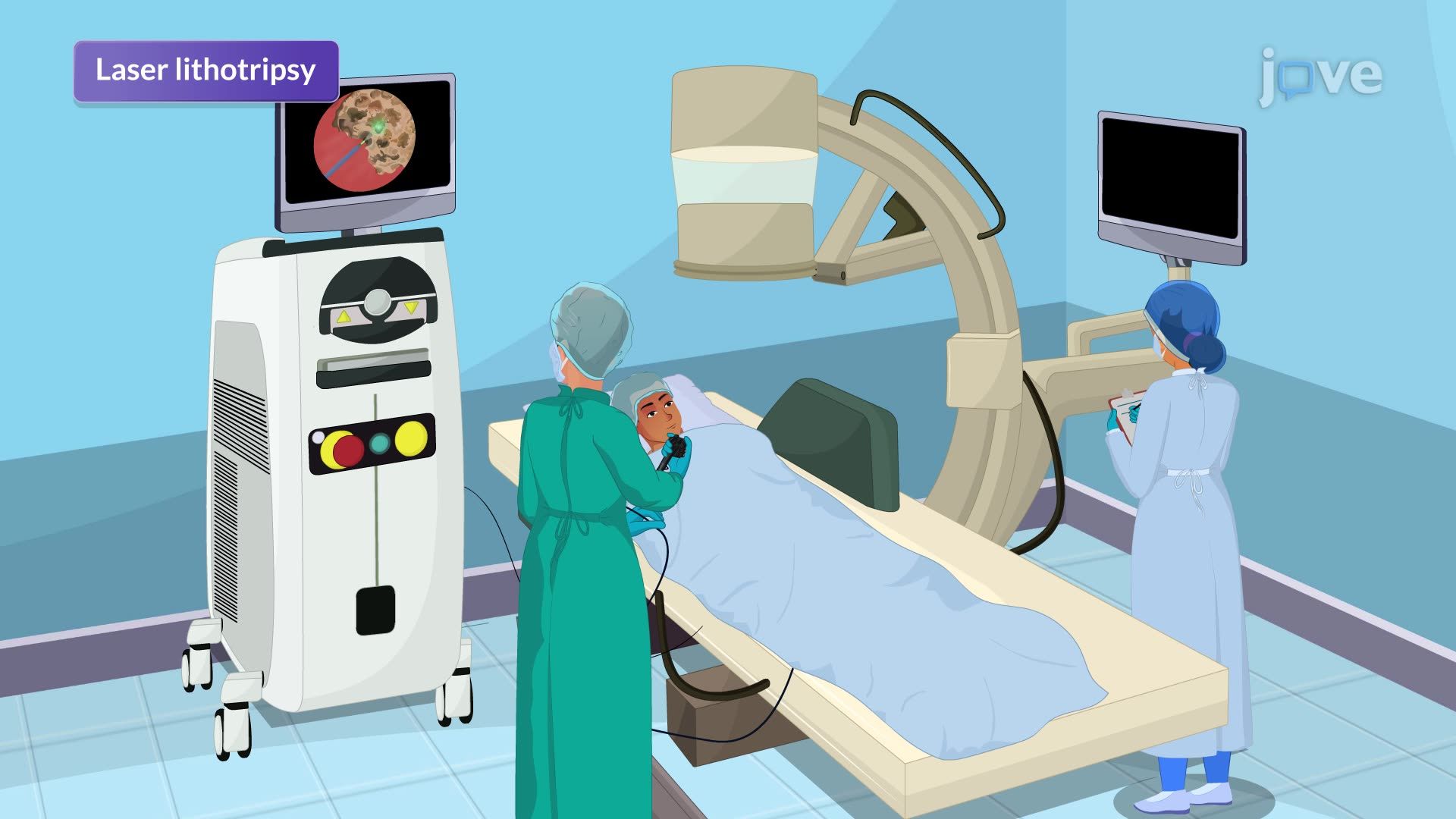
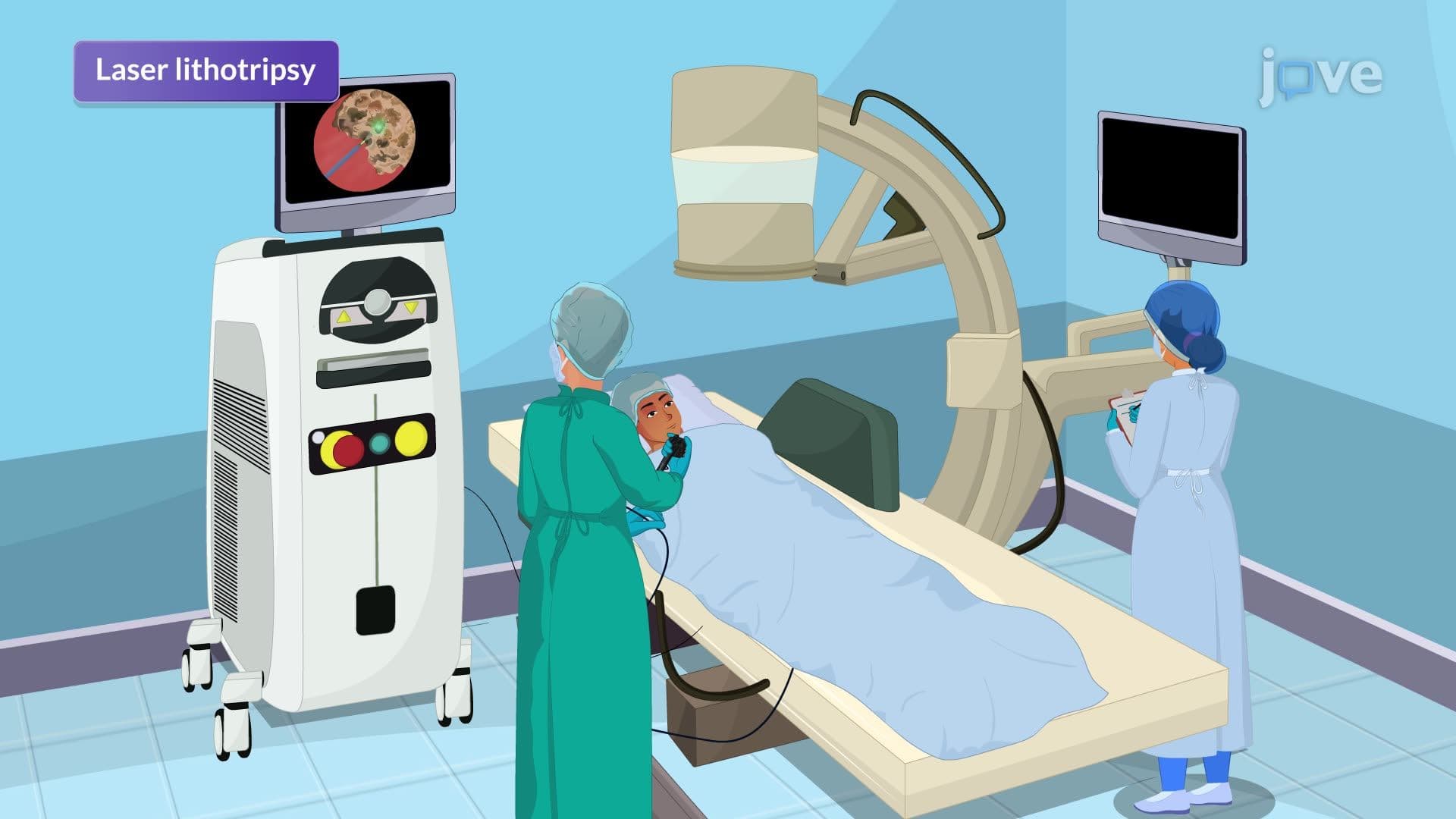
Lithotripsy represents the convergence of physics and medicine, utilizing energy delivery systems to fragment stones non-invasively or through minimally invasive approaches. Holmium laser lithotripsy has become the gold standard for intracorporeal stone fragmentation, delivering precise energy pulses that create plasma bubbles for mechanical stone breakdown. This technology, widely used in US medical centers, demonstrates superior efficacy across all stone compositions.
Extracorporeal shock wave lithotripsy (ESWL) revolutionized non-invasive stone treatment by focusing acoustic shock waves on kidney and upper ureteral stones. The 2-cm size limitation reflects physical principles of energy transmission and stone fragmentation mechanics. Students should recognize that ESWL success depends on stone density, location, and patient anatomy, with success rates varying from 60-90% depending on these factors.
Percutaneous nephrolithotomy (PCNL) represents the most complex minimally invasive approach, requiring fluoroscopic or ultrasound guidance to establish nephrostomy access. This technique, essential for stones larger than 2 cm or complex staghorn calculi, combines interventional radiology principles with endoscopic stone removal. The procedure demonstrates advanced surgical planning and intraoperative decision-making skills critical for surgical specialties.
Open surgical procedures, while rarely required in modern practice, remain necessary for complex cases involving anatomical abnormalities or massive stone burdens. These procedures, including open nephrolithotomy and ureterolithotomy, require comprehensive understanding of retroperitoneal anatomy and surgical principles that students encounter in advanced anatomy courses and surgical rotations.
Related Micro-courses