Loading video…

 15 Concepts
 1.7K views

Video Summary: Aortic Regurgitation Iii Medical Management Explained
Did you know that aortic regurgitation affects nearly 5% of Americans over 65, yet many patients remain asymptomatic for years? Aortic regurgitation III medical management involves a comprehensive approach combining activity restrictions, targeted medications like ACE inhibitors, and surgical interventions for severe cases. At Johns Hopkins Hospital, cardiologists regularly implement these evidence-based protocols to prevent heart failure in patients with leaky aortic valves. Watch the full video on JoVE Coach to master this concept with expert-led visuals and step-by-step explanations.
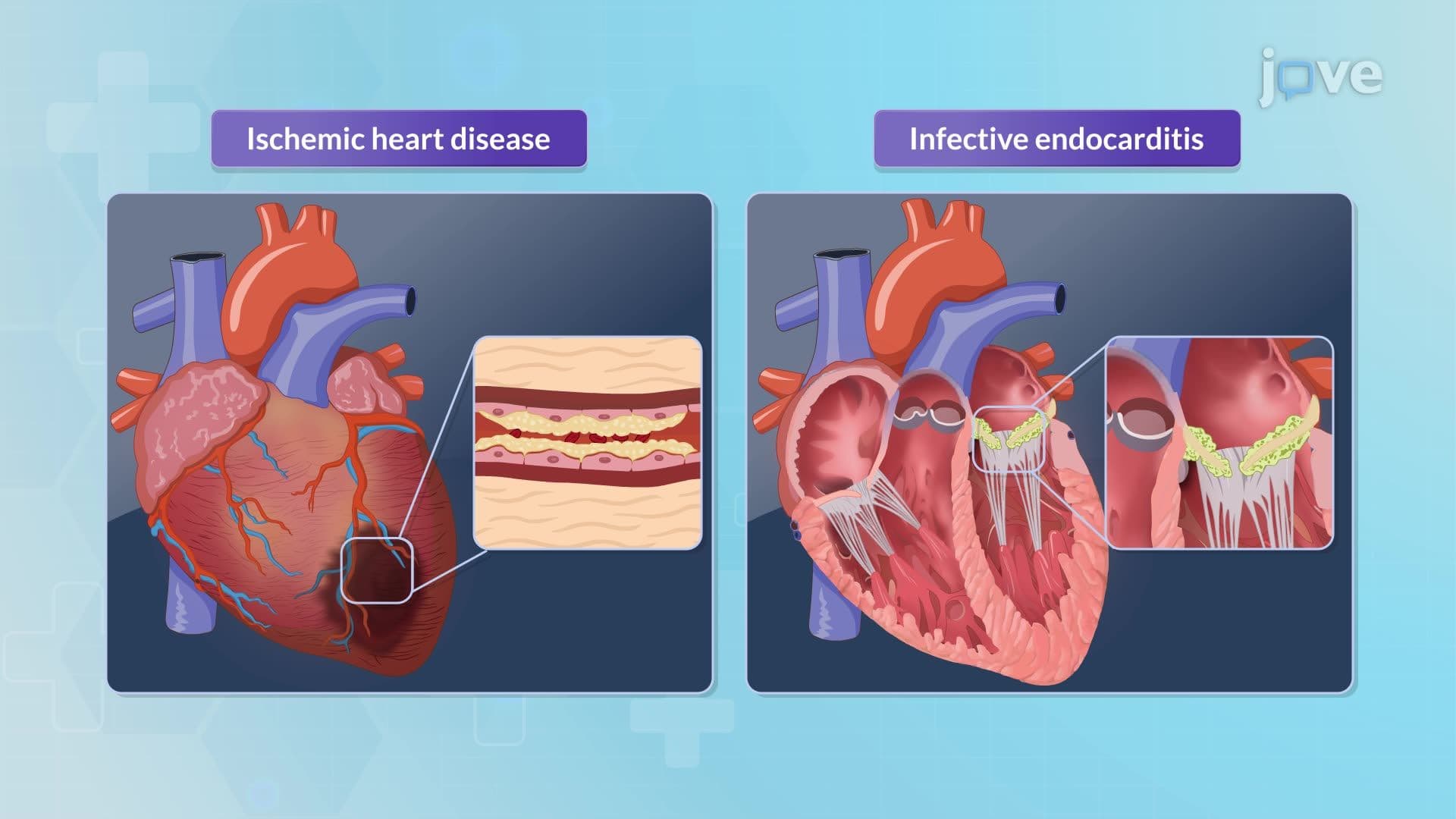
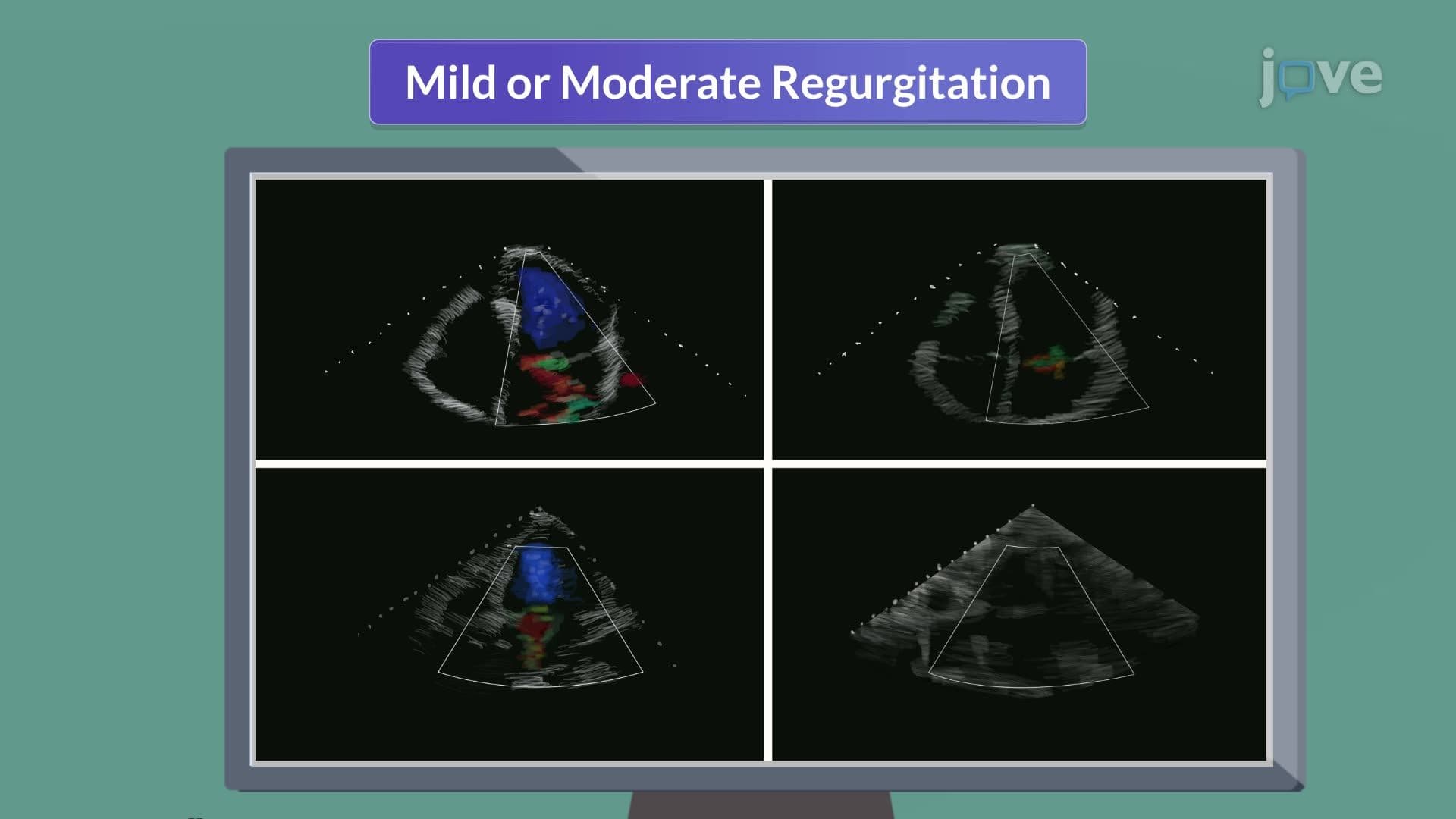
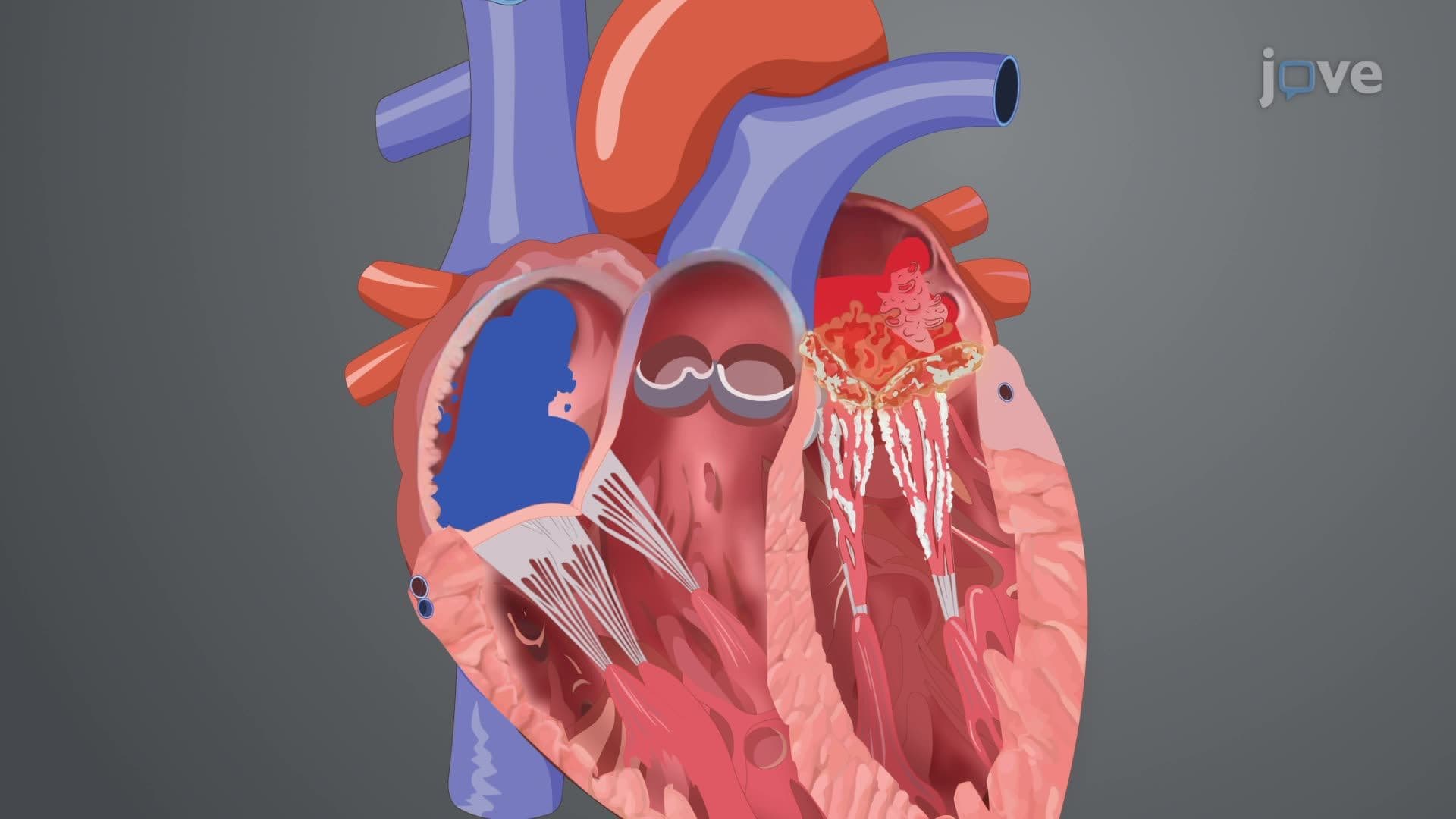
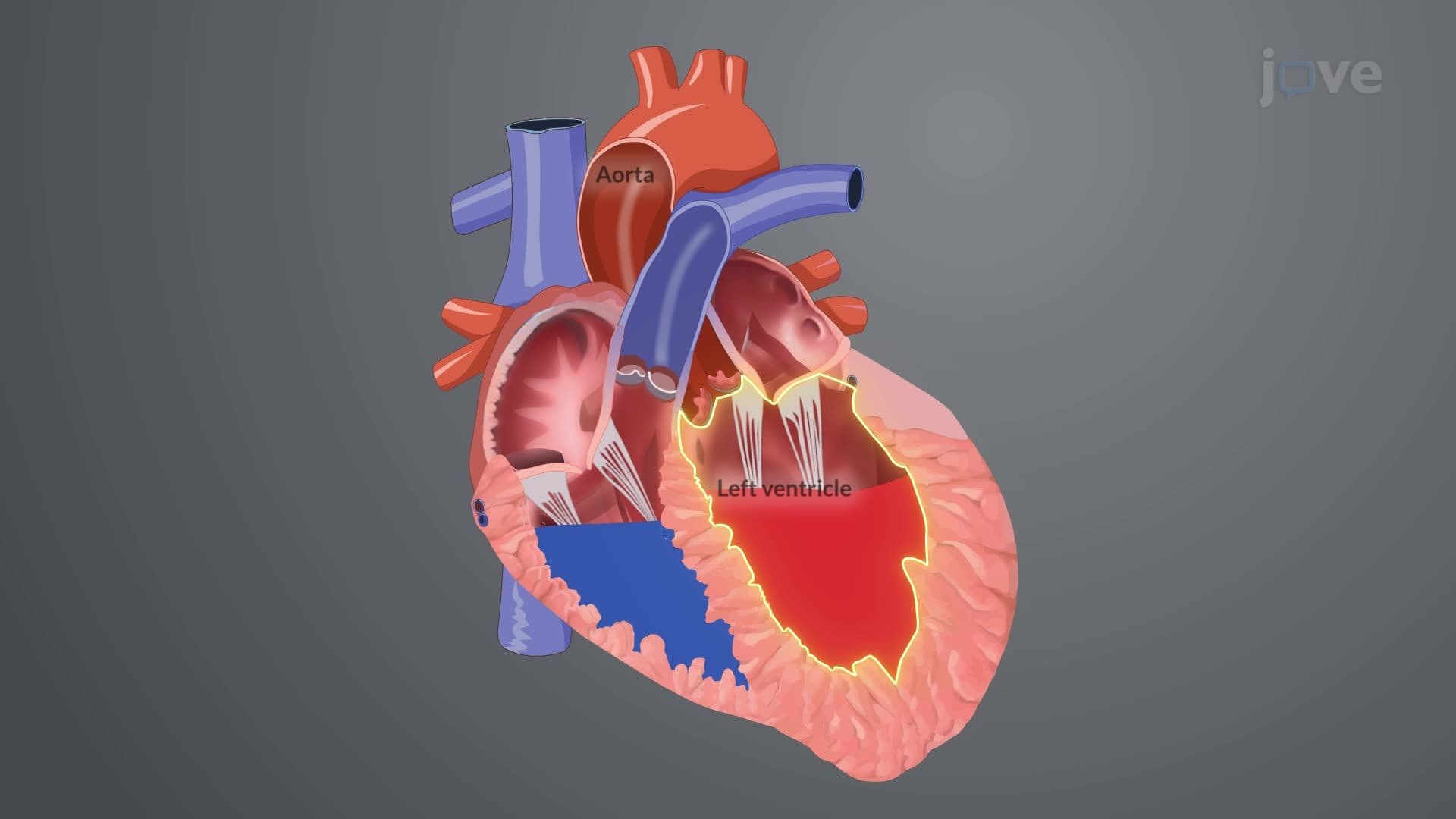
Aortic Regurgitation III Medical Management represents a sophisticated, multi-modal approach to treating moderate to severe aortic valve insufficiency. This condition, where the aortic valve fails to close properly, allows blood to flow backward from the aorta into the left ventricle during diastole. The "III" designation typically refers to moderate-to-severe disease requiring comprehensive medical intervention before surgical consideration.
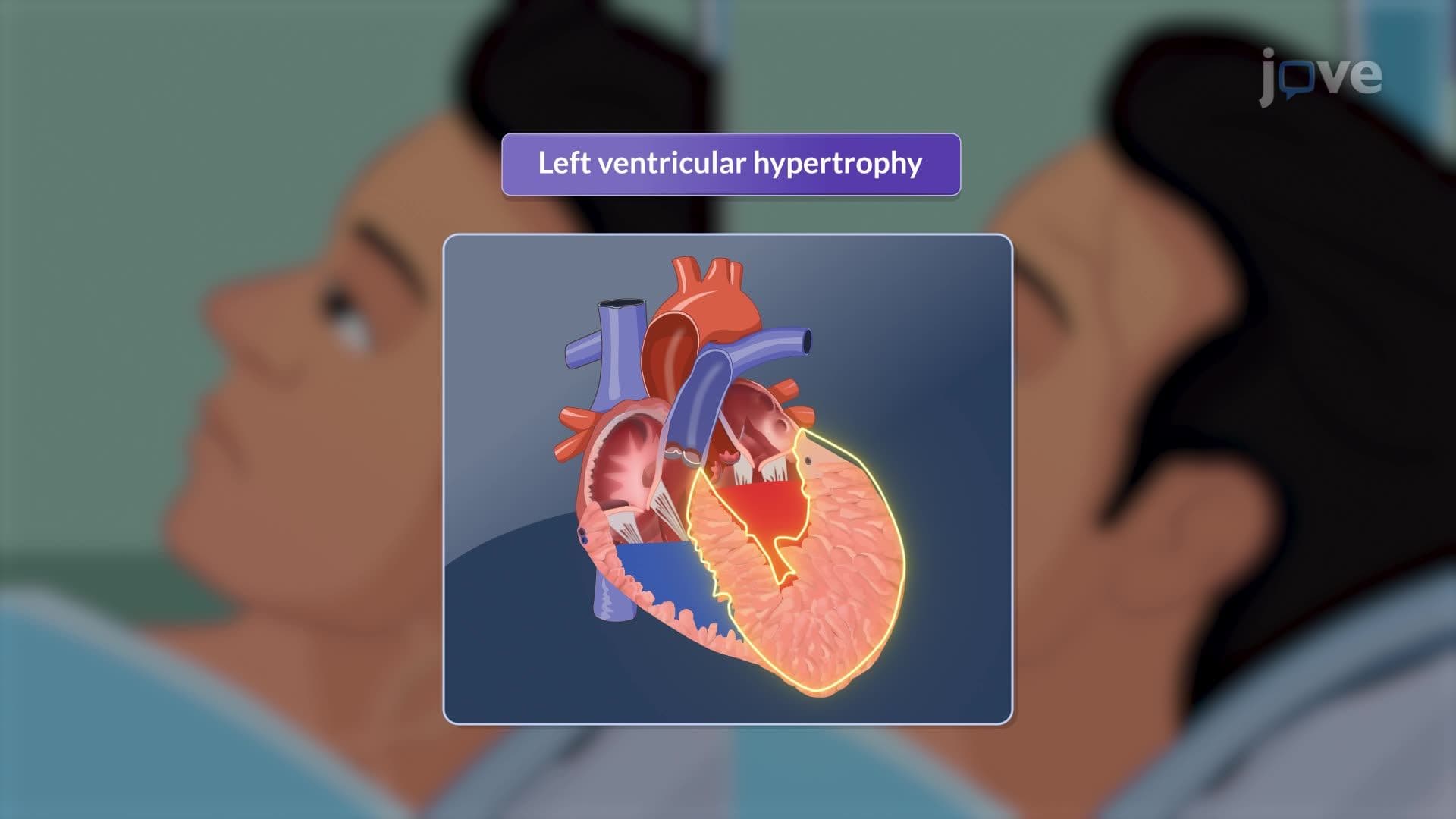
The pathophysiology centers on volume overload of the left ventricle, which initially compensates through eccentric hypertrophy. However, chronic volume overload eventually leads to ventricular dysfunction, making timely medical management crucial for preventing irreversible cardiac damage.
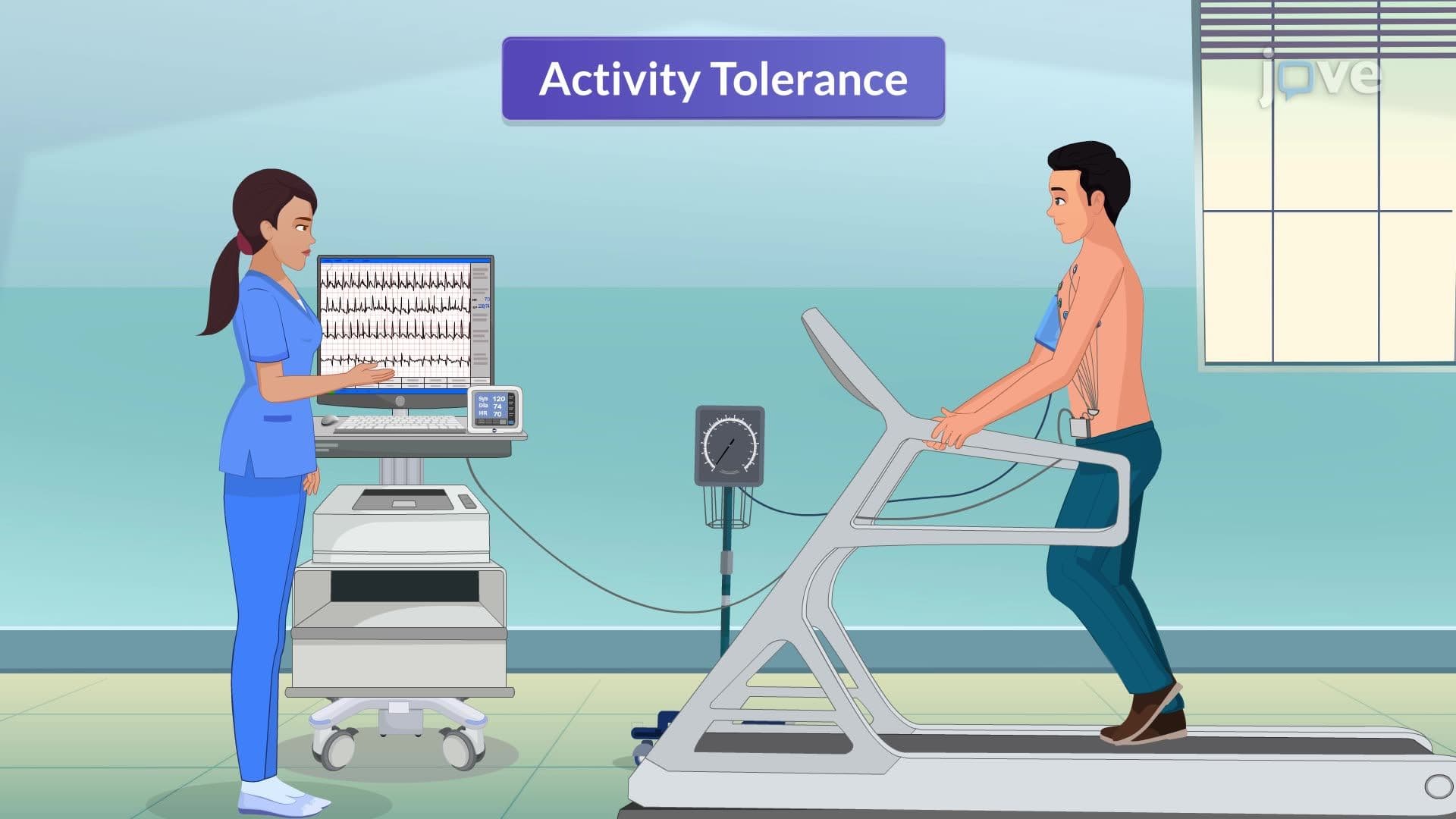
Medical management begins with strategic activity modification. Patients with symptomatic aortic regurgitation or significant left ventricular dysfunction must avoid activities that dramatically increase cardiac workload. Competitive sports like basketball or football create sudden pressure spikes that can worsen regurgitation. Isometric exercises such as weightlifting or resistance training pose particular risks because they increase systemic vascular resistance without providing the cardiac output benefits of dynamic exercise.
The American Heart Association's guidelines emphasize that these restrictions aren't permanent-they're protective measures until definitive treatment (typically valve replacement) addresses the underlying pathology. This concept frequently appears on MCAT cardiology sections and advanced placement biology exams.
The cornerstone of medical therapy involves afterload reduction through vasodilators. ACE inhibitors like enalapril and lisinopril reduce systemic vascular resistance, decreasing the pressure gradient that drives regurgitant flow. This mechanism is particularly important for USMLE Step 1 preparation, as students must understand how reducing afterload improves forward stroke volume while minimizing backward flow.
Calcium channel blockers, particularly dihydropyridines like amlodipine, provide additional afterload reduction through direct arterial vasodilation. Beta-blockers require cautious use-while they reduce myocardial oxygen demand and slow heart rate (allowing more diastolic filling time), they can potentially worsen regurgitation by prolonging diastole.
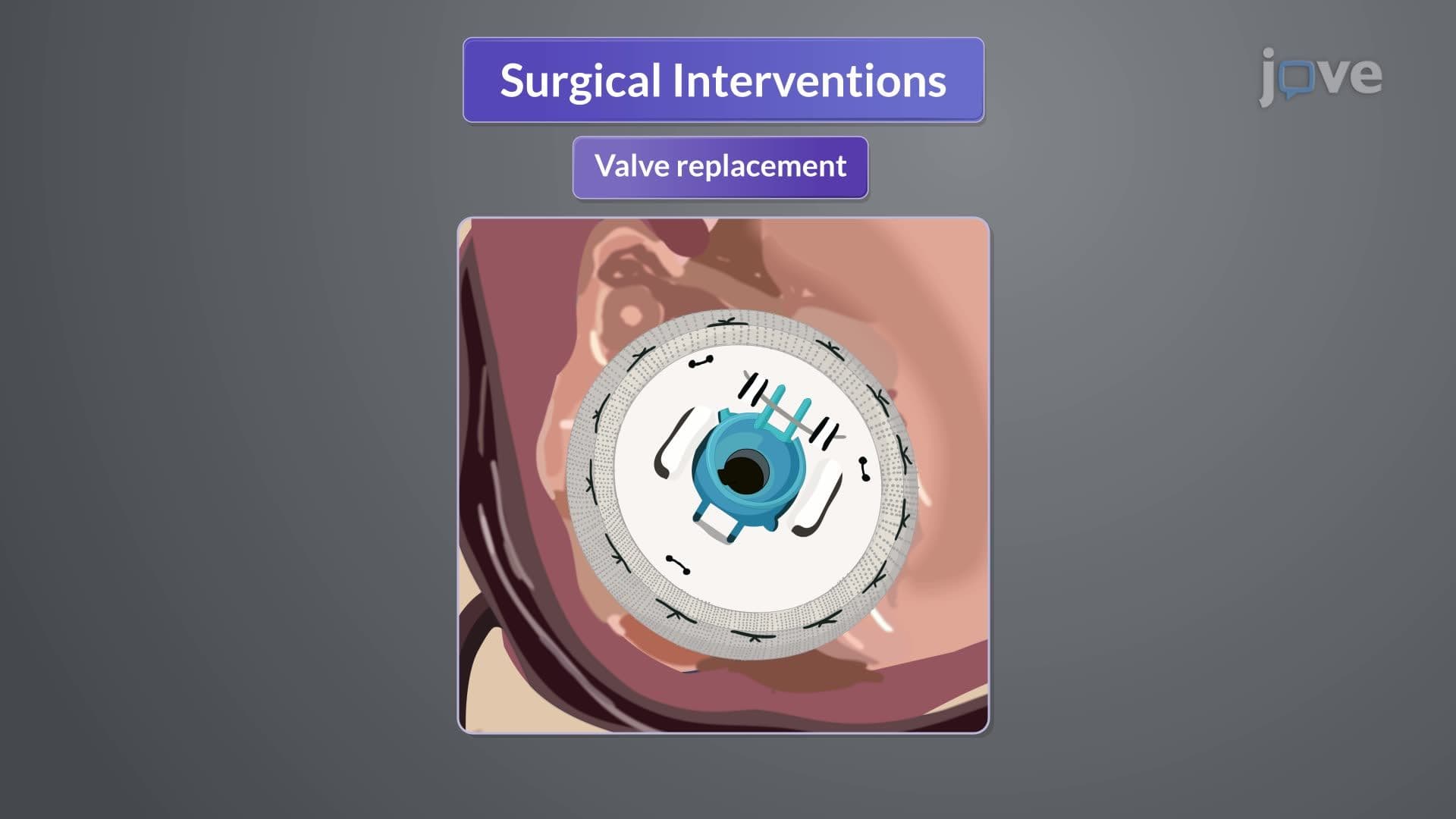
Surgical intervention becomes necessary when medical management fails to prevent ventricular dysfunction. The American College of Cardiology establishes clear criteria: symptomatic patients with severe AR require surgery, while asymptomatic patients need intervention when ejection fraction drops to 50% or below, or when left ventricular end-systolic diameter exceeds 50mm. These specific numerical thresholds frequently appear on NCLEX-RN examinations and cardiology board certifications.
Patient education encompasses medication adherence, sodium restriction (typically <2g daily), and symptom recognition. Patients learn to identify signs of worsening heart failure, including dyspnea, orthopnea, and decreased exercise tolerance-critical concepts for nursing students preparing for HESI A2 or TEAS examinations.
Related Micro-courses