Loading subject page…


1,733 views


Video Summary: Aortic Regurgitation Iv Nursing Management Explained
Did you know that a patient with severe aortic regurgitation can pump up to 40% more blood with each heartbeat to compensate for backflow? Aortic regurgitation IV nursing management requires nurses to master comprehensive assessment techniques, from detecting the characteristic high-pitched diastolic murmur to recognizing peripheral edema in patients like those treated at Mayo Clinic's cardiac units. This Aortic Regurgitation IV Nursing Management Explained approach integrates evidence-based interventions with continuous patient monitoring. Watch the full video on JoVE Coach to master this concept with expert-led visuals and step-by-step explanations.
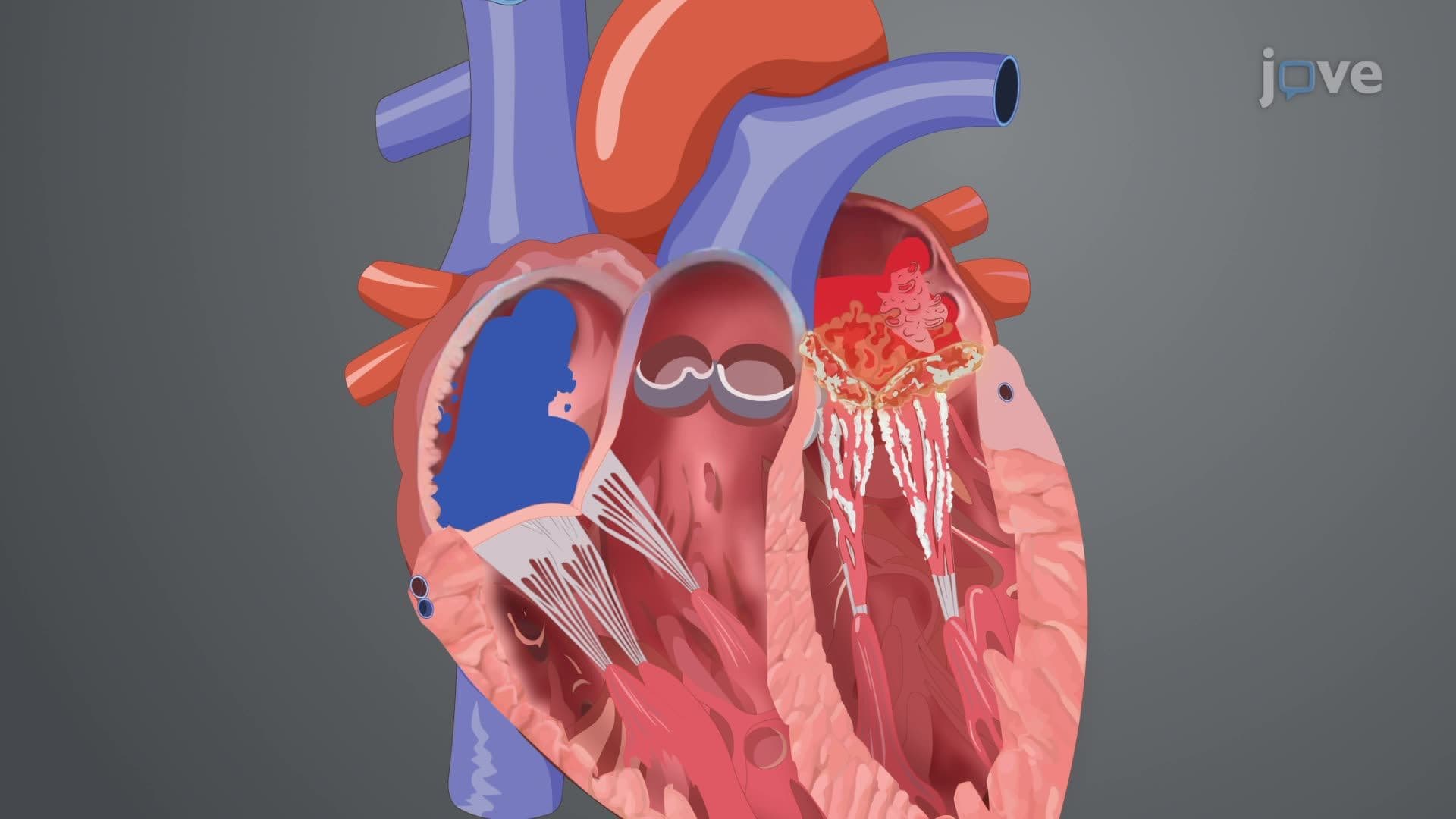
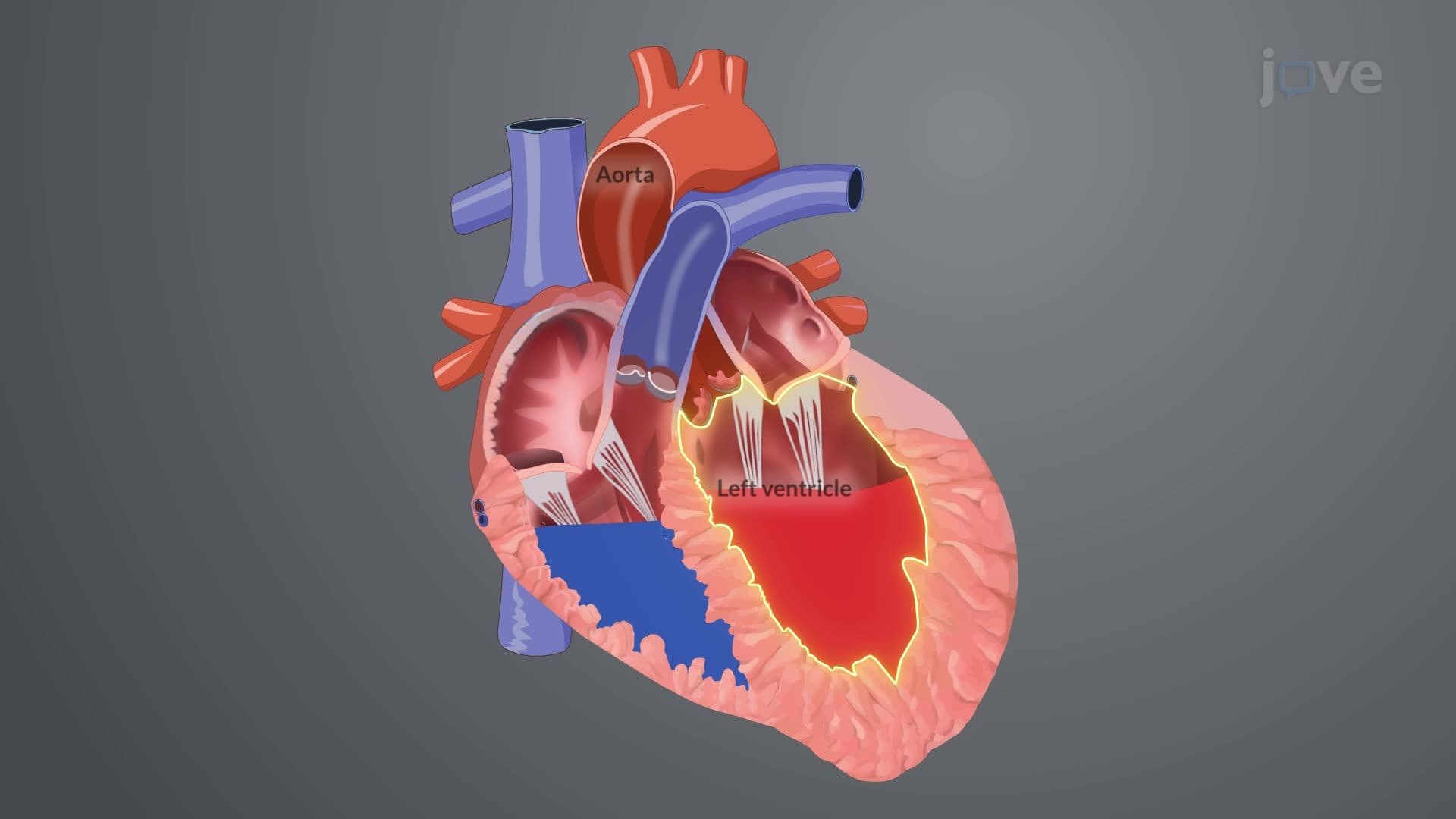
Aortic regurgitation represents one of the most challenging valvular disorders nurses encounter in cardiac units across American hospitals. When the aortic valve fails to close properly, blood flows backward from the aorta into the left ventricle during diastole, creating a volume overload that demands expert nursing intervention. This condition affects approximately 13% of men and 8.5% of women over age 75 in the United States, making proficient nursing management essential for optimal patient outcomes.
The foundation of effective nursing care begins with meticulous assessment techniques. Nurses must develop expertise in cardiac auscultation, specifically identifying the pathognomonic high-pitched, blowing diastolic murmur heard best at the left sternal border. This murmur, often described as a "decrescendo" sound, occurs as blood regurgitates back through the incompetent aortic valve. Clinical manifestations extend beyond cardiac sounds to include peripheral edema, particularly in dependent areas, and signs of pulmonary congestion such as crackles on lung auscultation.
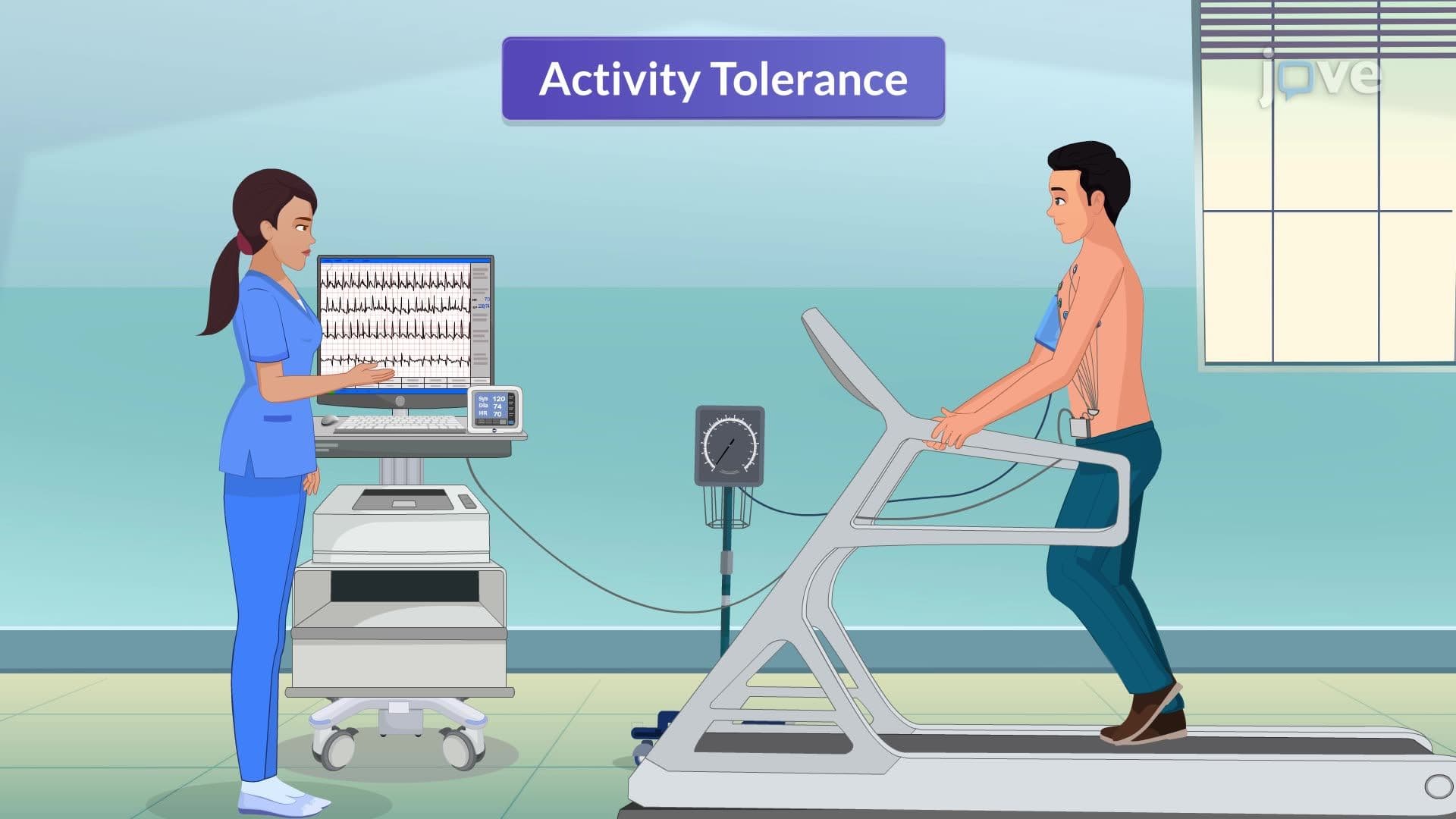
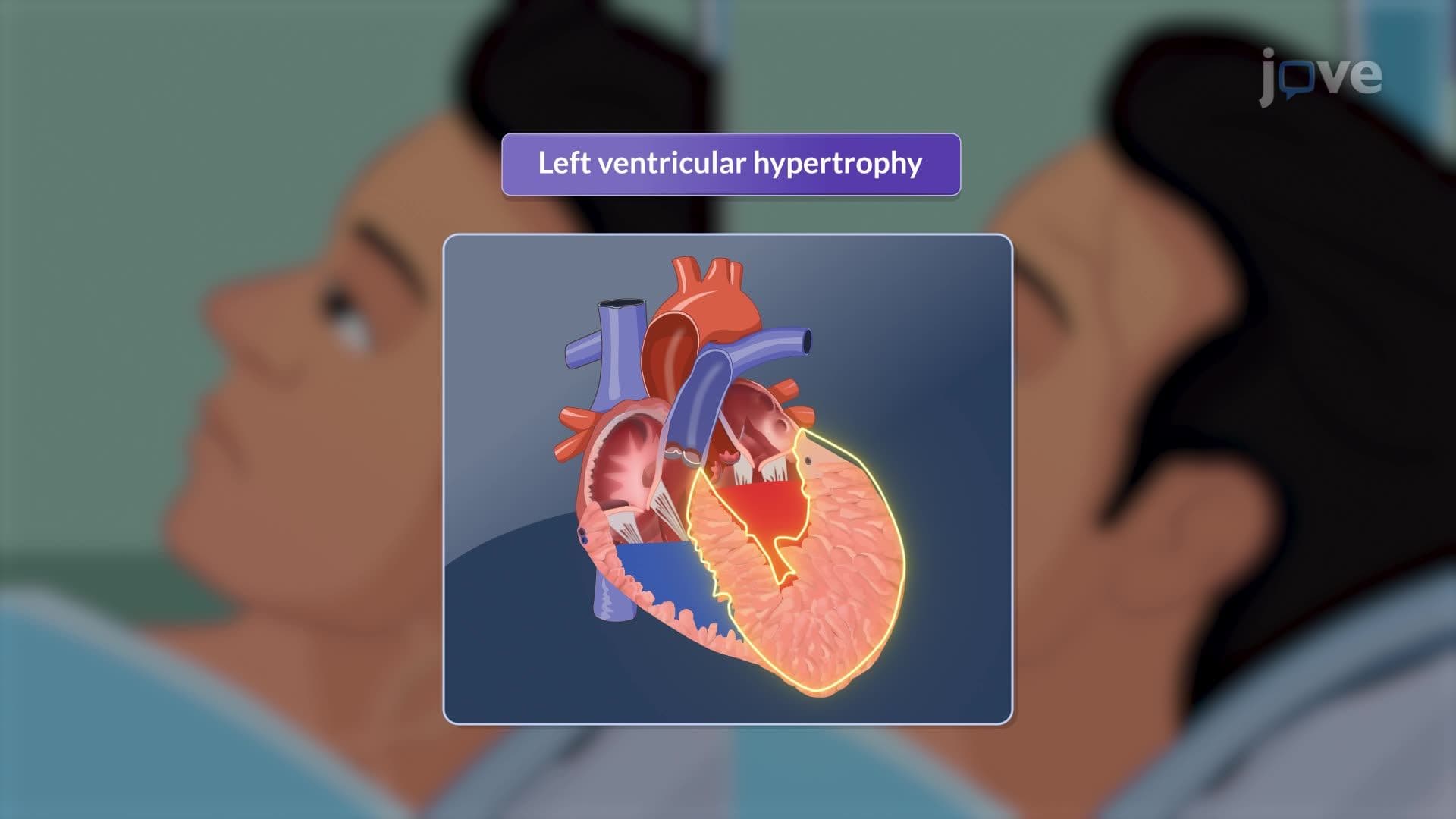
Advanced practice nurses working in facilities like Cleveland Clinic or Johns Hopkins often encounter patients presenting with compensated aortic regurgitation, where the left ventricle has adapted through hypertrophy and dilation. Recognition of decompensation signs-including orthopnea, paroxysmal nocturnal dyspnea, and decreased exercise tolerance-becomes crucial for timely intervention.
Strategic nursing interventions focus on optimizing cardiac output and reducing cardiac workload. The high-Fowler's position serves multiple physiological purposes: it reduces venous return, decreases preload, and facilitates respiratory mechanics by allowing maximum diaphragmatic excursion. This positioning proves particularly beneficial for students preparing for NCLEX-RN examinations, as it demonstrates understanding of cardiac physiology principles.
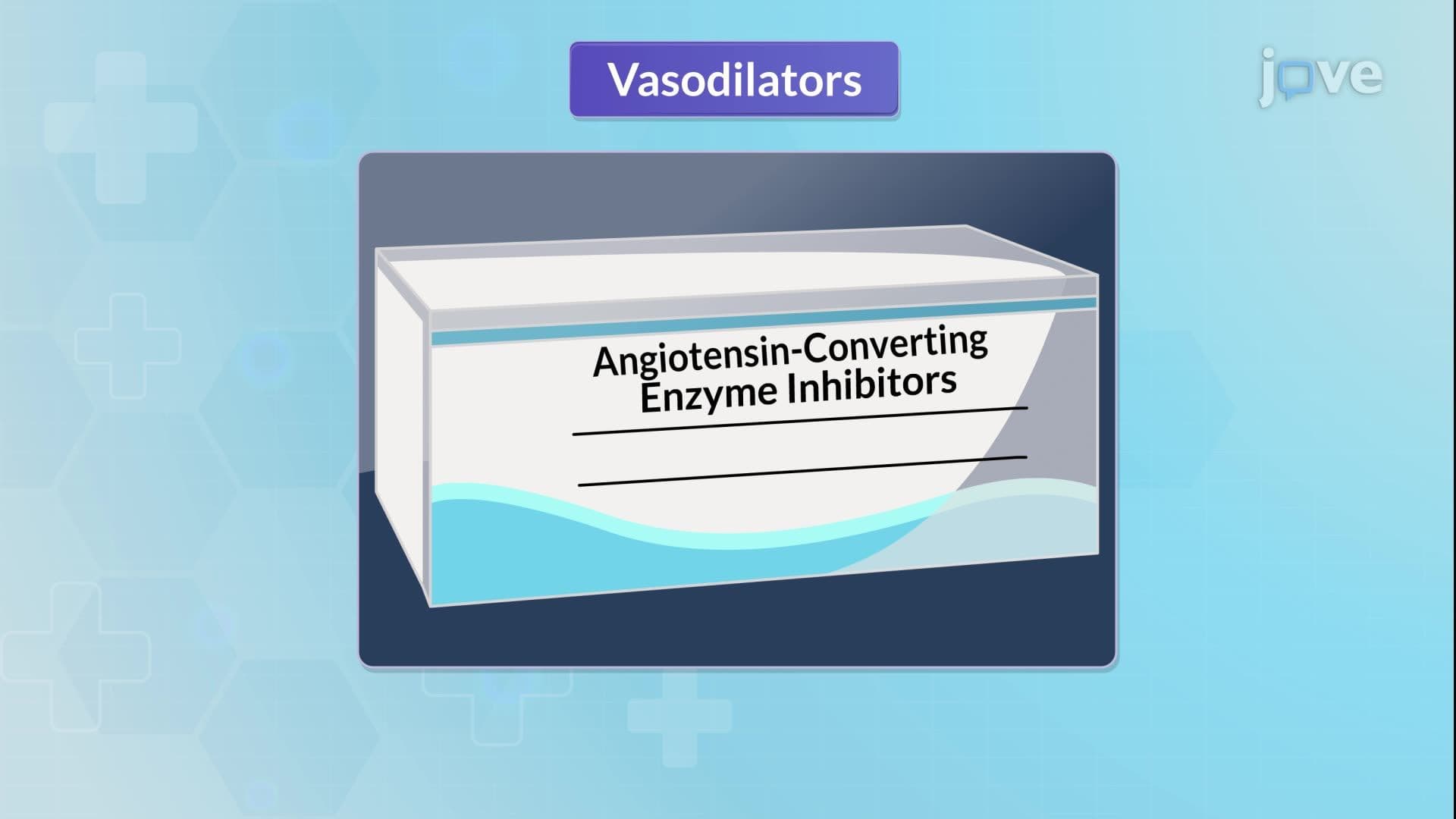
Leg elevation techniques enhance venous return when appropriate, though timing becomes critical in aortic regurgitation management. Nurses must balance the need for venous return optimization against the risk of increasing preload in an already volume-overloaded ventricle. Patient education encompasses medication adherence strategies, particularly for ACE inhibitors and diuretics commonly prescribed in American cardiac practices.
For students pursuing nursing degrees or preparing for certification exams like HESI A2 or TEAS, mastering aortic regurgitation management demonstrates advanced cardiovascular nursing competency. This knowledge proves essential for clinical rotations in major teaching hospitals and translates directly to NCLEX-RN success, where cardiovascular questions comprise approximately 20% of the examination content.
Related Micro-courses