Loading subject page…


1,733 views


Video Summary: Mitral Regurgitation Ii Clinical Features Explained
Did you know that mitral regurgitation affects approximately 2% of the US population, yet many patients remain unaware they have it for years? Mitral regurgitation II clinical features range dramatically from life-threatening acute presentations requiring immediate emergency department intervention to subtle chronic symptoms that develop gradually over decades. Consider a 45-year-old teacher in Texas who experiences sudden shortness of breath during class-this could signal acute mitral regurgitation requiring urgent cardiac evaluation. Watch the full video on JoVE Coach to master this concept with expert-led visuals and step-by-step explanations.
Mitral regurgitation represents one of the most prevalent valvular heart diseases encountered in US healthcare settings, affecting millions of Americans across diverse age groups. The clinical presentation varies dramatically depending on the onset mechanism, underlying etiology, and the heart's compensatory capacity. Healthcare providers from emergency departments in Los Angeles to cardiology clinics in Boston rely on systematic clinical assessment to identify and manage this condition effectively.
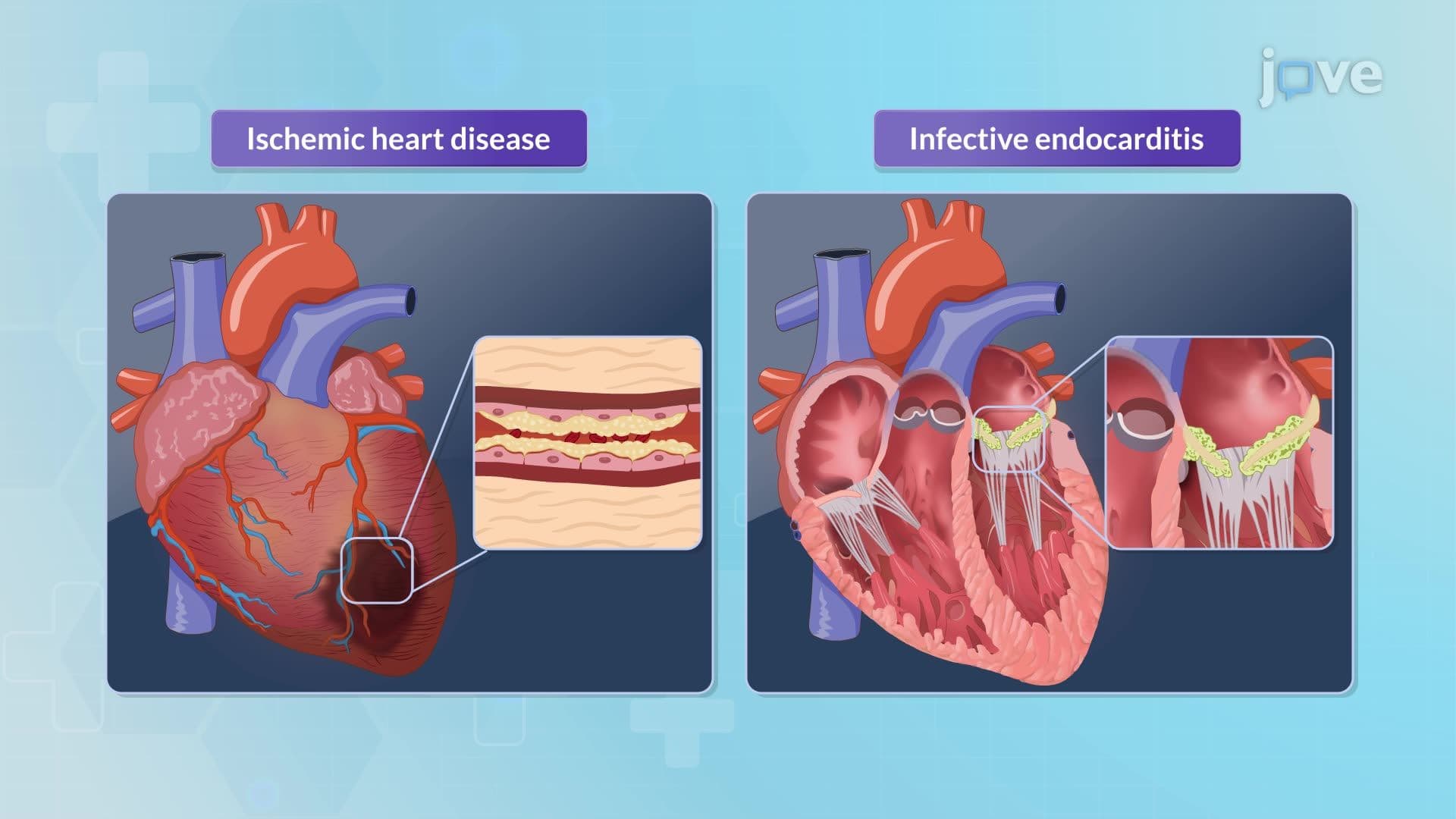
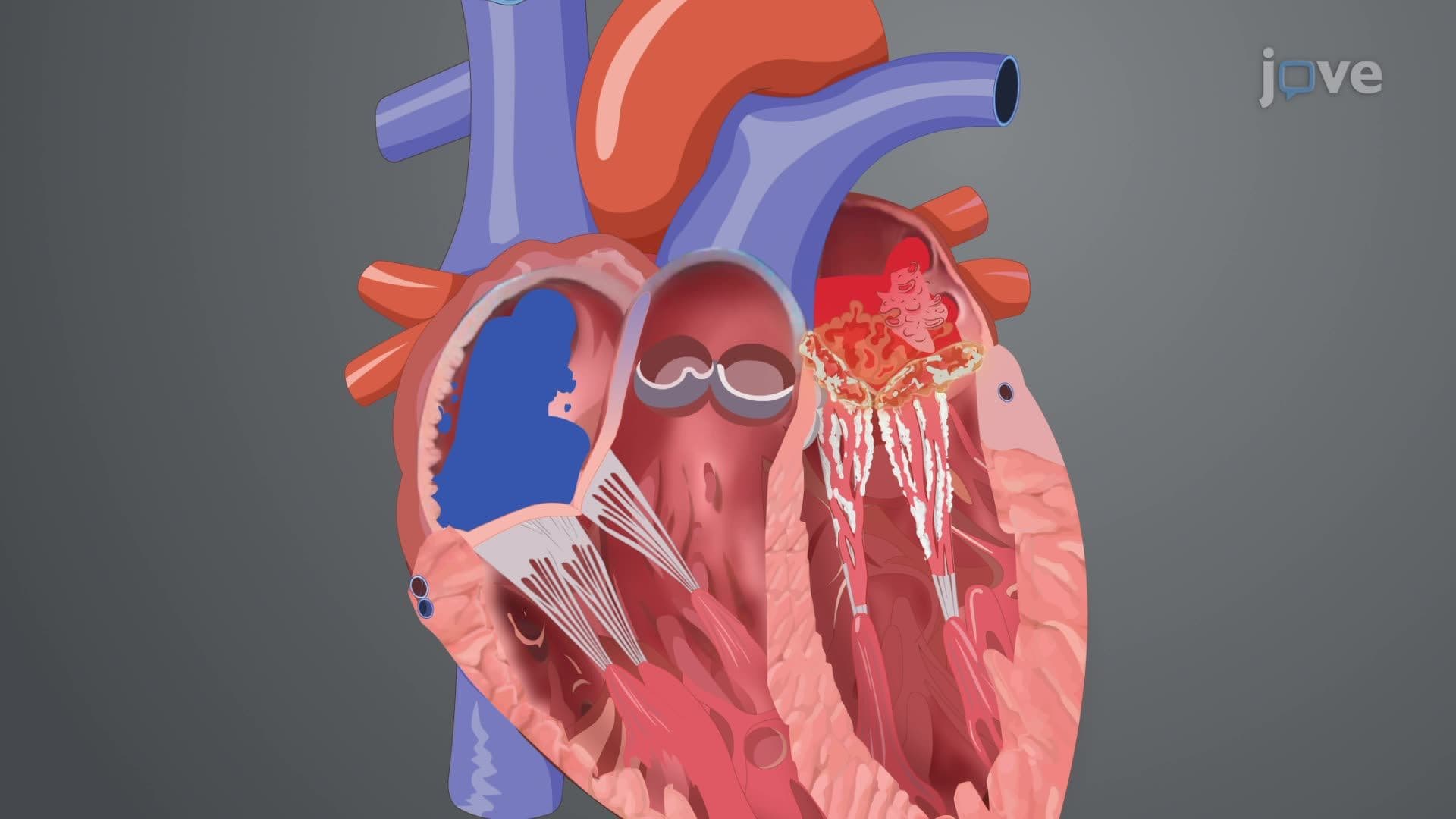
Acute mitral regurgitation constitutes a medical emergency requiring immediate intervention. Patients typically present to emergency departments with severe dyspnea, hypotension, and signs of cardiogenic shock. The sudden volume overload overwhelms the left ventricle's adaptive mechanisms, resulting in pulmonary edema and hemodynamic instability. Common triggers include papillary muscle rupture following myocardial infarction, infective endocarditis causing valve perforation, or traumatic chordae tendineae rupture.
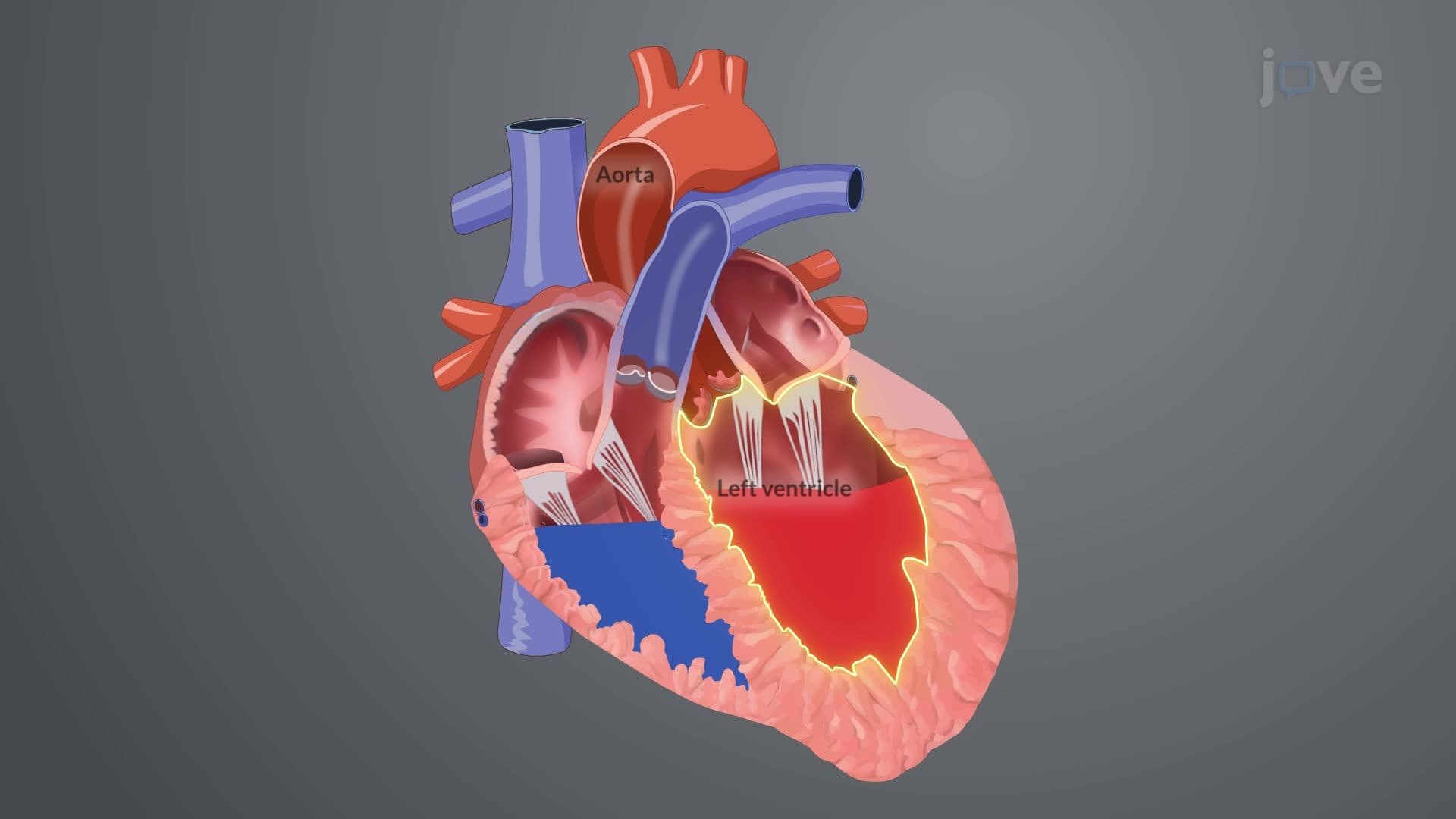
Chronic mitral regurgitation follows a markedly different trajectory. The left ventricle gradually adapts through eccentric hypertrophy and chamber dilation, maintaining normal filling pressures initially. Patients may remain asymptomatic for decades, making routine screening during annual physical examinations crucial for early detection. As compensatory mechanisms fail, subtle symptoms emerge, including exercise intolerance, fatigue, and palpitations that patients often attribute to aging or deconditioning.
The hallmark finding in mitral regurgitation is the holosystolic murmur, described as a high-pitched, blowing quality best appreciated at the cardiac apex. This murmur typically radiates to the left axilla and may extend to the left subscapular region in severe cases. Unlike other cardiac murmurs, the intensity often correlates with regurgitation severity. Advanced students preparing for MCAT examinations should note that maneuvers affecting preload and afterload alter murmur characteristics-standing decreases venous return and reduces murmur intensity, while handgrip increases afterload and intensifies the murmur.
Additional physical findings include a laterally displaced point of maximal impulse reflecting left ventricular enlargement, an S3 gallop suggesting volume overload, and signs of congestive heart failure in advanced cases. Students studying for AP Biology or college physiology courses should understand how these findings reflect underlying pathophysiological changes in cardiac structure and function.
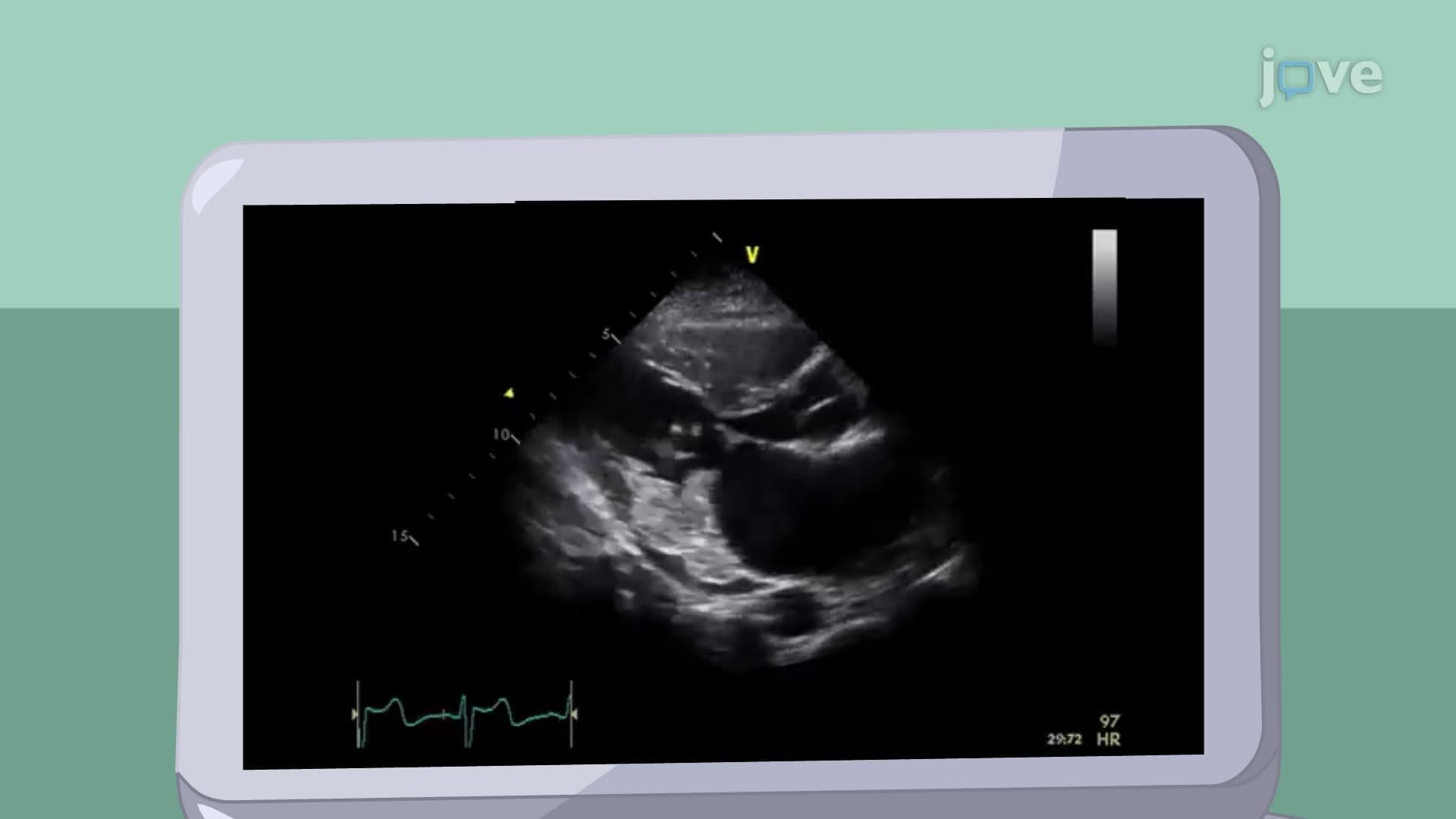
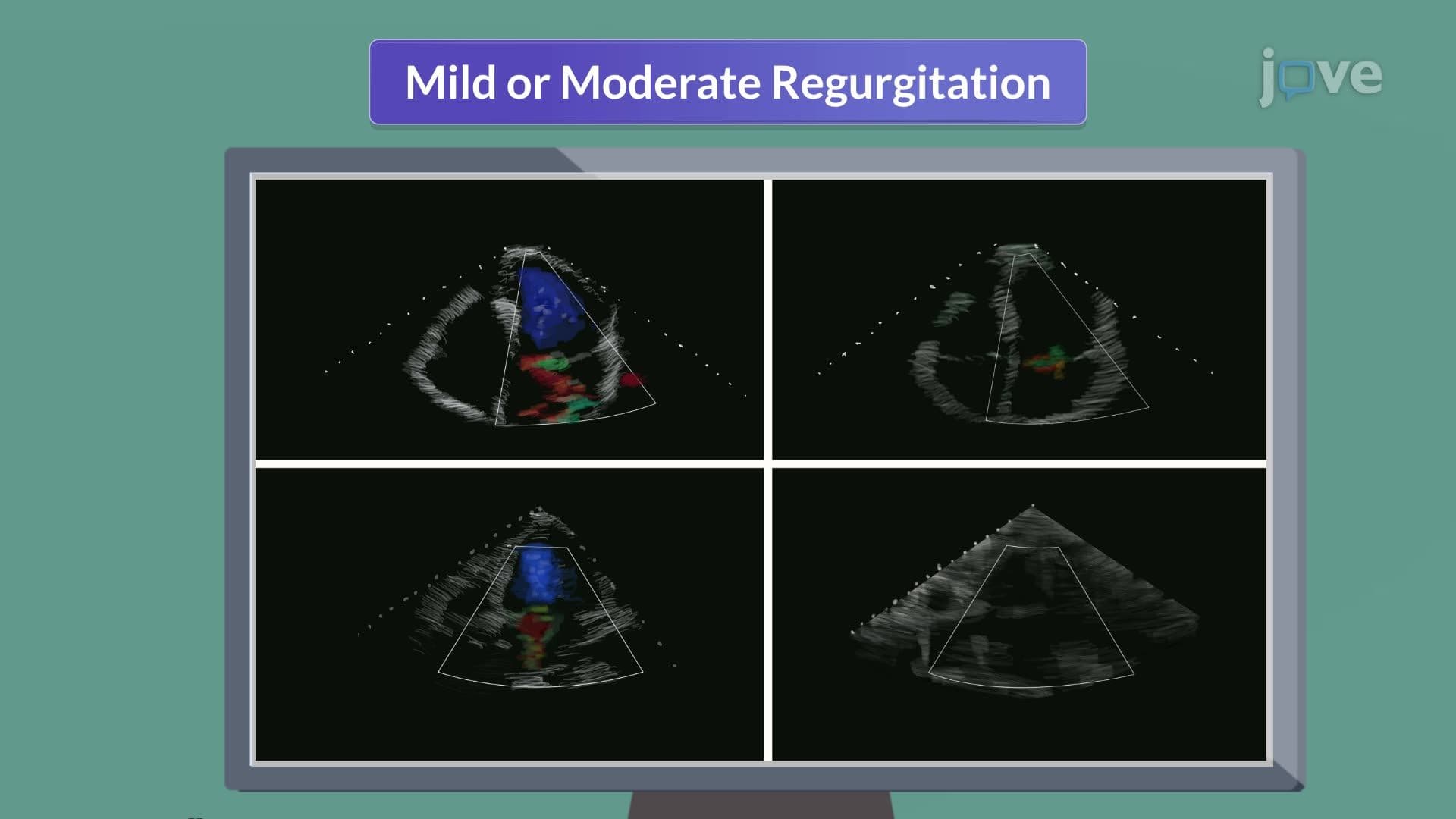
Modern diagnostic evaluation combines traditional clinical assessment with advanced imaging modalities. Echocardiography serves as the cornerstone diagnostic tool, providing real-time visualization of valve morphology, regurgitation severity assessment through color Doppler imaging, and quantitative measurements including regurgitant volume and effective regurgitant orifice area. Cardiac MRI offers superior tissue characterization and precise volumetric assessments, particularly valuable when echocardiographic windows prove inadequate.
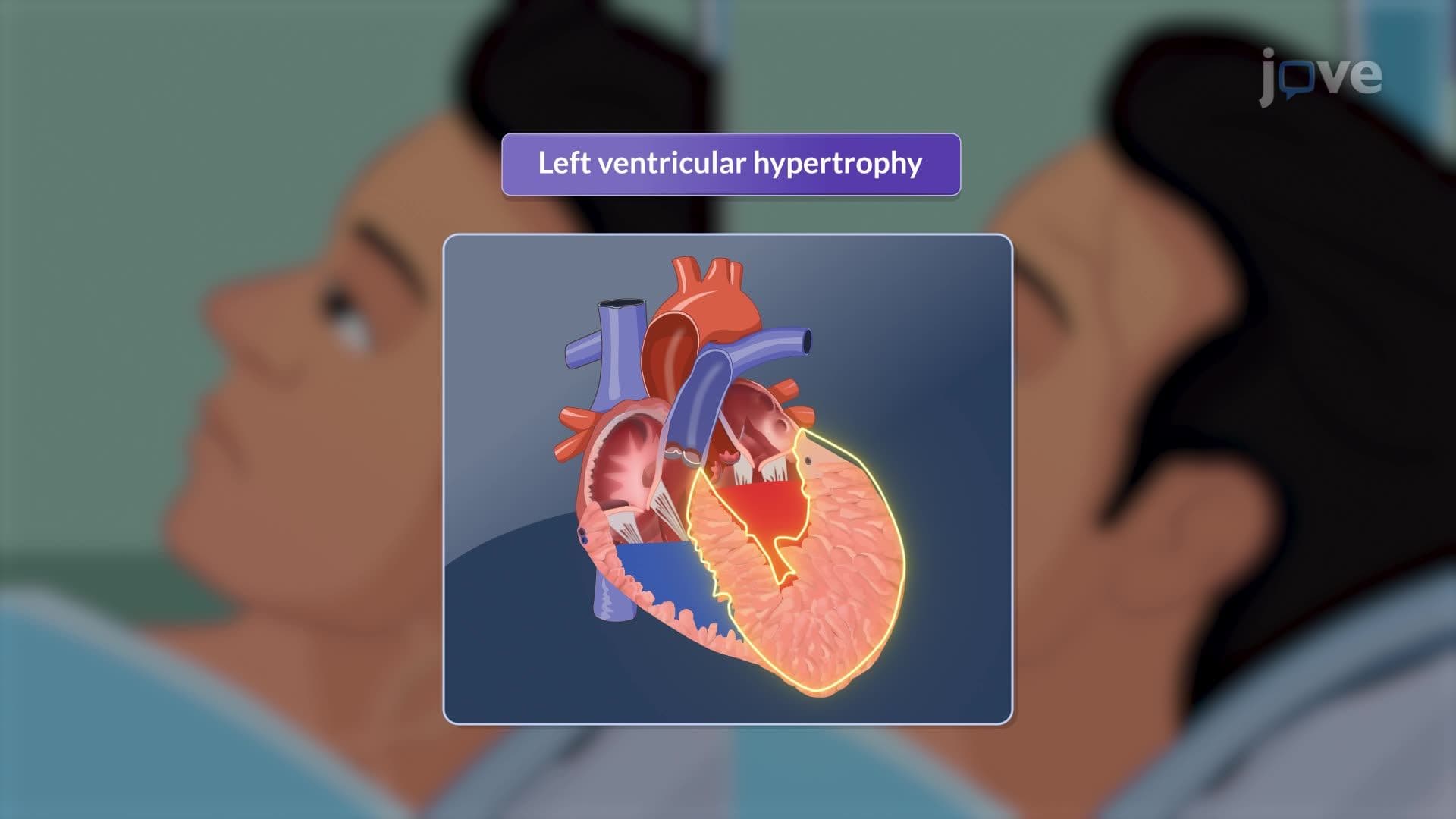
Electrocardiography reveals important supporting findings including left atrial enlargement, left ventricular hypertrophy patterns, and atrial fibrillation-a common complication affecting approximately 30% of patients with severe mitral regurgitation. Students preparing for USMLE Step 1 should recognize these ECG patterns and understand their prognostic implications for patient management decisions.
Related Micro-courses