Loading video…

 15 Concepts
 1.7K views

Video Summary: Mitral Regurgitation Iii Medical Management Explained
Did you know that over 2 million Americans live with mitral regurgitation, yet many don't realize they have it until symptoms become severe? Mitral regurgitation III medical management focuses on strategic pharmacological interventions that can dramatically improve patient outcomes without surgery. At Mayo Clinic, cardiologists use evidence-based protocols combining ACE inhibitors, diuretics, and beta-blockers to manage severe cases effectively. Watch the full video on JoVE Coach to master this concept with expert-led visuals and step-by-step explanations.
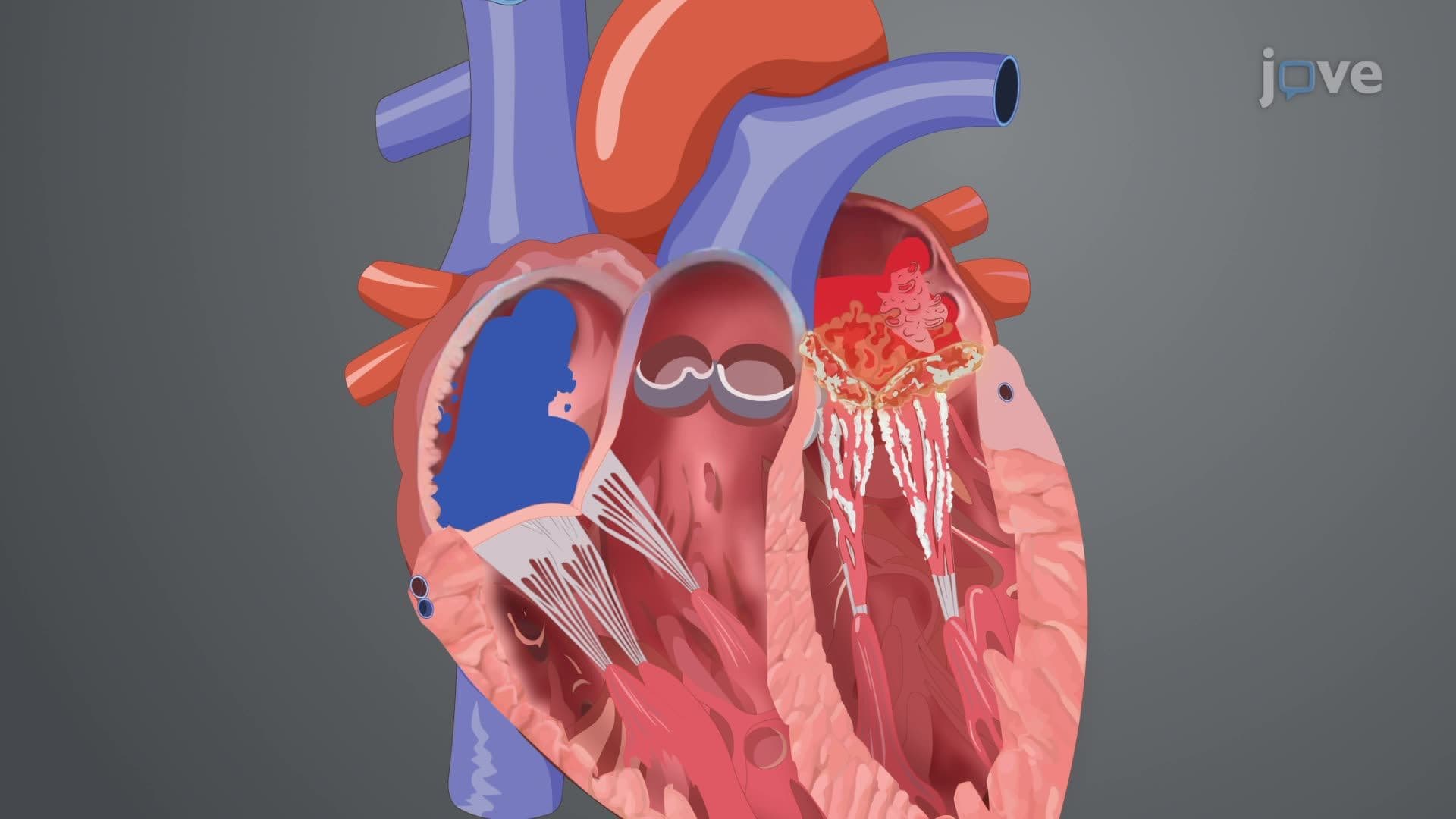
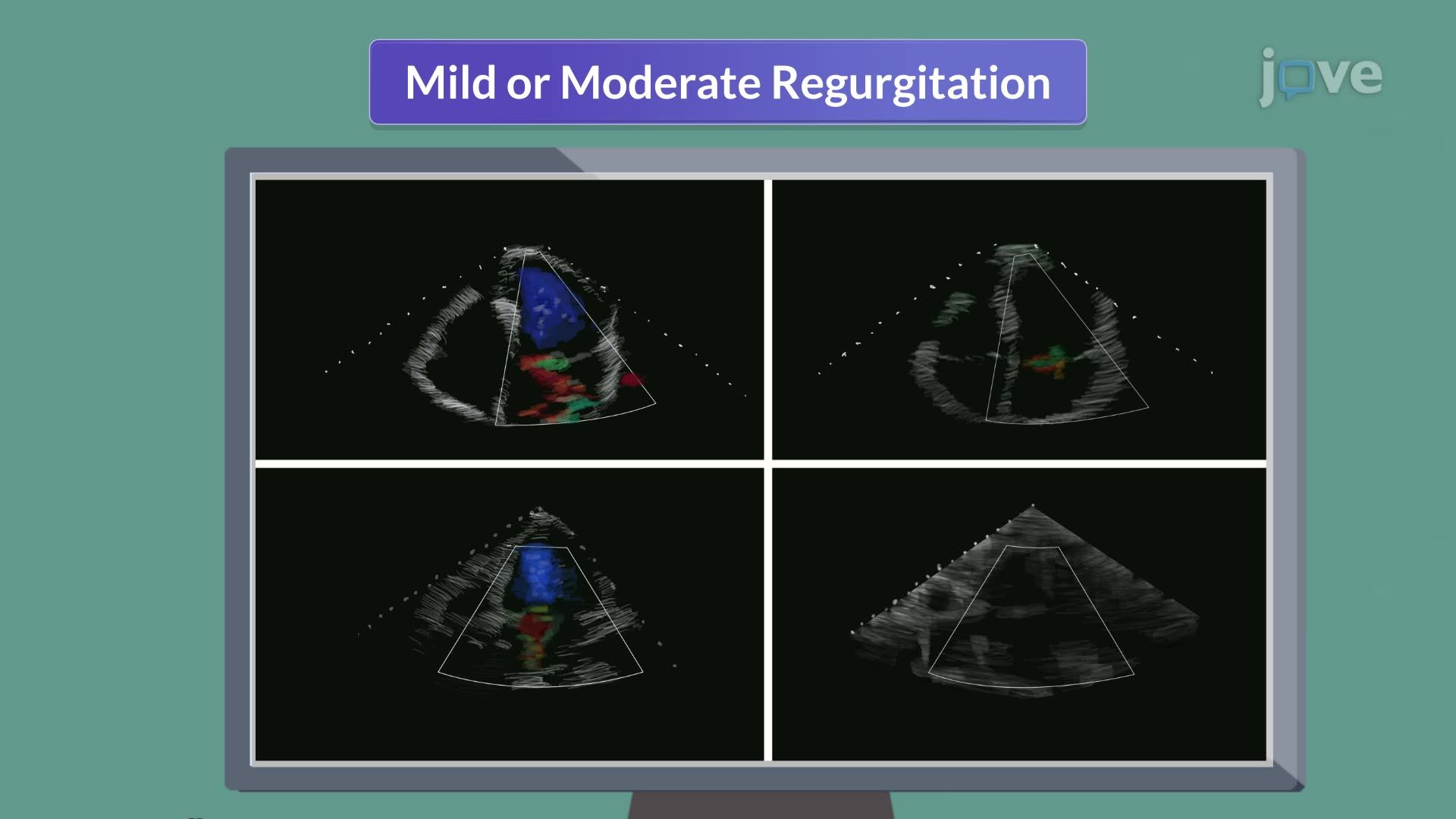
Mitral regurgitation III medical management represents a critical phase in cardiovascular care where pharmacological interventions become the primary defense against disease progression. Unlike mild-to-moderate cases that require only monitoring, severe mitral regurgitation demands immediate medical intervention to prevent irreversible cardiac damage and improve quality of life.
The foundation of medical management rests on four key medication categories. Diuretics serve as the first line of defense against fluid retention, with furosemide being commonly prescribed at Cleveland Clinic for patients experiencing pulmonary edema. These medications work by blocking sodium reabsorption in the kidneys, reducing preload and alleviating the characteristic shortness of breath that plagues MR patients.
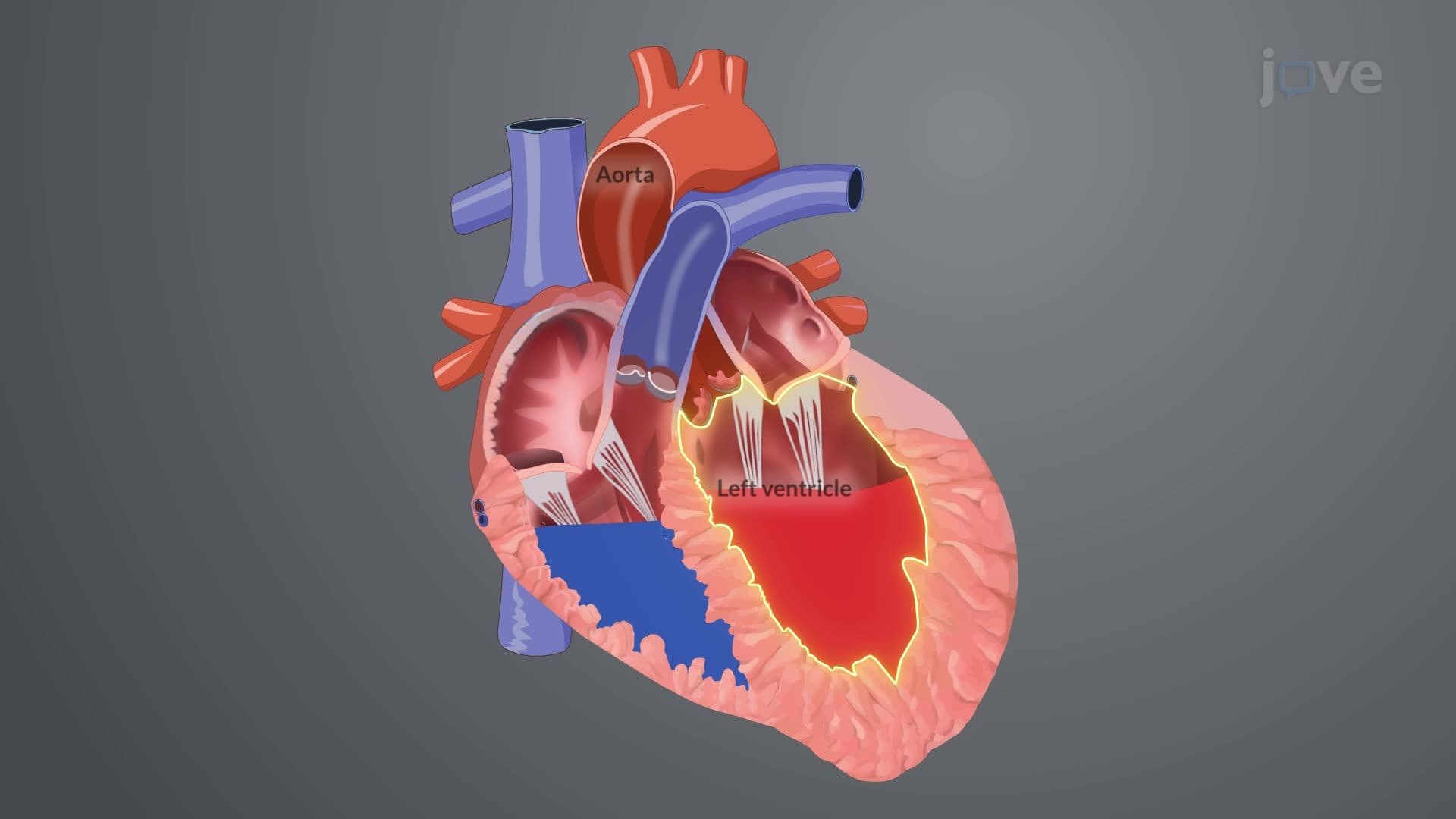
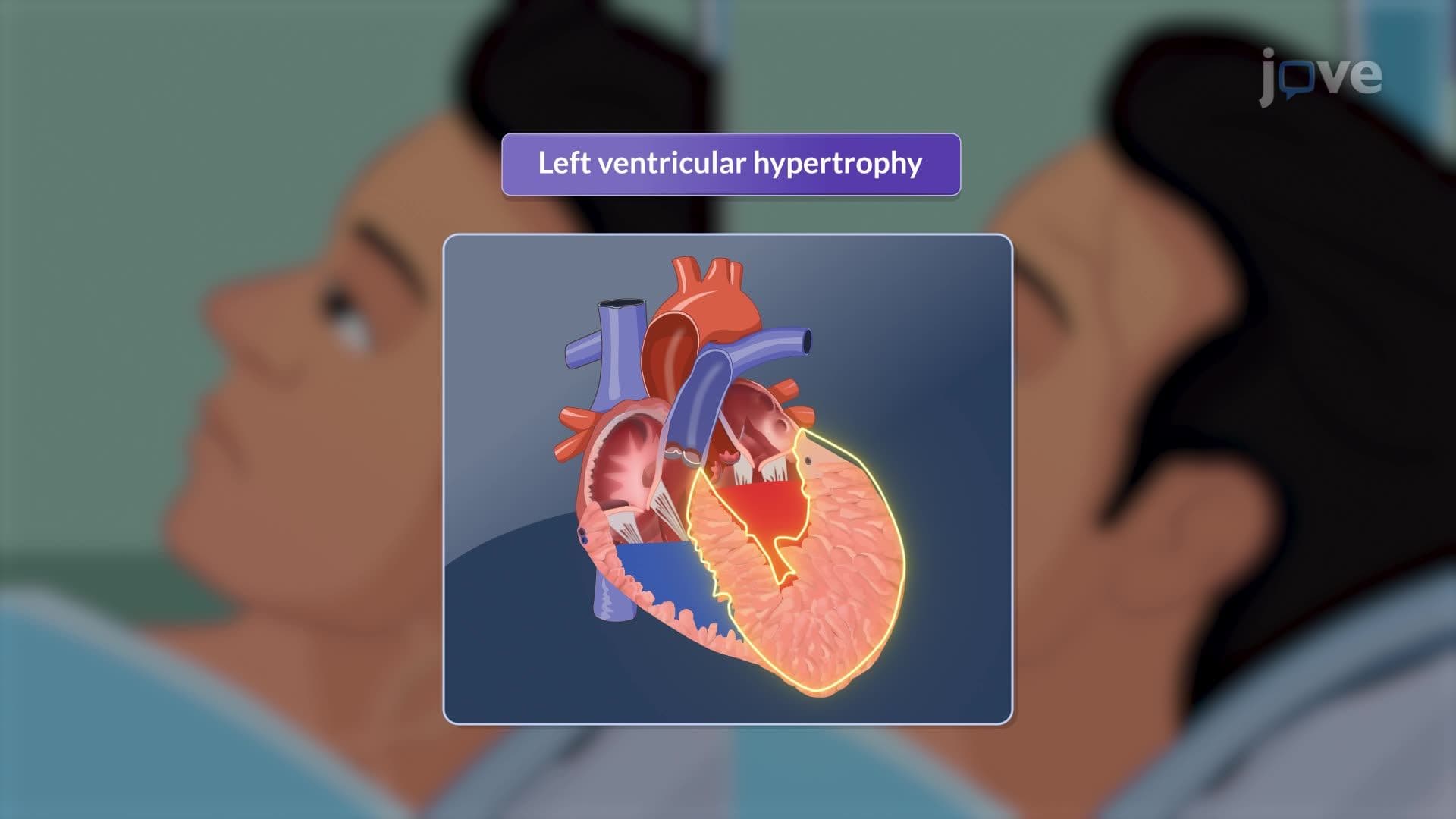
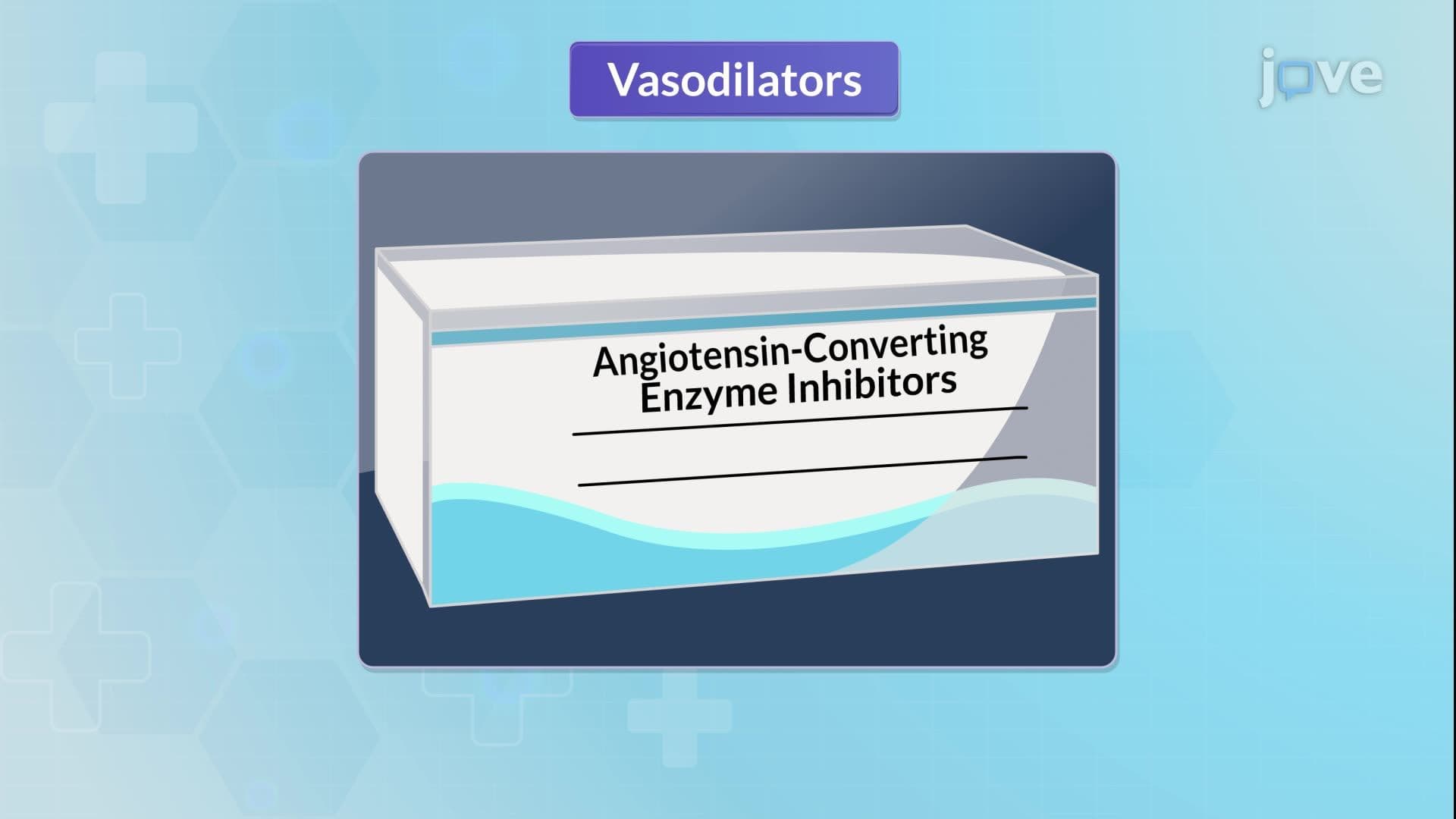
ACE inhibitors and ARBs form the second pillar of treatment by targeting the renin-angiotensin system. Medications like lisinopril and losartan reduce afterload-the resistance the heart faces when pumping blood-thereby decreasing the workload on an already compromised left ventricle. This mechanism is particularly crucial because it can slow or halt the progression toward heart failure, a concept frequently tested on the MCAT cardiology sections.
Beta-blockers represent sophisticated cardiovascular management, controlling heart rate while improving the heart's pumping efficiency. Metoprolol, commonly used at Johns Hopkins Hospital, helps optimize cardiac output by allowing more complete ventricular filling between beats. For students preparing for AP Biology or college physiology courses, understanding this concept connects directly to Frank-Starling mechanisms and cardiac cycle optimization.
Anticoagulation therapy becomes essential when mitral regurgitation coexists with atrial fibrillation, affecting approximately 30% of severe MR patients. Warfarin or newer agents like apixaban prevent dangerous blood clots that could cause strokes-a complication that transforms manageable heart disease into life-threatening emergency situations.
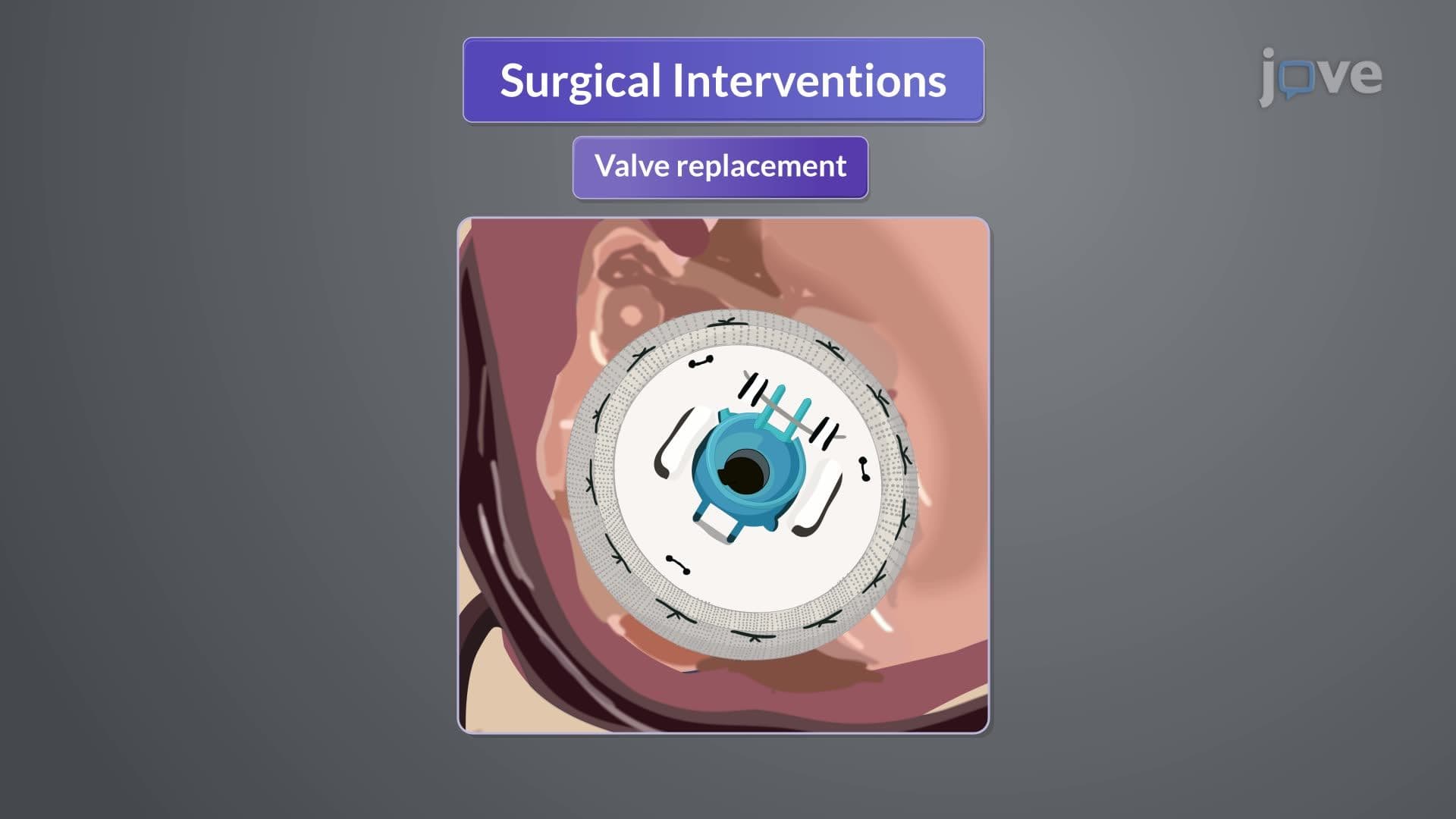
Successful medical management requires continuous assessment of symptom progression and cardiac function. When patients continue experiencing heart failure symptoms despite optimal medical therapy, this signals potential need for surgical intervention. Understanding these decision points proves crucial for pre-med students tackling USMLE Step 1 cardiology questions, where clinical reasoning often determines correct answers.
Related Micro-courses