Loading subject page…

1,733 views

Video Summary: Mitral Regurgitation Iv Nursing Management Explained
Did you know that mitral regurgitation affects up to 10% of adults over 75, making mitral regurgitation IV nursing management one of the most critical skills for cardiac nurses? At Johns Hopkins Hospital, nurses use systematic assessment protocols to identify the characteristic "blowing" heart murmur and manage complications like heart failure in these patients. Mitral Regurgitation IV Nursing Management Explained covers essential assessment techniques, nursing diagnoses, and evidence-based interventions that improve patient outcomes. Watch the full video on JoVE Coach to master this concept with expert-led visuals and step-by-step explanations.
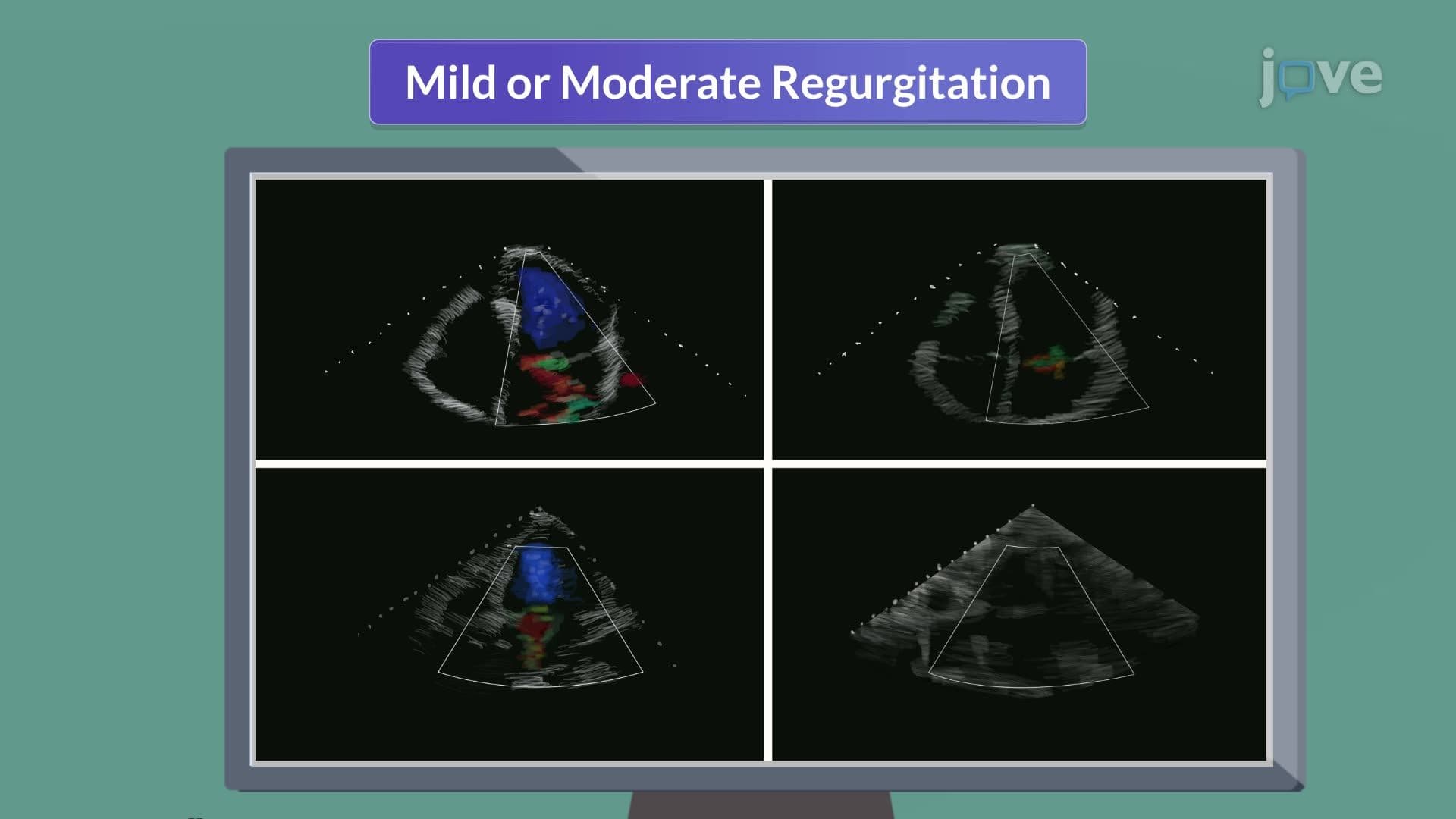
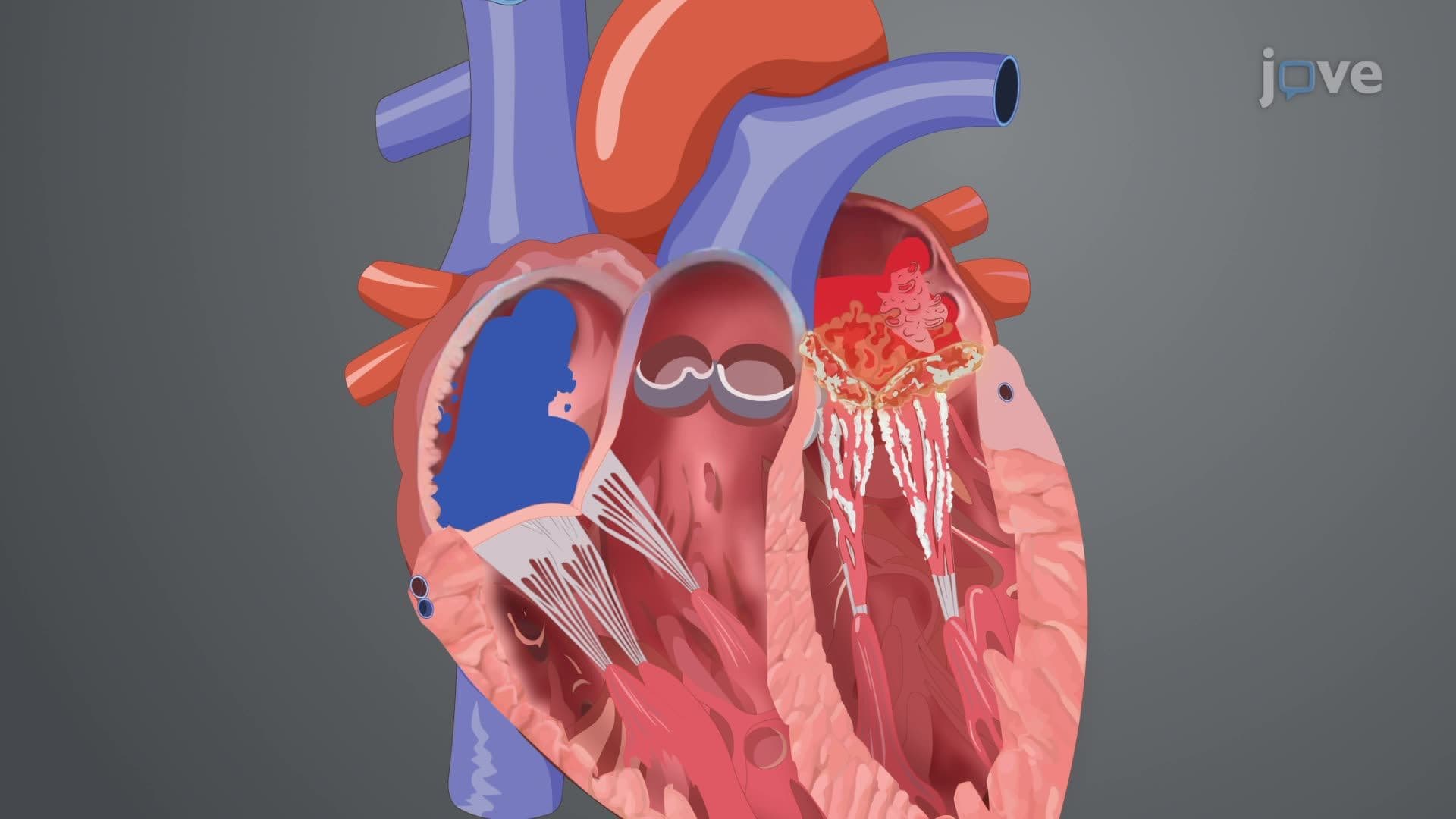
Mitral regurgitation represents a significant challenge in cardiovascular nursing, requiring nurses to master complex assessment skills and therapeutic interventions. This condition occurs when the mitral valve fails to close properly, allowing blood to flow backward into the left atrium during ventricular contraction. At prestigious medical centers like Mayo Clinic and Cleveland Clinic, nurses follow evidence-based protocols that emphasize early recognition and comprehensive management strategies.
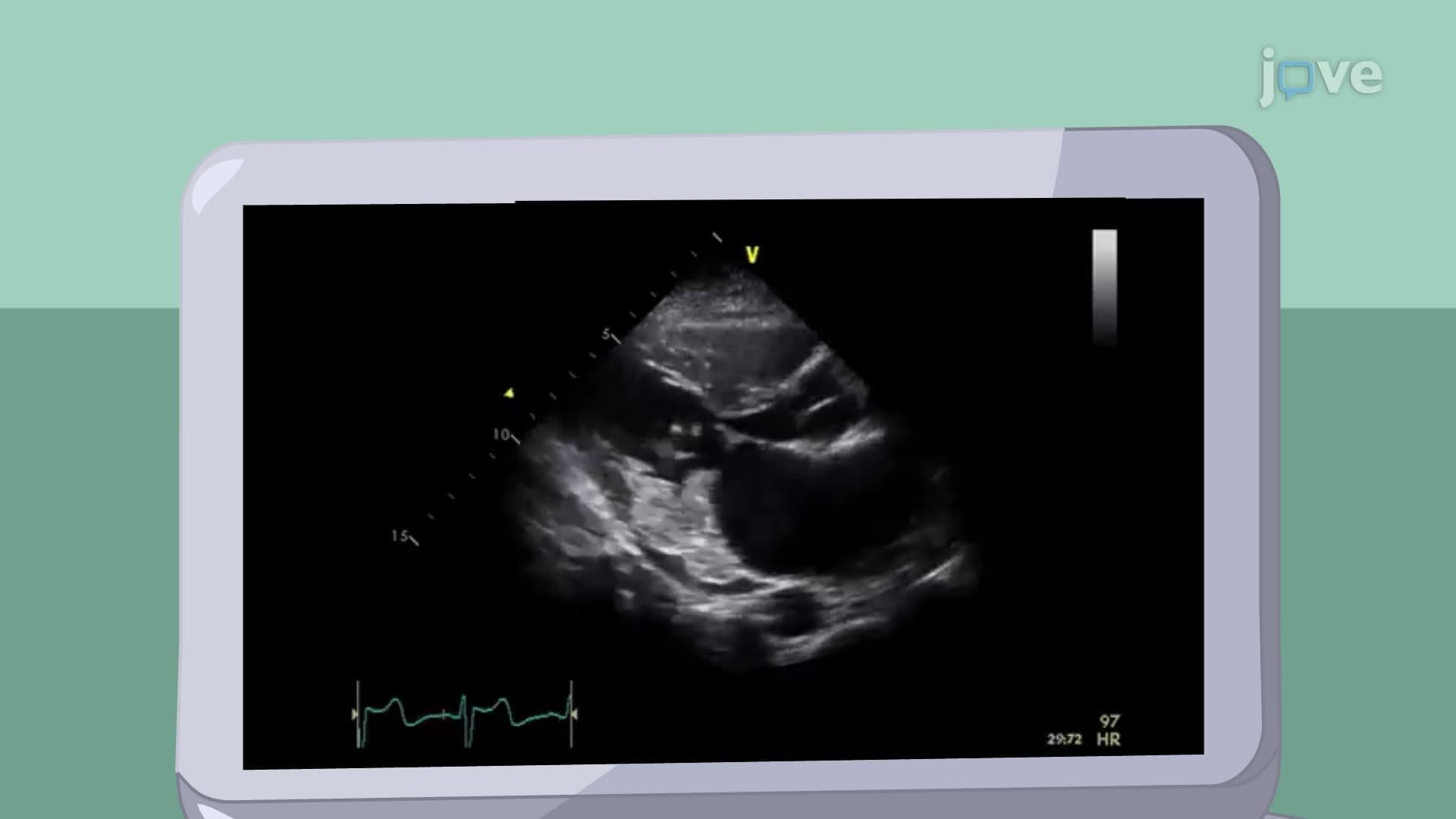
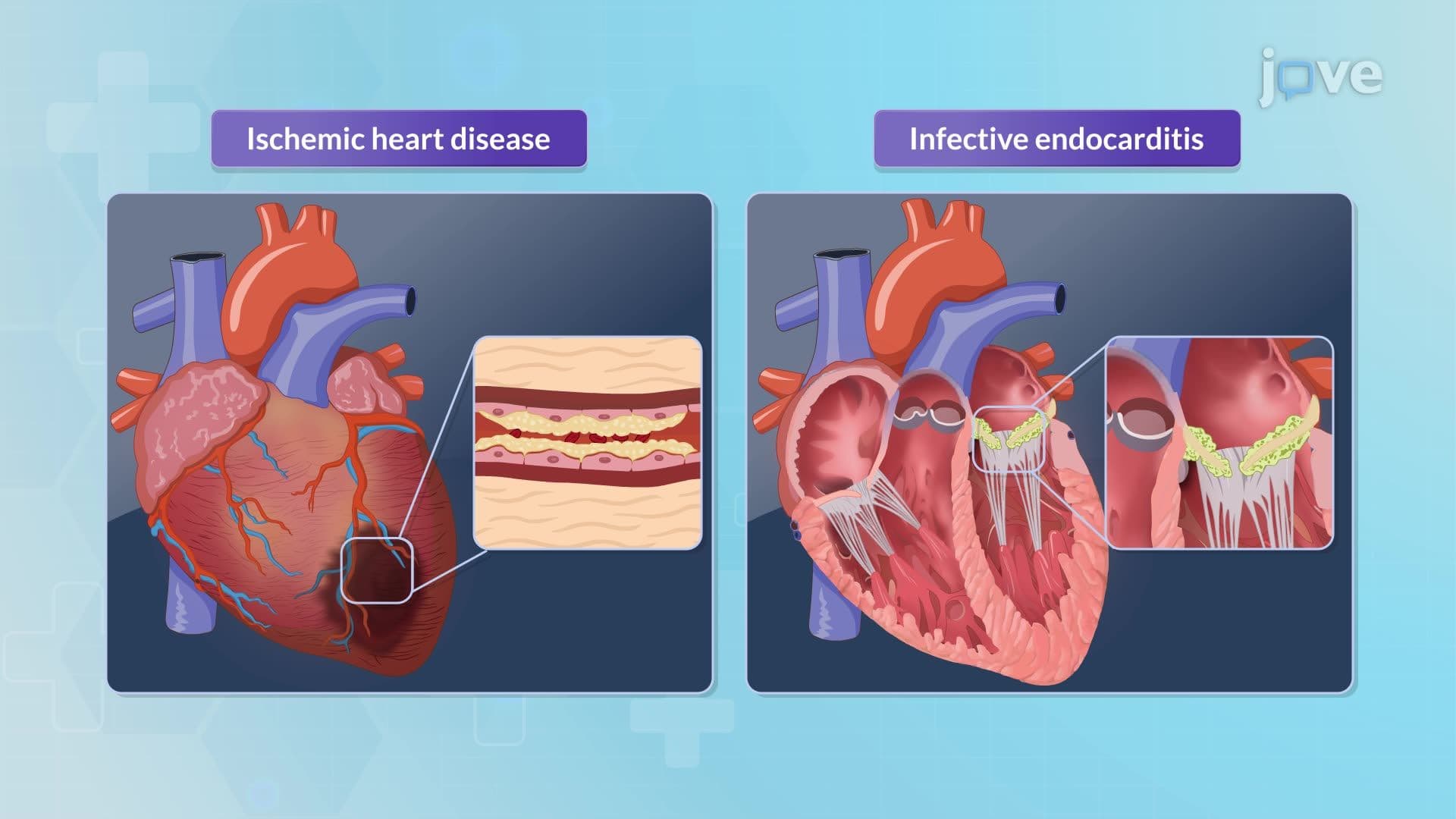
The foundation of effective nursing management begins with thorough history-taking and physical assessment. Nurses must investigate potential causes including rheumatic heart disease (historically common in the Southern United States), infective endocarditis from IV drug use, or age-related degenerative changes. The characteristic high-pitched, "blowing" holosystolic murmur heard best at the cardiac apex serves as a key diagnostic indicator. Advanced practice nurses often collaborate with cardiologists to differentiate this murmur from other valvular abnormalities using techniques taught in graduate-level pathophysiology courses.
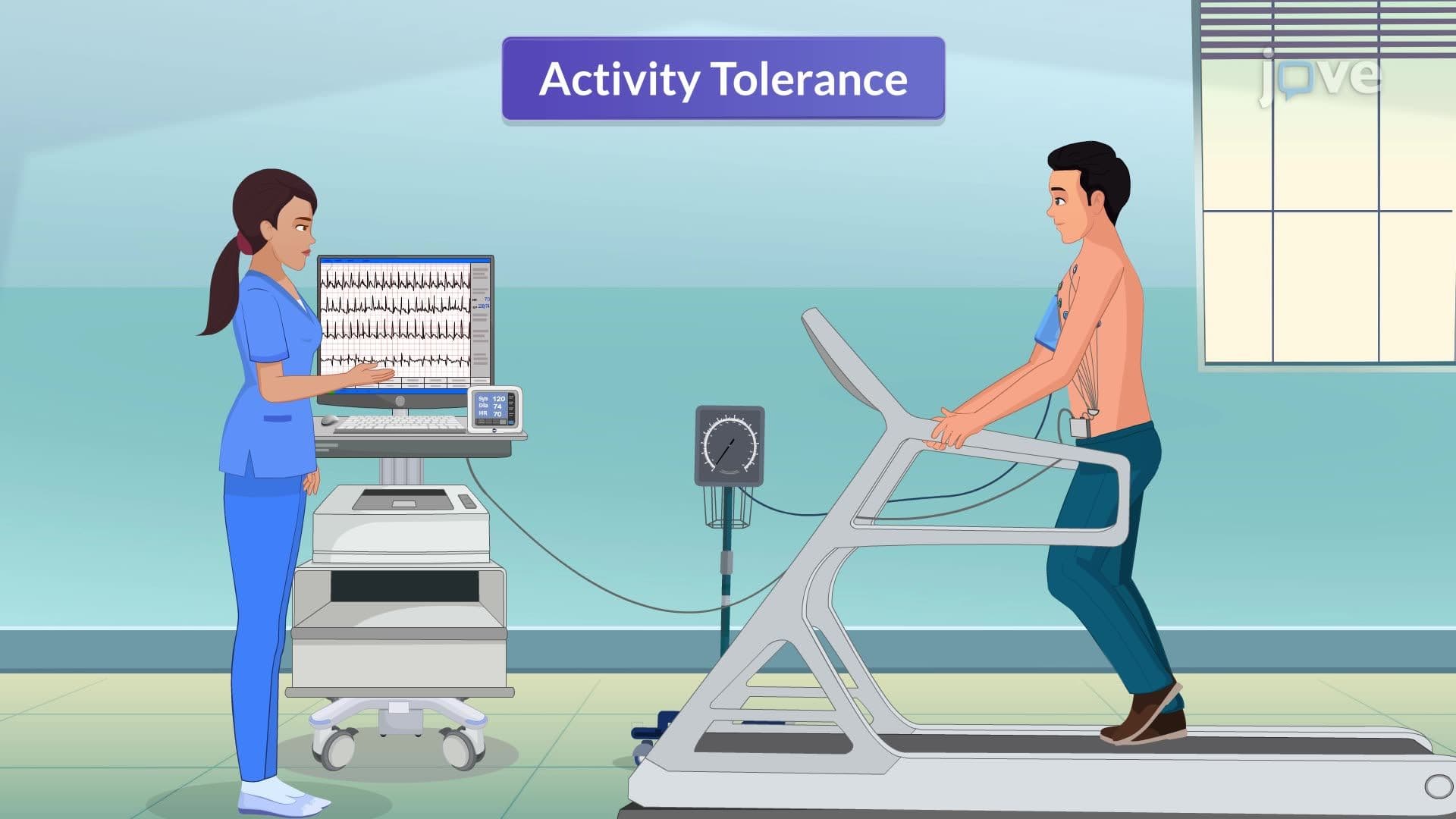
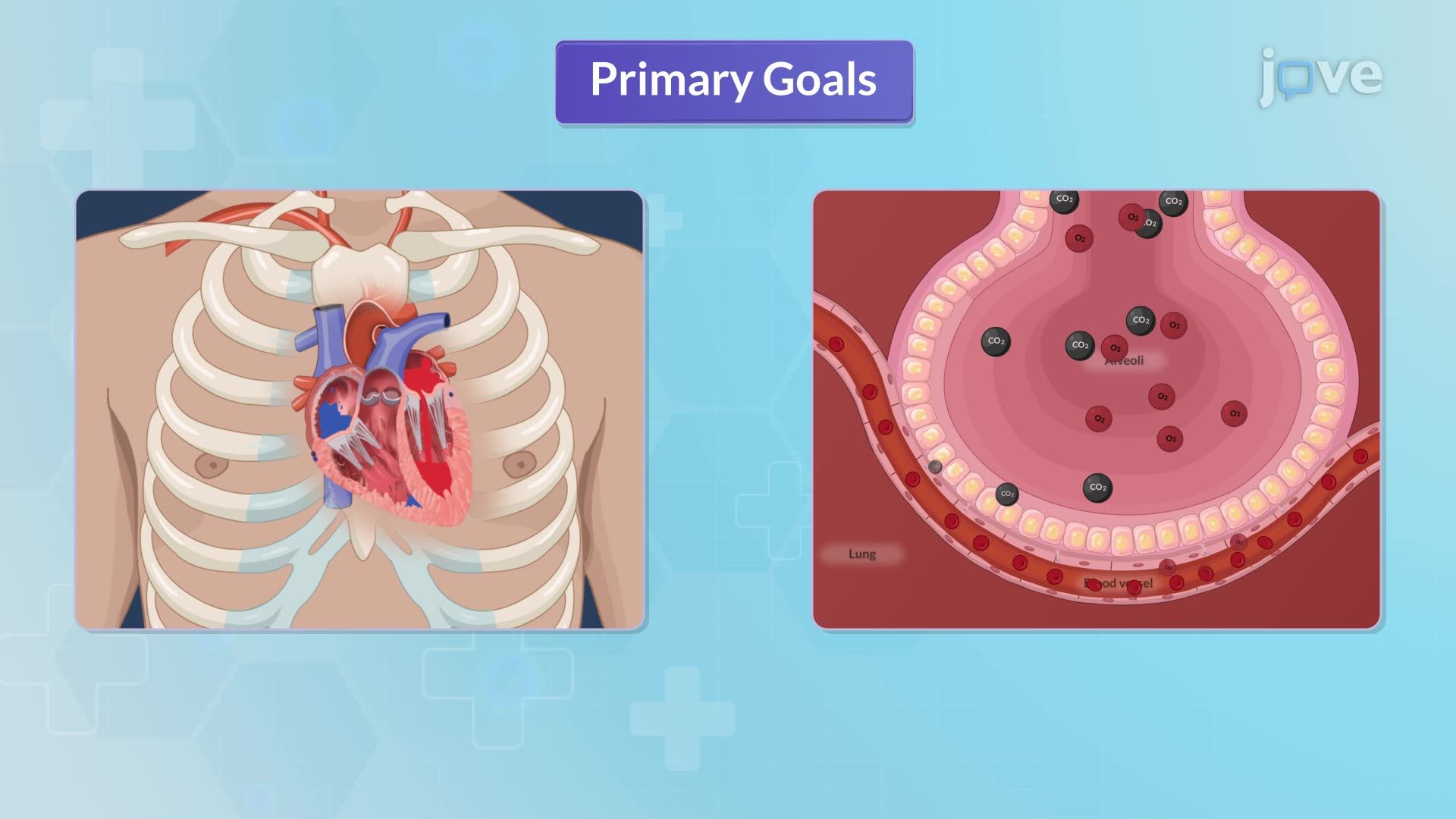
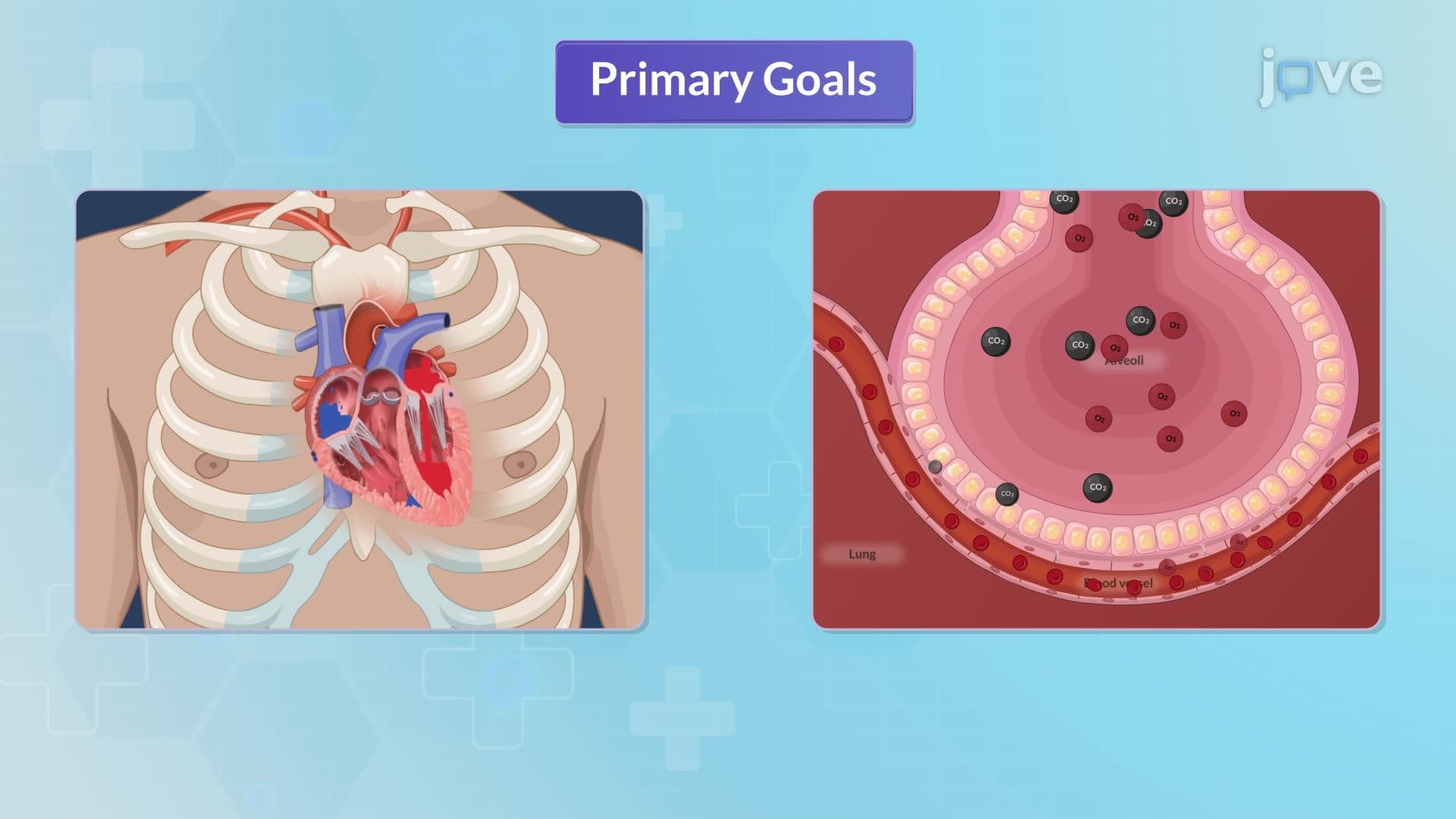
Priority nursing diagnoses focus on the hemodynamic consequences of valve dysfunction. Decreased cardiac output manifests through fatigue, diminished peripheral pulses, and exercise intolerance-symptoms that significantly impact patient quality of life. Impaired gas exchange results from left atrial pressure elevation, leading to pulmonary congestion and the characteristic crackles heard during lung auscultation. These concepts frequently appear on NCLEX-RN examinations and nursing school clinical rotations.
Successful management requires multi-faceted interventions targeting both immediate symptoms and long-term outcomes. Semi-Fowler's positioning reduces venous return and decreases cardiac workload, while diaphragmatic breathing techniques improve ventilation efficiency. At institutions like the University of Pennsylvania Hospital, nurses implement structured education programs covering medication adherence, sodium restriction (typically 2-3 grams daily), and activity pacing. These interventions directly correlate with improved patient outcomes and reduced readmission rates, making them essential components of value-based healthcare delivery.
Related Micro-courses