Loading subject page…

1,733 views

Video Summary: Mitral Stenosis Iii Medical Management Explained
Did you know that untreated strep throat can eventually lead to a heart condition requiring lifelong medication? Mitral stenosis III medical management involves a comprehensive approach combining prevention, medication therapy, and surgical interventions to protect patients from complications. At institutions like Johns Hopkins Hospital, cardiologists routinely prescribe anticoagulants like warfarin to prevent dangerous blood clots in patients with severe mitral stenosis. Understanding Mitral Stenosis III Medical Management Explained is crucial for recognizing how medical professionals balance multiple treatment strategies to optimize patient outcomes. Watch the full video on JoVE Coach to master this concept with expert-led visuals and step-by-step explanations.
Mitral stenosis III medical management represents a sophisticated, multi-tiered approach to treating patients with moderate to severe mitral valve narrowing. This advanced stage requires careful coordination between preventive measures, pharmacological interventions, and surgical planning. The management strategy recognizes that mitral stenosis often results from rheumatic heart disease, making prevention of recurrent episodes a cornerstone of long-term care.
The foundation of mitral stenosis management lies in preventing the underlying cause-rheumatic fever from group A streptococcal infections. Healthcare providers at major US medical centers like Mayo Clinic implement rigorous antibiotic prophylaxis protocols. Penicillin G administered intramuscularly every four weeks provides the gold standard for secondary prevention, while oral alternatives include Penicillin V twice daily or Sulfadiazine daily for penicillin-allergic patients. This preventive approach is particularly crucial for students studying for the MCAT, as understanding the connection between infectious disease prevention and cardiac management demonstrates comprehensive medical thinking.
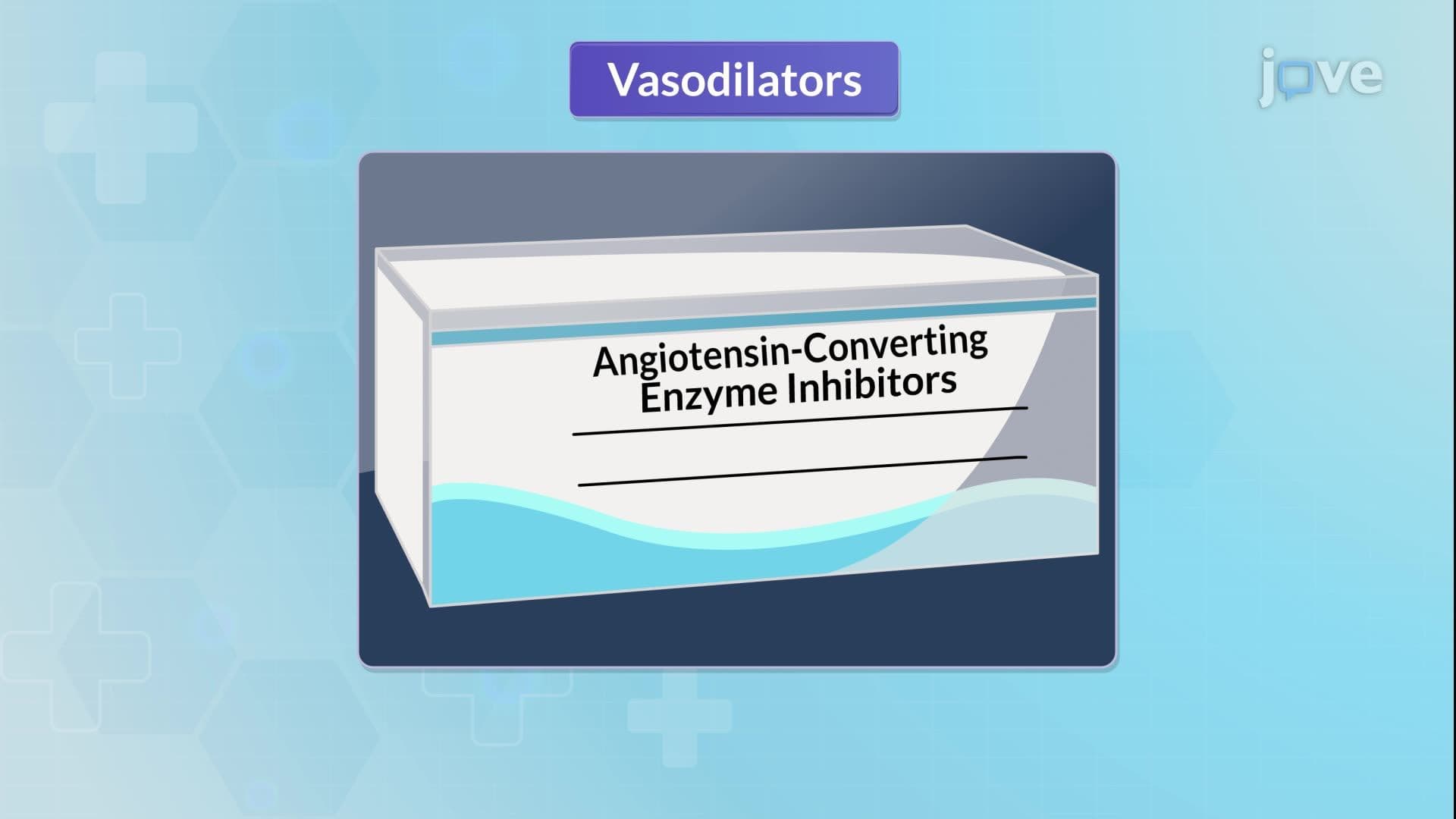
Medication management becomes increasingly complex as mitral stenosis progresses. Patients with severe left atrial dilation face significant thromboembolic risk, requiring anticoagulation with warfarin. The target INR (International Normalized Ratio) typically ranges from 2.0 to 3.0, requiring regular monitoring at specialized anticoagulation clinics found throughout US healthcare systems. When atrial fibrillation complicates the clinical picture, rate control becomes paramount. Digoxin offers dual benefits of rate control and mild inotropic support, while calcium channel blockers like diltiazem provide alternative rate control for patients who cannot tolerate digoxin.
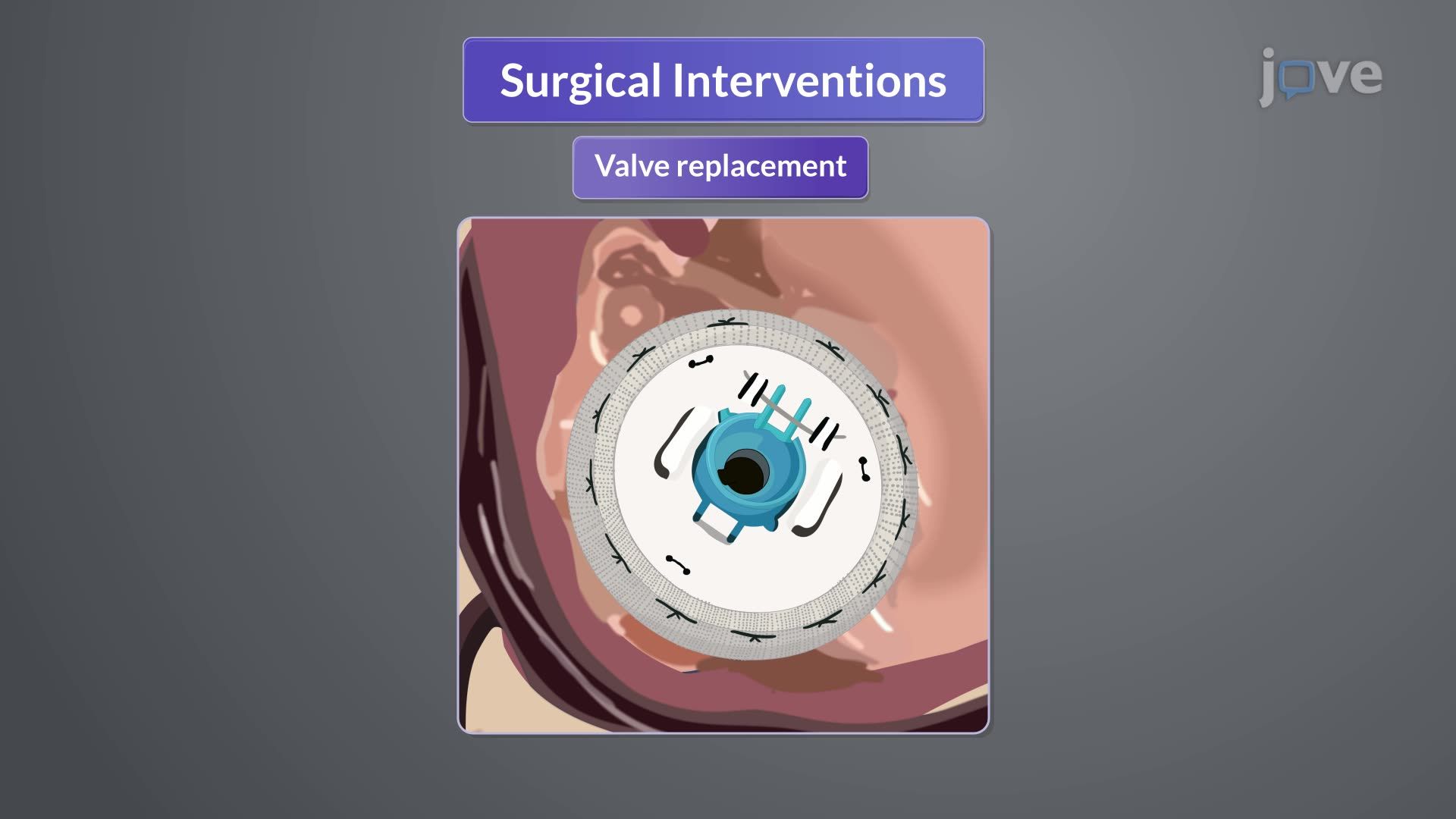
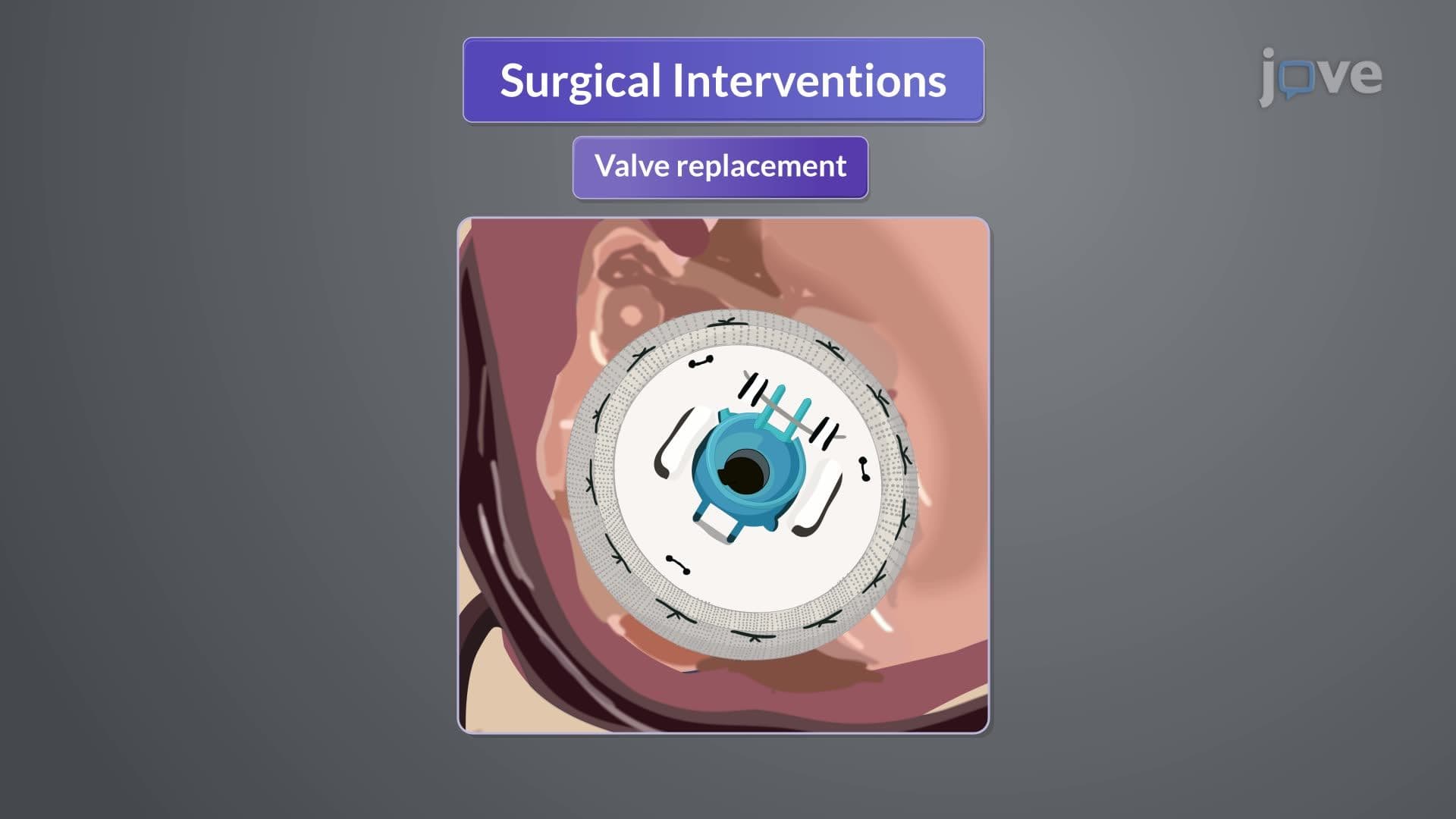
When medical management reaches its limits, surgical intervention becomes necessary. Percutaneous mitral balloon valvuloplasty, pioneered at institutions like the Cleveland Clinic, offers a less invasive option for suitable candidates with pliable, non-calcified valves. This procedure can effectively increase valve area and improve symptoms without the need for open-heart surgery. However, patients with heavily calcified valves or significant mitral regurgitation typically require surgical valve replacement with either mechanical or biological prostheses. Understanding these treatment pathways proves essential for AP Biology students studying cardiovascular physiology and for pre-med students preparing for clinical rotations.
Related Micro-courses