Loading subject page…


1,733 views

Video Summary: Mitral Stenosis Iv Nursing Management Explained
Did you know that mitral stenosis affects over 5 million Americans, yet many nurses struggle with its complex management protocols? Mitral stenosis iv nursing management requires systematic assessment, precise intervention planning, and continuous evaluation to optimize patient outcomes. Consider a 45-year-old patient at Johns Hopkins Hospital presenting with progressive shortness of breath-effective nursing management can mean the difference between cardiac compensation and heart failure. Watch the full video on JoVE Coach to master this concept with expert-led visuals and step-by-step explanations.
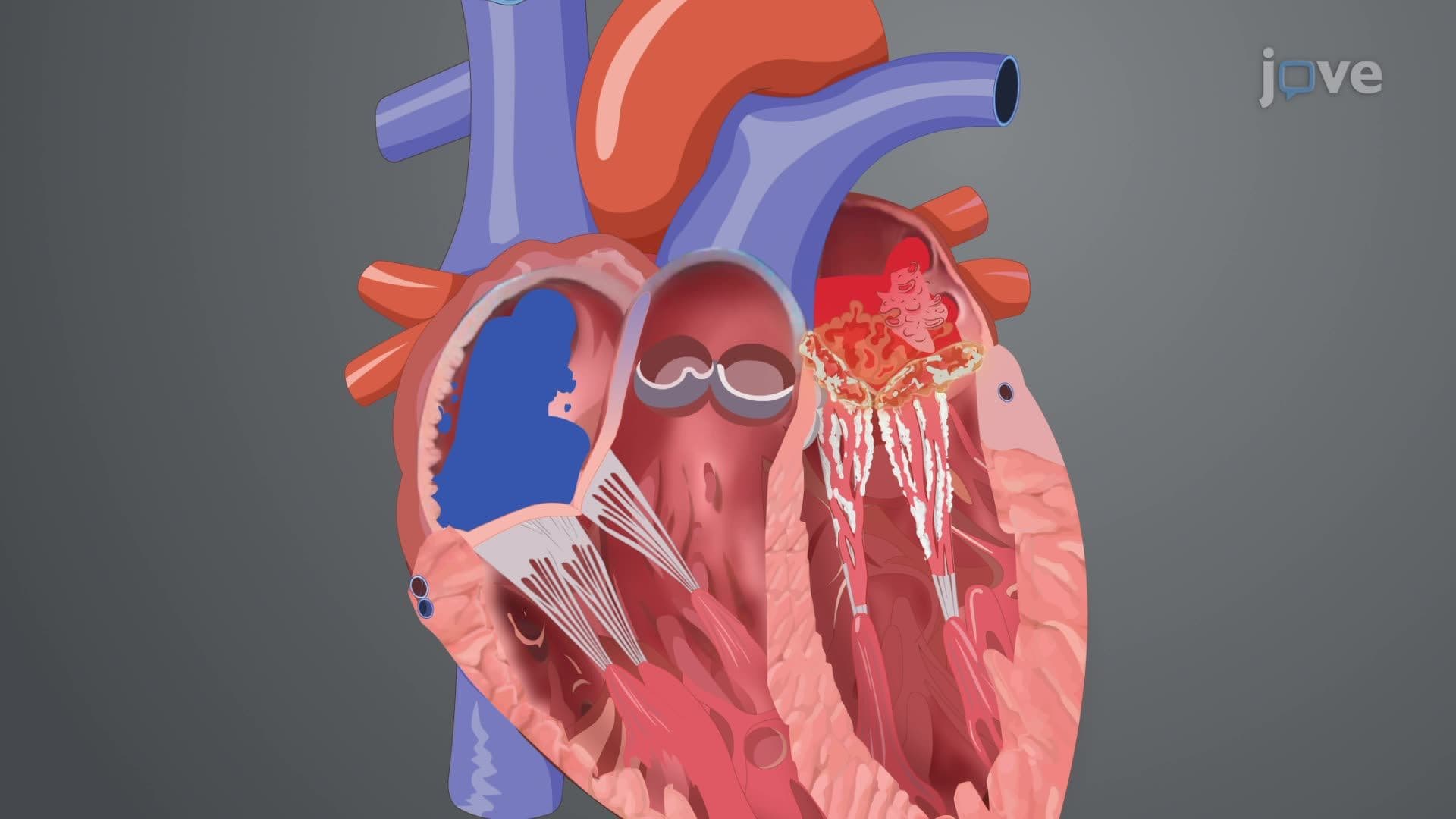
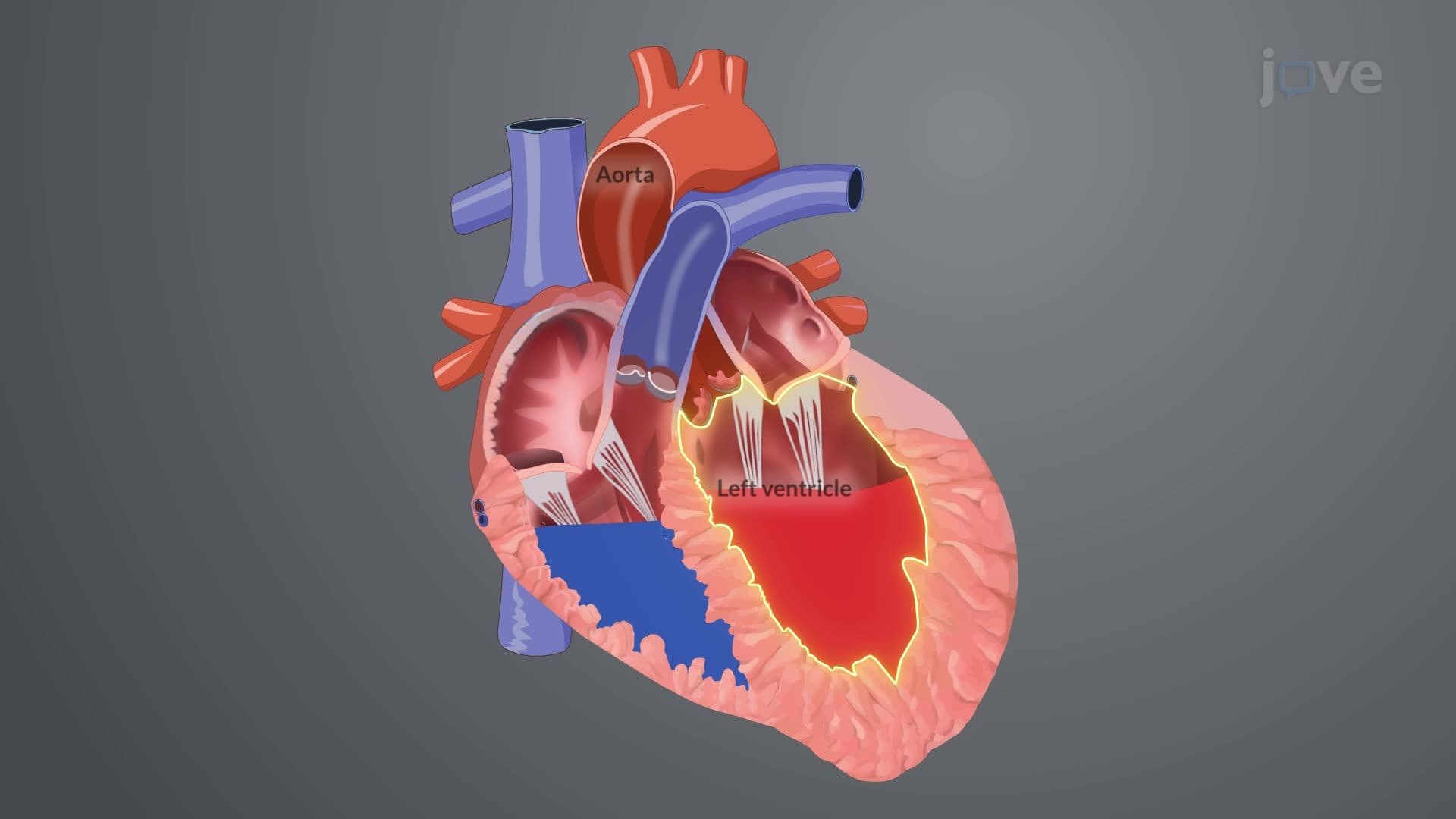
Mitral stenosis iv nursing management represents a cornerstone of cardiovascular nursing practice, requiring nurses to integrate pathophysiology knowledge with clinical skills. This condition, primarily caused by rheumatic heart disease in the United States, creates a narrowed mitral valve opening that impedes blood flow from the left atrium to the left ventricle. Nurses at leading institutions like the Cleveland Clinic and Mayo Clinic follow systematic approaches to ensure comprehensive patient care.
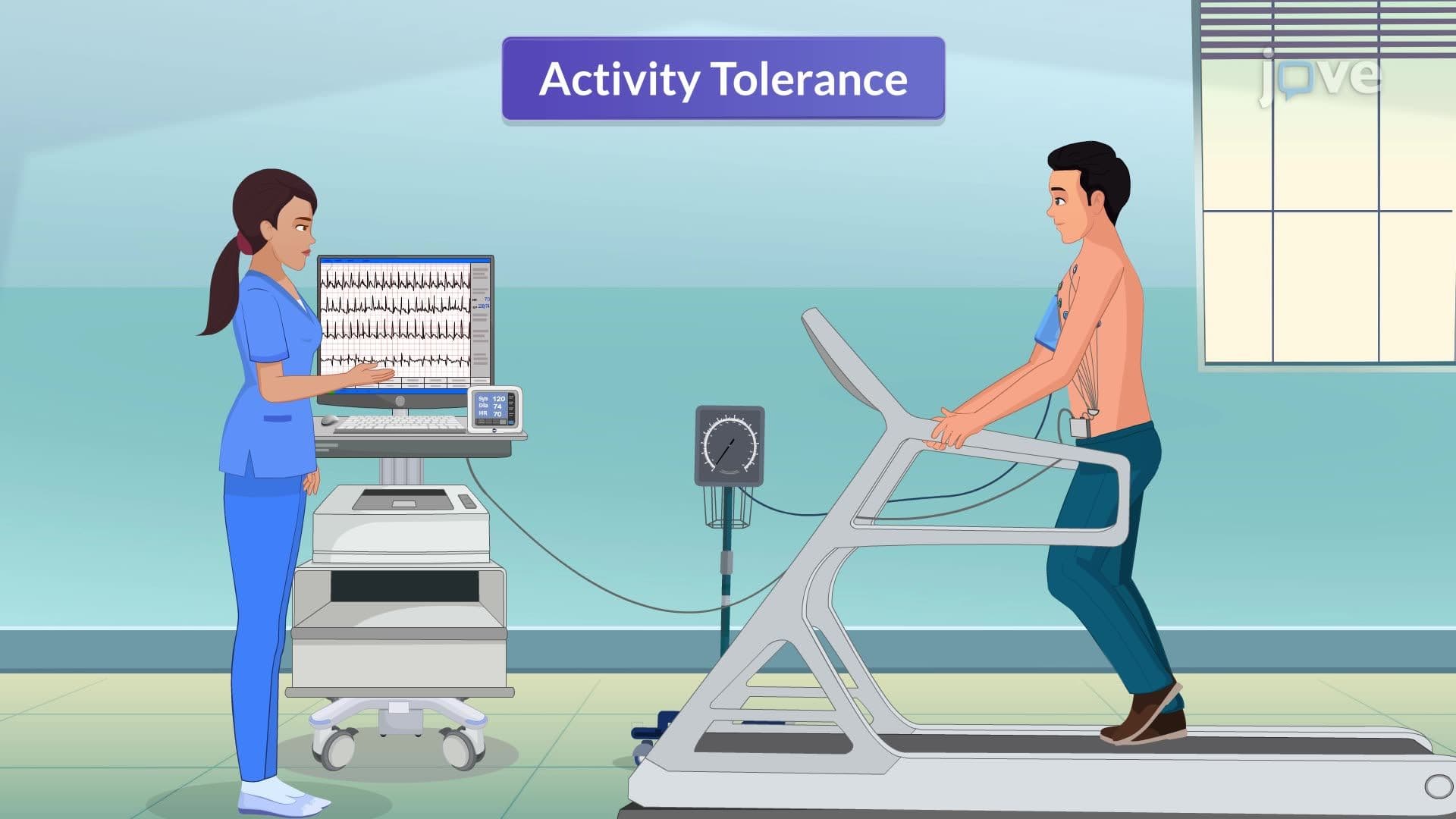
The nursing assessment for mitral stenosis extends far beyond basic vital signs. Experienced nurses conduct thorough cardiac examinations, listening for the characteristic opening snap and diastolic murmur that define mitral stenosis. Assessment includes evaluating peripheral edema, pulmonary congestion signs, and activity tolerance levels. Family history exploration proves crucial, as rheumatic heart disease often has hereditary components. This systematic approach aligns with NCLEX-RN examination standards and prepares nursing students for real-world clinical scenarios.
Effective mitral stenosis management involves multiple intervention strategies targeting gas exchange optimization and activity tolerance improvement. The semi-Fowler's position reduces venous return and pulmonary congestion, while leg elevation minimizes peripheral edema. Progressive exercise programs, carefully monitored and individualized, help patients maintain cardiovascular fitness within their physiological limitations. These interventions mirror protocols used in major US cardiac centers and align with American Heart Association guidelines.
Successful mitral stenosis nursing management emphasizes patient education regarding medication adherence, symptom recognition, and lifestyle modifications. Nurses teach patients about anticoagulation therapy importance, infection prevention strategies, and when to seek medical attention. Regular evaluation of intervention effectiveness ensures care plan adjustments based on patient responses. This systematic approach prepares nursing students for HESI A2 and TEAS examinations while building clinical competency essential for professional practice.
Related Micro-courses