Loading subject page…


1,733 views


Video Summary: Mitral Valve Prolapse Iii Nursing Management Explained
Did you know that mitral valve prolapse affects up to 3% of Americans, yet many remain completely unaware they have this condition? Mitral valve prolapse III nursing management becomes critical when patients at Cleveland Clinic or Mayo Clinic receive their diagnosis and need comprehensive care coordination. This specialized mitral valve prolapse III nursing management approach encompasses patient education about genetic screening for family members, careful monitoring of over-the-counter medications, and lifestyle modification guidance. Watch the full video on JoVE Coach to master this concept with expert-led visuals and step-by-step explanations.
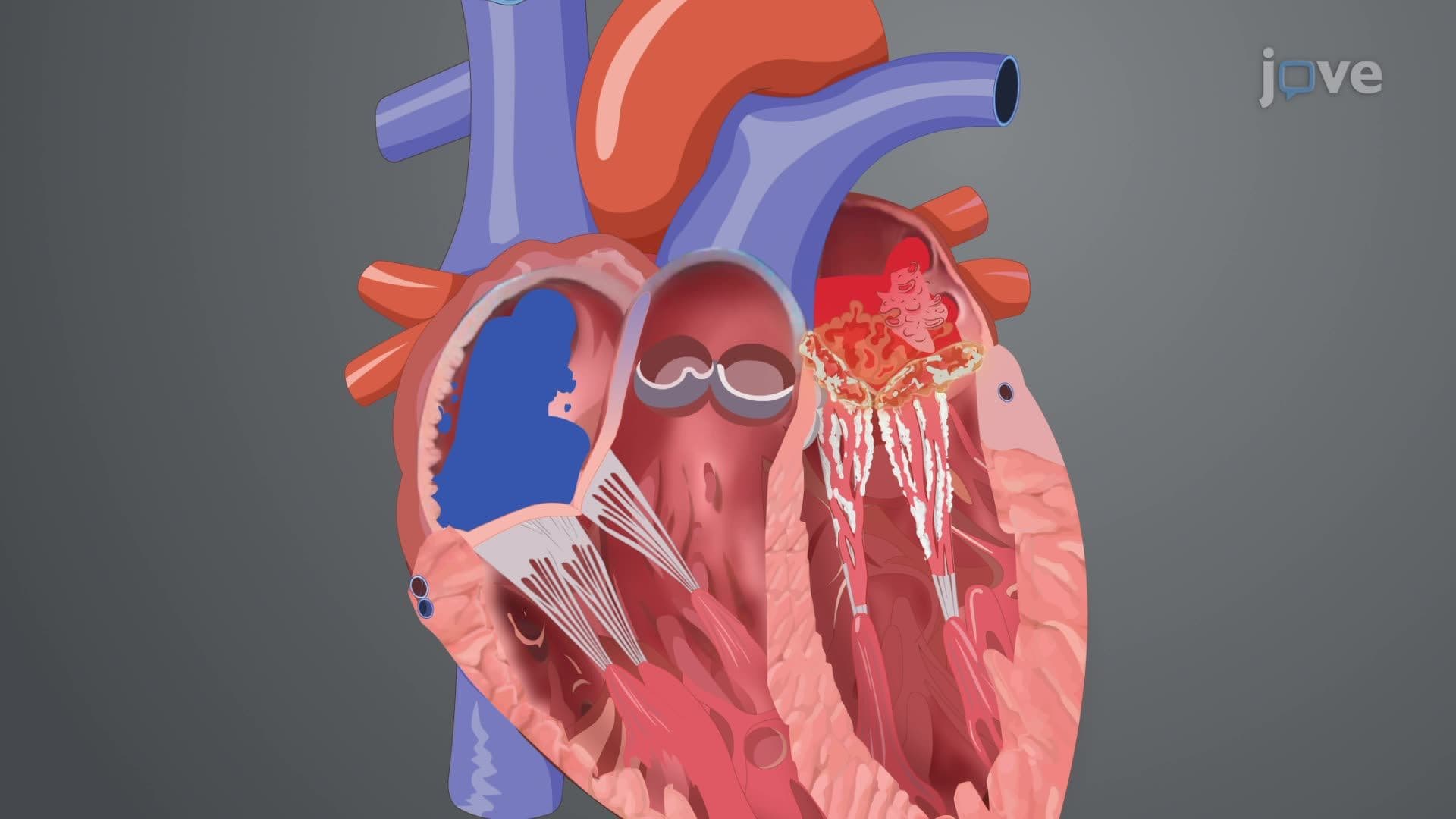
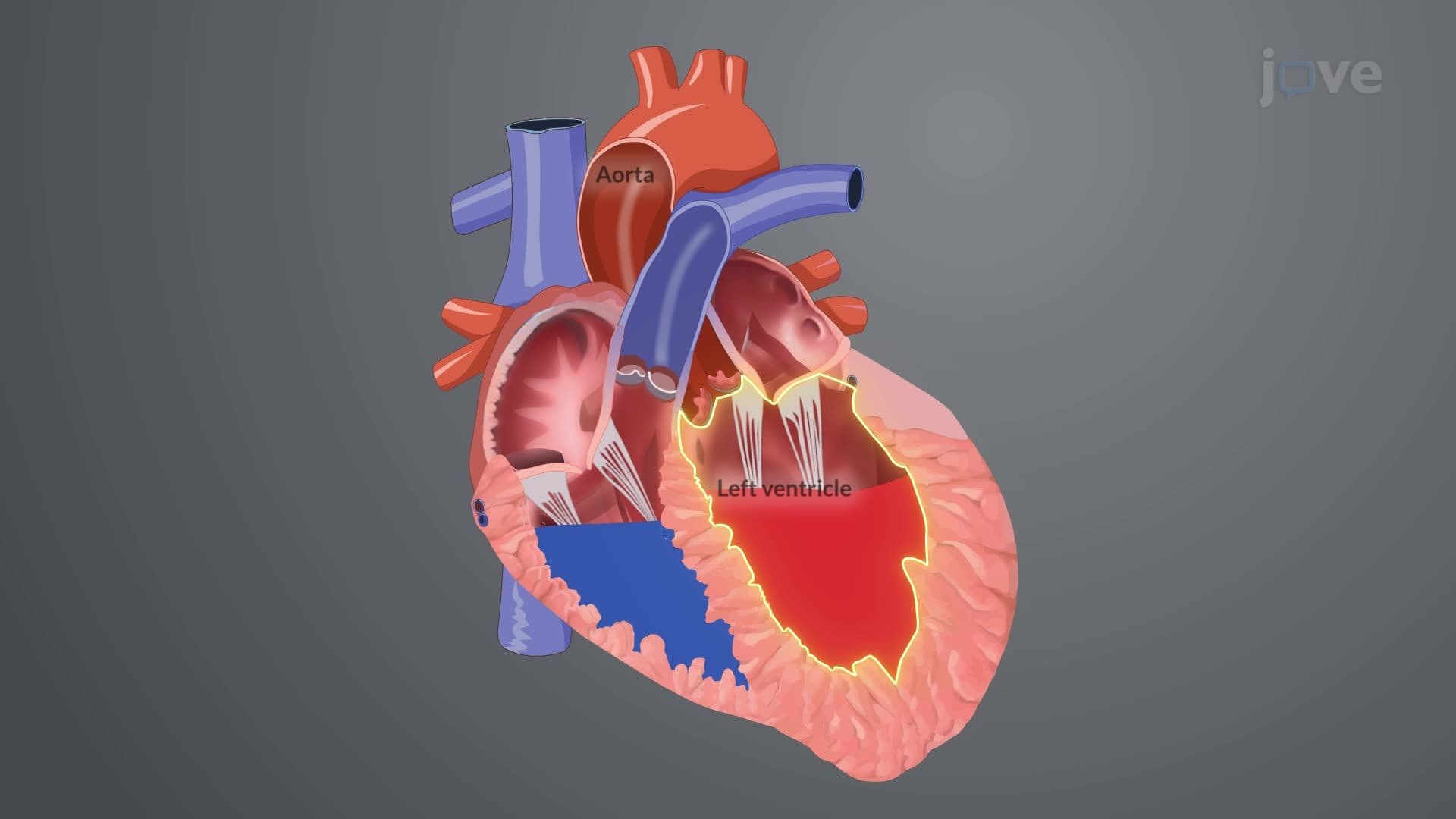
Mitral valve prolapse III nursing management represents an advanced level of cardiovascular nursing care that requires sophisticated clinical judgment and patient-centered interventions. This specialized approach addresses the complex needs of patients with mitral valve prolapse (MVP), a condition where the mitral valve's leaflets bulge backward into the left atrium during heart contraction. At leading medical centers like Johns Hopkins and Mass General Brigham, nurses specializing in cardiac care implement comprehensive management strategies that extend far beyond basic symptom monitoring.
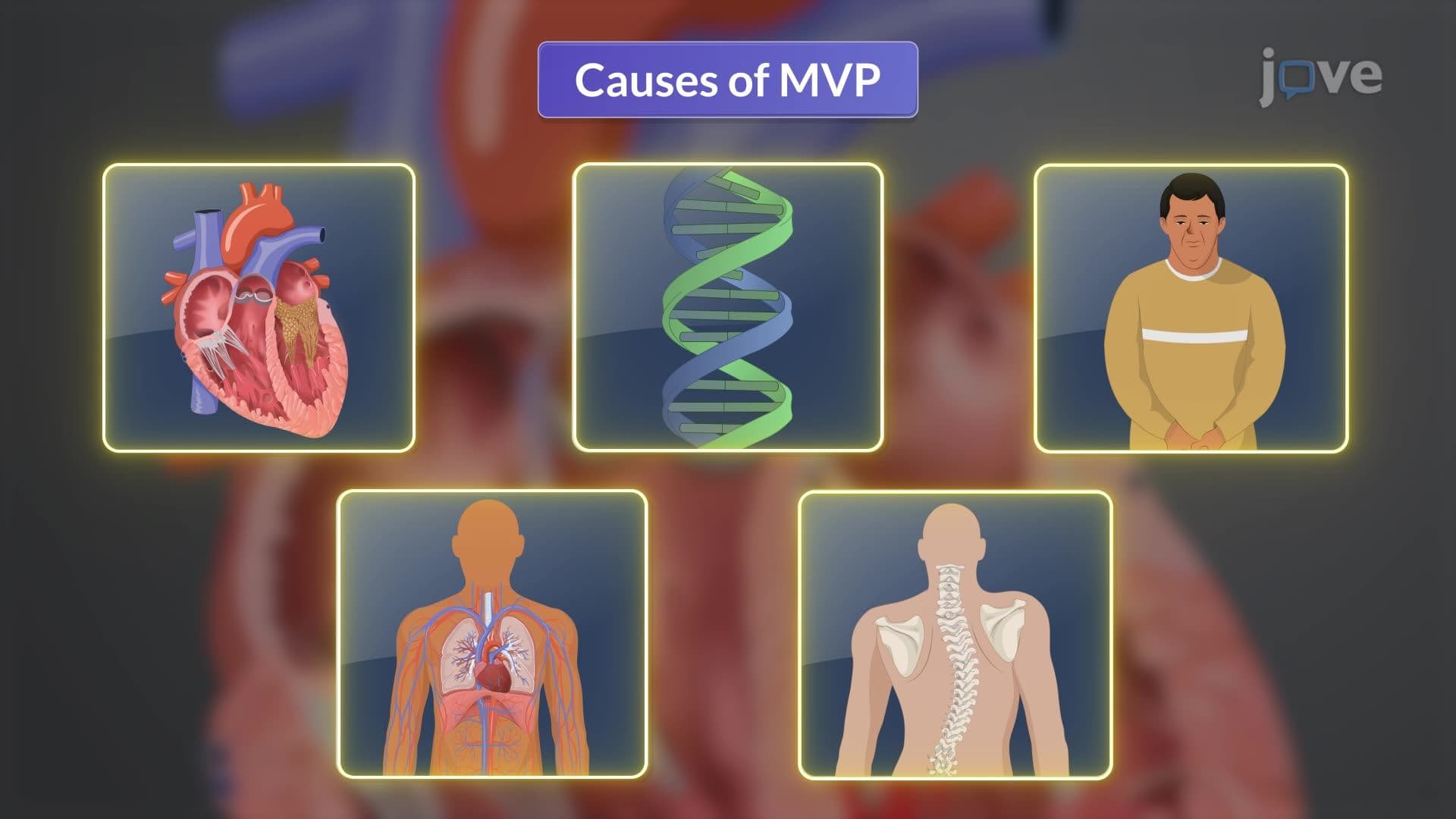
The hereditary component of MVP necessitates thorough family history assessment and genetic counseling coordination. Nurses must educate patients about the autosomal dominant inheritance pattern observed in many MVP cases, particularly those associated with connective tissue disorders like Marfan syndrome. This knowledge becomes crucial during NCLEX preparation and advanced cardiac nursing courses, where students learn to identify familial clustering patterns. At institutions like the University of Pennsylvania Health System, cardiac nurses routinely coordinate echocardiographic screening for first-degree relatives, as up to 50% of MVP cases demonstrate familial inheritance patterns.
A critical component involves educating patients about cardiovascular stimulants hidden in common over-the-counter products. Nurses must teach patients to scrutinize ingredient labels for caffeine (often exceeding 200mg in energy drinks), pseudoephedrine in decongestants, and epinephrine in some asthma medications. This education proves essential for students preparing for the HESI A2 or TEAS exams, where medication safety questions frequently appear. At Cleveland Clinic's cardiac units, nurses maintain comprehensive lists of problematic substances that can trigger palpitations, chest pain, or anxiety in MVP patients.
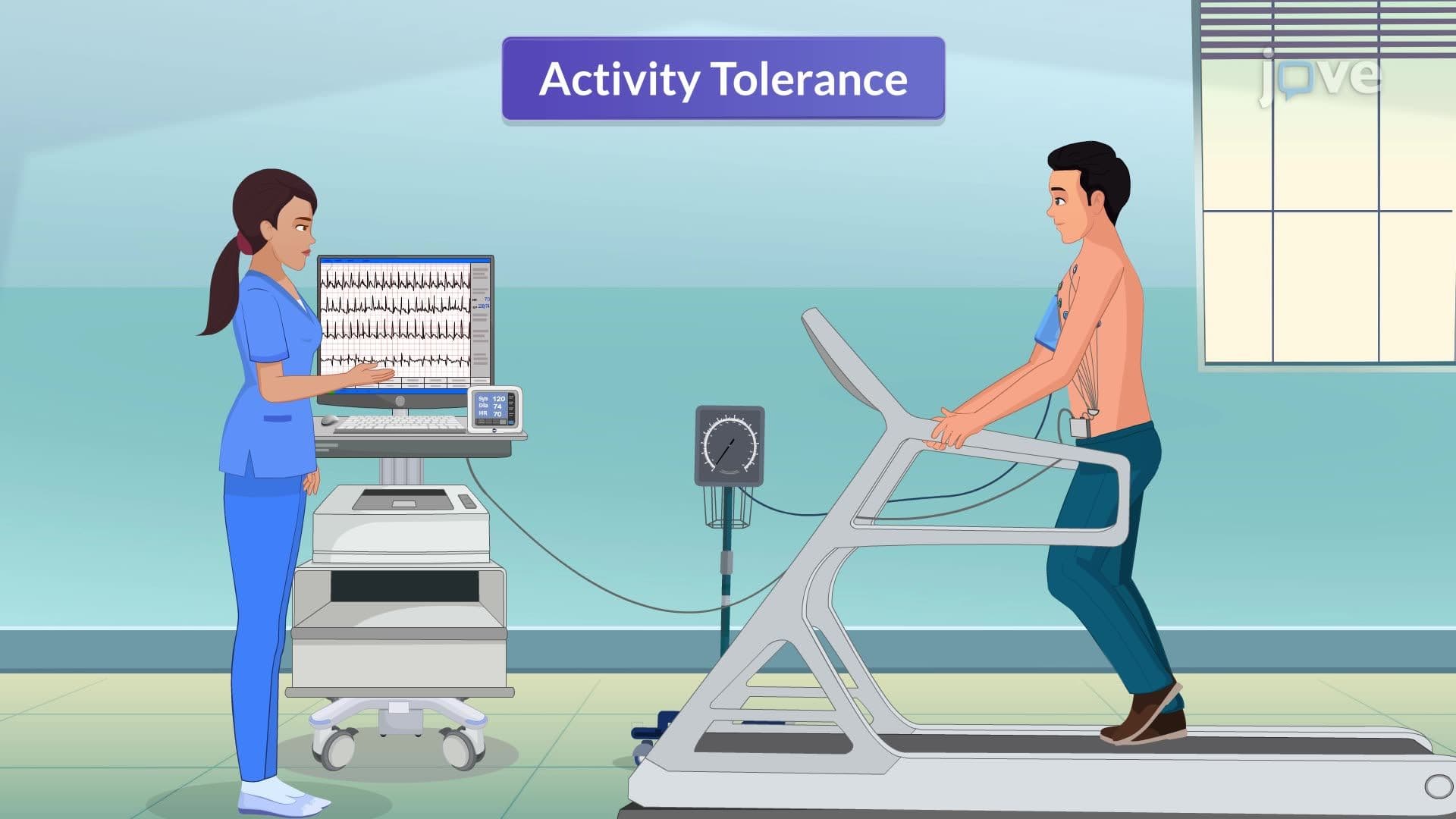
Evidence-based nursing interventions focus on modifiable risk factors that can minimize symptom severity. This includes developing individualized exercise programs that avoid sudden, intense physical activity while promoting cardiovascular fitness. Nurses assess smoking history, dietary patterns, sleep quality, and stress management techniques. During AP Biology coursework, students learn how these lifestyle factors influence cardiac output and rhythm stability, concepts that directly apply to MVP management in clinical settings.
Related Micro-courses