Loading video…

 27 Concepts
 3.6K views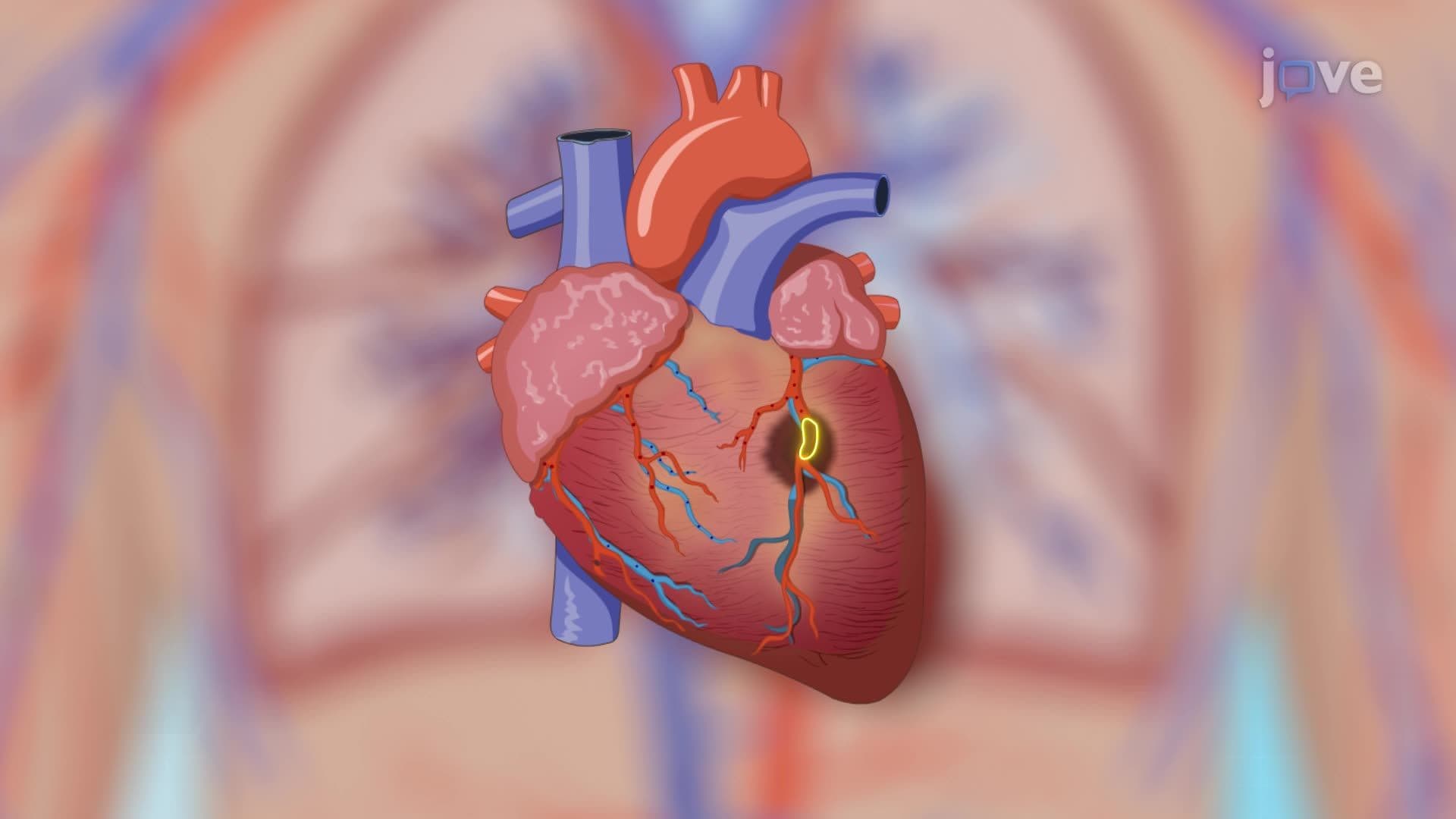

Video Summary: Atherosclerosis Ii Clinical Manifestations and Diagnostic Evaluation
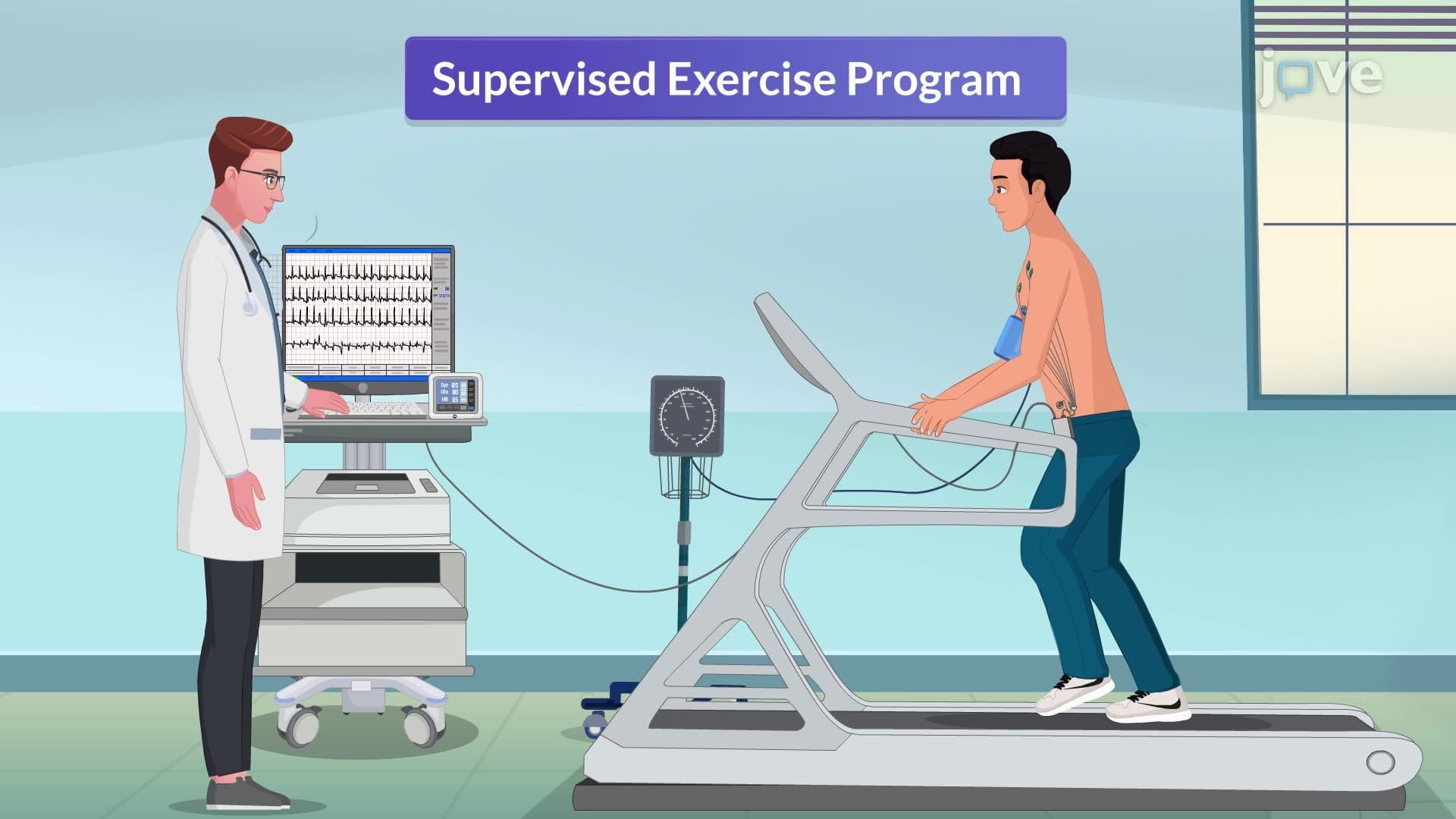
Did you know that atherosclerosis can silently progress for decades before causing a heart attack? Atherosclerosis II: Clinical Manifestations and Diagnostic Evaluation reveals how this condition presents differently throughout the body-from chest pain in coronary arteries to leg cramps during walking in peripheral vessels. Consider how Cleveland Clinic cardiologists use multiple diagnostic tools, from simple blood pressure measurements to advanced CT angiography, to detect arterial blockages before they become life-threatening. Watch the full video on JoVE Coach to master this concept with expert-led visuals and step-by-step explanations.
The clinical presentation of atherosclerosis varies dramatically based on which arterial system is affected, making accurate diagnosis both challenging and critical for patient outcomes. Unlike the foundational pathophysiology covered in Atherosclerosis I, this advanced topic focuses on how physicians recognize and evaluate atherosclerotic disease in real clinical settings.
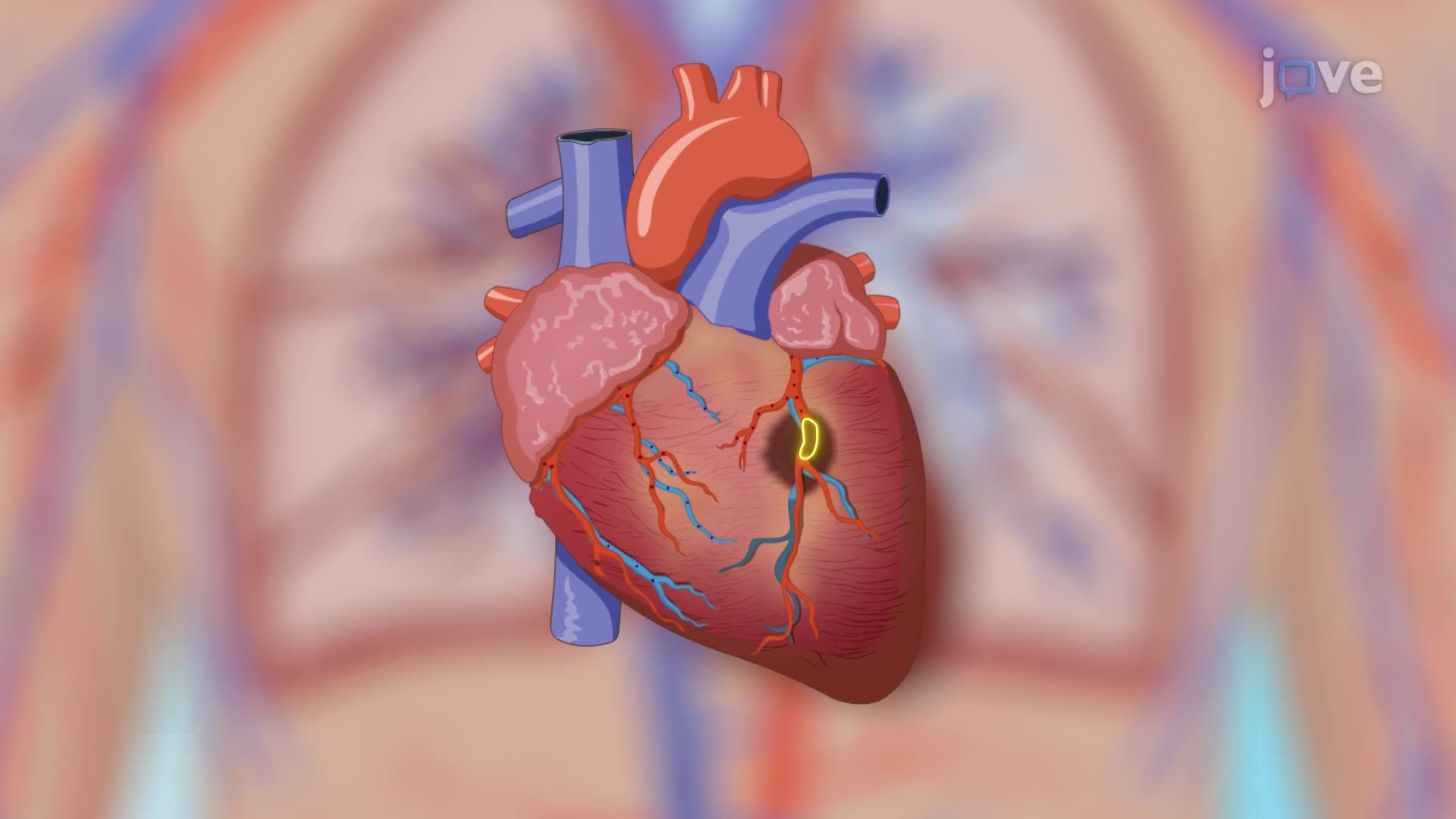
Coronary Artery Disease represents the most common and dangerous manifestation, affecting over 18 million Americans according to the CDC. Patients typically experience angina pectoris-chest pain or pressure that worsens with exertion and improves with rest. This occurs because narrowed coronary arteries cannot supply adequate oxygen-rich blood to the heart muscle during increased demand. Classic presentation includes substernal chest discomfort radiating to the left arm, jaw, or back, often accompanied by dyspnea (shortness of breath).
Cerebrovascular Disease manifests when atherosclerosis affects arteries supplying the brain, particularly the carotid arteries. Patients may experience transient ischemic attacks (TIAs)-temporary episodes of neurological dysfunction lasting minutes to hours. Symptoms depend on the brain region affected: carotid artery involvement might cause temporary weakness on one side of the body, while vertebrobasilar insufficiency could produce dizziness, visual disturbances, or coordination problems.
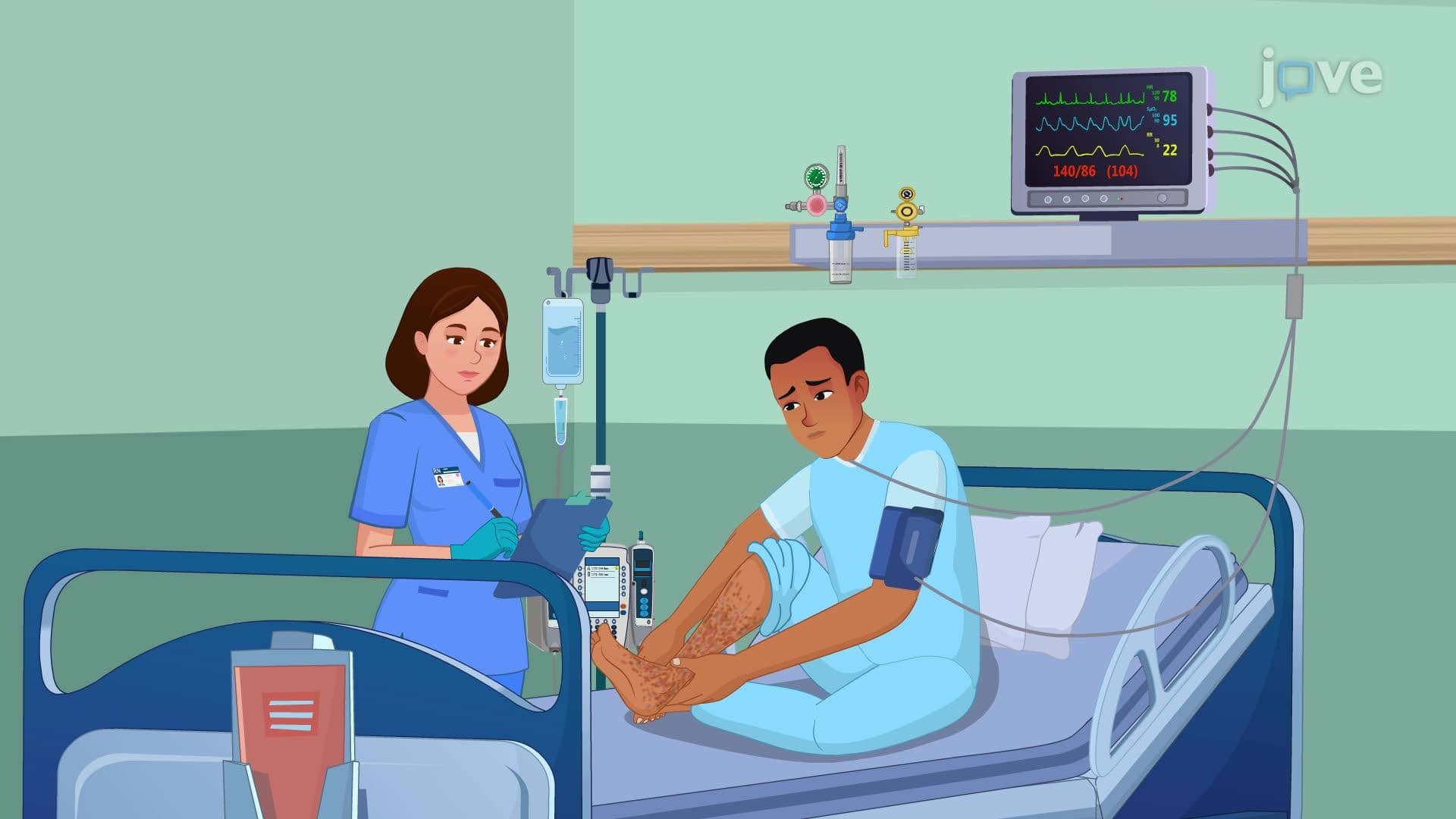
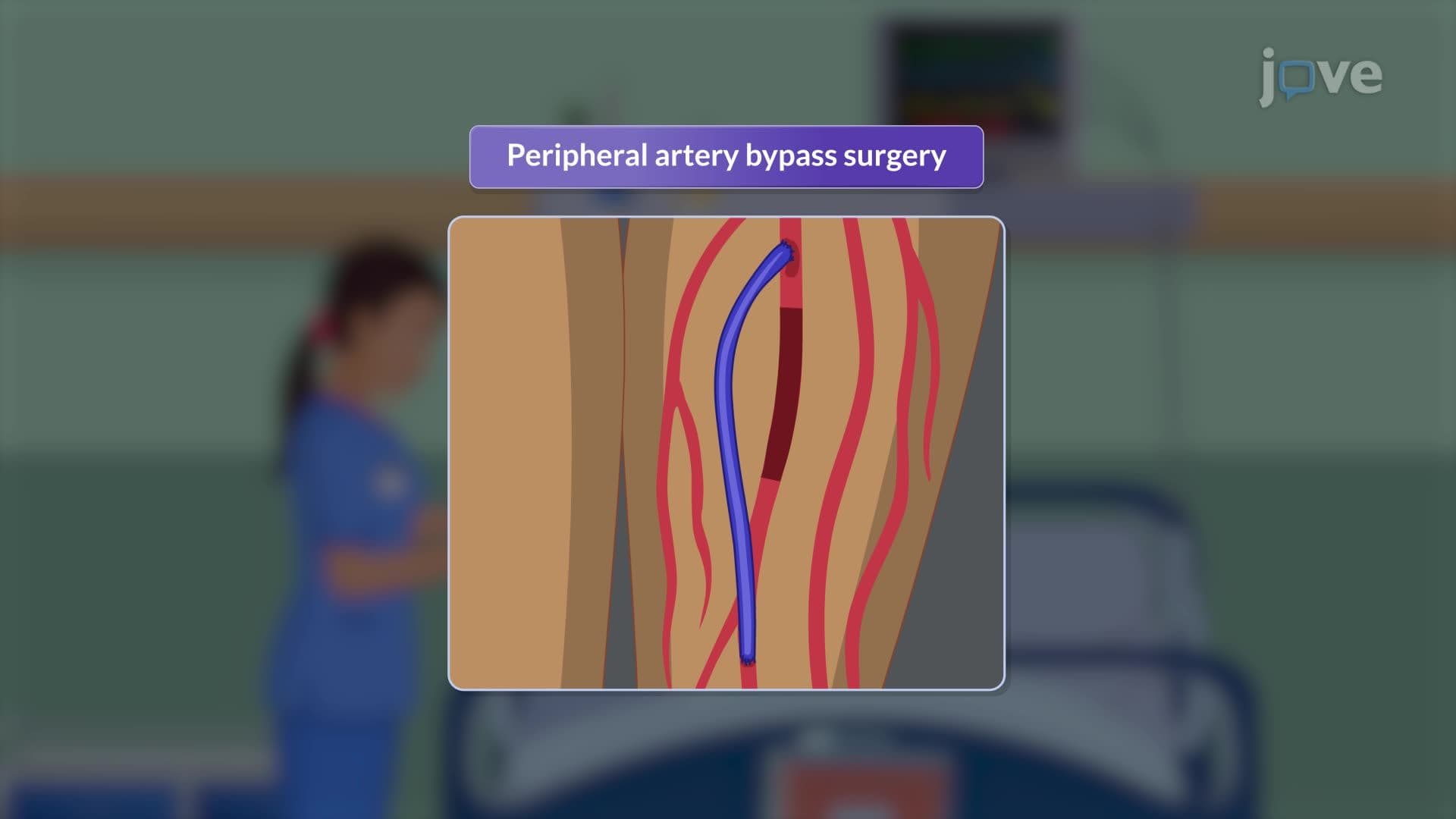
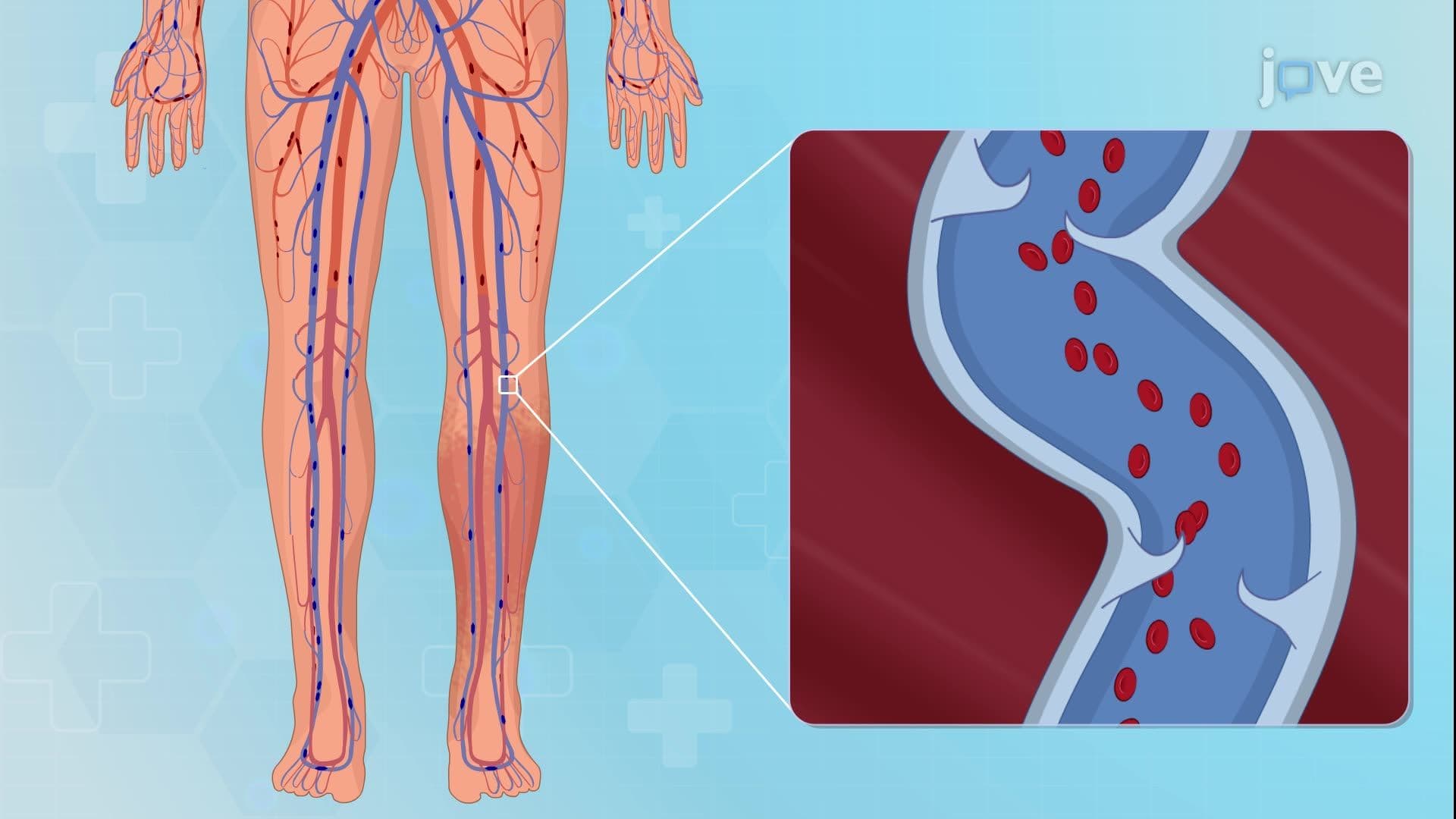
Peripheral Arterial Disease (PAD) affects approximately 8.5 million Americans, primarily targeting arteries in the legs and arms. The hallmark symptom is intermittent claudication-cramping, aching, or fatigue in leg muscles during walking that resolves with rest. This occurs because narrowed arteries cannot meet the increased oxygen demands of exercising muscles.
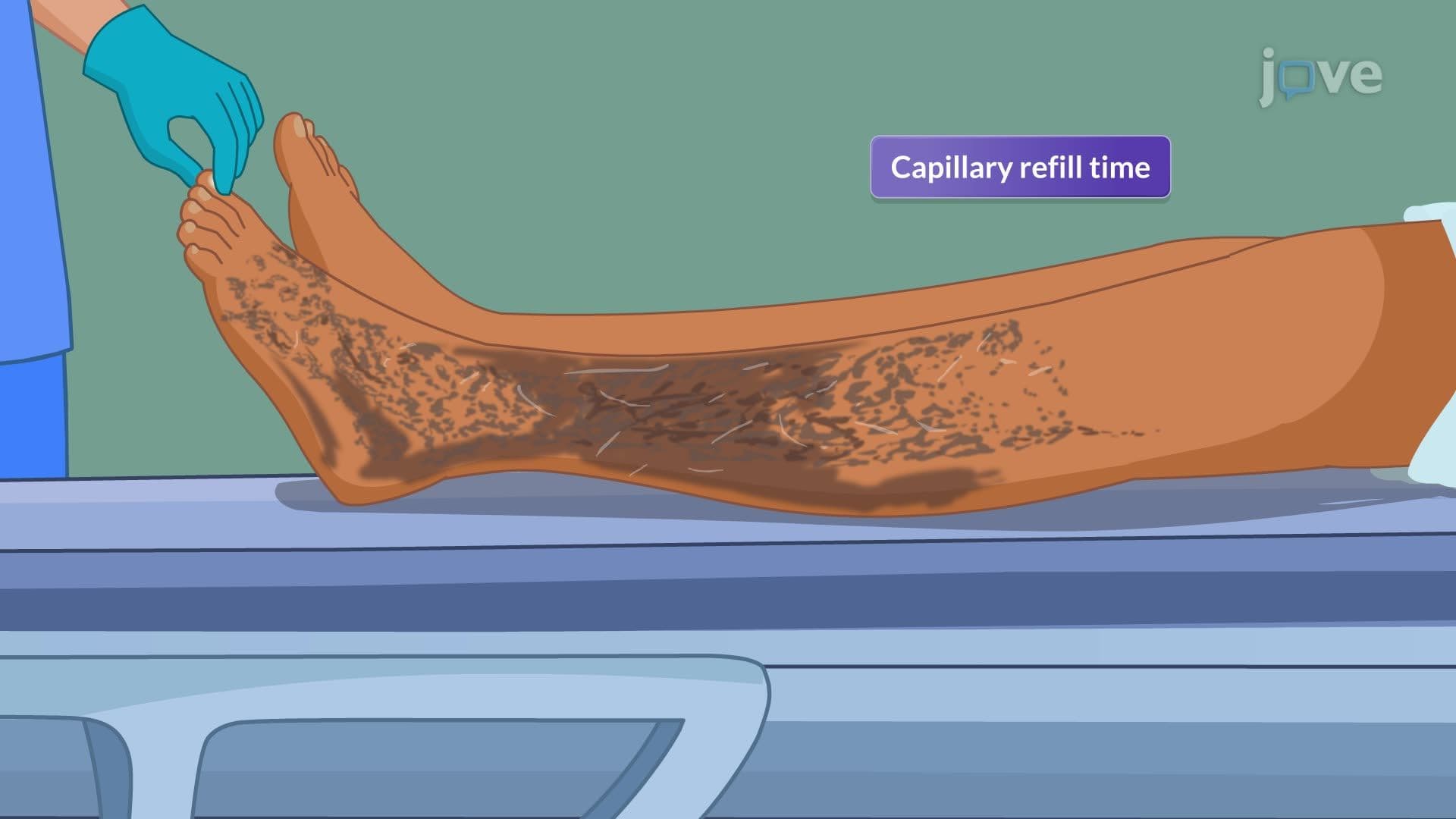
Modern atherosclerosis diagnosis combines traditional clinical assessment with cutting-edge imaging technology. The diagnostic process typically begins with thorough physical examination, where physicians assess for bruits (abnormal sounds indicating turbulent blood flow), diminished pulses, and skin changes suggesting poor circulation.
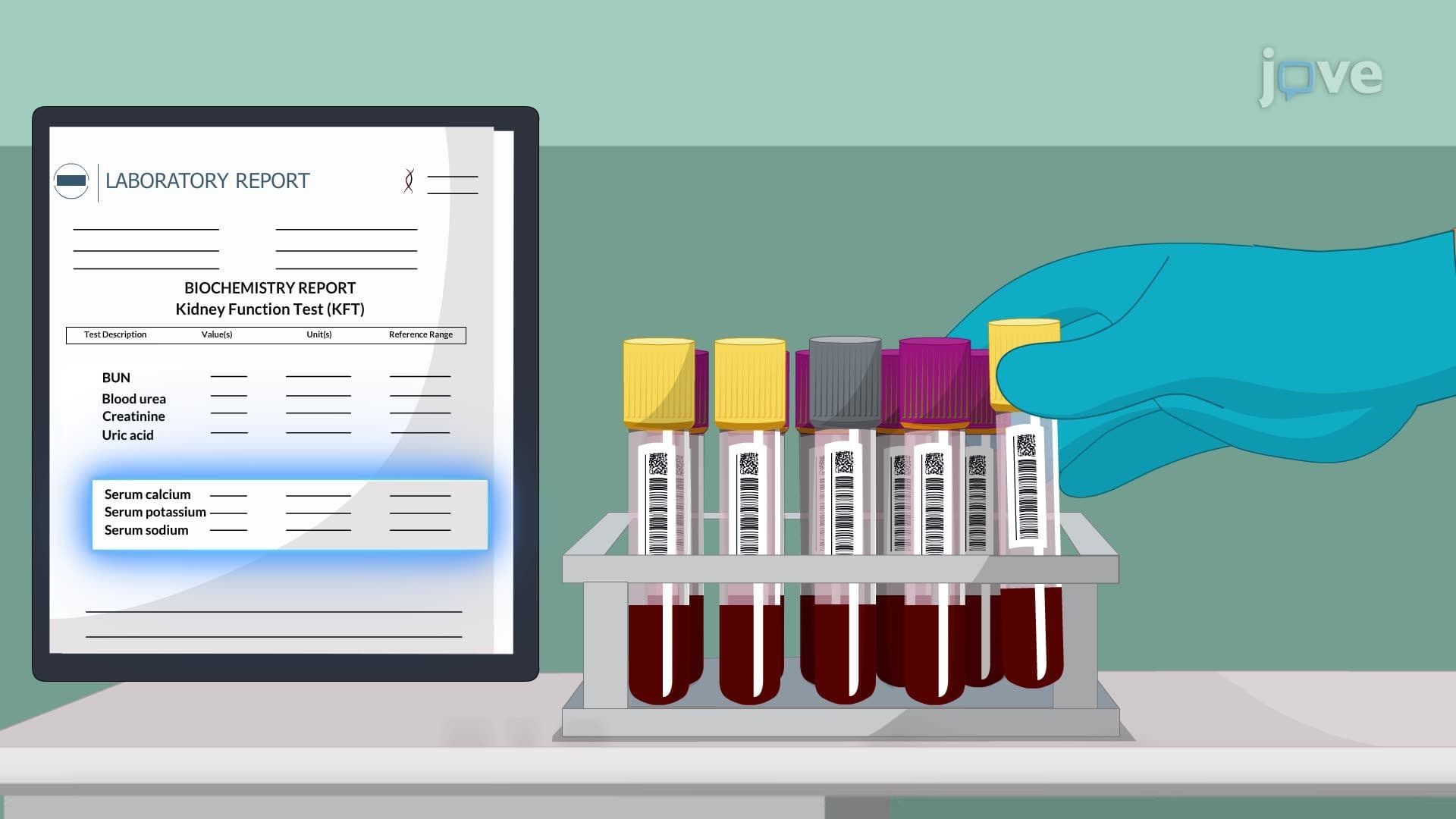
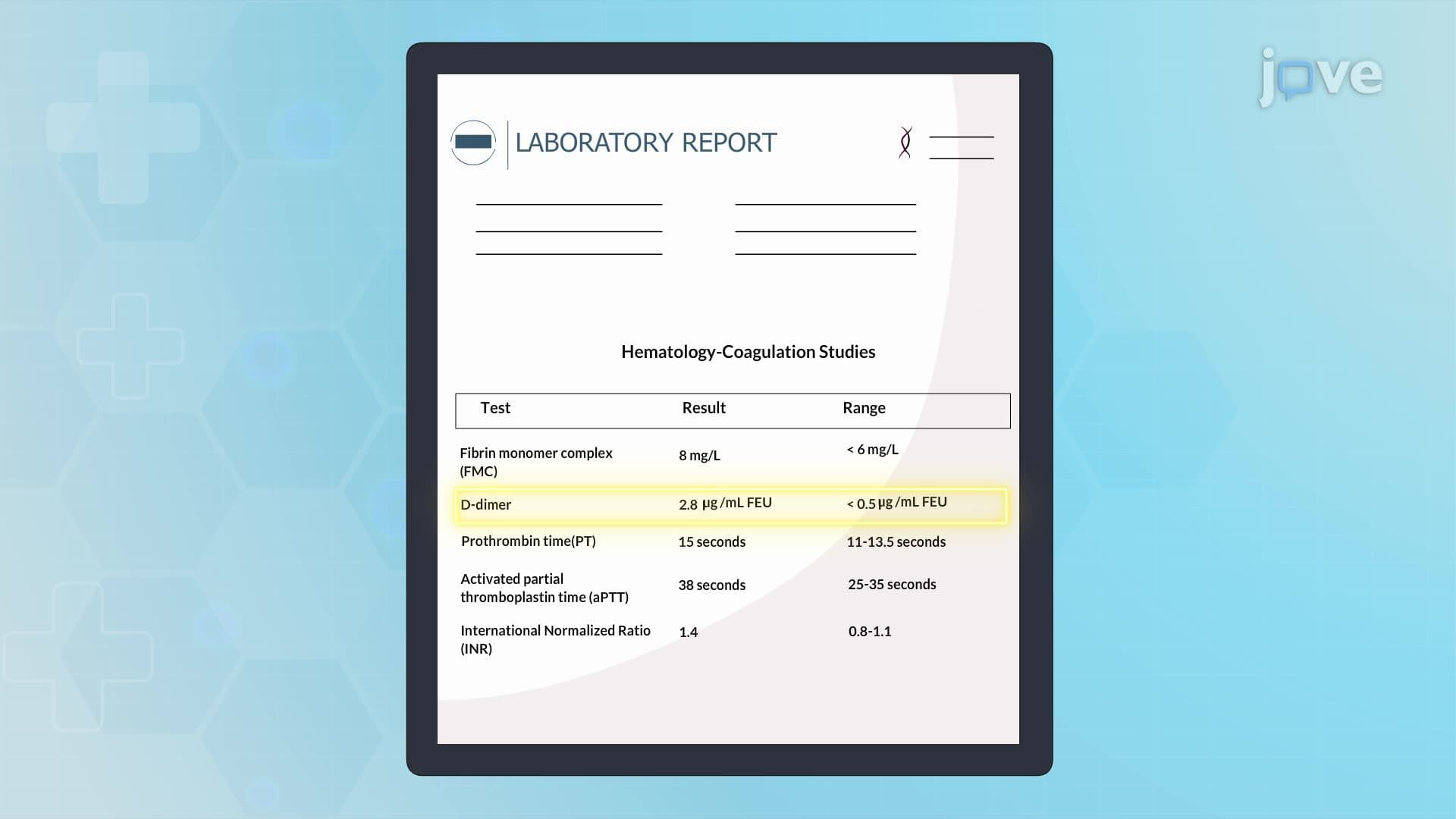
Laboratory Testing plays a crucial role in risk stratification. Lipid panels measuring total cholesterol, LDL ("bad") cholesterol, HDL ("good") cholesterol, and triglycerides help assess cardiovascular risk. The American Heart Association recommends screening adults every 4-6 years, with more frequent monitoring for high-risk patients.
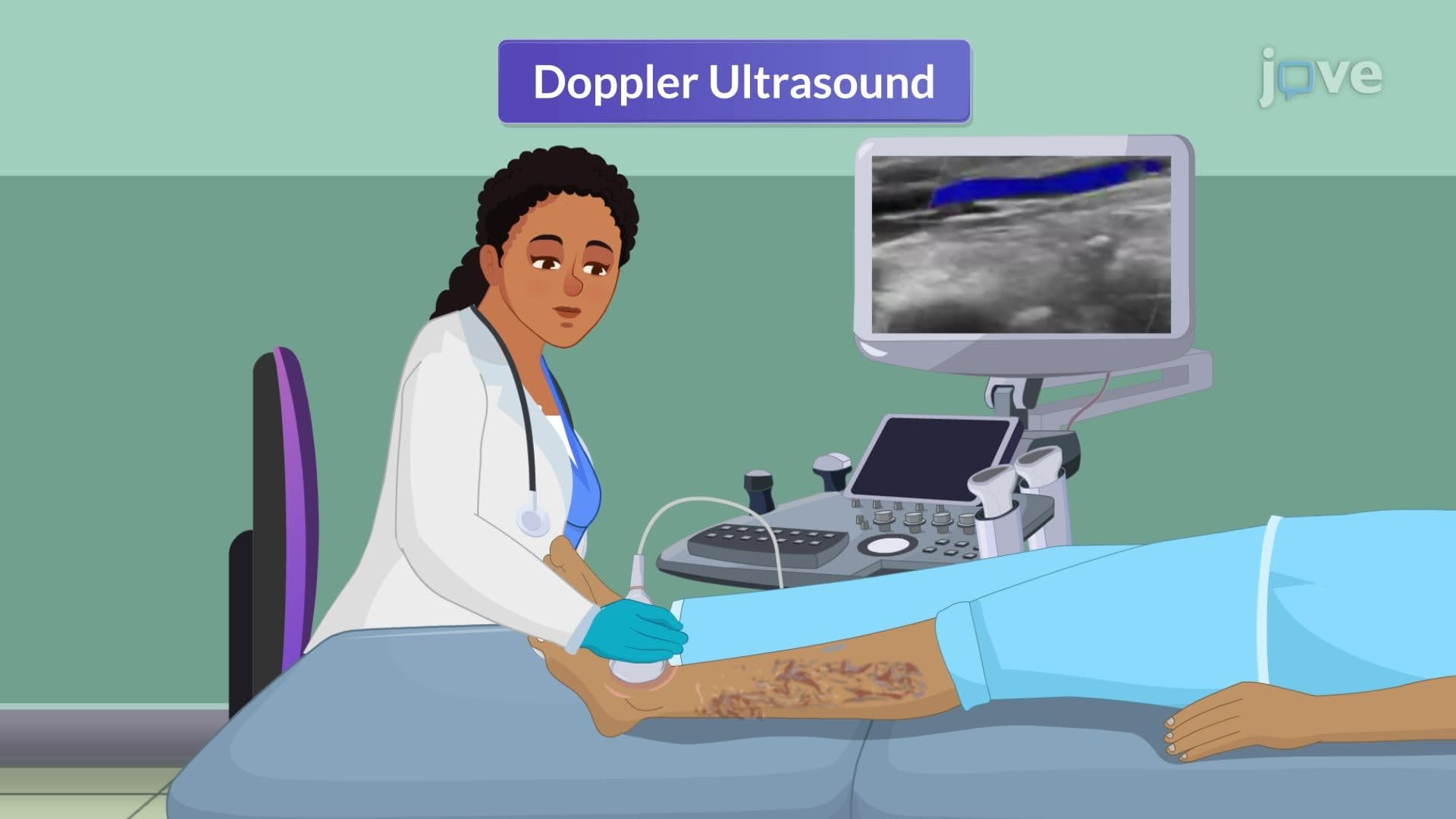
Advanced Imaging Techniques have revolutionized atherosclerosis detection and monitoring. Computed tomography angiography (CTA) provides detailed visualization of arterial anatomy and plaque characteristics. Coronary angiography remains the gold standard for evaluating coronary artery blockages, while intravascular ultrasound offers precise measurements of arterial wall thickness and plaque composition.
For students preparing for AP Biology or college-level anatomy courses, understanding these diagnostic methods is essential. MCAT questions frequently test knowledge of how different imaging modalities reveal specific aspects of cardiovascular disease, while nursing students studying for NCLEX must understand the clinical significance of various diagnostic findings.
Related Micro-courses