Loading video…


 27 Concepts
 3.6K views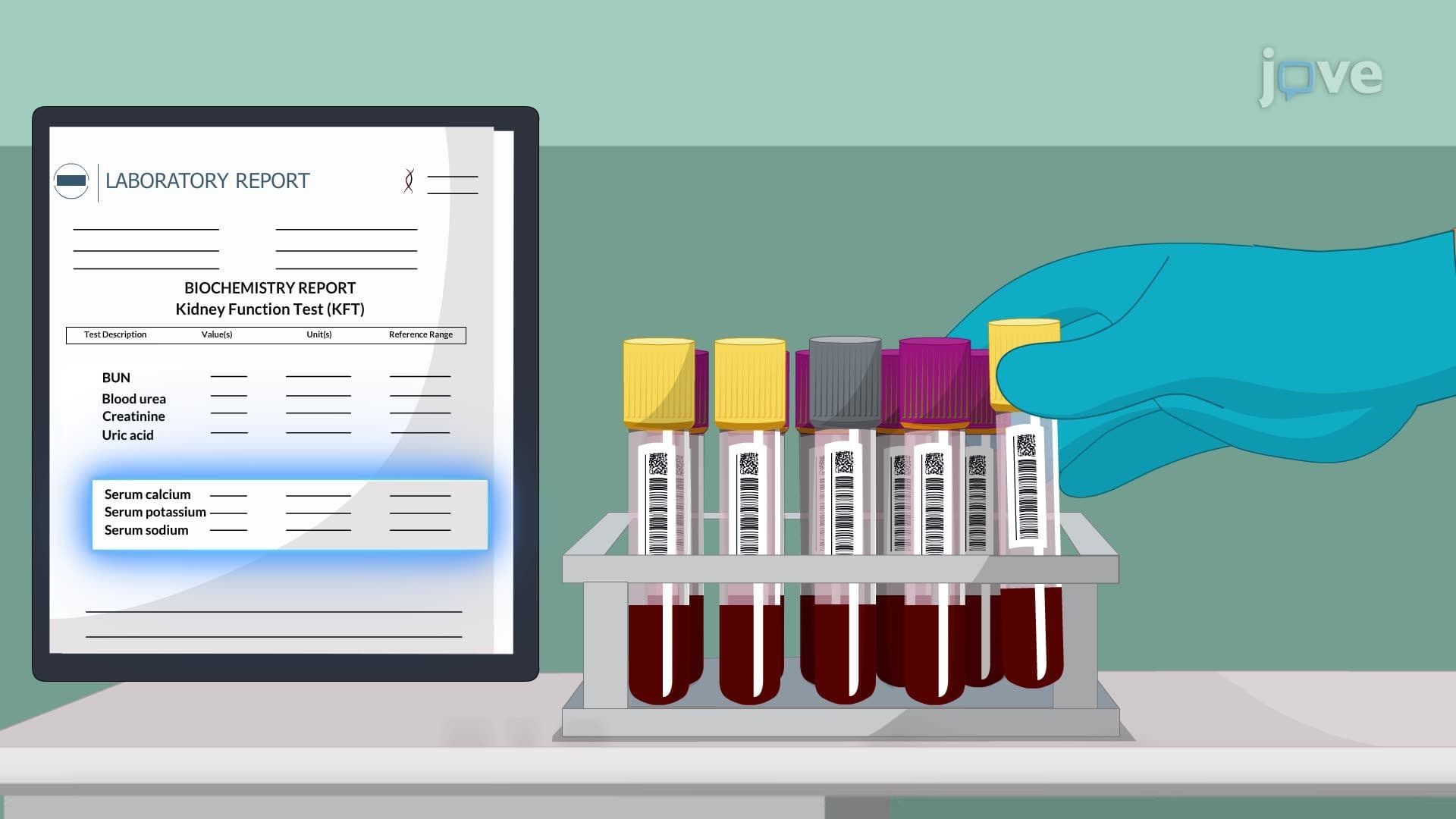

Video Summary: Hypertension Iii Clinical Manifestations and Diagnostic Evaluation
Did you know that hypertension affects 1 in 2 American adults, yet many remain completely unaware they have it? Hypertension III: Clinical Manifestations and Diagnostic Evaluation reveals how this "silent killer" progresses from asymptomatic stages to serious complications affecting vital organs. When left uncontrolled, high blood pressure can damage blood vessels throughout the body, leading to stroke symptoms, kidney disease, or chest pain in patients across hospitals from Johns Hopkins to UCLA Medical Center. Watch the full video on JoVE Coach to master this concept with expert-led visuals and step-by-step explanations.
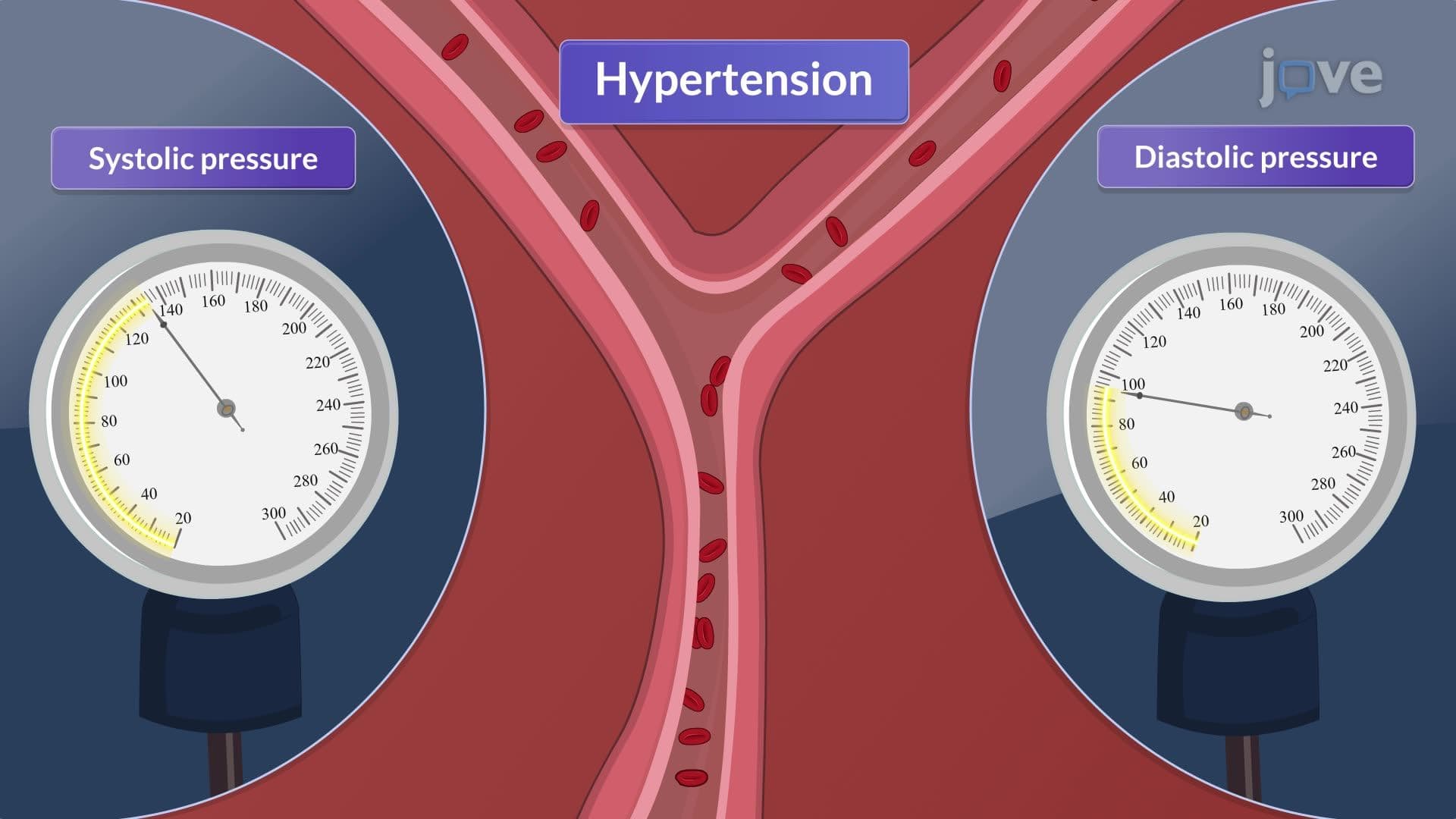
Hypertension represents one of the most prevalent yet underdiagnosed conditions in American healthcare. Unlike infectious diseases with obvious symptoms, hypertension earns its reputation as the "silent killer" because patients typically experience no warning signs during early stages. This asymptomatic nature makes clinical manifestations and diagnostic evaluation protocols absolutely critical for identifying and managing the condition before irreversible damage occurs.
When hypertension progresses untreated, it systematically damages blood vessels throughout the body, creating a cascade of organ-specific symptoms. Cerebrovascular involvement manifests through transient ischemic attacks (TIAs), presenting as sudden vision changes, slurred speech, dizziness, or temporary paralysis on one side of the body. These episodes serve as warning signs for potential stroke-a leading cause of disability in the United States.
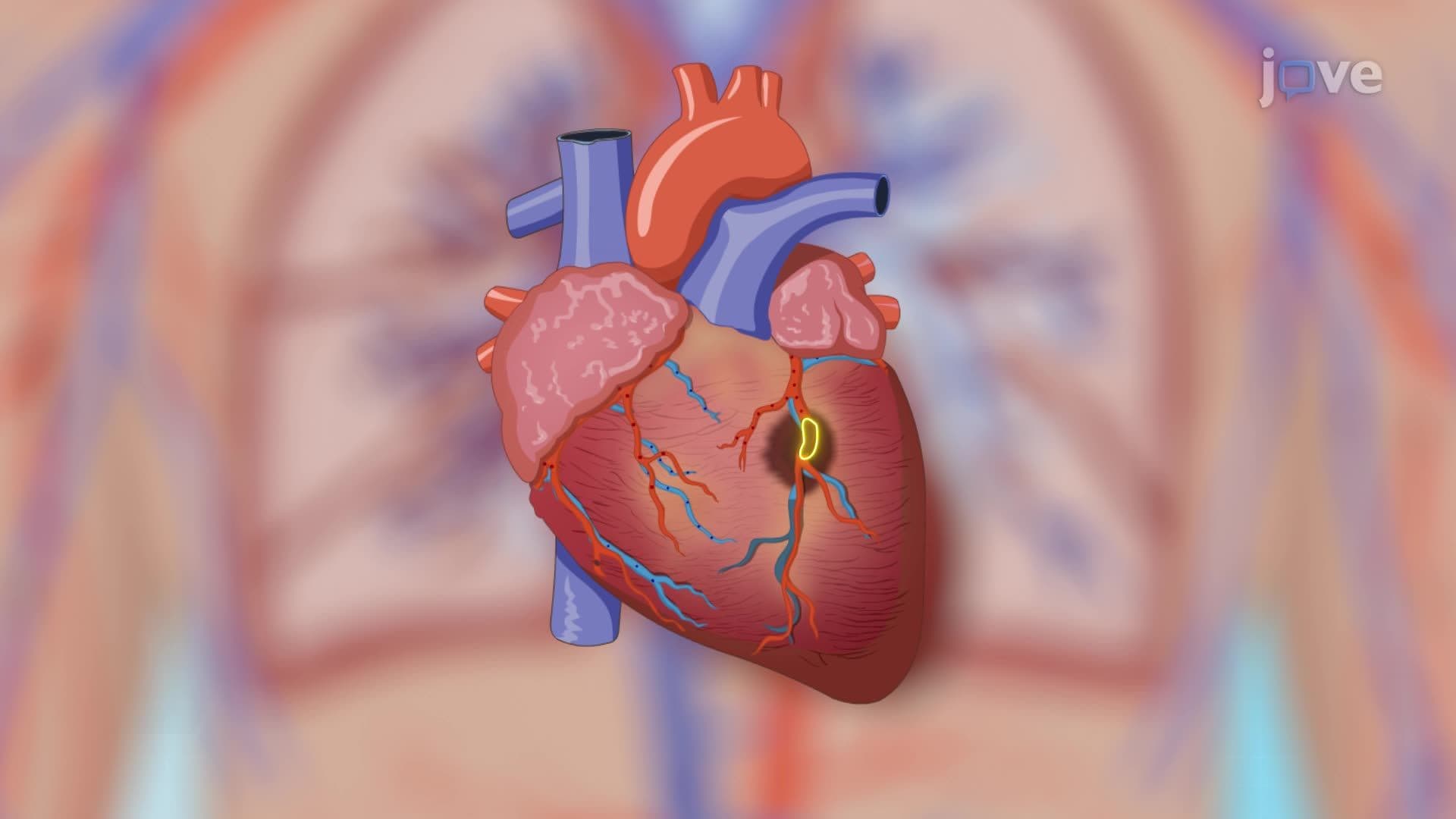
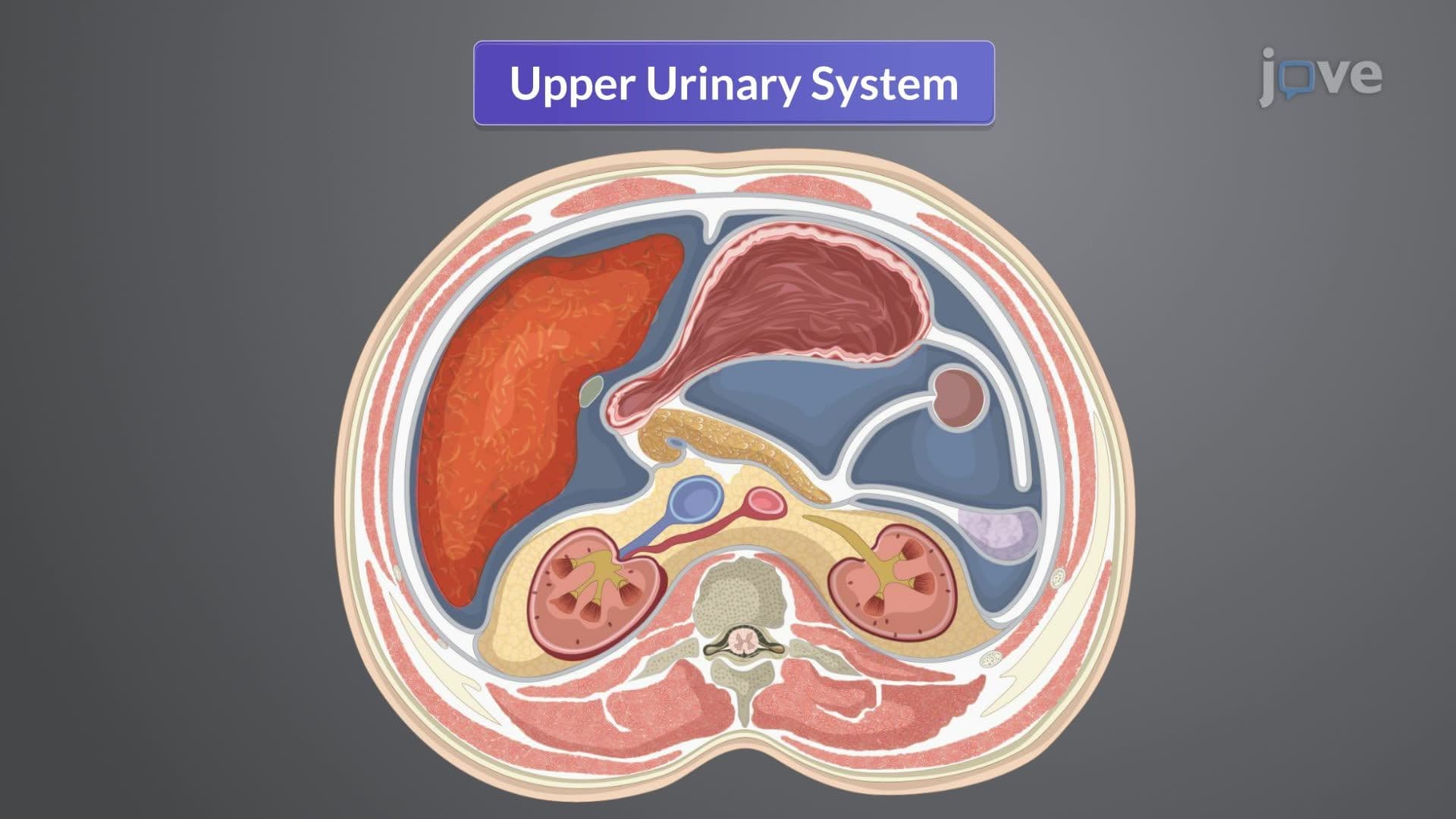
Renal involvement develops more insidiously, with damaged kidney blood vessels reducing filtration capacity and leading to chronic kidney disease. Patients may notice swelling in their ankles or fatigue from fluid retention. Cardiac manifestations include angina (chest pain) when coronary arteries become narrowed or damaged, potentially progressing to heart attack or heart failure. These complications explain why hypertension contributes to over 500,000 deaths annually in the United States.
Accurate hypertension diagnosis requires sophisticated evaluation techniques that account for blood pressure variability. Ambulatory blood pressure monitoring (ABPM) involves patients wearing a portable device for 24-48 hours, taking measurements every 15-30 minutes during the day and hourly at night. This approach identifies two critical phenomena that single office readings miss.
White coat hypertension affects approximately 15-30% of patients who show elevated readings in medical settings but normal pressures at home, often due to anxiety or stress. Conversely, masked hypertension presents normal office readings while actual daily pressures remain dangerously elevated. Students preparing for the MCAT or AP Biology exams should understand how these conditions impact treatment decisions and long-term cardiovascular risk assessment.
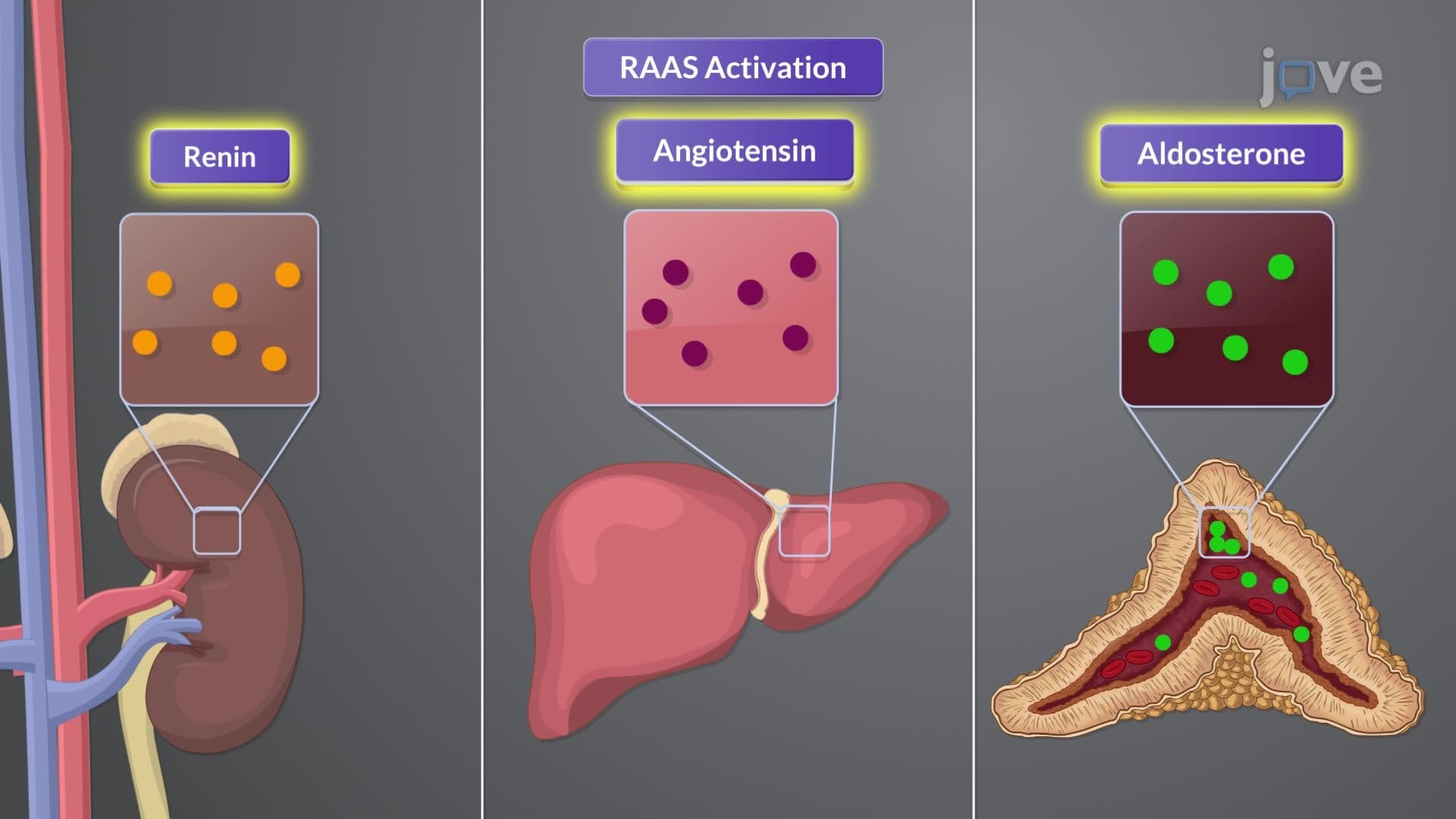
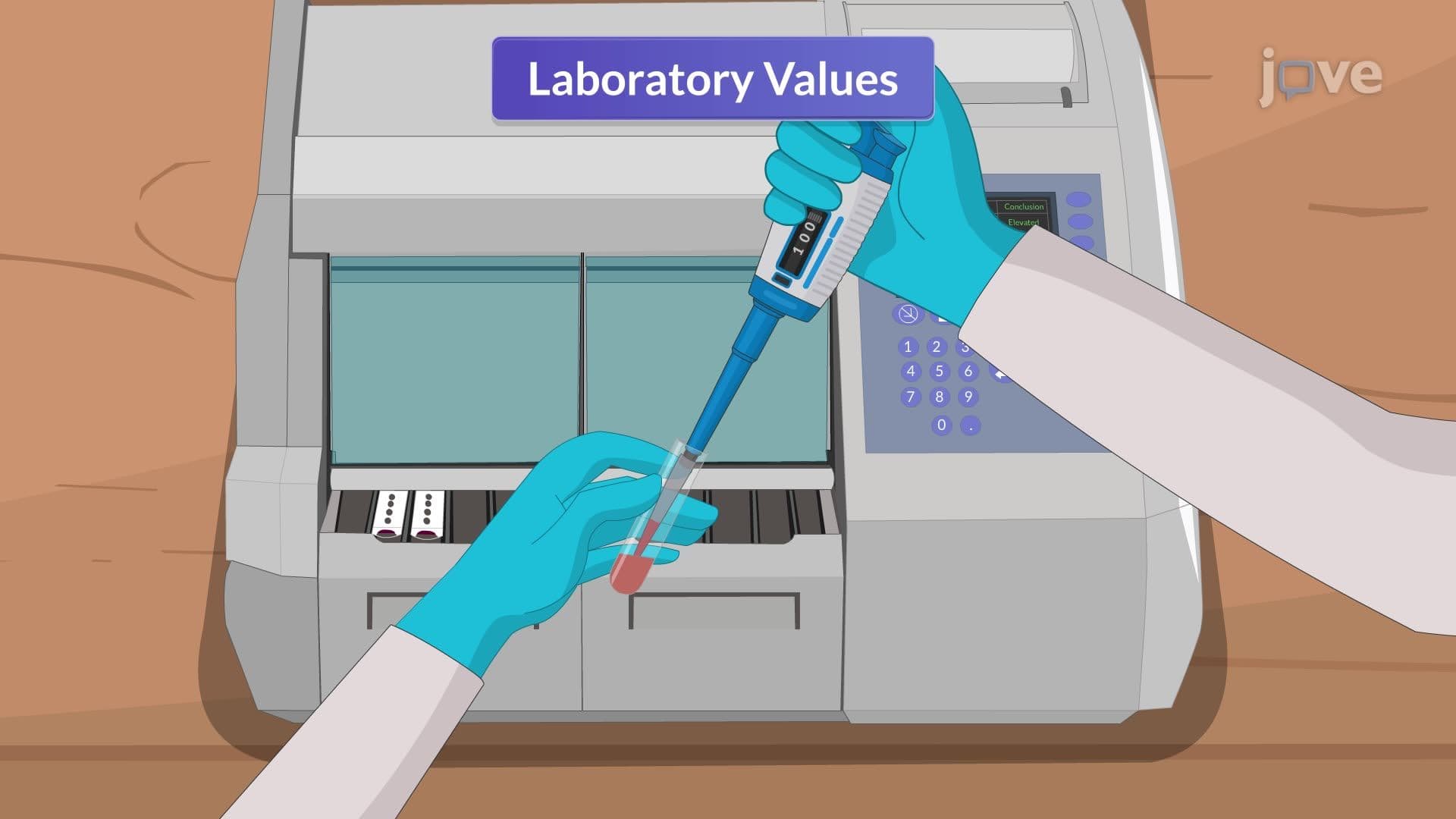
Beyond blood pressure measurements, clinicians order specific laboratory tests to identify secondary causes and assess existing damage. Kidney function tests (creatinine, blood urea nitrogen) reveal early renal impairment, while electrolyte panels can indicate hormonal causes like hyperaldosteronism. Blood glucose and cholesterol screening identifies diabetes and dyslipidemia-conditions that compound cardiovascular risk when combined with hypertension. Electrocardiograms detect left ventricular hypertrophy, an early sign of cardiac adaptation to chronic high pressure that predicts future heart failure risk.
Related Micro-courses