Loading subject page…

3,563 views

Video Summary: Peripheral Arterial Disease Ii Clinical Explained
Did you know that over 8 million Americans suffer from peripheral arterial disease, yet many mistake the symptoms for normal aging? Peripheral arterial disease ii clinical examination reveals critical warning signs like intermittent claudication-leg pain that strikes during a simple walk to the mailbox but disappears at rest. Consider a 65-year-old patient in Cleveland who can no longer climb stairs without severe calf cramping. Watch the full video on JoVE Coach to master this concept with expert-led visuals and step-by-step explanations.
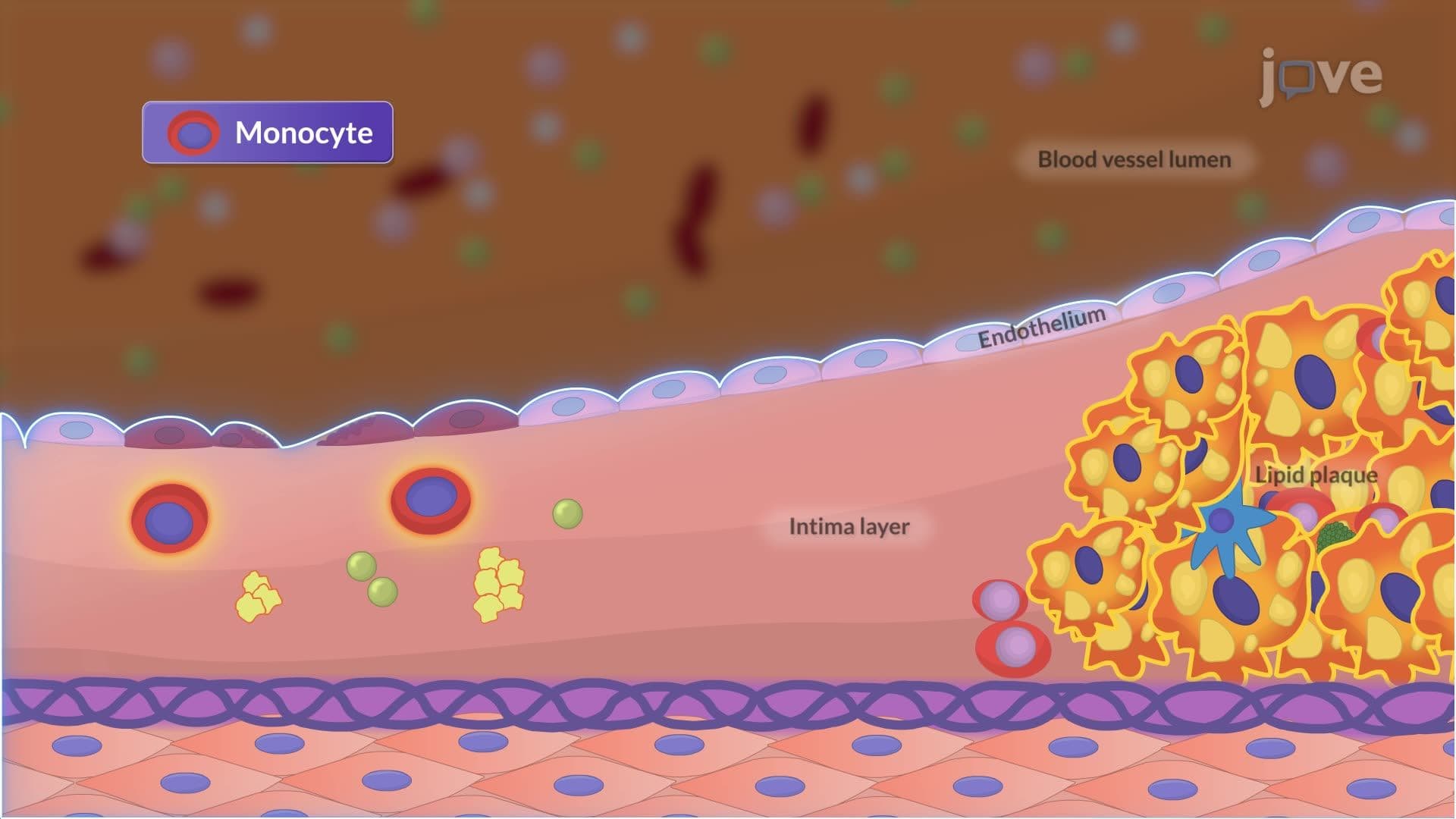
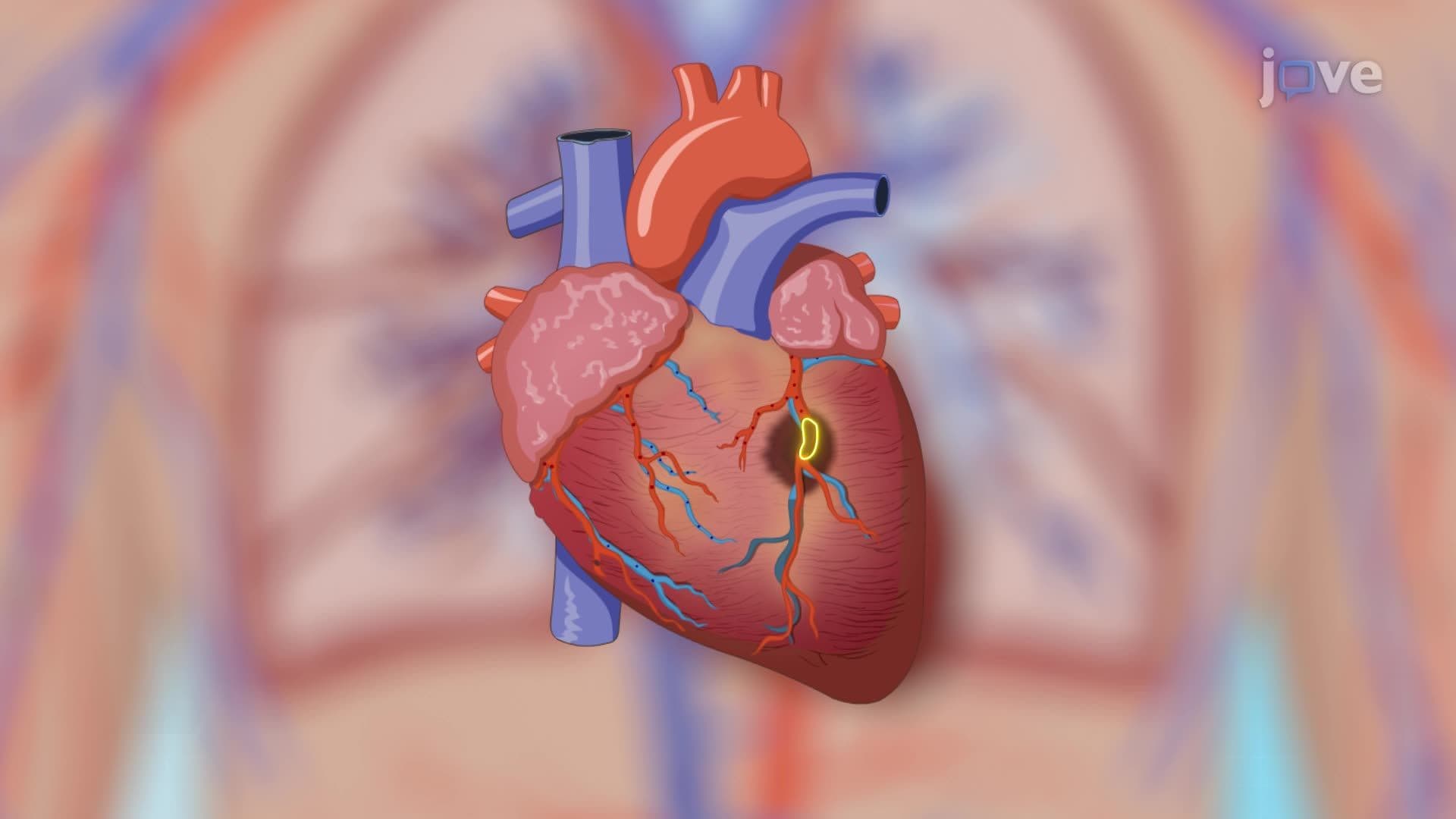
Peripheral arterial disease (PAD) represents a critical cardiovascular condition affecting millions of Americans, with clinical presentations that healthcare students must master for success on the MCAT, NCLEX, and medical school examinations. The disease primarily results from atherosclerotic narrowing of arteries supplying the extremities, creating a cascade of clinical signs and symptoms that progress predictably over time.
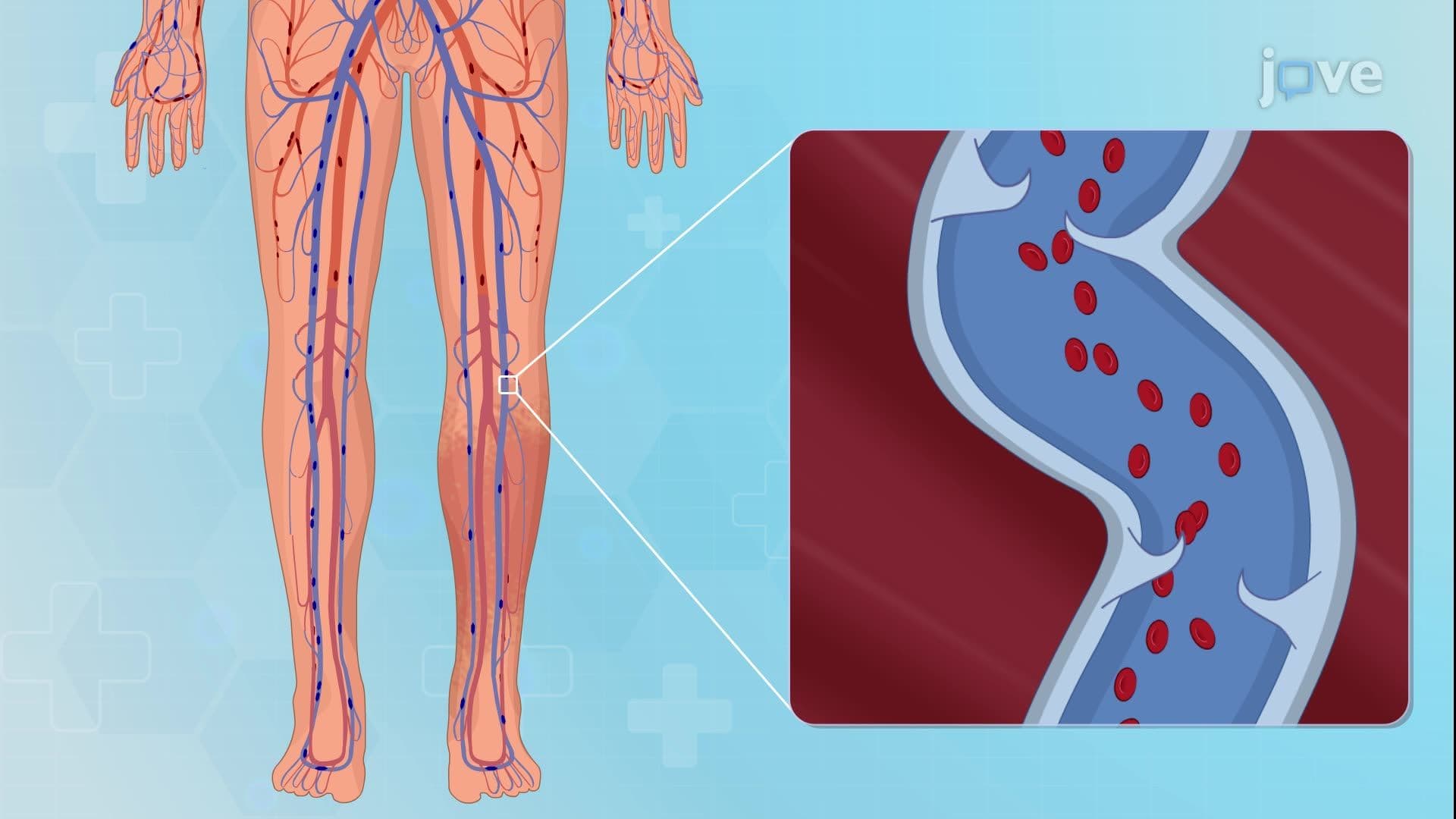
The hallmark symptom of lower extremity PAD is intermittent claudication, derived from the Latin word meaning "to limp." This condition manifests as reproducible muscle pain, cramping, or fatigue that occurs with consistent levels of exercise and resolves with rest. For instance, a patient might experience severe calf pain after walking two blocks but find complete relief after resting for 5-10 minutes. This occurs because narrowed arteries cannot supply adequate oxygen to working muscles during increased demand.
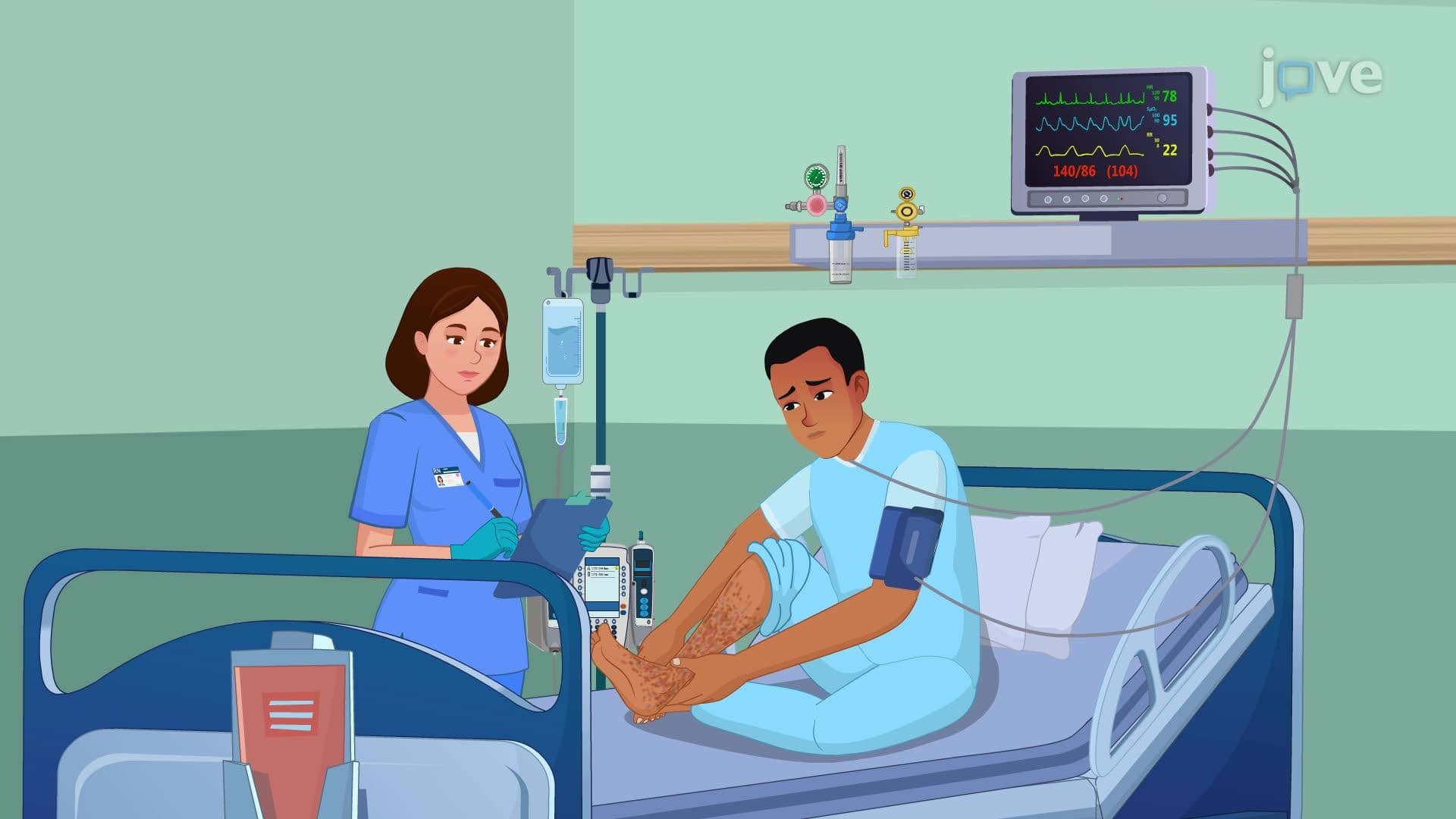
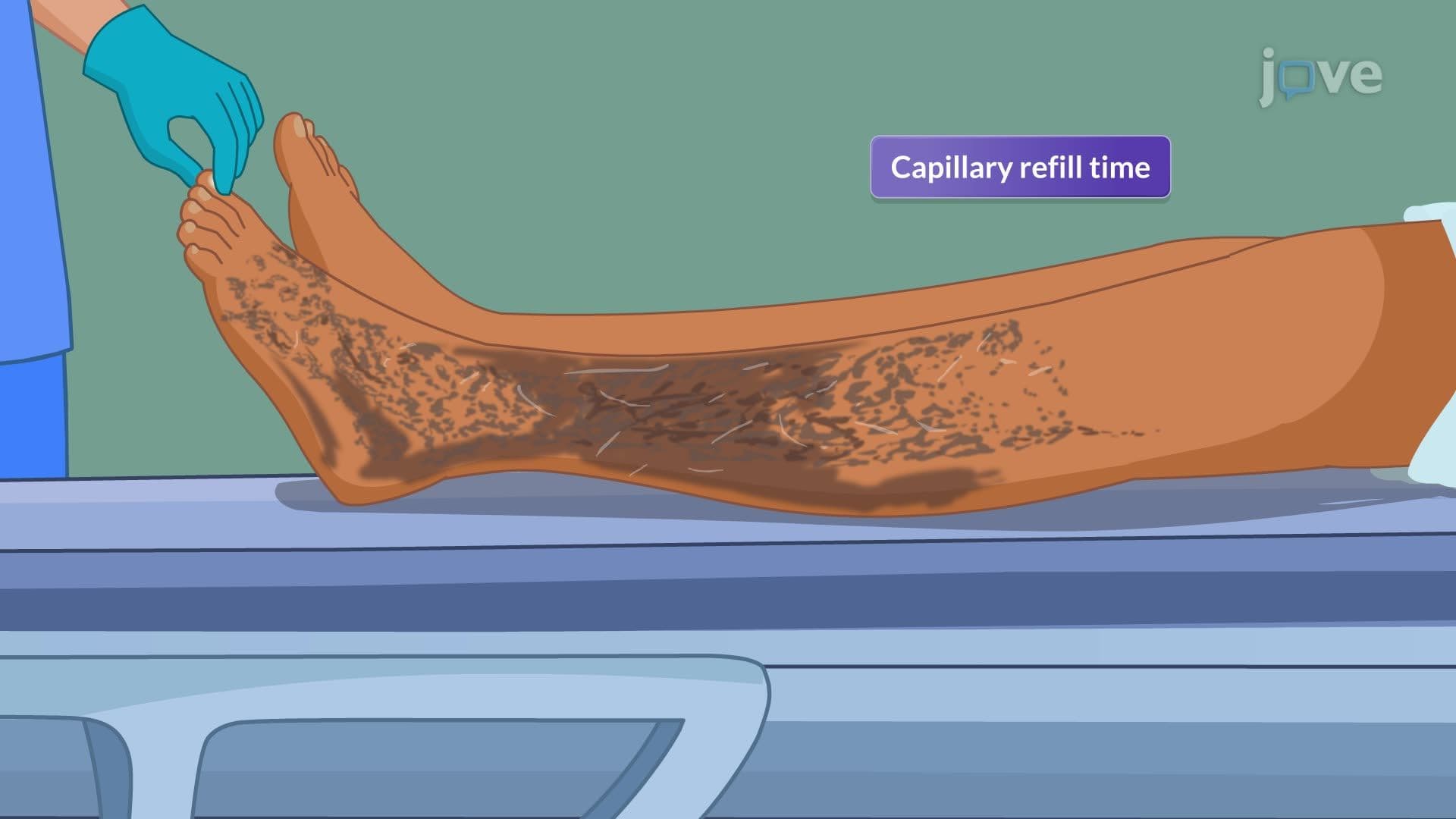
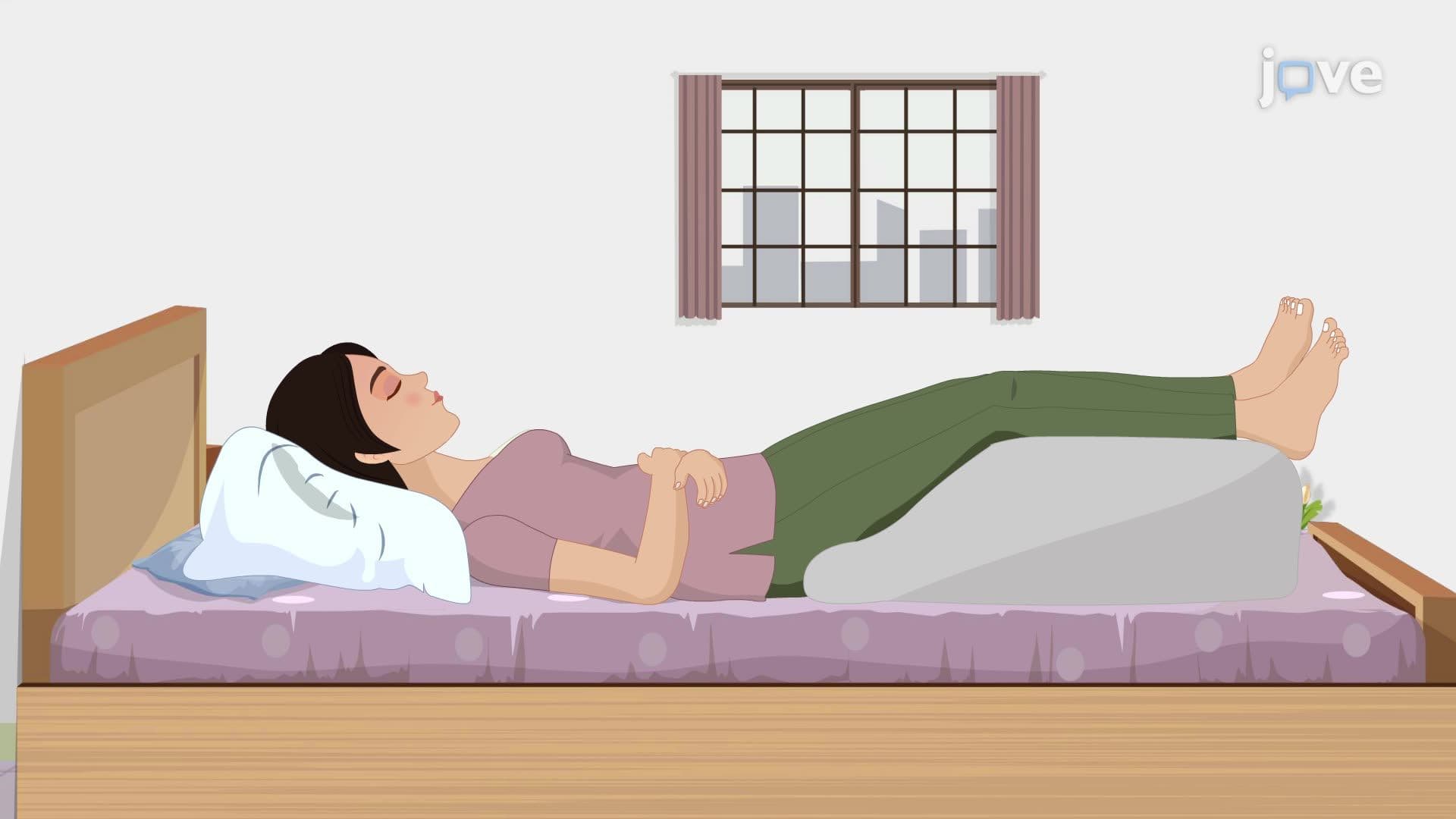
Physical examination reveals telltale signs that nursing and medical students frequently encounter on standardized exams. The affected limb displays thin, shiny, hairless skin-a result of chronic hypoxia. Pulse examination becomes crucial: diminished or absent pedal pulses (dorsalis pedis and posterior tibial), weak popliteal pulses, or reduced femoral pulses indicate specific levels of arterial compromise. The elevation-dependency test demonstrates dramatic color changes-pallor when elevated above heart level, followed by dependent rubor (redness) when lowered.
As PAD progresses, patients develop rest pain-a continuous, burning discomfort typically affecting the forefoot and toes, especially at night. This represents critical limb ischemia, where even minimal tissue metabolic demands exceed arterial supply. Unlike claudication pain, rest pain persists despite opioid administration and often improves when the patient dangles the affected limb over the bed edge.
Upper extremity PAD, though less common, presents unique challenges for clinical assessment. Patients experience forearm claudication during activities like carrying groceries or using tools, accompanied by arm fatigue and difficulty grasping objects. This condition particularly affects individuals with occupational arm use, such as construction workers or musicians.
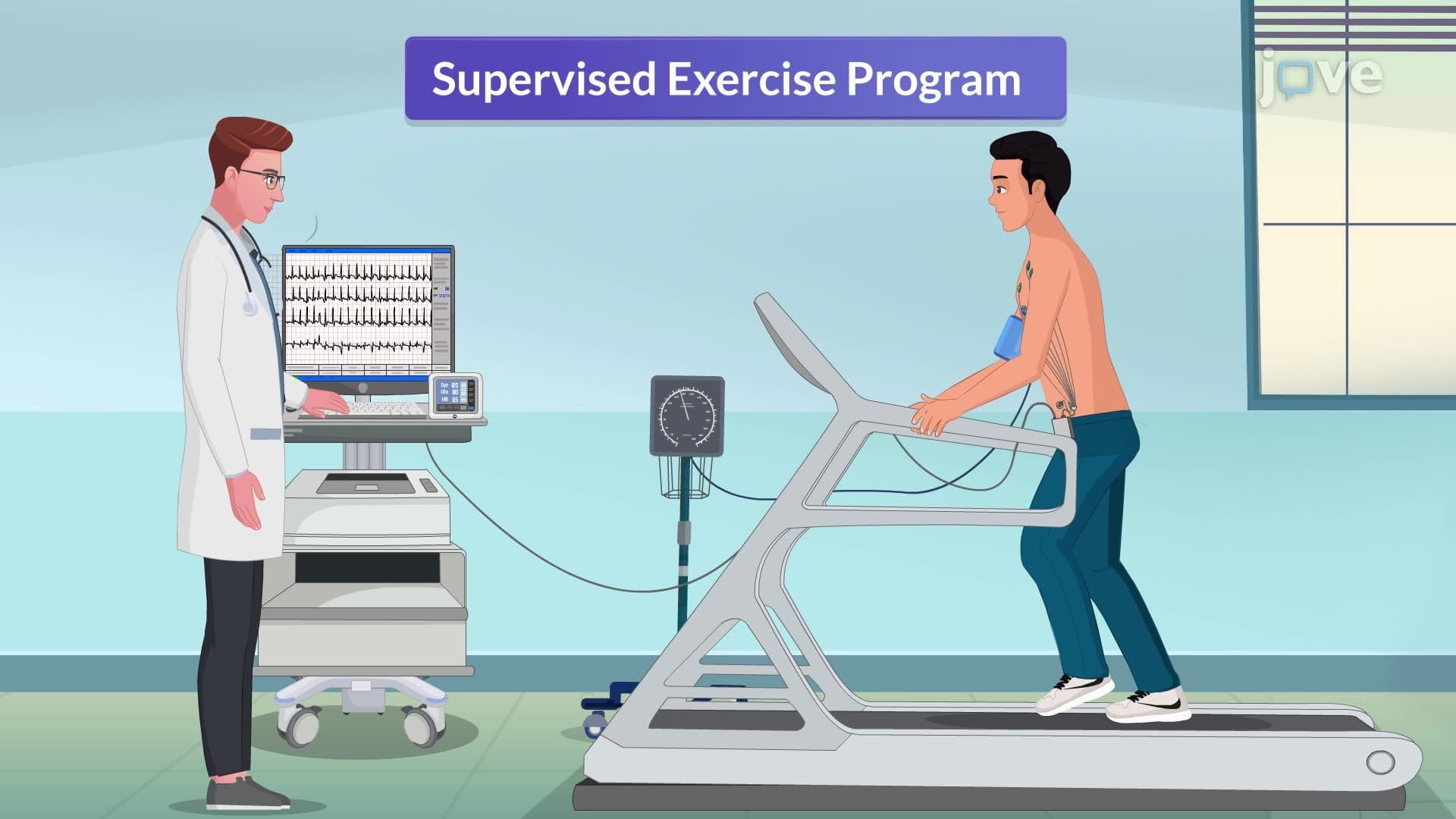
Modern PAD diagnosis relies heavily on non-invasive testing that students must understand for clinical rotations and board examinations. The ankle-brachial index (ABI) serves as the gold standard screening tool-values below 1.0 indicate arterial narrowing, while readings below 0.9 confirm PAD diagnosis. Segmental pressure measurements identify specific anatomical locations of stenosis when pressure drops exceed 30 mmHg between adjacent segments.
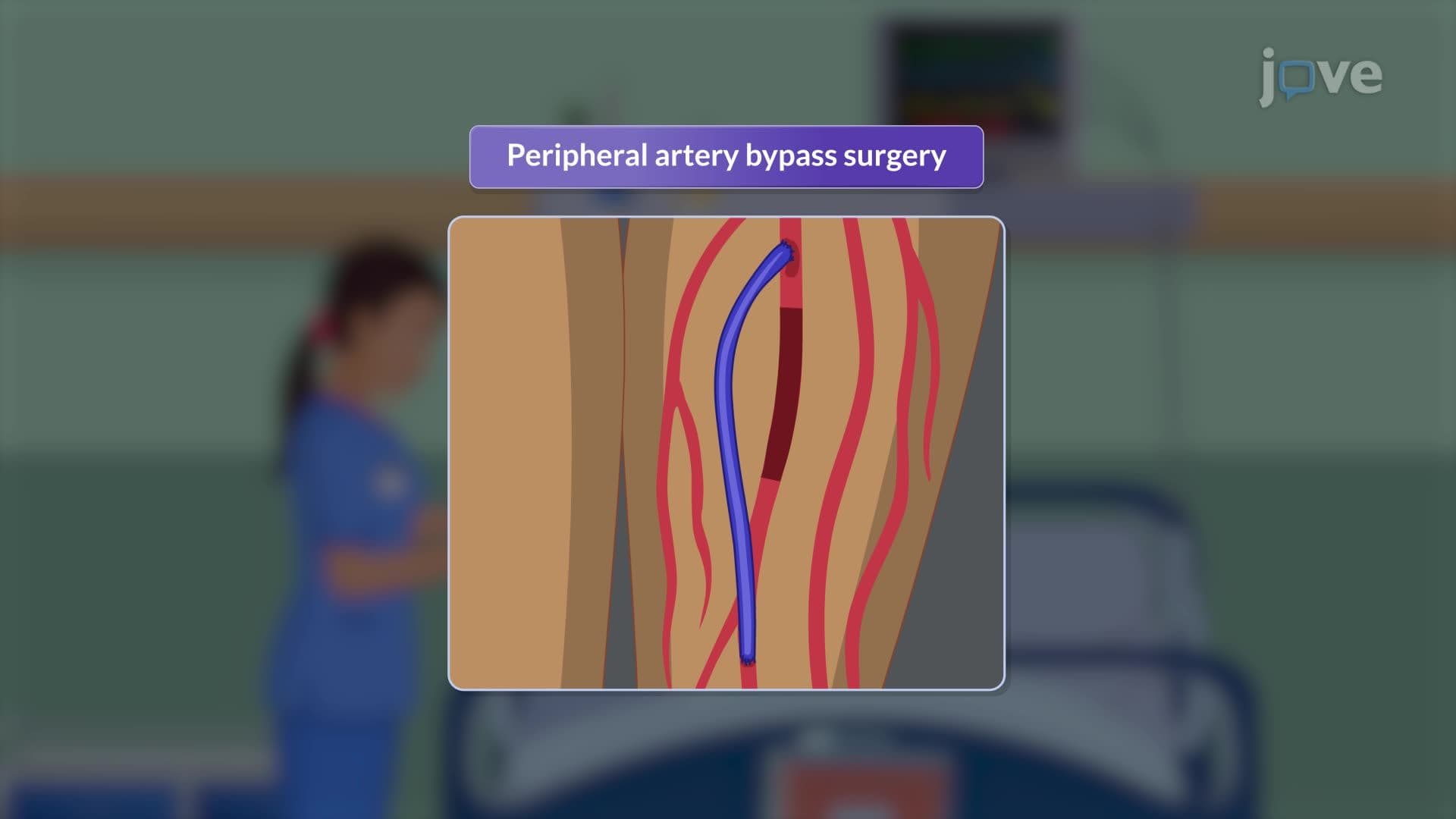
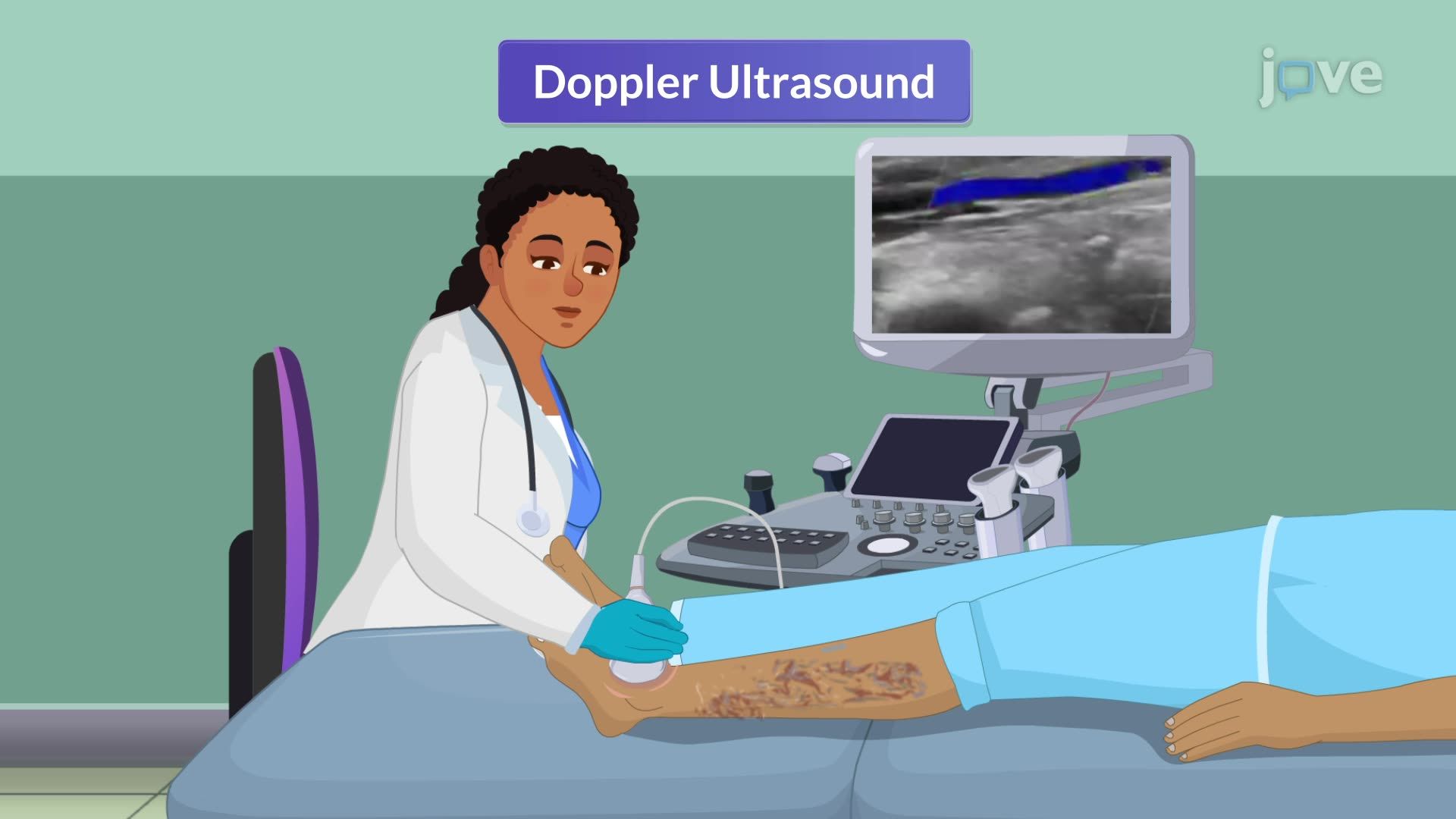
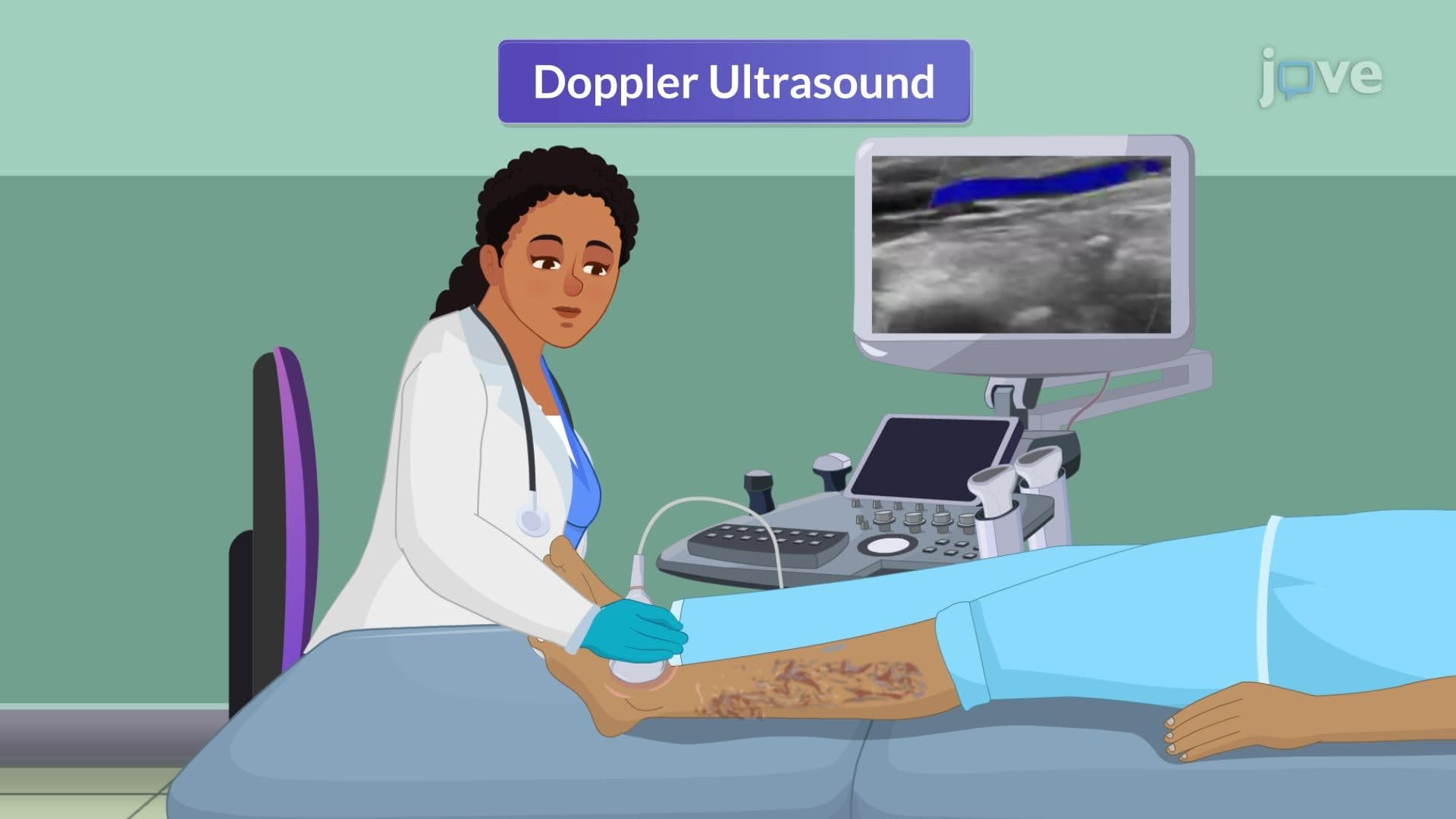
Doppler ultrasound with duplex imaging provides detailed arterial mapping, showing both anatomical narrowing and functional flow patterns. These studies help clinicians plan interventions and monitor disease progression. For complex cases requiring intervention, angiography remains the definitive imaging modality, providing precise arterial roadmaps for surgical or endovascular procedures.
Related Micro-courses