Loading subject page…

3,562 views

Video Summary: Peripheral Artery Disease I Introduction Explained
Did you know that over 8 million Americans have peripheral artery disease I introduction, yet many don't even realize it? This common cardiovascular condition occurs when atherosclerotic plaques progressively narrow arteries in the arms and legs, particularly affecting the abdominal aorta and femoral arteries. Cleveland Clinic reports that PAD affects 1 in 20 Americans over age 50, making it a critical health concern. Watch the full video on JoVE Coach to master this concept with expert-led visuals and step-by-step explanations.
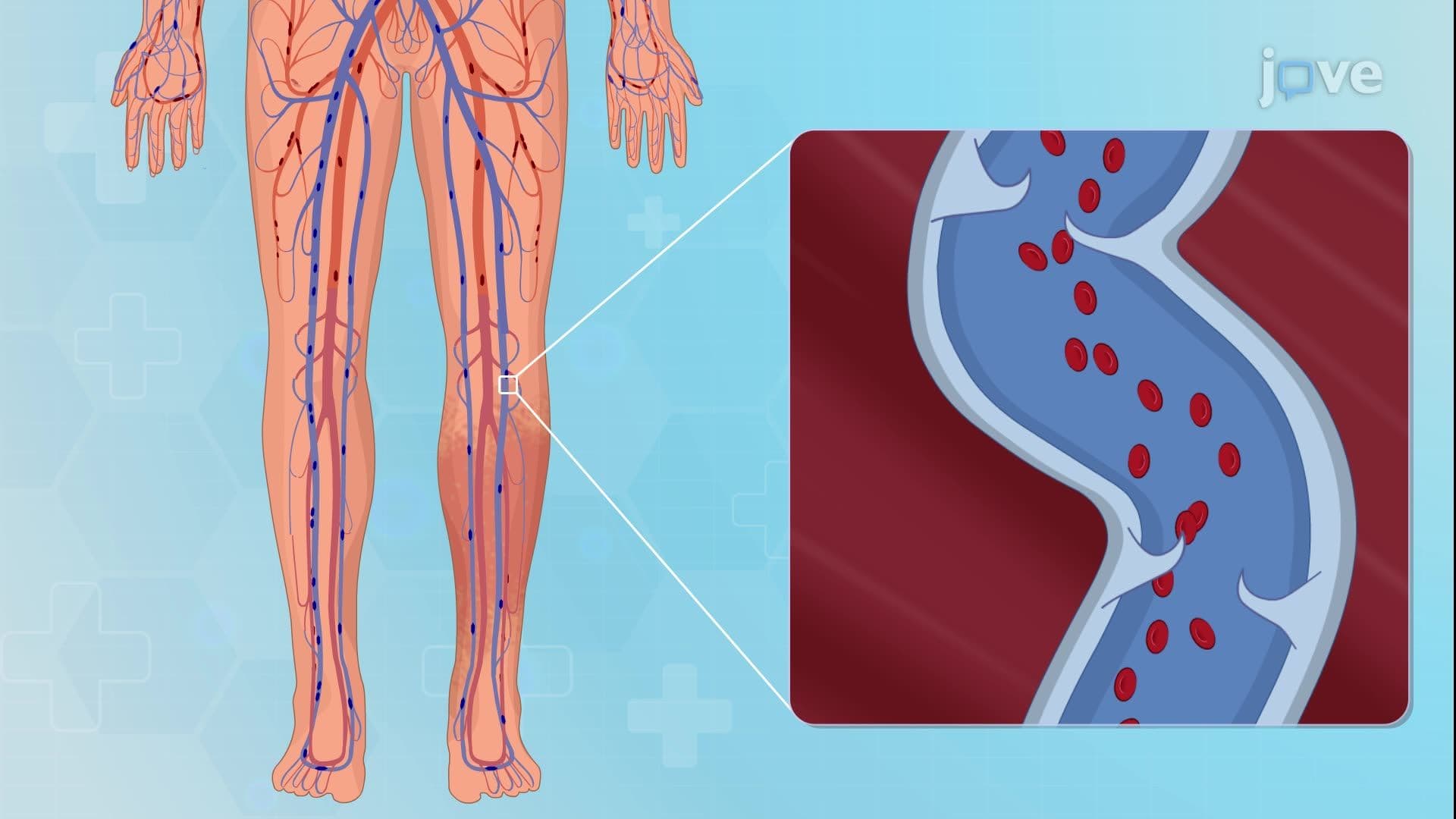
Peripheral artery disease I introduction represents a critical cardiovascular concept that affects millions of Americans. This atherosclerotic condition primarily targets the arterial system supplying the extremities, creating a cascade of pathophysiological changes that can lead to significant morbidity. Unlike coronary artery disease, which affects heart vessels, PAD specifically impacts peripheral circulation, making it essential for students to understand the anatomical and physiological distinctions.
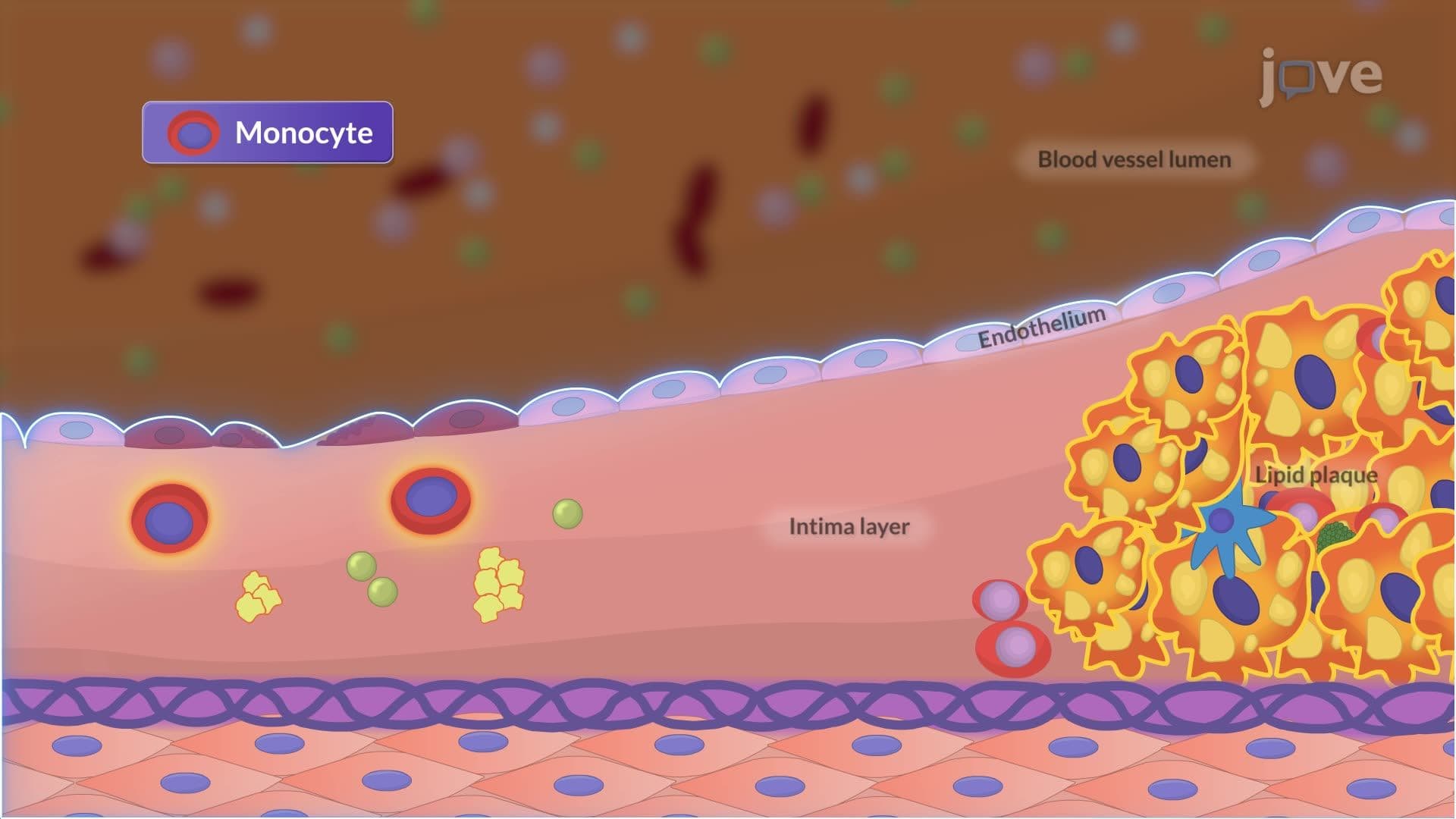
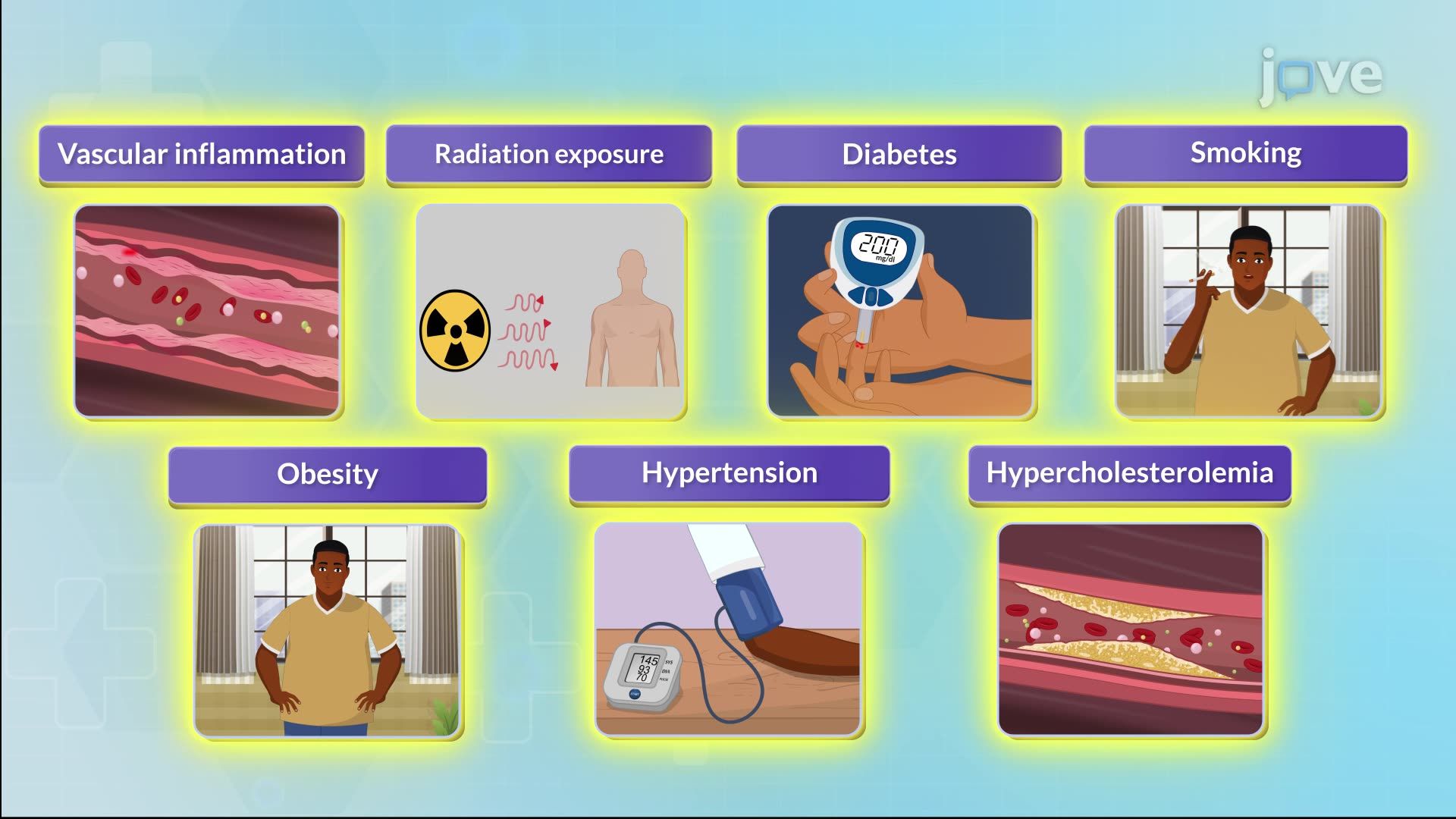
The development of PAD follows a predictable atherosclerotic pathway that begins at the cellular level. When risk factors like diabetes or smoking damage the endothelium, the normally protective arterial lining becomes permeable to low-density lipoprotein (LDL) cholesterol. This infiltration triggers oxidative processes that convert LDL into inflammatory oxidized LDL, creating a molecular beacon for immune system activation.
Macrophages, the body's cleanup cells, attempt to engulf this oxidized LDL but become overwhelmed, transforming into foam cells. These foam cells represent the building blocks of atherosclerotic plaques, accumulating to form fatty streaks visible even in young adults. For AP Biology students, this process exemplifies how cellular dysfunction can cascade into systemic disease.
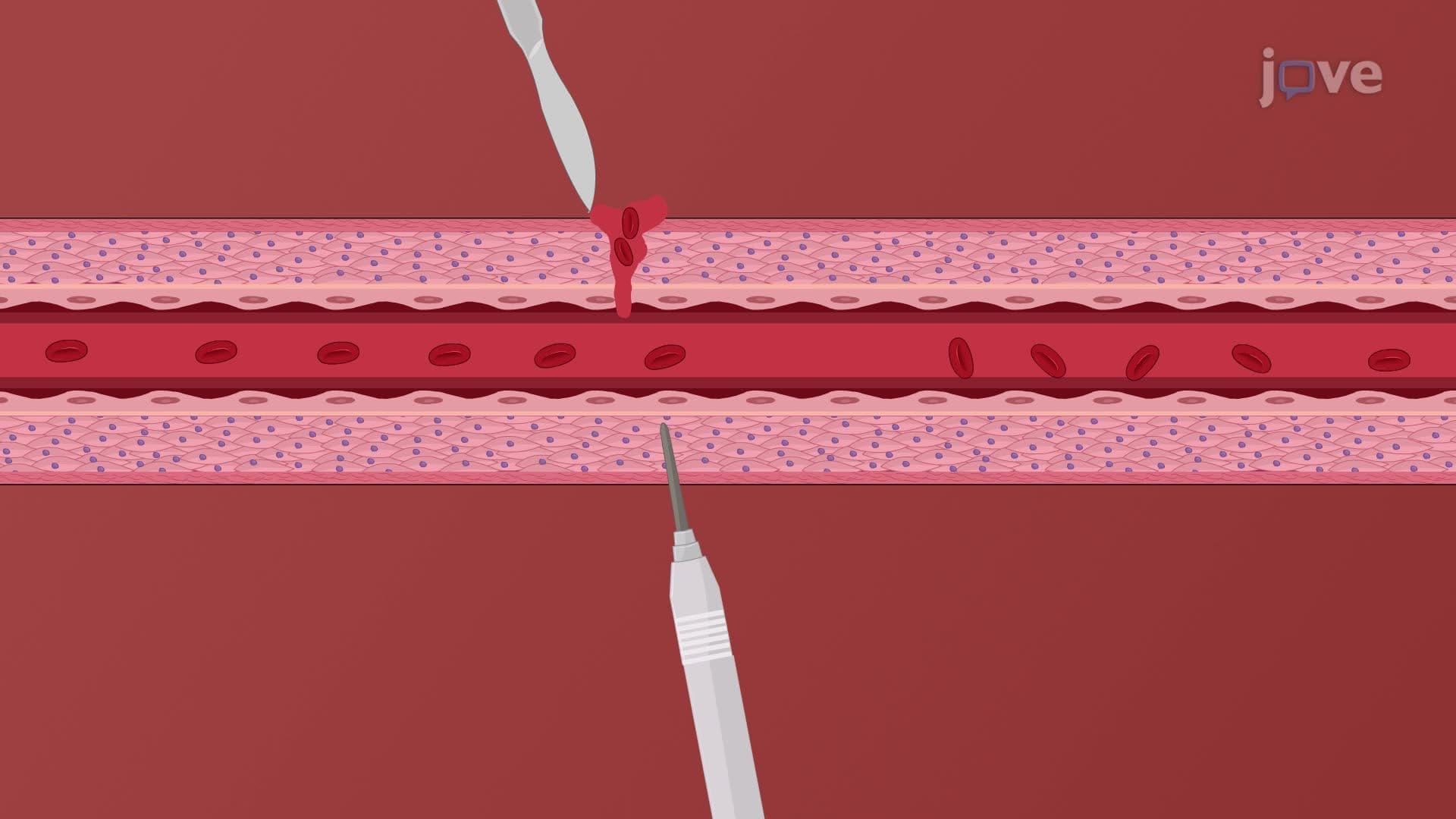
The progression from fatty streaks to complex atherosclerotic plaques has profound clinical implications. Stable plaques with thick fibrous caps may cause gradual symptom onset, while unstable plaques with thin caps and large necrotic cores pose immediate threats. When these unstable plaques rupture, they expose thrombogenic material that can trigger acute clot formation, potentially causing acute limb ischemia-a medical emergency requiring immediate intervention.
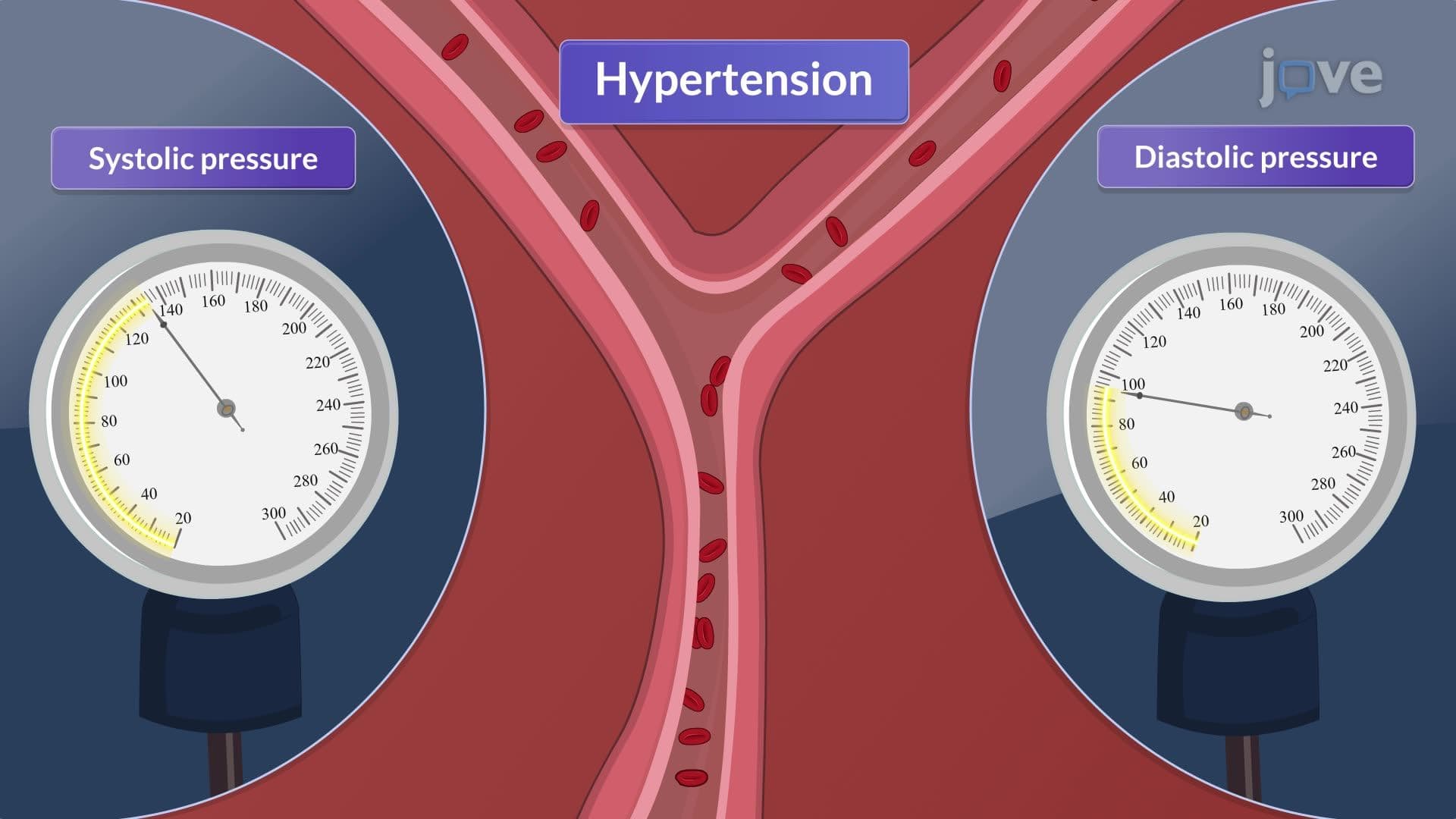
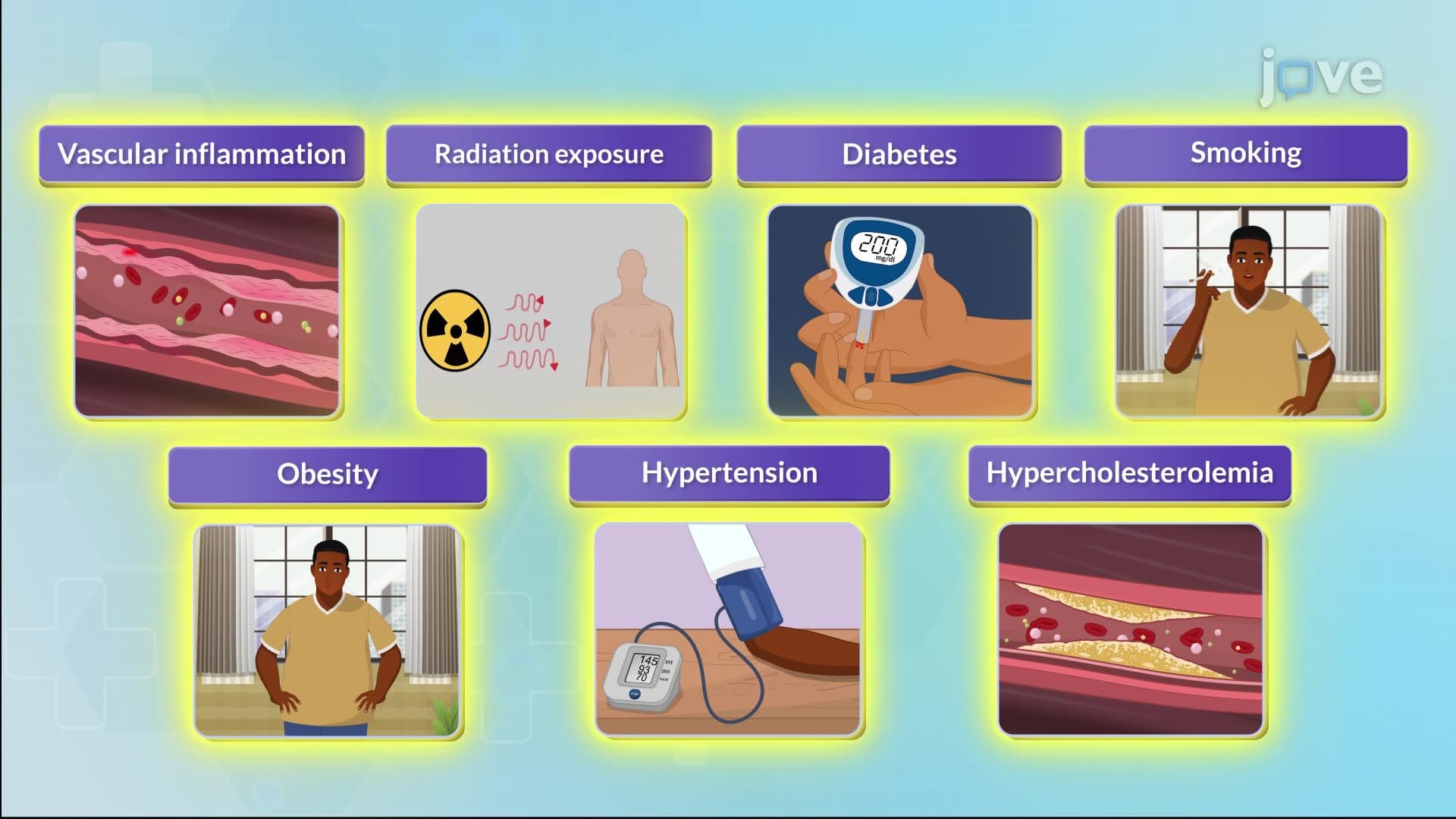
Healthcare systems like Mayo Clinic and Johns Hopkins emphasize that understanding PAD risk factors helps predict patient outcomes. The same risk factors contributing to coronary artery disease-diabetes, smoking, hypertension, and hypercholesterolemia-also drive PAD development, making this condition a marker of systemic cardiovascular risk.
For students preparing for MCAT or nursing entrance exams like HESI A2, PAD represents an excellent example of how molecular pathophysiology translates to clinical practice. The condition demonstrates key concepts including inflammation, cellular dysfunction, and the relationship between risk factors and disease outcomes. Understanding PAD also provides foundation knowledge for more advanced cardiovascular topics encountered in medical school pathophysiology courses.
Related Micro-courses