Loading subject page…

3,563 views

Video Summary: Peripheral Artery Disease Iii Interprofessional Care Explained
Did you know that over 8.5 million Americans suffer from blocked arteries in their legs, often going undiagnosed until they experience debilitating leg pain while walking? Peripheral artery disease III interprofessional care represents a comprehensive treatment approach that combines medication, lifestyle interventions, and surgical procedures to restore blood flow. For example, patients at Mayo Clinic receive coordinated care from vascular surgeons, interventional radiologists, and physical therapists working together. Watch the full video on JoVE Coach to master this concept with expert-led visuals and step-by-step explanations.
Peripheral artery disease III interprofessional care represents the gold standard approach to managing advanced arterial blockages that severely limit daily activities. This comprehensive treatment model recognizes that effective PAD management requires seamless coordination between multiple healthcare disciplines, each contributing specialized expertise to optimize patient outcomes.
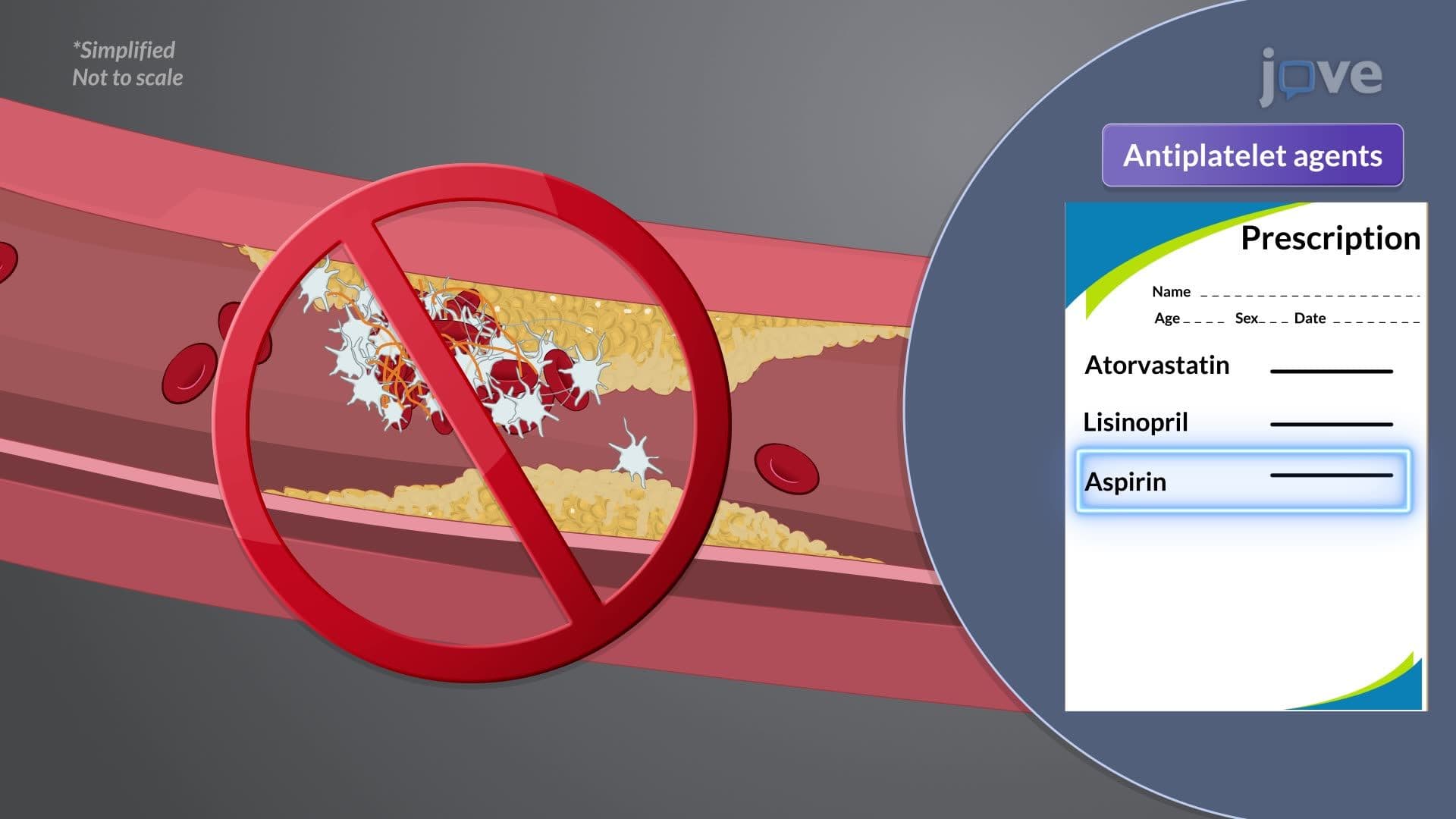
The medication arsenal for PAD focuses on three primary mechanisms: improving blood flow, preventing clot formation, and reducing inflammation. Cilostazol serves as a dual-action medication, inhibiting platelet aggregation while promoting vasodilation through phosphodiesterase III inhibition. This mechanism increases cyclic adenosine monophosphate (cAMP) levels in both platelets and vascular smooth muscle cells. Antiplatelet therapy with clopidogrel provides crucial protection against thromboembolism by irreversibly blocking the P2Y12 receptor on platelets. Pentoxifylline offers unique benefits by reducing blood viscosity, decreasing fibrinogen levels, and improving red blood cell flexibility, allowing better circulation through narrowed vessels.
Modern interventional radiology has revolutionized PAD treatment through minimally invasive procedures. Percutaneous transluminal angioplasty uses balloon catheters to mechanically compress atherosclerotic plaques against vessel walls, while drug-eluting stents provide long-term patency by preventing restenosis. Advanced techniques like laser atherectomy employ ultraviolet energy to vaporize atherosclerotic material, particularly effective for heavily calcified lesions. Cryoplasty combines traditional balloon angioplasty with controlled cold therapy, reducing smooth muscle proliferation and inflammatory responses that contribute to re-narrowing.
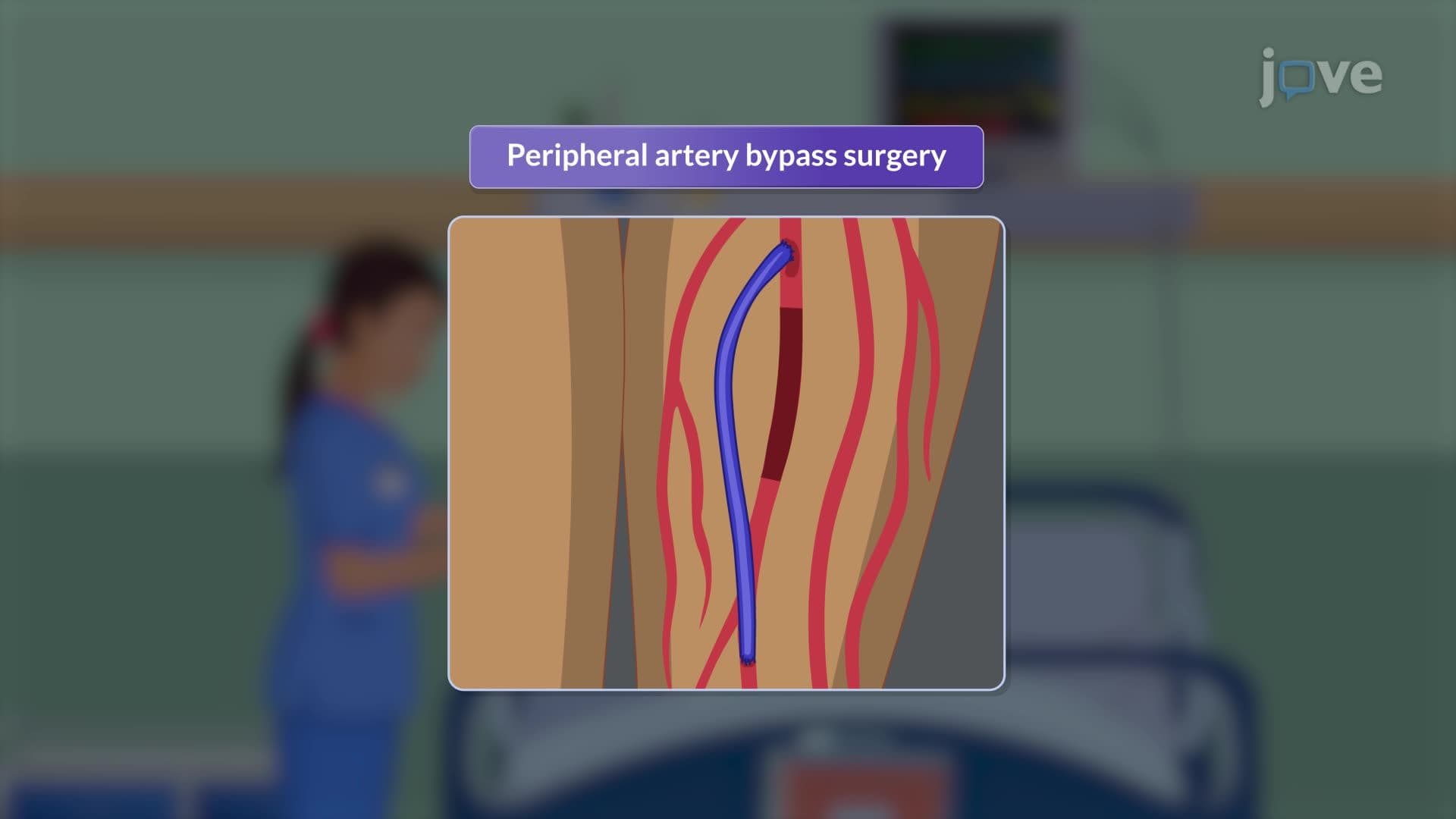
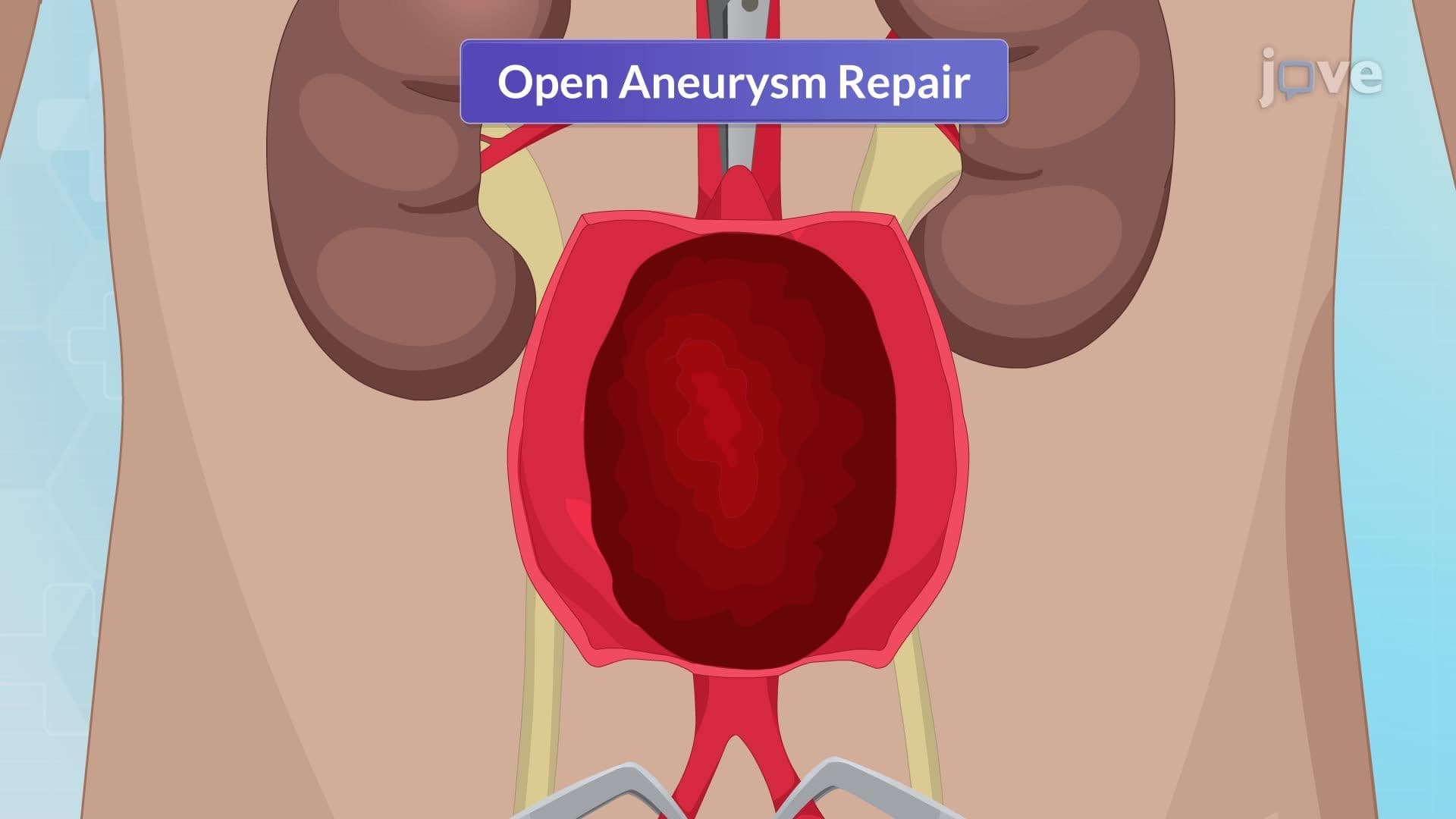
When minimally invasive approaches prove insufficient, surgical interventions become necessary. Peripheral artery bypass surgery creates alternate blood flow pathways using either autogenous saphenous vein grafts or synthetic materials like polytetrafluoroethylene (PTFE). Endarterectomy involves direct plaque removal through arterial incision, particularly effective for focal stenoses in larger vessels like the common femoral artery.
This interprofessional approach frequently appears on MCAT passages testing integrated healthcare delivery, NCLEX questions evaluating nursing coordination skills, and medical school examinations emphasizing collaborative care models. Understanding these concepts proves essential for AP Biology students studying circulatory system pathophysiology and college anatomy courses exploring cardiovascular interventions.
Related Micro-courses