Loading subject page…

3,562 views

Video Summary: Peripheral Artery Disease V Postoperative Explained
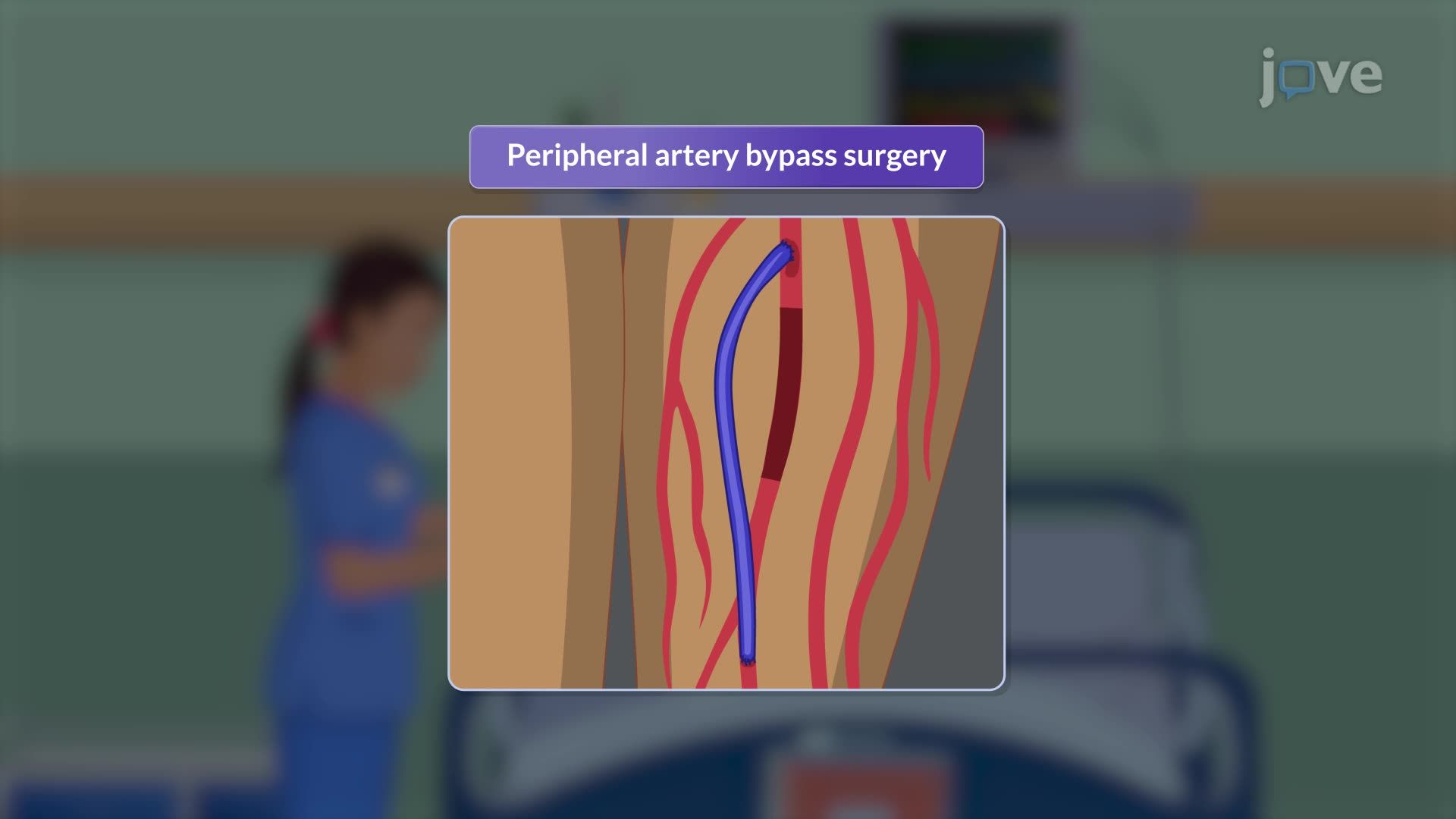
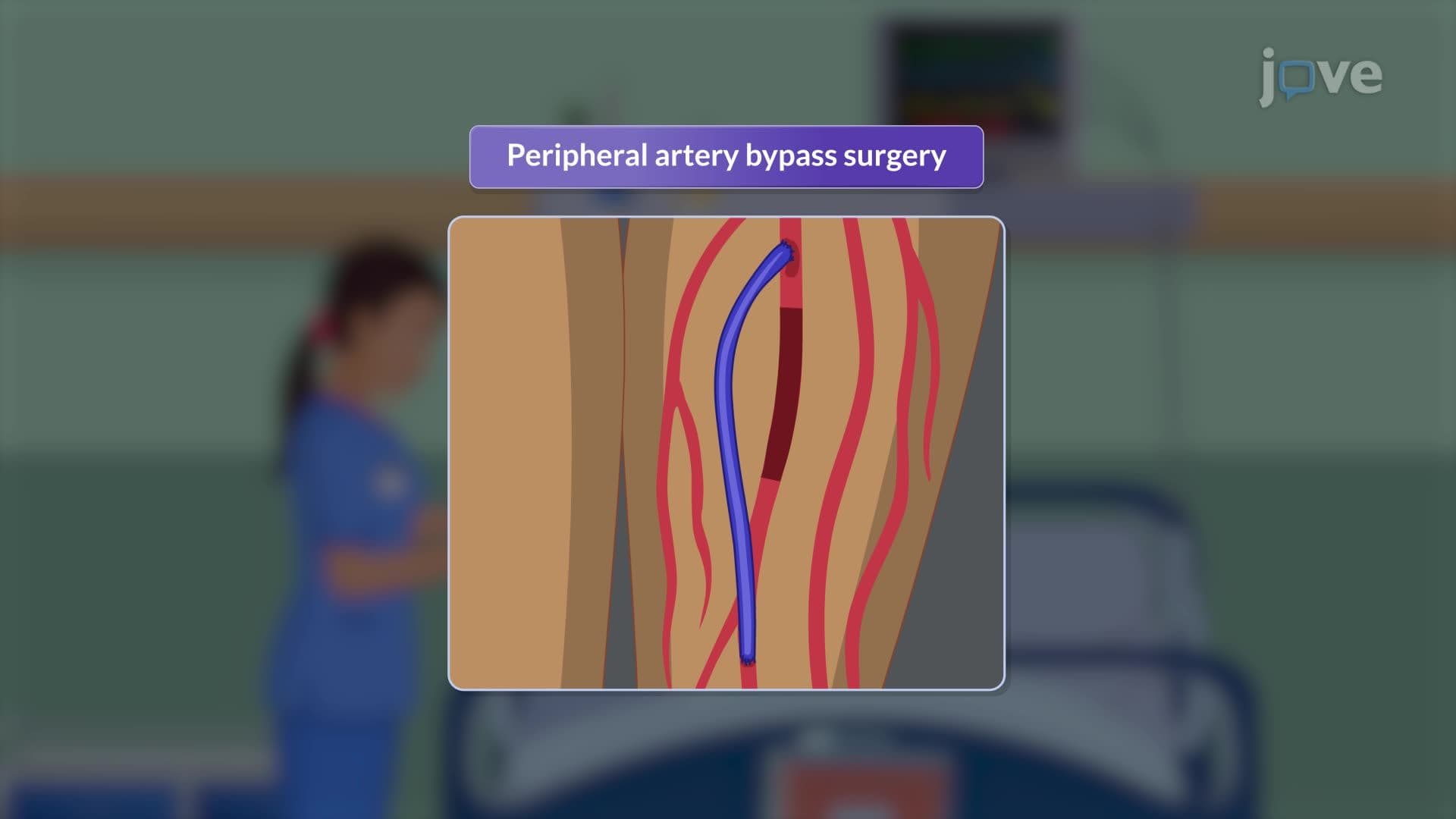
Did you know that over 8.5 million Americans live with peripheral artery disease, and many require surgical intervention? Understanding peripheral artery disease v postoperative care is crucial for nursing students preparing for the NCLEX exam. This comprehensive tutorial examines the critical postoperative nursing interventions following peripheral artery bypass surgery, including vital sign monitoring, pain management, and mobility assessment protocols used in major US hospitals like Mayo Clinic. Watch the full video on JoVE Coach to master this concept with expert-led visuals and step-by-step explanations.
Peripheral artery disease v postoperative management represents a critical junction where theoretical nursing knowledge meets real-world clinical application. This comprehensive care approach encompasses the systematic assessment and intervention strategies required after peripheral artery bypass surgery, a procedure performed over 150,000 times annually in US hospitals according to the Society for Vascular Surgery.
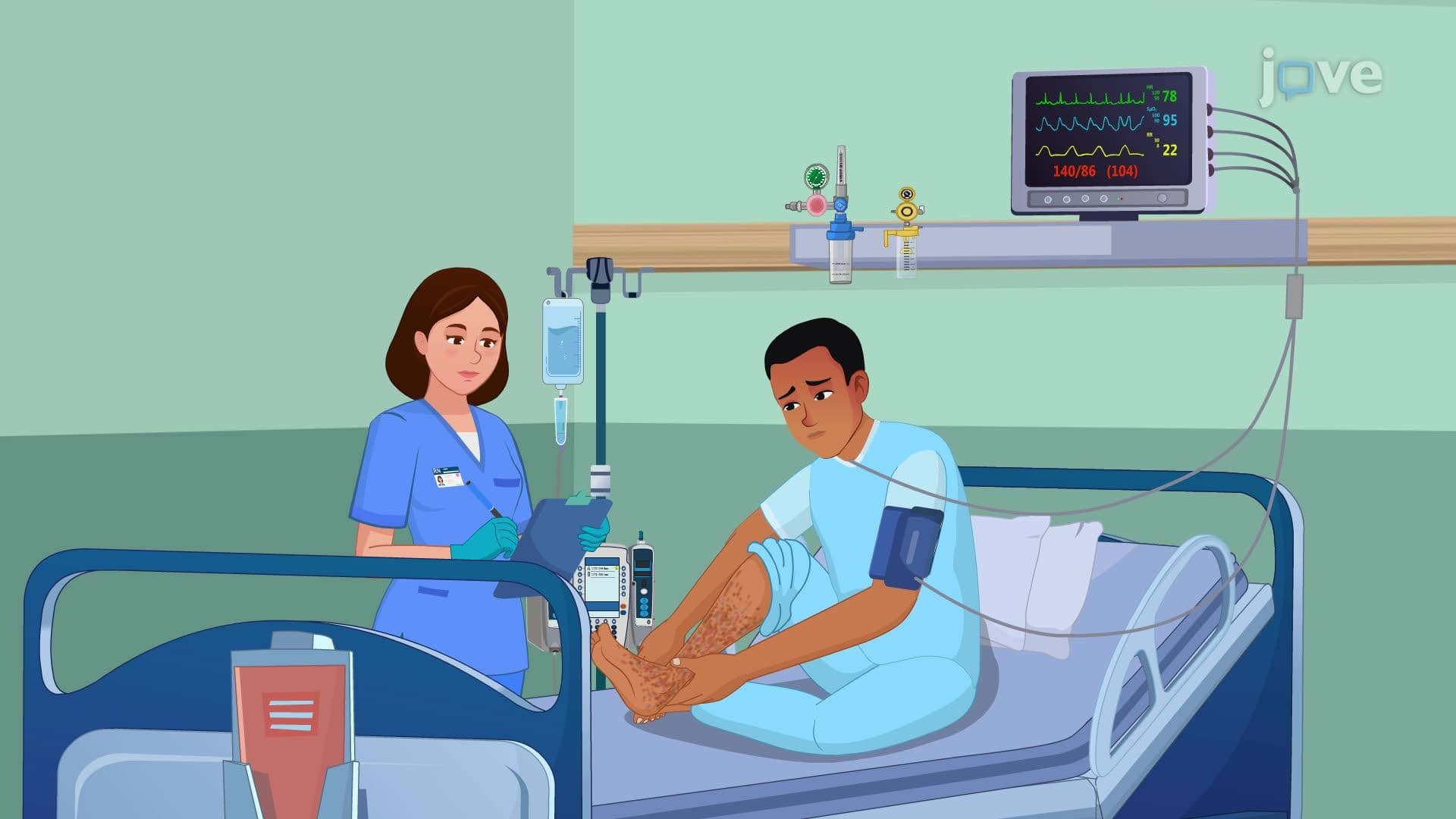
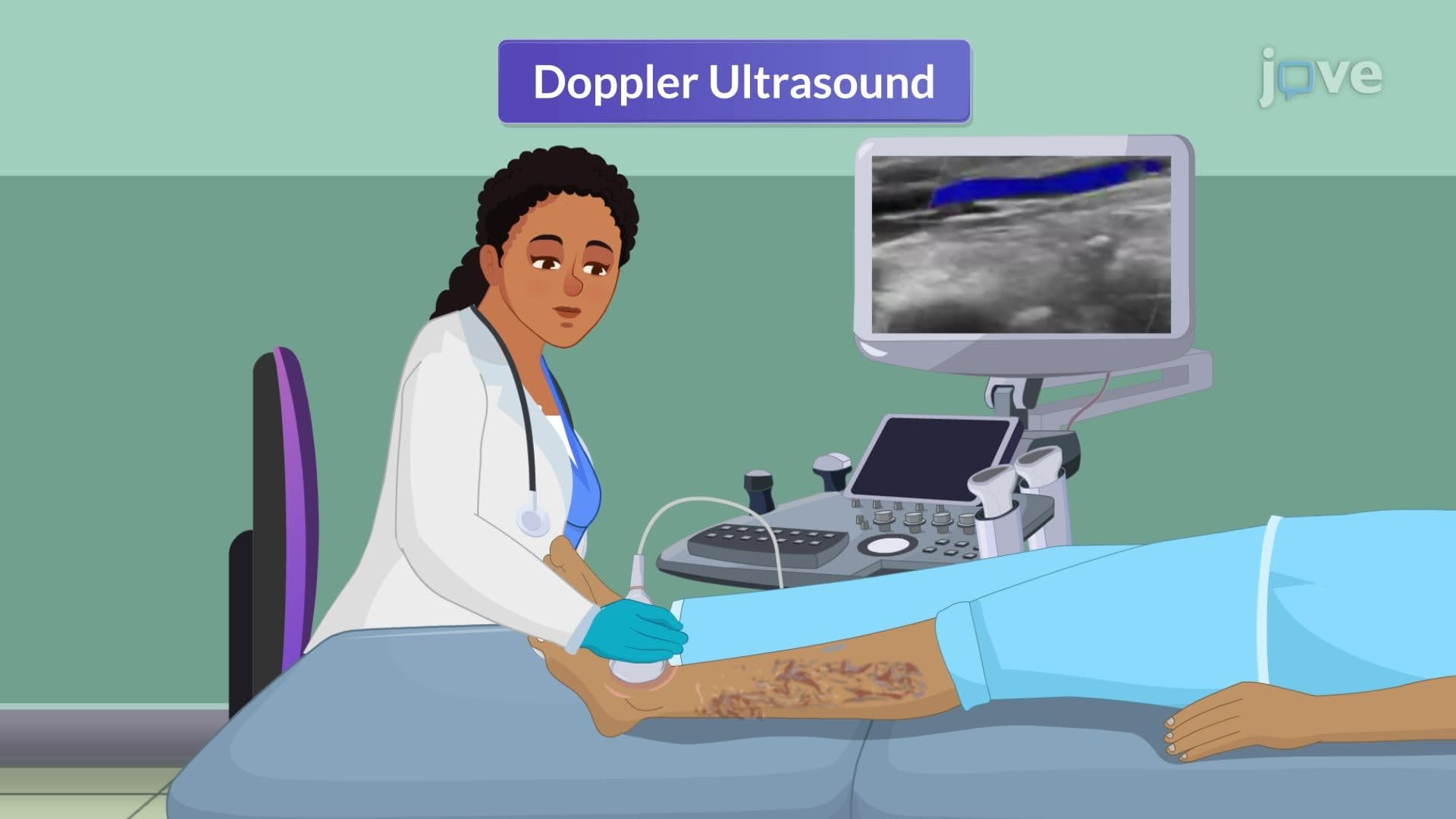
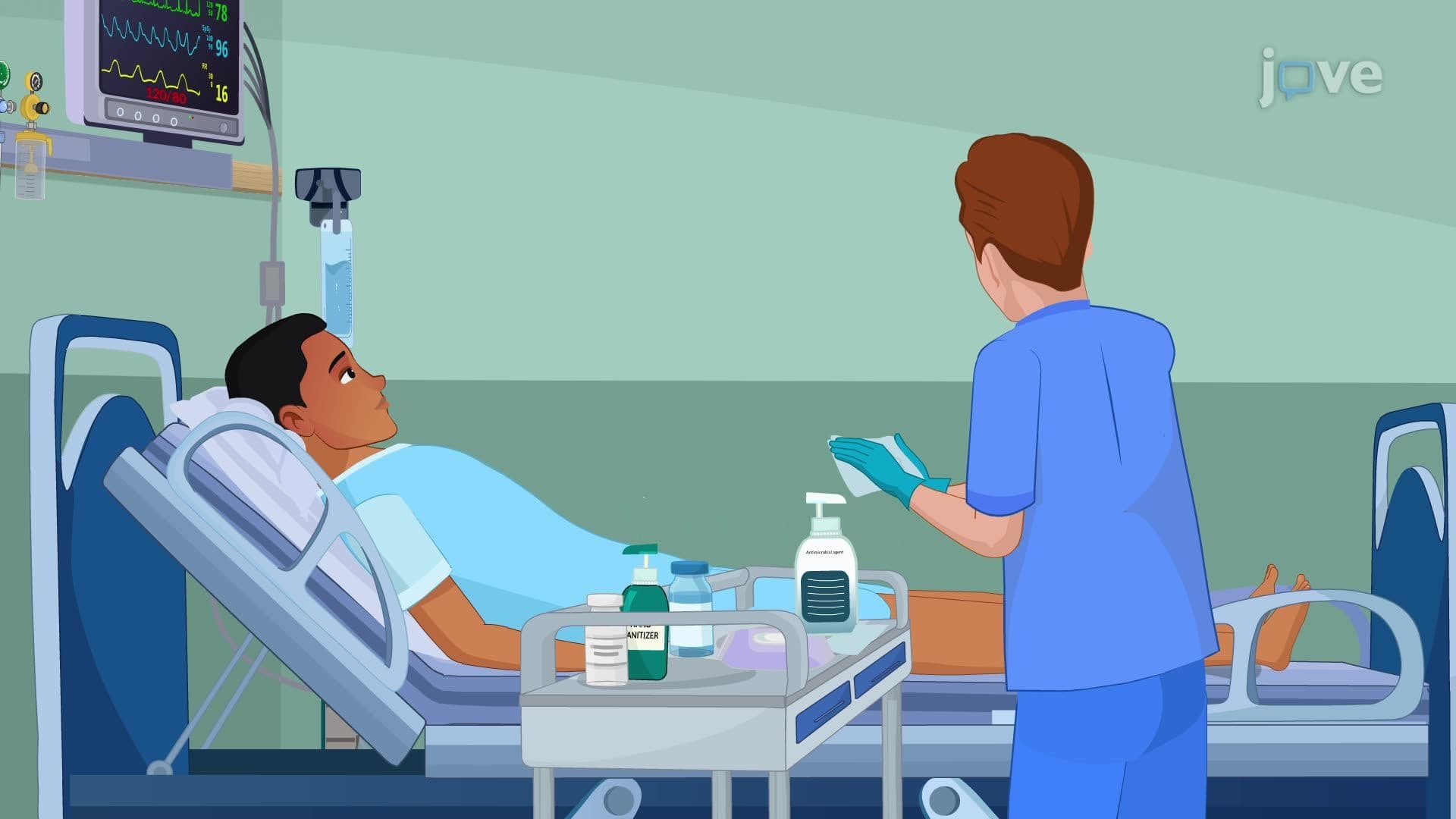
The postoperative assessment begins with a structured approach that nursing students encounter on the NCLEX-RN examination. Vital sign monitoring serves as the foundation, but vascular surgery patients require specialized attention to pulse quality and circulation. The Doppler ultrasound technique, standard in facilities like Cleveland Clinic and Johns Hopkins, provides objective measurement of blood flow that cannot be detected through palpation alone. This technology becomes essential when comparing operated versus non-operated limbs, helping identify potential graft complications or thrombosis formation.
Surgical site inspection follows evidence-based protocols that nursing students learn in their medical-surgical rotations. The classic signs of infection-redness, swelling, warmth, and discharge-take on heightened significance in vascular surgery due to the increased risk of graft infection. These assessments directly correlate with HESI A2 and TEAS exam content covering postoperative complications and infection control measures.
The nursing diagnosis of acute pain related to surgical incisions reflects a patient-centered approach emphasized in contemporary nursing education. Pain assessment using the 0-10 numeric rating scale provides standardized measurement that nursing students encounter in clinical simulations and NCLEX preparation materials. However, vascular surgery patients present unique challenges because positioning for comfort may conflict with circulatory optimization.
Analgesic administration follows multimodal approaches taught in advanced pharmacology courses. The timing and type of pain medication must consider the patient's cardiovascular status and potential drug interactions with anticoagulation therapy-concepts frequently tested on nursing board examinations and college pharmacology midterms.
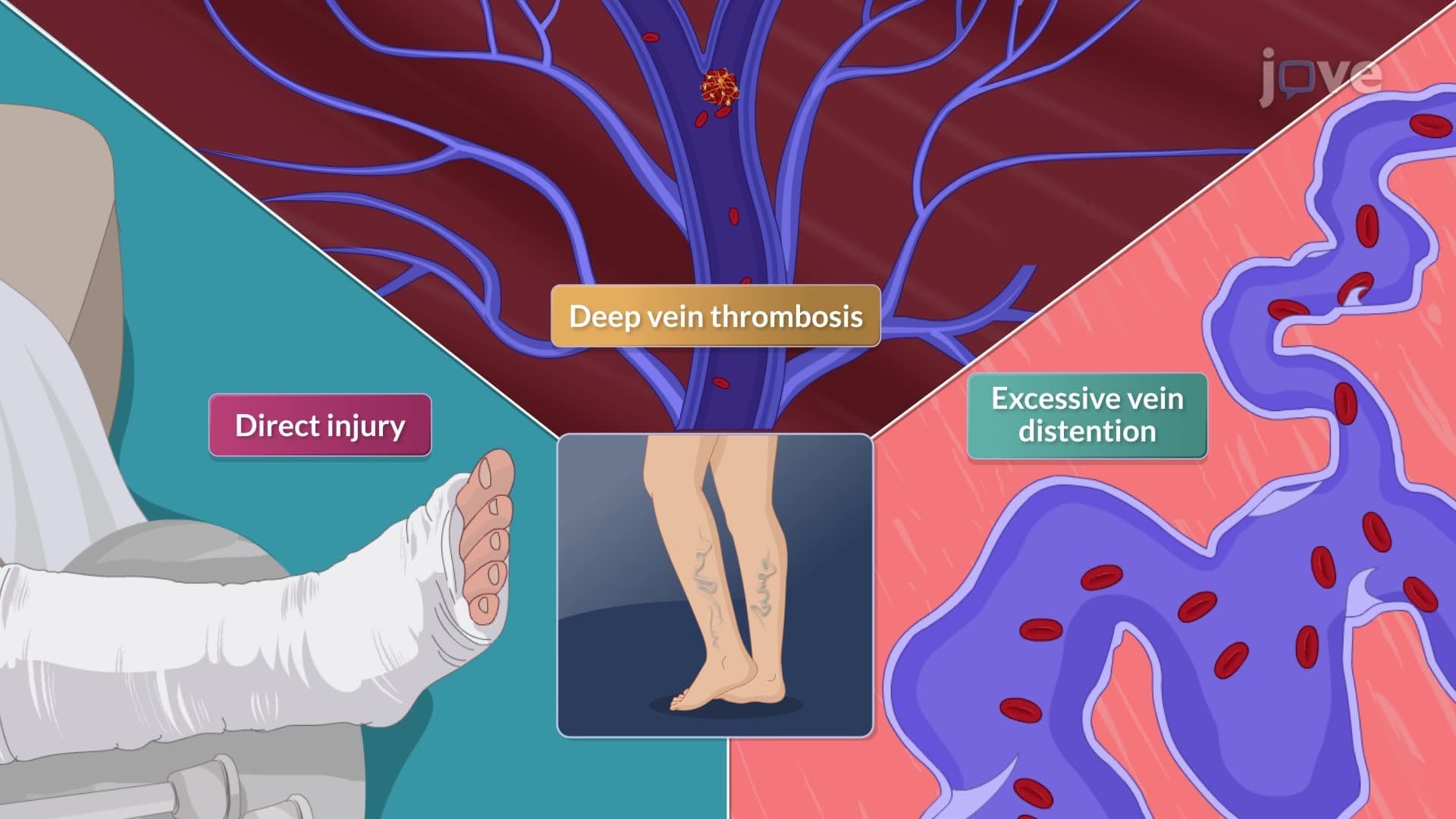
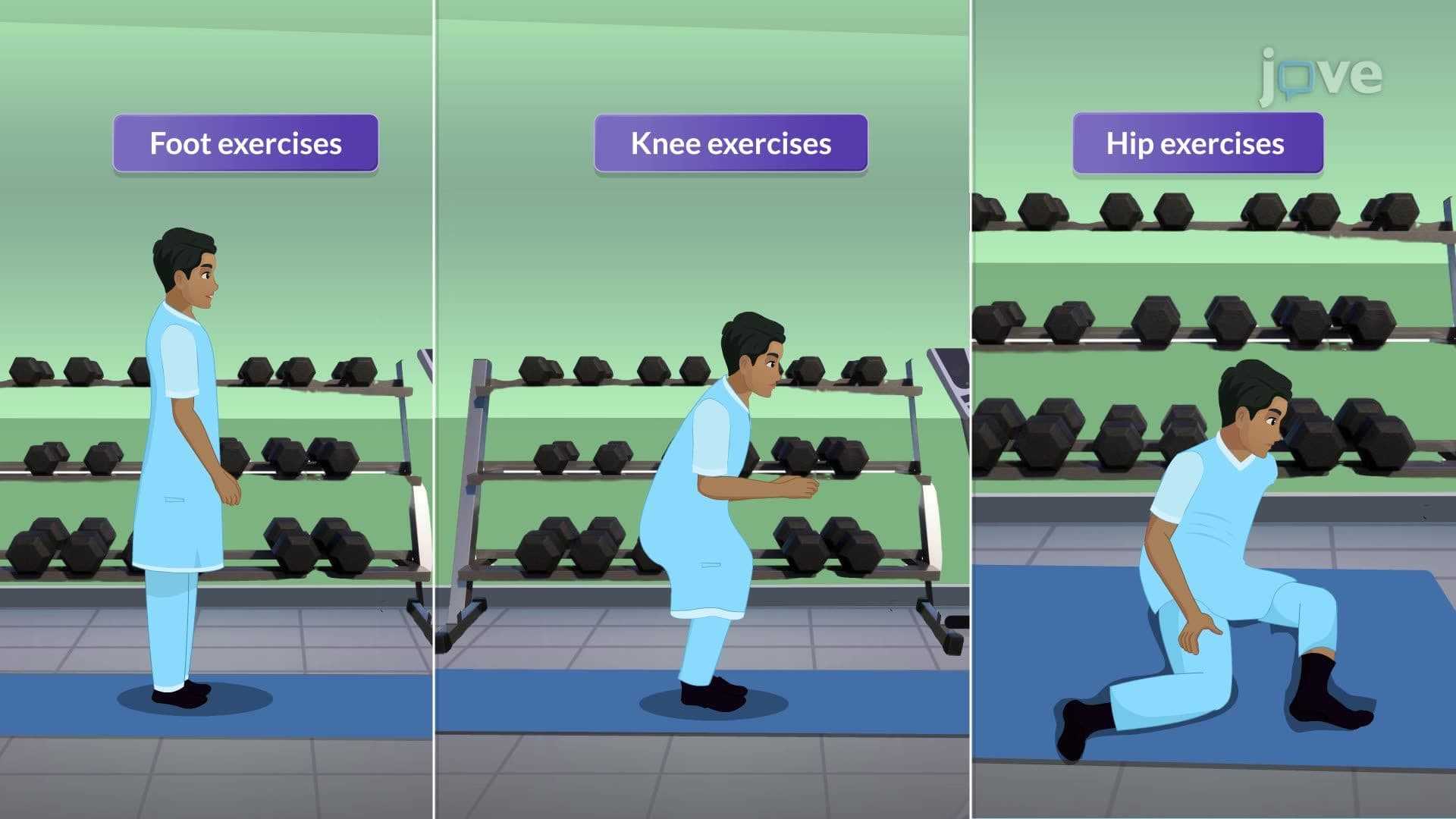
Progressive ambulation represents a cornerstone intervention that balances infection prevention with circulation enhancement. The graduated approach-starting with short distances and progressively increasing-reflects evidence-based practice standards from the American College of Surgeons. This intervention directly addresses impaired physical mobility nursing diagnoses while preventing complications like deep vein thrombosis, a topic covered extensively in AP Biology courses discussing circulatory system pathophysiology.
Positioning strategies for edema management demonstrate the application of basic physics principles to clinical practice. Elevating the extremity above heart level utilizes gravity to enhance venous return, a concept that connects to college-level anatomy and physiology coursework. This intervention becomes particularly relevant for MCAT preparation, where students must understand the relationship between hydrostatic pressure and fluid movement across capillary membranes.
Related Micro-courses