Loading subject page…

3,563 views

Video Summary: Pulmonary Embolism Iii Nursing Management Explained
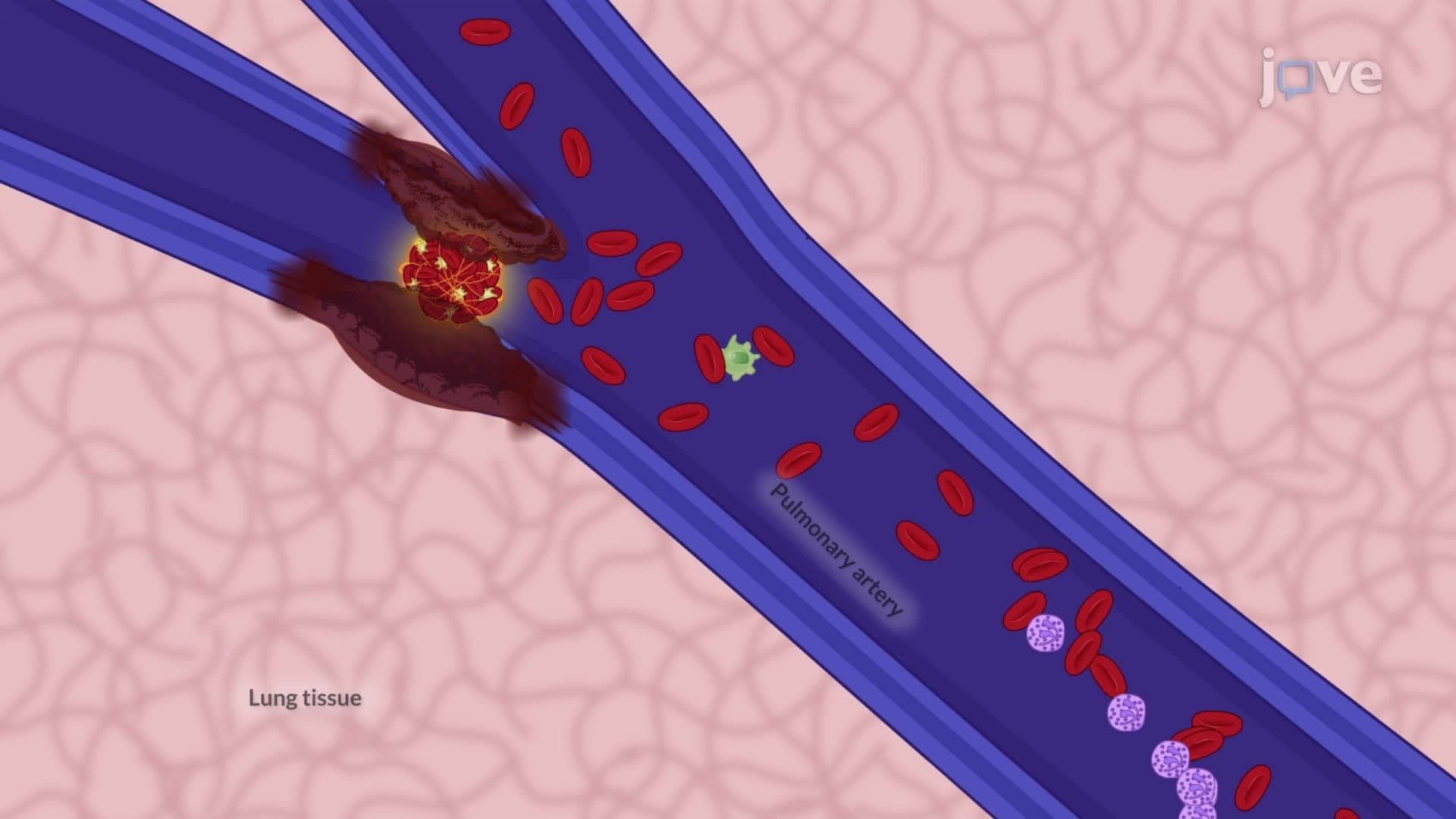
Did you know that pulmonary embolism kills more Americans annually than breast cancer and AIDS combined? Pulmonary embolism III nursing management requires precise assessment skills and immediate interventions to prevent life-threatening complications. At major medical centers like Johns Hopkins Hospital, nurses follow systematic protocols to monitor oxygen levels, administer anticoagulants, and educate patients on prevention strategies. This comprehensive approach to Pulmonary Embolism III Nursing Management Explained combines clinical assessment with evidence-based interventions. Watch the full video on JoVE Coach to master this concept with expert-led visuals and step-by-step explanations.
Pulmonary Embolism III Nursing Management Explained represents a critical competency for nursing students preparing for the NCLEX-RN and clinical practice. This advanced-level nursing management requires integration of pathophysiology knowledge with practical intervention skills. Unlike basic cardiopulmonary concepts covered in introductory courses, this management approach demands understanding of complex drug interactions, monitoring protocols, and patient safety considerations.
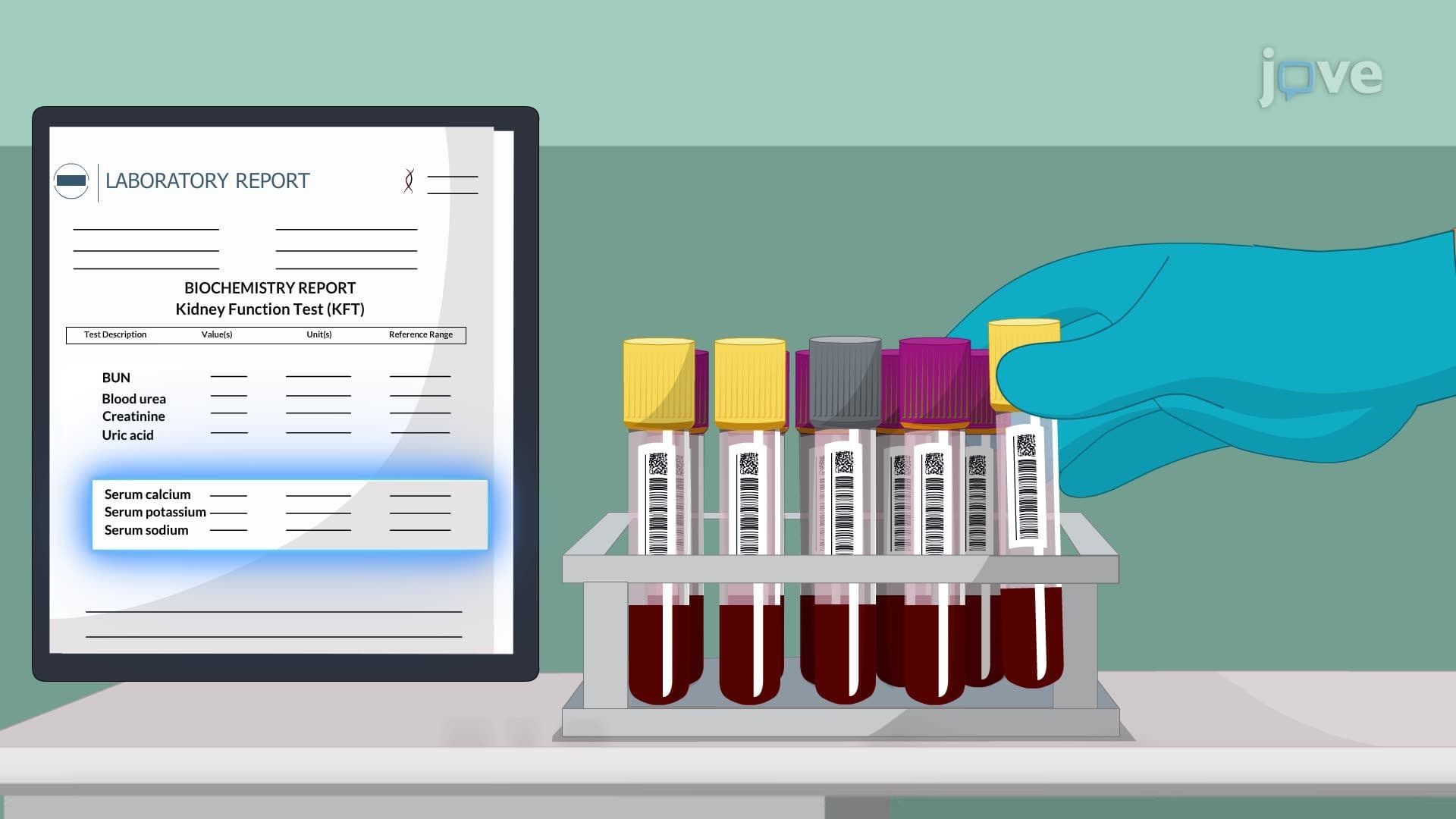
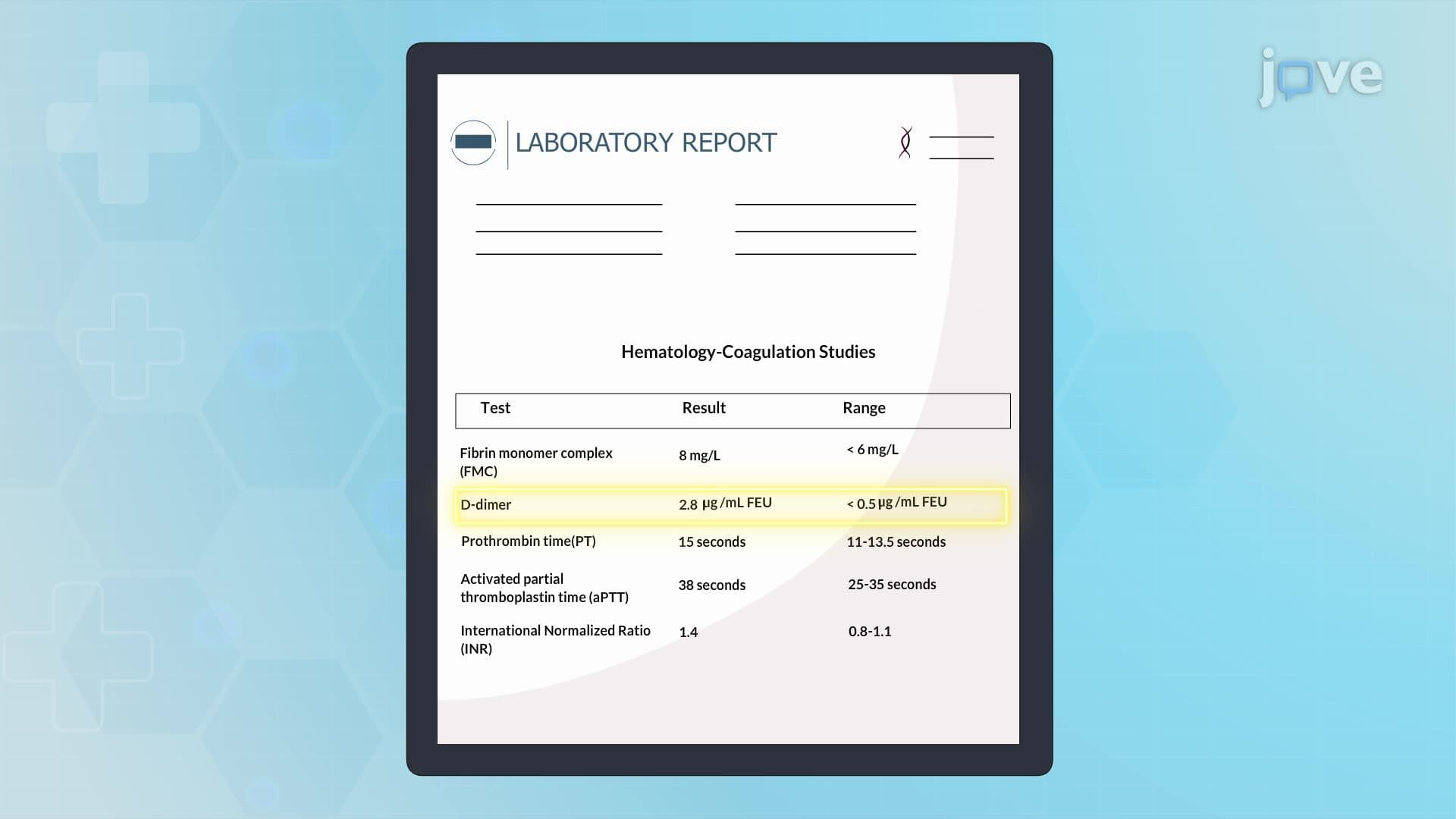
The assessment phase of pulmonary embolism nursing management extends beyond basic vital signs. Nurses at leading institutions like the Mayo Clinic systematically evaluate respiratory patterns, cardiac rhythms, and peripheral circulation. The D-dimer blood test, while non-specific, provides crucial diagnostic support when elevated above 500 ng/mL. Students preparing for the HESI A2 or TEAS exams should understand that crackles indicate alveolar fluid accumulation, while right-sided heart failure manifests through jugular vein distention and dependent edema. These assessment findings directly influence nursing intervention priorities and medication administration timing.
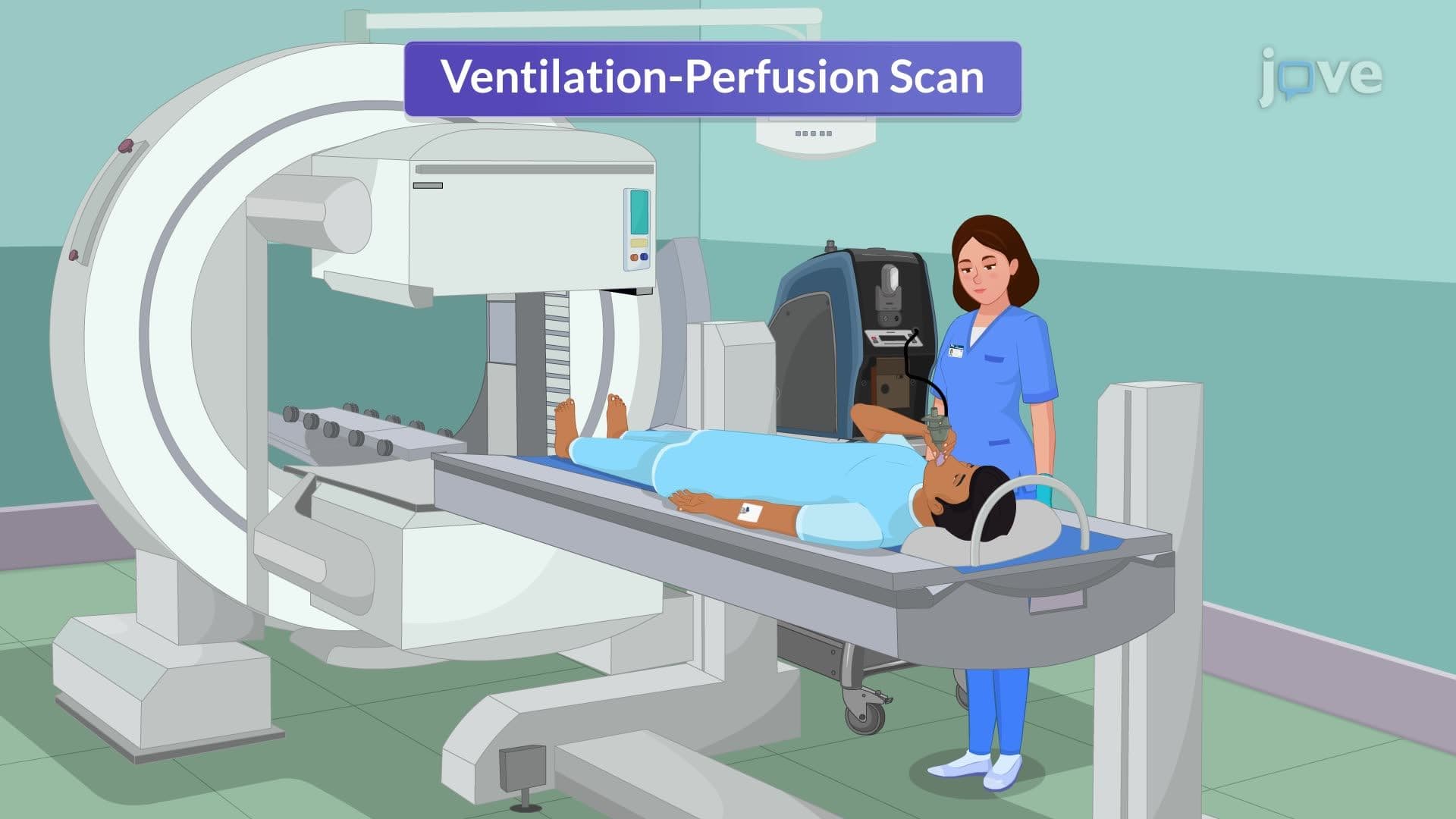
Oxygen therapy administration requires careful titration based on arterial blood gas results and pulse oximetry readings. The semi-Fowler's position (30-45 degree elevation) optimizes ventilation-perfusion matching while reducing cardiac workload. During thrombolytic therapy, such as alteplase (tPA), patients require strict bed rest to prevent bleeding complications. The timing of laboratory monitoring becomes crucial-INR and aPTT levels must be evaluated 3-4 hours post-infusion to assess therapeutic effectiveness and bleeding risk. This precision in timing reflects the type of detail emphasized in MCAT preparation and advanced pathophysiology courses.
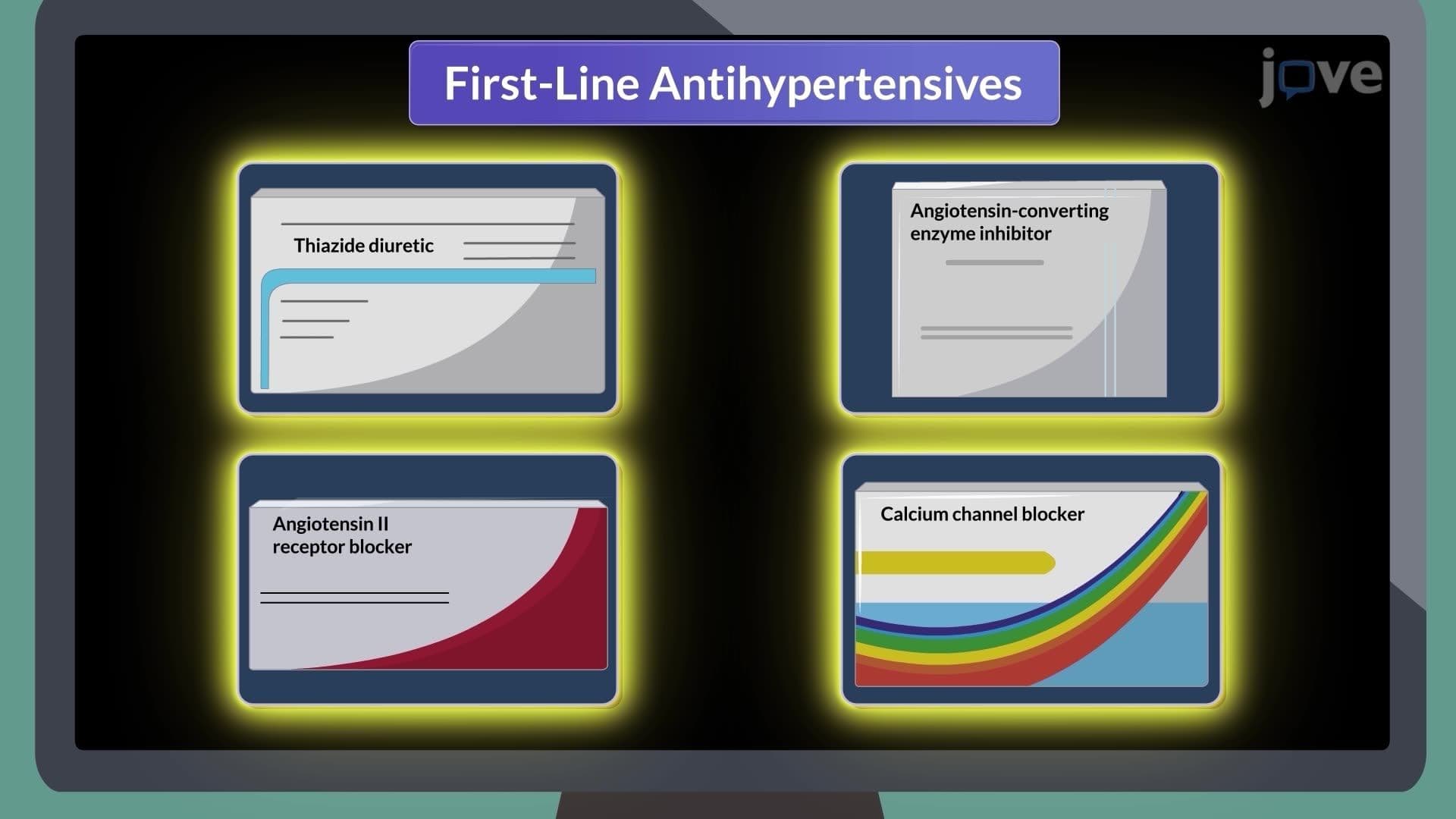
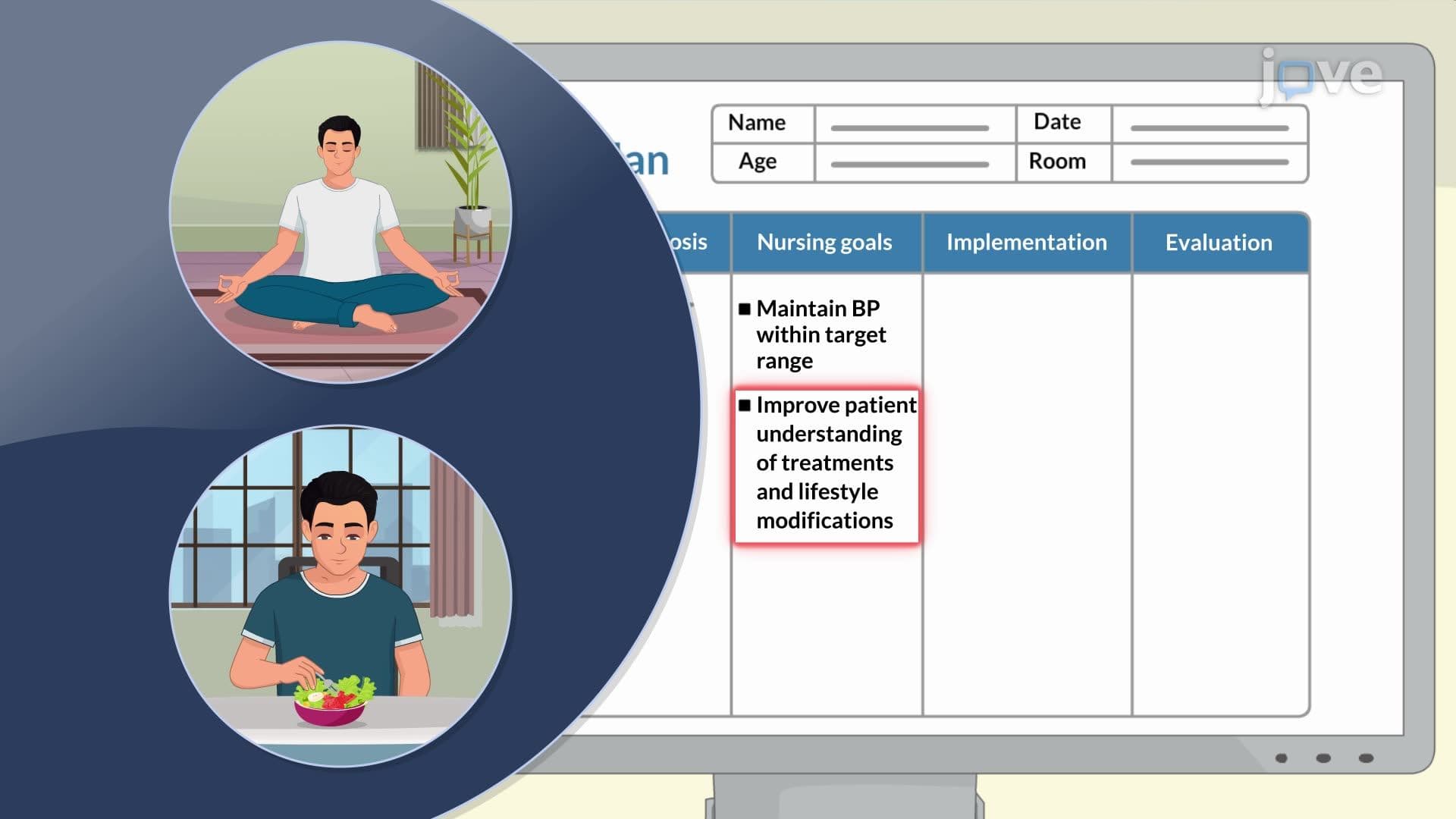
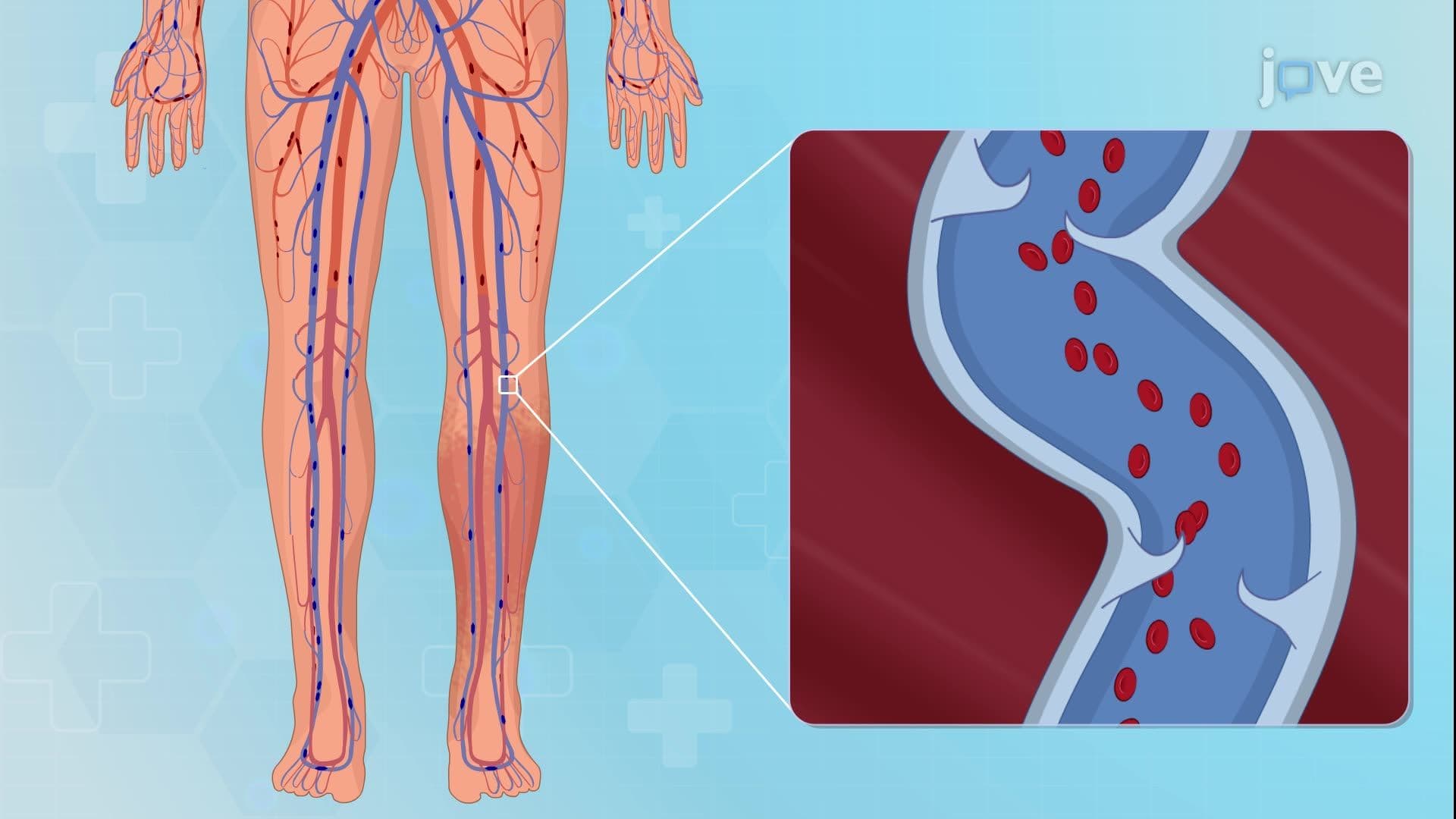
Effective patient education encompasses both immediate safety measures and long-term lifestyle modifications. Anti-embolism stockings provide 15-20 mmHg compression to enhance venous return, particularly important for patients with limited mobility. Travel recommendations include performing ankle pumps every 30 minutes and avoiding leg crossing to prevent venous stasis. Anticoagulant adherence education must address warfarin interactions with vitamin K-rich foods and the importance of consistent INR monitoring. These educational components frequently appear on NCLEX-RN questions and college nursing program examinations.
Related Micro-courses