Loading subject page…

3,563 views

Video Summary: Venous Thrombosis Iii Interprofessional Care Explained
Did you know that over 900,000 Americans develop blood clots annually, with many cases preventable through coordinated healthcare team approaches? Venous thrombosis III interprofessional care combines prevention strategies, anticoagulant therapy, and advanced endovascular procedures to combat life-threatening clots. At Cleveland Clinic, this comprehensive approach has reduced DVT complications by implementing systematic mobility protocols and targeted pharmacological interventions. Watch the full video on JoVE Coach to master this concept with expert-led visuals and step-by-step explanations.
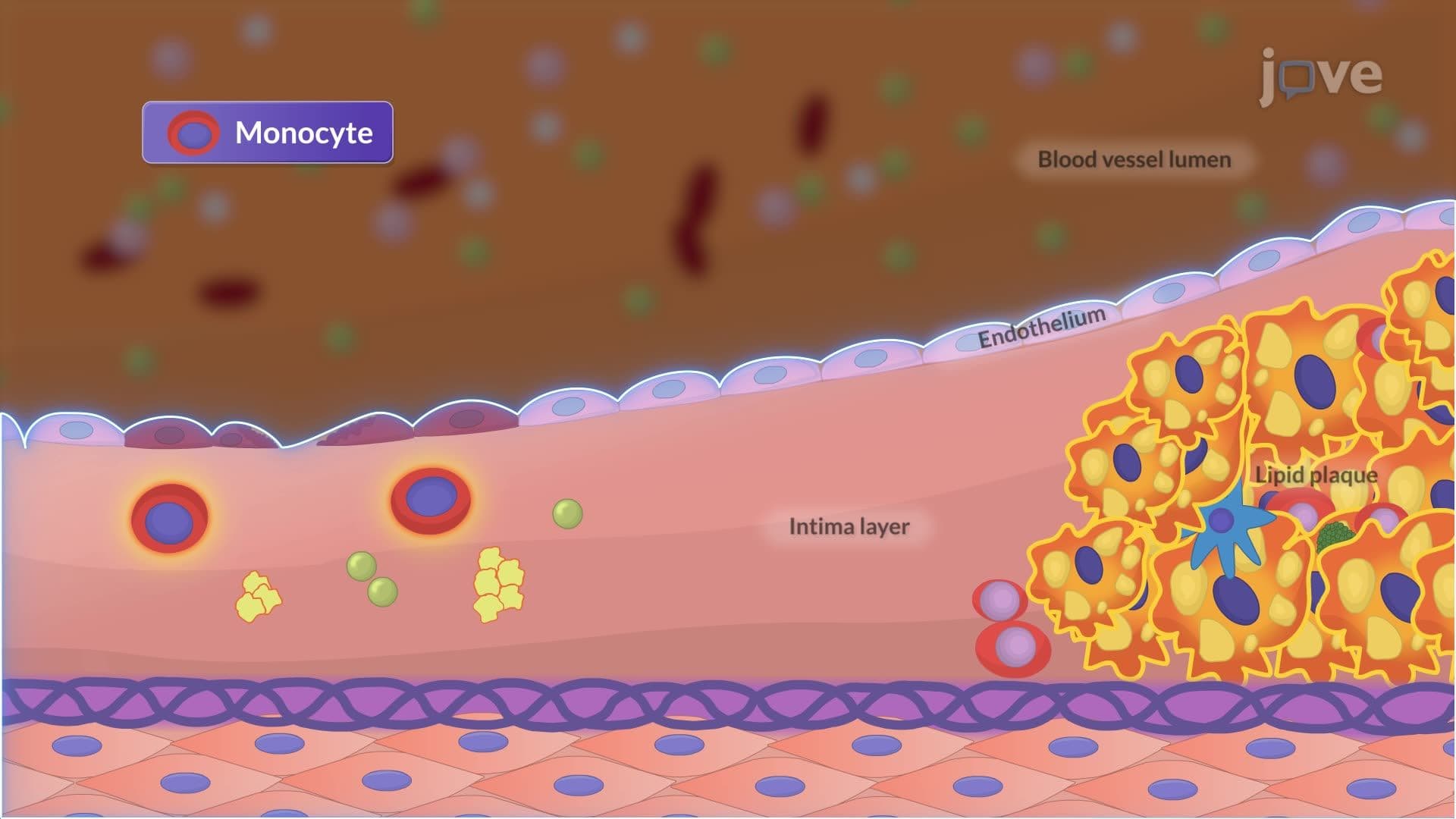
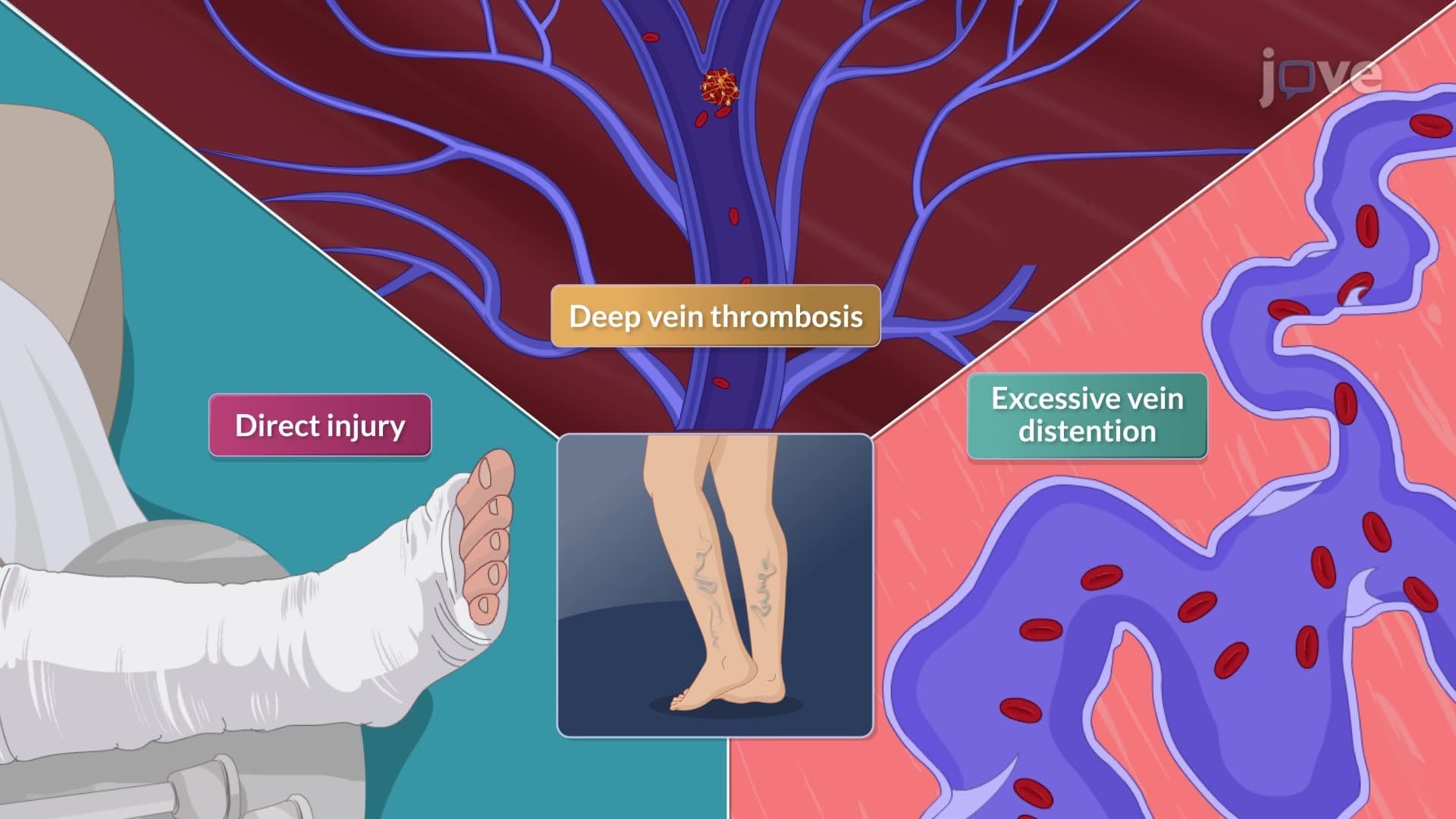
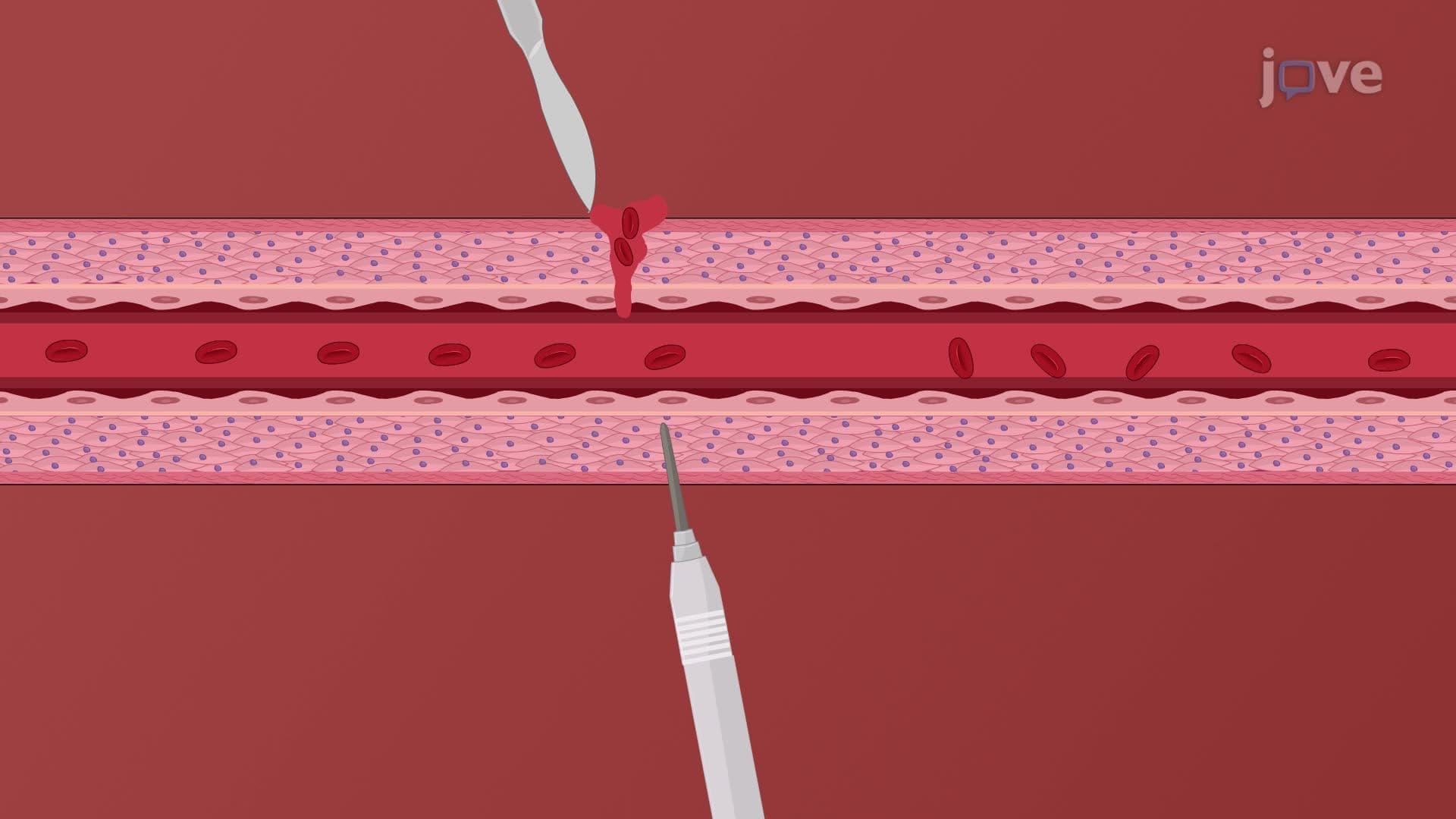
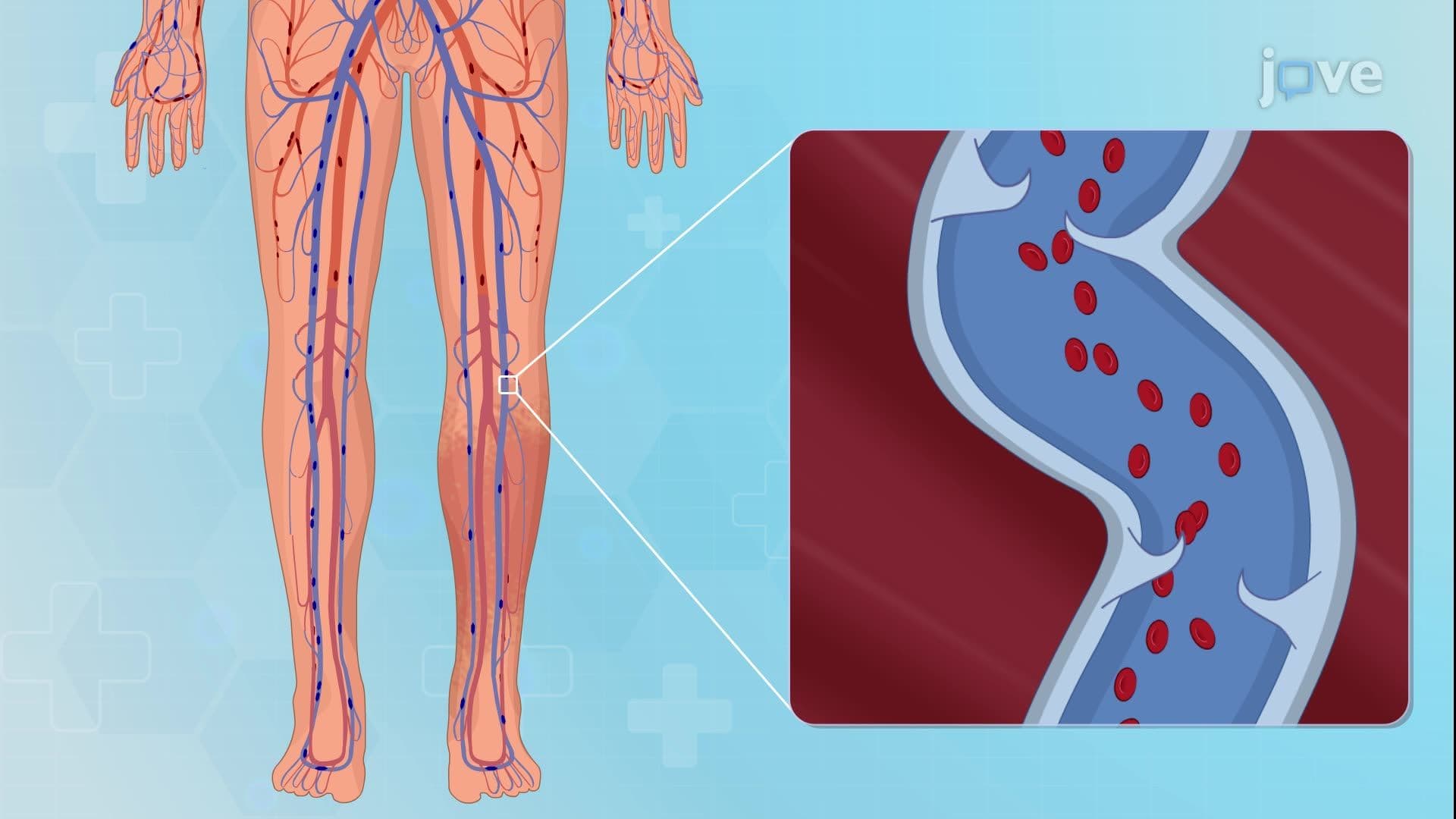
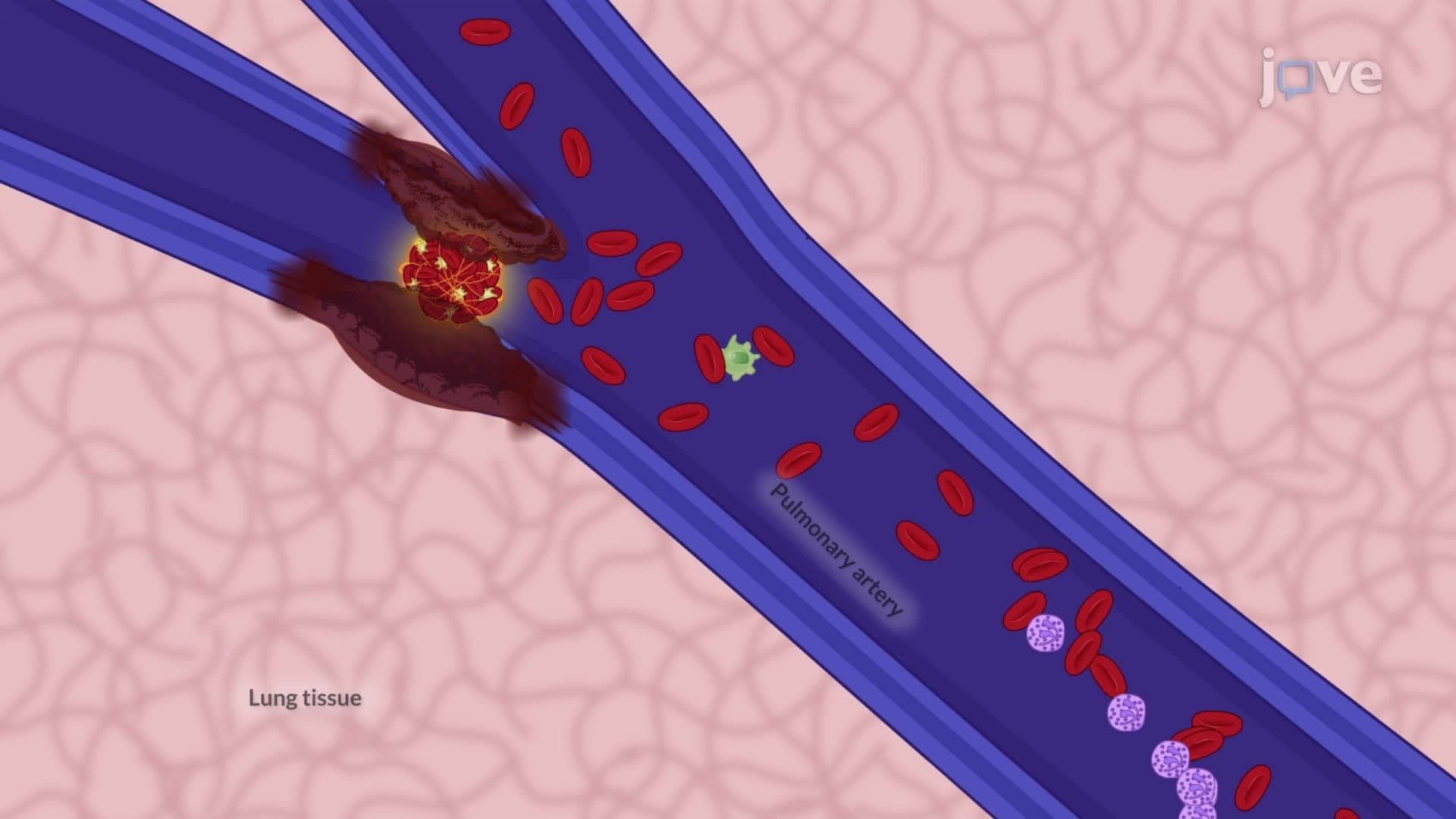
Venous thrombosis III interprofessional care represents the gold standard for preventing and treating venous thromboembolism (VTE) through coordinated healthcare team efforts. This comprehensive approach addresses the complex pathophysiology of clot formation by targeting Virchow's triad: venous stasis, endothelial injury, and hypercoagulability. In US healthcare systems, this interprofessional model has demonstrated significant success in reducing hospital-acquired thrombosis rates from 7.1% to 2.3% when properly implemented.
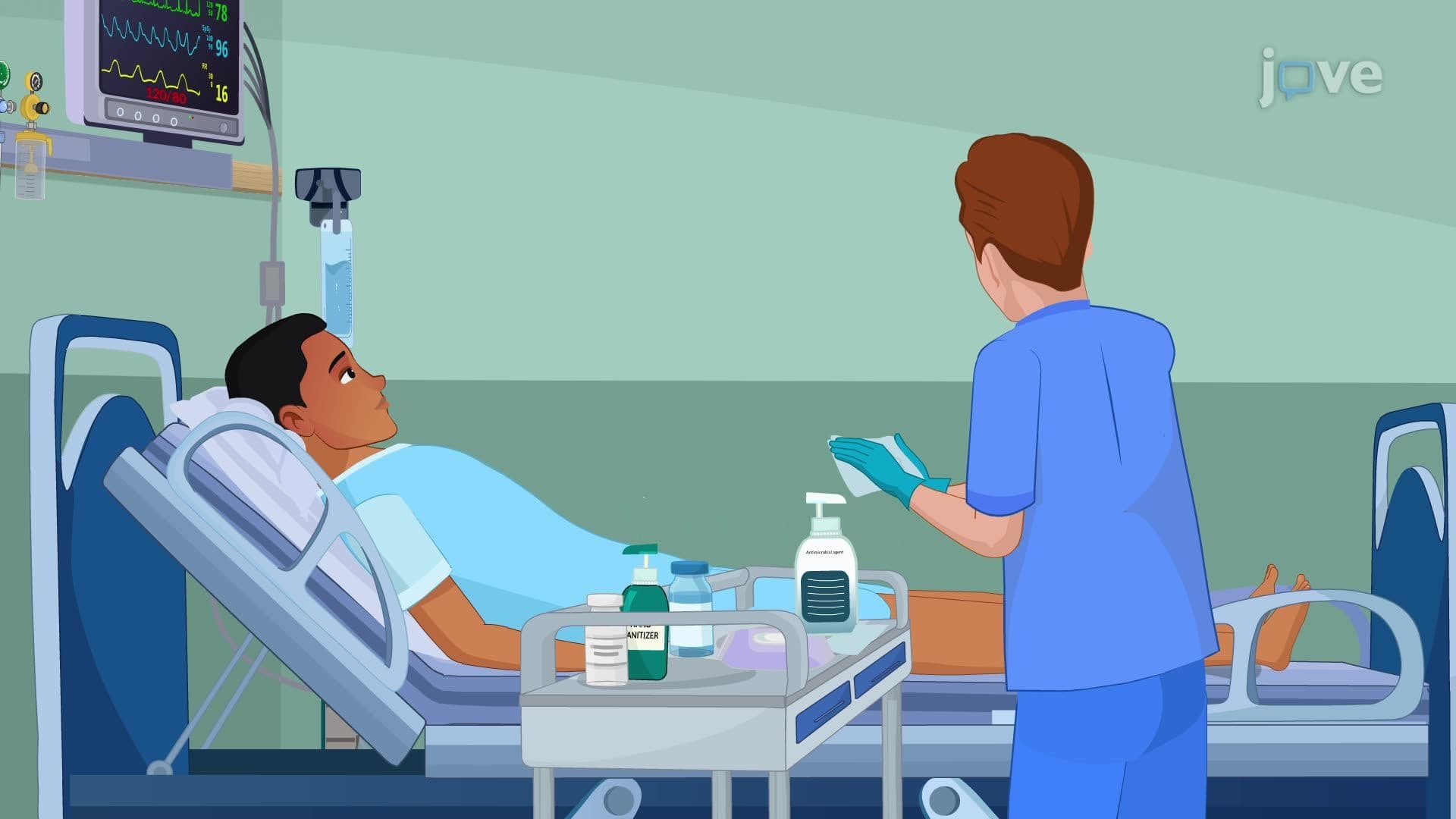
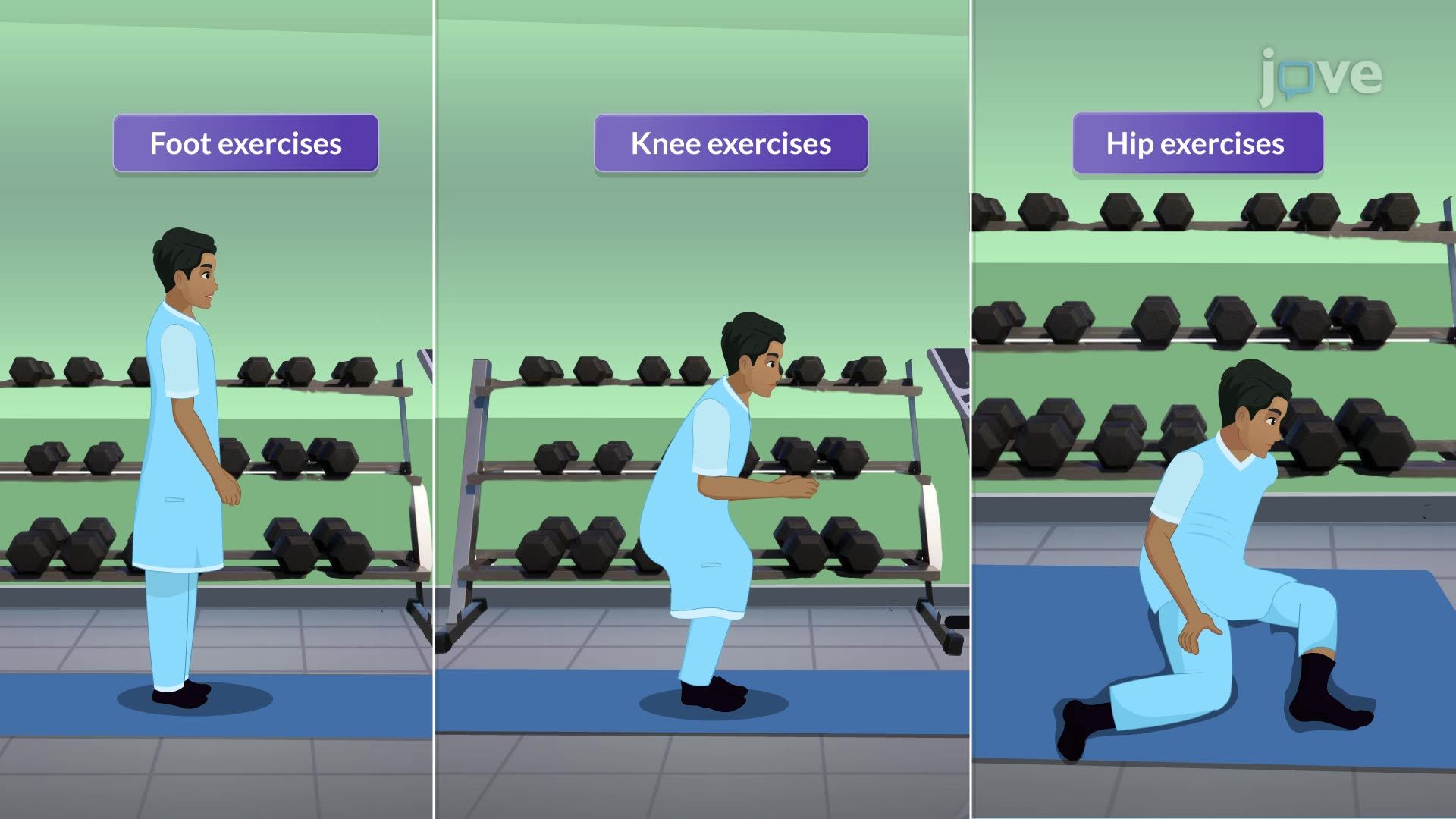
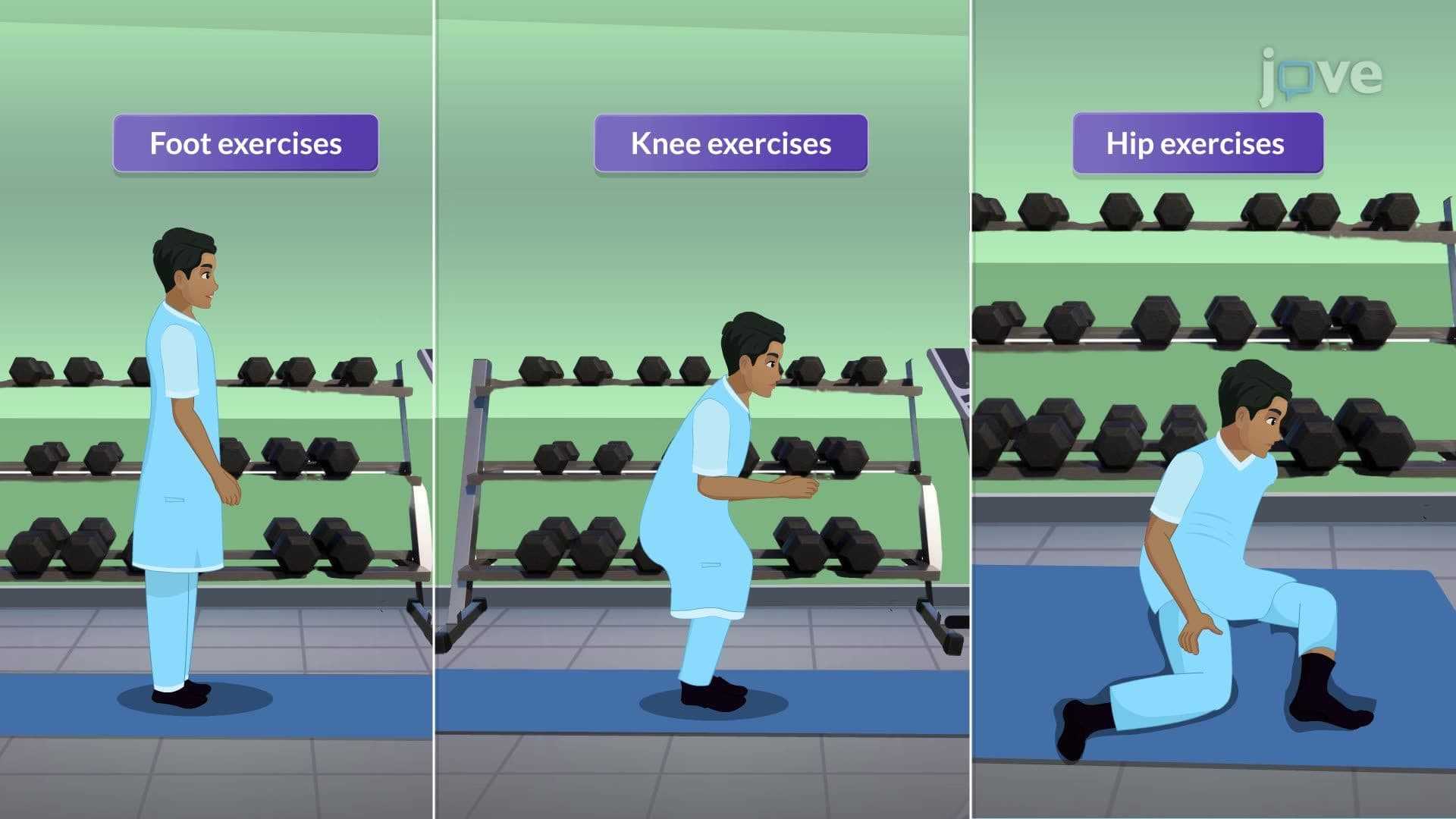
The foundation of interprofessional care begins with systematic prevention protocols. Evidence-based positioning strategies require patients on bed rest to change positions every 1-2 hours, while ambulatory exercises focus on activating the calf muscle pump through foot, knee, and hip movements performed every 2-4 hours. At major US medical centers like Mayo Clinic, these protocols are nurse-driven but physician-supervised, ensuring consistent implementation across all departments.
Mechanical compression devices play a crucial role in prevention. Graduated compression stockings apply 15-20 mmHg pressure at the ankle, decreasing proximally to enhance venous return. Intermittent pneumatic compression (IPC) devices provide sequential compression cycles that mimic natural muscle contractions, increasing venous flow velocity by up to 240%. These interventions are particularly vital for surgical patients and those with prolonged immobility.
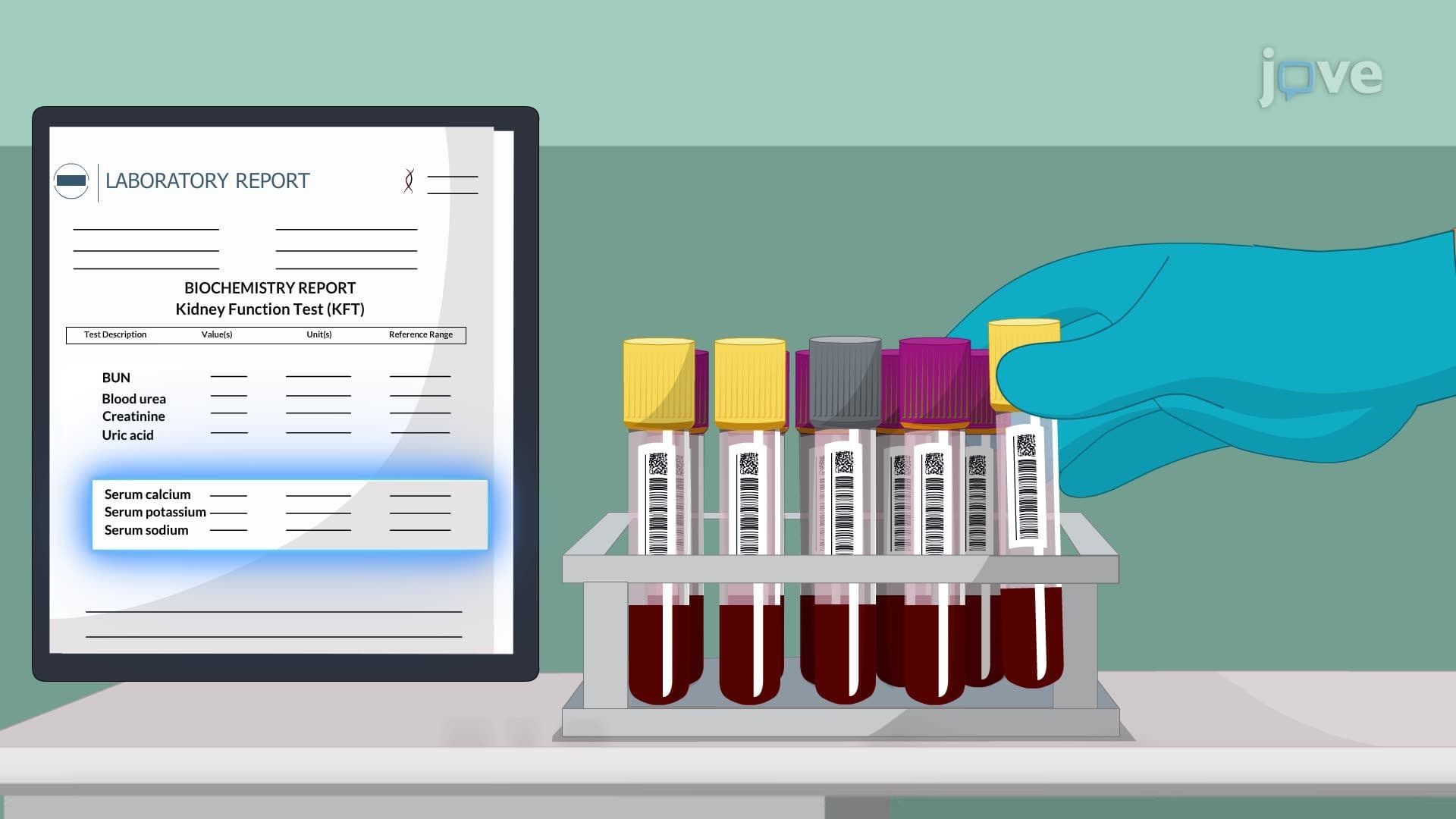
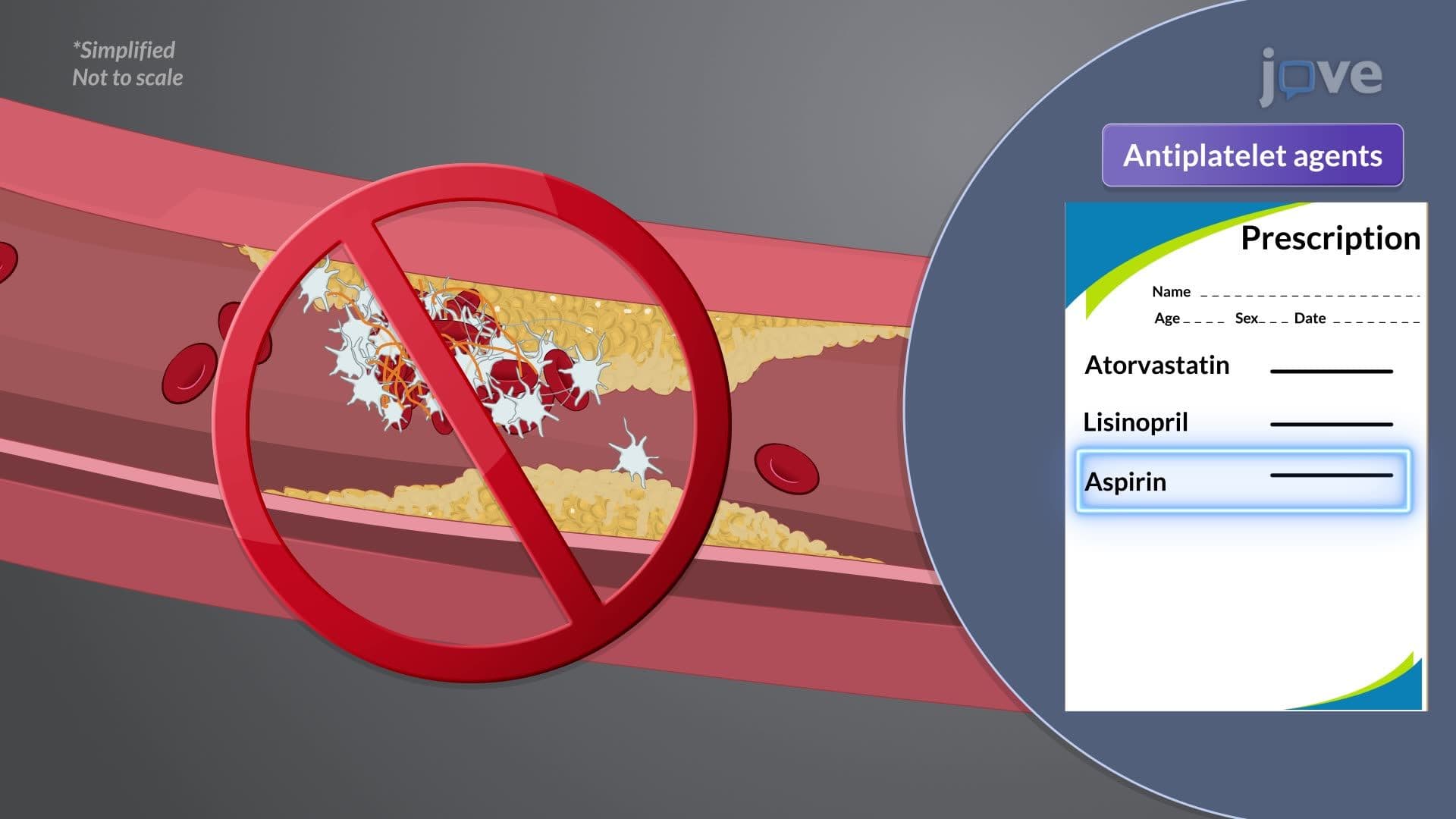
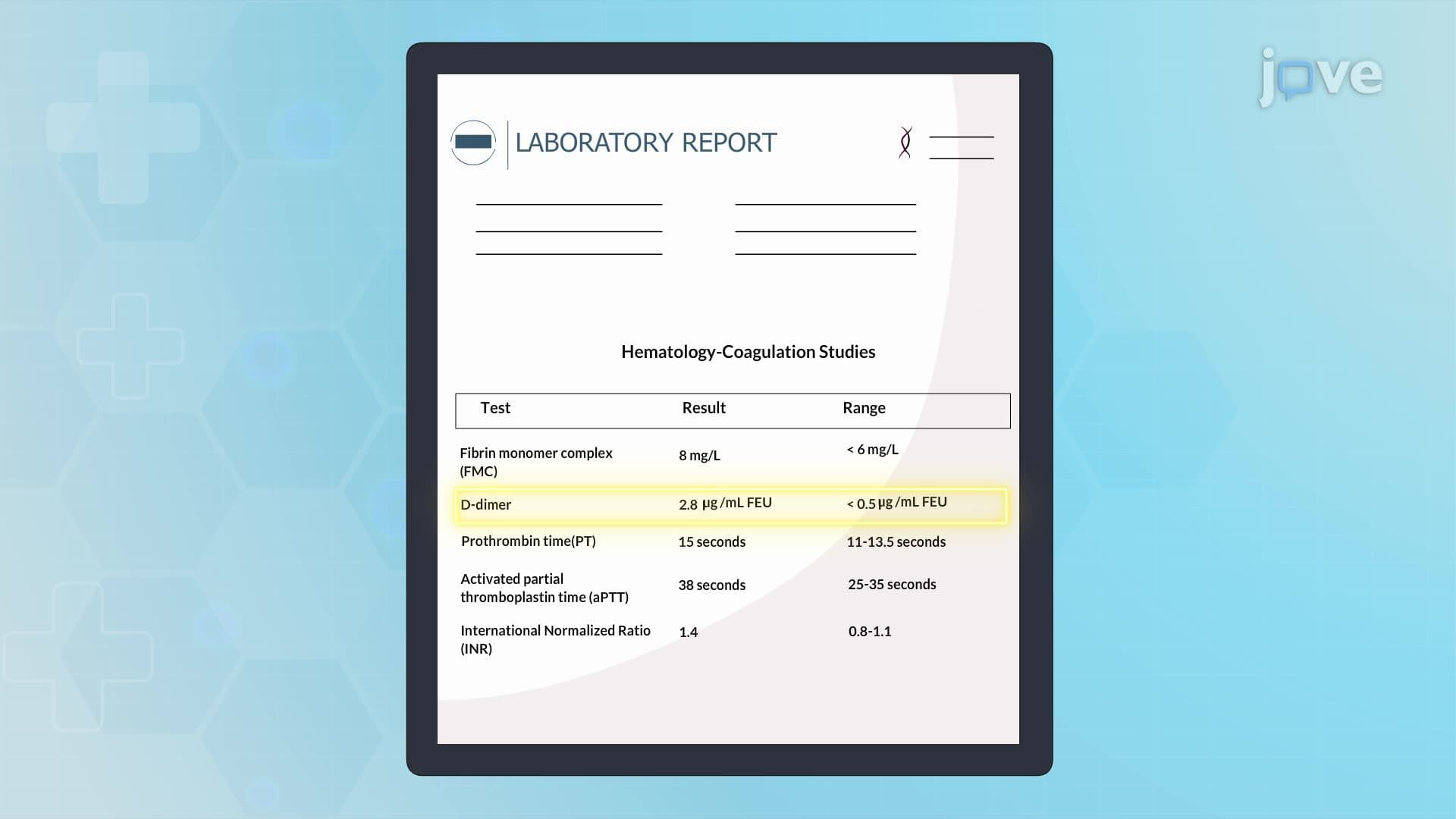
Pharmacological management requires careful coordination between physicians, pharmacists, and nurses. Warfarin, the most commonly prescribed vitamin K antagonist, requires regular INR monitoring with target ranges of 2.0-3.0 for most indications. Unfractionated heparin and low molecular weight heparins like enoxaparin provide rapid anticoagulation with more predictable pharmacokinetics. Factor Xa inhibitors such as fondaparinux offer advantages in patients with heparin-induced thrombocytopenia.
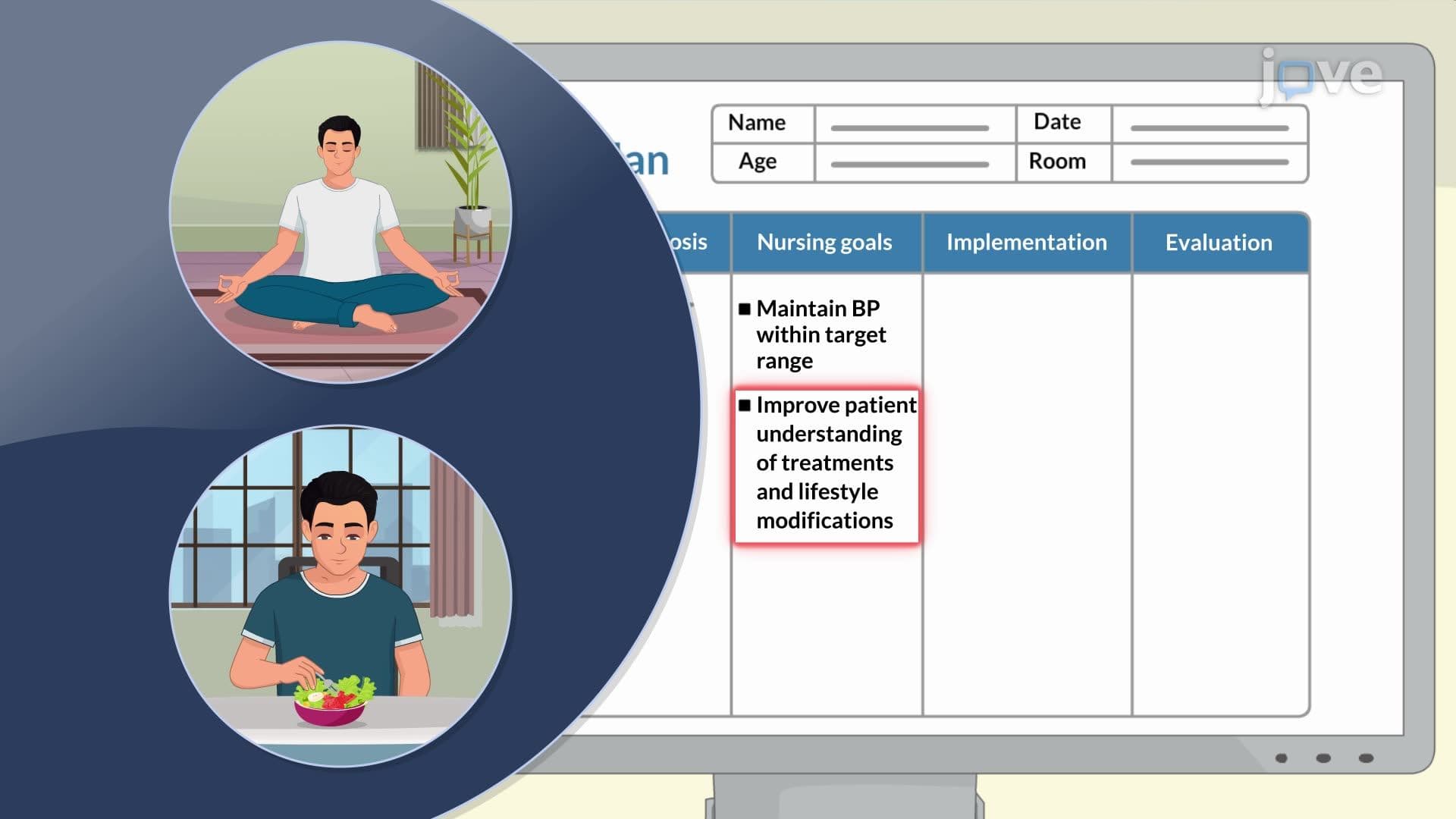
Pharmacists play essential roles in dose optimization, drug interaction screening, and patient education. For MCAT preparation, students should understand that anticoagulants don't dissolve existing clots but prevent propagation and new clot formation. The interprofessional approach ensures medication reconciliation, adherence monitoring, and adverse effect management across all care transitions.
When anticoagulation is contraindicated or insufficient, endovascular specialists collaborate with the primary team for advanced interventions. Catheter-directed thrombolysis involves precise placement of thrombolytic agents like alteplase directly into clots under fluoroscopic guidance, achieving higher local concentrations while minimizing systemic bleeding risk.
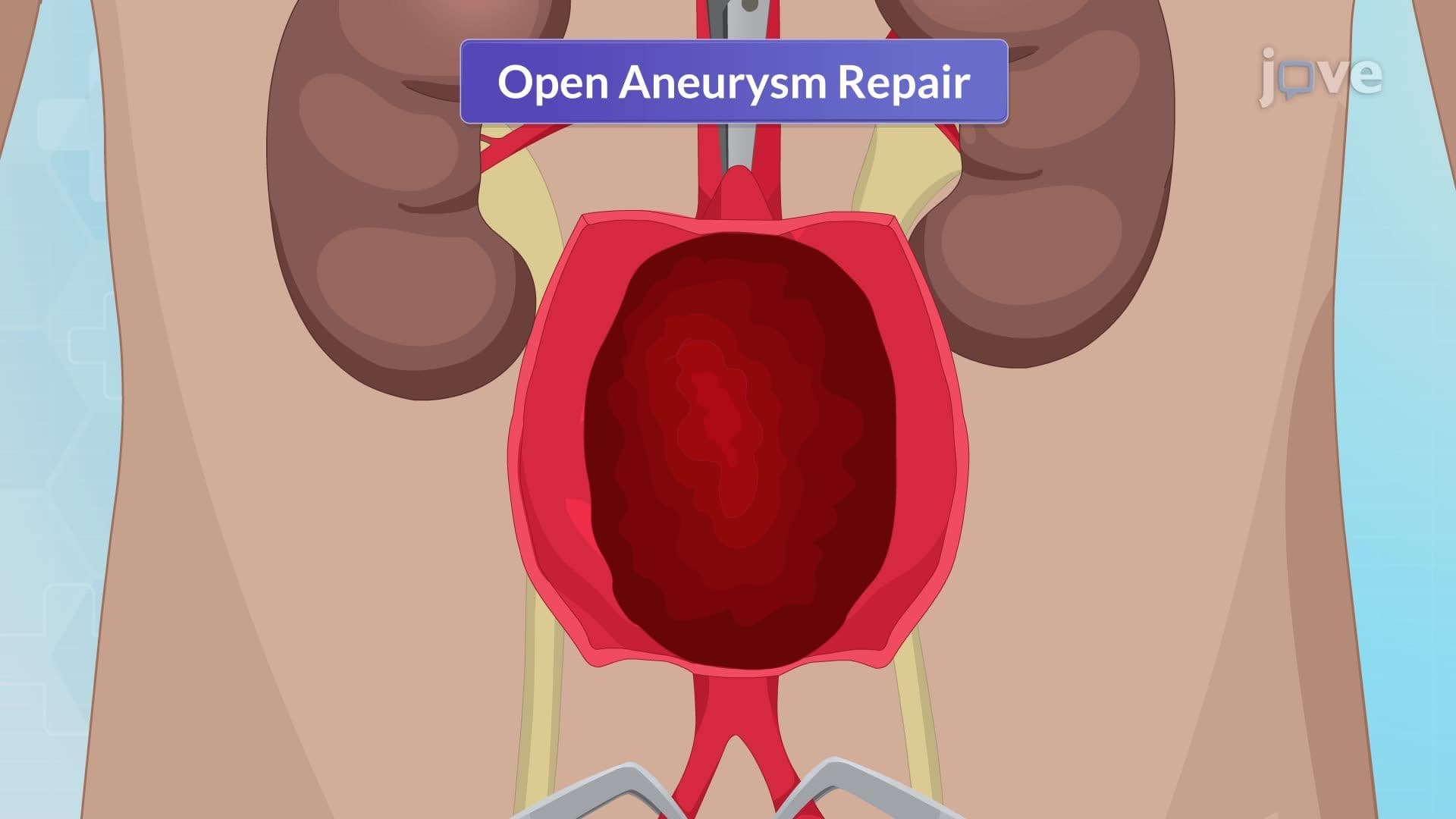
Mechanical thrombectomy procedures, increasingly common at Level I trauma centers, use specialized devices to physically extract clots. Inferior vena cava (IVC) filter placement serves as a last resort for patients who cannot receive anticoagulation, though these devices carry long-term complications requiring ongoing surveillance. This interprofessional coordination between interventional radiologists, vascular surgeons, and primary teams exemplifies modern healthcare's collaborative approach to complex conditions.
Related Micro-courses