Loading subject page…

3,563 views
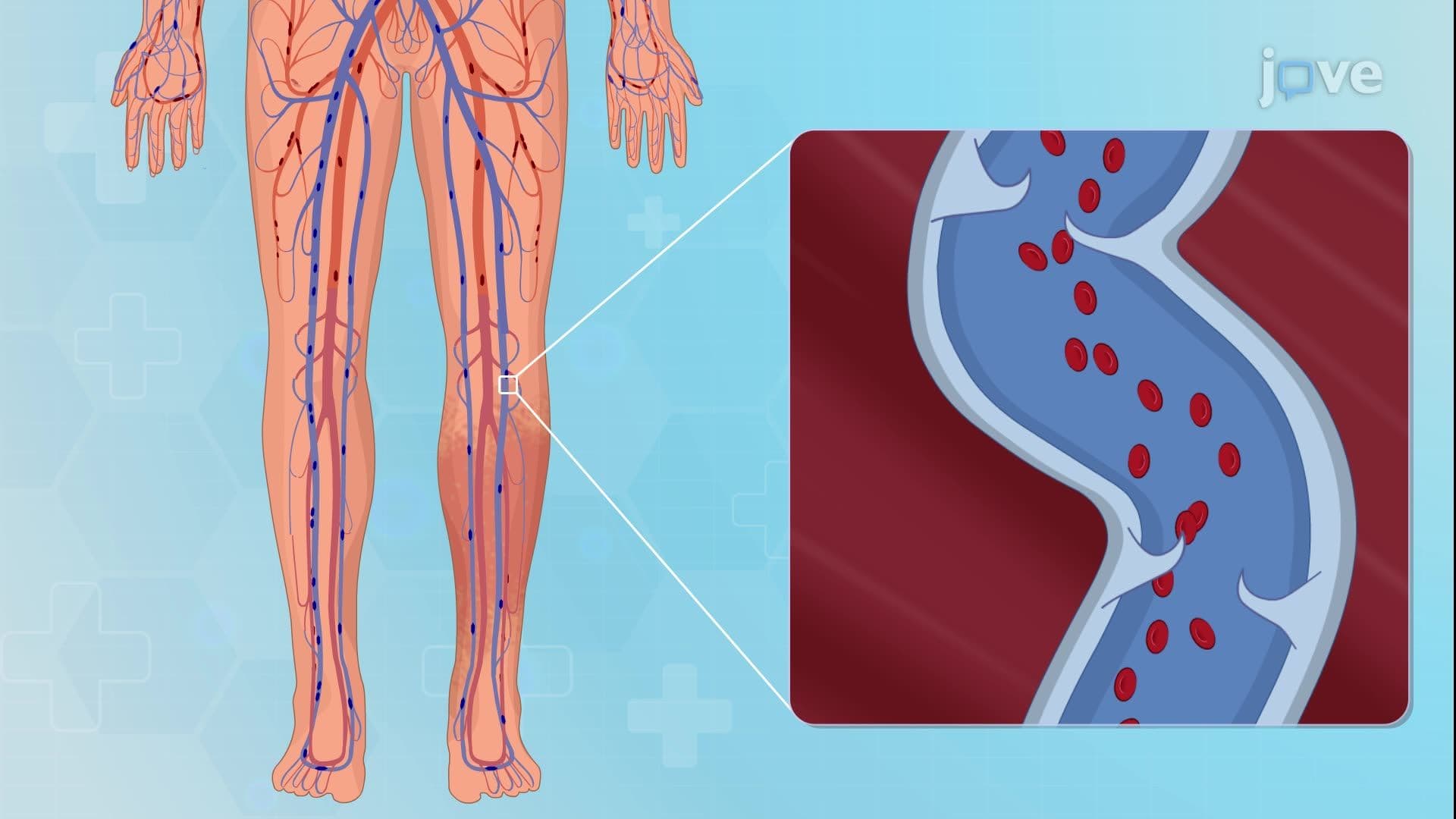

Video Summary: Venous Thrombosis Iv Nursing Management Explained
Did you know that venous thromboembolism affects nearly 900,000 Americans annually, making venous thrombosis IV nursing management a critical skill for healthcare providers? This comprehensive nursing approach involves systematic assessment, from evaluating varicose veins to monitoring D-dimer levels, followed by targeted interventions like anticoagulant administration and mobility protocols. For instance, nurses at Johns Hopkins Hospital implement standardized venous thrombosis IV nursing management protocols to prevent life-threatening complications in post-surgical patients. Watch the full video on JoVE Coach to master this concept with expert-led visuals and step-by-step explanations.
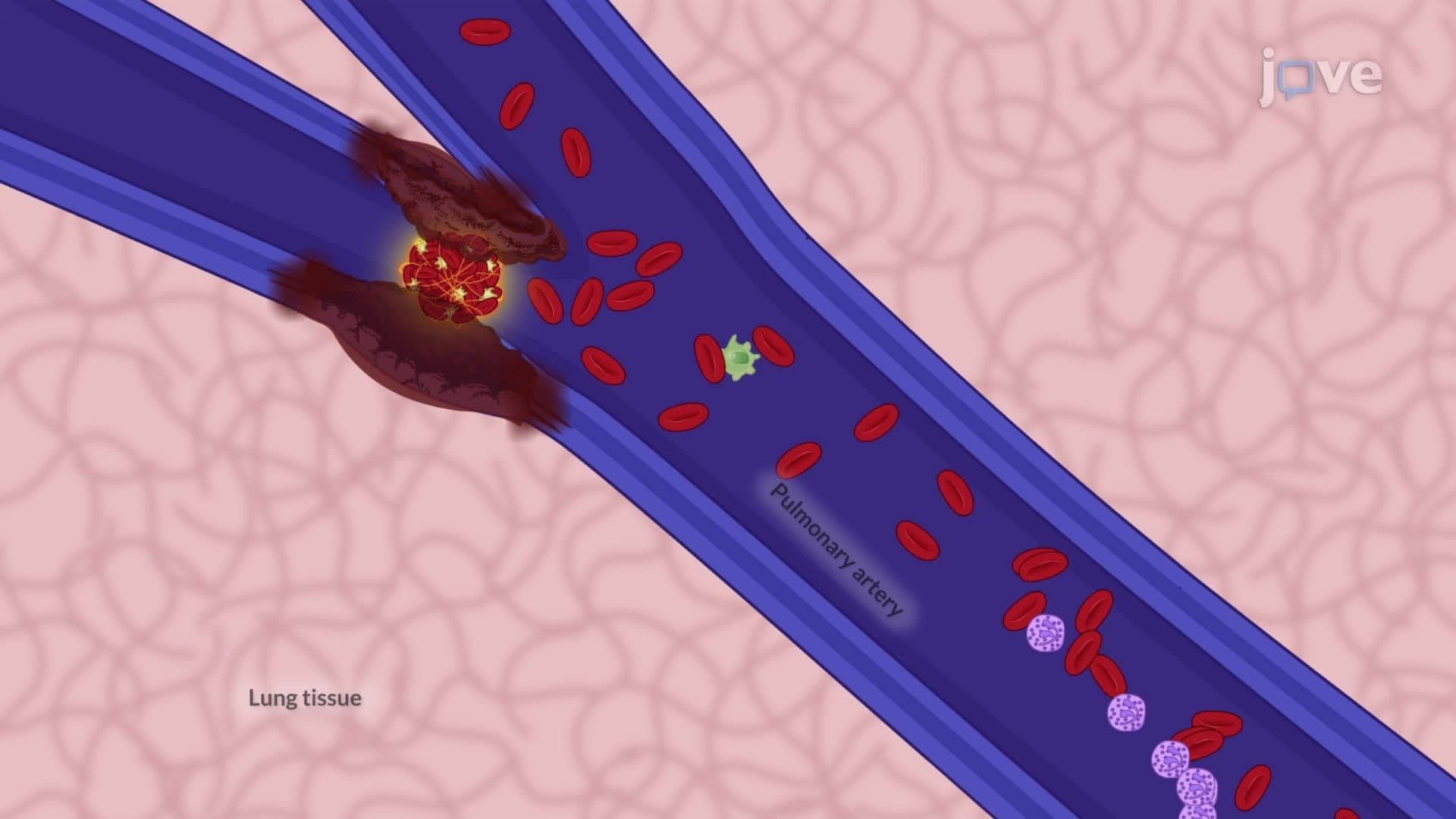
Venous thrombosis IV nursing management represents a systematic, evidence-based approach to caring for patients with venous blood clots. This comprehensive management strategy integrates assessment, diagnosis, intervention, and evaluation phases to prevent life-threatening complications like pulmonary embolism. In US healthcare settings, nurses must demonstrate competency in this area for NCLEX-RN licensure and specialty certifications.
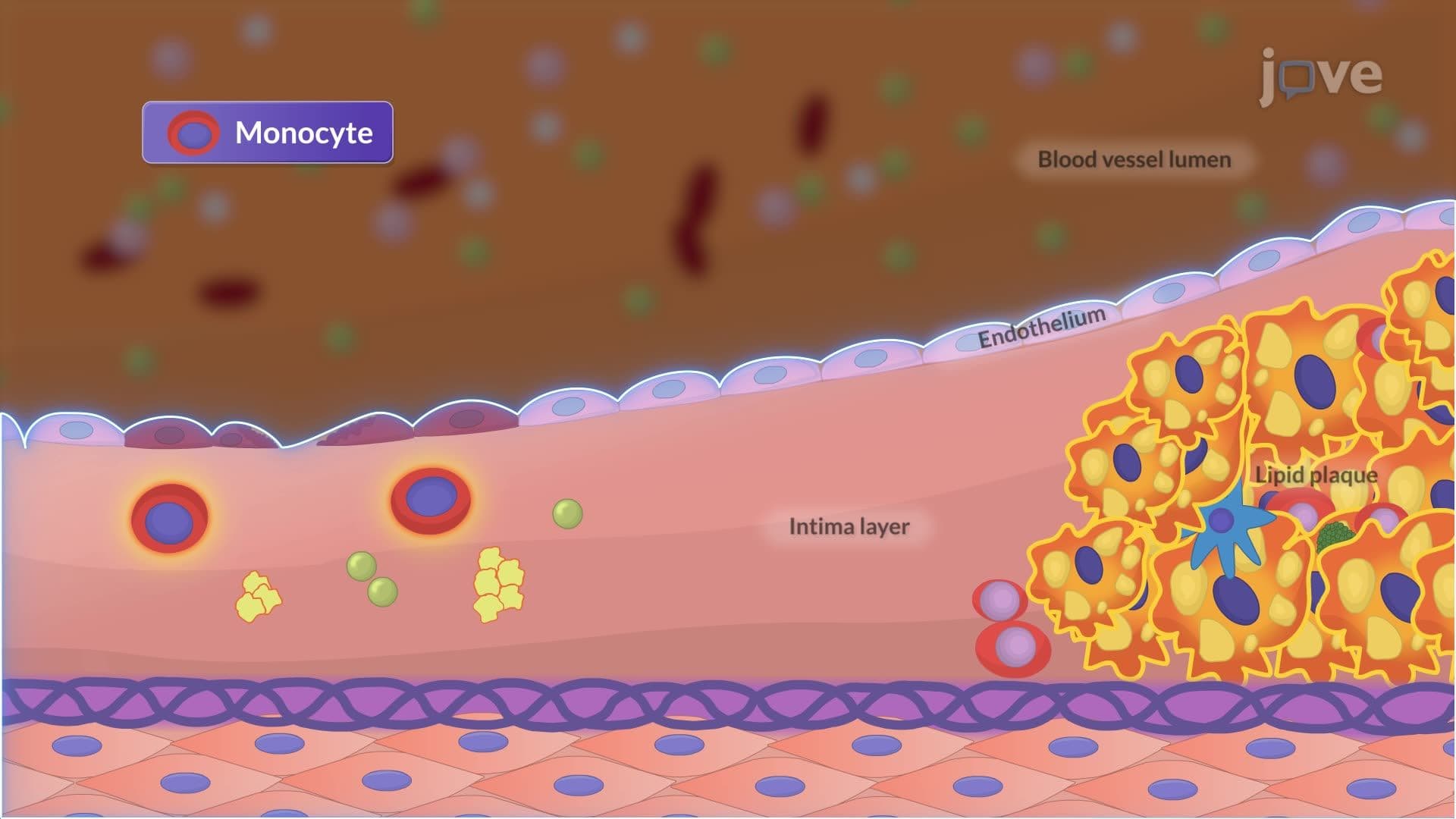
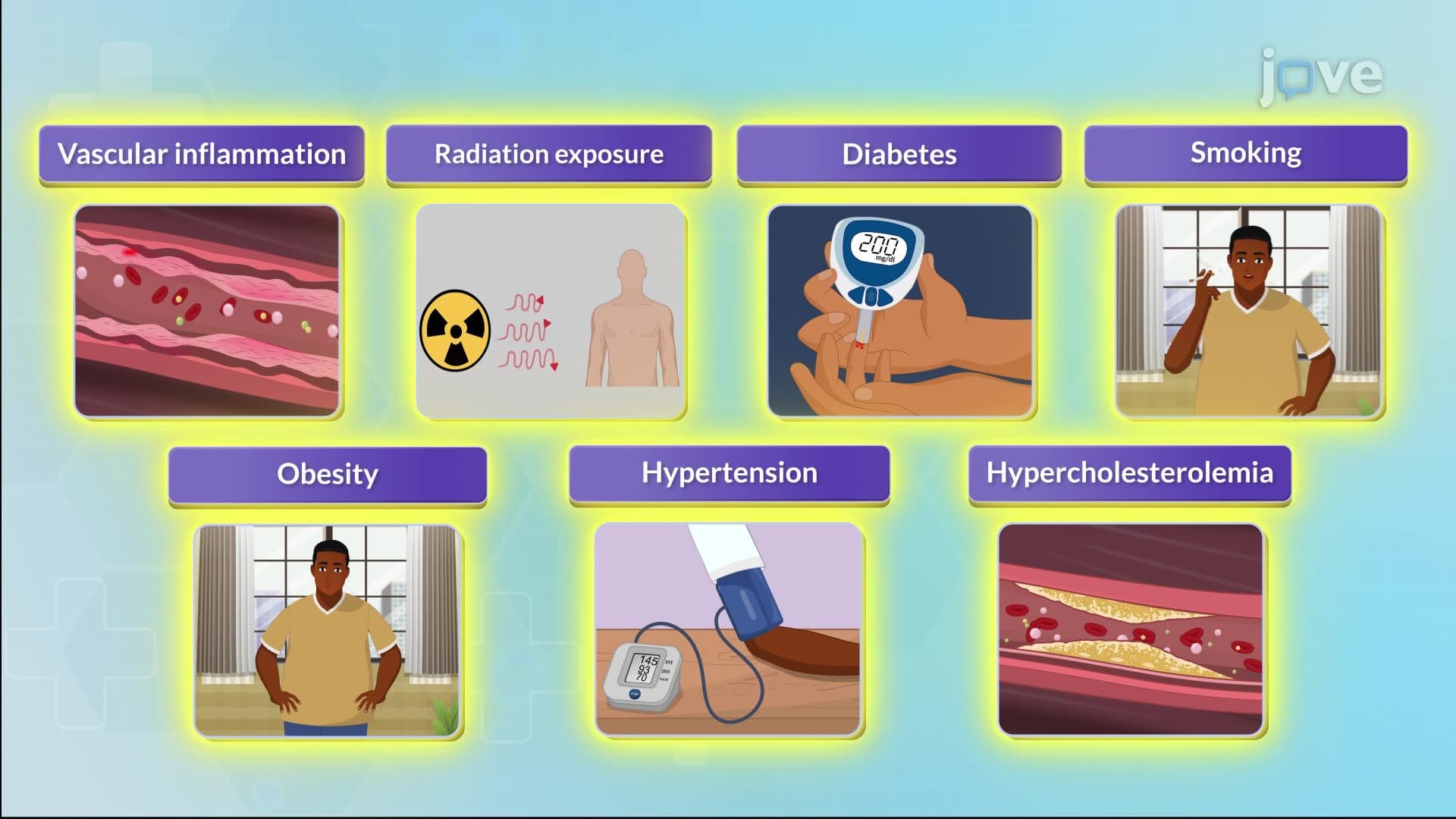
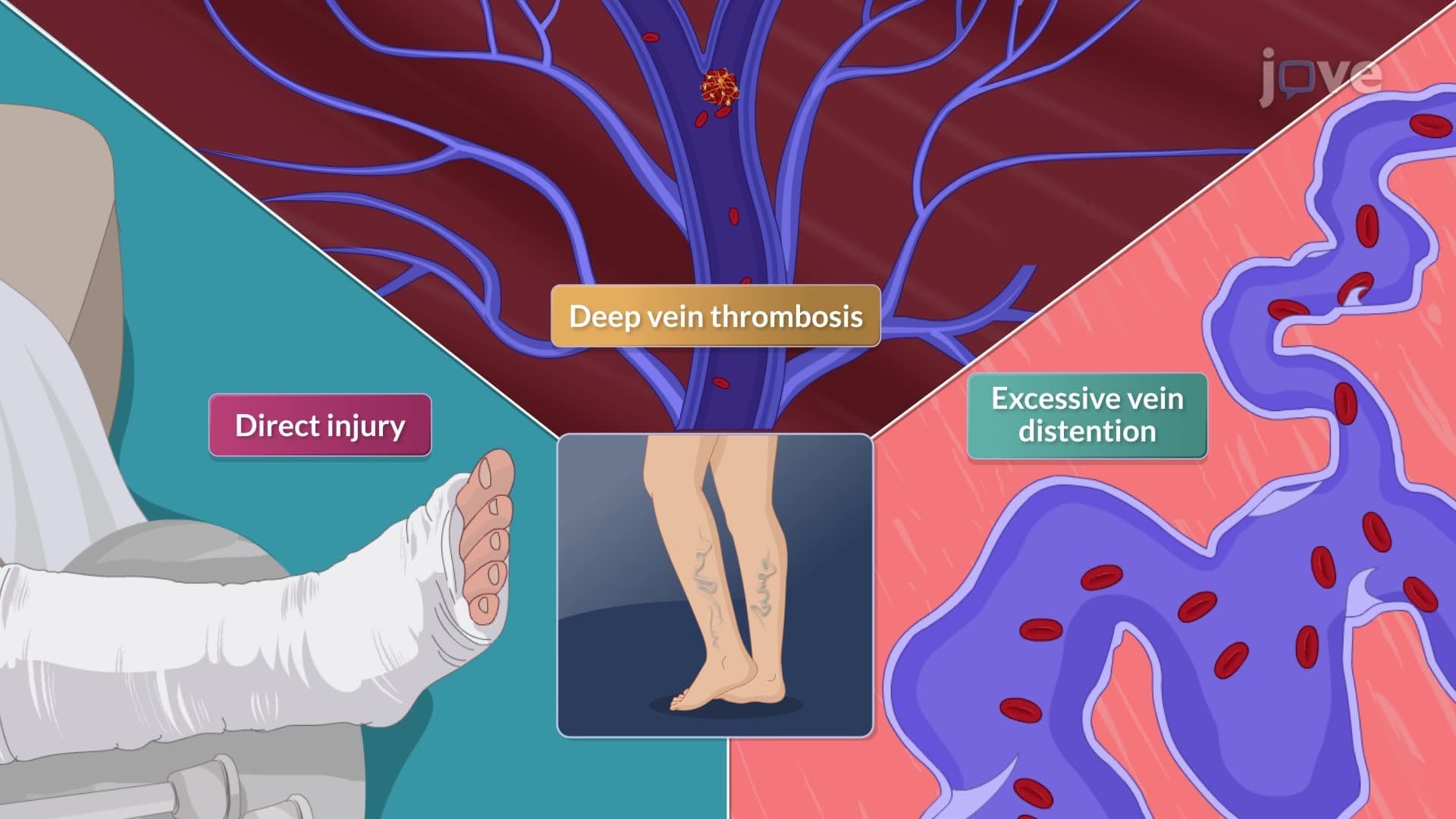
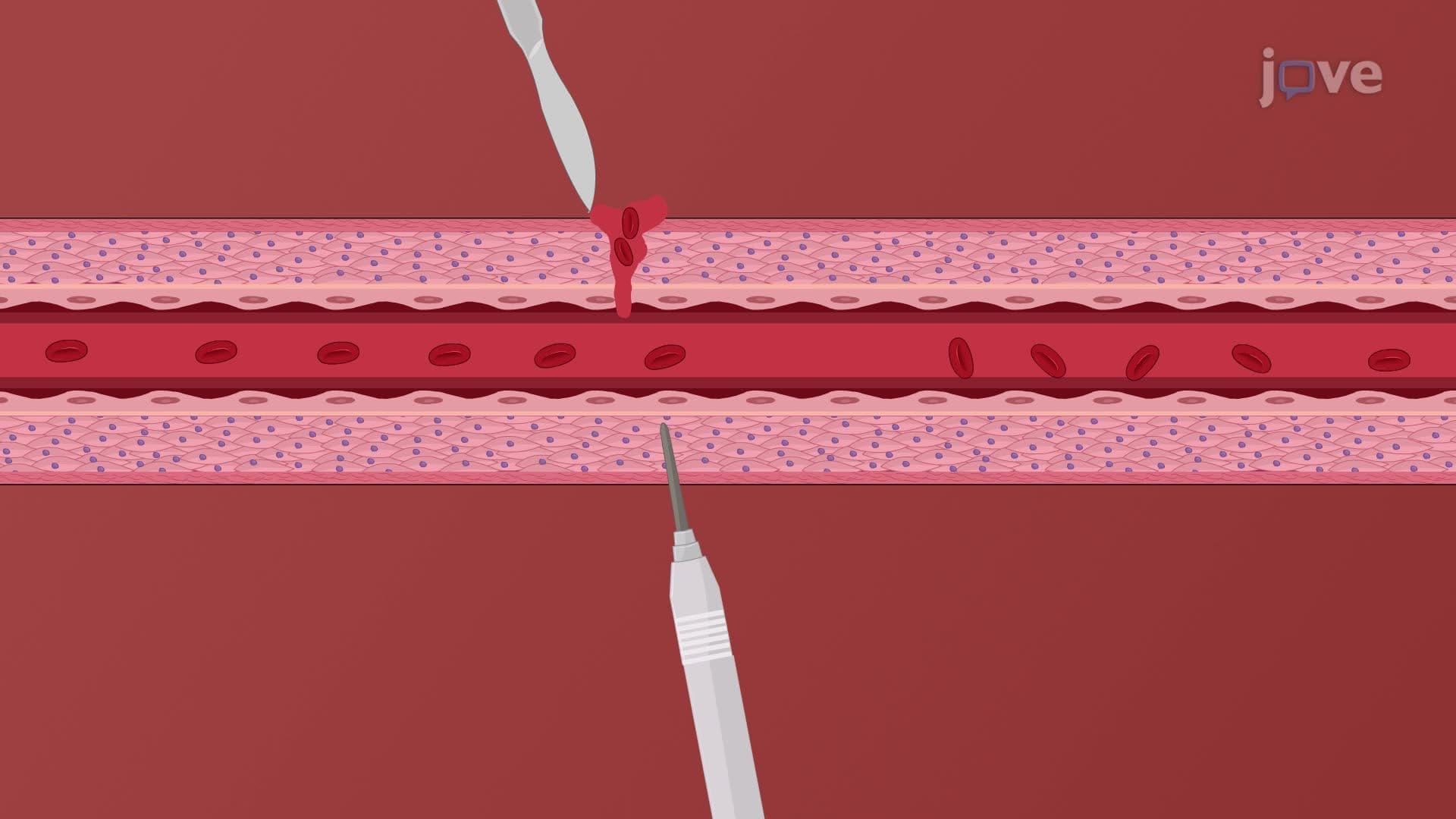
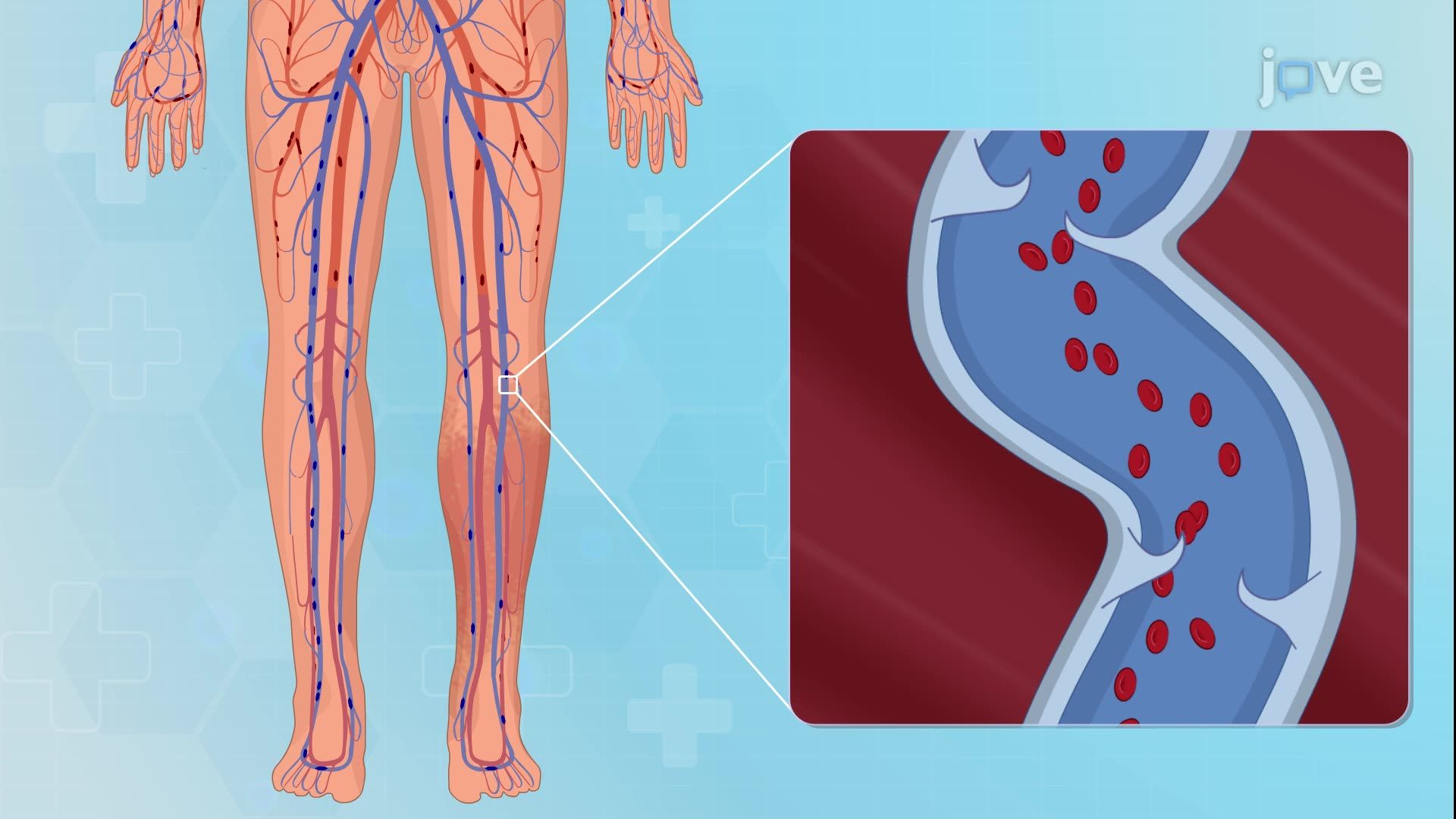
The pathophysiology underlying venous thrombosis involves Virchow's triad: venous stasis, endothelial damage, and hypercoagulability. Understanding this framework helps nurses identify at-risk populations, including post-operative patients, individuals with prolonged immobility, and those with inherited coagulation disorders like Factor V Leiden mutation, which affects approximately 5% of the US population.
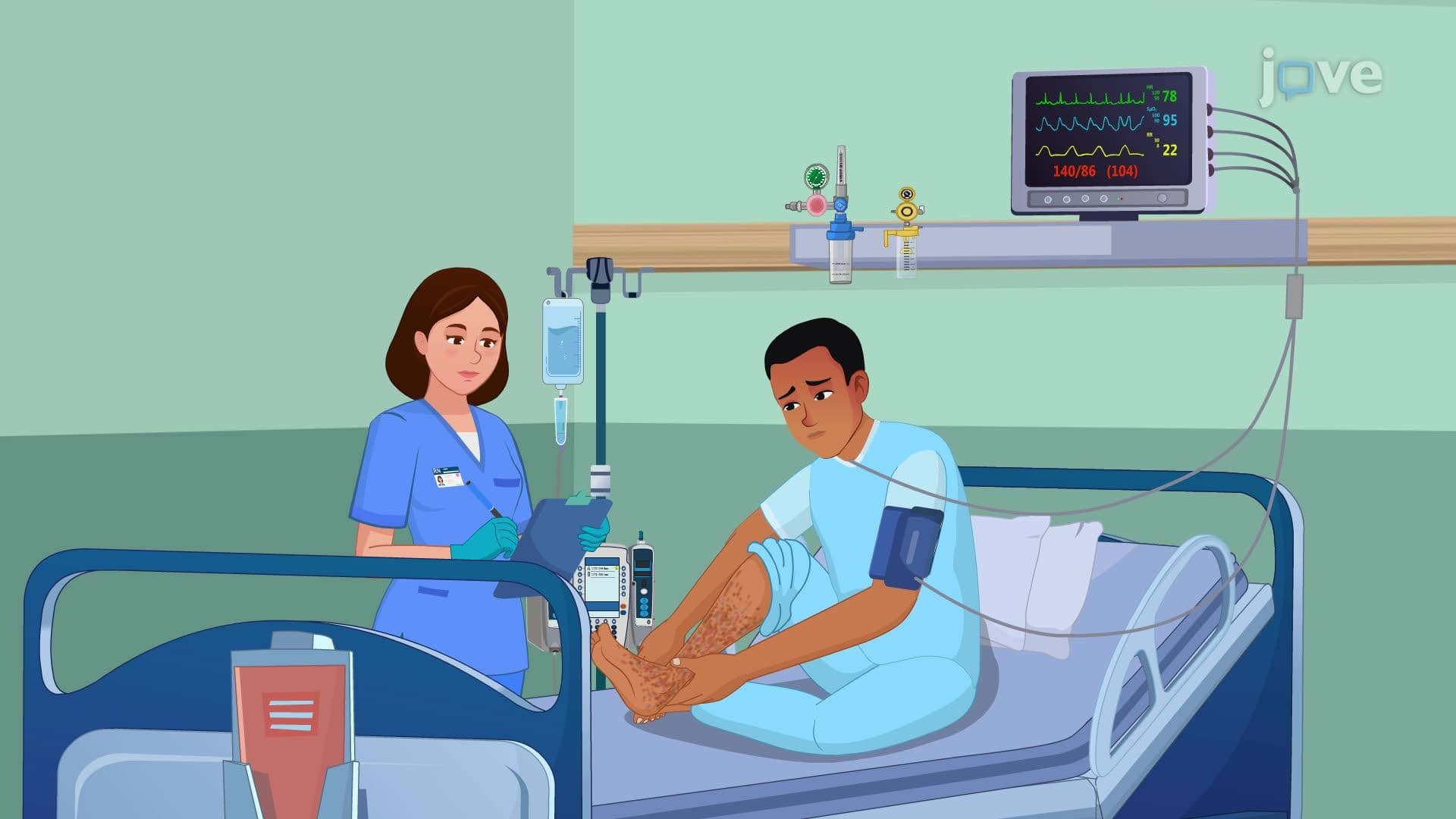
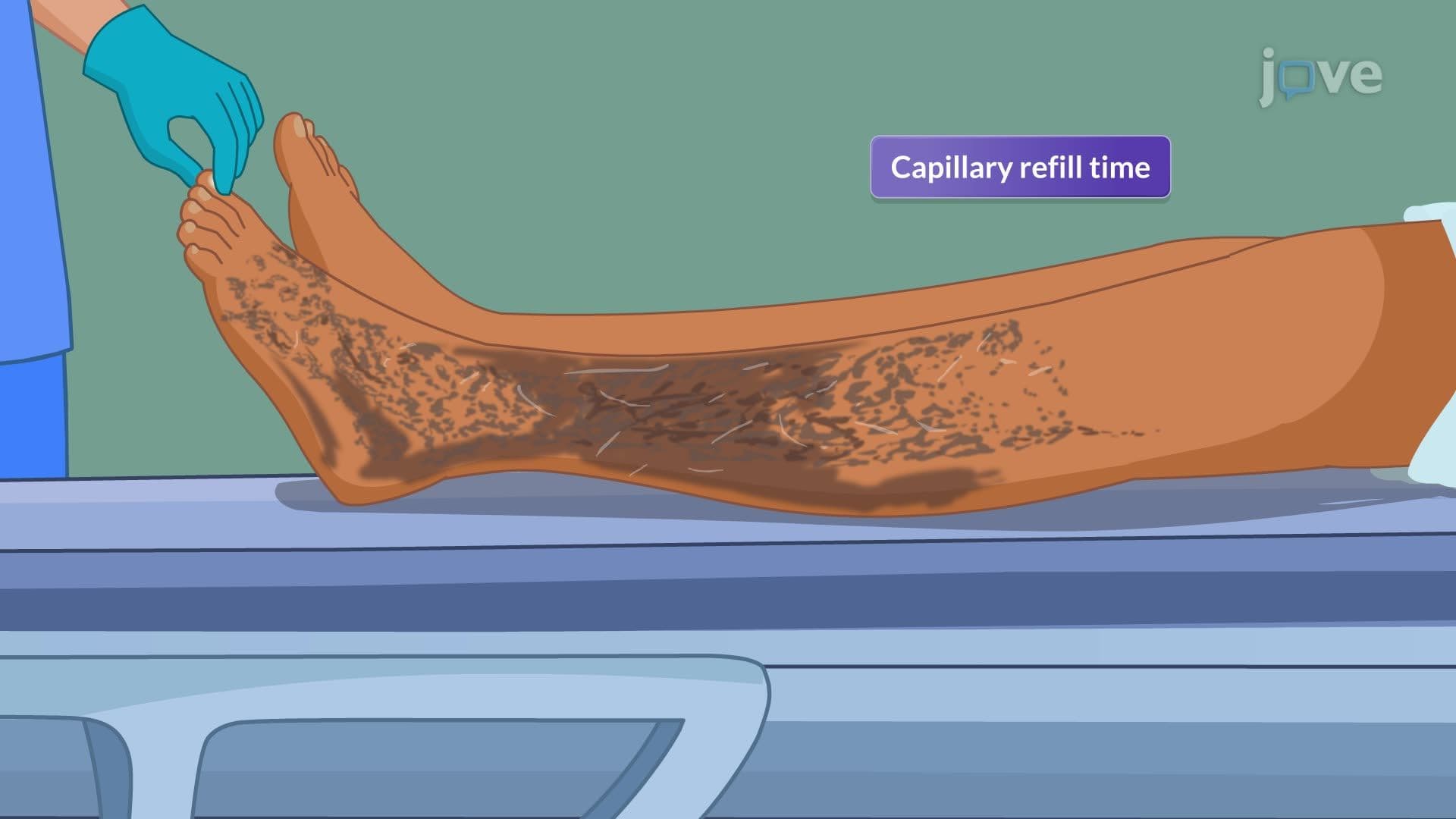
Effective nursing assessment begins with comprehensive history-taking, focusing on risk factors such as previous thrombotic events, family history of clotting disorders, and current medications like oral contraceptives or hormone replacement therapy. Physical examination reveals classic signs including unilateral leg swelling, warmth, erythema, and positive Homan's sign, though this latter finding lacks diagnostic reliability.
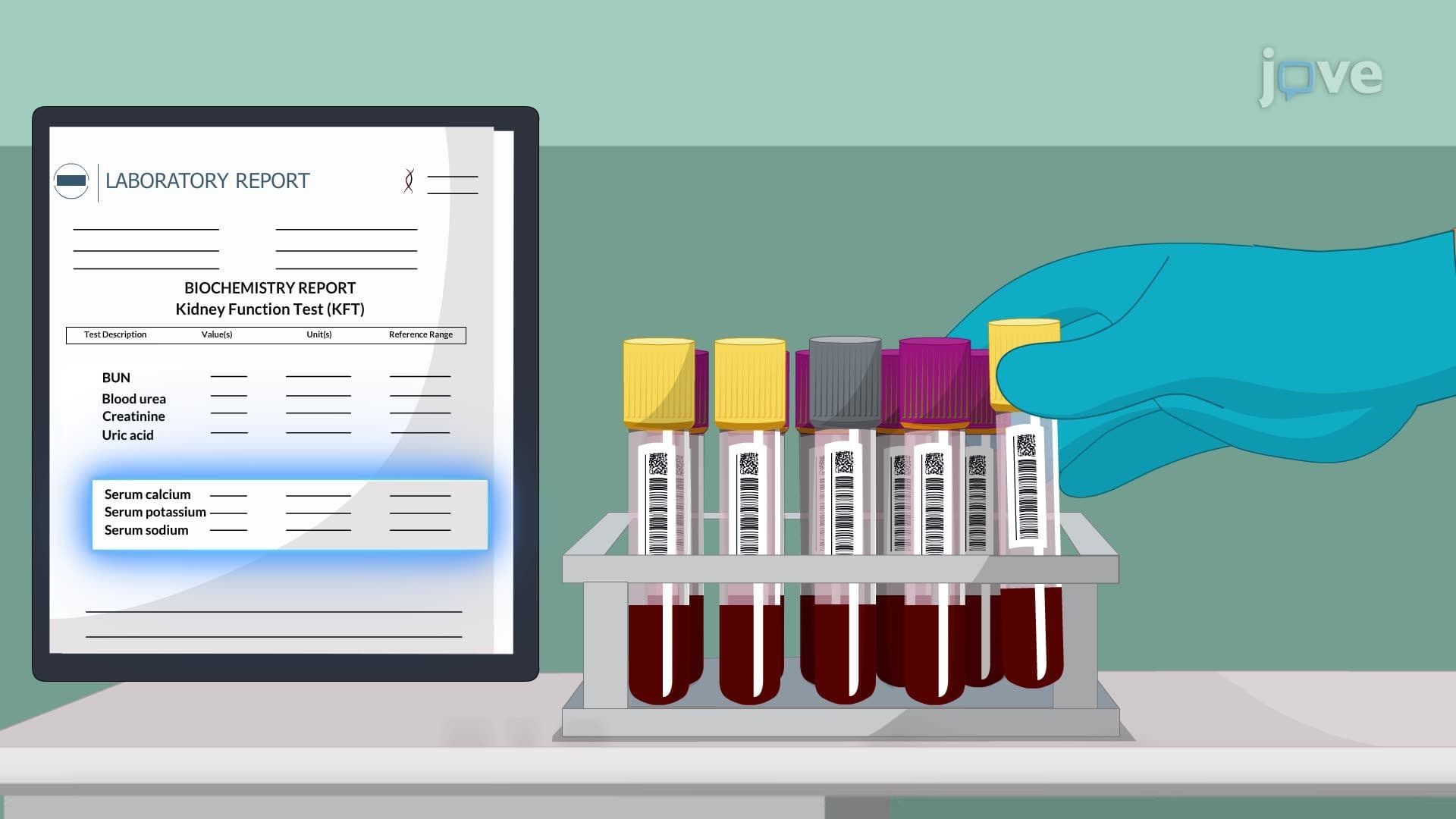
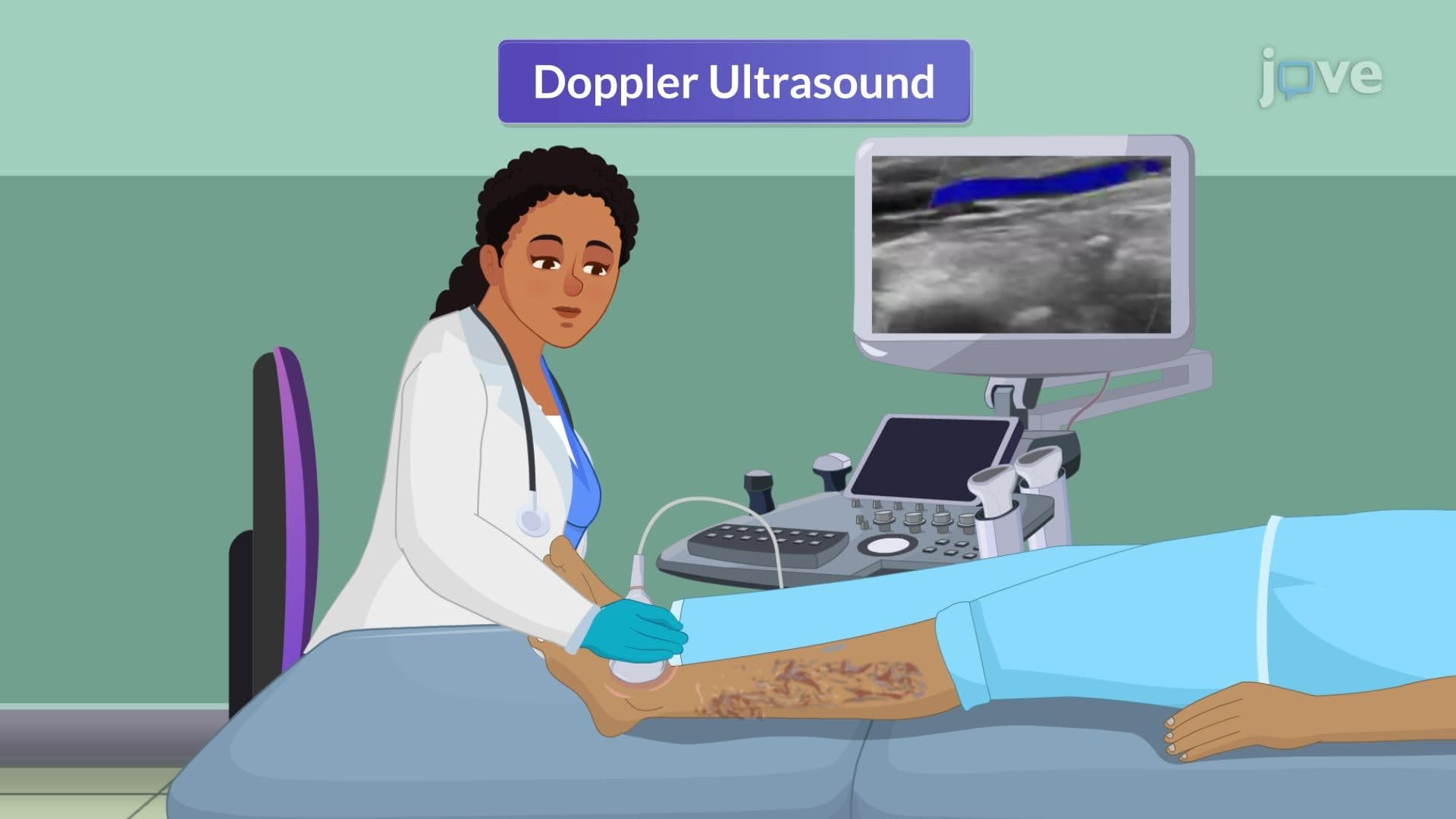
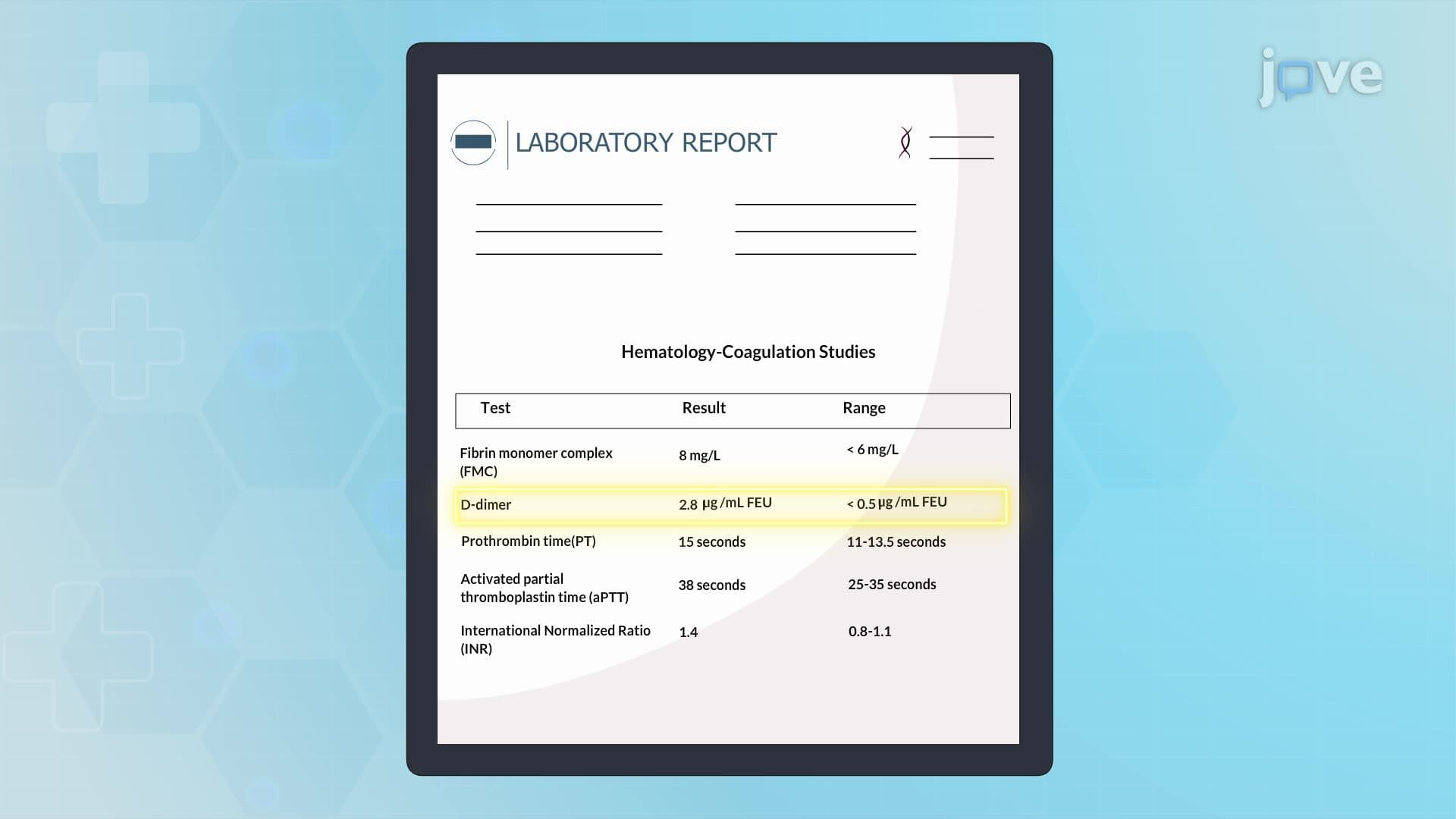
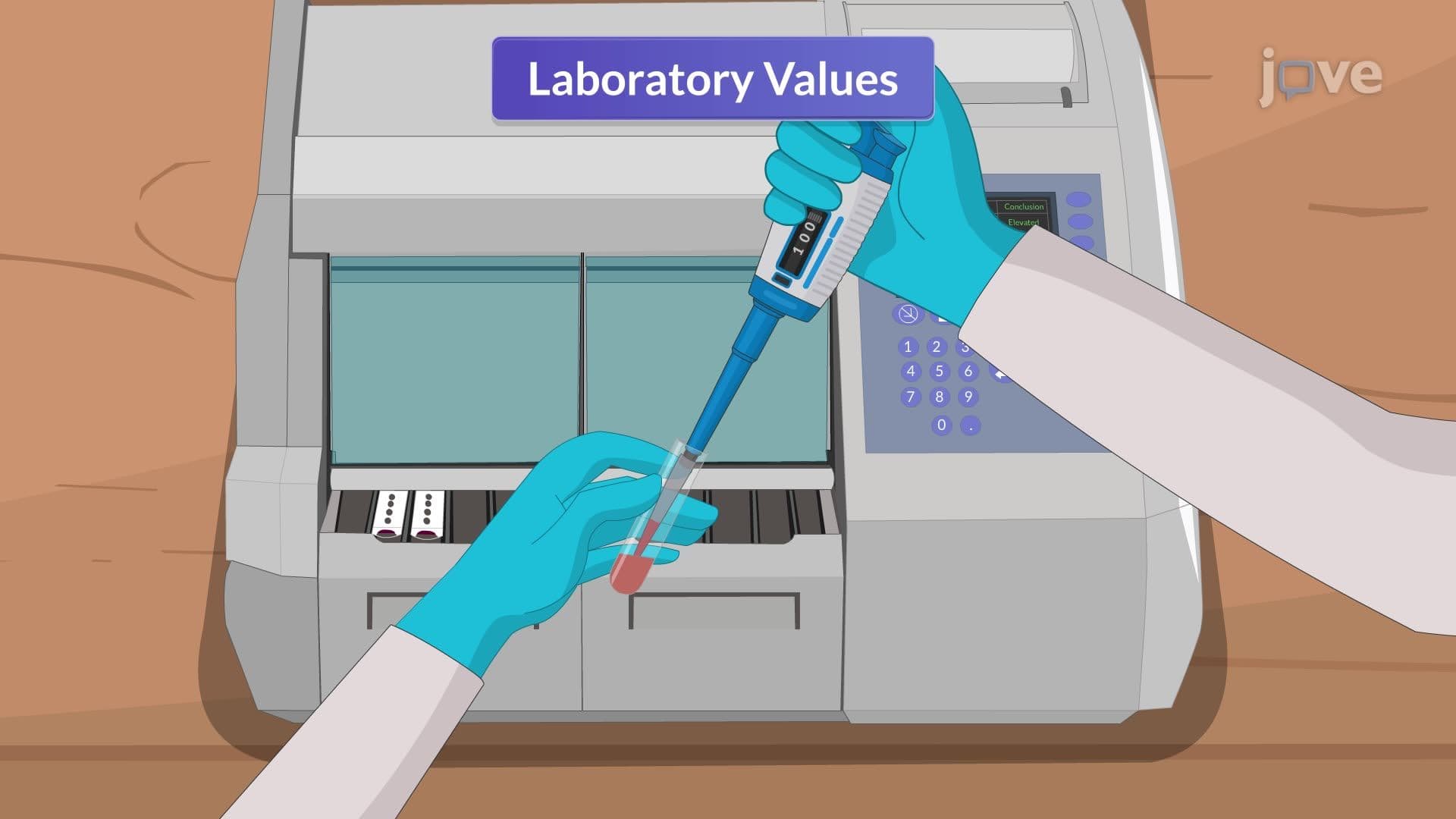
Laboratory evaluation centers on D-dimer levels, fibrin degradation products that indicate active clot formation. Normal D-dimer values are typically less than 500 ng/mL, though levels can be elevated in various conditions including pregnancy, malignancy, and recent surgery. Advanced imaging like duplex ultrasonography provides definitive diagnosis, with sensitivity rates exceeding 95% for proximal deep vein thrombosis.
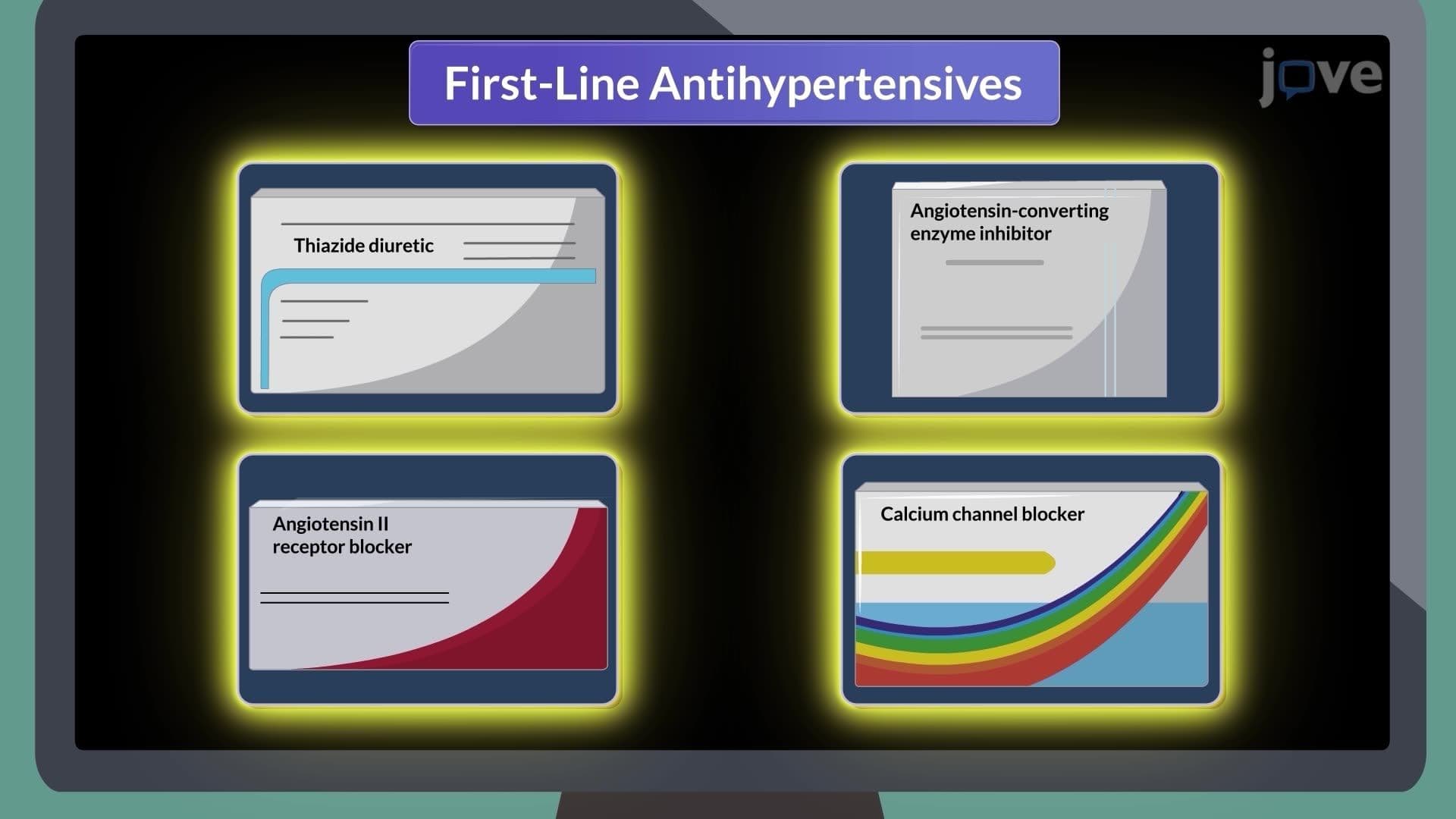
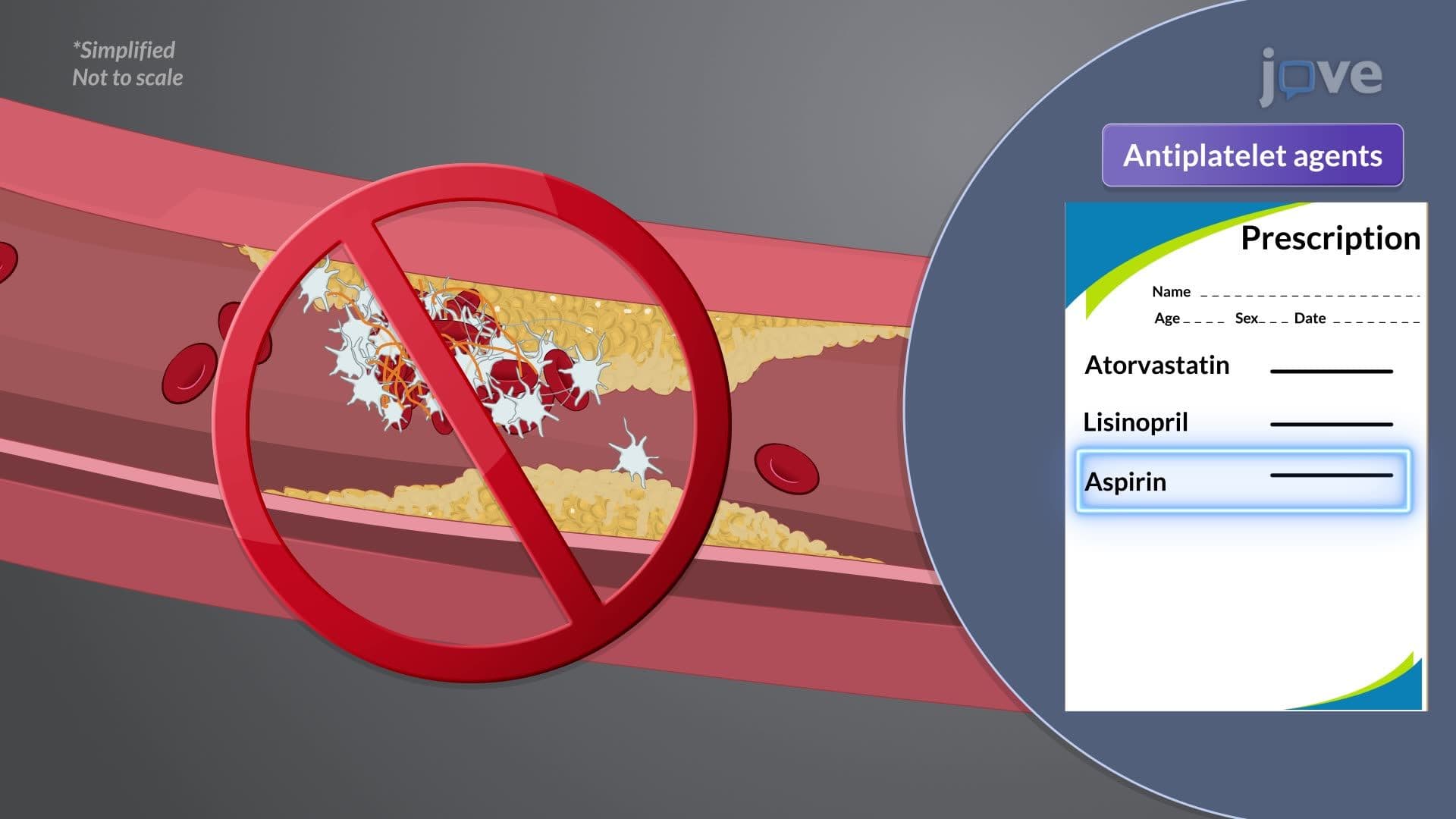
Anticoagulation therapy forms the cornerstone of treatment, with nurses responsible for safe medication administration and monitoring. Heparin protocols require careful attention to weight-based dosing and frequent aPTT monitoring, targeting therapeutic ranges of 60-80 seconds. Warfarin therapy necessitates INR monitoring, with target ranges typically between 2.0-3.0 for most indications.
Mechanical interventions play equally important roles in management. Graduated compression stockings provide 15-20 mmHg pressure at the ankle, promoting venous return and reducing edema. Intermittent pneumatic compression devices deliver cyclical pressure, particularly beneficial for immobilized patients in intensive care units across hospitals like Mayo Clinic and Cleveland Clinic.
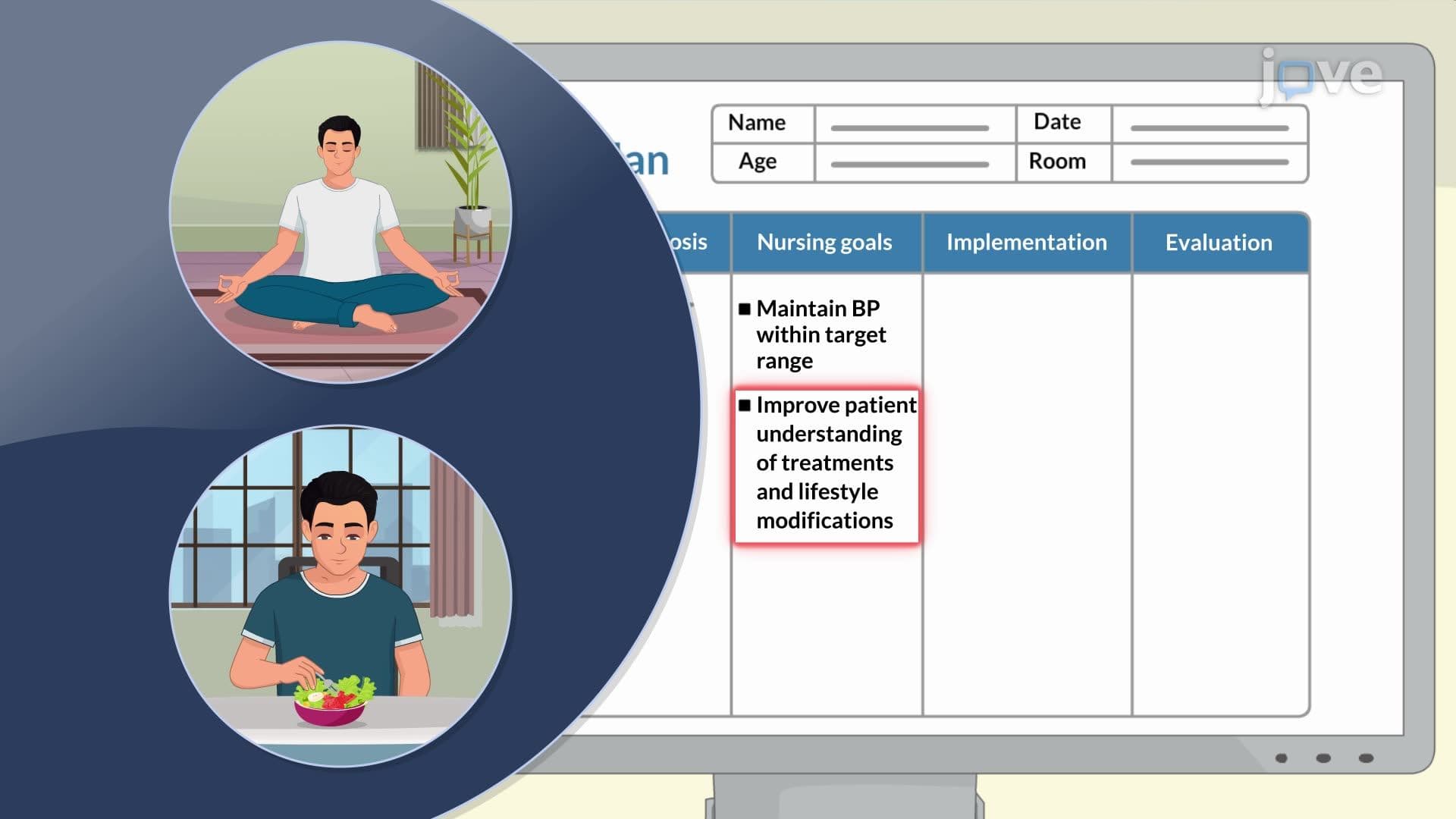
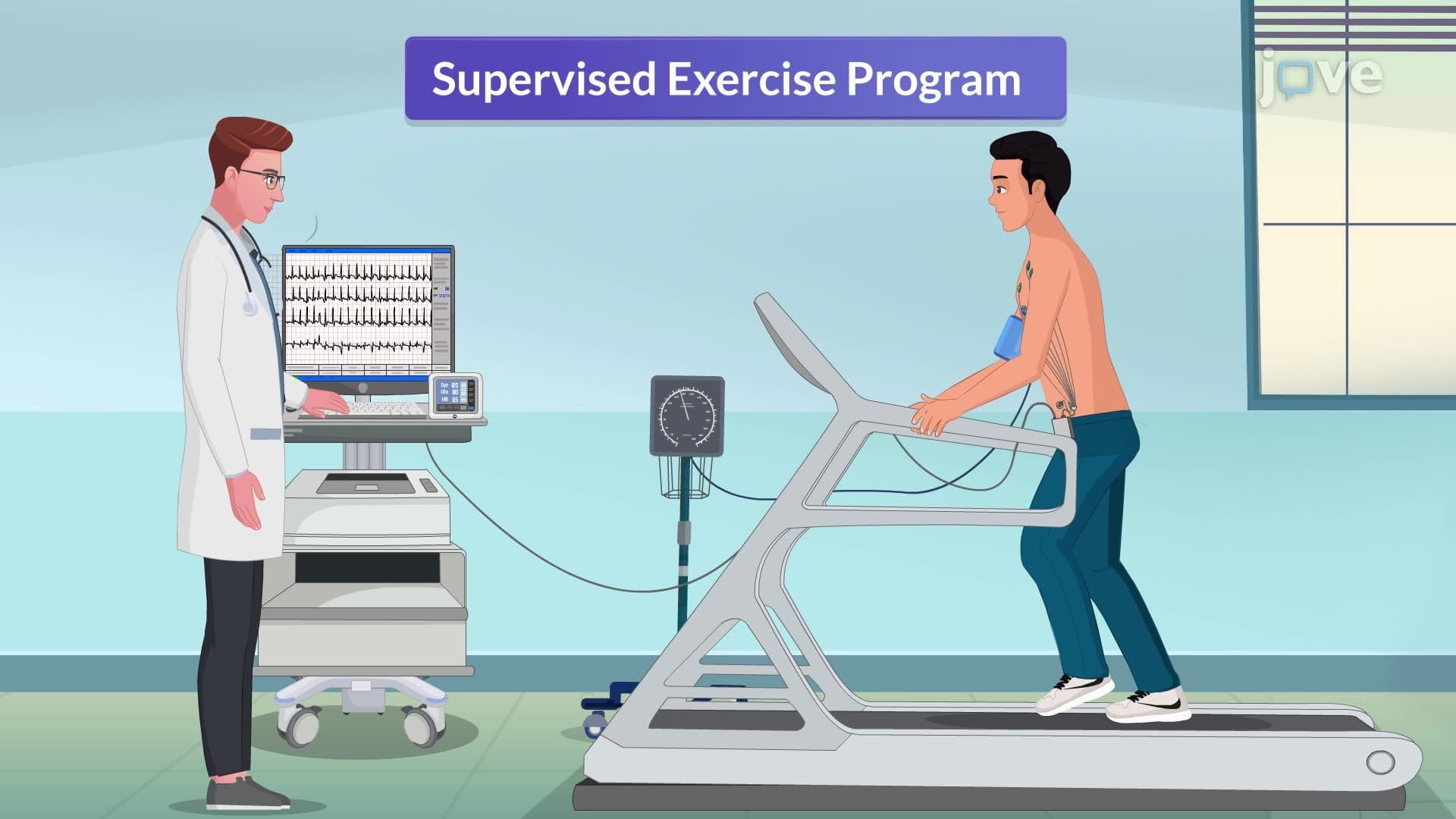
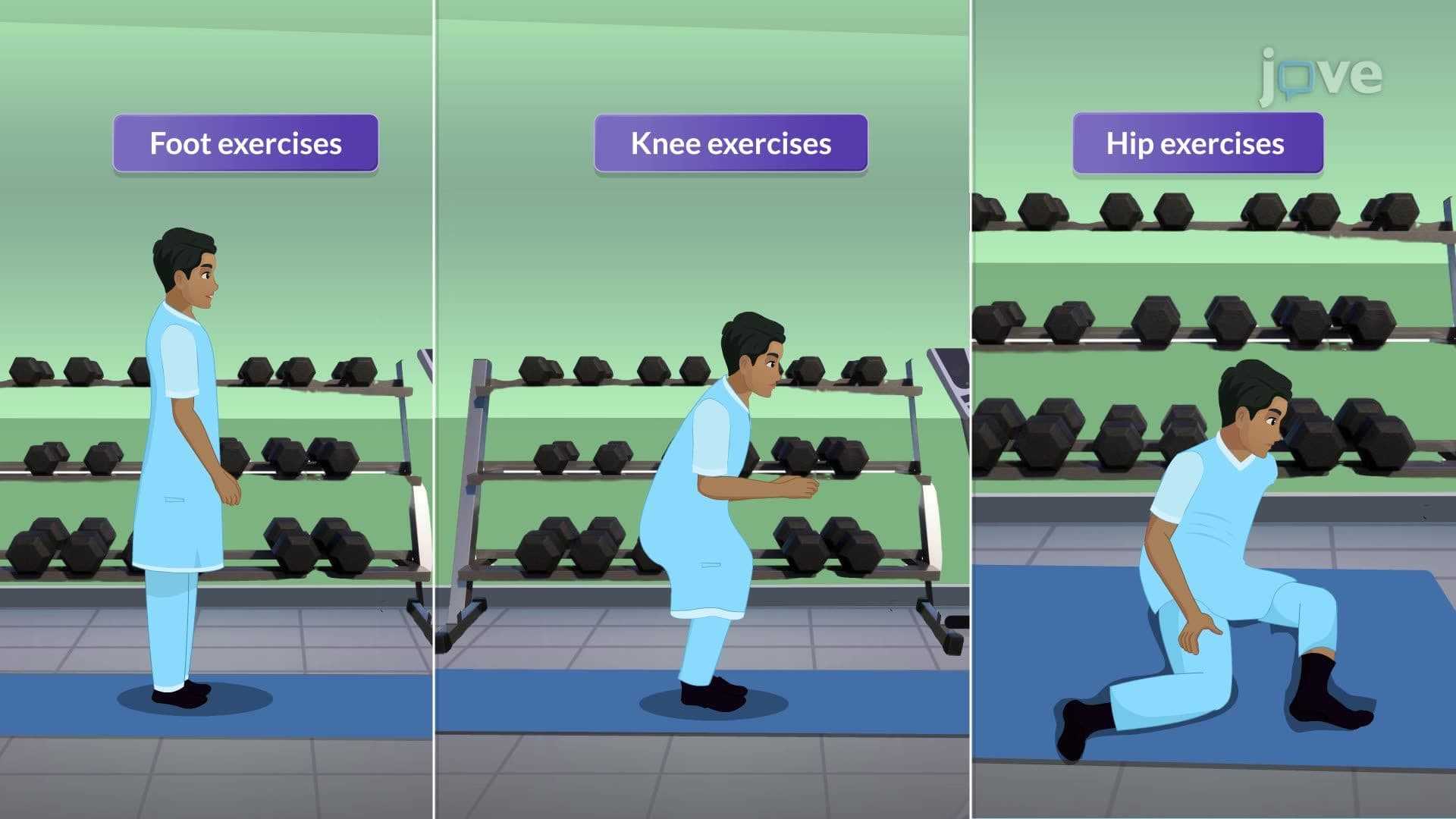
Successful outcomes depend on comprehensive patient education regarding medication compliance, activity modification, and recognition of complications. Nurses must teach patients about warfarin dietary interactions, particularly with vitamin K-rich foods like leafy green vegetables. Exercise protocols emphasize gradual activity progression, starting with ankle pumps and calf raises before advancing to walking programs.
For college students preparing for healthcare careers, mastering these concepts proves essential for success on examinations like the MCAT's biological sciences section and nursing school entrance exams including HESI A2 and TEAS. Understanding the interconnection between pathophysiology, pharmacology, and nursing interventions demonstrates the clinical reasoning skills valued in competitive healthcare programs.
Related Micro-courses