Loading subject page…


3,563 views


Video Summary: What Is Aneurysm I Introduction
Did you know that approximately 200,000 Americans are diagnosed with aortic aneurysms each year, with many cases remaining silent until they become life-threatening? Understanding aneurysm i introduction concepts is crucial for recognizing how weakened arterial walls can balloon outward, creating potentially dangerous bulges. For instance, famous basketball player Isaiah Austin's career was derailed when doctors discovered he had Marfan syndrome, which significantly increases aneurysm risk. These vascular abnormalities represent a critical topic in cardiovascular health that affects millions nationwide. Watch the full video on JoVE Coach to master this concept with expert-led visuals and step-by-step explanations.
Aneurysm i introduction represents a fundamental cardiovascular pathology concept that students encounter in advanced biology, anatomy, and pre-medical coursework. An aneurysm occurs when the arterial wall weakens and bulges outward, creating a balloon-like expansion that can become life-threatening. This condition affects approximately 6.7 million Americans, making it a significant public health concern that appears frequently on MCAT, USMLE, and college-level exams.
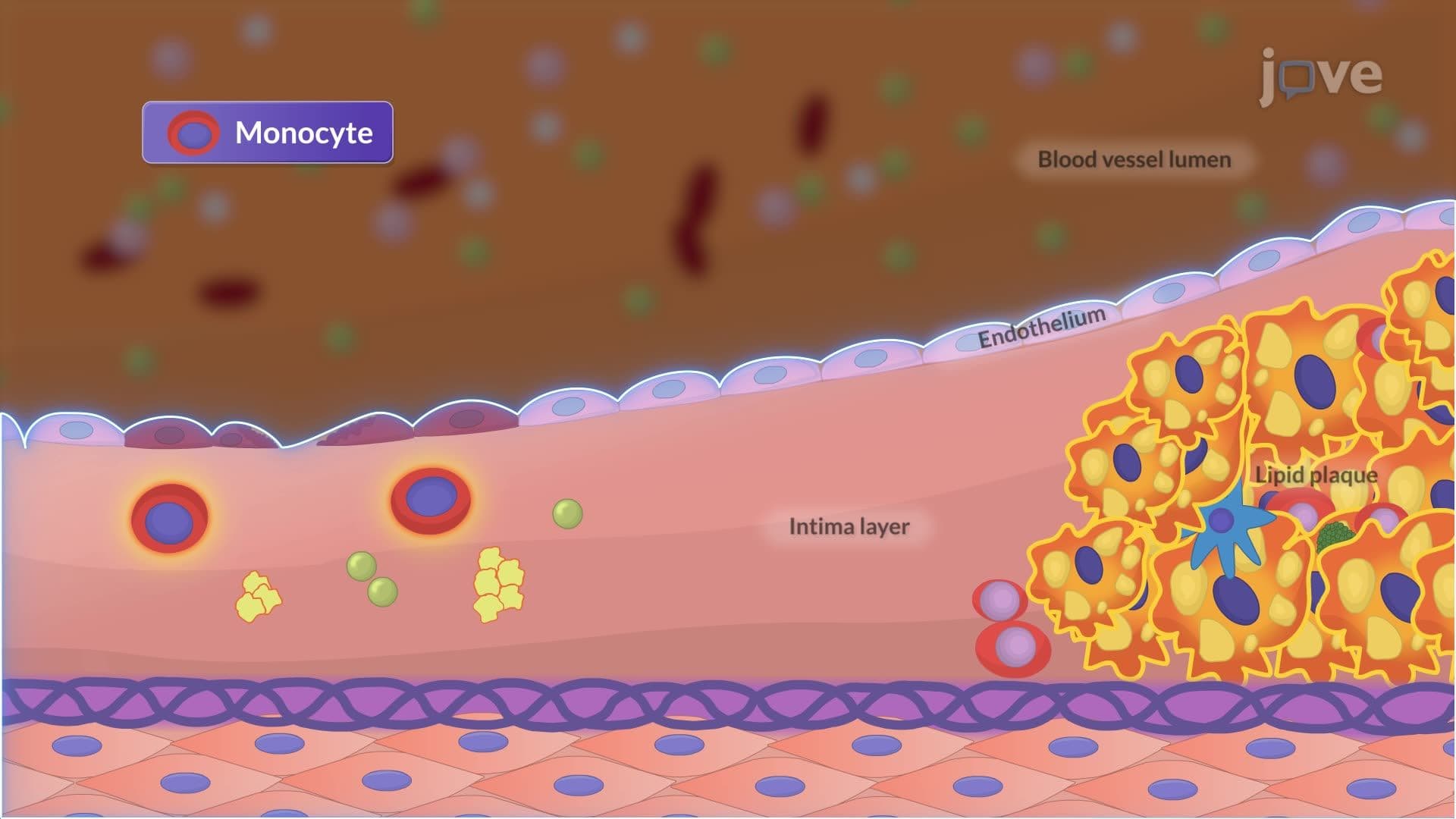
The arterial wall consists of three distinct layers: the intima (inner layer), media (middle muscular layer), and adventitia (outer connective tissue layer). True aneurysms involve all three layers and present in two morphological patterns. Fusiform aneurysms create spindle-shaped dilations affecting the entire circumference, commonly seen in the abdominal aorta of elderly patients with atherosclerosis. Saccular aneurysms form localized pouches on one side of the vessel, frequently occurring at cerebral artery branch points where hemodynamic stress concentrates.
Pseudoaneurysms, or false aneurysms, represent a different pathological process where blood escapes through damaged inner layers but remains contained by surrounding tissue. These commonly develop following cardiac catheterization procedures performed at major US medical centers like Mayo Clinic or Cleveland Clinic, where arterial access sites may develop complications during cannula removal.
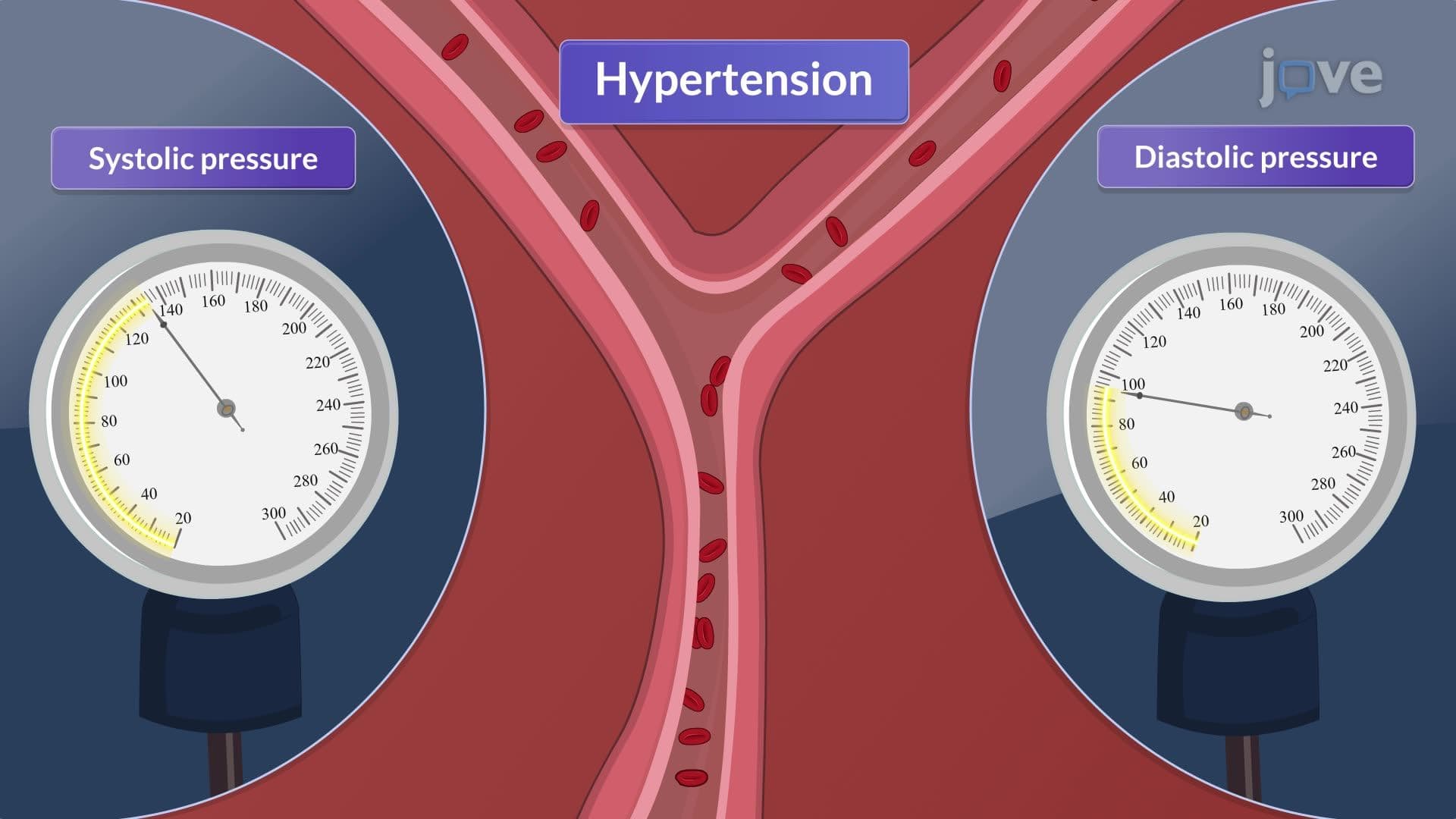
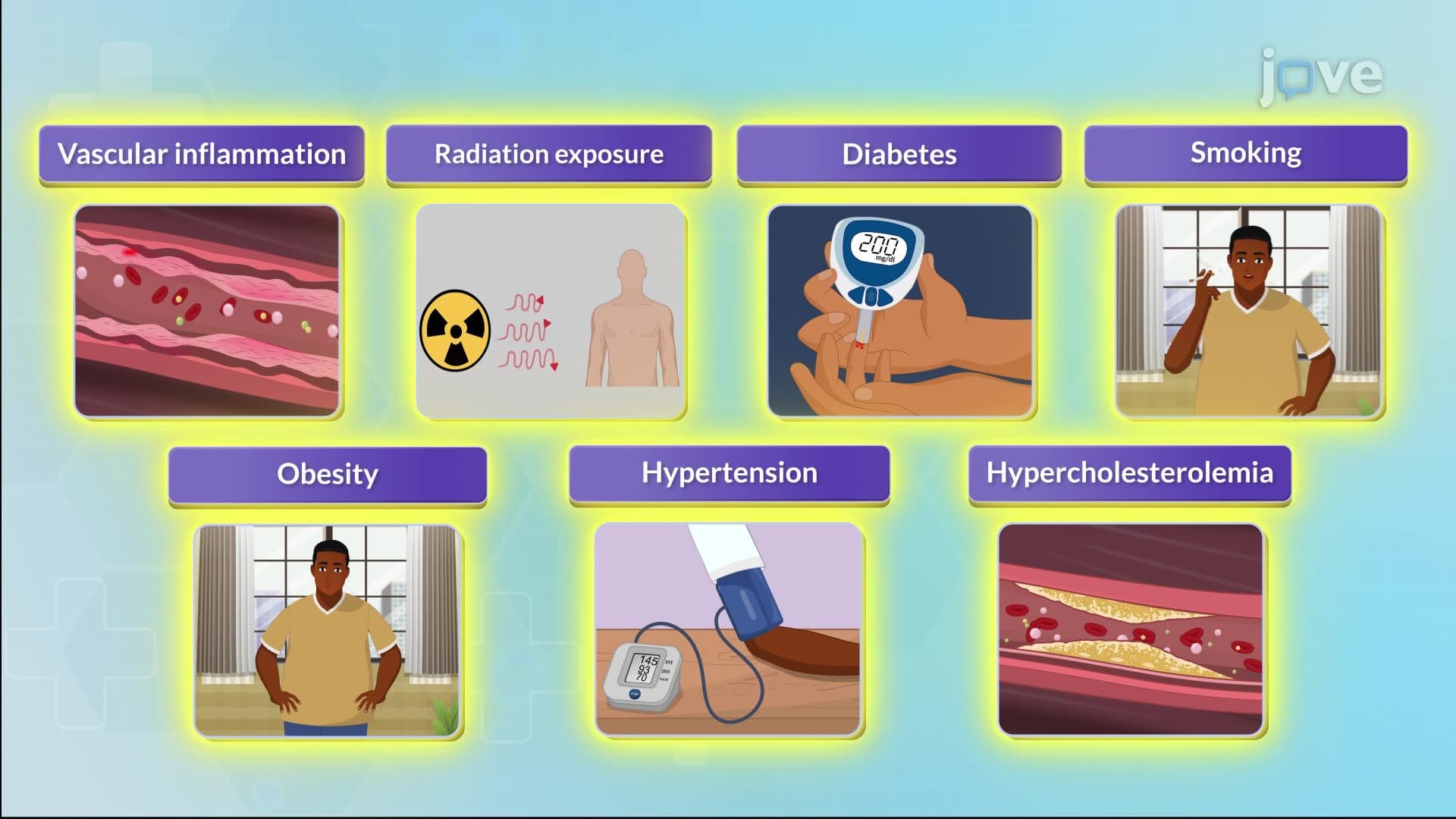
Multiple risk factors contribute to aneurysm development, with hypertension being the most significant modifiable factor. The American Heart Association estimates that uncontrolled hypertension increases aneurysm risk by 300-400%. Tobacco use accelerates arterial wall degradation through inflammatory processes and oxidative stress. Genetic conditions like Marfan syndrome and Turner syndrome create inherent structural weaknesses, explaining why family history screening has become standard practice in cardiovascular risk assessment.
Healthcare professionals must recognize aneurysm presentations to prevent catastrophic ruptures. The Stanford Type A aortic dissection classification system, developed at Stanford University Medical Center, helps clinicians categorize thoracic aneurysms for treatment planning. Students preparing for AP Biology or college-level anatomy courses should understand how mechanical stress, genetic predisposition, and environmental factors interact to create these potentially fatal conditions. This knowledge directly applies to MCAT passages involving cardiovascular pathophysiology and clinical reasoning scenarios on nursing examinations like NCLEX-RN.
Related Micro-courses