Loading subject page…

3,563 views

Video Summary: What Is Aneurysm Iii Interprofessional Care
Did you know that abdominal aortic aneurysms cause over 10,000 deaths annually in the United States, yet many cases are preventable through proper interprofessional care? Aneurysm III interprofessional care represents a comprehensive, team-based approach to managing aortic aneurysms, involving coordinated efforts between vascular surgeons, primary care physicians, nurses, and specialists. At institutions like Mayo Clinic, this collaborative model ensures optimal patient outcomes through systematic monitoring, risk factor modification, and timely surgical intervention when indicated. Watch the full video on JoVE Coach to master this concept with expert-led visuals and step-by-step explanations.
Aneurysm III interprofessional care represents the gold standard approach to managing aortic aneurysms through coordinated healthcare team collaboration. This comprehensive care model integrates expertise from multiple medical disciplines to optimize patient outcomes while minimizing risks. The "III" designation typically refers to advanced-level interprofessional competencies that healthcare students and professionals must master for effective aneurysm management.
Effective aneurysm III interprofessional care involves a carefully orchestrated team of specialists. Vascular surgeons lead surgical decision-making, while primary care physicians manage long-term monitoring and risk factor modification. Interventional radiologists perform endovascular procedures, nurses coordinate patient education and follow-up care, and pharmacists optimize medication regimens for cardiovascular risk reduction. At leading US medical centers like Cleveland Clinic and Johns Hopkins, this team-based approach has demonstrated superior outcomes compared to fragmented care models.
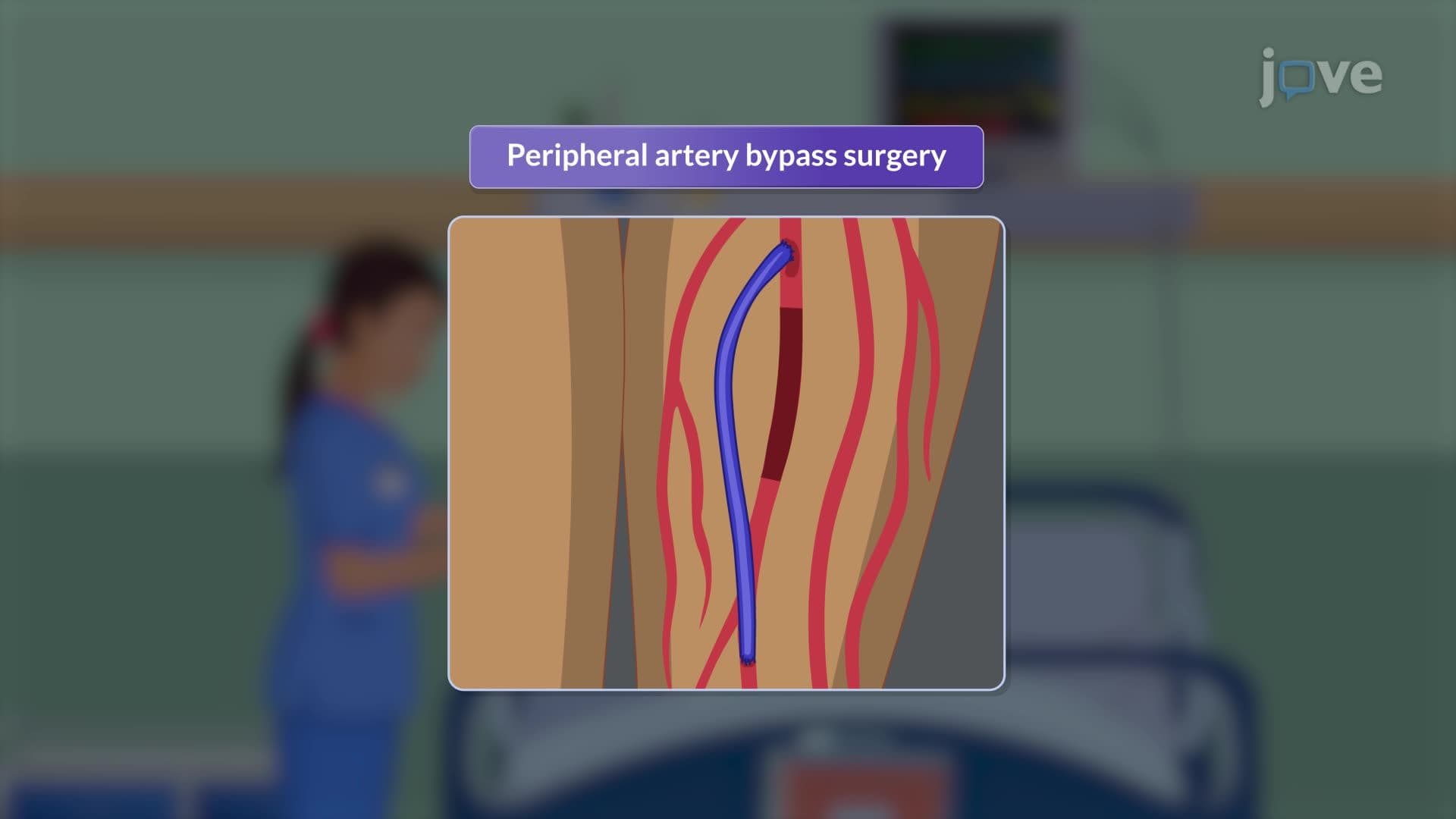
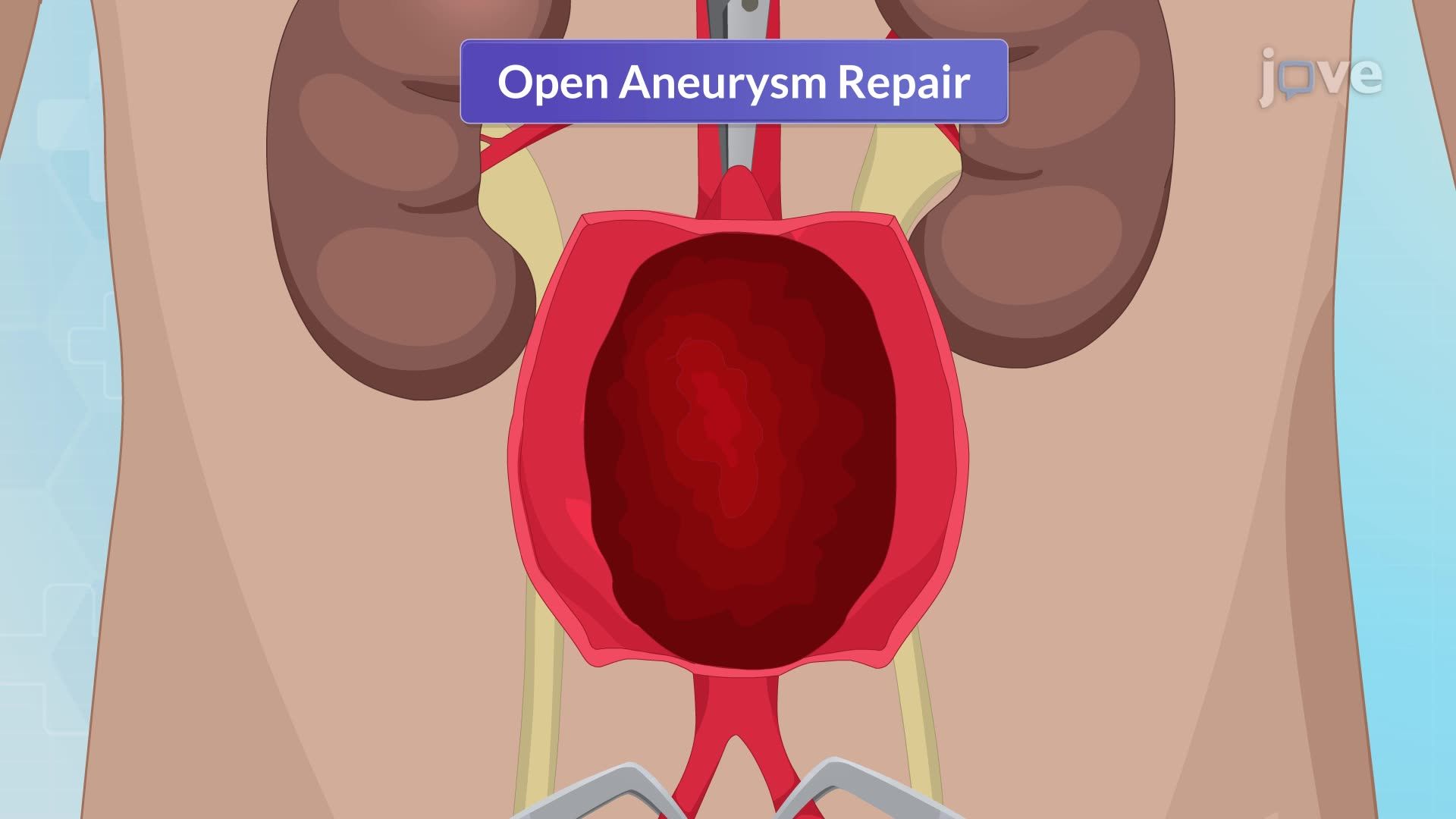
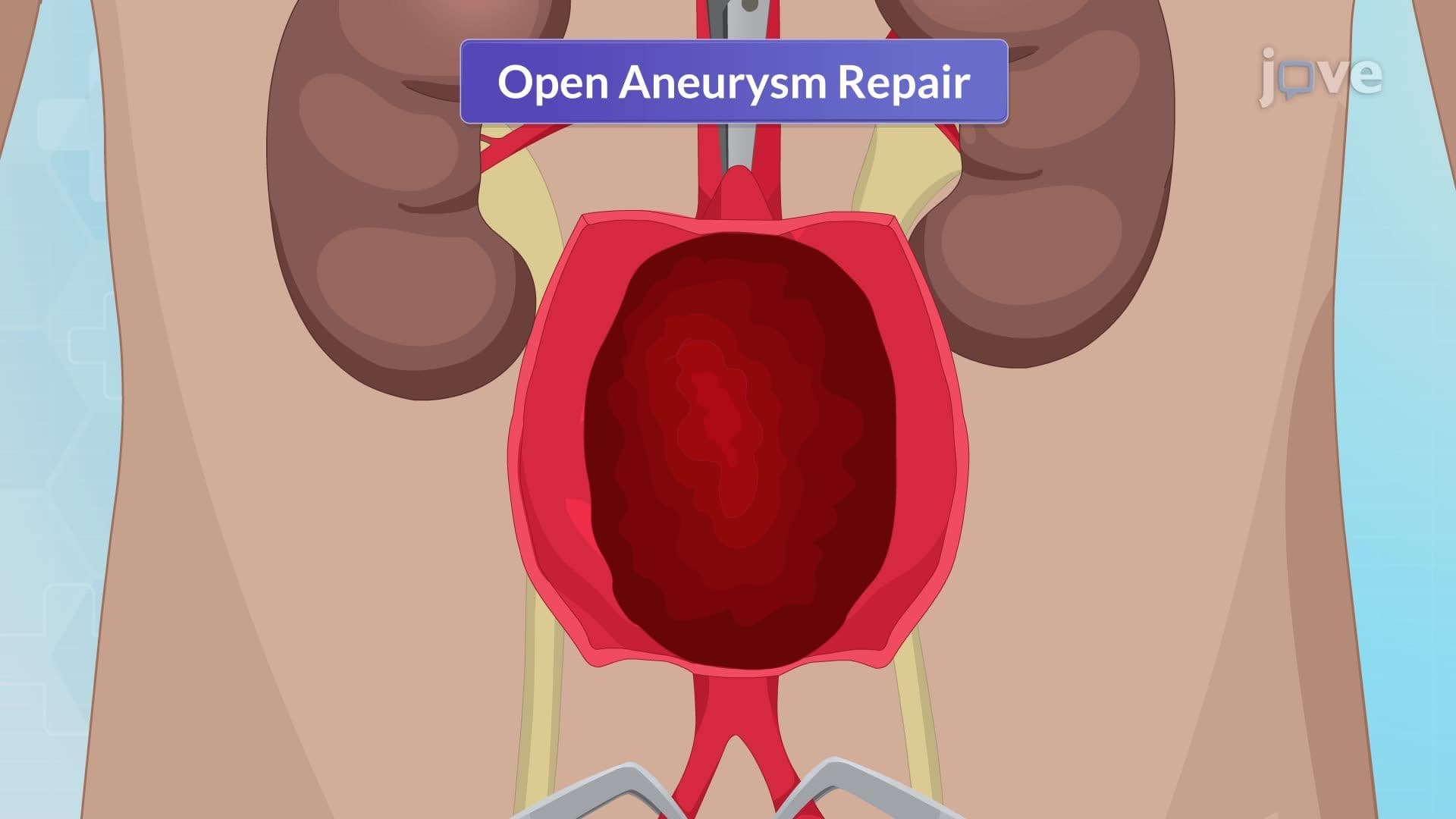
The interprofessional team follows evidence-based protocols for aneurysm management. Small aneurysms (under 5.5 cm) receive conservative management through regular surveillance imaging and aggressive risk factor modification. Teams implement structured monitoring schedules: aneurysms measuring 4.0-5.4 cm undergo evaluation every 6-12 months, while smaller lesions (under 4.0 cm) require monitoring every 2-3 years. When aneurysms exceed 5.5 cm or demonstrate rapid growth, the team coordinates surgical intervention through either open repair or endovascular techniques.
For students preparing for healthcare examinations like the MCAT, NCLEX, or college nursing assessments, understanding aneurysm III interprofessional care demonstrates mastery of collaborative practice principles. AP Biology students studying circulatory system disorders will encounter aneurysm pathophysiology, while pre-med students must comprehend the clinical decision-making process. This concept appears frequently in case-based questions that assess critical thinking about patient care coordination and treatment prioritization in high-stakes medical scenarios.
Related Micro-courses