Loading subject page…

3,563 views
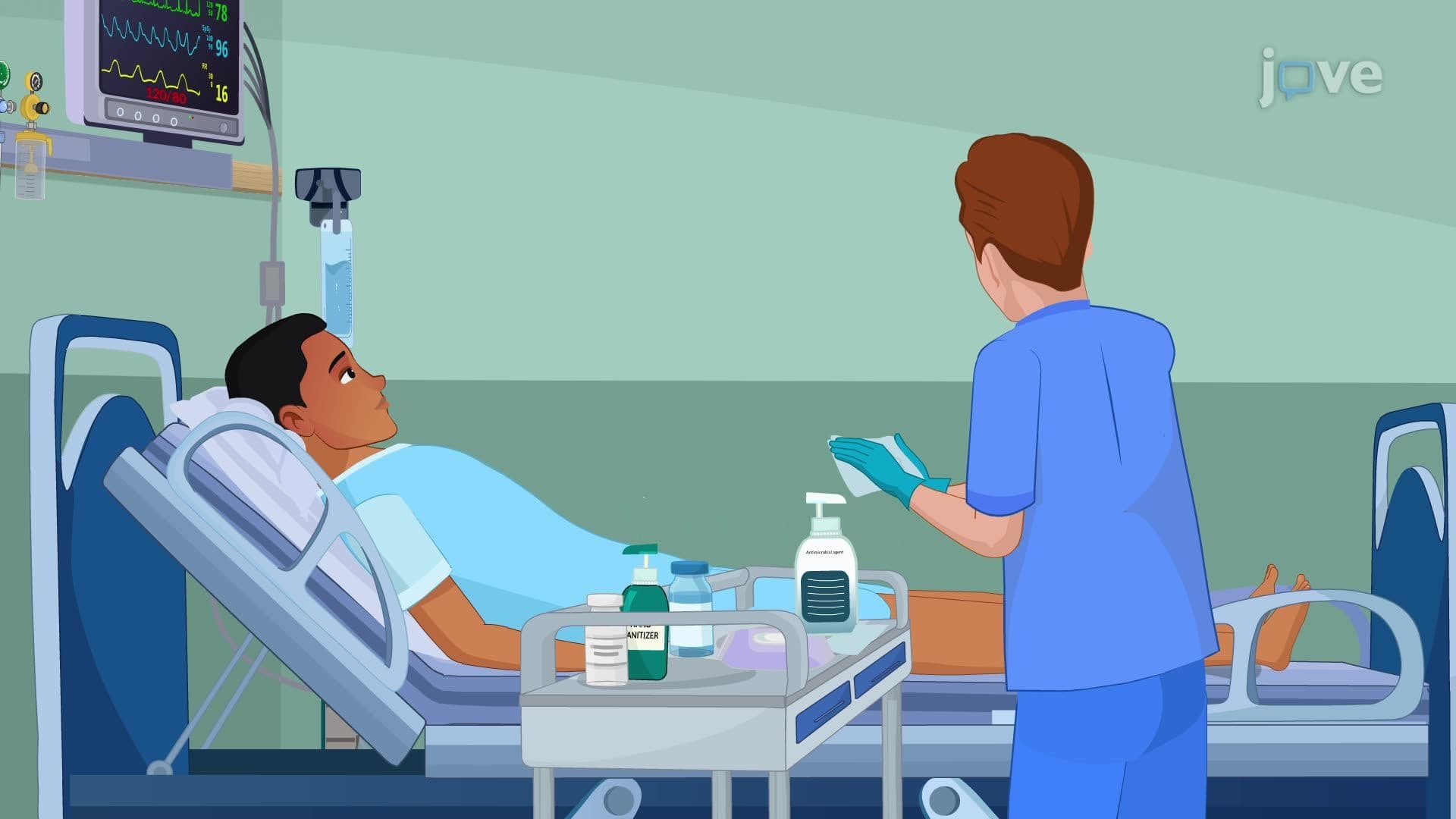

Video Summary: What Is Aneurysm Iv Nursing Management
Did you know that a ruptured abdominal aortic aneurysm has a mortality rate exceeding 80% if not treated immediately? Aneurysm IV nursing management encompasses the critical pre- and post-operative care protocols nurses implement when patients undergo endovascular aneurysm repair procedures. At major medical centers like Mayo Clinic, specialized vascular nurses follow evidence-based protocols to monitor vital signs, assess peripheral circulation, and prevent complications during these life-saving interventions. Understanding what is aneurysm IV nursing management is essential for nursing students preparing for clinical rotations in cardiovascular units. Watch the full video on JoVE Coach to master this concept with expert-led visuals and step-by-step explanations.
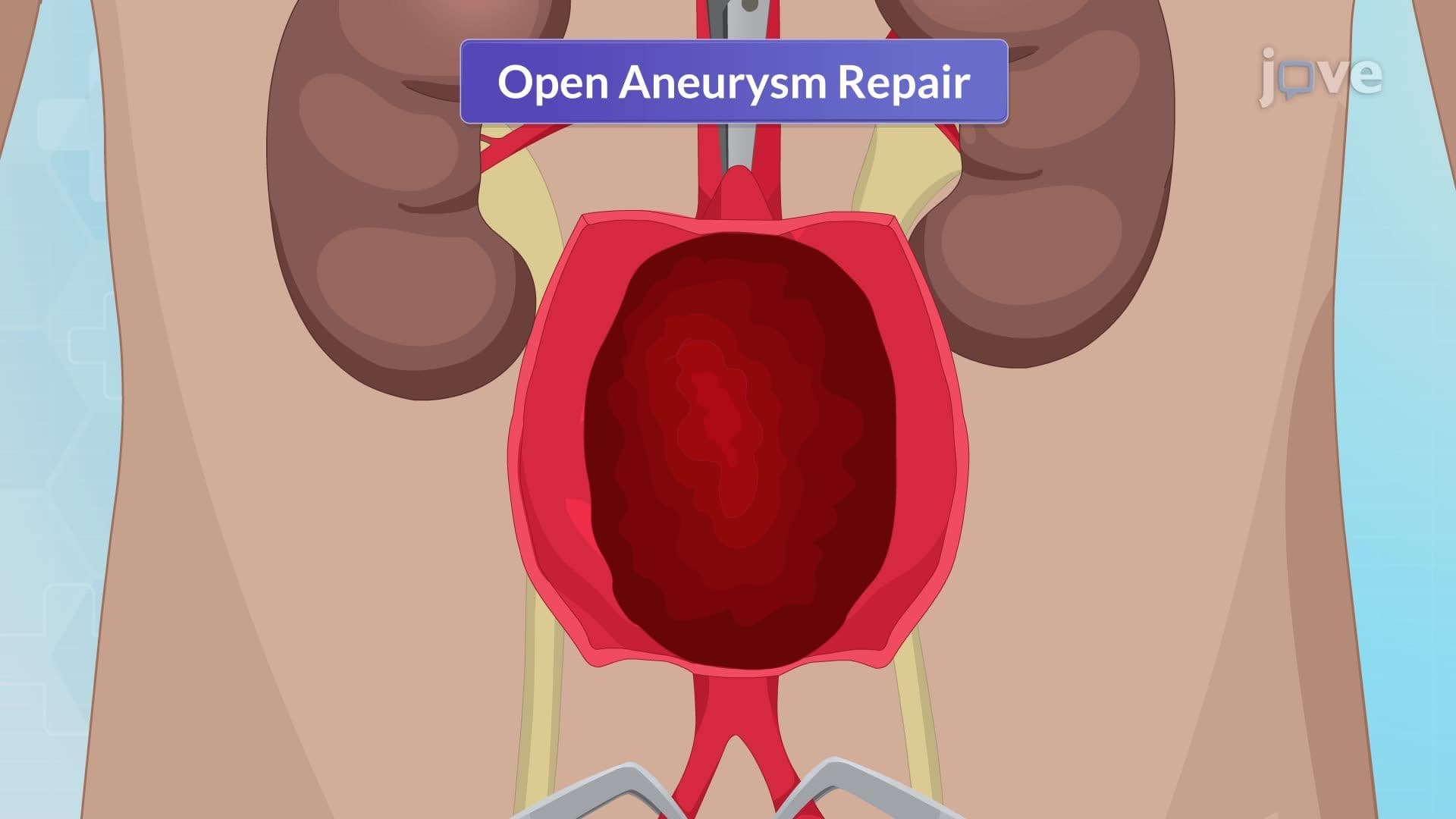
Aneurysm IV nursing management represents a specialized area of cardiovascular nursing that requires precision, vigilance, and expert clinical judgment. This comprehensive approach involves coordinated care before, during, and after endovascular aneurysm repair (EVAR) procedures. Unlike traditional open surgical repairs, endovascular approaches require nurses to understand unique complications and monitoring requirements specific to catheter-based interventions.
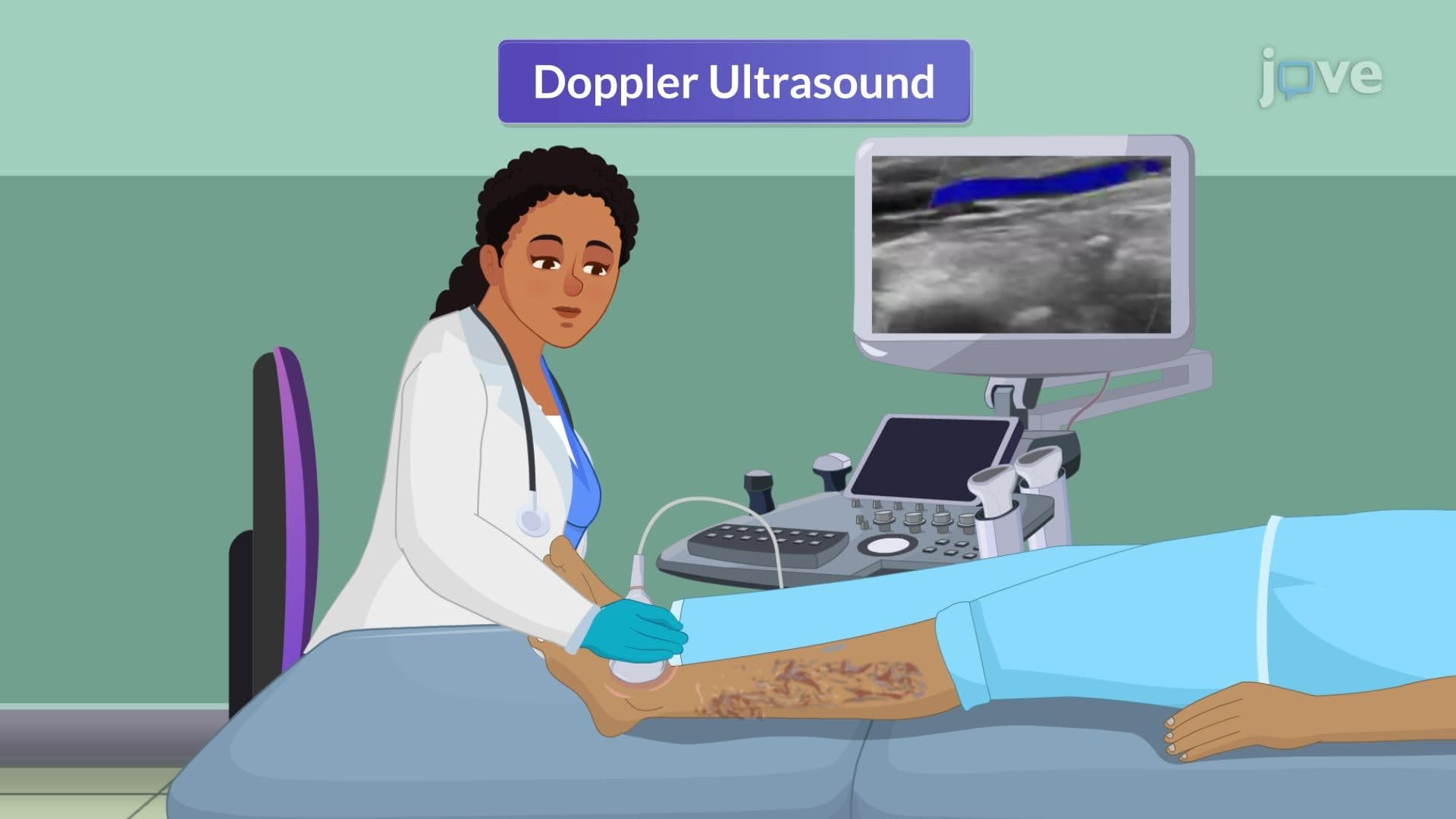
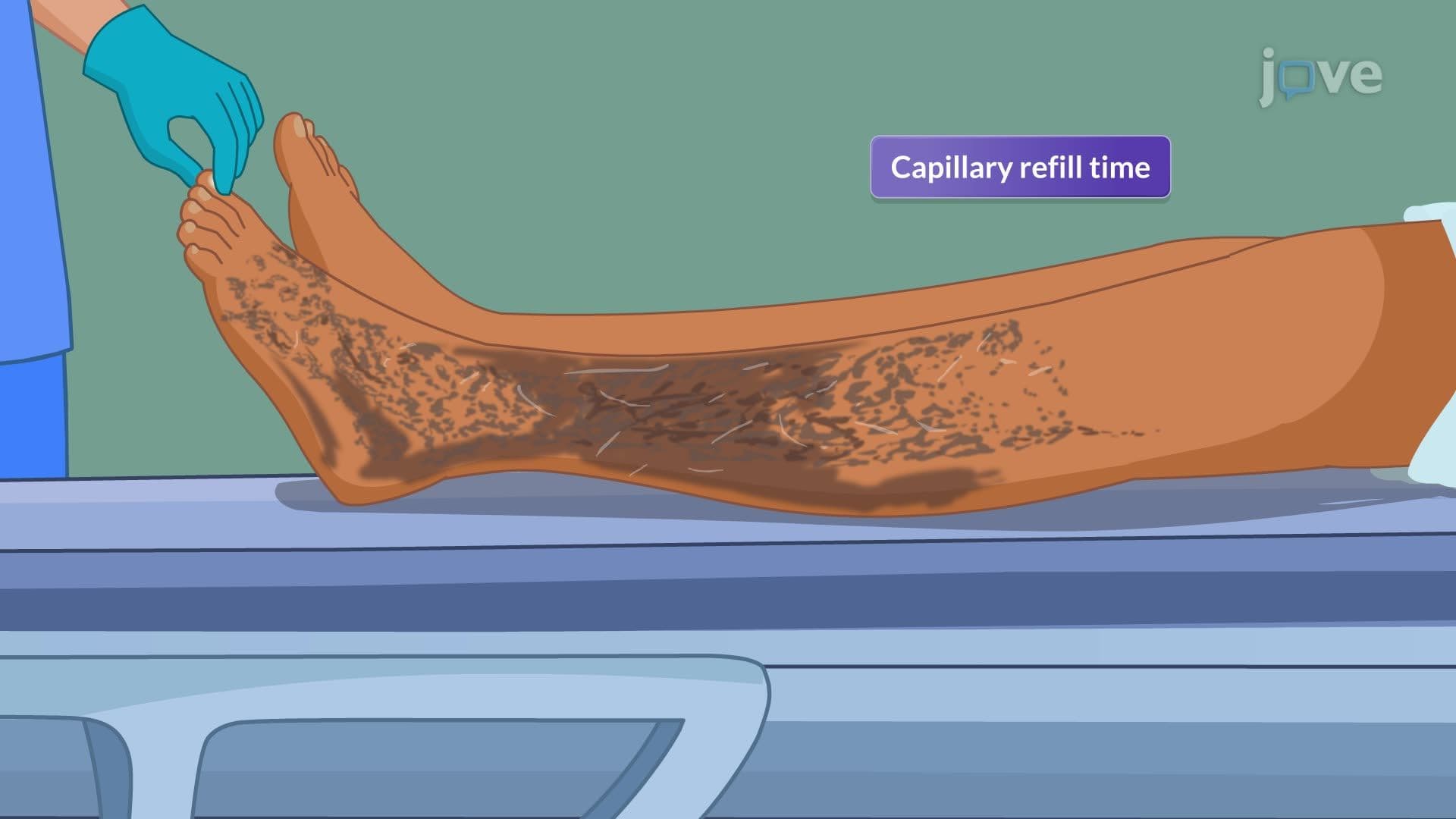
The nursing management process begins with thorough pre-operative assessment and preparation. Nurses must establish baseline measurements of peripheral pulses using both palpation and Doppler ultrasound techniques. This baseline becomes crucial for post-operative comparison, as any changes in pulse quality or amplitude may indicate complications such as arterial occlusion or embolization.
Pre-operative nursing care extends beyond routine surgical preparation to include aneurysm-specific interventions. Nurses implement strict dietary protocols, typically restricting patients to clear liquids 24 hours before surgery and maintaining NPO status after midnight. This preparation reduces the risk of aspiration and ensures optimal imaging quality during the procedure.
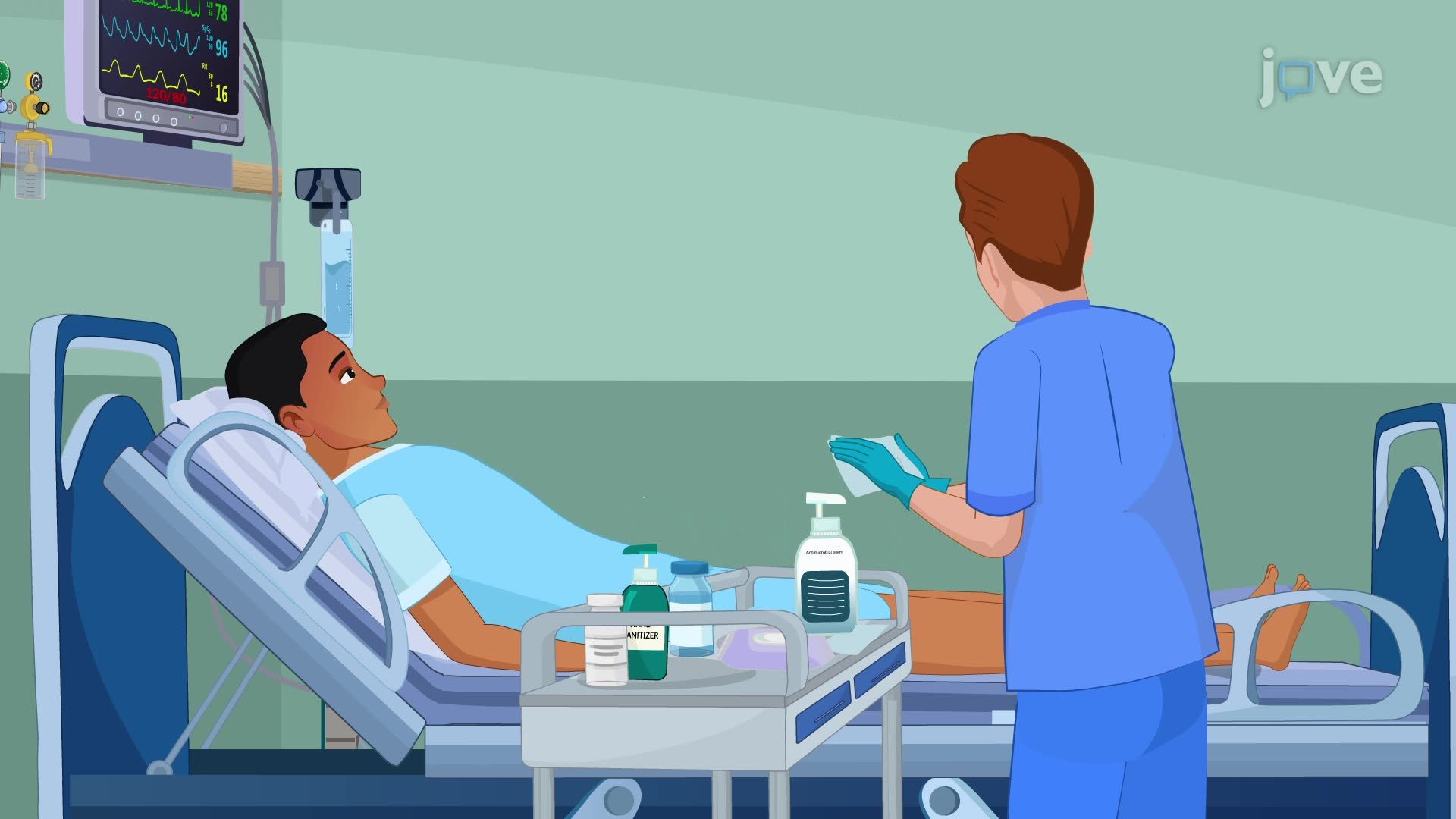
Bowel preparation through prescribed laxatives or enemas serves dual purposes: it enhances visualization during fluoroscopic imaging and reduces post-operative complications. Antimicrobial skin cleansing protocols follow evidence-based guidelines to minimize surgical site infections, particularly important given the proximity to major blood vessels.
Post-operative aneurysm IV nursing management focuses intensively on preventing arterial access site complications. The mandatory supine positioning for six hours post-procedure isn't arbitrary-it applies direct pressure to the femoral puncture site, reducing bleeding risk and promoting proper hemostasis.
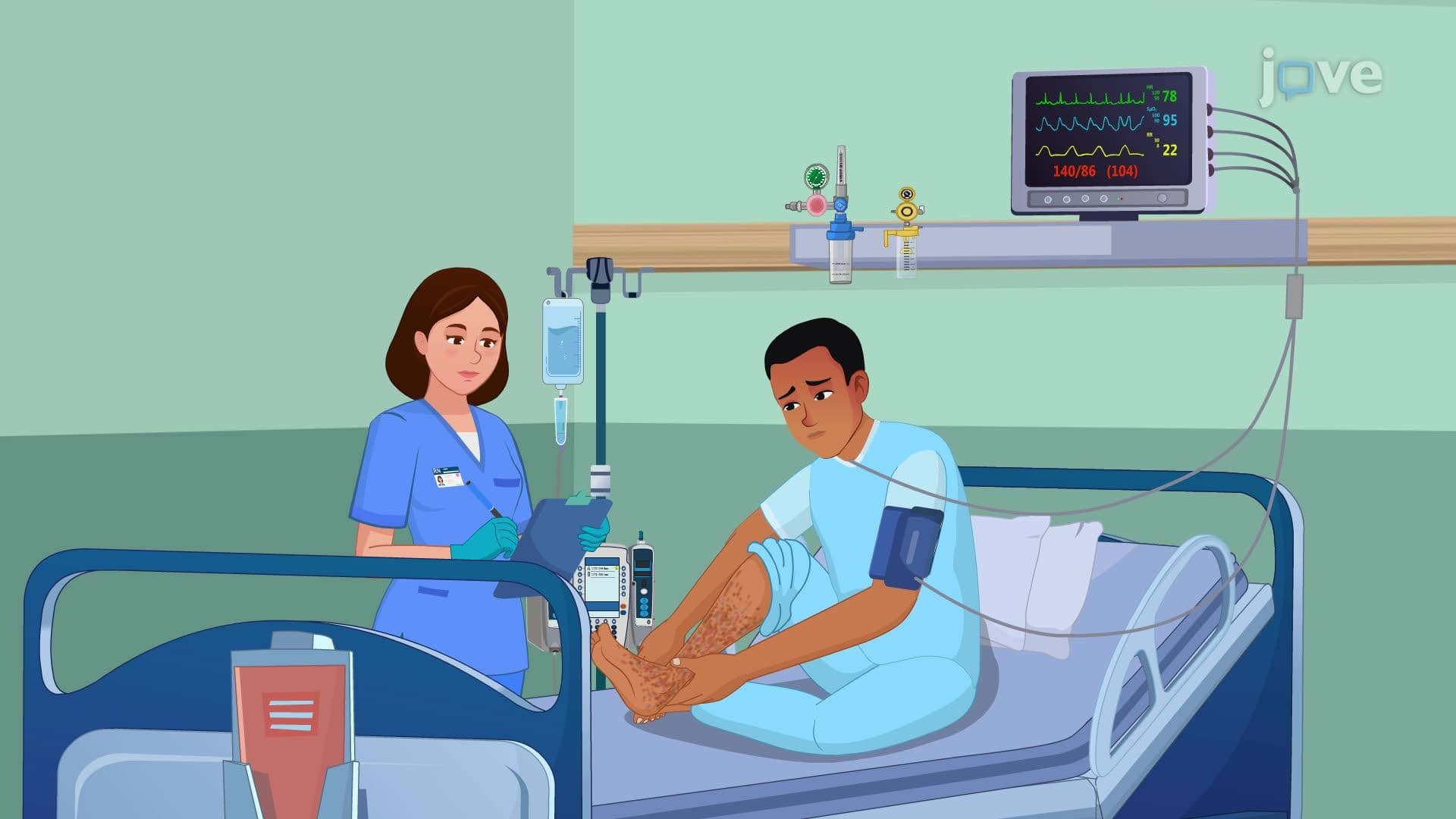
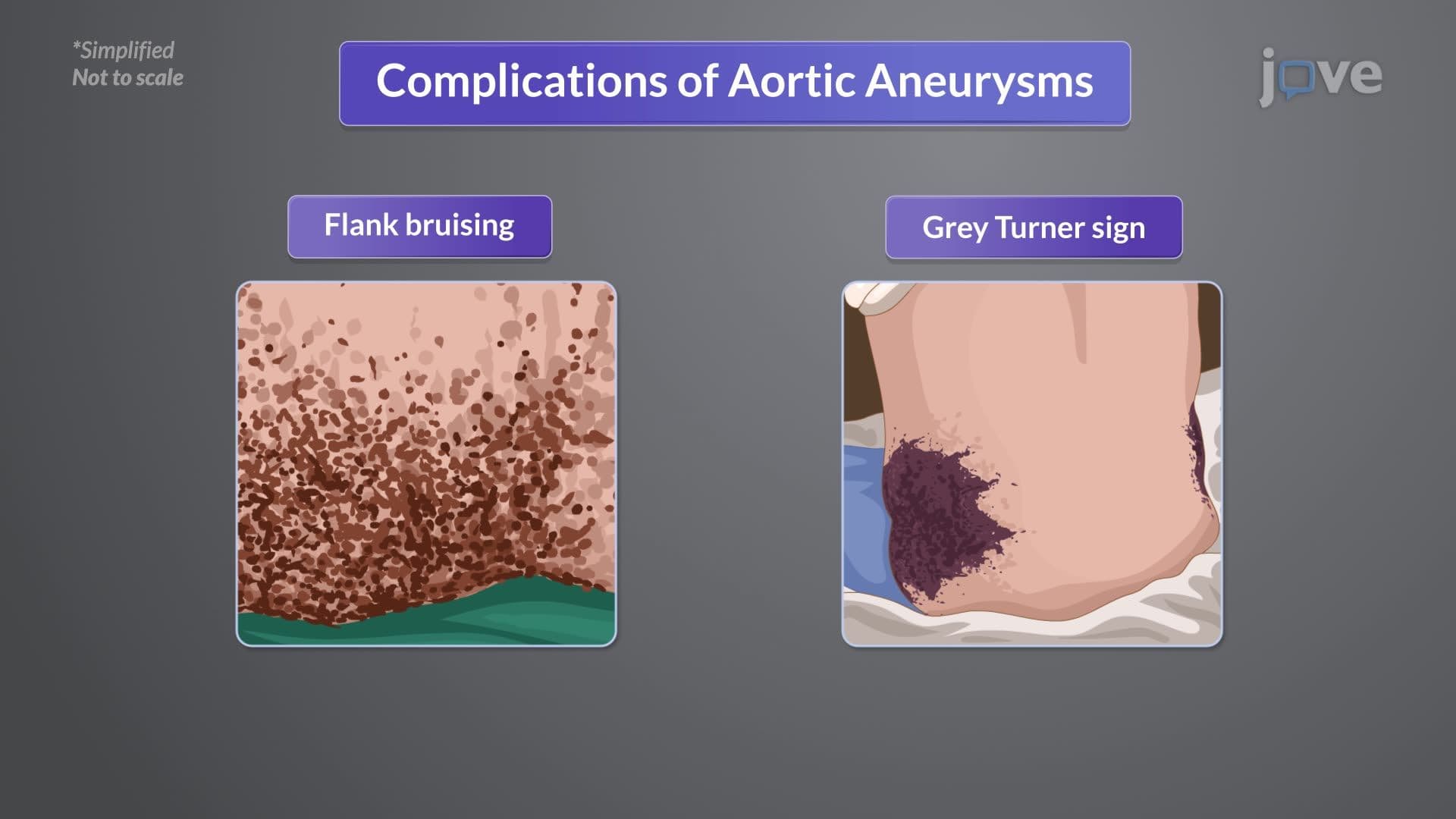
Nurses perform systematic assessments every 15 minutes during the critical initial hours, monitoring for signs of retroperitoneal bleeding, arterial occlusion, or pseudoaneurysm formation. These complications can be life-threatening if not detected early. For students preparing for NCLEX-RN or nursing school exams, understanding the rationale behind these frequent assessments demonstrates critical thinking skills highly valued in clinical practice.
In major cardiovascular centers across the United States, such as Cleveland Clinic and Johns Hopkins, specialized vascular nurses undergo extensive training in aneurysm management protocols. This expertise proves invaluable for nursing students considering specialization in cardiovascular nursing or preparing for advanced certifications like the Cardiovascular Nursing Certification (RN-BC).
Understanding these protocols also benefits pre-med students taking courses like Anatomy & Physiology or Pathophysiology, as aneurysm management integrates multiple body systems and demonstrates the practical application of cardiovascular physiology principles commonly tested on the MCAT.
Related Micro-courses