Loading subject page…

3,563 views

Video Summary: What Is Atherosclerosis I Introduction
Did you know that atherosclerosis i introduction concepts explain why heart disease remains the leading cause of death in America, claiming over 650,000 lives annually? What is atherosclerosis i introduction reveals how this progressive arterial disease begins with seemingly harmless cholesterol deposits that transform into dangerous plaques. Consider how conditions like those seen in patients at the Mayo Clinic demonstrate atherosclerosis i introduction principles through real cases of coronary artery narrowing. Watch the full video on JoVE Coach to master this concept with expert-led visuals and step-by-step explanations.
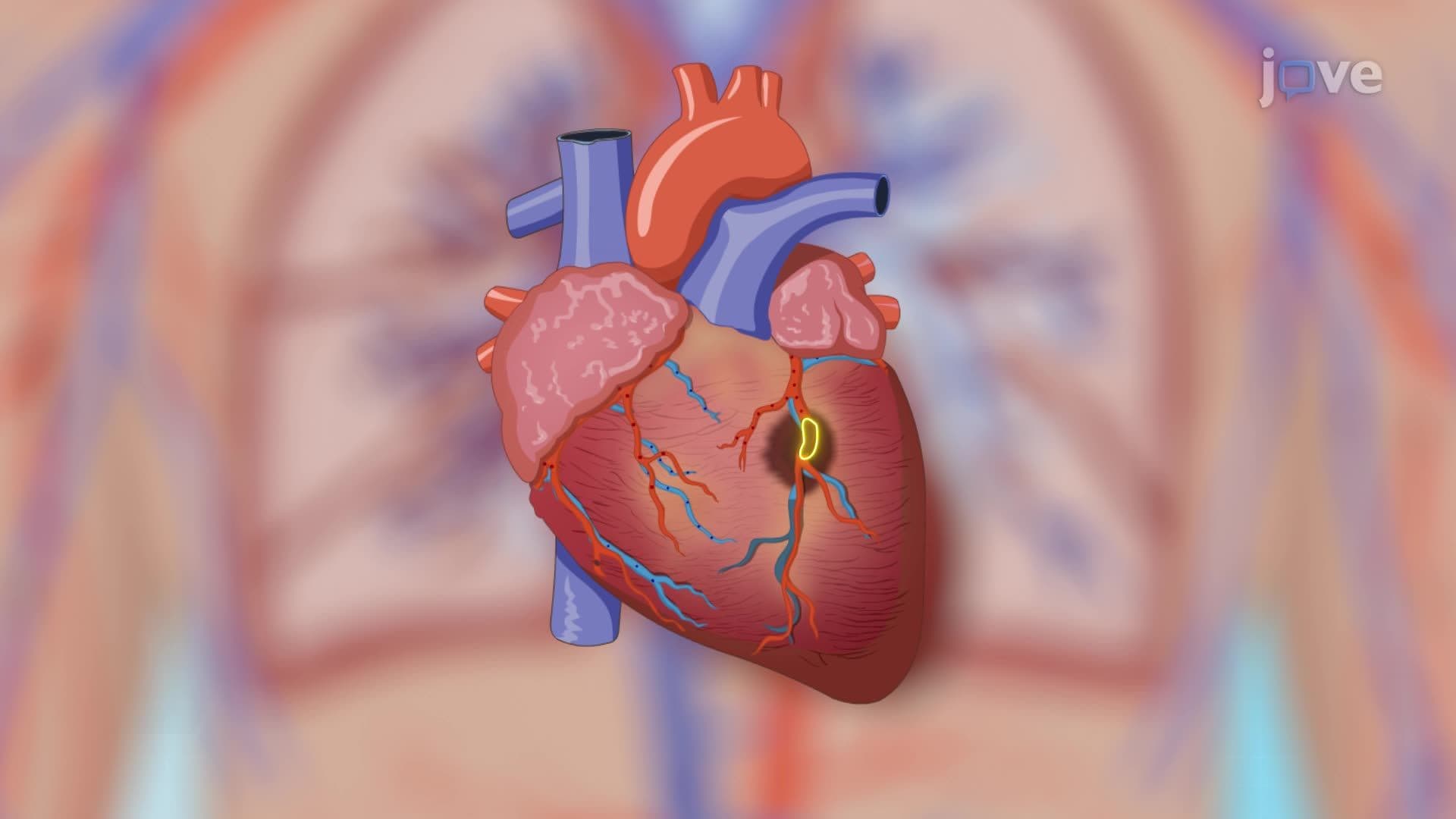
Atherosclerosis represents one of the most significant health challenges in modern medicine, particularly in the United States where cardiovascular disease affects over 655,000 Americans annually. The atherosclerosis i introduction definition encompasses a complex pathophysiological process where arterial walls gradually thicken and harden due to plaque accumulation. This progressive disorder primarily affects large and medium-sized arteries, including the coronary arteries supplying the heart, carotid arteries feeding the brain, and peripheral vessels throughout the body.
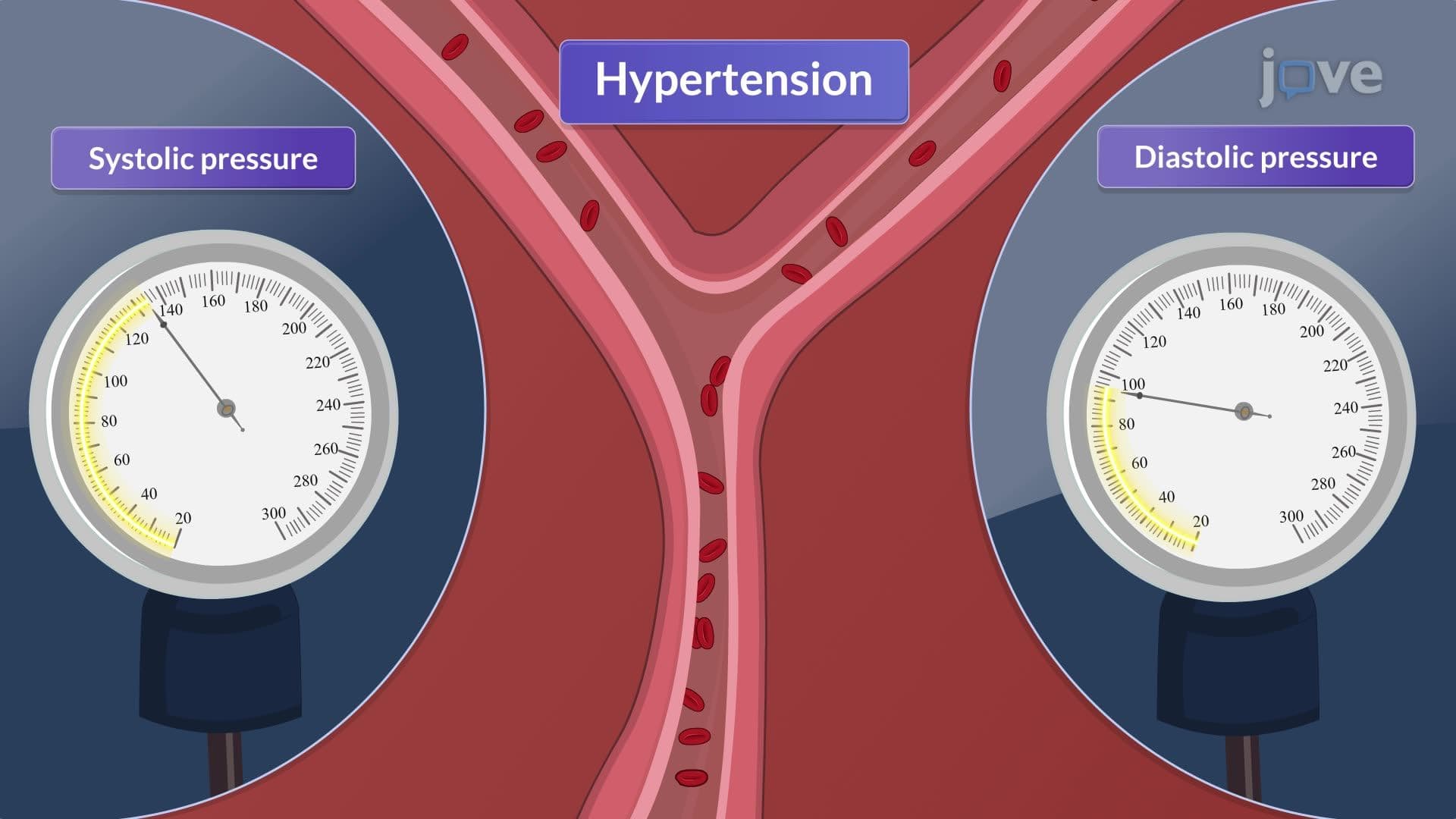
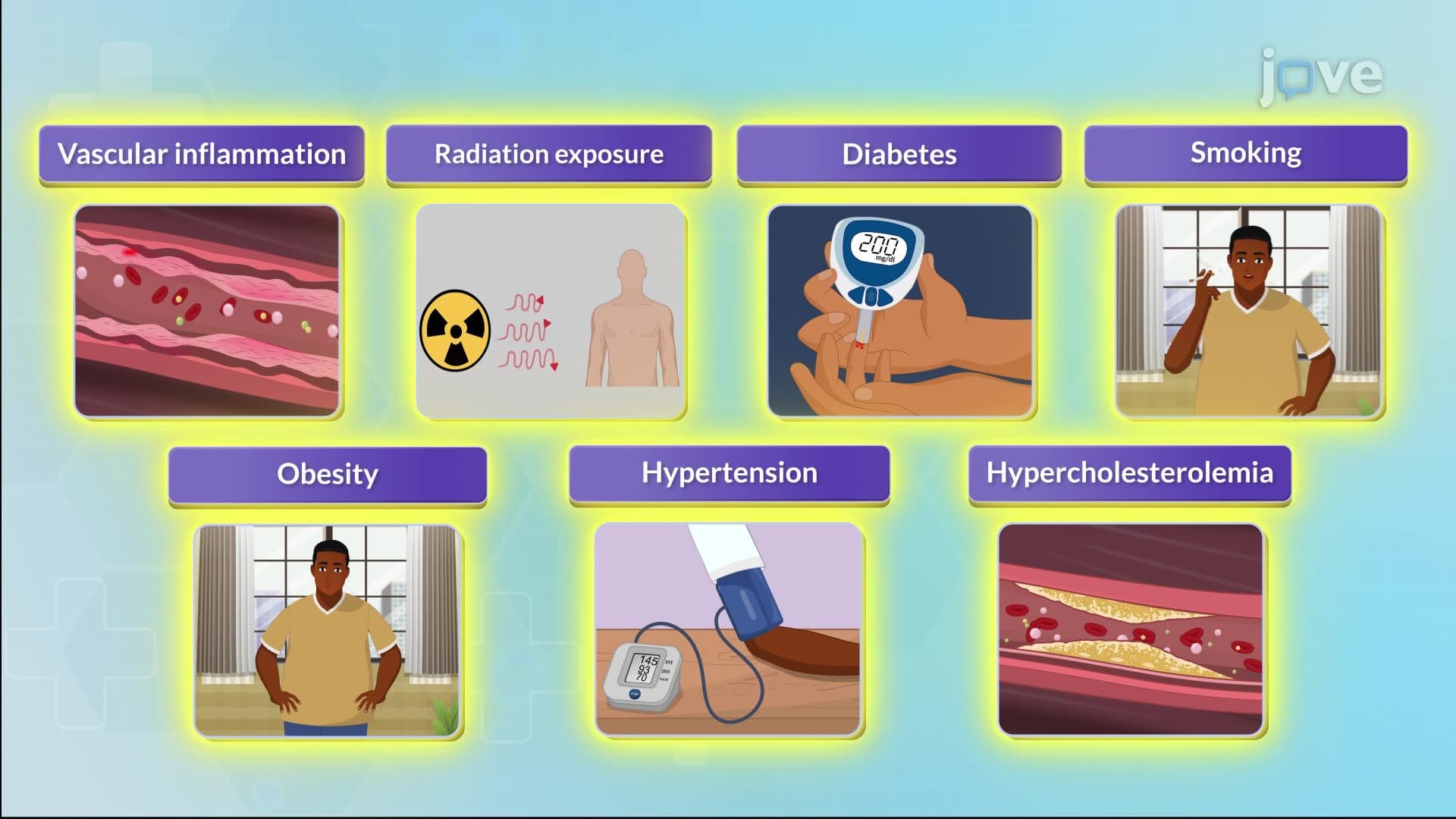
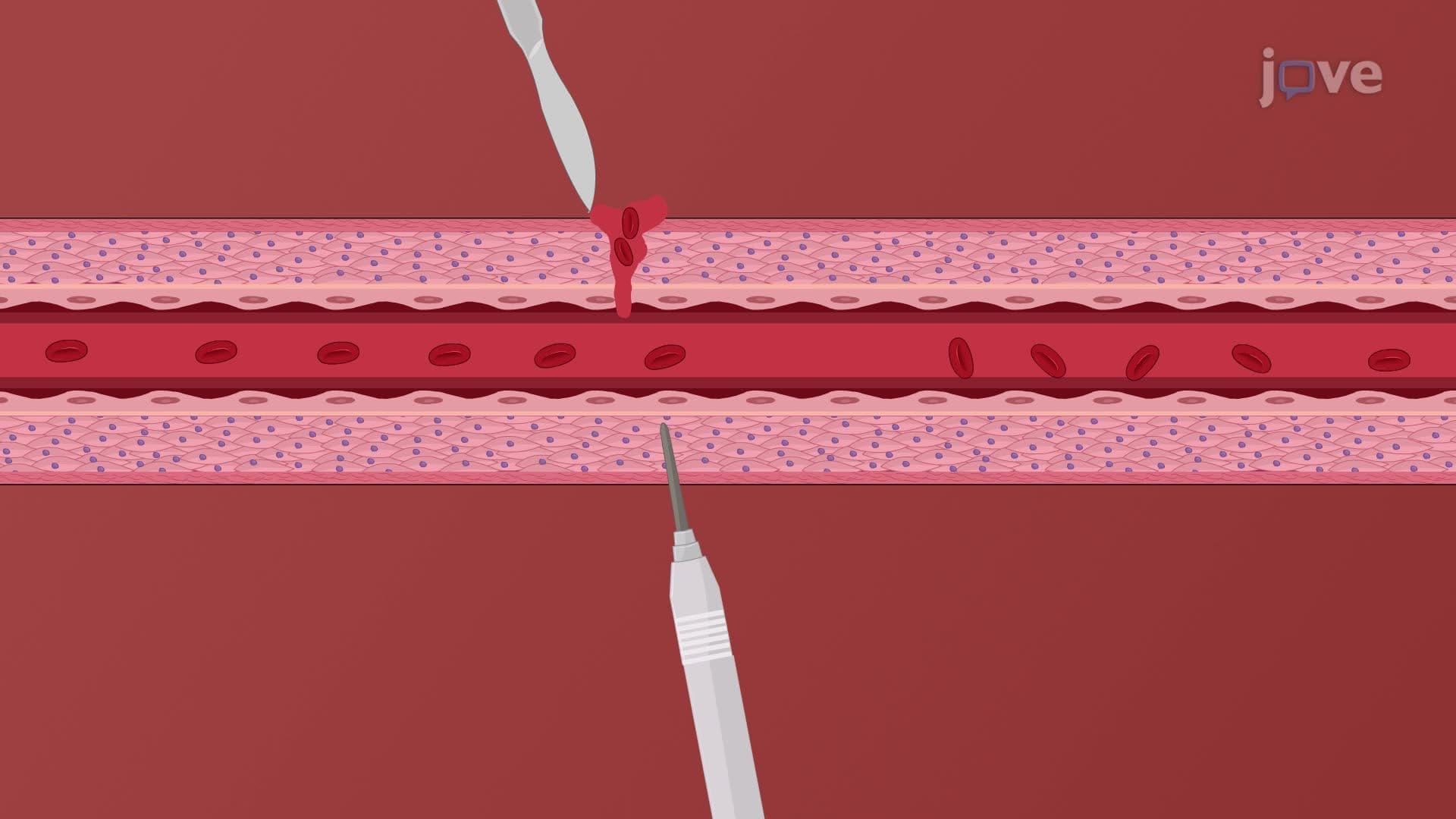
What is atherosclerosis i introduction in detail begins with understanding endothelial dysfunction. The endothelium, a single-cell layer lining arterial walls, normally maintains vascular health through nitric oxide production and anti-inflammatory mechanisms. However, risk factors like hypertension (affecting 47% of US adults), smoking, and elevated LDL cholesterol levels compromise this protective barrier. When LDL particles infiltrate damaged endothelium, they undergo oxidative modification, becoming highly inflammatory and triggering the immune system response that characterizes atherosclerosis i introduction basics.
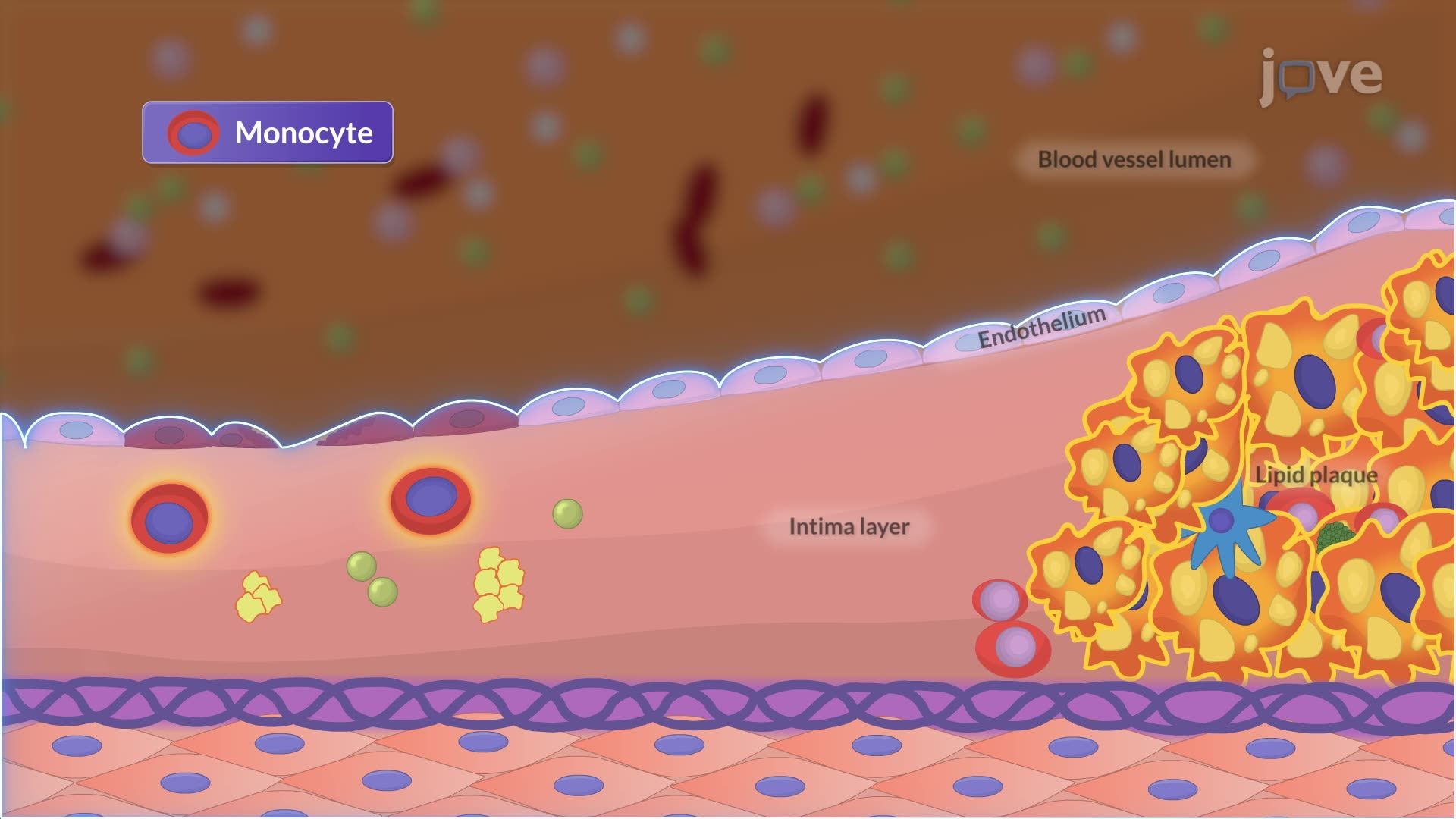
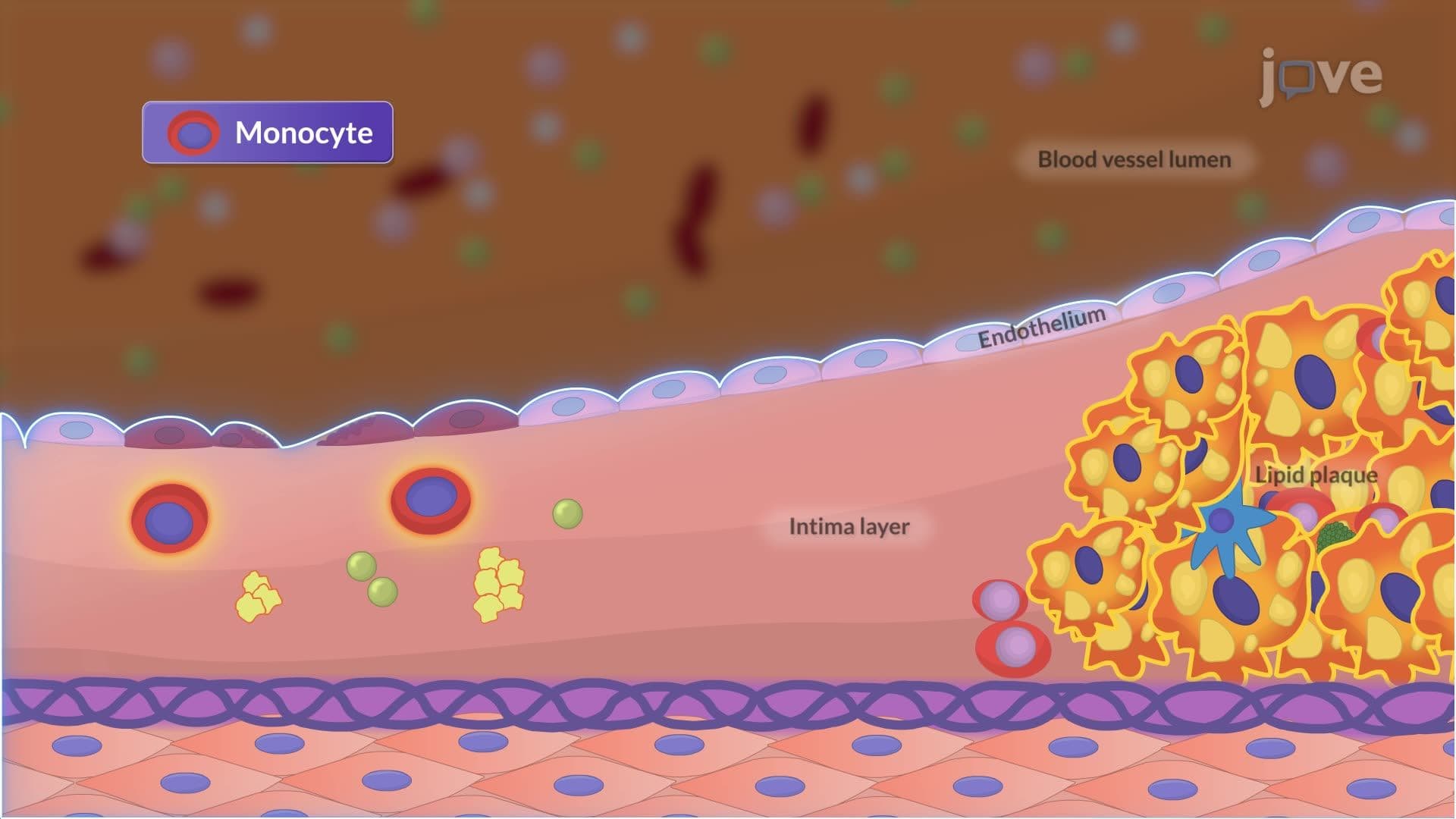
Students preparing for the MCAT or AP Biology exams should recognize that monocyte recruitment represents a critical early step. These circulating white blood cells migrate into arterial walls, differentiate into macrophages, and attempt to clear oxidized LDL through phagocytosis. However, excessive LDL uptake transforms these macrophages into foam cells-lipid-laden cells that cannot efficiently process their cholesterol burden. The atherosclerosis i introduction concept emphasizes how these foam cells aggregate into fatty streaks, the earliest visible signs of atherosclerotic disease.
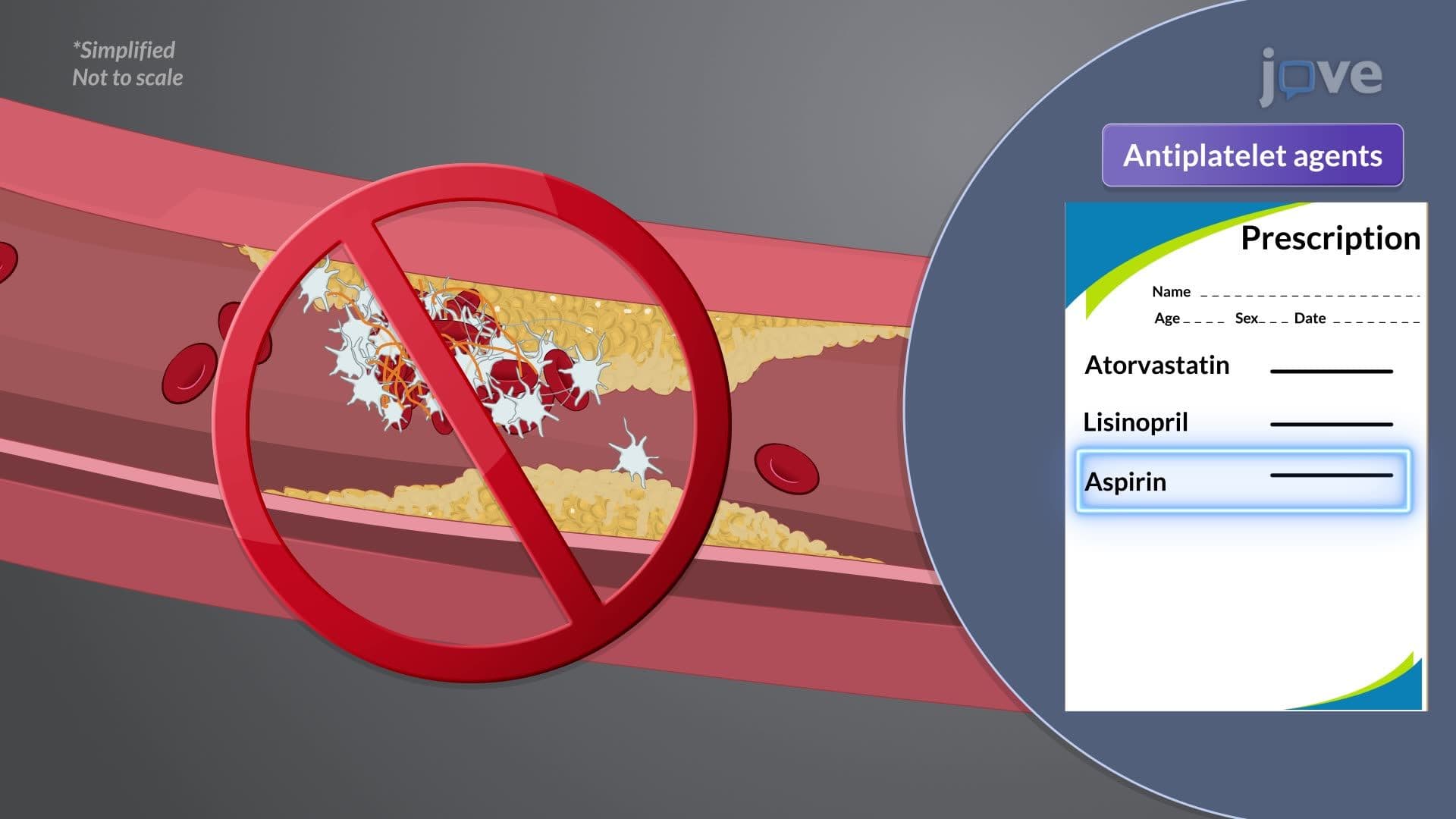
The atherosclerosis i introduction study guide framework reveals how fatty streaks evolve into complex plaques containing cholesterol crystals, cellular debris, calcium deposits, and a protective fibrous cap. This cap, composed primarily of smooth muscle cells and collagen, determines plaque stability. Stable plaques with thick fibrous caps may cause gradual arterial stenosis, leading to conditions like stable angina. Conversely, unstable plaques feature thin, vulnerable caps prone to rupture, potentially triggering acute coronary syndrome or stroke-medical emergencies treated daily in US hospitals like Cleveland Clinic and Johns Hopkins.
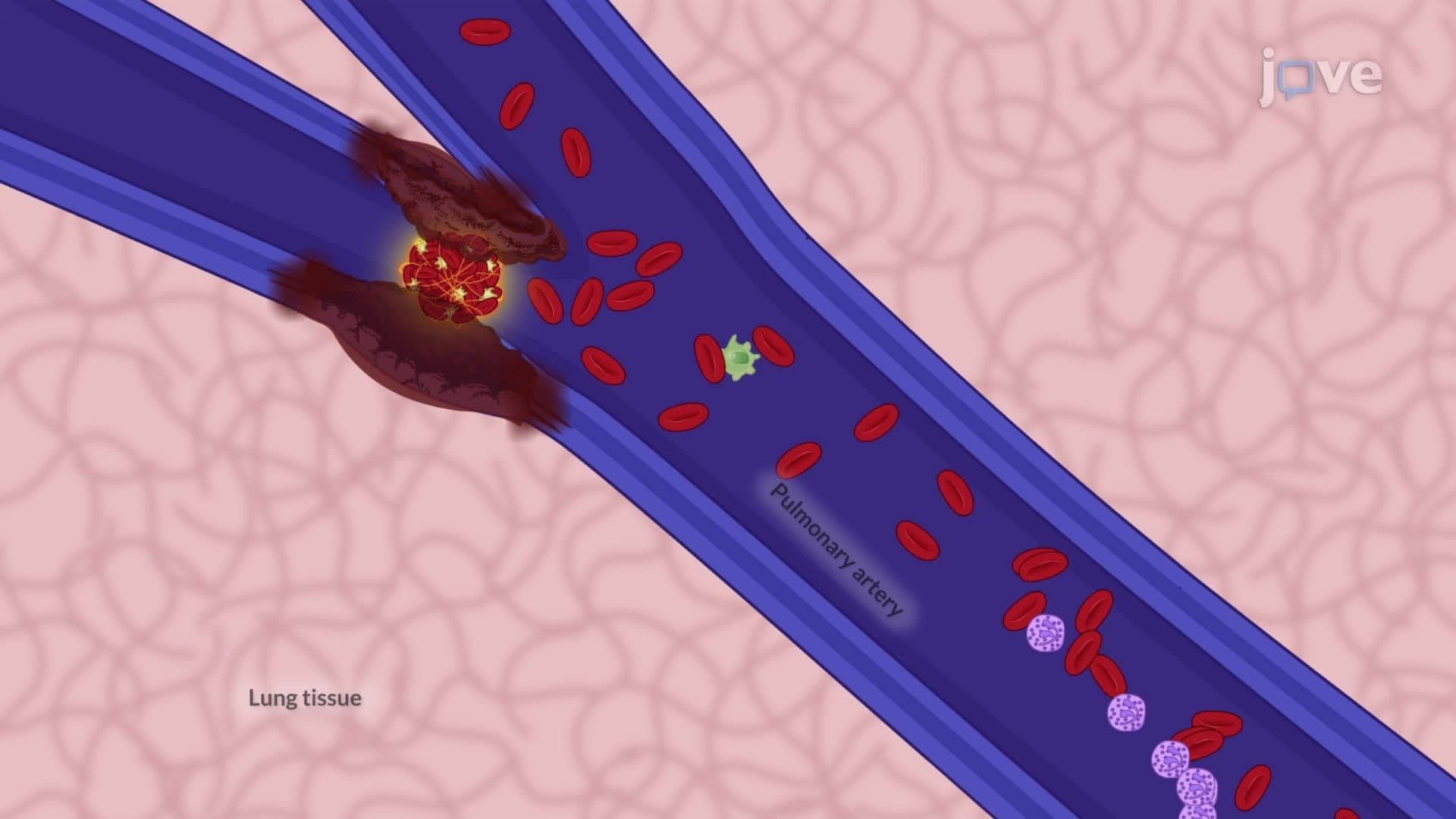
Understanding atherosclerosis i introduction overview helps students grasp why this disease process underlies multiple clinical conditions. College anatomy and physiology courses emphasize how stenosis-arterial narrowing exceeding 70%-significantly impairs blood flow, while plaque rupture can cause complete vessel occlusion through thrombosis formation.
Related Micro-courses