Loading subject page…

3,563 views

Video Summary: What Is Atherosclerosis Iii Management
Did you know that heart disease remains the leading cause of death in the United States, claiming over 695,000 lives annually? Atherosclerosis III management represents the comprehensive approach to treating advanced arterial plaque buildup through targeted medications, surgical procedures, and lifestyle interventions. For instance, patients at Mayo Clinic receive personalized treatment plans combining statin therapy with procedures like angioplasty to restore blood flow. Watch the full video on JoVE Coach to master this concept with expert-led visuals and step-by-step explanations.
Atherosclerosis III management encompasses the advanced treatment strategies required when arterial plaque buildup has progressed to significant vessel narrowing or occlusion. This comprehensive approach addresses the complex pathophysiology of atherosclerosis through multiple therapeutic modalities, recognizing that no single intervention alone can effectively manage this multisystem disease.
The medication regimen for atherosclerosis III management targets three critical pathways. Statins, particularly atorvastatin (Lipitor), represent the cornerstone of lipid management by inhibiting HMG-CoA reductase, the rate-limiting enzyme in hepatic cholesterol synthesis. Clinical trials like the landmark PROVE-IT study demonstrated that intensive statin therapy reduces cardiovascular events by up to 35% in high-risk patients.
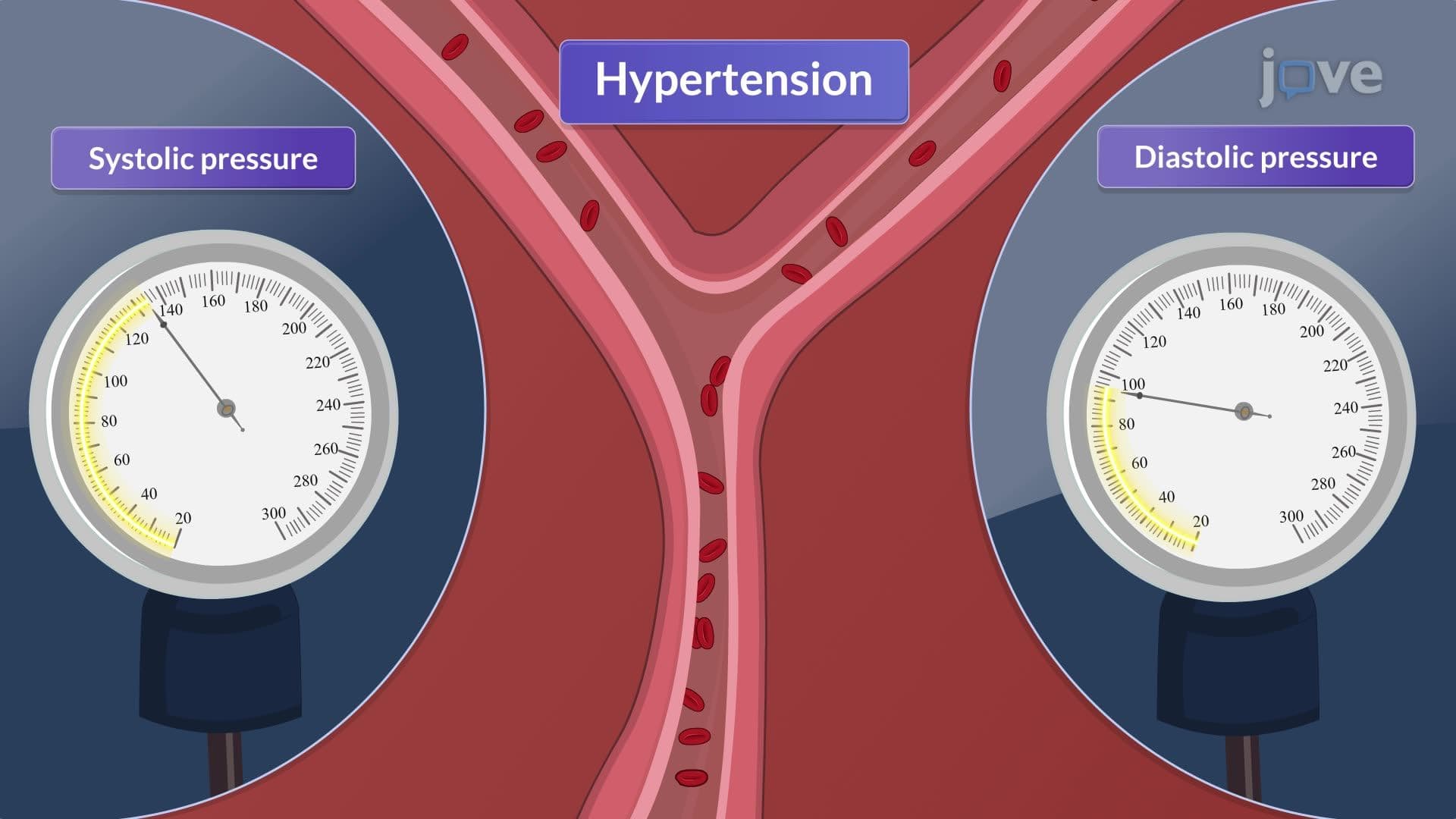
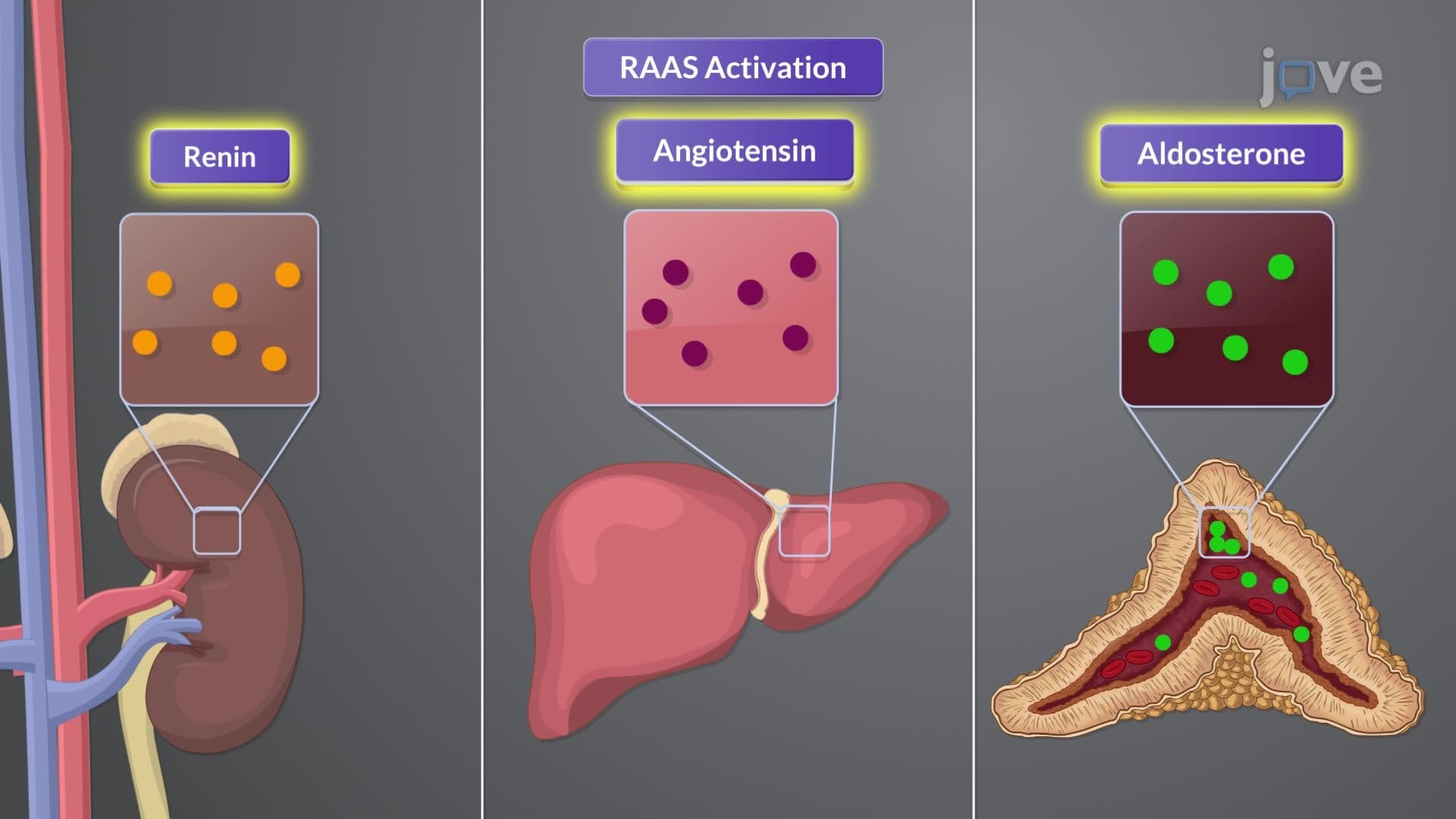
ACE inhibitors such as lisinopril (Prinivil, Zestril) provide dual benefits by reducing blood pressure and offering cardioprotective effects beyond their antihypertensive properties. These medications block the conversion of angiotensin I to angiotensin II, resulting in vasodilation and reduced cardiac workload. The HOPE trial showed that ACE inhibitors reduce major cardiovascular events by 22% in high-risk patients, even those without heart failure.
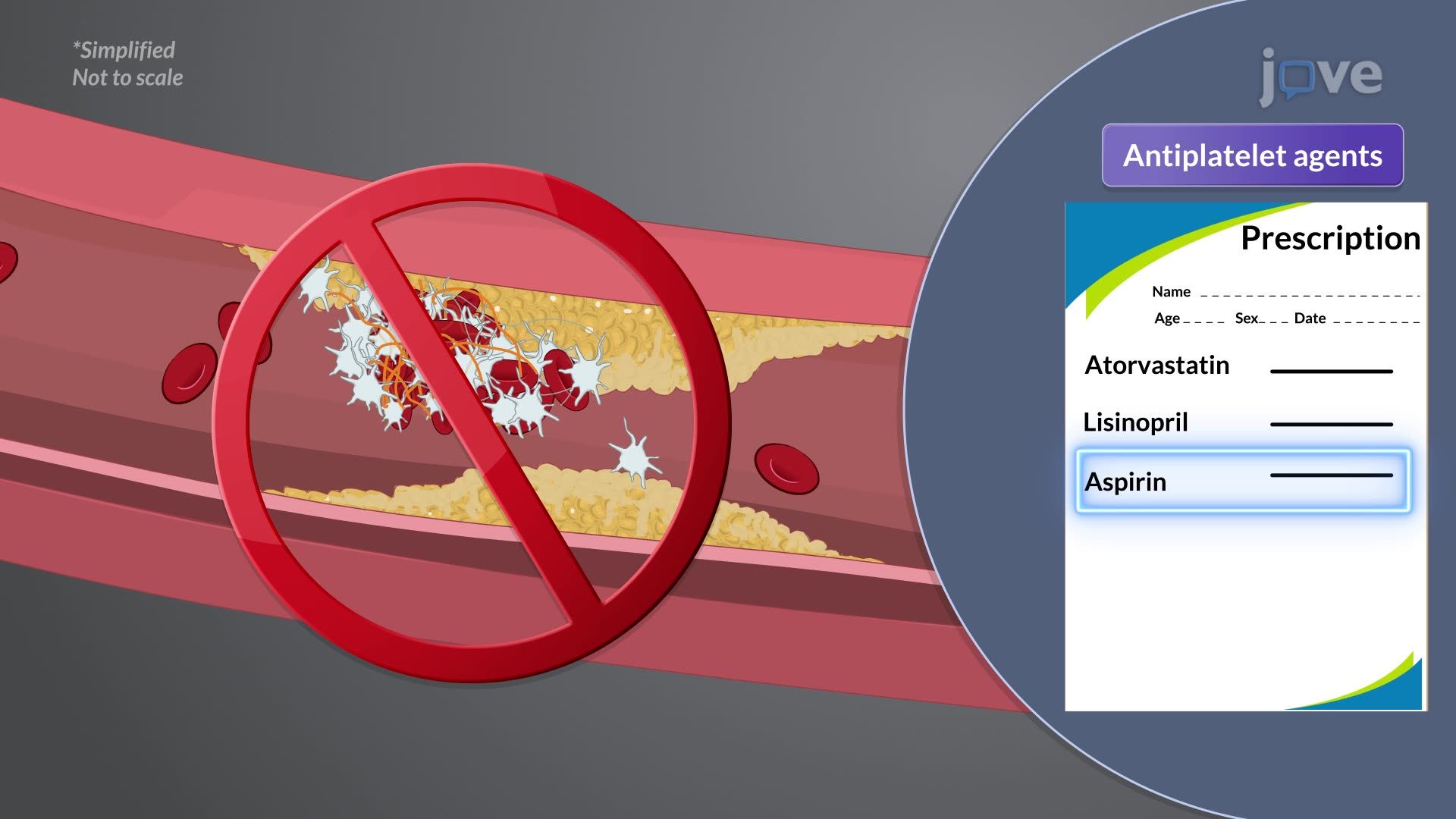
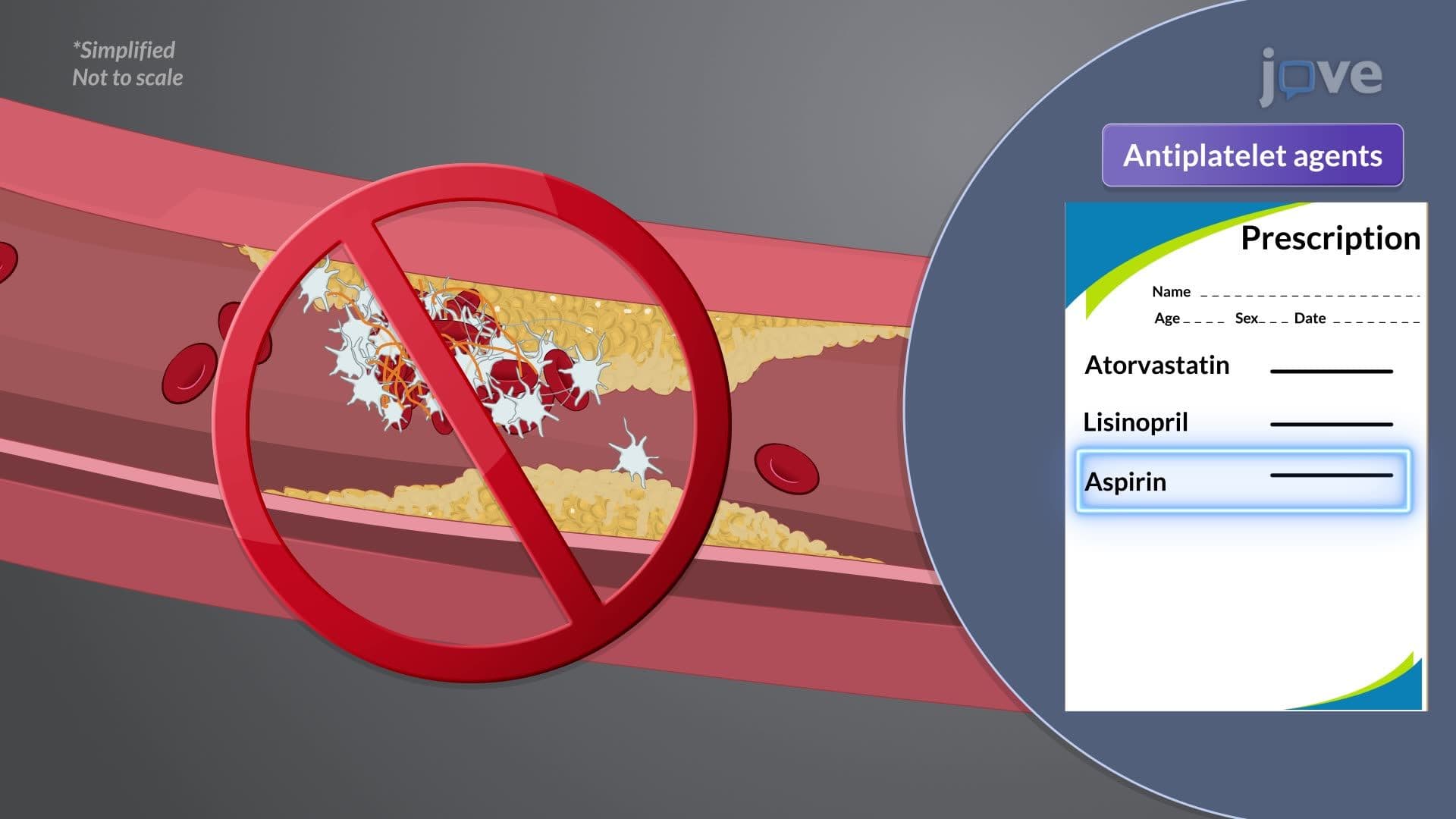
Antiplatelet therapy, typically low-dose aspirin (81mg daily), prevents thrombotic complications by irreversibly inhibiting cyclooxygenase-1 in platelets, reducing thromboxane A2 production and platelet aggregation for the platelet's 7-10 day lifespan.
When medical management proves insufficient, mechanical interventions become necessary. Percutaneous transluminal angioplasty (PTA) involves threading a balloon-tipped catheter through the arterial system to the site of stenosis. The balloon inflation compresses atherosclerotic plaque against the vessel wall, immediately improving luminal diameter. Drug-eluting stents are then deployed to maintain vessel patency and reduce restenosis rates from 30-40% to less than 10%.
Endarterectomy, particularly carotid endarterectomy for stroke prevention, involves surgical plaque removal through direct arterial access. The North American Symptomatic Carotid Endarterectomy Trial (NASCET) established that this procedure reduces stroke risk by 65% in patients with severe carotid stenosis.
The lifestyle component of atherosclerosis III management follows American Heart Association guidelines, recommending 150 minutes of moderate-intensity exercise (like brisk walking at 3-4 mph) or 75 minutes of vigorous activity (jogging at 6+ mph) weekly. These recommendations stem from studies showing that regular exercise improves endothelial function, reduces systemic inflammation, and can lower systolic blood pressure by 5-10 mmHg.
Dietary interventions emphasize the Mediterranean diet pattern, proven in the PREDIMED study to reduce cardiovascular events by 30%. This approach limits saturated fats to less than 7% of total calories while emphasizing omega-3 fatty acids from sources like salmon and walnuts, which have anti-inflammatory properties and improve lipid profiles.
Students preparing for AP Biology or college physiology courses should understand how these interventions target different aspects of atherosclerotic pathophysiology, from lipid metabolism to inflammatory cascades, demonstrating the integrated nature of cardiovascular disease management.
Related Micro-courses