Loading subject page…

3,563 views
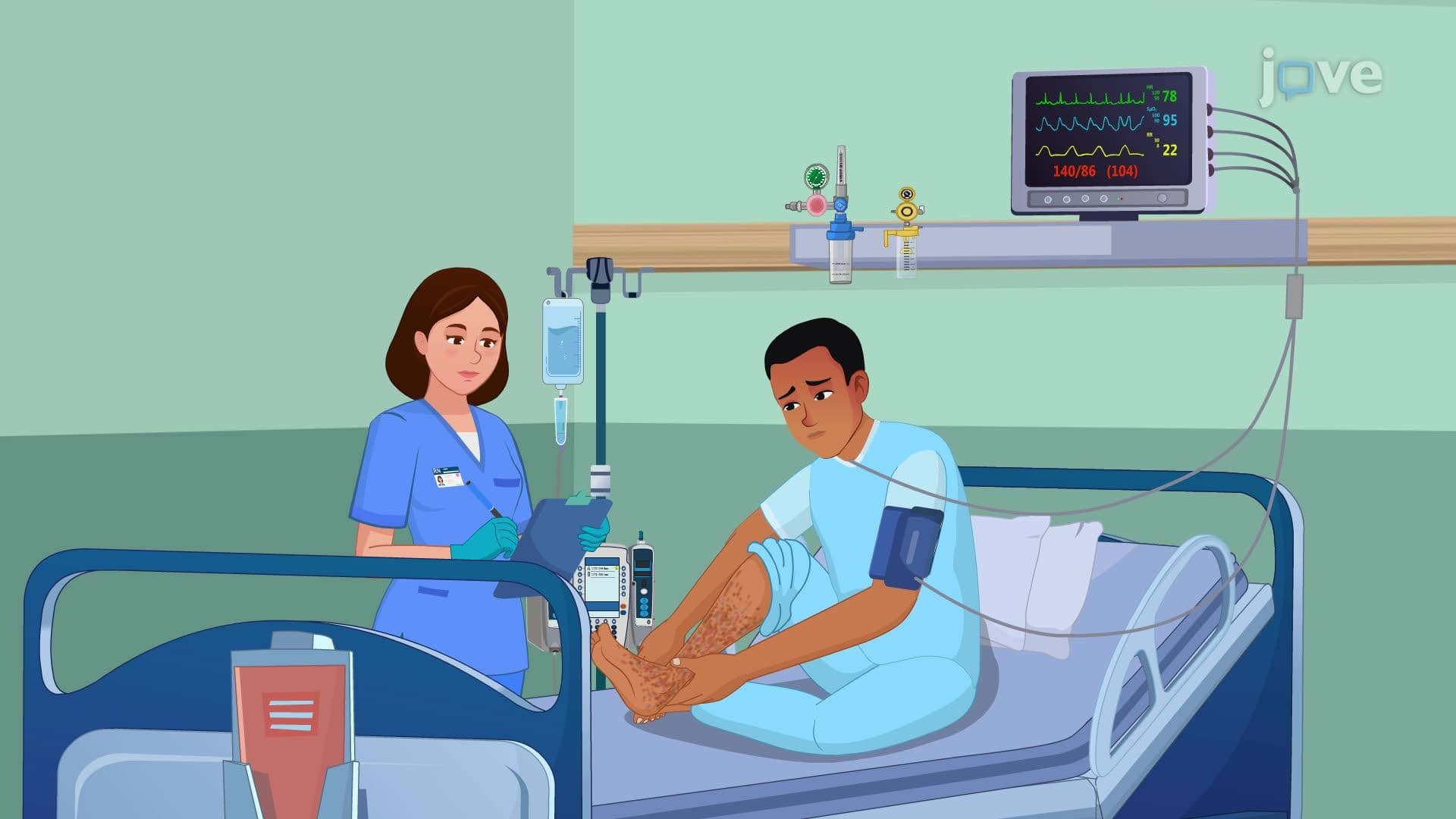

Video Summary: What Is Atherosclerosis Iv Nursing Management
Did you know that cardiovascular disease affects over 655,000 Americans annually, making atherosclerosis IV nursing management a critical healthcare skill? This specialized nursing approach focuses on comprehensive patient assessment, therapeutic interventions, and collaborative care strategies to manage arterial plaque buildup and its complications. For instance, nurses at Cleveland Clinic implement these protocols daily when treating patients with peripheral artery disease, combining position therapy with medication adherence education. Watch the full video on JoVE Coach to master this concept with expert-led visuals and step-by-step explanations.
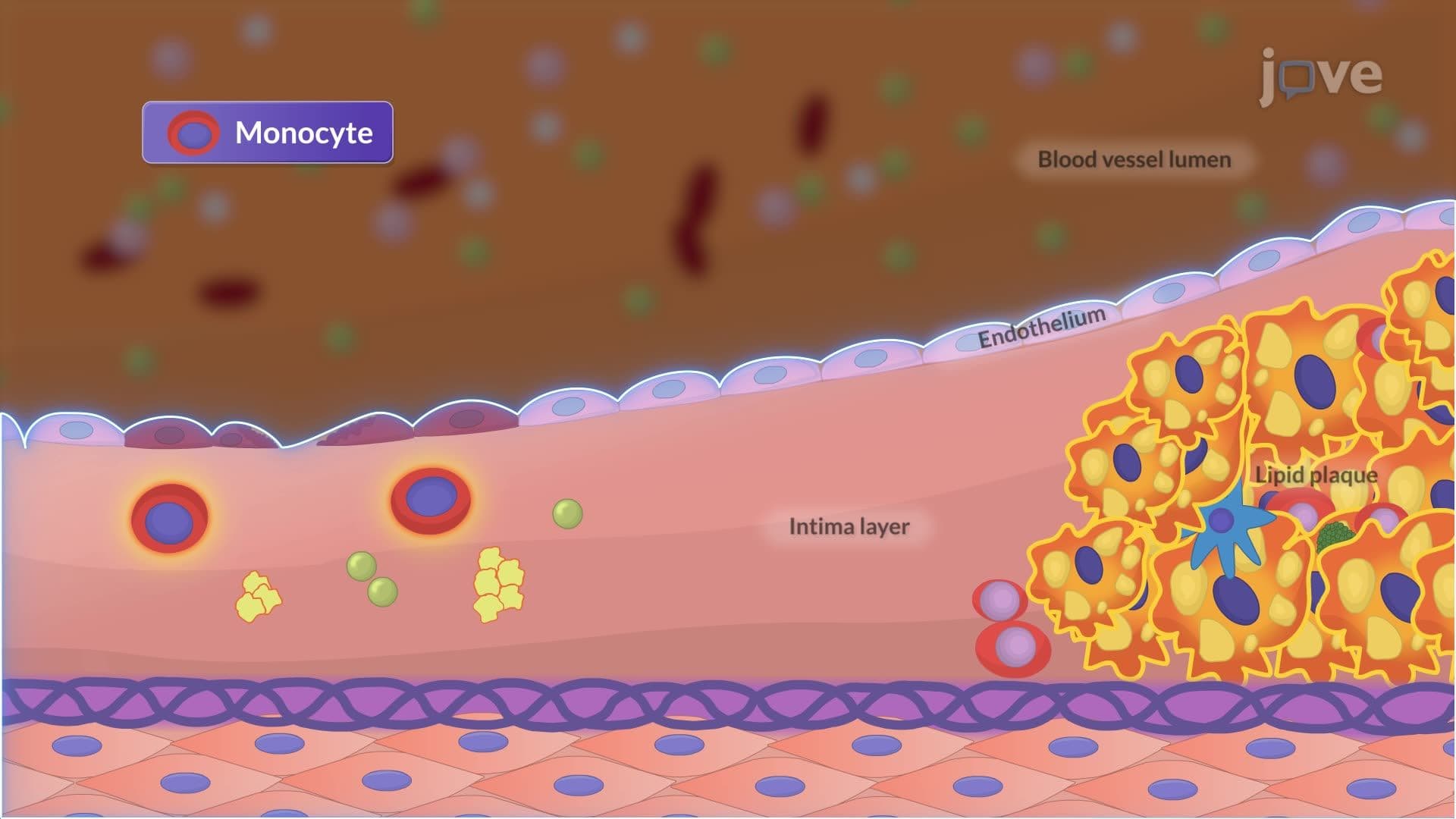
Atherosclerosis IV nursing management represents a comprehensive, evidence-based approach to caring for patients with arterial plaque accumulation and related cardiovascular complications. This specialized nursing practice integrates systematic assessment, targeted interventions, and collaborative care coordination to optimize patient outcomes and prevent disease progression.
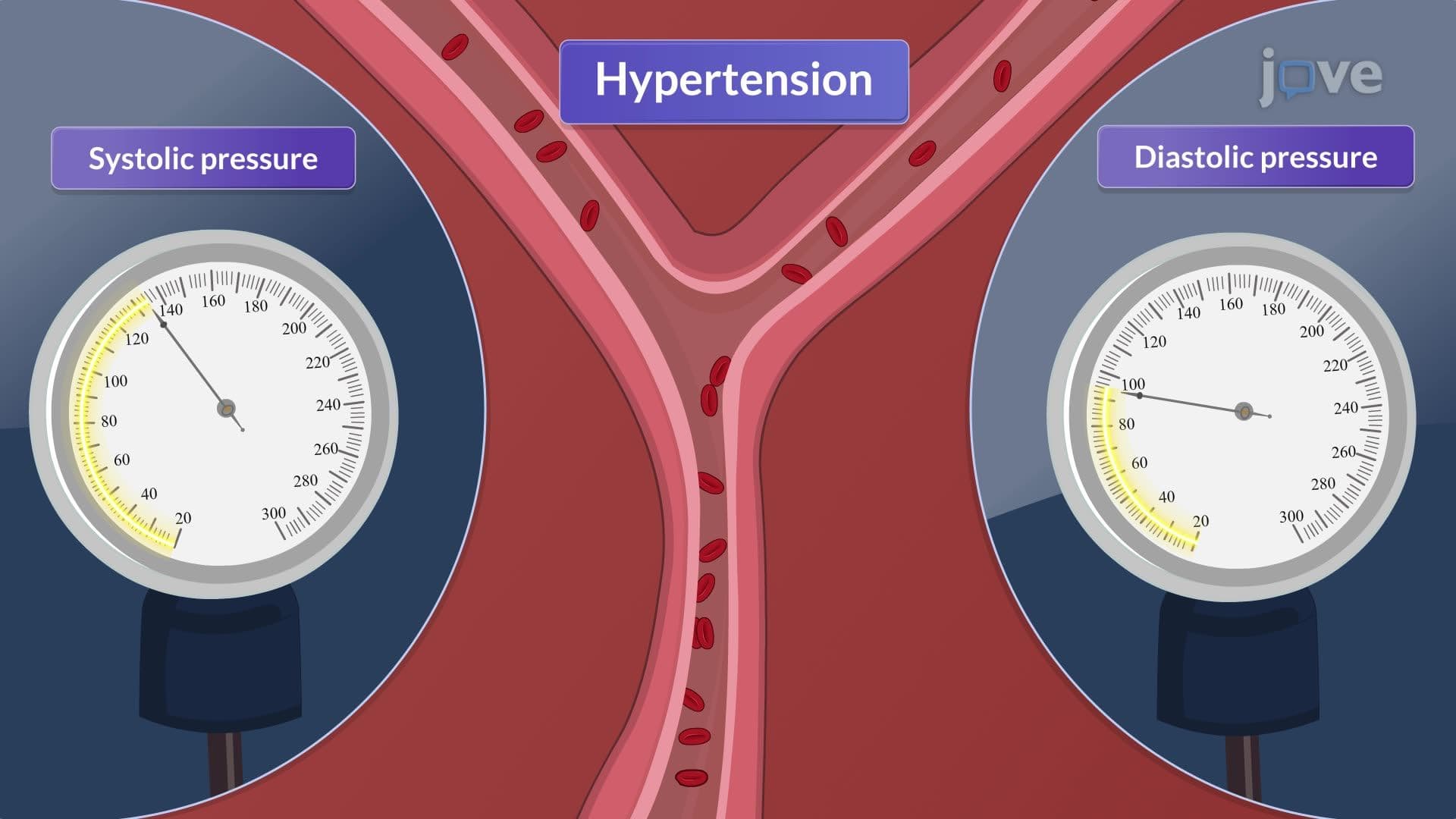
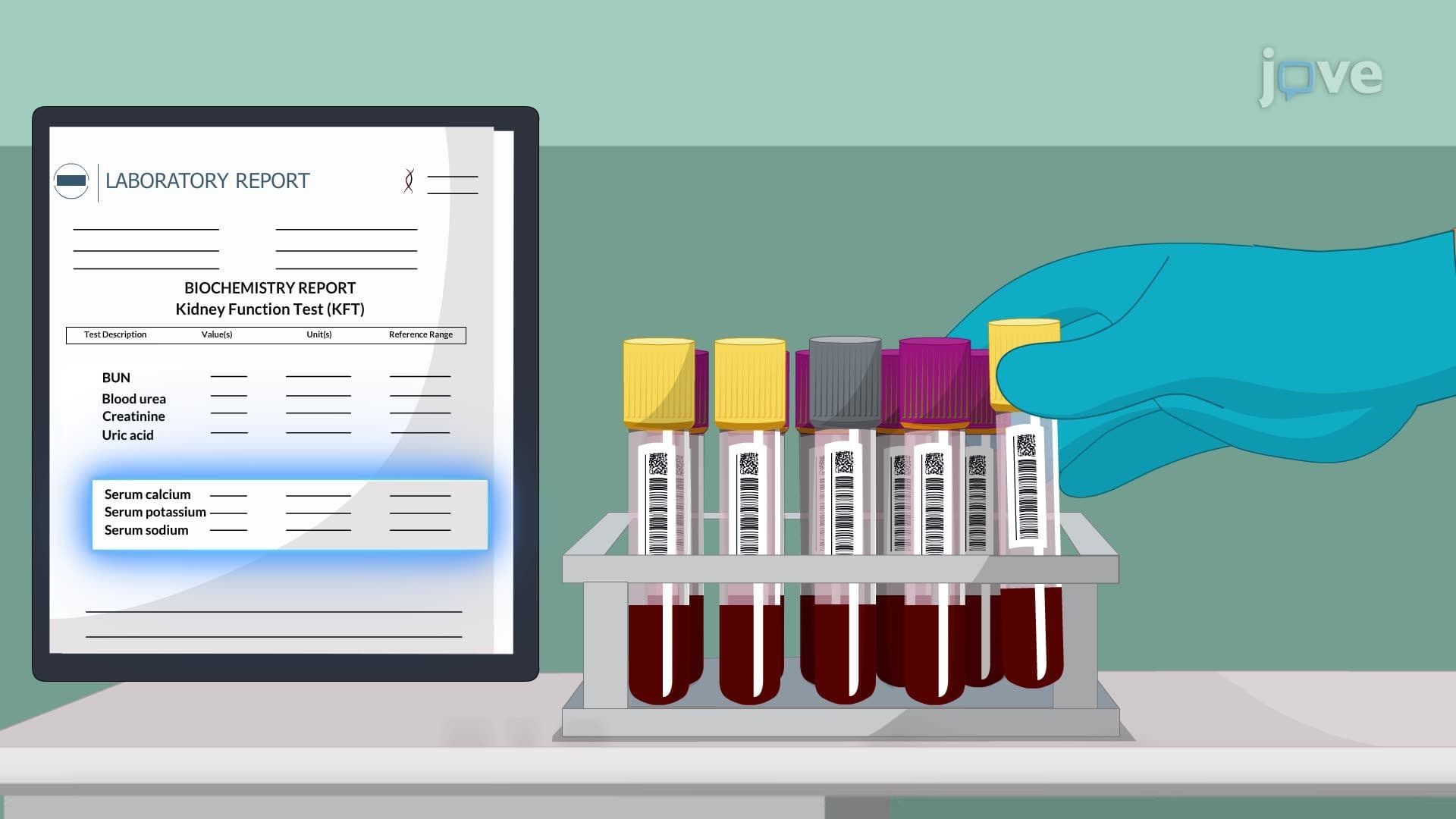
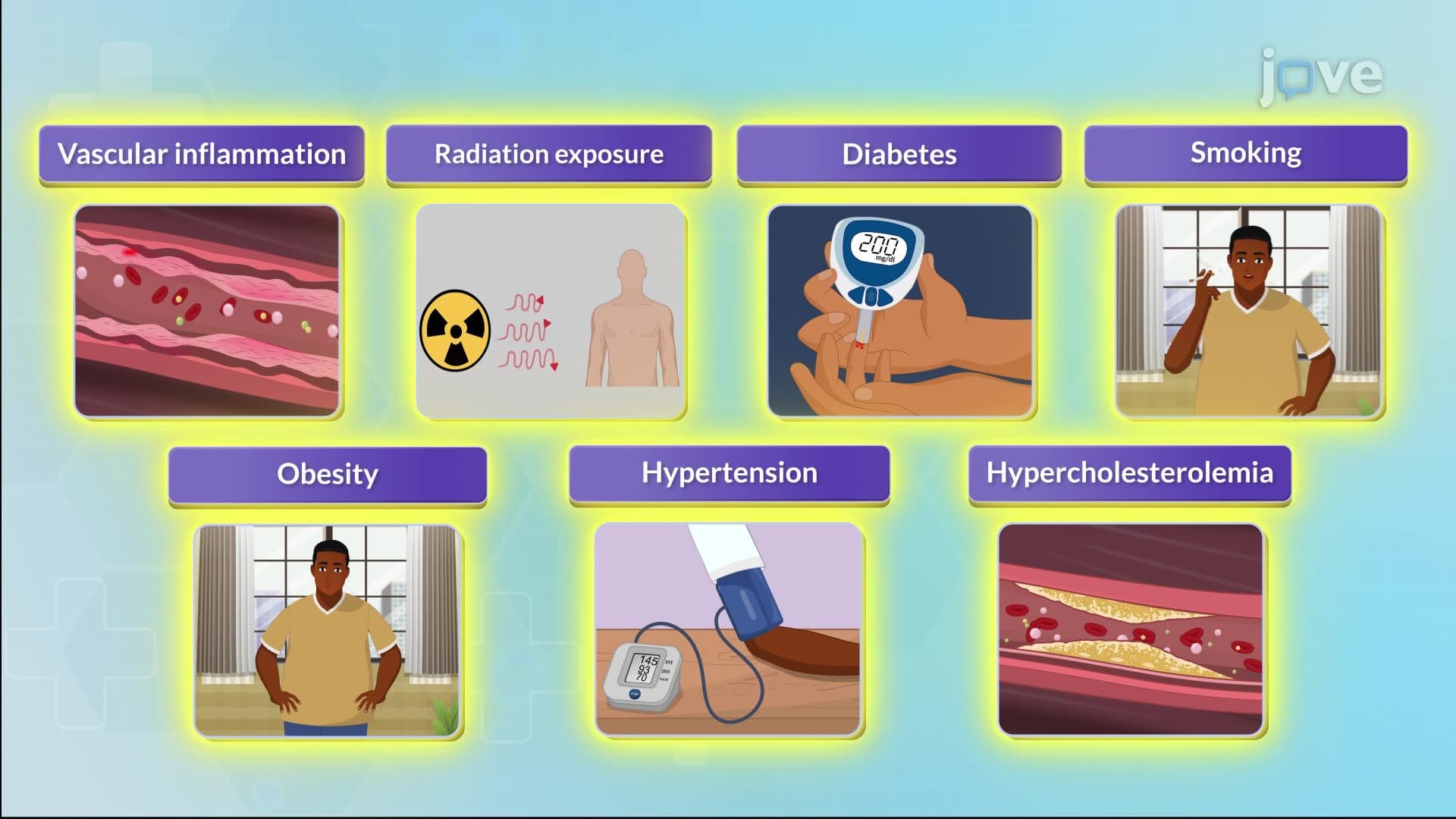
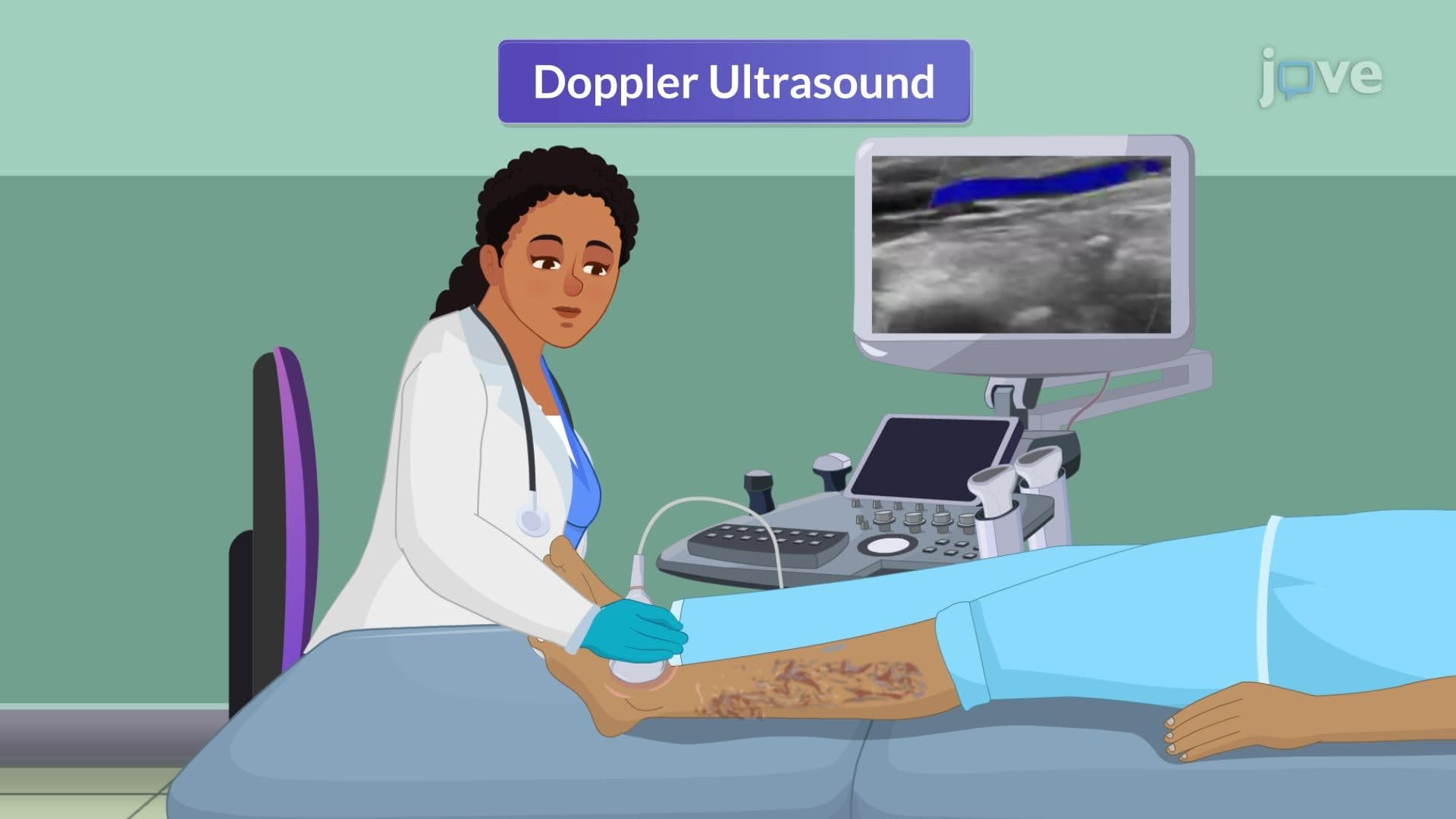
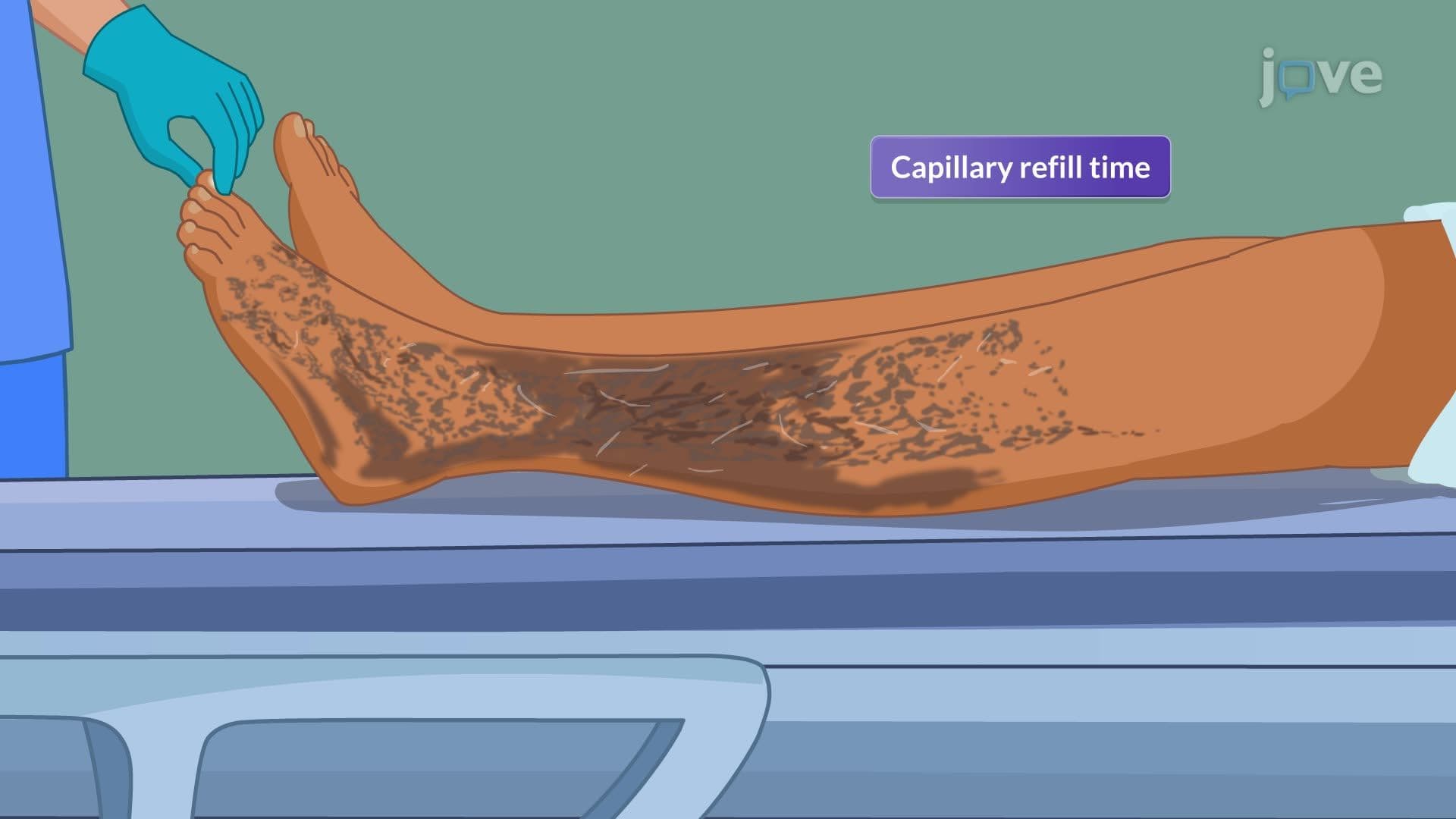
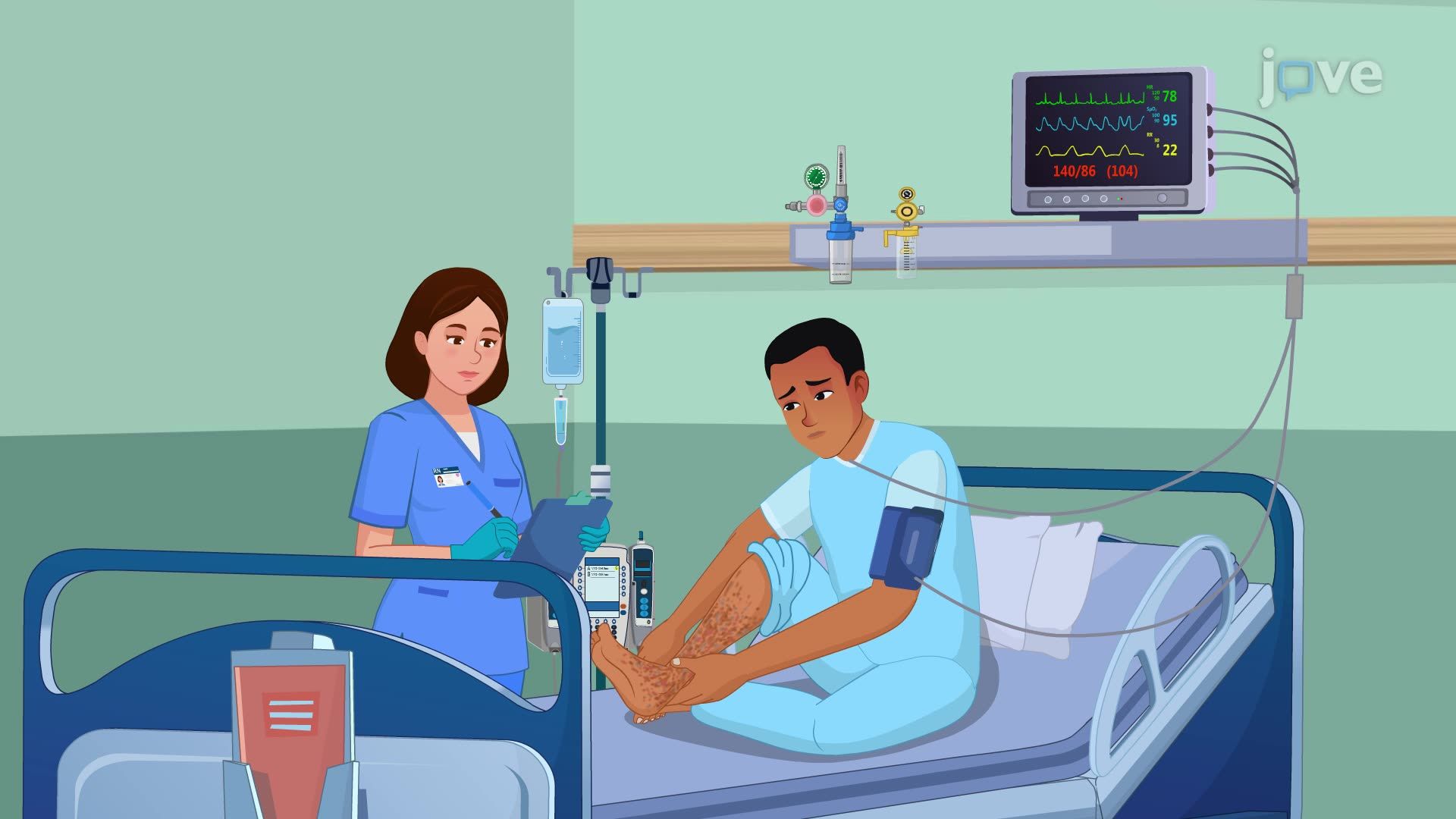
The foundation of effective atherosclerosis nursing management begins with thorough patient evaluation. Nurses systematically assess modifiable risk factors including hypertension (affecting 45% of US adults), hyperlipidemia, diabetes mellitus, and lifestyle factors such as smoking and sedentary behavior. Clinical assessment involves documenting symptomatic presentations like angina, dyspnea, or intermittent claudication, while physical examination focuses on blood pressure measurement, peripheral pulse assessment, and evaluating skin temperature and color changes that indicate compromised circulation.
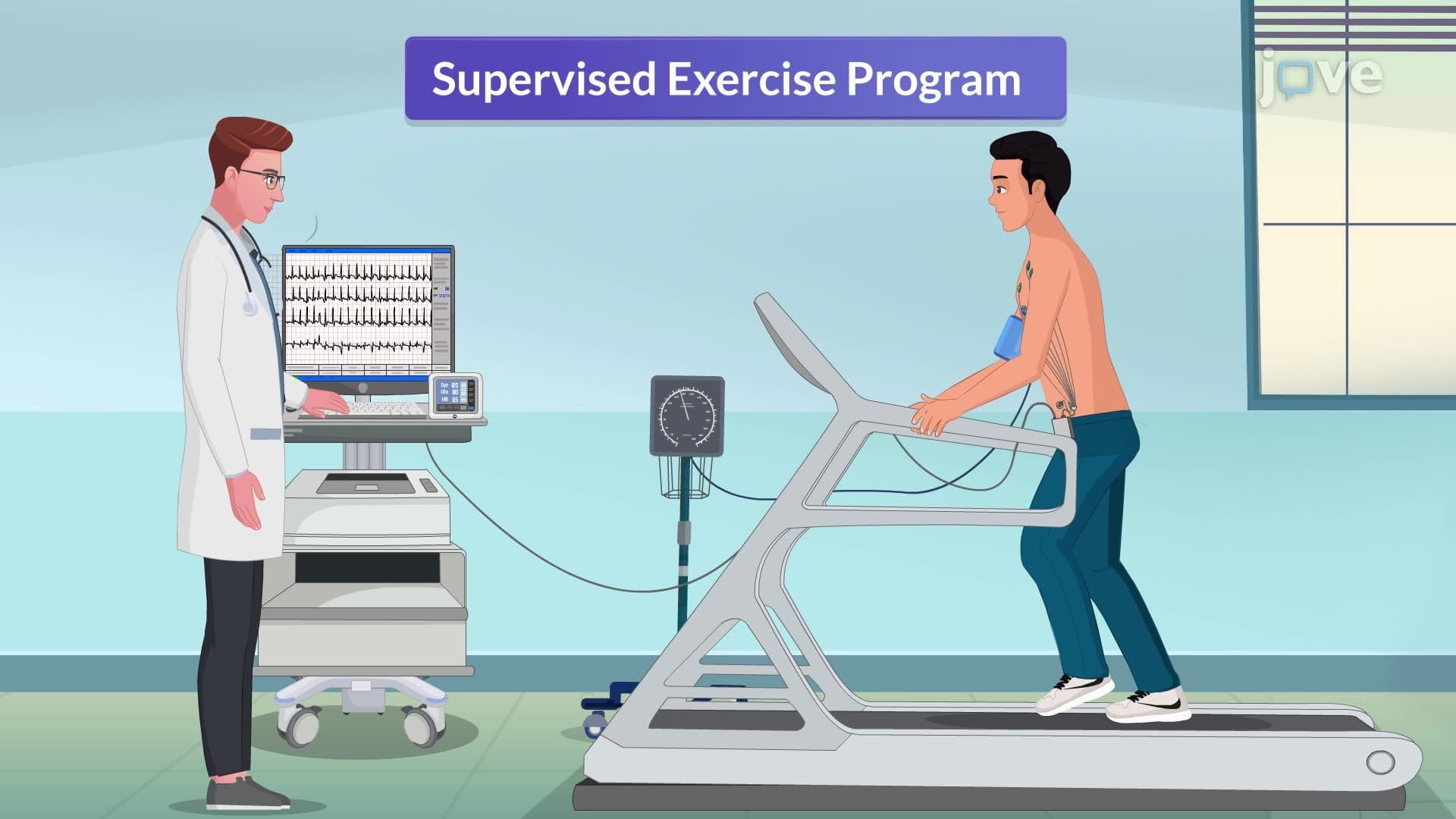
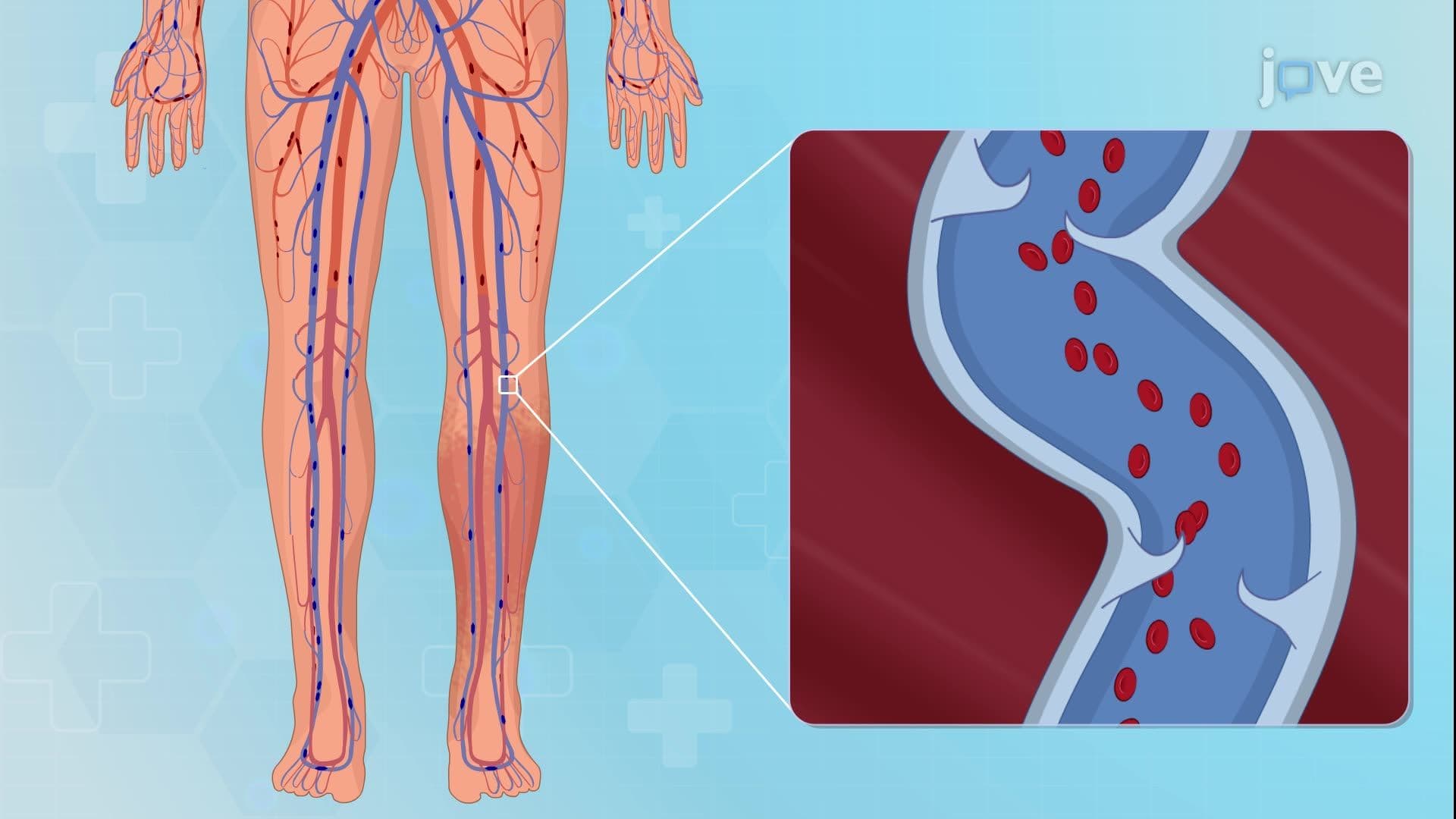
Nursing interventions target circulation optimization through positioning strategies, activity modification, and environmental controls. For peripheral artery disease patients, nurses implement dependent positioning techniques, placing affected extremities below heart level to enhance gravitational blood flow. Activity recommendations include supervised walking programs that promote collateral circulation development while respecting individual limitations. Environmental interventions encompass temperature regulation, avoiding constrictive clothing, and educating patients about leg positioning to prevent further circulatory compromise.
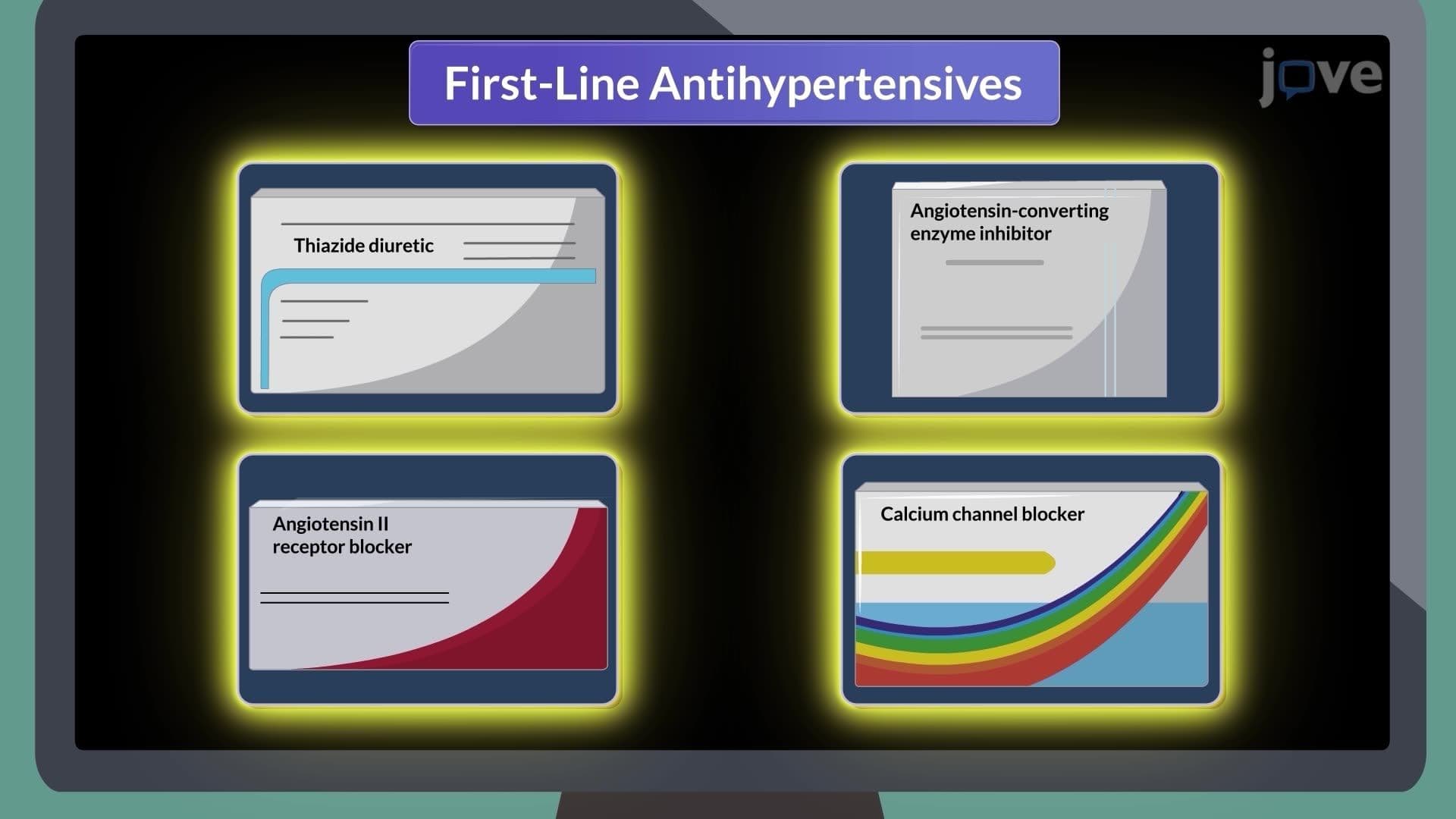
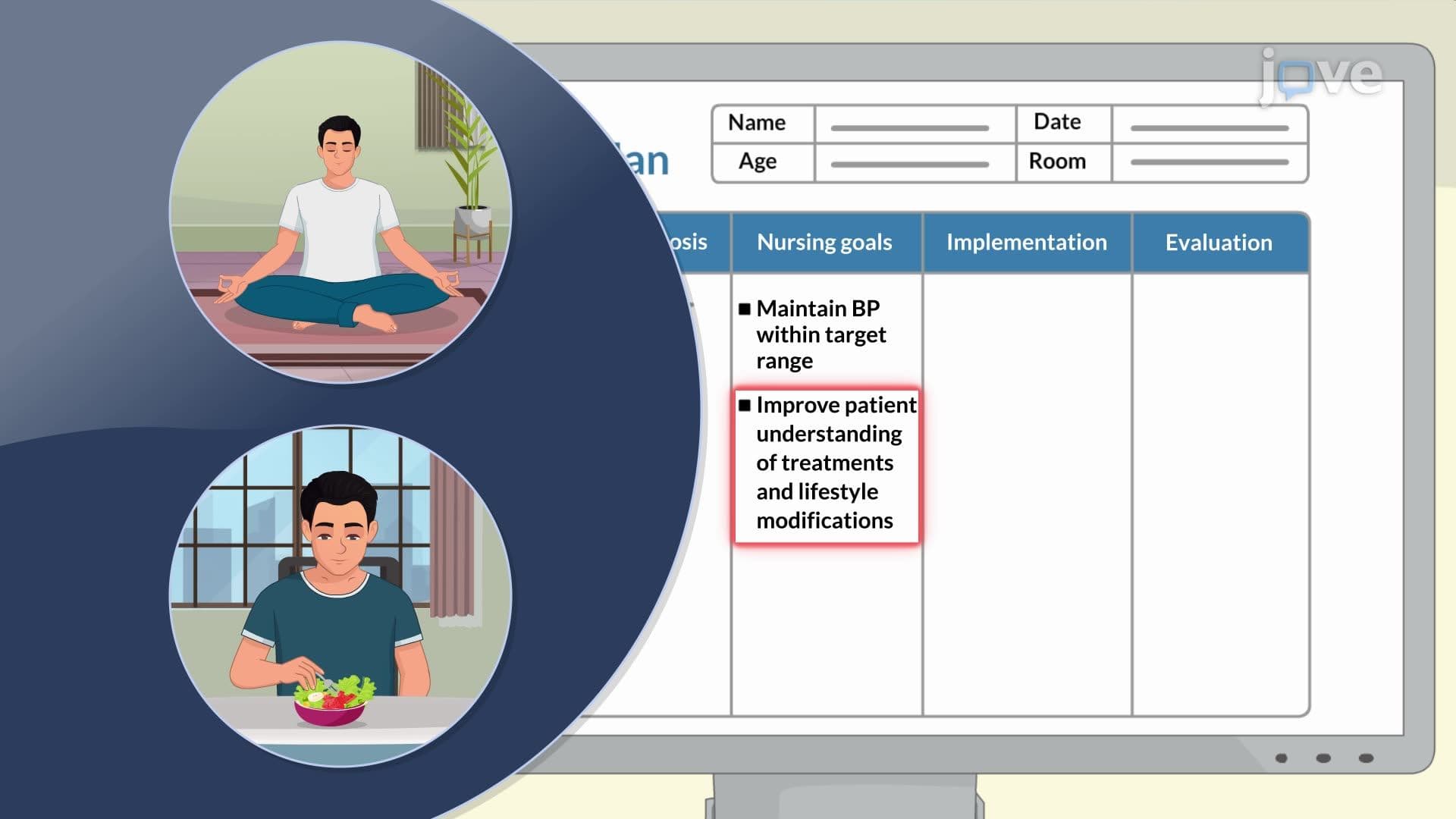
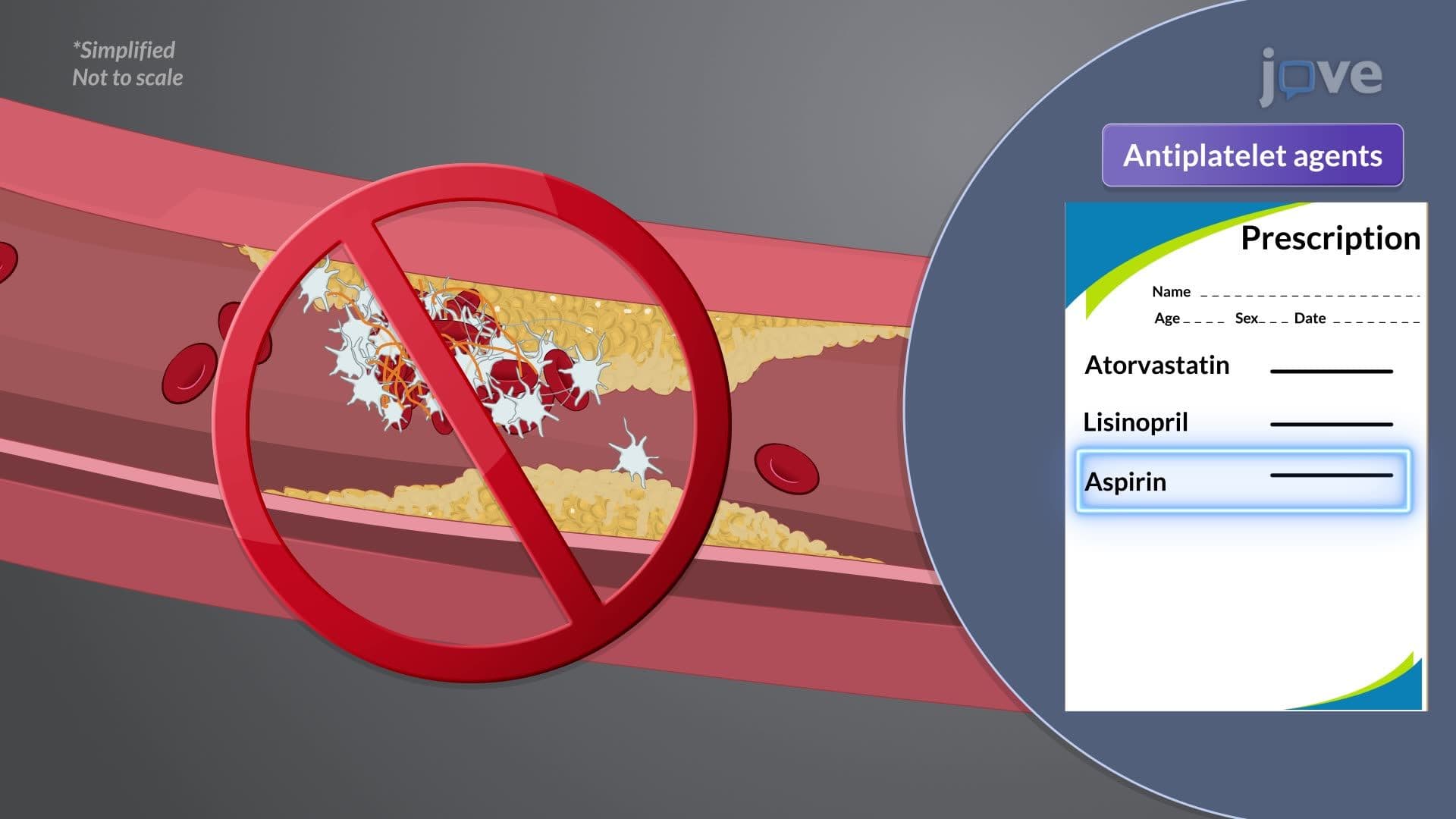
Advanced nursing management emphasizes patient empowerment through comprehensive education programs. Nurses teach medication adherence strategies, blood pressure self-monitoring techniques, and symptom recognition protocols that enable early intervention. Collaborative relationships with registered dietitians facilitate heart-healthy nutrition planning, while connections to smoking cessation programs and stress management resources address modifiable risk factors. These interventions are particularly relevant for nursing students preparing for NCLEX-RN examinations, which frequently test cardiovascular nursing competencies and interdisciplinary care coordination principles.
Related Micro-courses