Loading subject page…

3,563 views
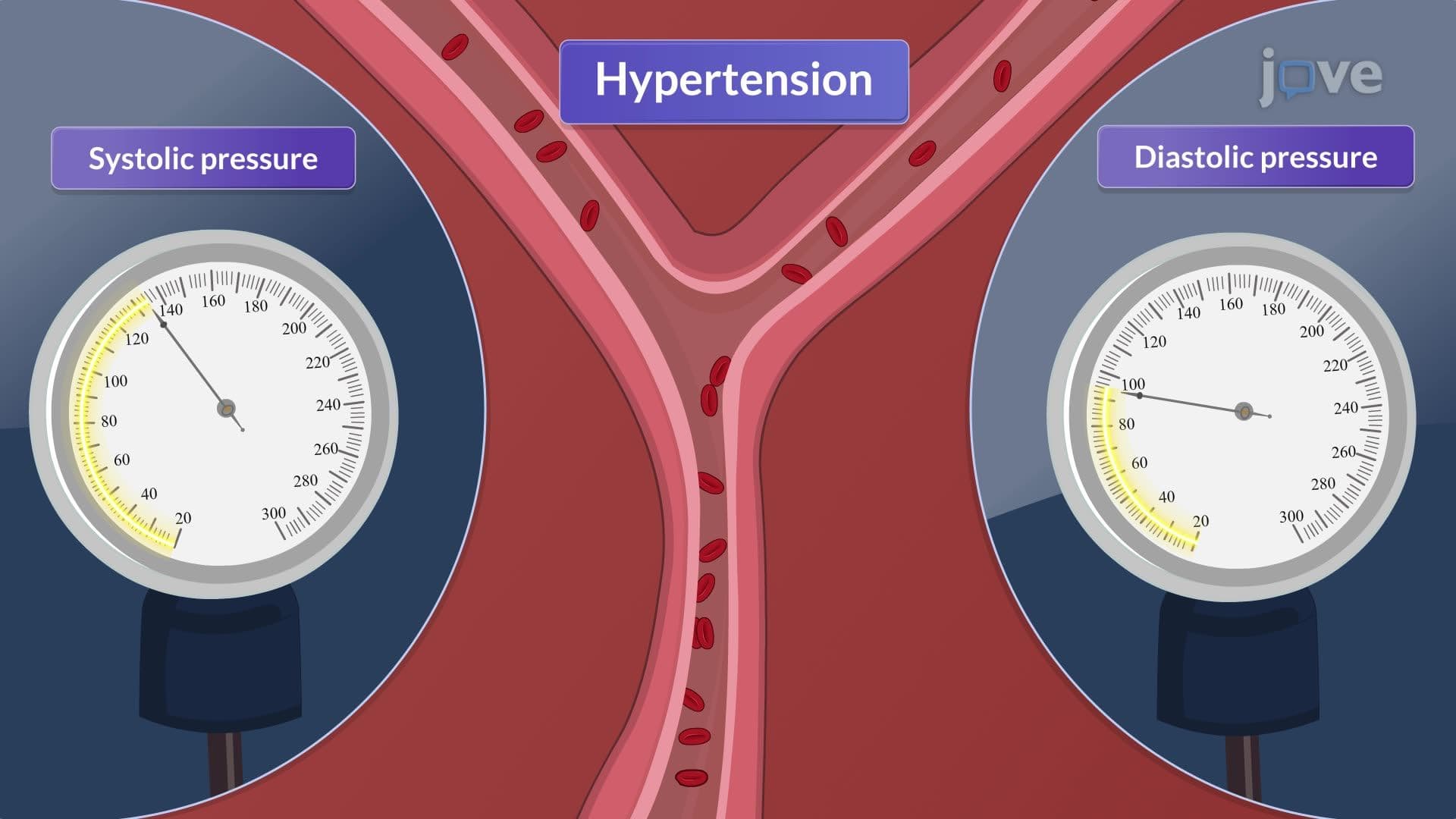

Video Summary: What Is Hypertension I Introduction
Did you know that nearly half of all American adults-about 116 million people-live with high blood pressure, often without realizing it? Understanding hypertension I introduction is crucial for recognizing this "silent killer" that affects millions, from teenagers to seniors. The American Heart Association reports that hypertension contributes to over 670,000 deaths annually in the United States, making it a leading risk factor for heart disease and stroke. Watch the full video on JoVE Coach to master this concept with expert-led visuals and step-by-step explanations.
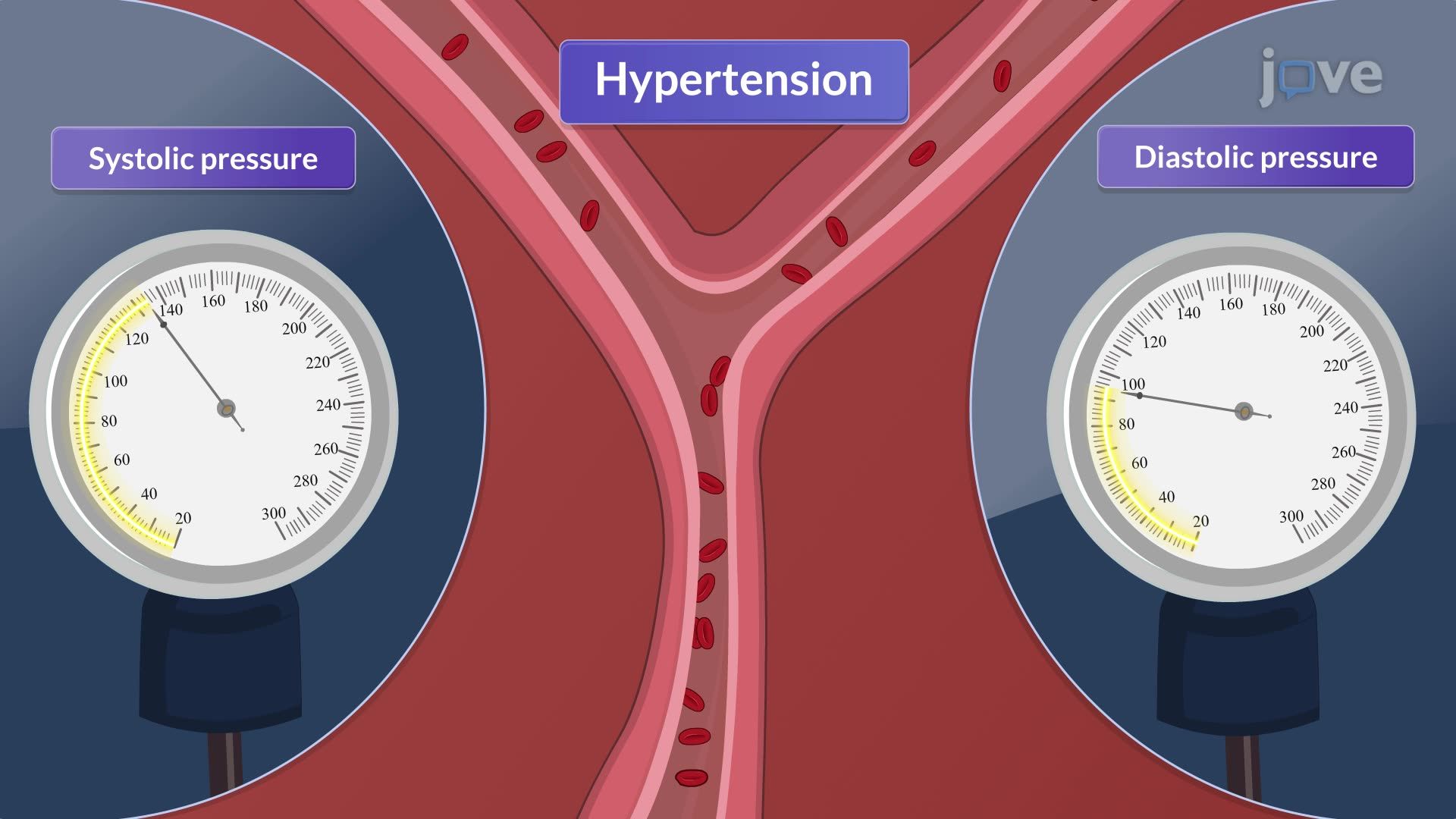
Hypertension represents one of the most significant public health challenges in modern medicine, affecting cardiovascular health across all demographics. The condition is fundamentally defined by sustained elevation in arterial pressure, with current guidelines establishing 130/80 mmHg as the threshold for diagnosis. This definition reflects recent updates from major US medical organizations, including the American Heart Association and the American College of Cardiology, which lowered previous thresholds to identify at-risk patients earlier.
The modern classification system provides healthcare providers with a standardized framework for diagnosis and treatment planning. Elevated blood pressure (120-129 systolic, <80 diastolic) represents a pre-hypertensive state that signals increased cardiovascular risk without requiring immediate pharmacological intervention. Stage 1 hypertension (130-139 systolic or 80-89 diastolic) typically warrants lifestyle modifications and may require medication depending on overall cardiovascular risk assessment. Stage 2 hypertension (≥140 systolic or ≥90 diastolic) generally requires both lifestyle changes and pharmacological management.
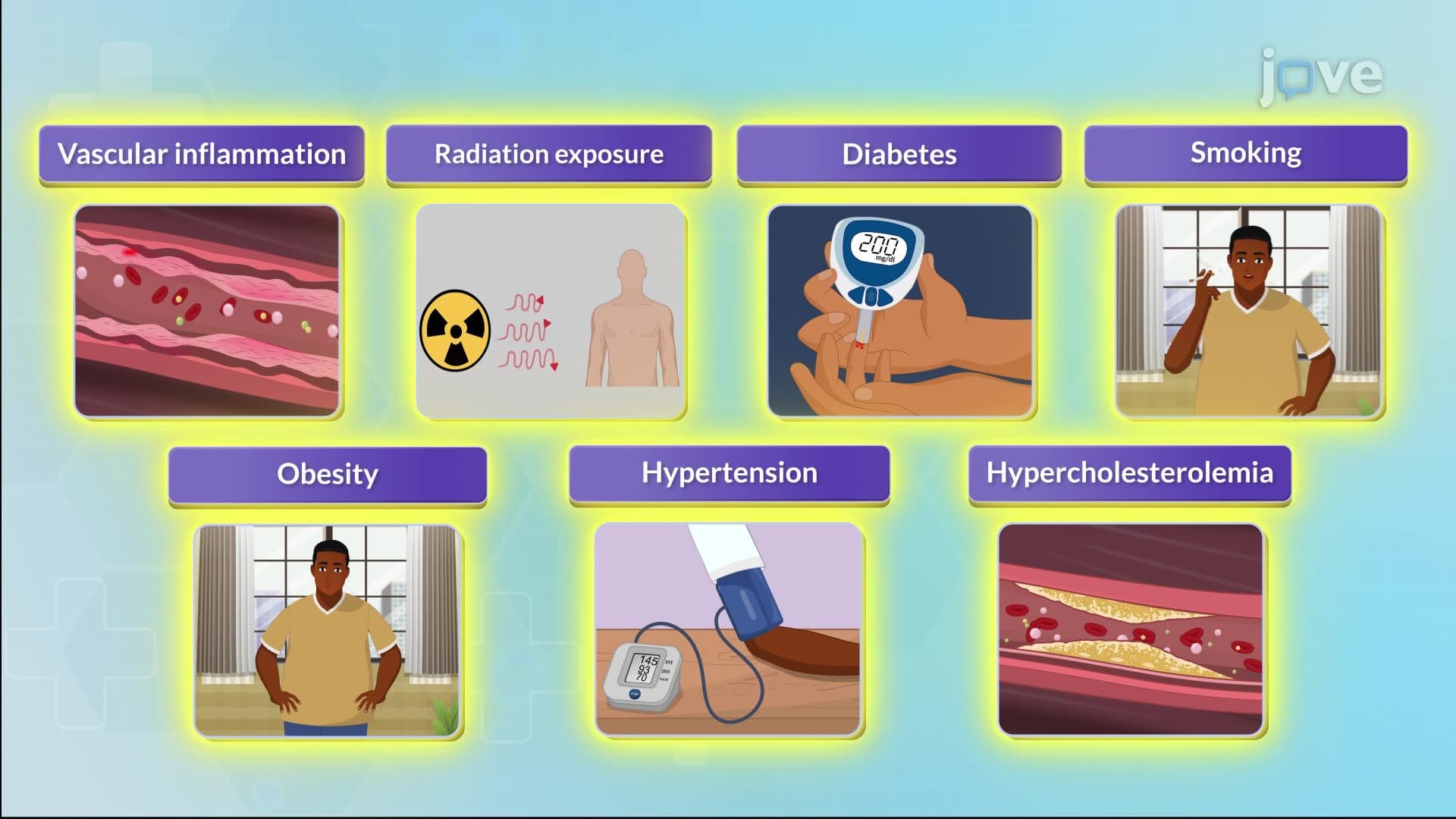
Primary hypertension accounts for approximately 90-95% of all cases in the United States, representing a multifactorial condition without a single identifiable cause. Key contributing factors include excessive sodium intake (Americans consume nearly twice the recommended daily limit), sedentary behavior (affecting over 80% of US adults), tobacco use, and alcohol consumption patterns. These lifestyle factors interact with genetic predisposition, age-related vascular changes, and hormonal influences to create sustained pressure elevation.
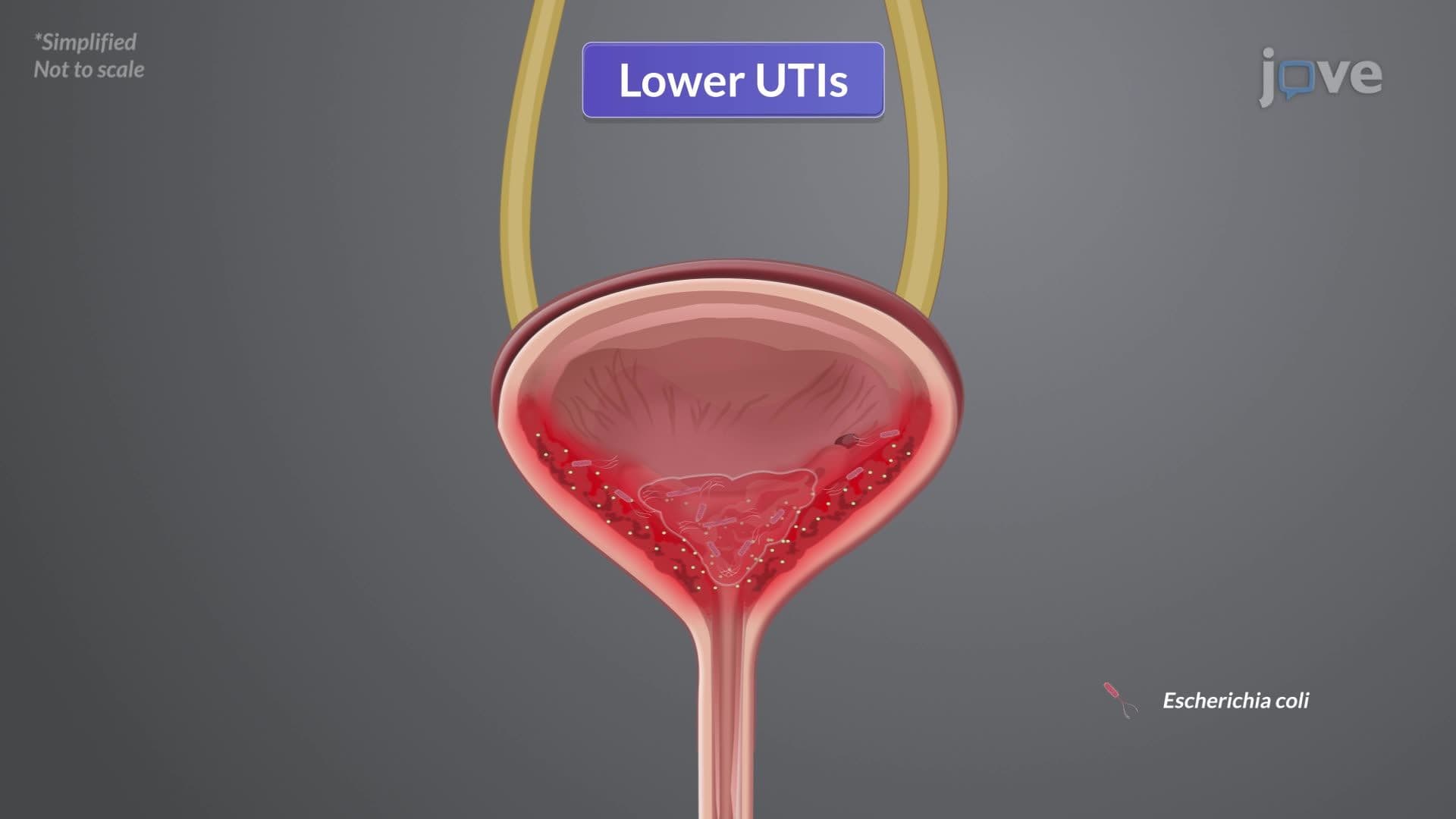
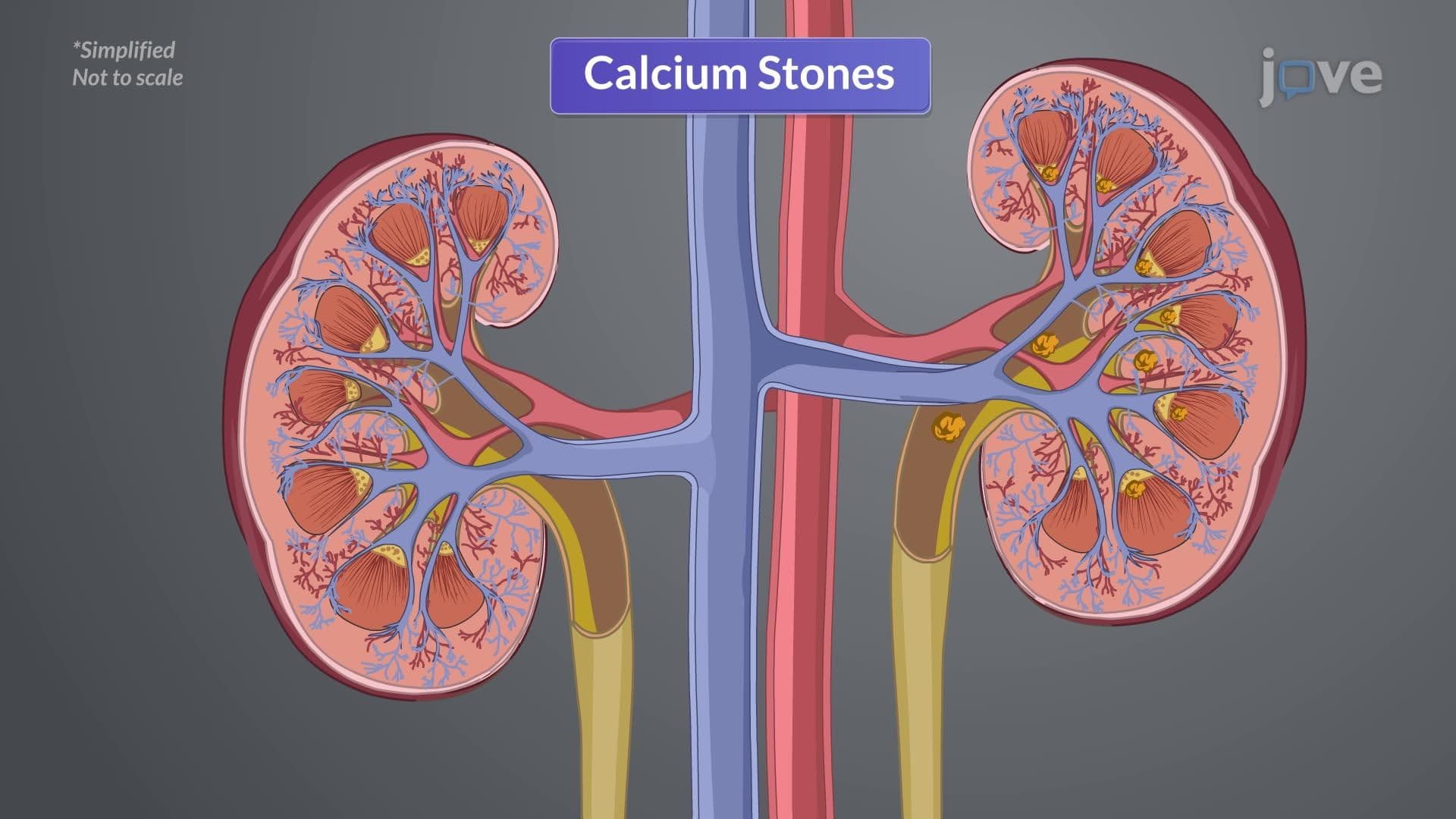
Secondary hypertension, while less common, results from identifiable underlying conditions. Examples include renal artery stenosis, primary aldosteronism, pheochromocytoma, and sleep apnea. Recognition of secondary causes is crucial because treating the underlying condition can potentially cure the hypertension.
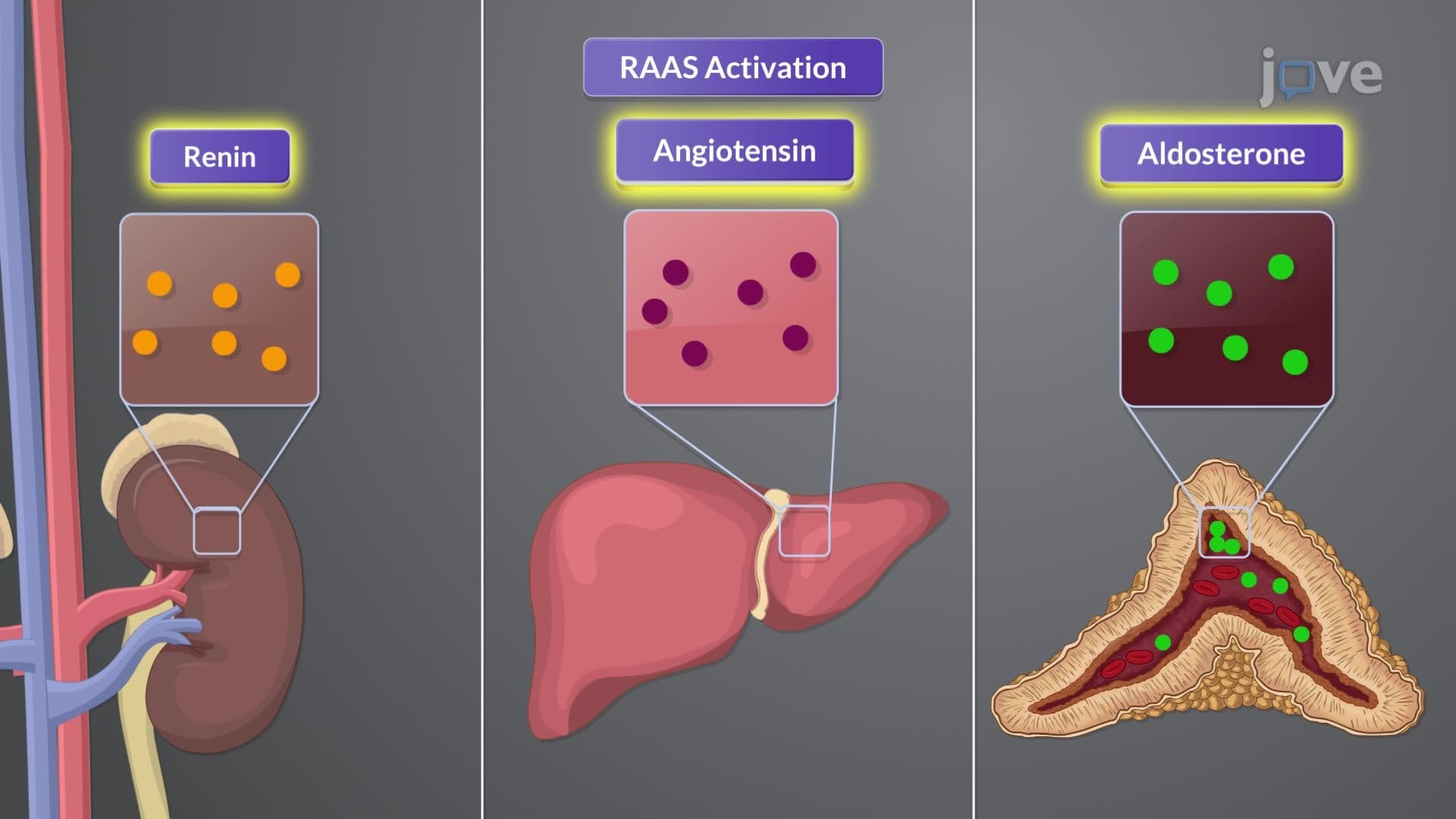
For students preparing for standardized examinations, understanding hypertension classification is essential. The MCAT frequently tests knowledge of cardiovascular physiology and disease processes, while nursing examinations like the NCLEX emphasize patient assessment and intervention strategies. AP Biology students encounter hypertension when studying circulatory system regulation and homeostasis. College anatomy and physiology courses extensively cover blood pressure regulation mechanisms, including the renin-angiotensin-aldosterone system and autonomic nervous system control.
Clinical scenarios commonly appearing on examinations involve interpreting blood pressure readings in context, understanding medication mechanisms, and recognizing complications like left ventricular hypertrophy and coronary artery disease. Students should be prepared to analyze case studies involving lifestyle modifications, medication selection, and patient education strategies used in US healthcare settings.
Related Micro-courses