Loading subject page…

3,563 views

Video Summary: What Is Hypertension Ii Pathophysiology
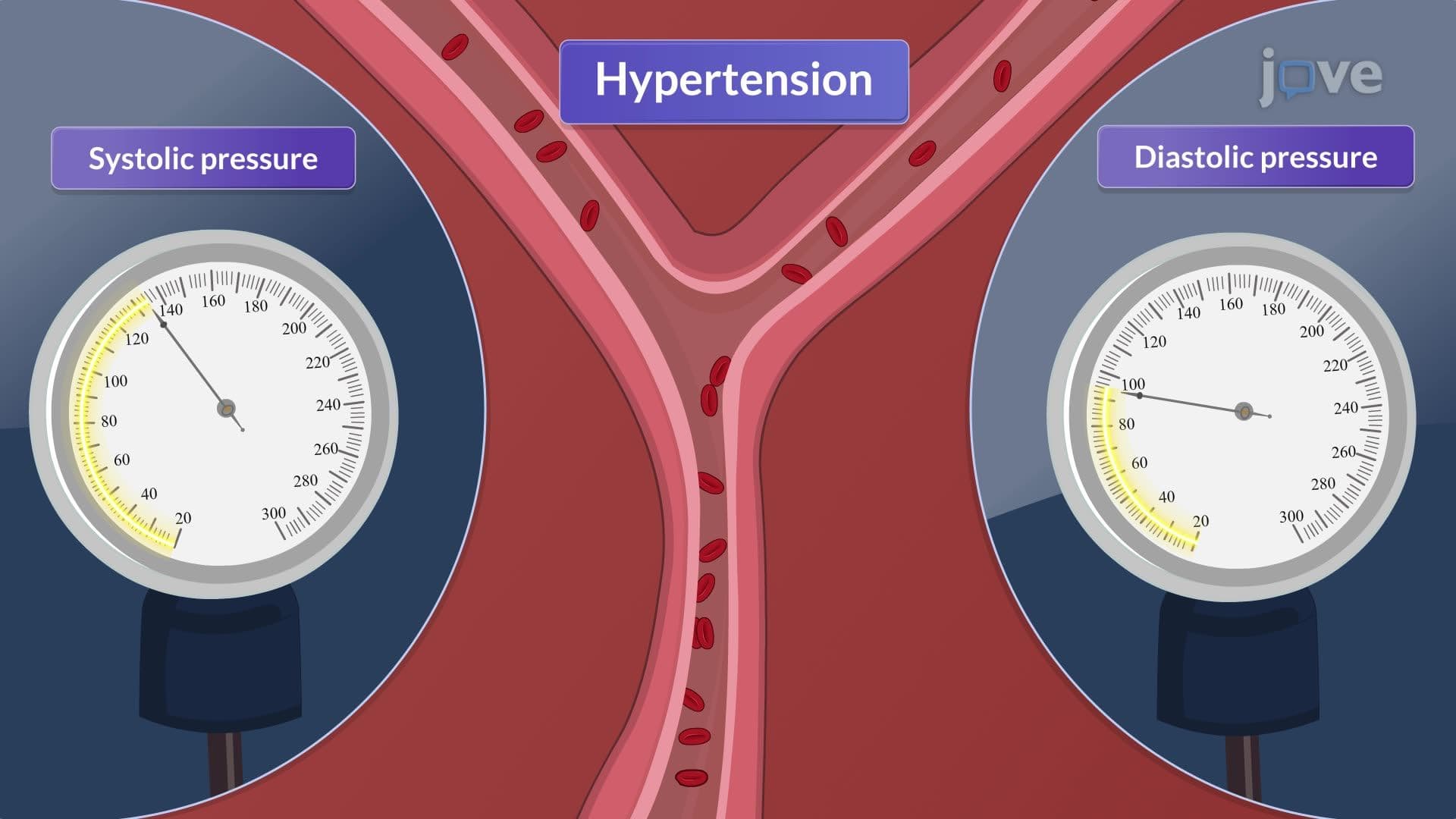
Did you know that high blood pressure affects nearly half of all American adults, yet many don't understand why their arteries become damaged? Hypertension II pathophysiology reveals the intricate cascade of biological events that transform normal blood pressure regulation into a dangerous cardiovascular condition. Consider patients with kidney artery blockages-their bodies mistakenly activate emergency blood pressure systems, creating a self-perpetuating cycle of vessel constriction and fluid retention. What is hypertension II pathophysiology becomes clear when examining how multiple organ systems interact to elevate blood pressure beyond safe limits. Watch the full video on JoVE Coach to master this concept with expert-led visuals and step-by-step explanations.
Hypertension II pathophysiology represents a complex interplay of physiological systems that normally maintain cardiovascular homeostasis but become dysregulated in disease states. Unlike simple blood pressure elevation, this pathophysiology involves multiple organ systems creating self-reinforcing cycles that sustain dangerous pressure levels. Students preparing for AP Biology, college physiology courses, or pre-med requirements must grasp these interconnected mechanisms to understand cardiovascular disease progression.
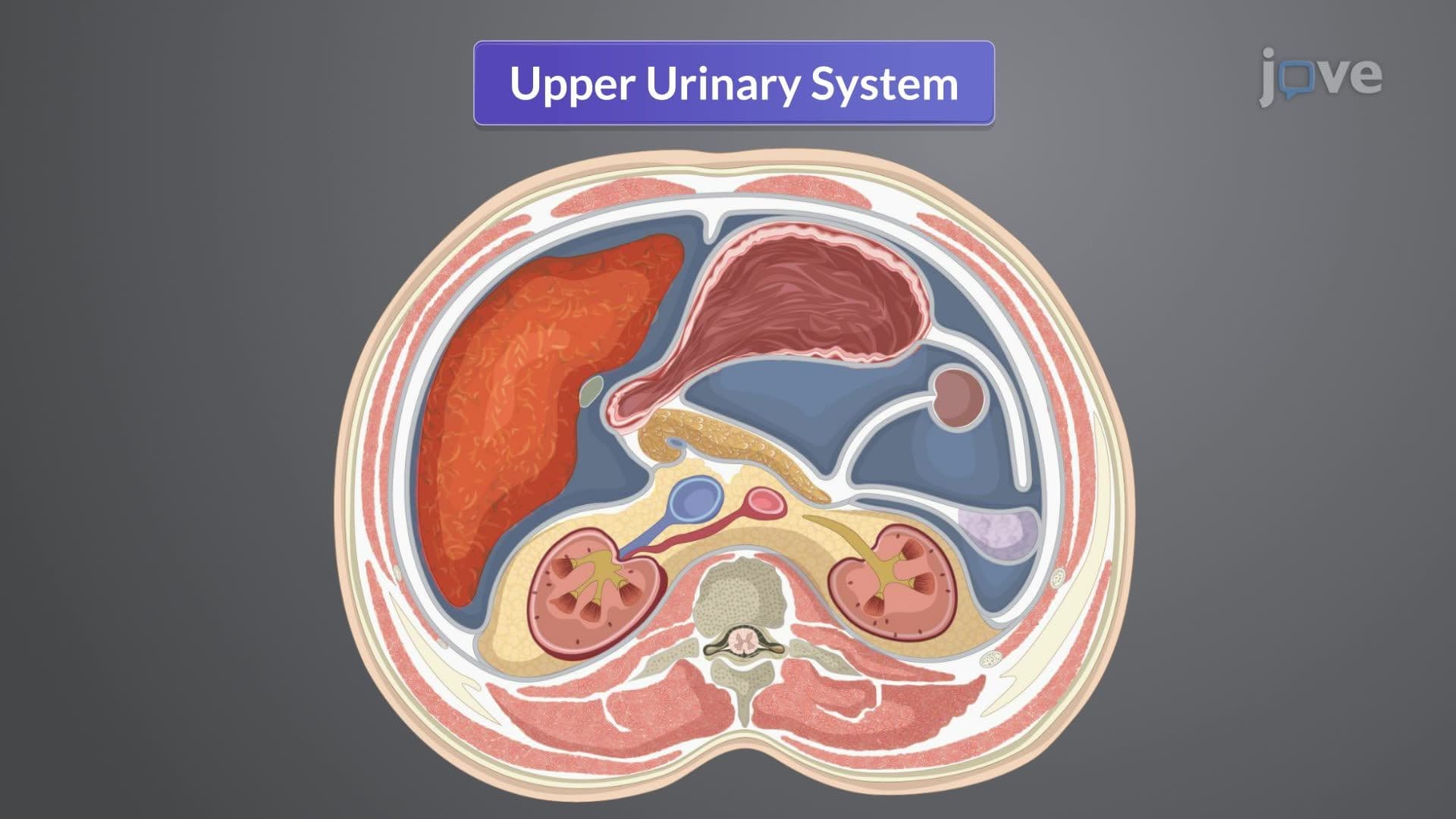
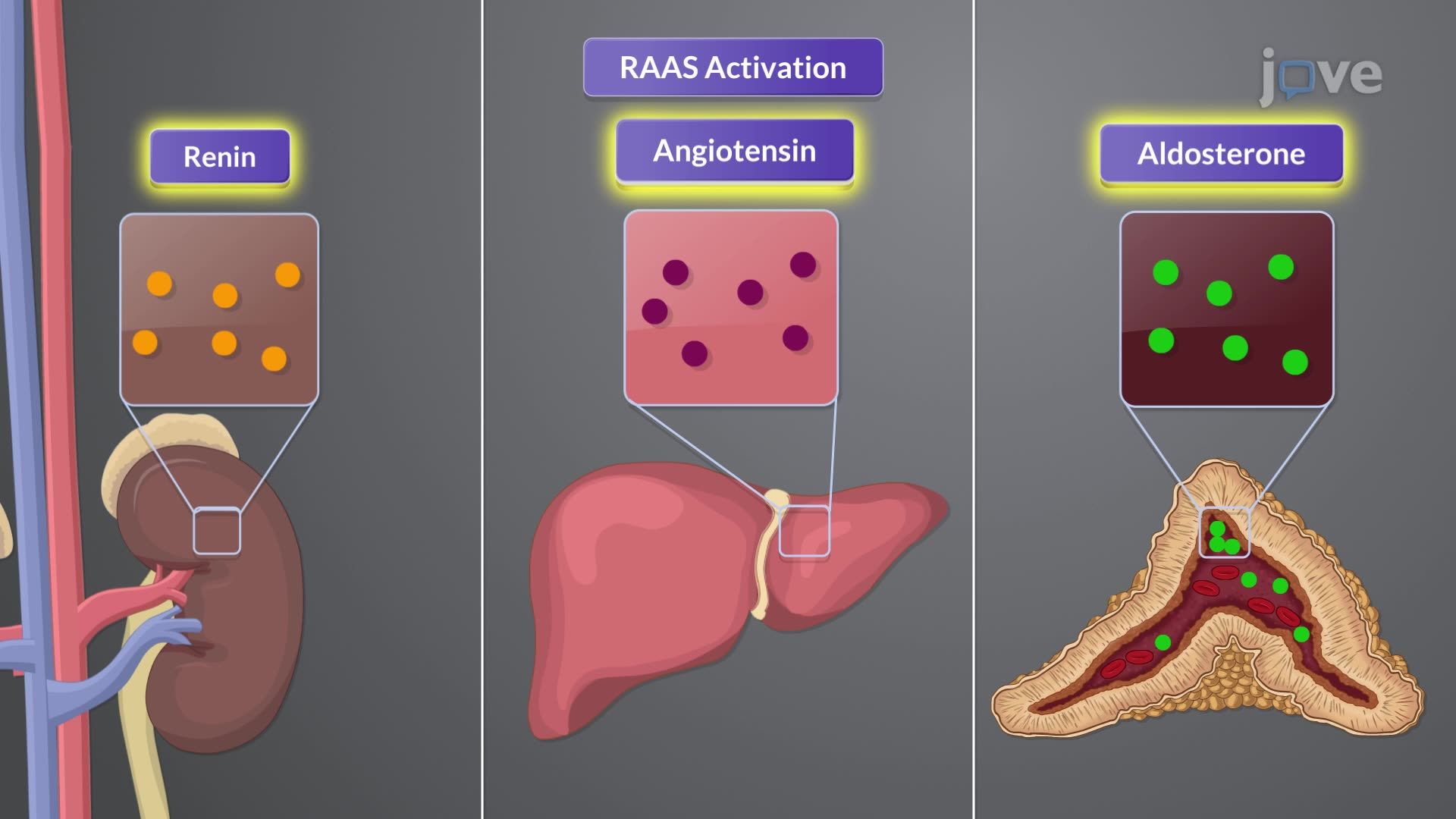
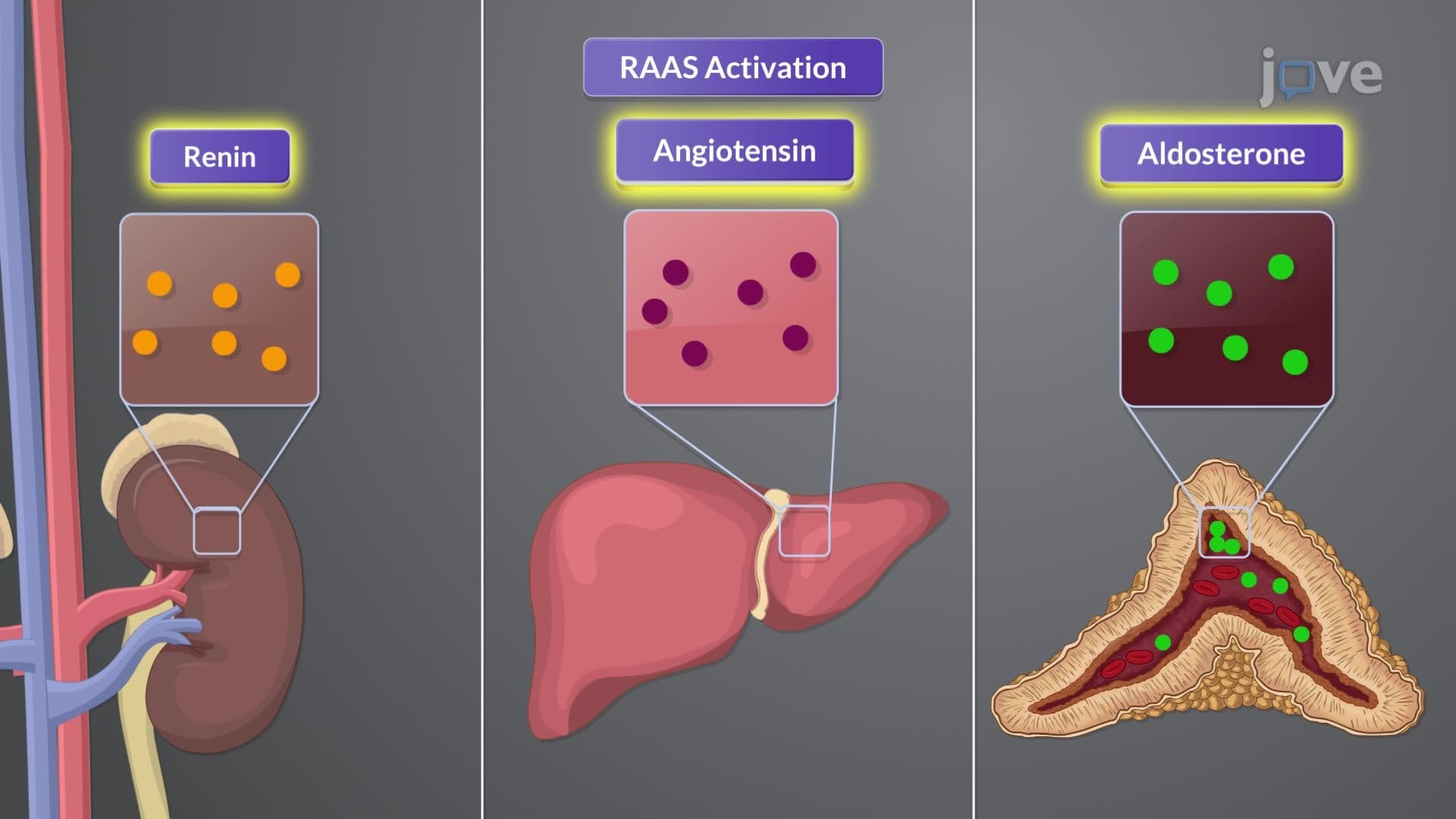
The RAAS serves as the central mechanism in hypertensive pathophysiology. When kidney blood flow decreases-whether from renal artery stenosis, dehydration, or cardiovascular compromise-specialized kidney cells release renin enzyme. This initiates a precise biochemical cascade: renin converts liver-produced angiotensinogen into angiotensin I, which pulmonary enzymes (primarily ACE) transform into the potent angiotensin II.
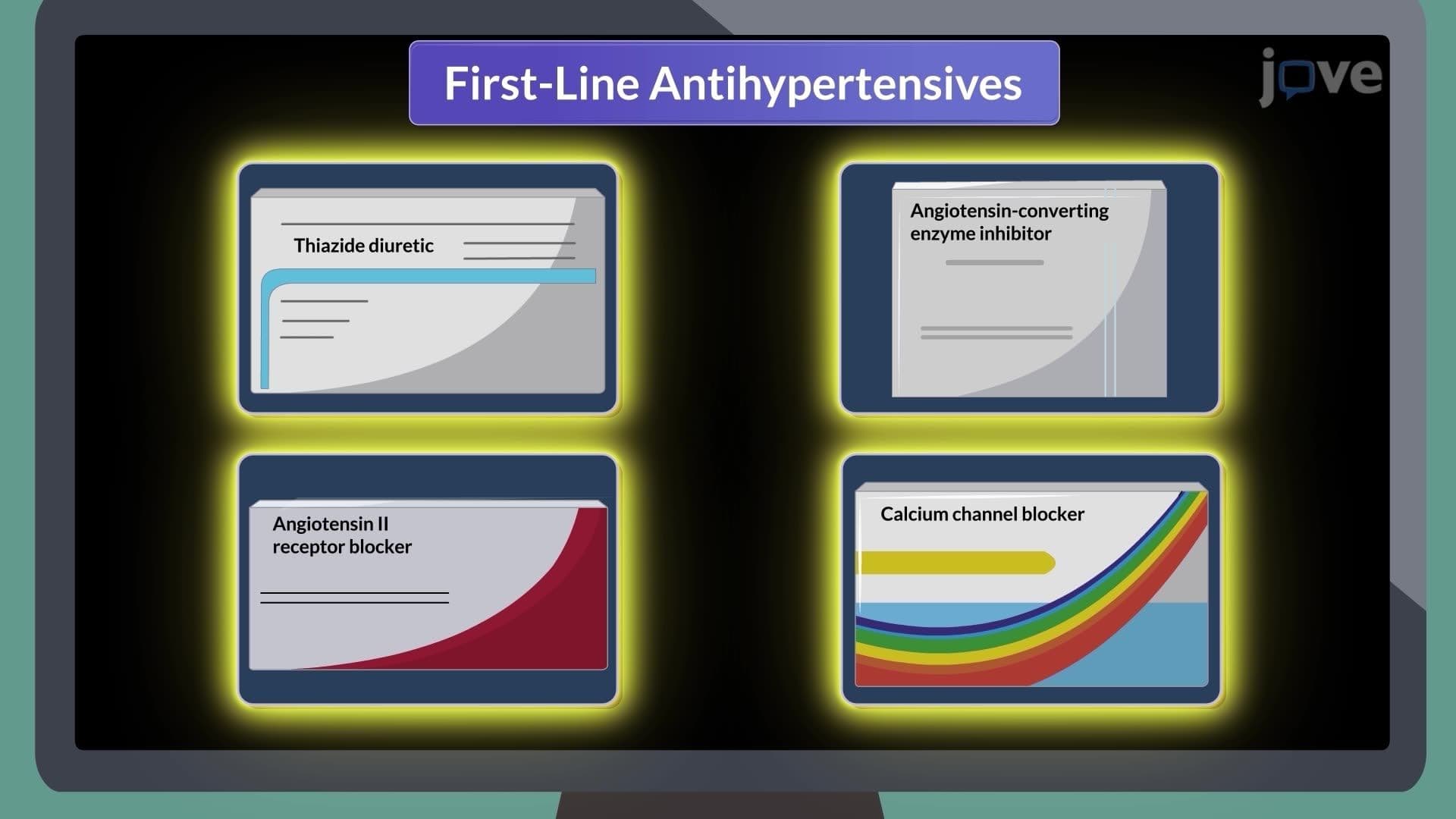
Angiotensin II functions as a dual-action hormone. First, it directly constricts arterial smooth muscle, immediately raising peripheral resistance and blood pressure. Second, it stimulates adrenal cortex aldosterone release, promoting kidney sodium and water retention. This volume expansion further elevates blood pressure, creating the characteristic "pressure-volume overload" seen in hypertensive patients. Understanding this mechanism is crucial for MCAT preparation and explains why ACE inhibitors remain first-line antihypertensive medications.
Chronic sympathetic nervous system activation transforms acute stress responses into pathological blood pressure elevation. When students experience test anxiety, their sympathetic system releases norepinephrine and epinephrine, temporarily increasing heart rate and blood pressure. In hypertensive pathophysiology, this becomes chronic-persistent stress, sleep deprivation, or anxiety disorders maintain elevated sympathetic tone.
This sustained activation creates multiple cardiovascular effects: arterial vasoconstriction increases peripheral resistance, enhanced cardiac contractility raises cardiac output, and kidney sympathetic stimulation triggers additional renin release. The result is a vicious cycle where stress-induced blood pressure elevation activates systems that maintain that elevation even after the initial stressor resolves.
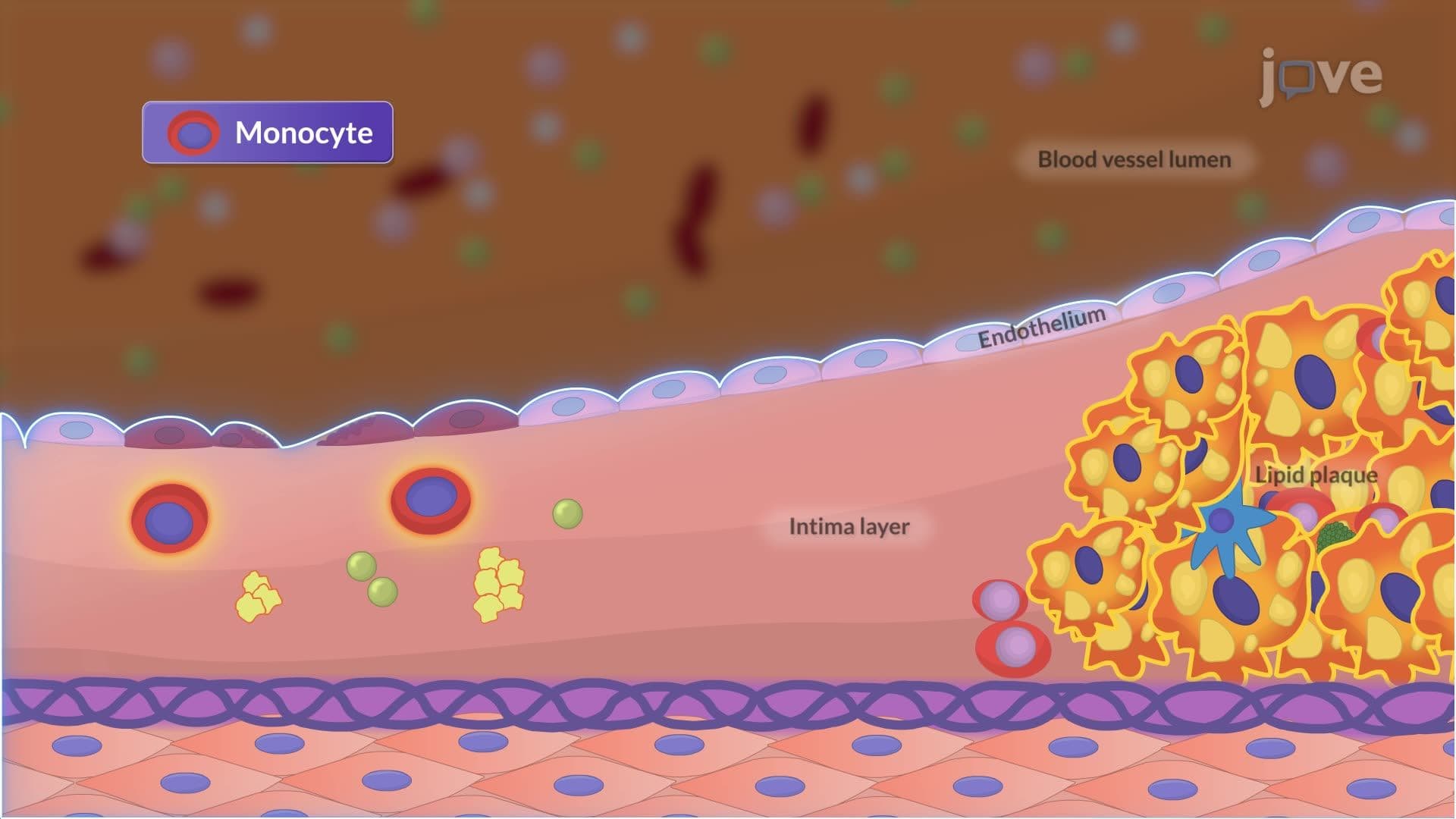
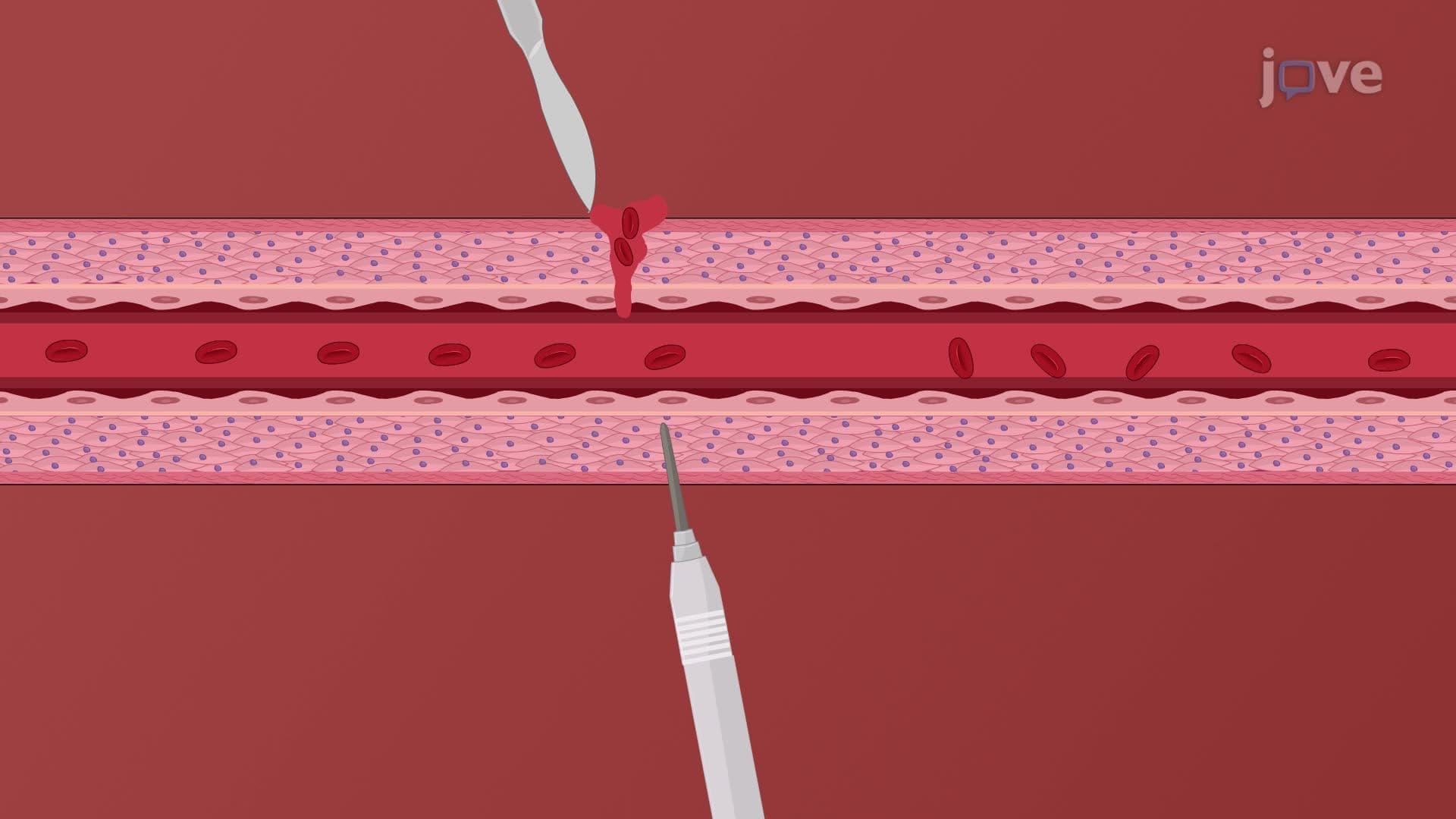
Healthy blood vessels actively regulate their diameter through endothelial cell production of vasodilators like nitric oxide. In hypertensive pathophysiology, endothelial dysfunction reduces these protective factors while increasing vasoconstrictor production. This shift creates a "pro-hypertensive" vascular environment where arteries lose their ability to appropriately dilate, maintaining elevated peripheral resistance.
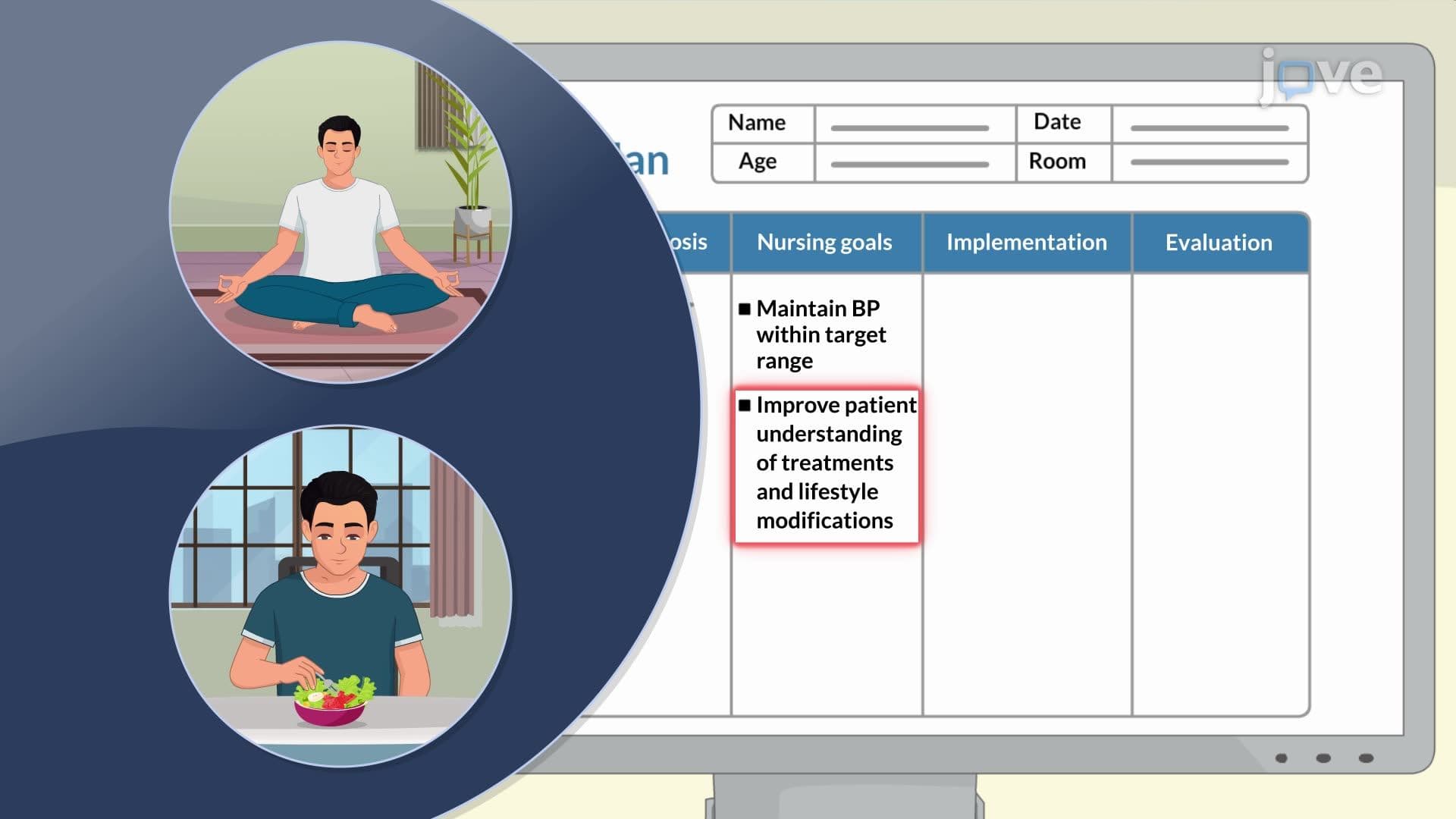
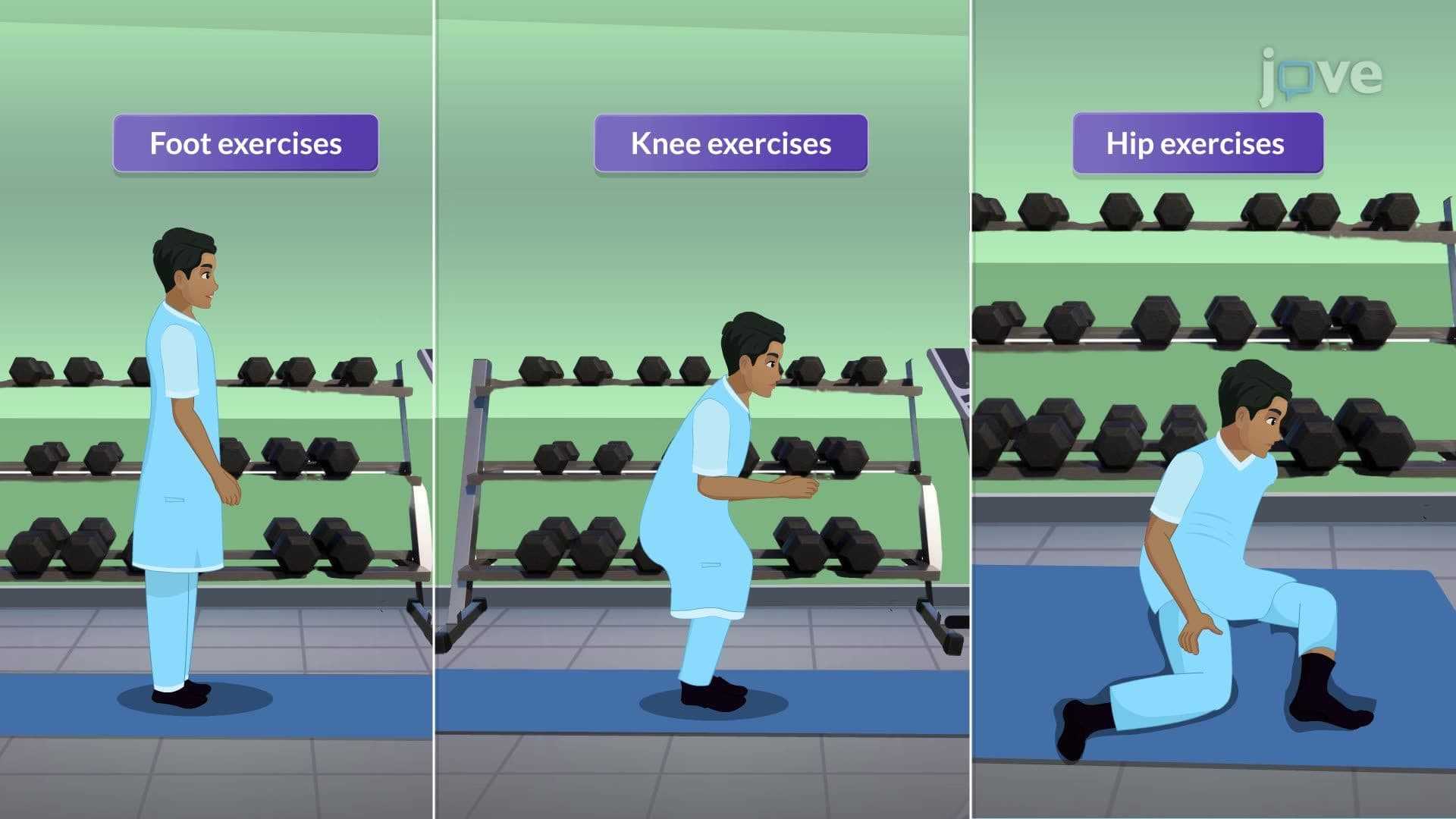
College students studying for physiology exams should recognize that endothelial dysfunction often precedes clinical hypertension, making it both a cause and consequence of elevated blood pressure. This concept frequently appears on USMLE Step 1 examinations and helps explain why lifestyle interventions targeting endothelial health-exercise, proper nutrition, stress management-remain fundamental in hypertension prevention and treatment.
Related Micro-courses