Loading subject page…

3,563 views
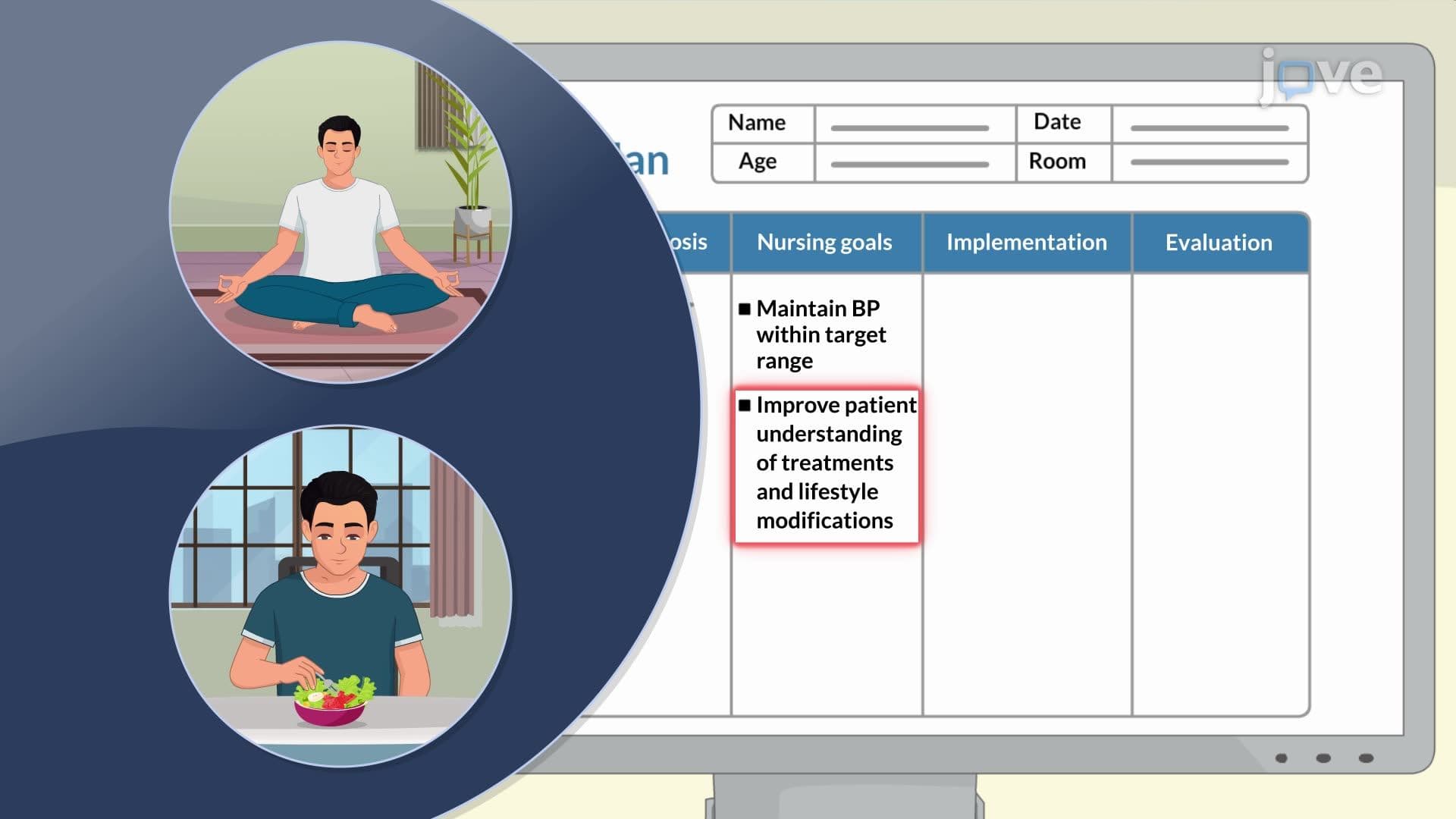

Video Summary: What Is Hypertension V Nursing Management
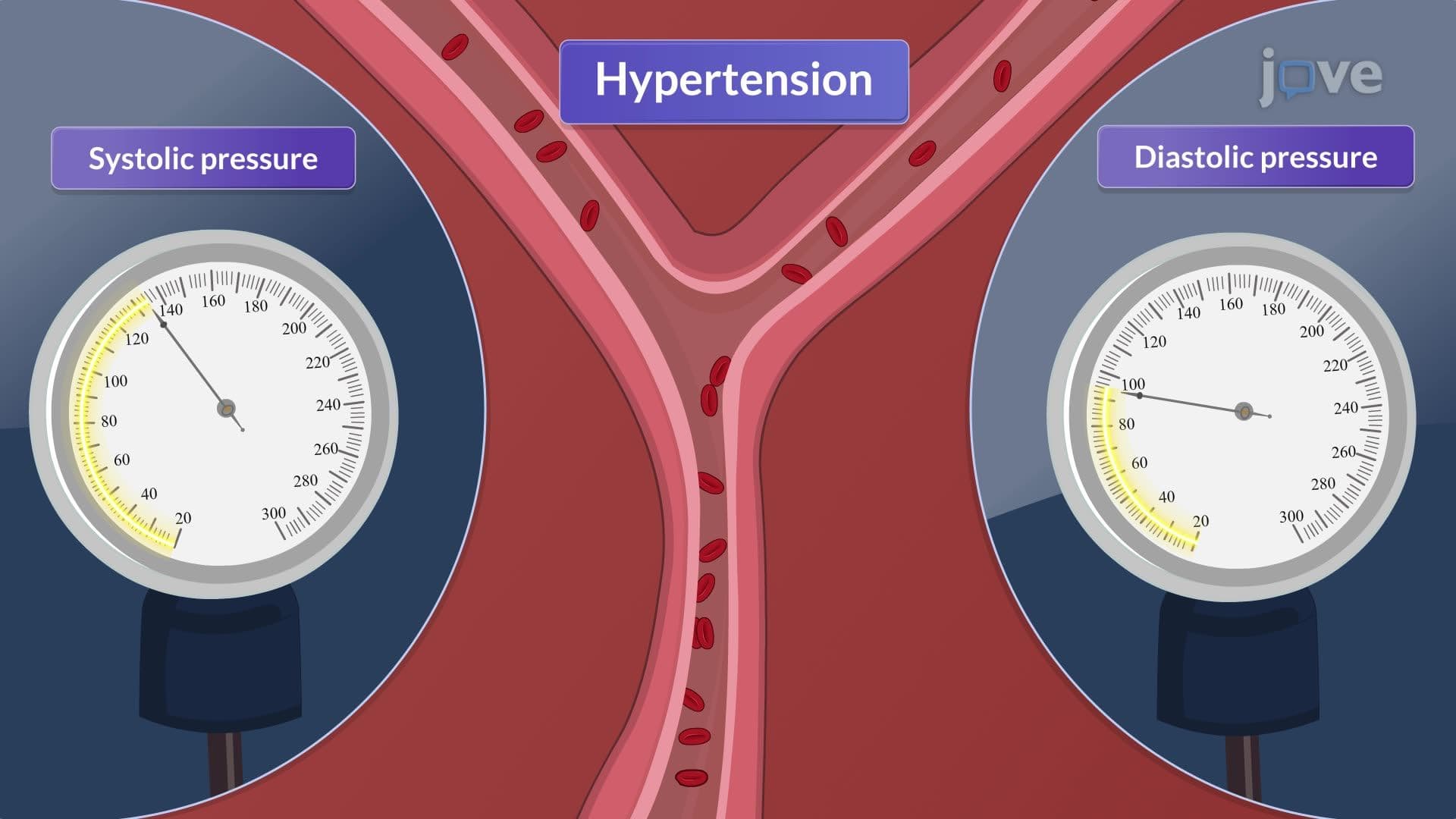
Did you know that 1 in 3 American adults has high blood pressure, yet many don't even know it? Hypertension V nursing management represents the systematic approach nurses use to care for patients with elevated blood pressure, following a structured process from assessment through intervention. For example, at Johns Hopkins Hospital, nurses routinely implement these protocols to help patients like a 45-year-old teacher manage their blood pressure through medication education and lifestyle coaching. Watch the full video on JoVE Coach to master this concept with expert-led visuals and step-by-step explanations.
Hypertension V nursing management follows a systematic five-step approach that mirrors the nursing process taught in programs across American nursing schools. This evidence-based framework ensures comprehensive care for the estimated 116 million Americans living with high blood pressure. The "V" designation refers to the Roman numeral five, representing the five critical phases: assessment, diagnosis, planning, implementation, and evaluation.
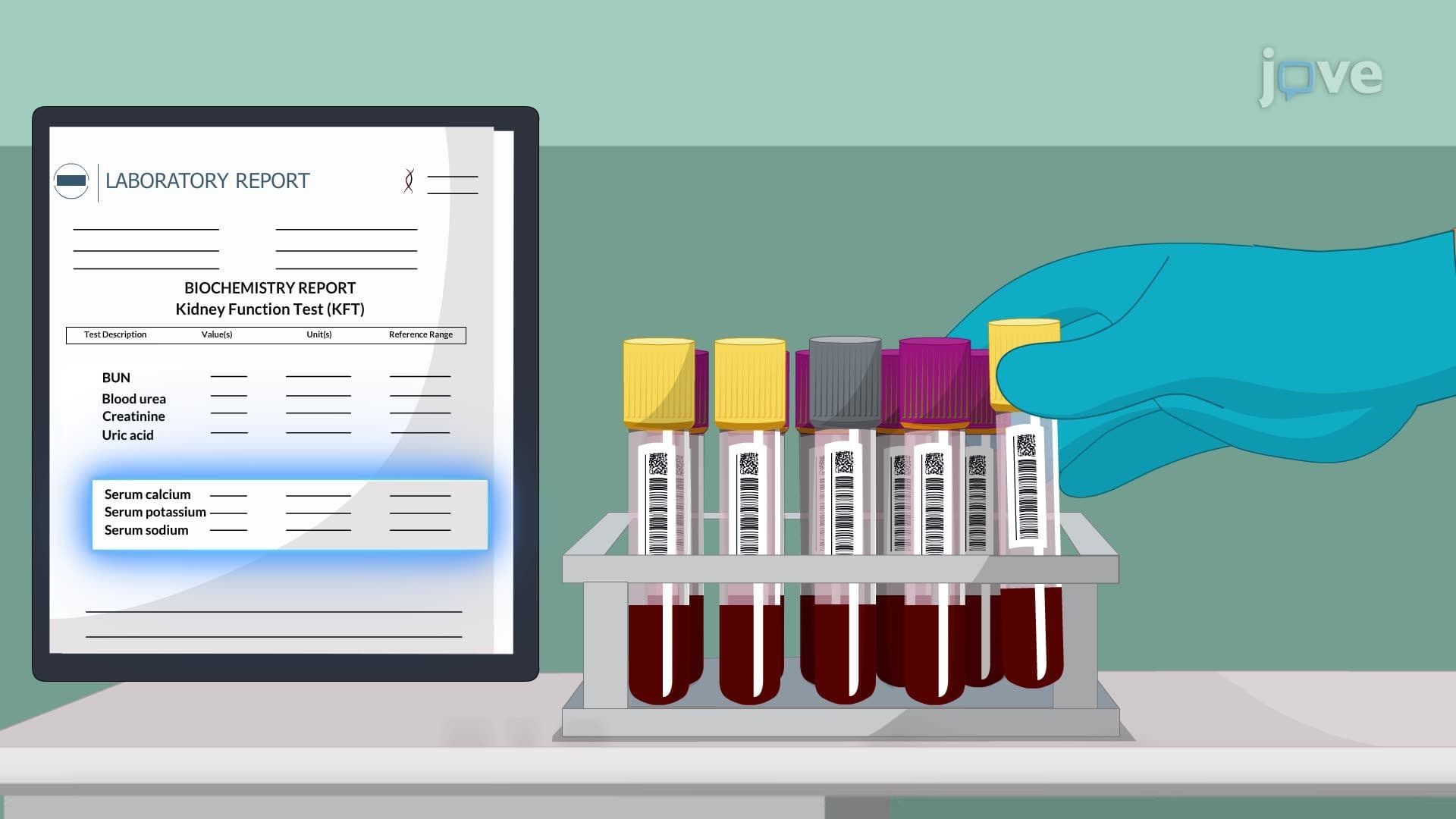
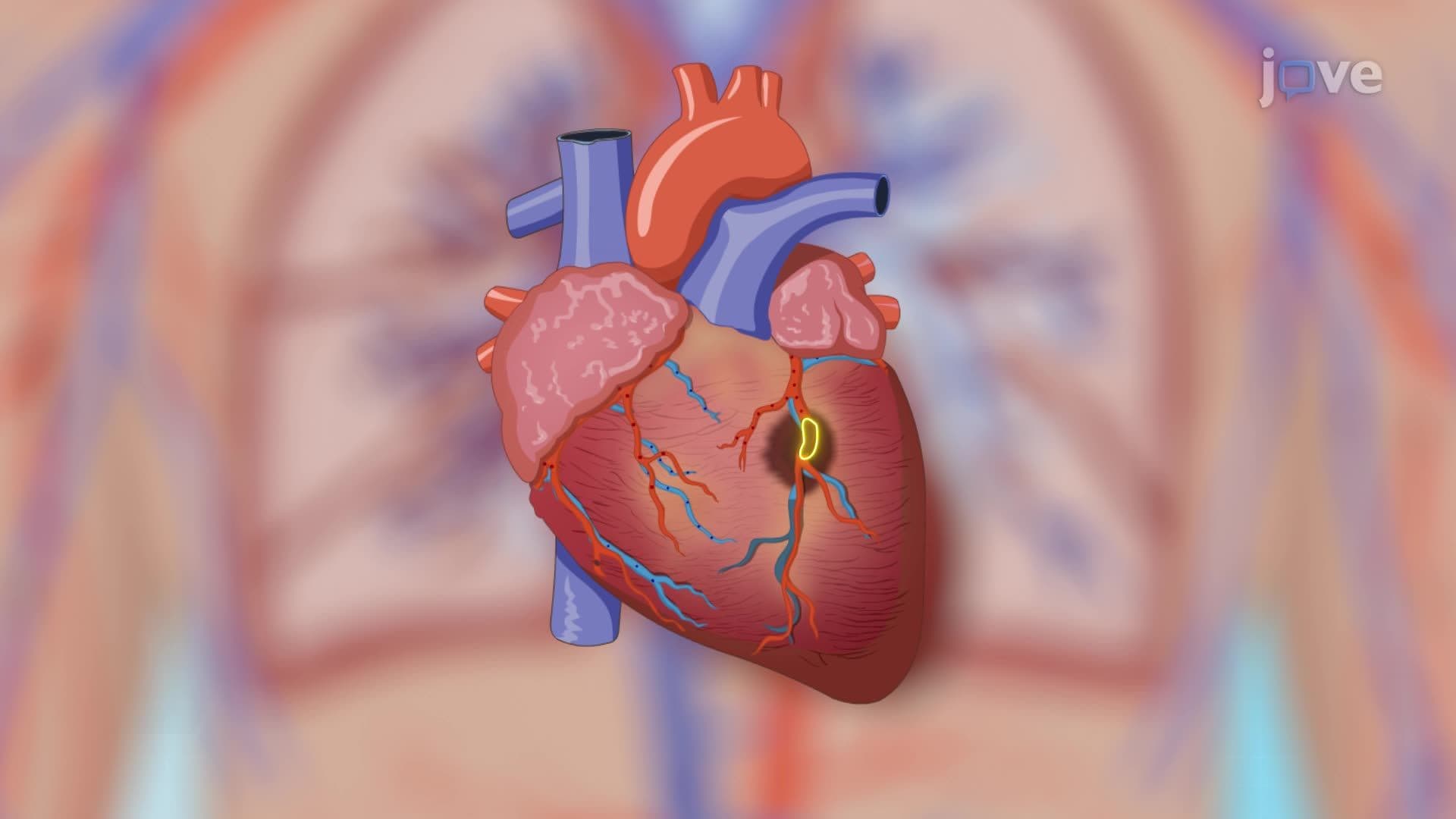
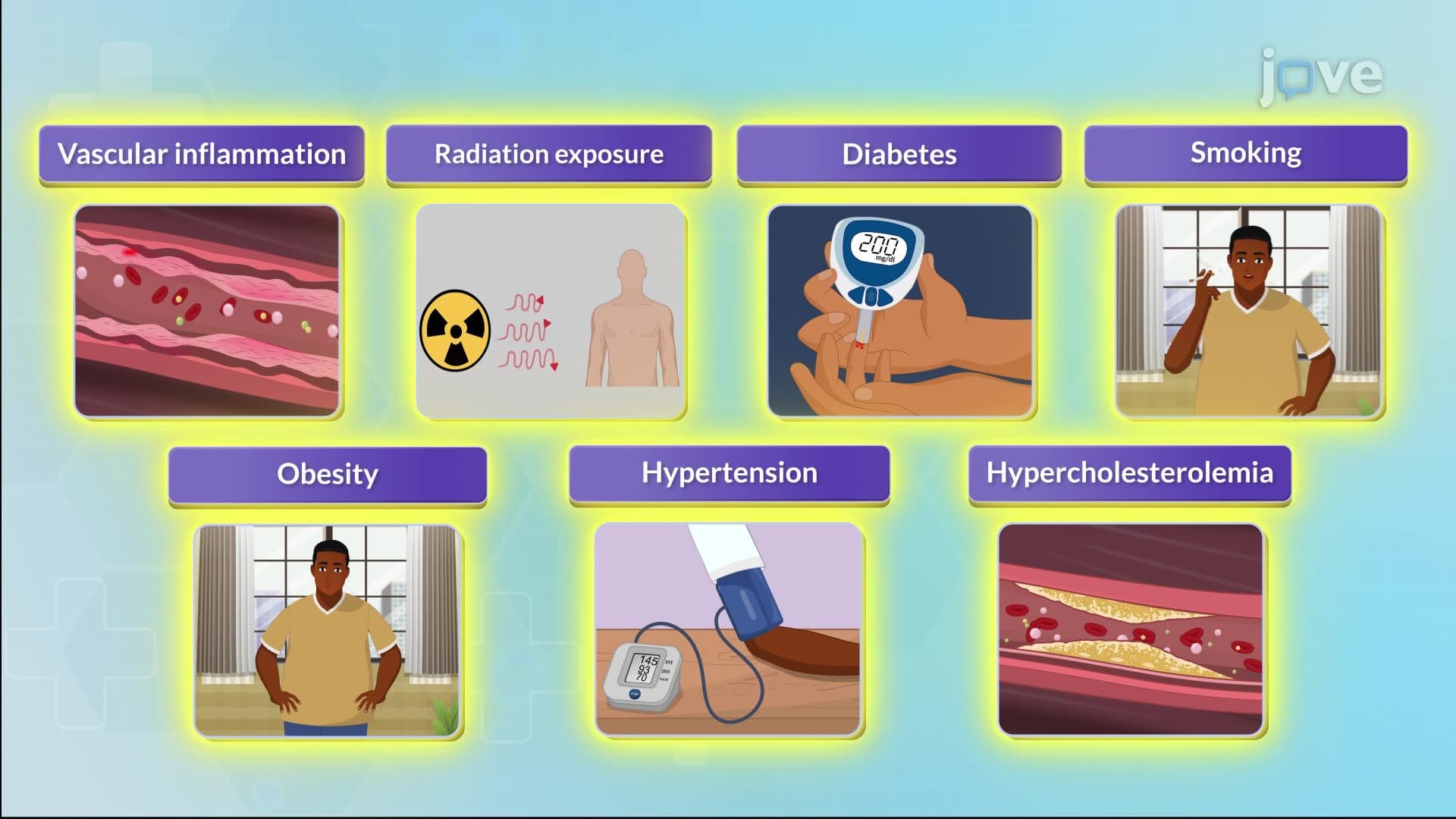
The assessment phase requires nurses to gather comprehensive data beyond just blood pressure readings. At leading medical centers like Mayo Clinic and Cleveland Clinic, nurses evaluate multiple risk factors simultaneously. They assess for neurological symptoms like headaches, which may indicate target organ damage. Cardiovascular history helps identify existing complications, while screening for diabetes reveals additional metabolic risks. Body mass index calculations and alcohol consumption patterns provide insight into modifiable risk factors that impact treatment success.
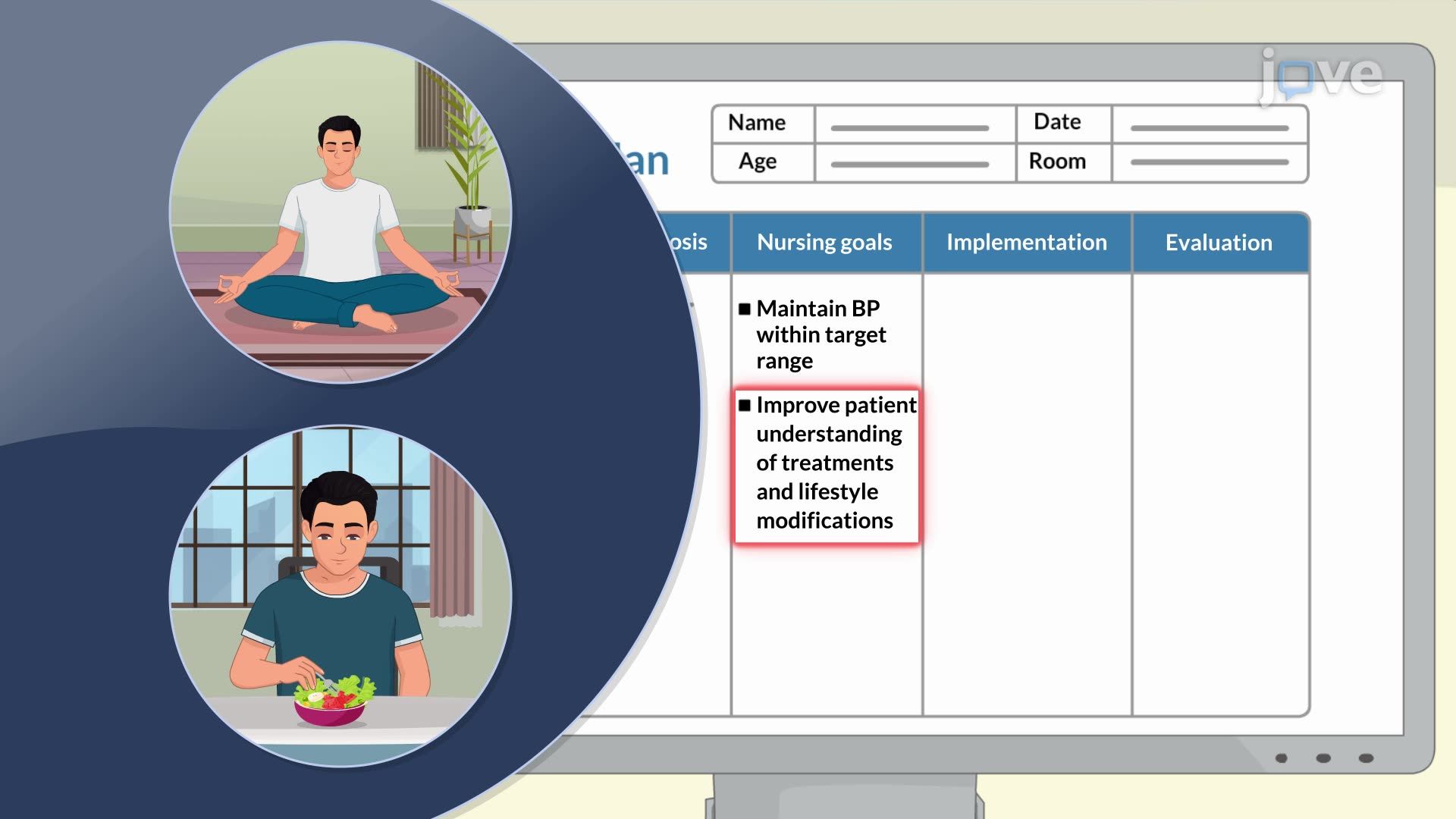
The primary nursing diagnosis-decreased cardiac output related to increased peripheral vascular resistance-forms the foundation for all subsequent interventions. This diagnosis appears frequently on NCLEX-RN examinations and nursing school care plan assignments. Goals focus on three main areas: maintaining blood pressure within target ranges (typically below 130/80 mmHg according to American Heart Association guidelines), enhancing patient knowledge about their condition, and promoting long-term lifestyle modifications.
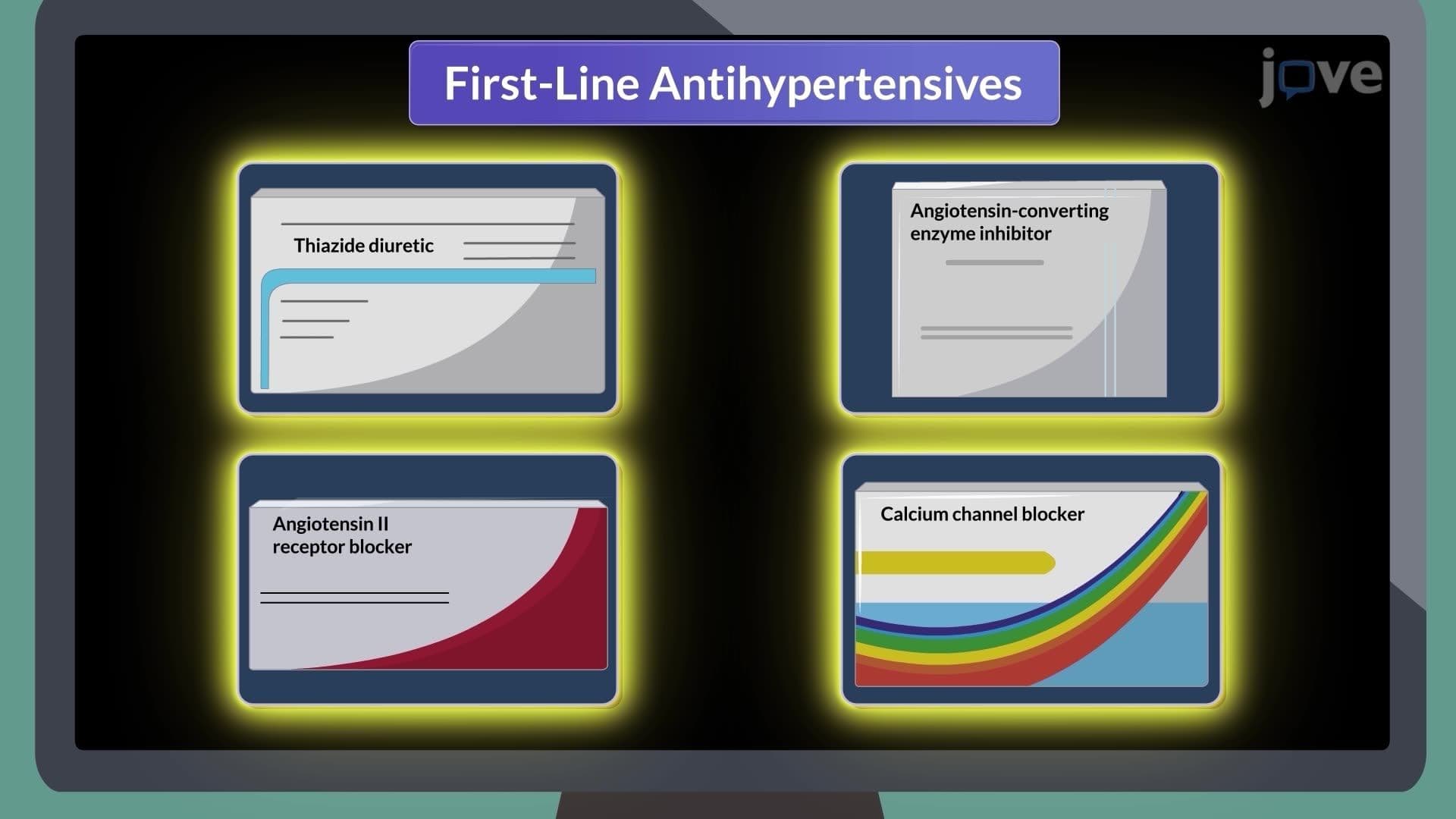
Implementation involves both monitoring and educational components. Accurate blood pressure measurement using proper technique prevents false readings that could lead to inappropriate treatment adjustments. Patient education encompasses medication management, including teaching about ACE inhibitors, beta-blockers, and diuretics commonly prescribed in US healthcare settings. Lifestyle modifications include the DASH diet (Dietary Approaches to Stop Hypertension), developed by the National Heart, Lung, and Blood Institute, which emphasizes reducing sodium, saturated fats, and added sugars while increasing fruits, vegetables, and whole grains.
This comprehensive approach prepares nursing students for clinical rotations and professional practice while addressing content commonly tested on certification exams like the NCLEX-RN and specialty certifications.
Related Micro-courses