Loading subject page…

3,563 views

Video Summary: What Is Varicose Veins I Introduction
Did you know that over 35% of Americans develop varicose veins, making it one of the most common vascular conditions in the United States? Understanding varicose veins i introduction reveals how venous valve incompetence creates those characteristic twisted, bulging veins visible beneath the skin. Consider how prolonged standing jobs-from retail workers at Target to nurses at Johns Hopkins Hospital-significantly increase risk for developing these abnormally dilated superficial veins. Watch the full video on JoVE Coach to master this concept with expert-led visuals and step-by-step explanations.
Varicose veins represent a fundamental breakdown in the venous system's ability to efficiently return blood to the heart against gravity. This vascular condition affects millions of Americans annually, with healthcare costs exceeding $1 billion in the United States. The condition serves as an excellent introduction to cardiovascular pathophysiology concepts frequently tested on the MCAT, AP Biology exams, and undergraduate anatomy courses.
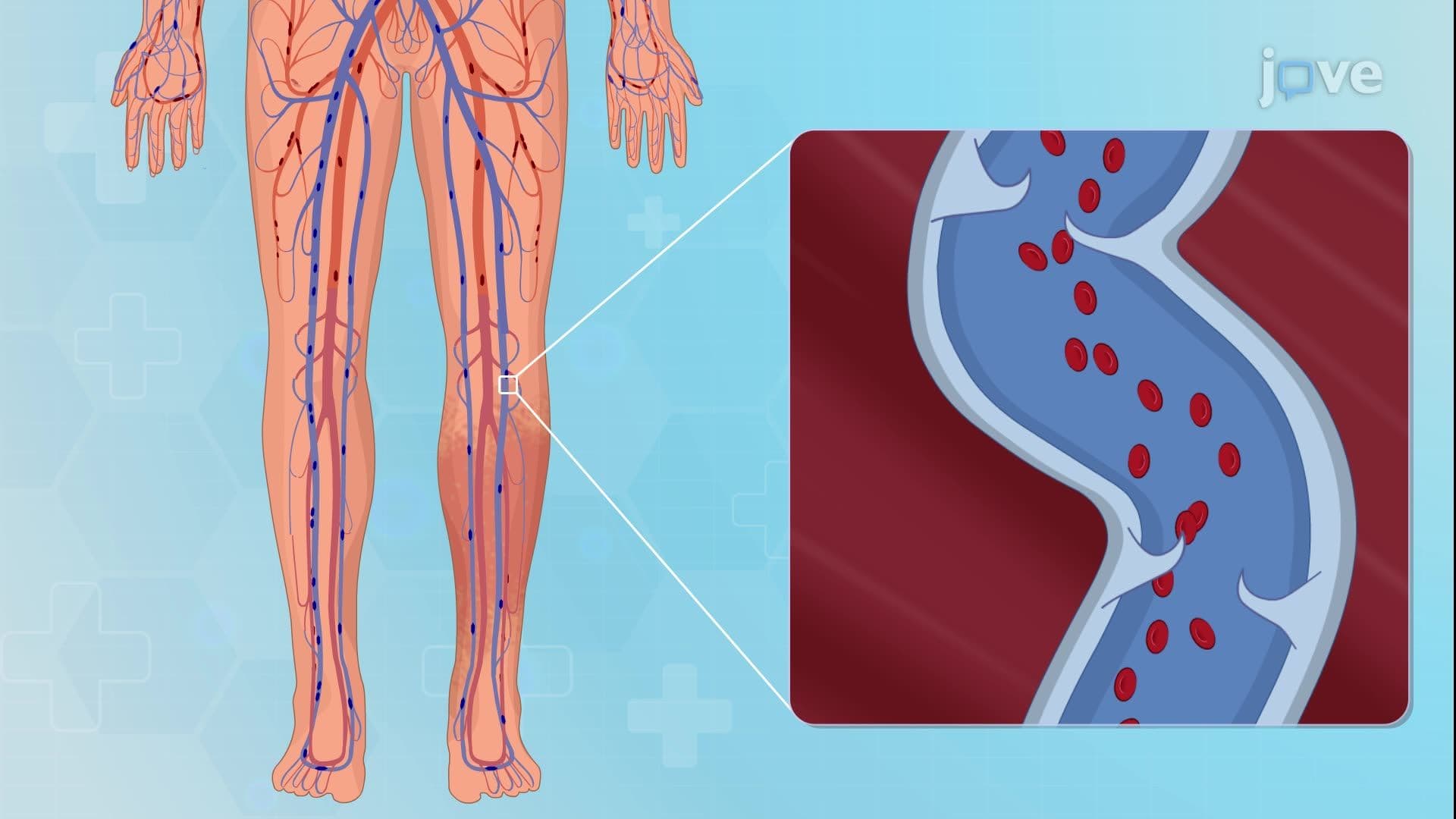
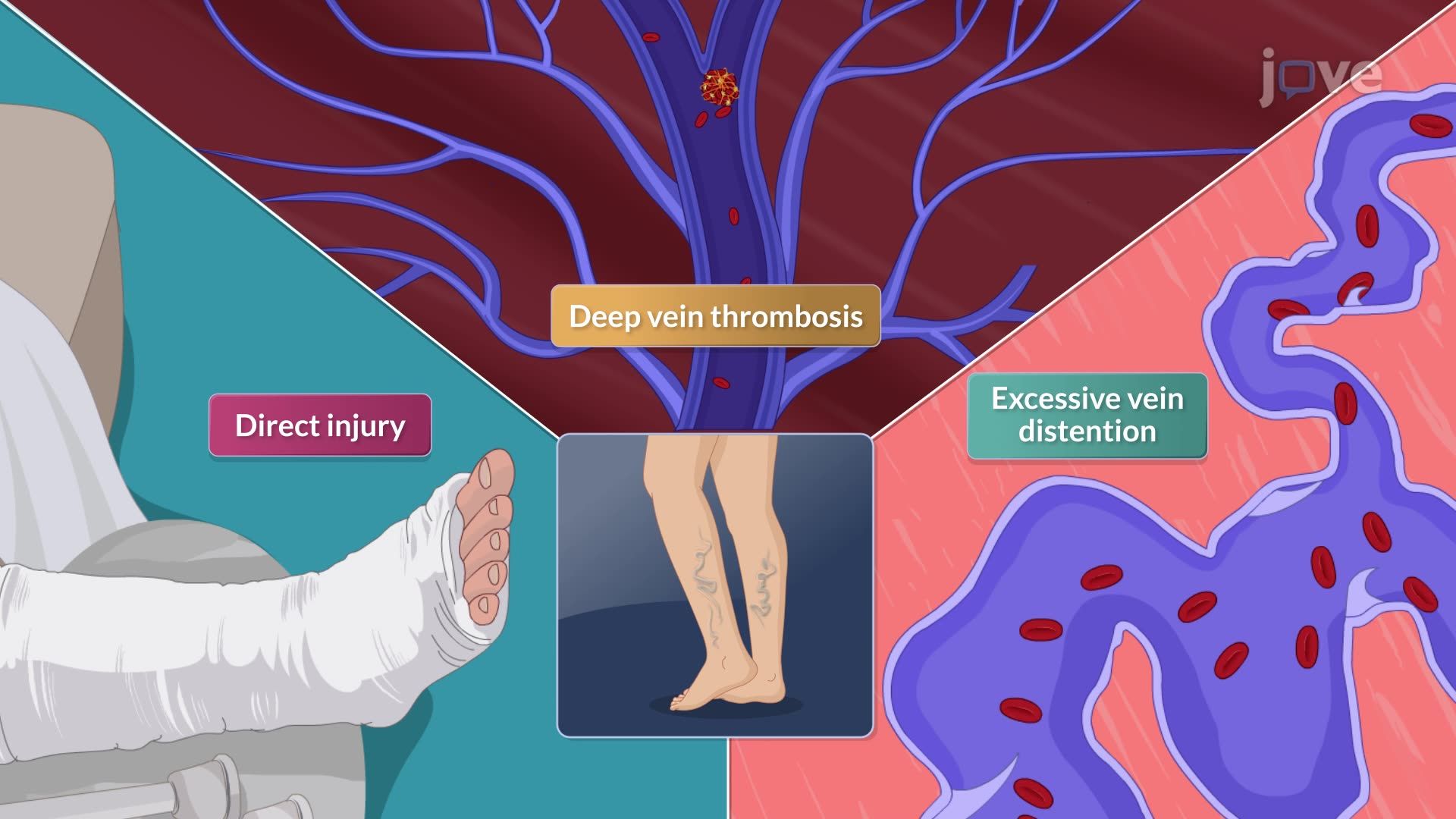
The venous system relies on competent one-way valves to prevent retrograde blood flow, particularly in the lower extremities where hydrostatic pressure is greatest. Primary varicose veins develop idiopathically through genetic predisposition and environmental factors, while secondary varicose veins result from identifiable causes. For instance, esophageal varices-a life-threatening form of secondary varicose veins-develop when portal hypertension forces blood through collateral circulation, commonly seen in patients with cirrhosis at major medical centers like Mayo Clinic.
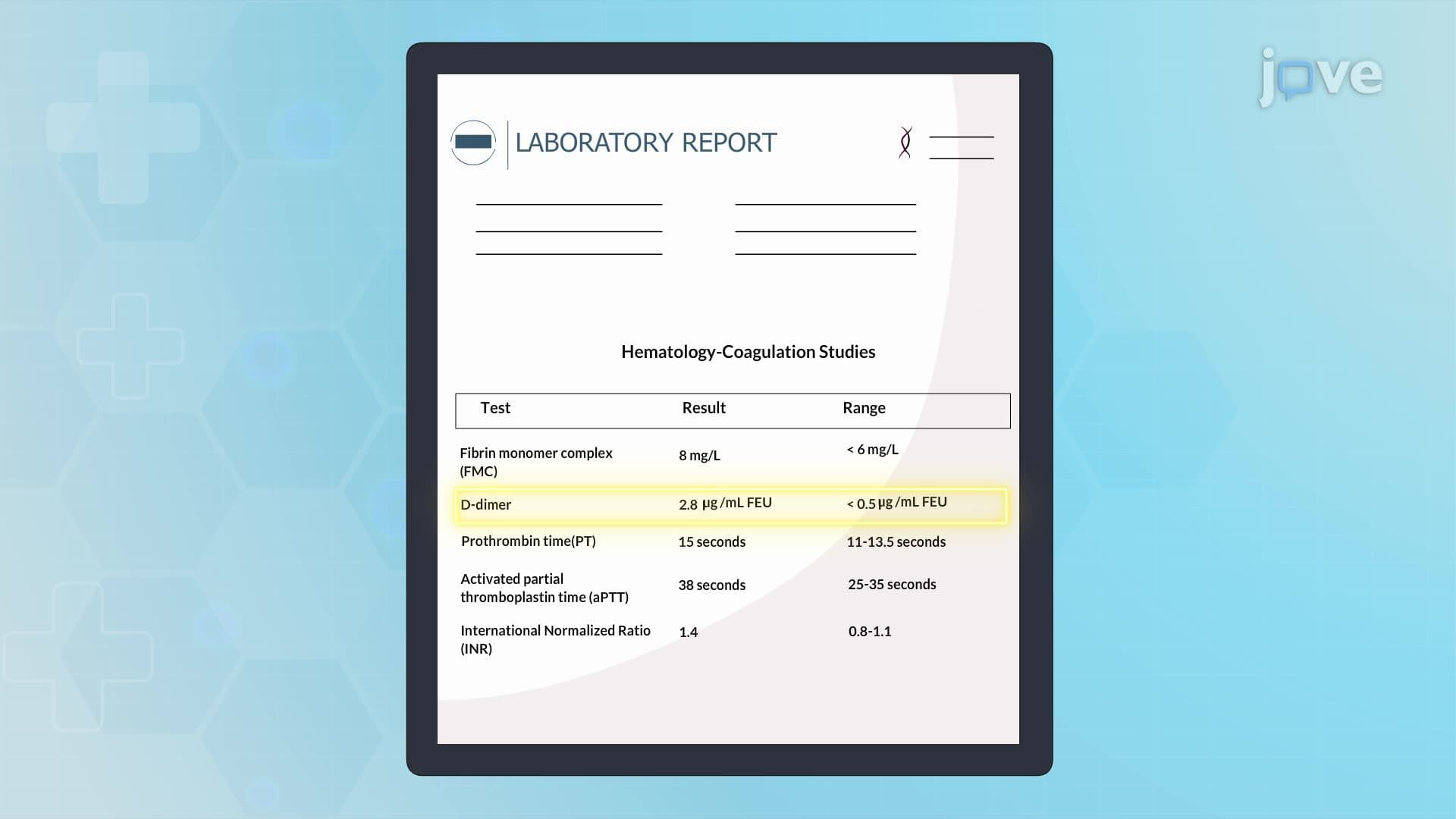
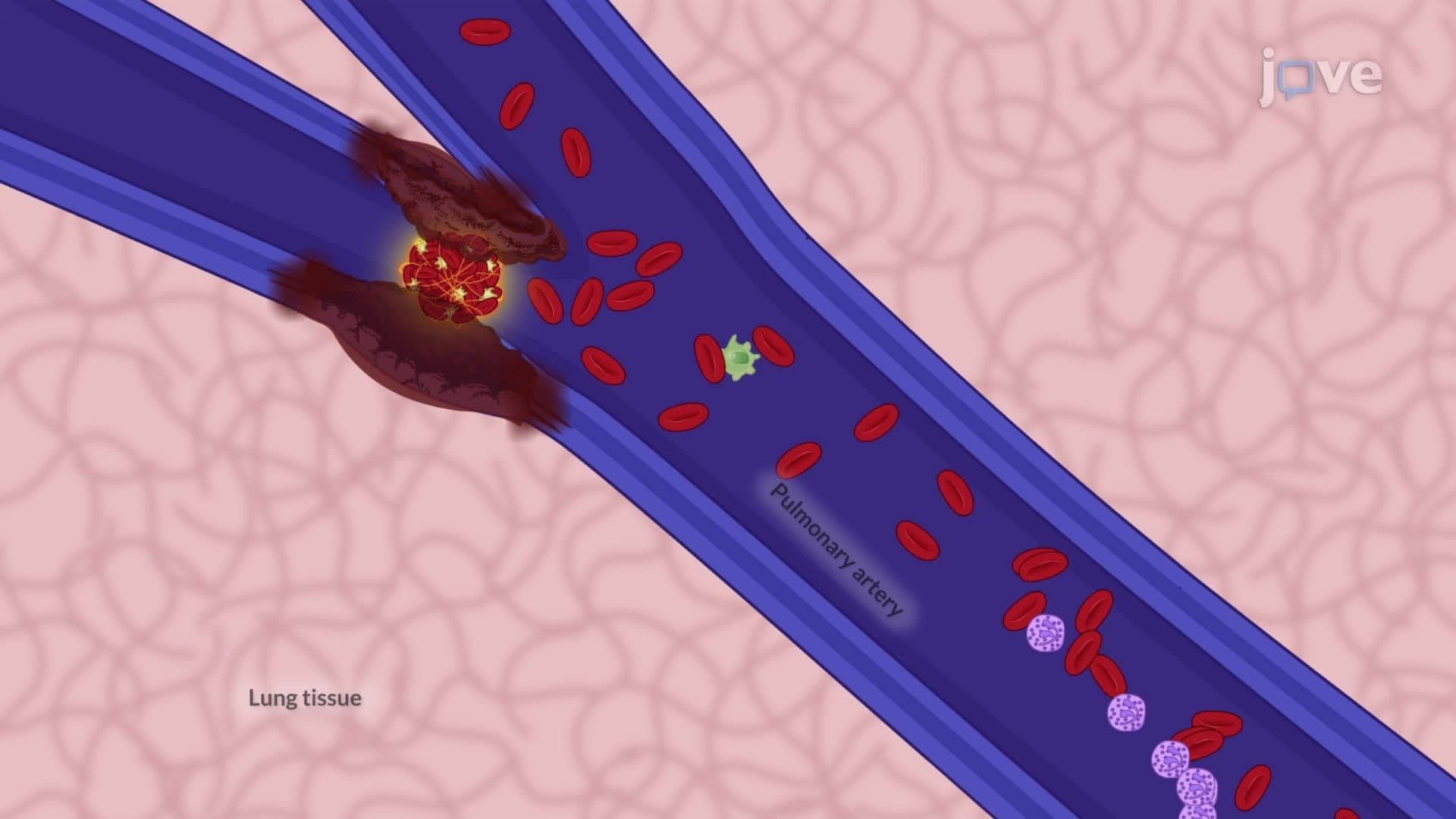
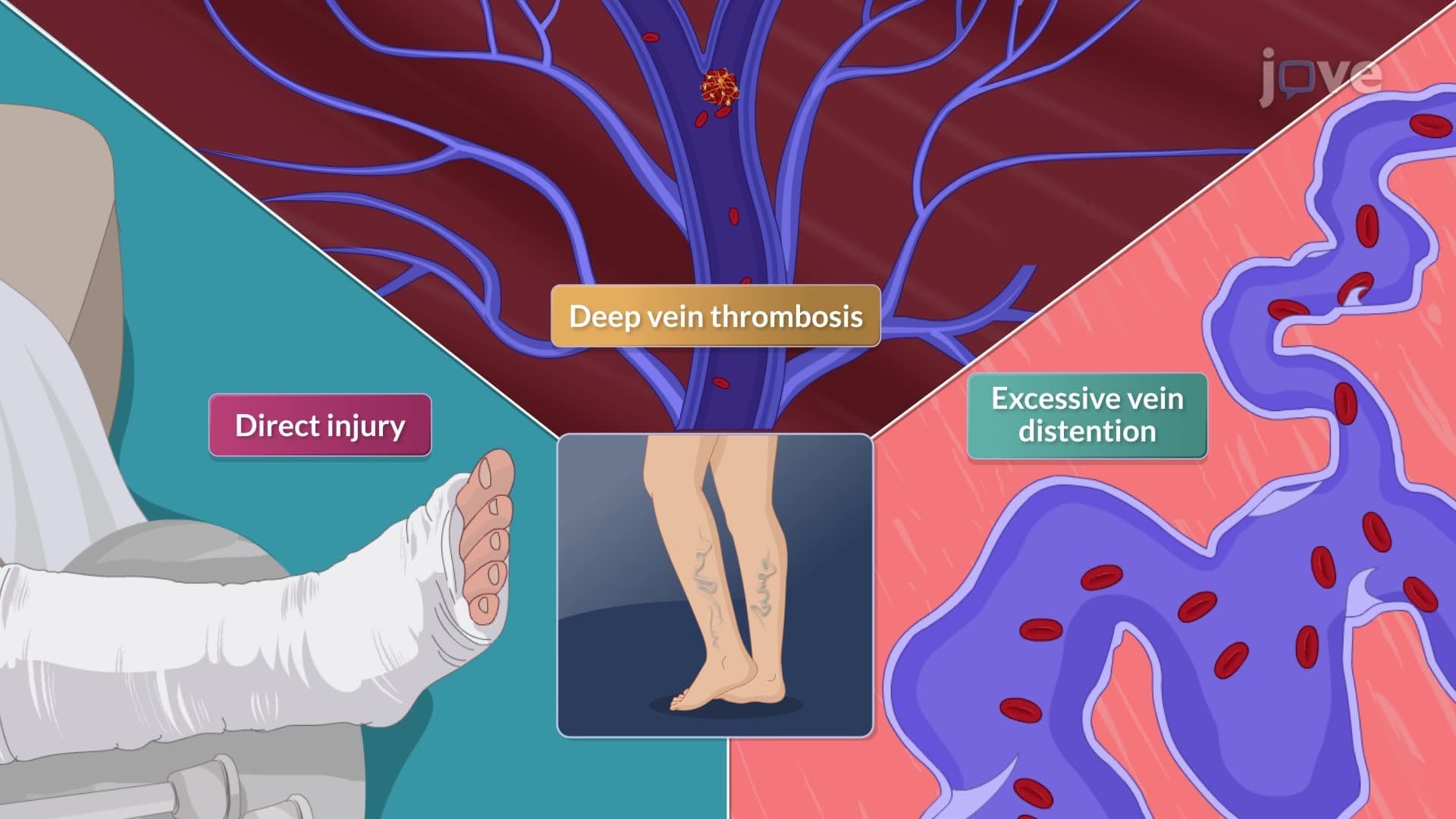
Deep vein thrombosis represents another critical secondary cause, where clot formation damages venous valves permanently. This mechanism explains why DVT survivors often develop chronic venous insufficiency years later-a connection frequently tested in NCLEX and medical school examinations.
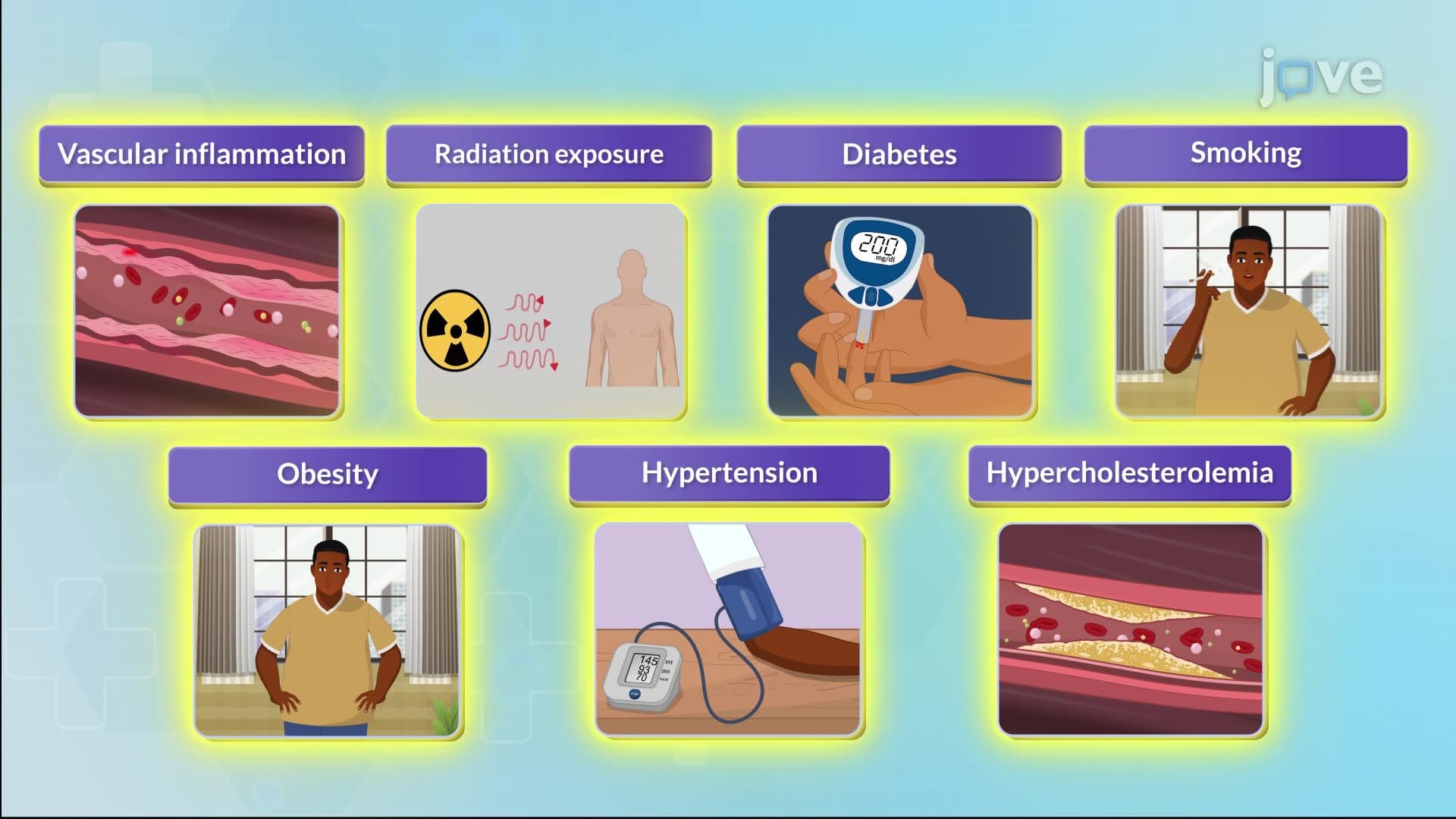
The cascade begins with vein wall weakness, causing valve rings to enlarge beyond the leaflets' capacity to maintain competence. This mechanical failure allows gravitational blood pooling, creating a positive feedback loop of increasing venous pressure and progressive distention. American lifestyle factors significantly contribute to risk, including sedentary desk jobs, obesity rates exceeding 36% nationally, and occupational standing requirements in healthcare and retail industries.
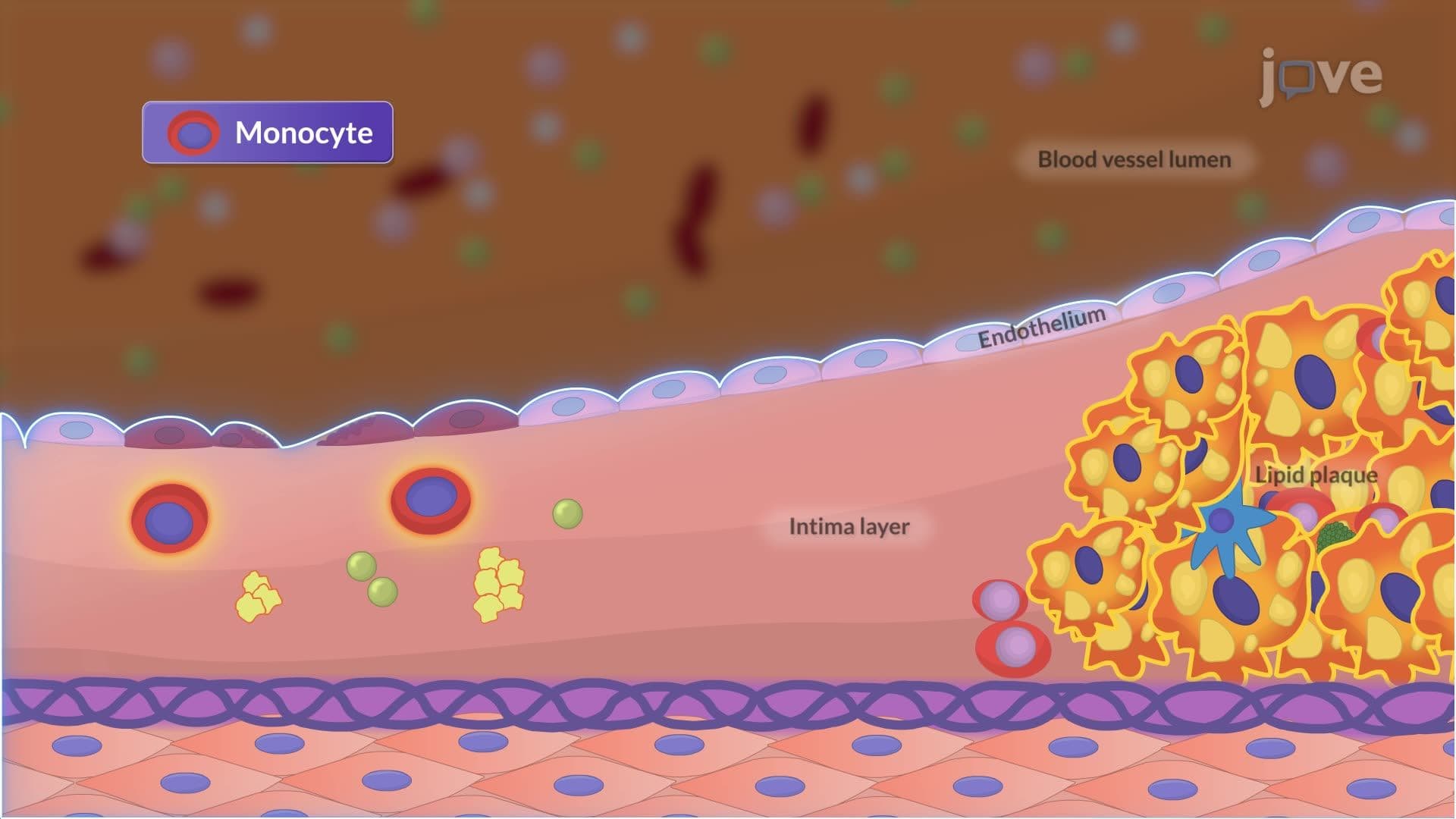
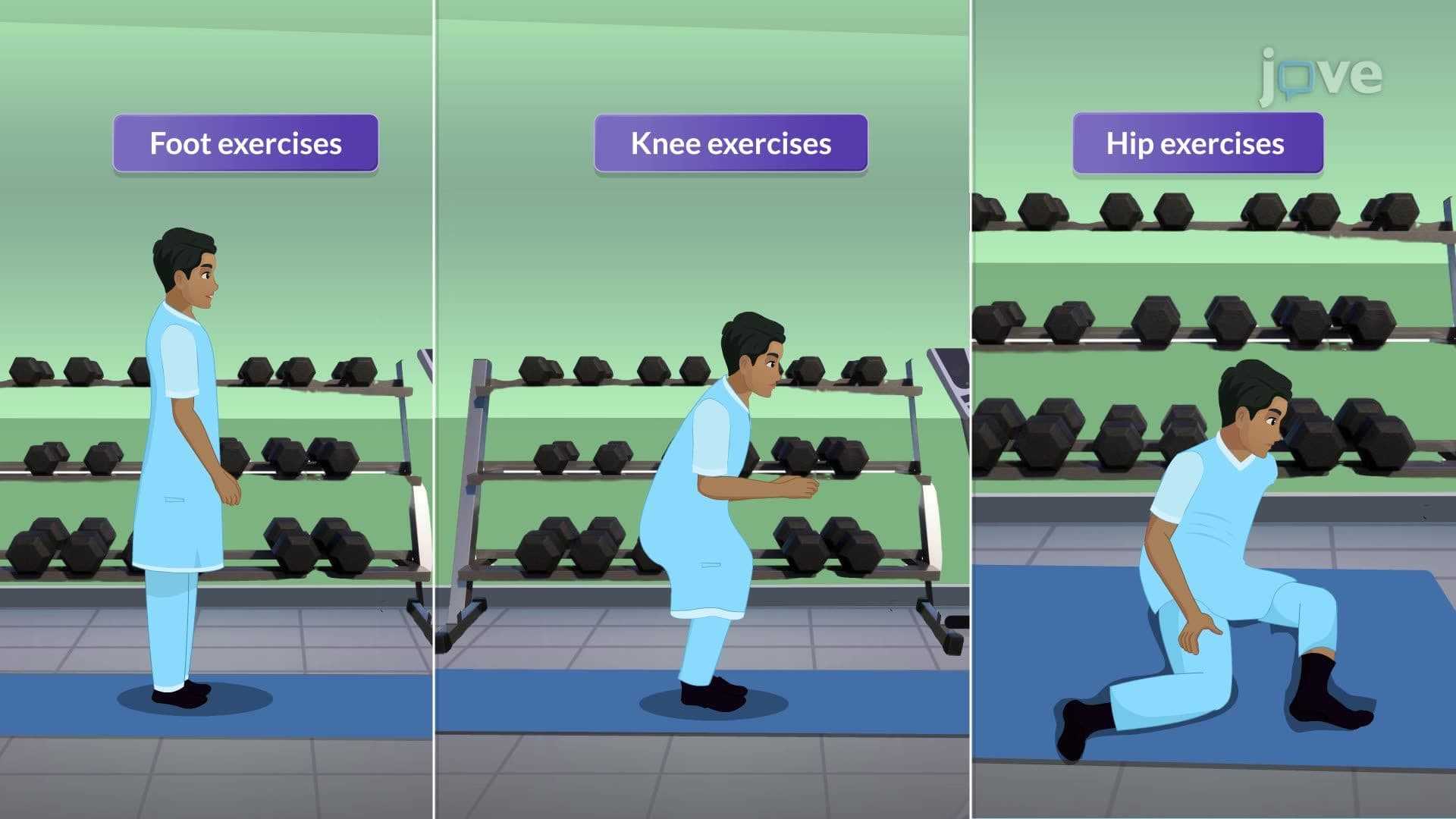
Multiparity increases risk through hormonal influences and increased abdominal pressure during pregnancy-particularly relevant given America's birth rate patterns. Tobacco use compounds the problem through endothelial damage and altered collagen synthesis, mechanisms also relevant to atherosclerosis studies in cardiovascular courses.
Understanding varicose vein pathophysiology provides excellent preparation for clinical scenarios on the USMLE Step 1, where venous insufficiency questions frequently appear. The condition also demonstrates principles of fluid dynamics and pressure gradients essential for physics applications in biological systems-concepts reinforced in engineering and pre-med coursework at institutions like MIT and Stanford University.
Related Micro-courses