Loading subject page…

3,563 views

Video Summary: What Is Venous Thrombosis I Introduction
Did you know that approximately 900,000 Americans develop blood clots in their veins each year, with many cases being preventable? Venous thrombosis i introduction covers the fundamental mechanisms behind blood clot formation within veins, from superficial leg veins to deep femoral vessels. This life-threatening condition affects patients in US hospitals daily, particularly those recovering from surgery at institutions like Johns Hopkins or Mayo Clinic. Understanding what is venous thrombosis i introduction involves mastering Virchow's triad-the three critical factors that create perfect conditions for dangerous clots to form and potentially travel to vital organs. Watch the full video on JoVE Coach to master this concept with expert-led visuals and step-by-step explanations.
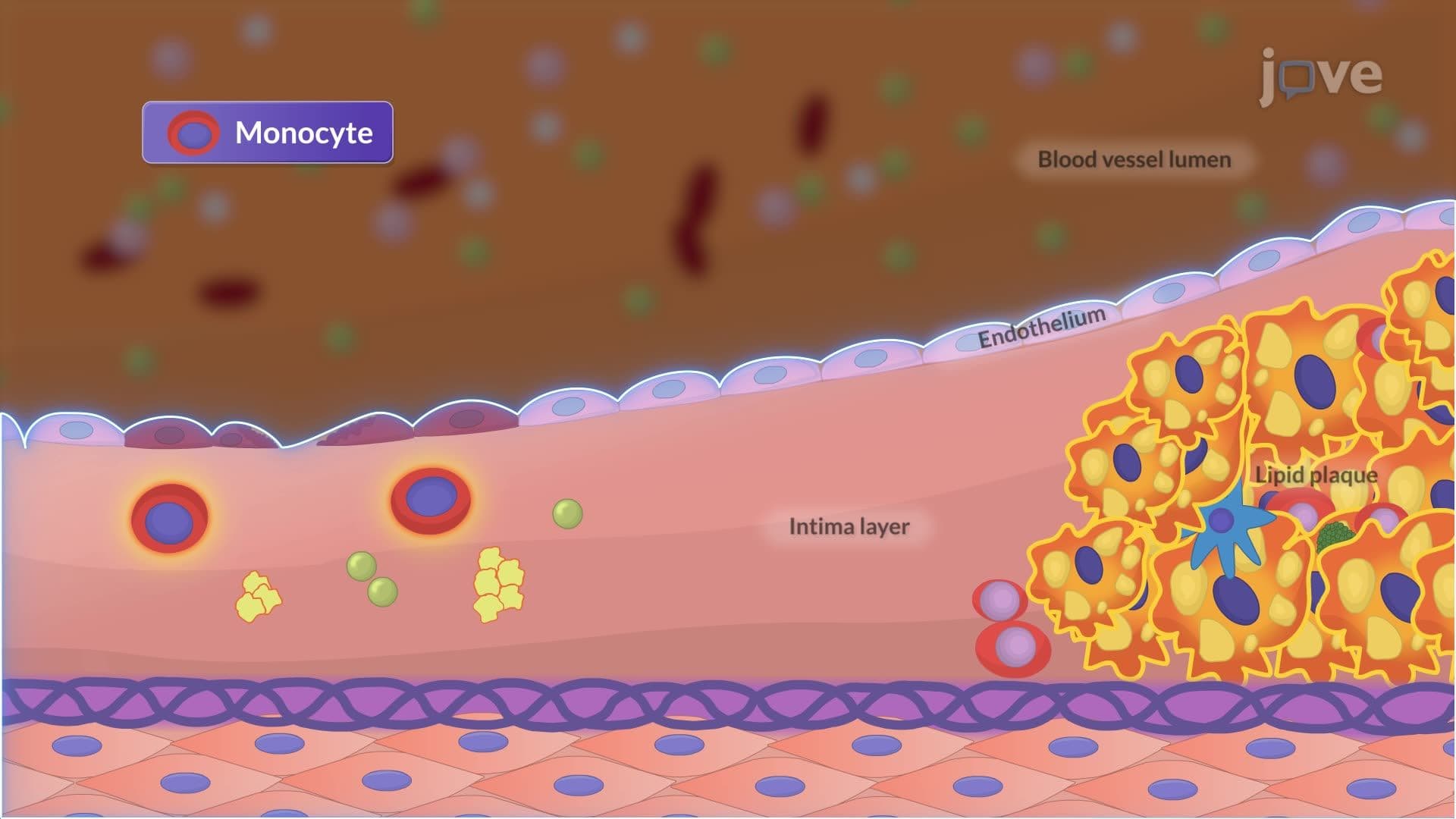
Venous thrombosis i introduction represents a critical foundation in cardiovascular pathophysiology that every pre-med and nursing student must master. Unlike arterial clots that form due to plaque rupture, venous clots develop through distinctly different mechanisms within the low-pressure venous system. This fundamental distinction affects everything from risk factors to treatment approaches, making it essential knowledge for MCAT preparation and clinical rotations.
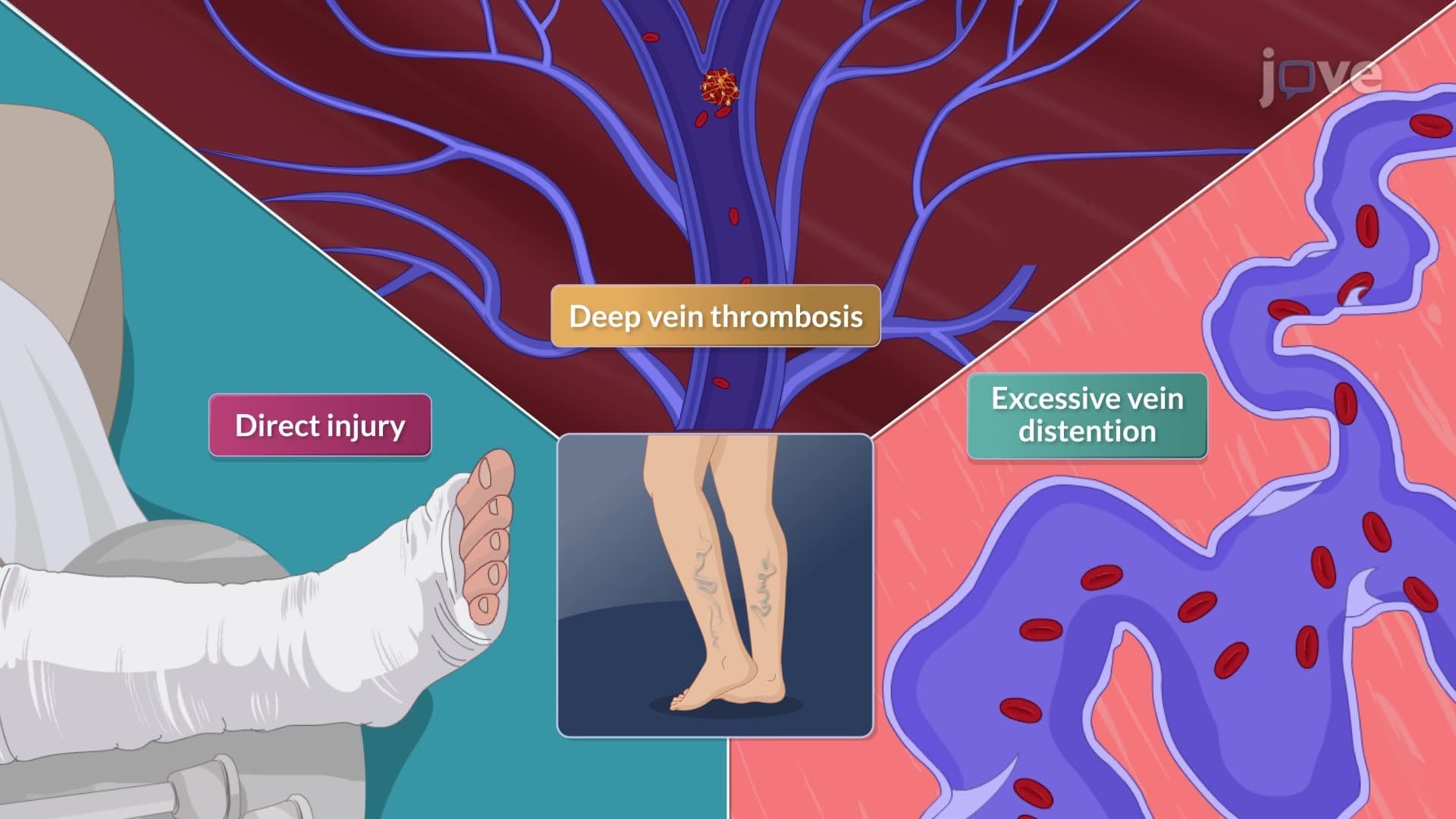
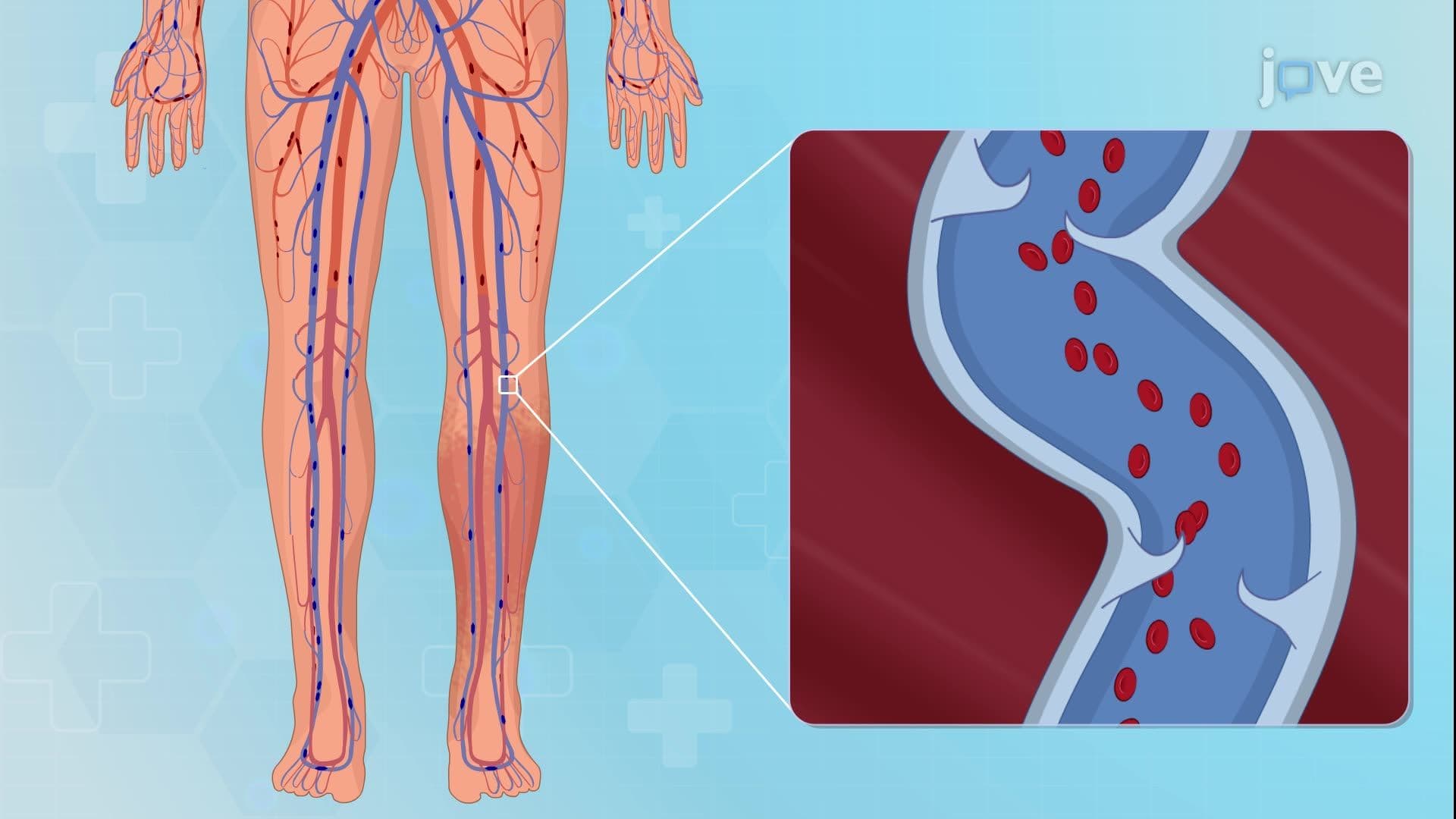
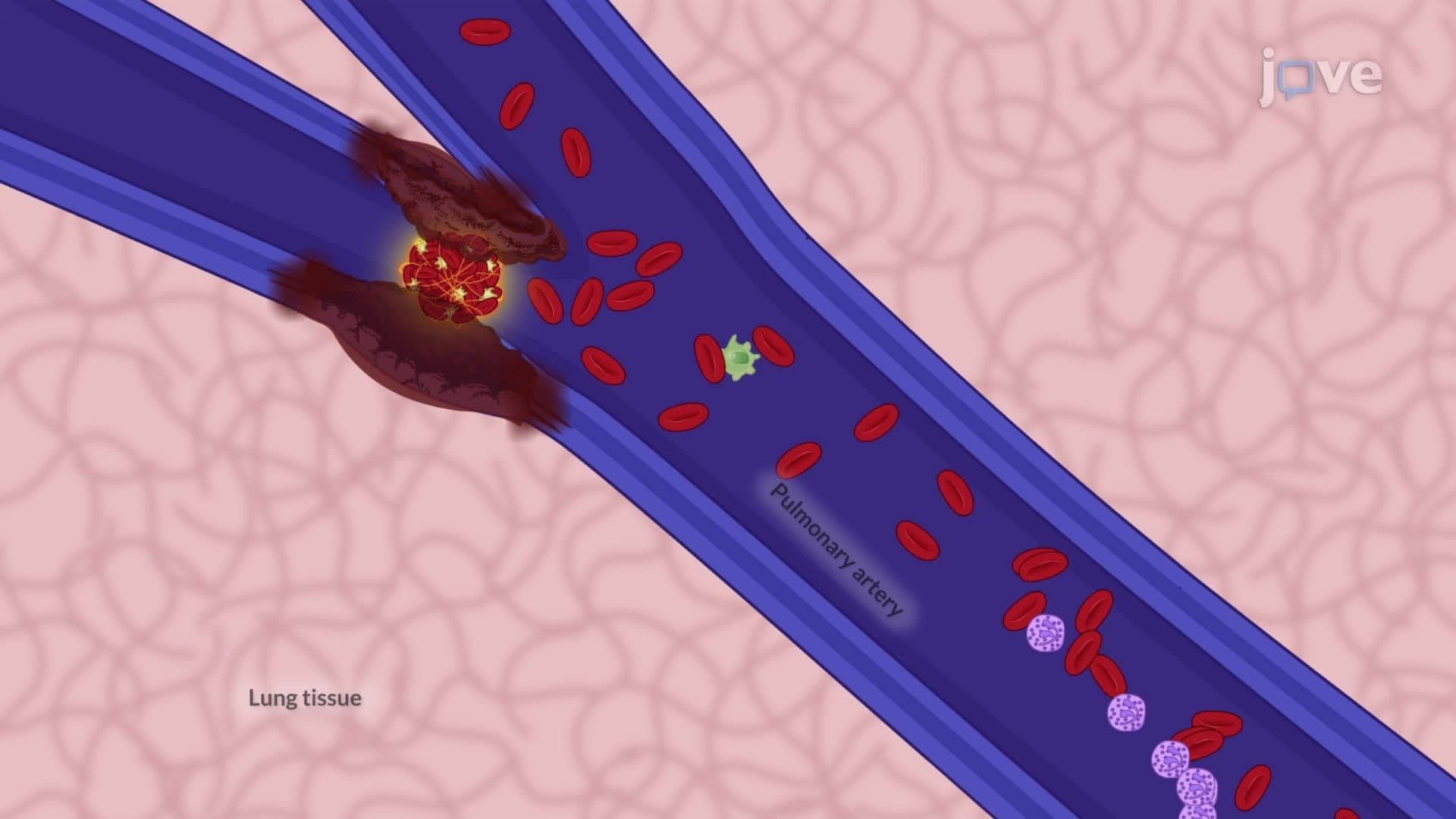
The venous thrombosis i introduction definition encompasses two primary categories based on vessel depth. Superficial venous thrombosis affects vessels like the great saphenous vein, often presenting as painful, palpable cords along the leg. While uncomfortable, these rarely cause life-threatening complications. Deep vein thrombosis (DVT), however, occurs in major vessels such as the femoral, popliteal, or iliac veins. DVT poses serious risks because clots can dislodge and travel to pulmonary arteries, causing potentially fatal pulmonary embolisms-a leading cause of preventable hospital deaths in US healthcare systems.
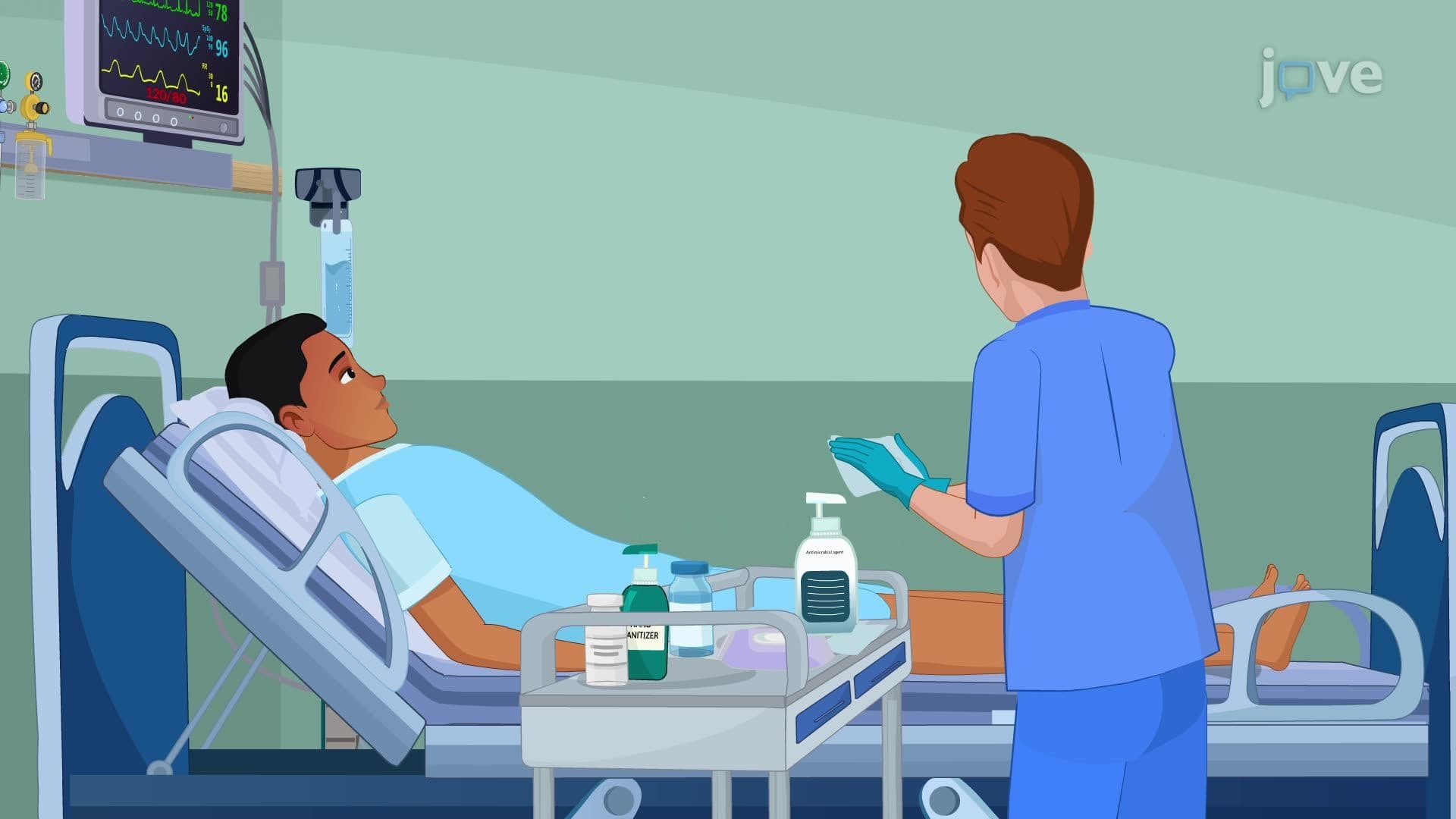
Understanding venous thrombosis i introduction requires mastering Virchow's triad, named after German physician Rudolf Virchow. This triad identifies three interconnected factors that create thrombotic conditions. Venous stasis occurs when normal blood flow patterns become disrupted-common in bedridden patients at hospitals like Cleveland Clinic or during long flights. Students preparing for AP Biology or college physiology exams should understand how valve dysfunction and muscle inactivity contribute to stagnant blood flow, particularly in dependent limbs.
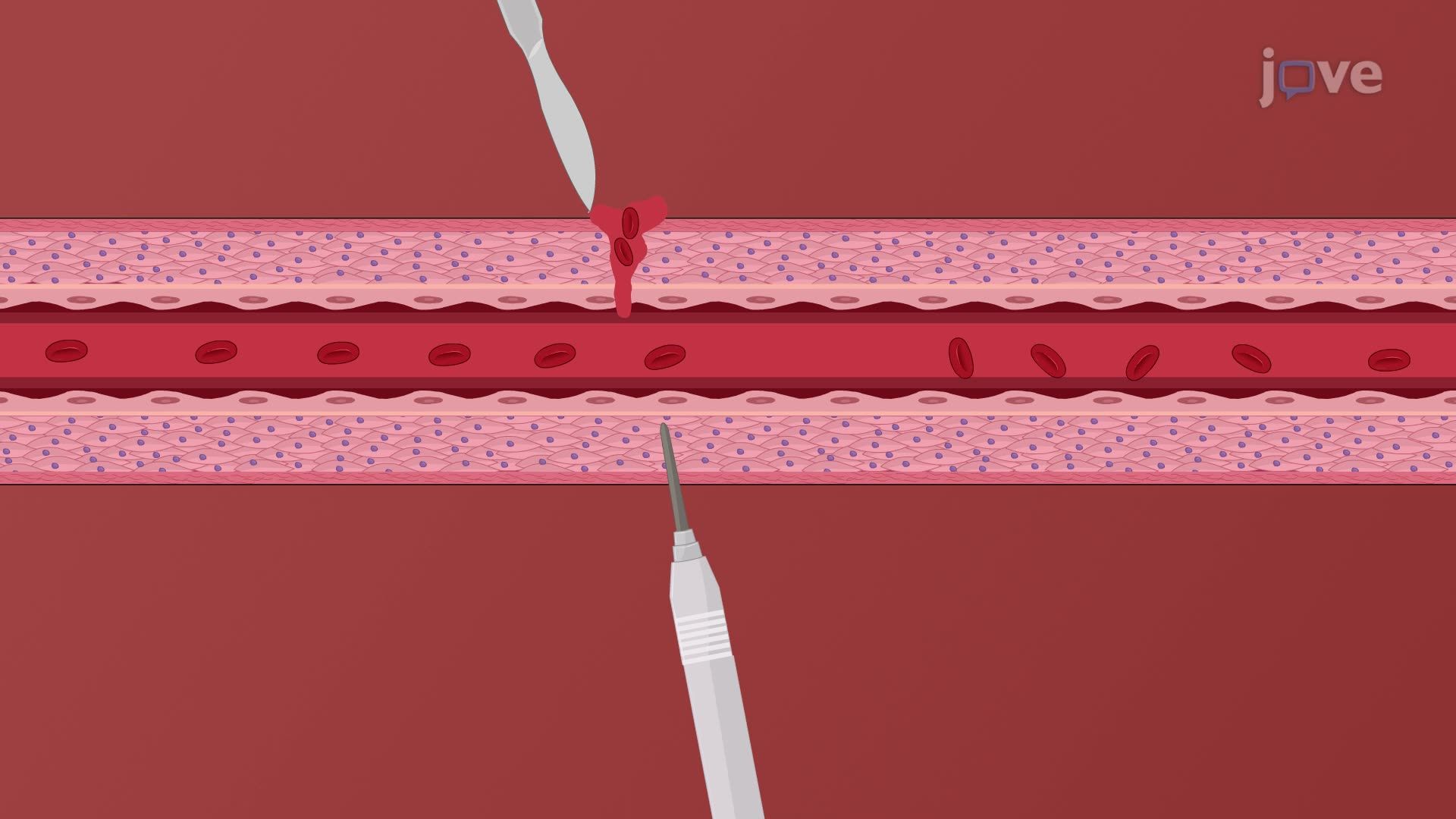
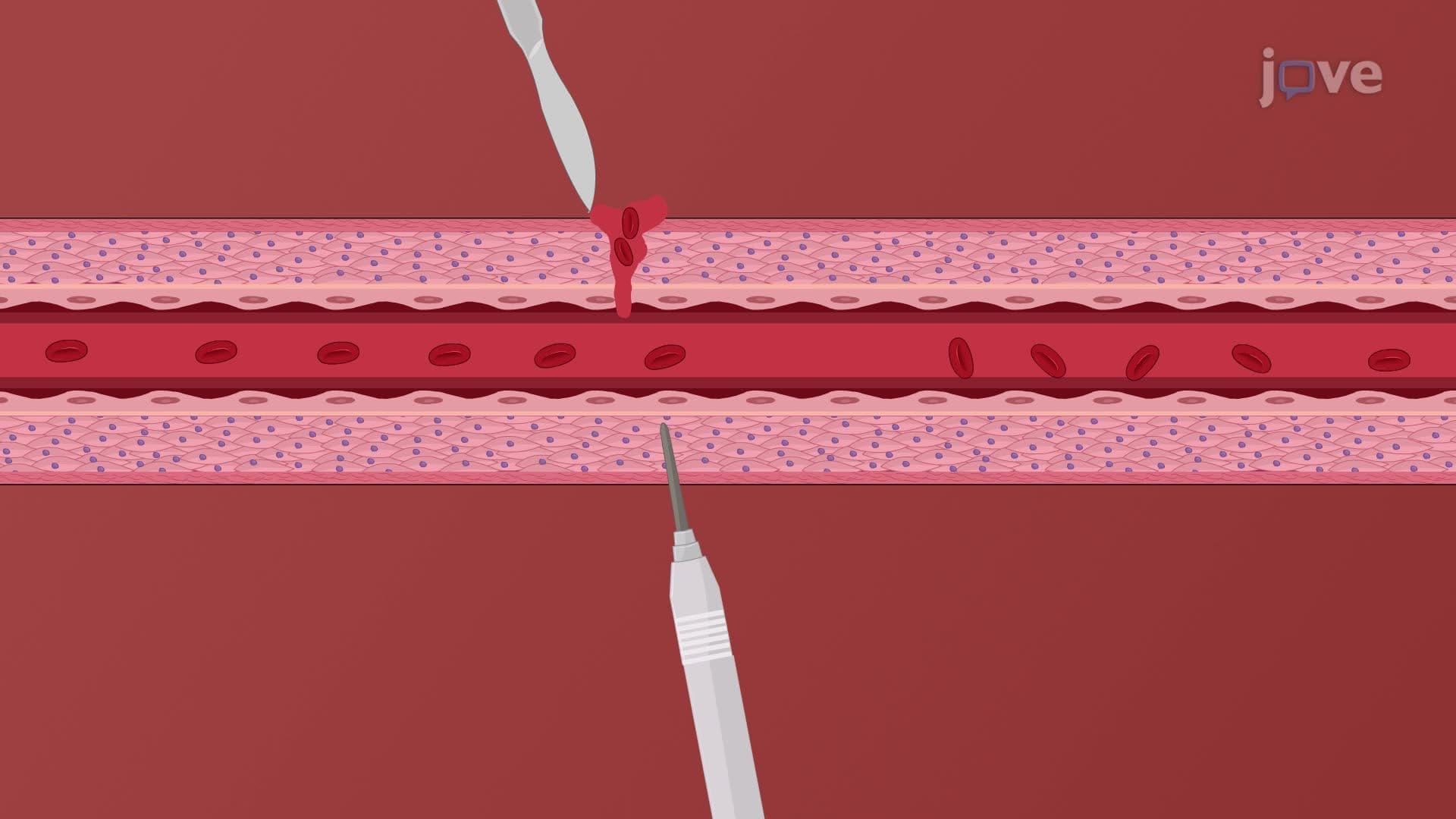
Hypercoagulability represents the second component, involving conditions that tip the balance toward clot formation. Inherited disorders like Factor V Leiden mutation affect approximately 5% of Caucasian Americans, while acquired conditions include pregnancy, oral contraceptive use, and malignancies. The third factor, endothelial damage, can result from direct trauma during surgical procedures or indirect injury from inflammatory conditions like sepsis.
For students tackling MCAT passages or NCLEX questions, recognizing risk factor combinations becomes crucial. A 65-year-old patient with atrial fibrillation (stasis), cancer (hypercoagulability), and recent hip surgery (endothelial damage) represents a textbook high-risk scenario. Understanding these connections helps students excel in pathophysiology courses and prepare for clinical decision-making in programs at institutions like Harvard Medical School or University of California medical centers.
Related Micro-courses