Loading subject page…


138,509 views


Video Summary: Lncrna Long Non Coding Rnas Explained
Did you know that over 75% of your DNA produces RNA that never becomes protein, yet plays crucial roles in controlling your genes? LNCRNA long non coding RNAs are fascinating molecular regulators that act like cellular traffic controllers, directing when and how genes turn on or off. Unlike the insulin gene studied in diabetes research at Johns Hopkins University, these RNA molecules don't code for proteins but instead regulate other genes through complex binding mechanisms. LNCRNA Long Non Coding RNAS Explained reveals how these versatile molecules function as scaffolds, guides, and molecular sponges in cells. Watch the full video on JoVE Coach to master this concept with expert-led visuals and step-by-step explanations.
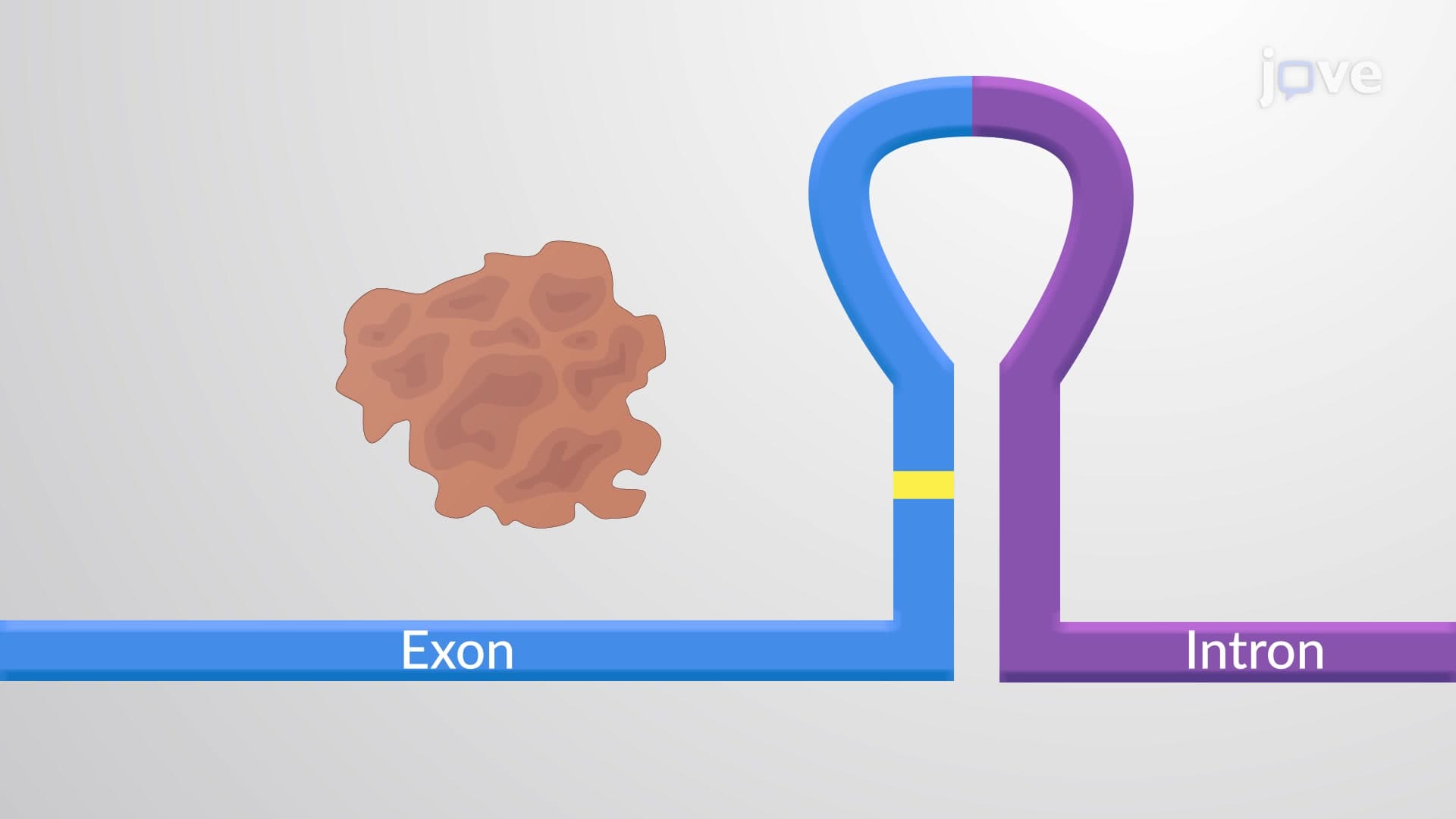
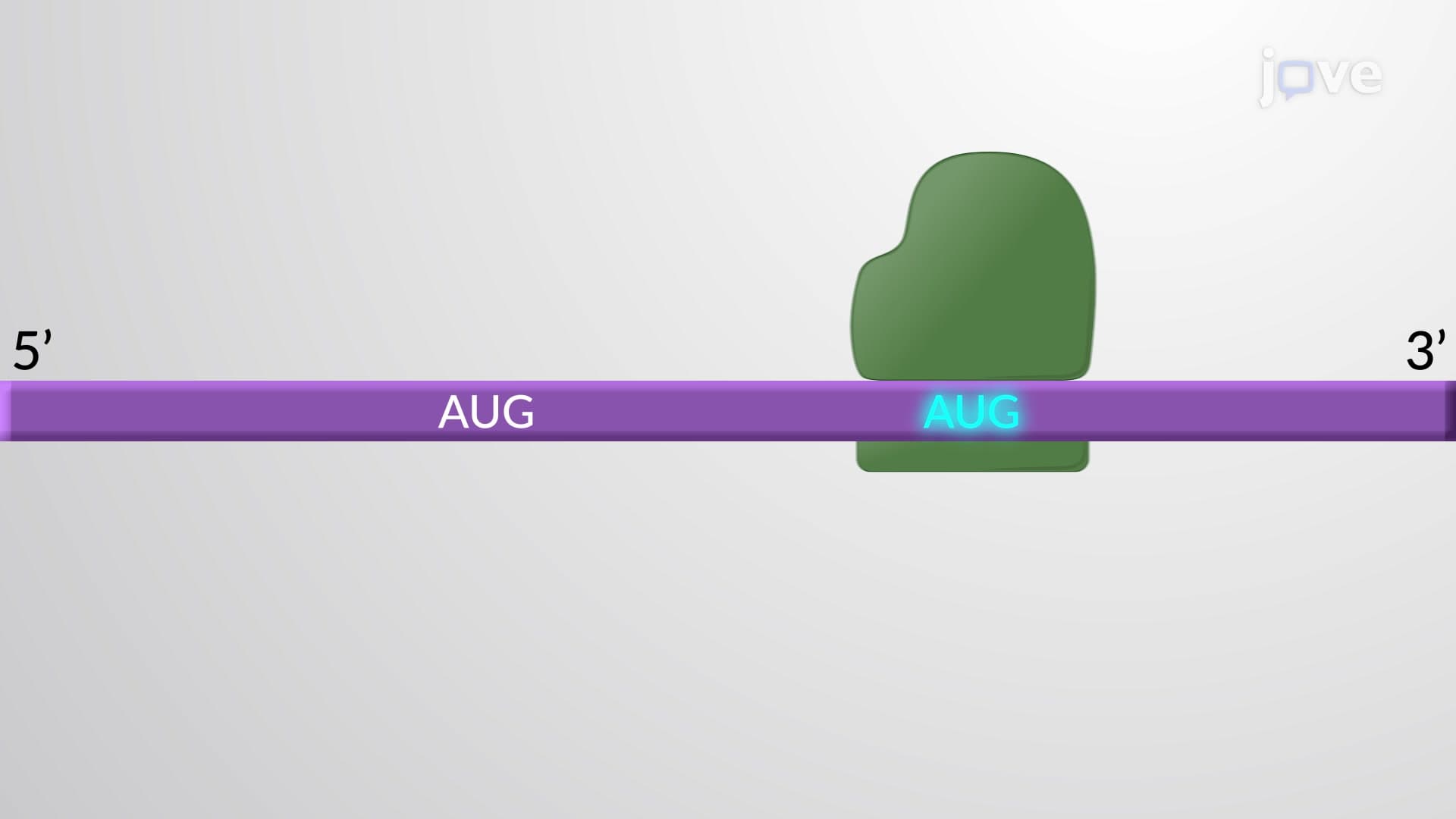
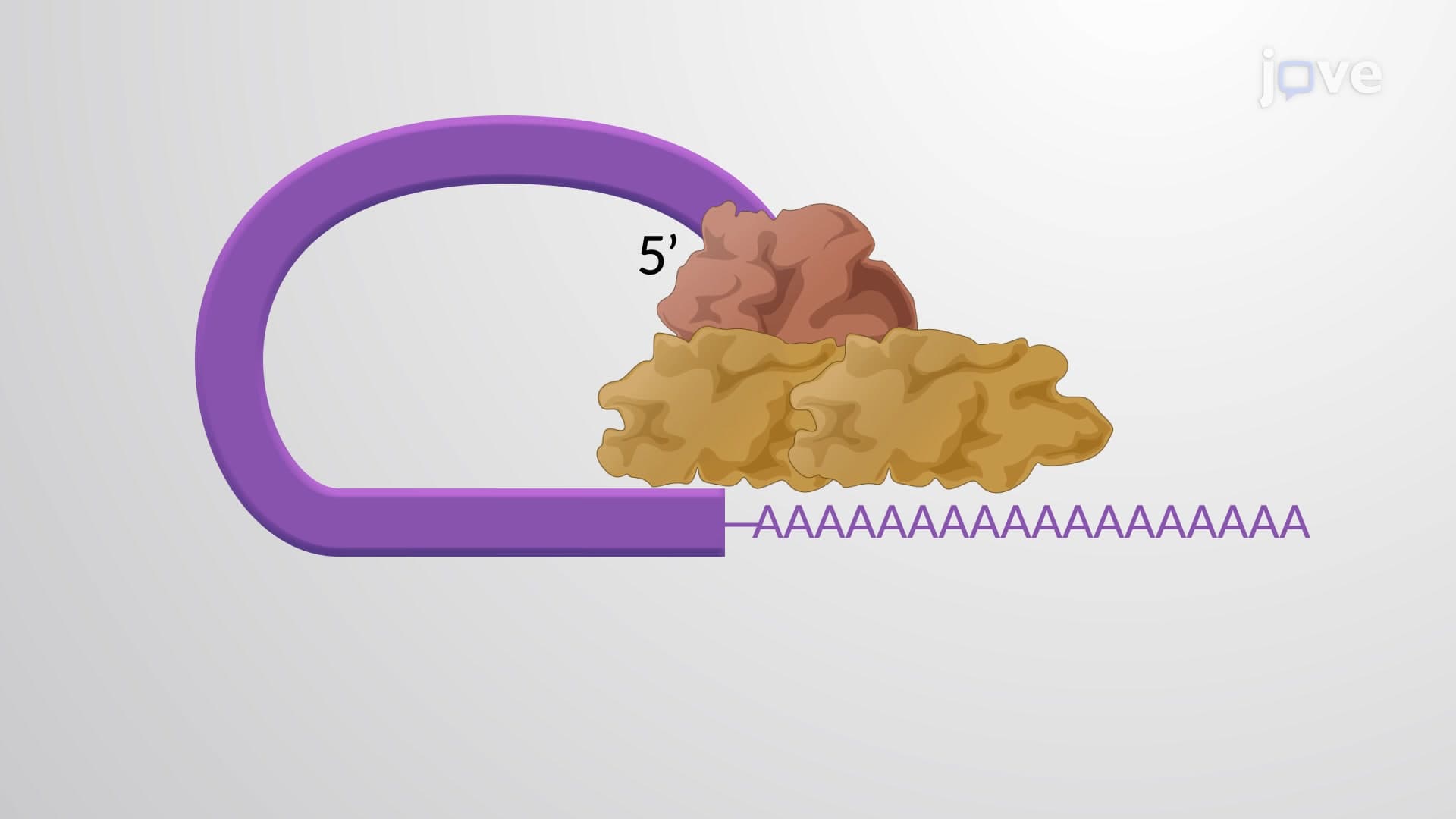
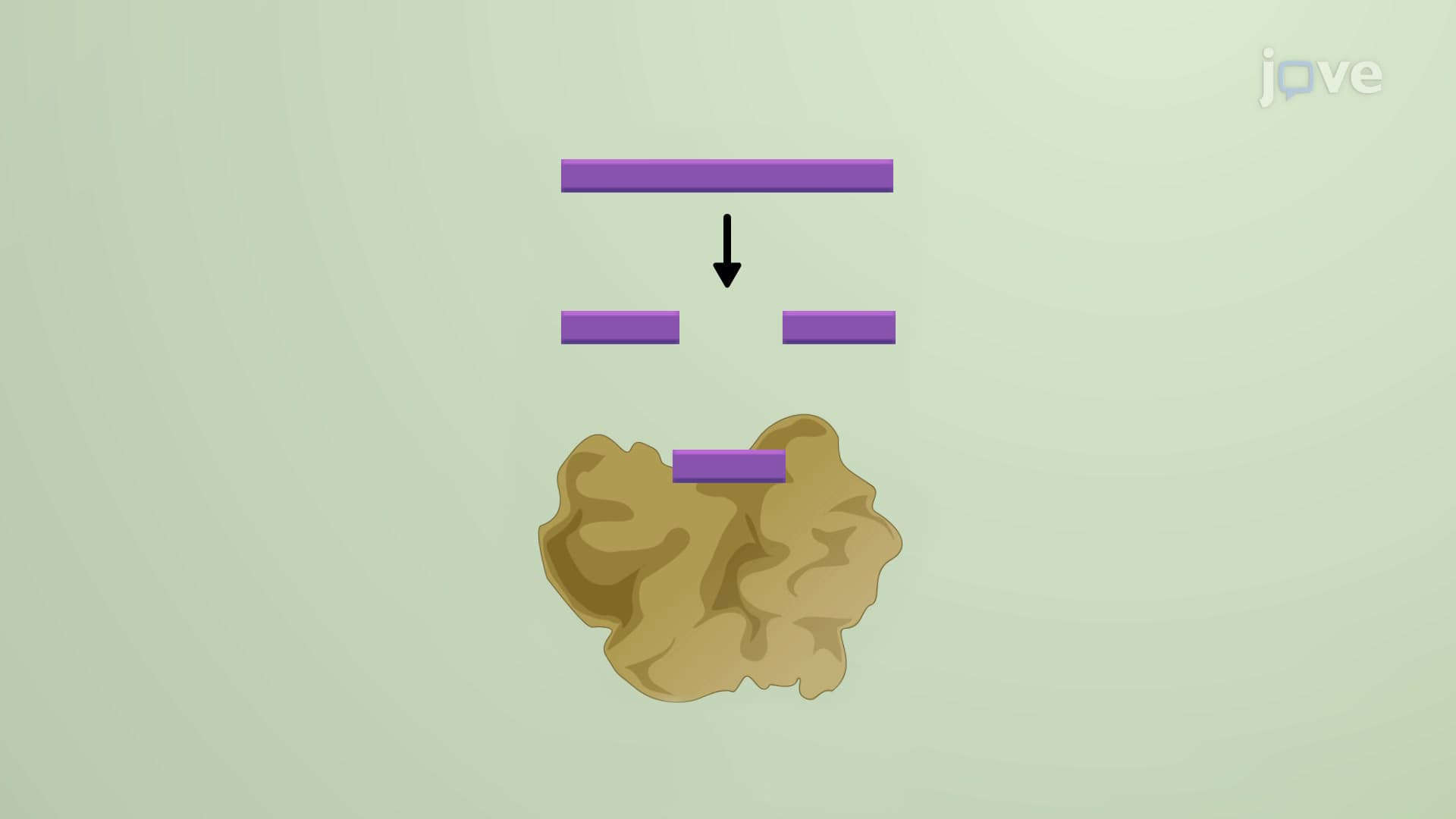
Long non-coding RNAs represent a revolutionary discovery in molecular biology that has transformed our understanding of gene regulation. These remarkable molecules, defined as RNA transcripts exceeding 200 nucleotides in length, challenge the traditional central dogma by demonstrating that not all RNA serves as a protein template. Despite lacking protein-coding potential, lncRNAs undergo sophisticated processing identical to messenger RNA, including 5' capping, 3' polyadenylation, and splicing-a process extensively studied at institutions like MIT and Stanford University.
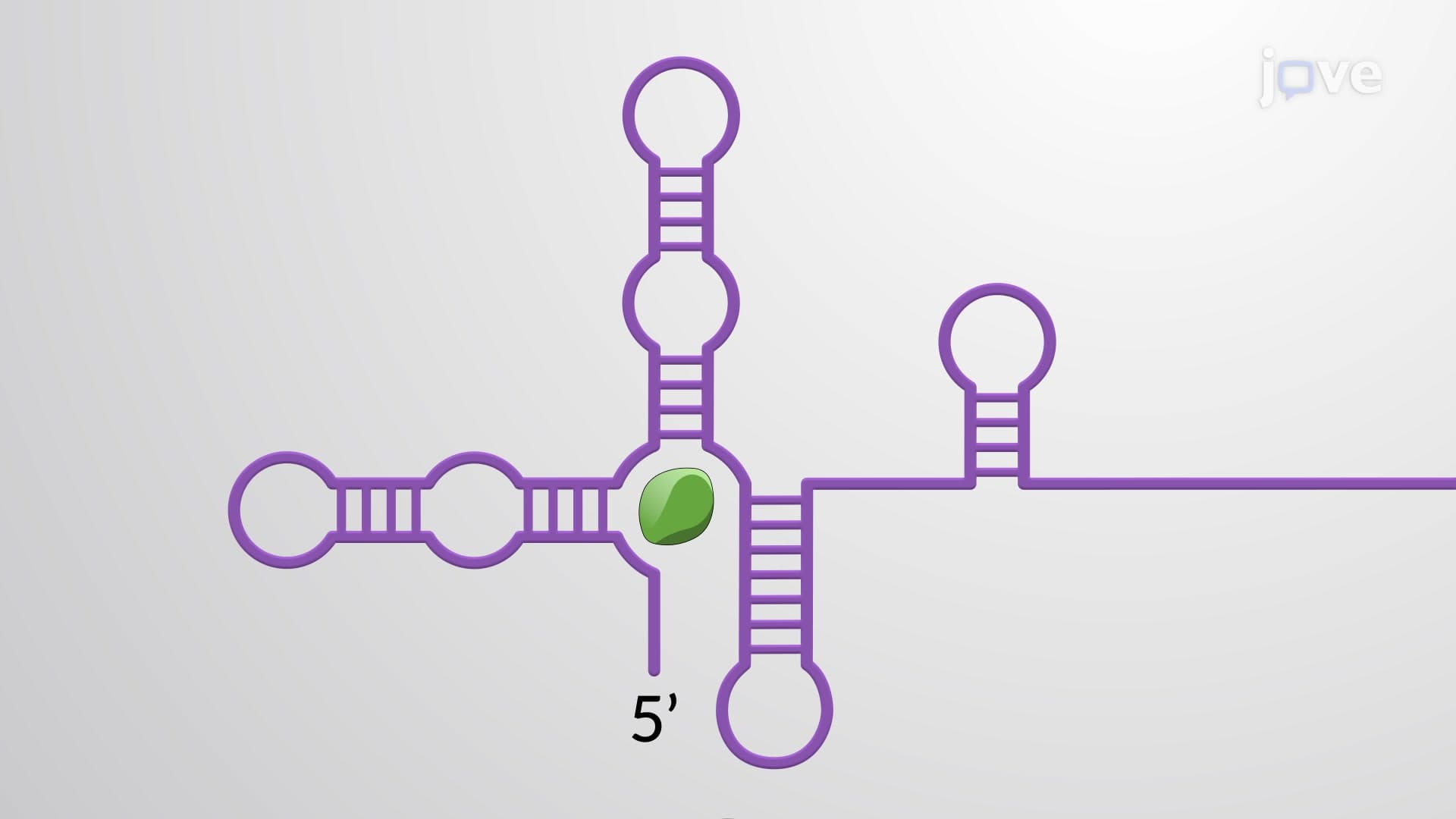
The structural complexity of lncRNAs enables their diverse regulatory functions. Their ability to form intricate secondary structures through stem-loop formations creates binding platforms for various protein complexes, establishing them as cellular scaffolds. This architectural versatility allows single lncRNA molecules to coordinate multiple regulatory processes simultaneously, making them incredibly efficient cellular regulators.
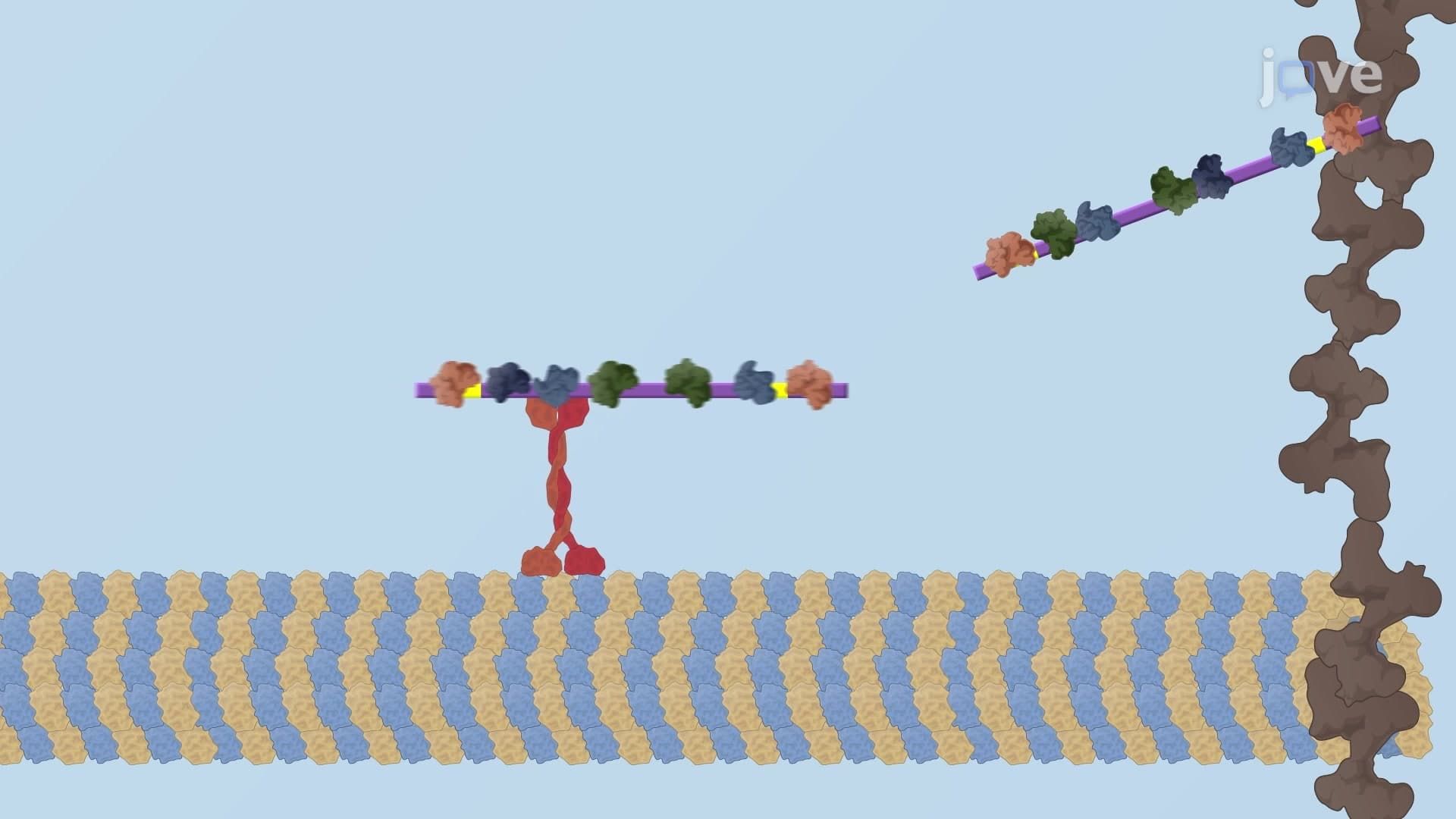
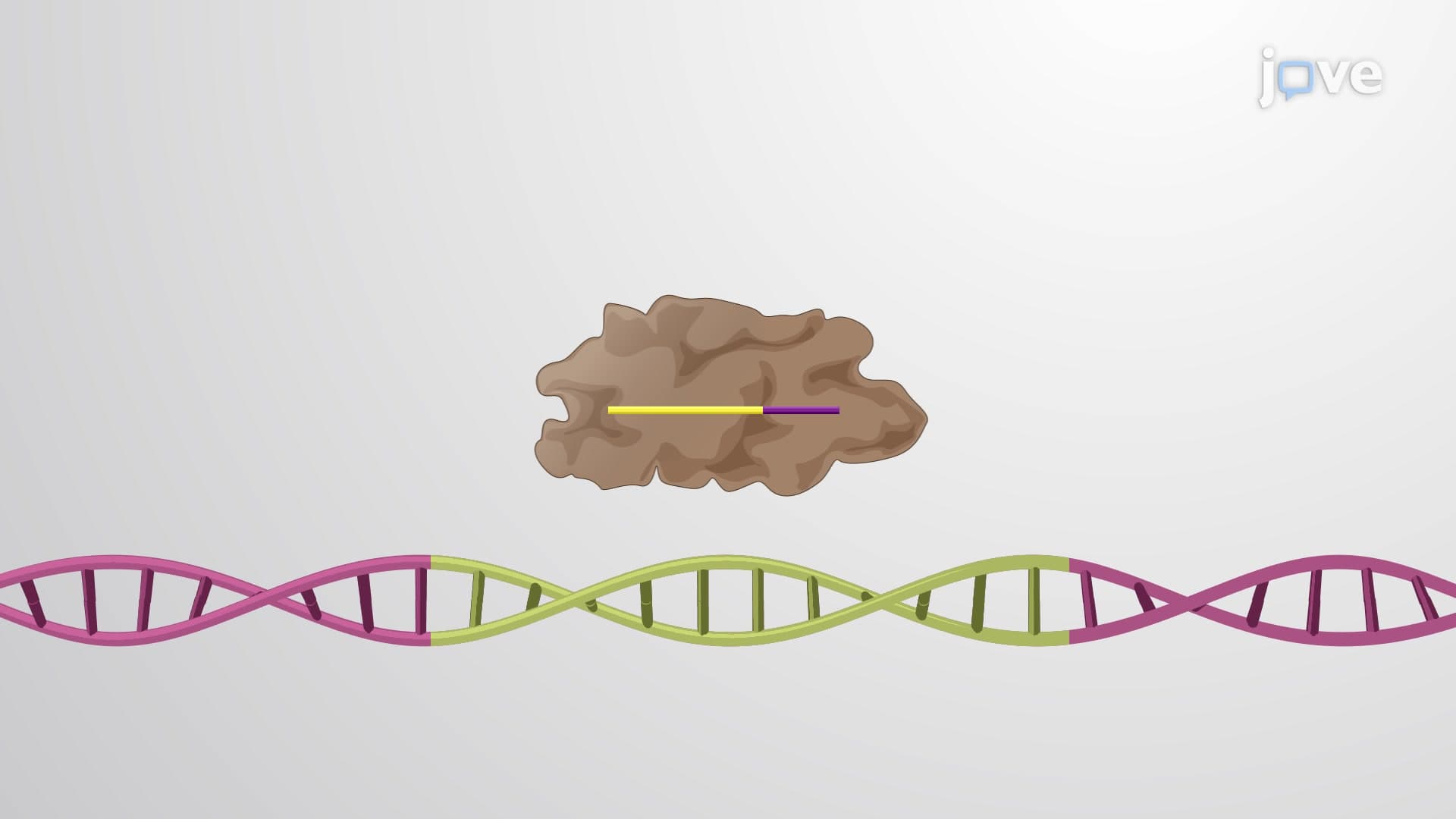
LncRNAs employ four distinct regulatory strategies that students encounter frequently in AP Biology and college biochemistry courses. As molecular scaffolds, they recruit chromatin-modifying enzymes to specific genomic locations, directing epigenetic changes with surgical precision. The guide RNA mechanism allows lncRNAs to function like GPS systems, with one domain binding protein complexes while another targets specific DNA sequences.
Perhaps most intriguing is their role as molecular sponges or competing endogenous RNAs (ceRNAs). LncRNAs can sequester microRNAs away from their intended mRNA targets, effectively protecting genes from silencing. This mechanism has been extensively documented in cancer research at MD Anderson Cancer Center, where dysregulated lncRNA-microRNA networks contribute to tumor progression.
The medical relevance of lncRNAs continues expanding as researchers at institutions like Harvard Medical School and UCLA uncover their roles in human disease. Aberrant lncRNA expression patterns serve as biomarkers for various cancers, with some showing potential as therapeutic targets. In neurological disorders, specific lncRNAs regulate synaptic plasticity and neuronal development, making them crucial players in conditions like Alzheimer's disease and autism spectrum disorders.
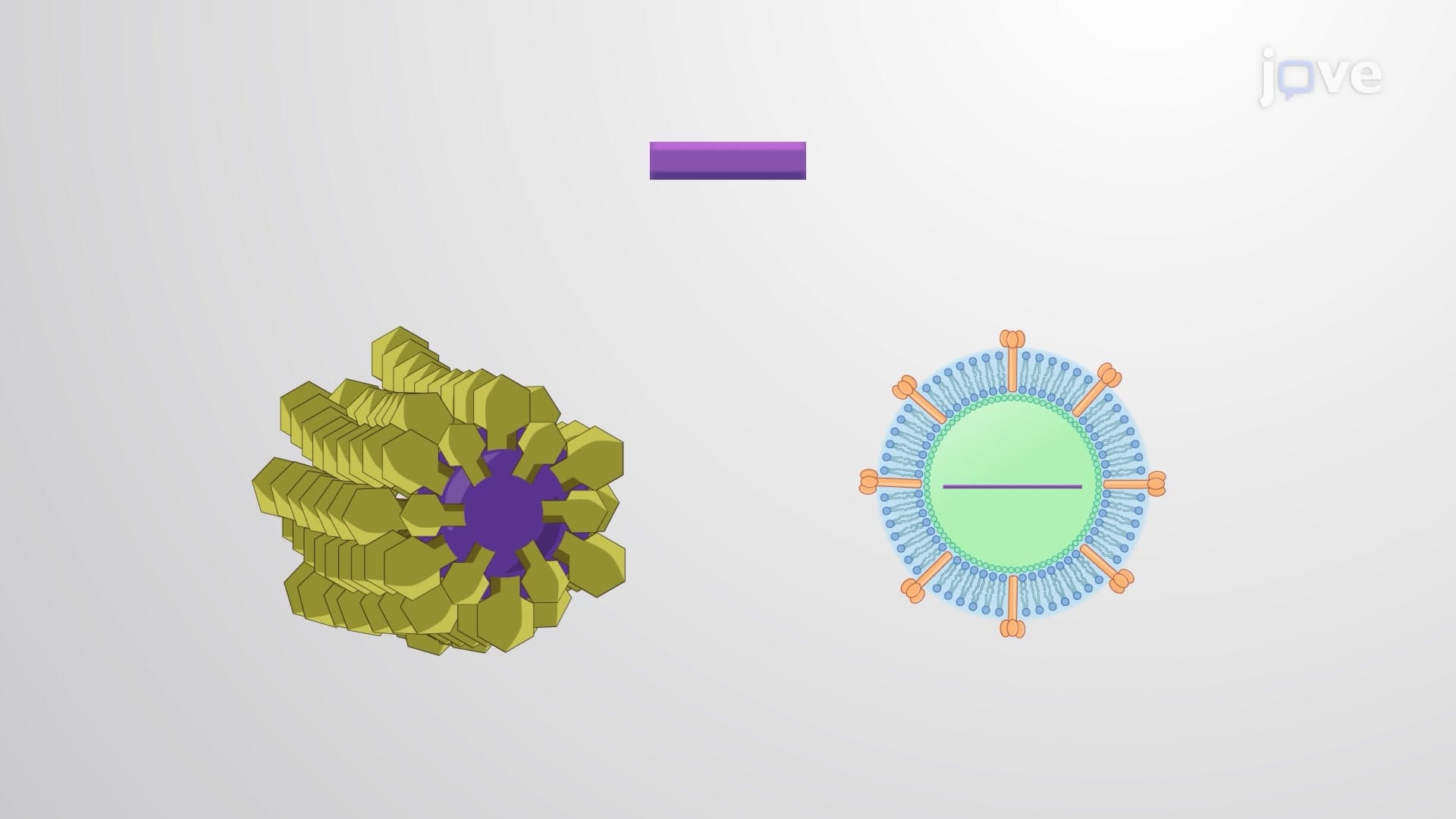
For students preparing for the MCAT or advanced placement exams, understanding lncRNA mechanisms provides insight into modern therapeutic strategies, including antisense oligonucleotides and RNA interference technologies currently in clinical trials across major US pharmaceutical companies.
Related Micro-courses