Mendelian genetics forms the foundation of heredity studies, explaining how traits pass from parents to offspring through dominant and recessive alleles. This comprehensive course covers Mendel's laws of heredity, Punnett square genetics, and complex inheritance patterns including sex-linked traits and polygenic inheritance. Students will master genetic analysis techniques used in medical genetics, agricultural breeding programs, and genetic counseling across the United States, with JoVE Coach providing expert guidance throughout.
Understand the fundamental principles of Mendel's laws of heredity and genetic inheritance patterns
Learn to construct and interpret Punnett squares for predicting offspring genotypes and phenotypes
Identify dominant and recessive alleles in monohybrid, dihybrid, and trihybrid crosses
Explore complex inheritance patterns including incomplete dominance, codominance, and multiple alleles
Analyze pedigree charts to determine inheritance modes and assess genetic risks in families
Apply chi-square analysis to test genetic hypotheses and validate expected ratios
Understand sex-linked inheritance patterns and X-chromosome inactivation mechanisms
Examine polygenic traits and environmental influences on gene expression
1. Punnett Squares and Basic Genetic Crosses
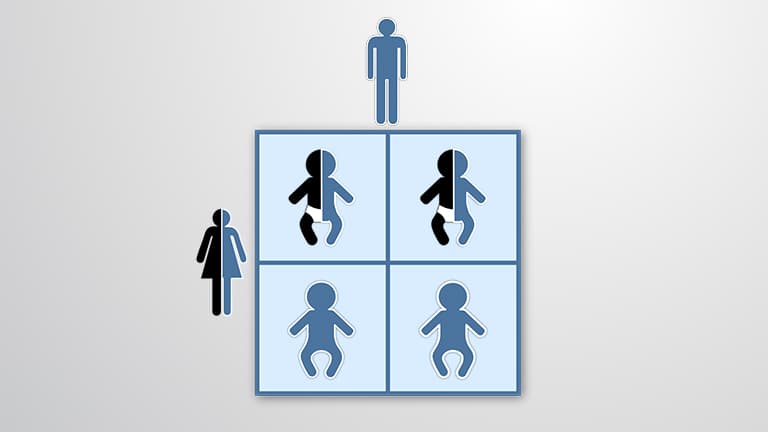
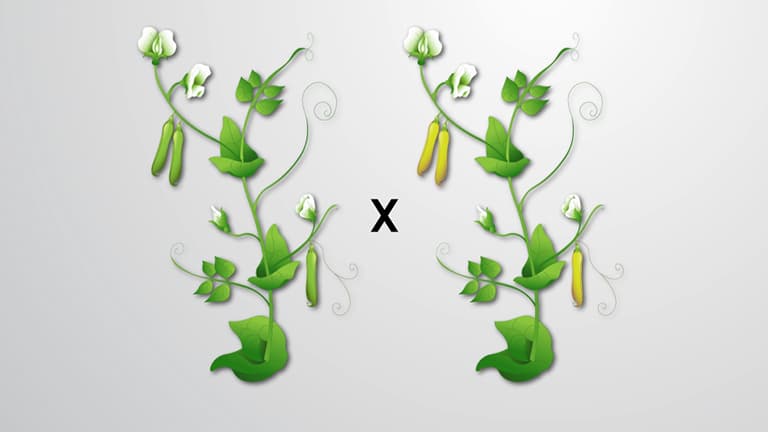
Punnett squares serve as the fundamental tool for predicting genetic outcomes in crosses between organisms. Students learn to construct these grids by placing parental alleles along axes and filling squares to show possible offspring combinations. This systematic approach helps visualize genotypic and phenotypic ratios, making complex genetic predictions accessible. The method applies to various cross types, from simple monohybrid crosses examining single traits like flower color in garden peas, to more complex scenarios involving multiple characteristics in agricultural breeding programs.
2. Monohybrid and Dihybrid Crosses
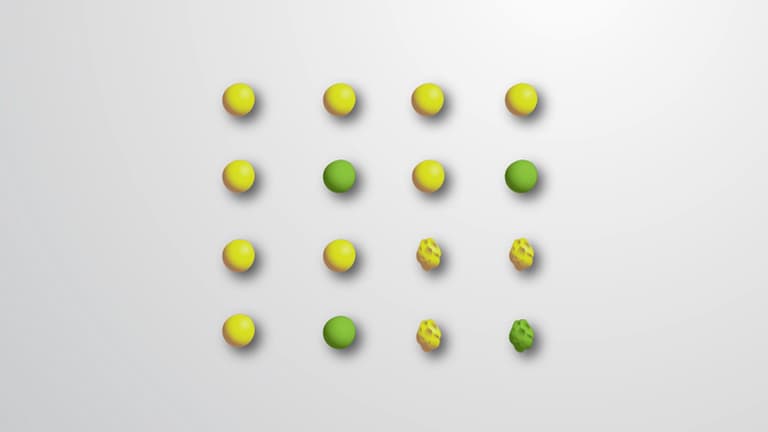
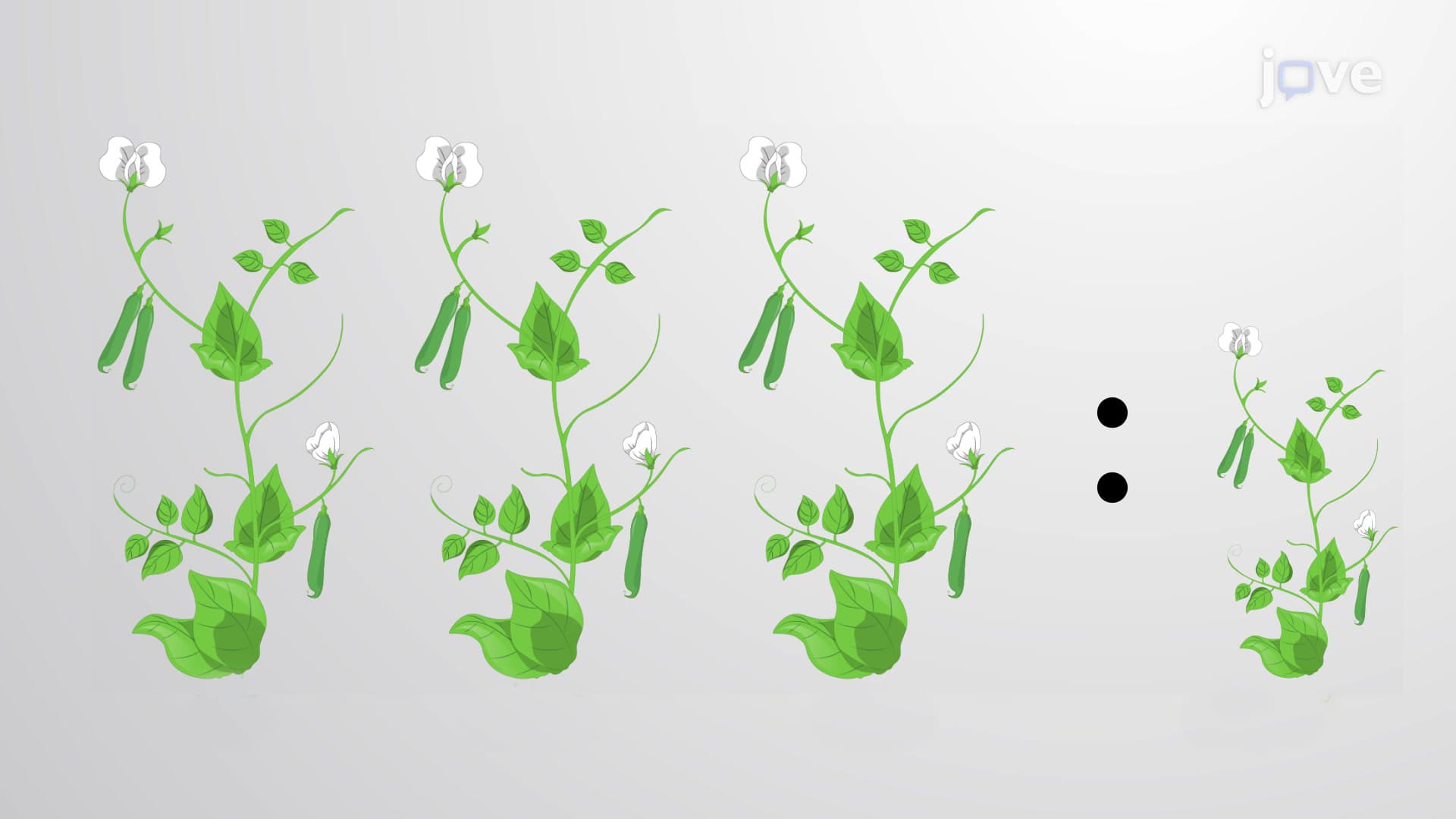
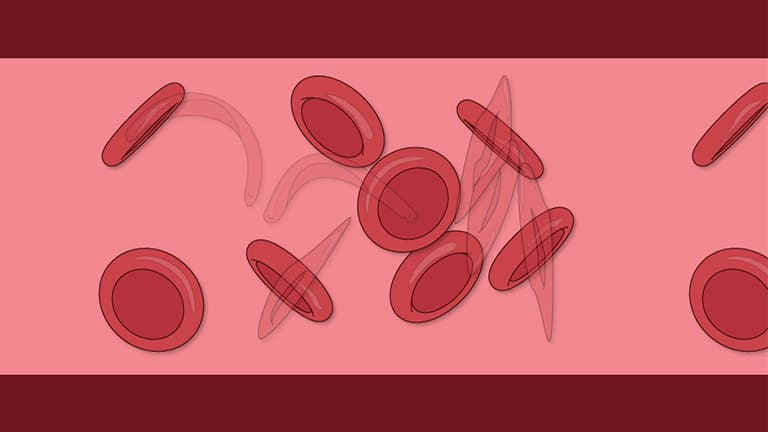
Monohybrid crosses examine single-trait inheritance, demonstrating Mendel's Law of Segregation where allele pairs separate during gamete formation. The classic 3:1 phenotypic ratio emerges when crossing heterozygous parents, as seen in studies of cystic fibrosis inheritance patterns. Dihybrid crosses track two traits simultaneously, revealing the 9:3:3:1 ratio that validates Mendel's Law of Independent Assortment. These principles guide modern genetic counseling in the United States, helping families understand inheritance risks for conditions like sickle cell disease and Huntington's disease.
3. Complex Inheritance Patterns
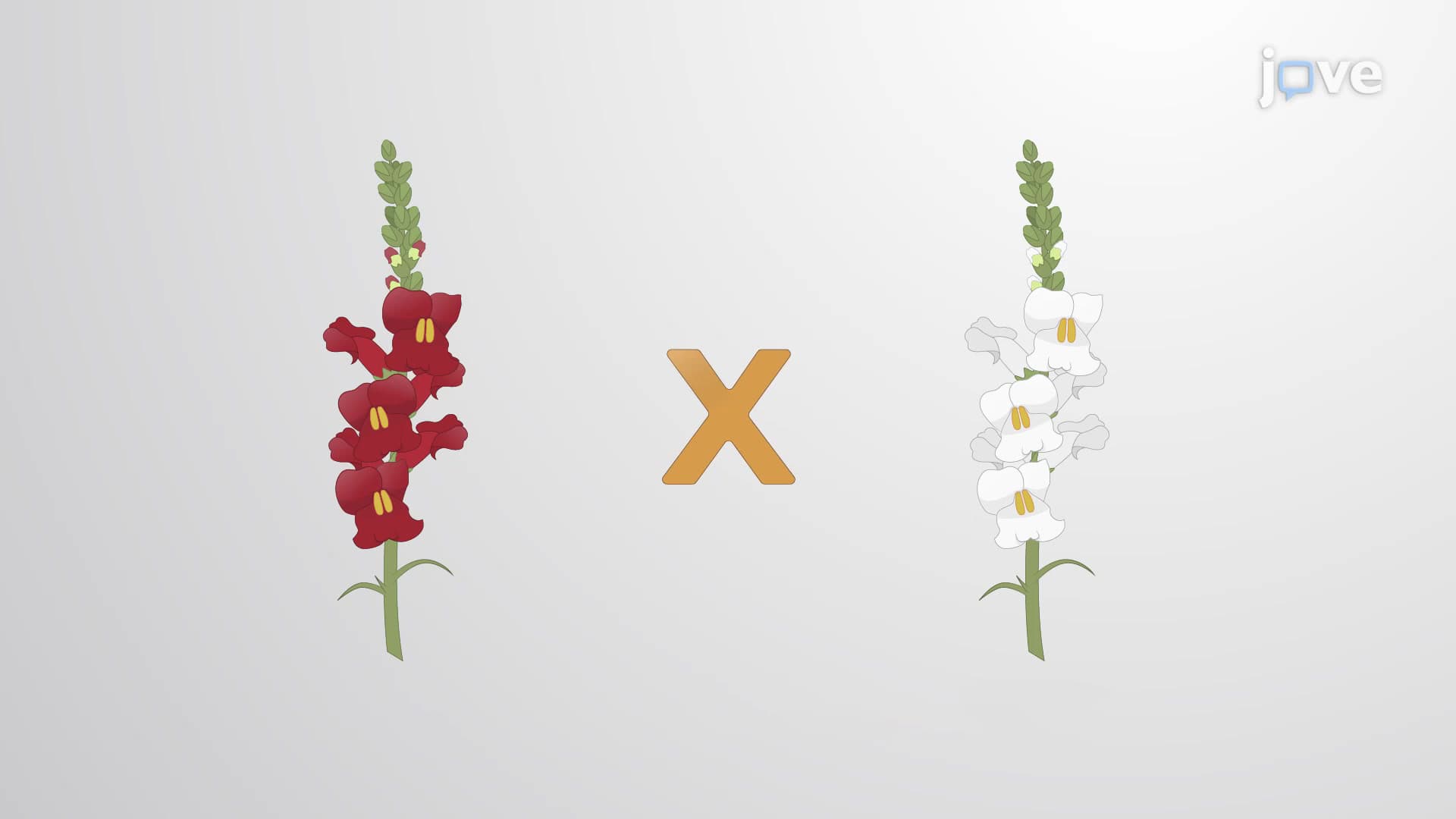
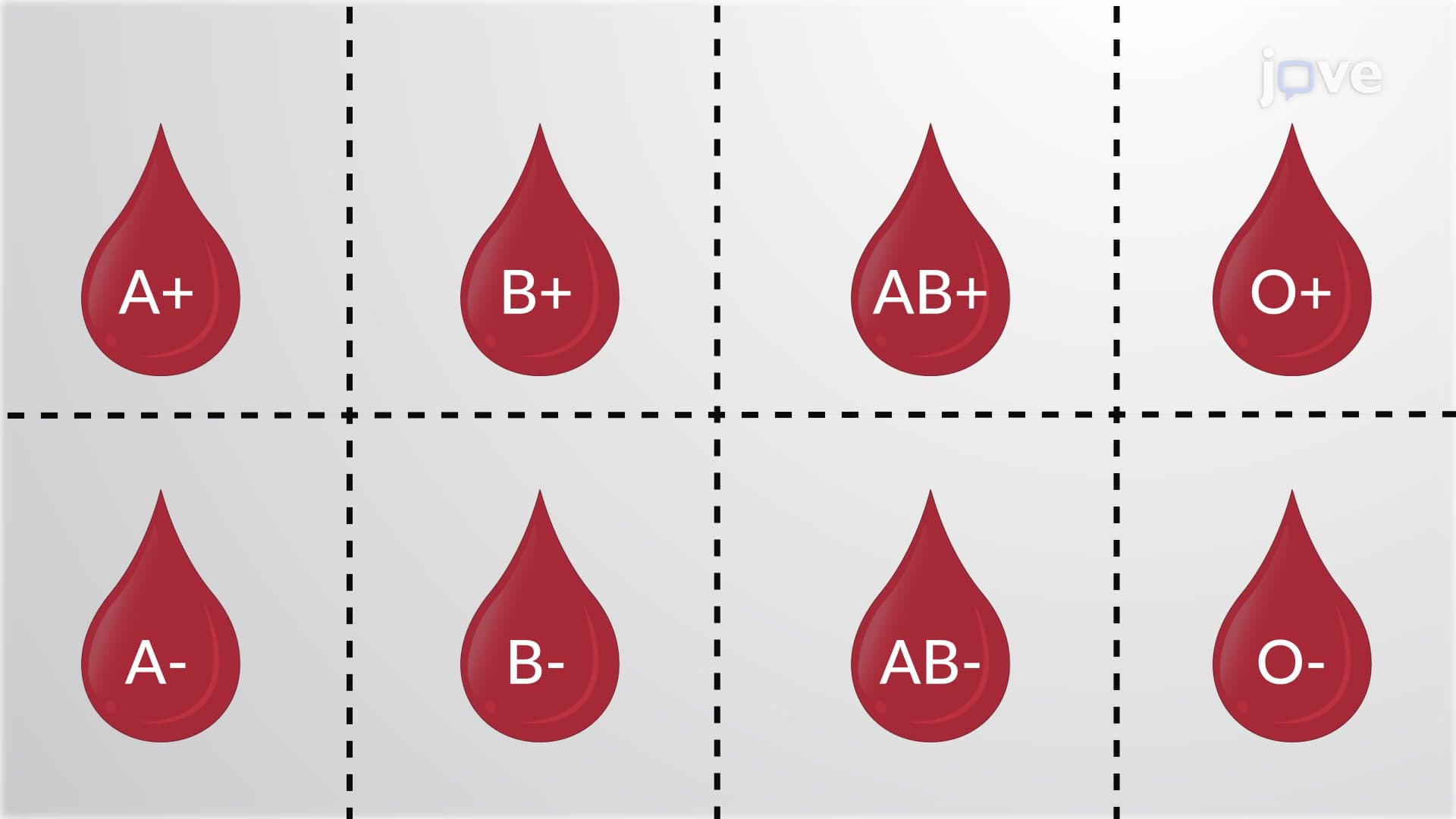
Beyond simple dominant-recessive relationships, genetics involves incomplete dominance where heterozygotes show blended phenotypes, as in snapdragon flower colors producing pink offspring from red and white parents. Codominance appears in ABO blood types, where both A and B alleles express simultaneously in AB individuals. Multiple allele systems, exemplified by human blood typing, demonstrate how more than two allelic forms create diverse phenotypic outcomes crucial for blood transfusion compatibility in American hospitals.
4. Sex-Linked Inheritance and Chromosomal Genetics
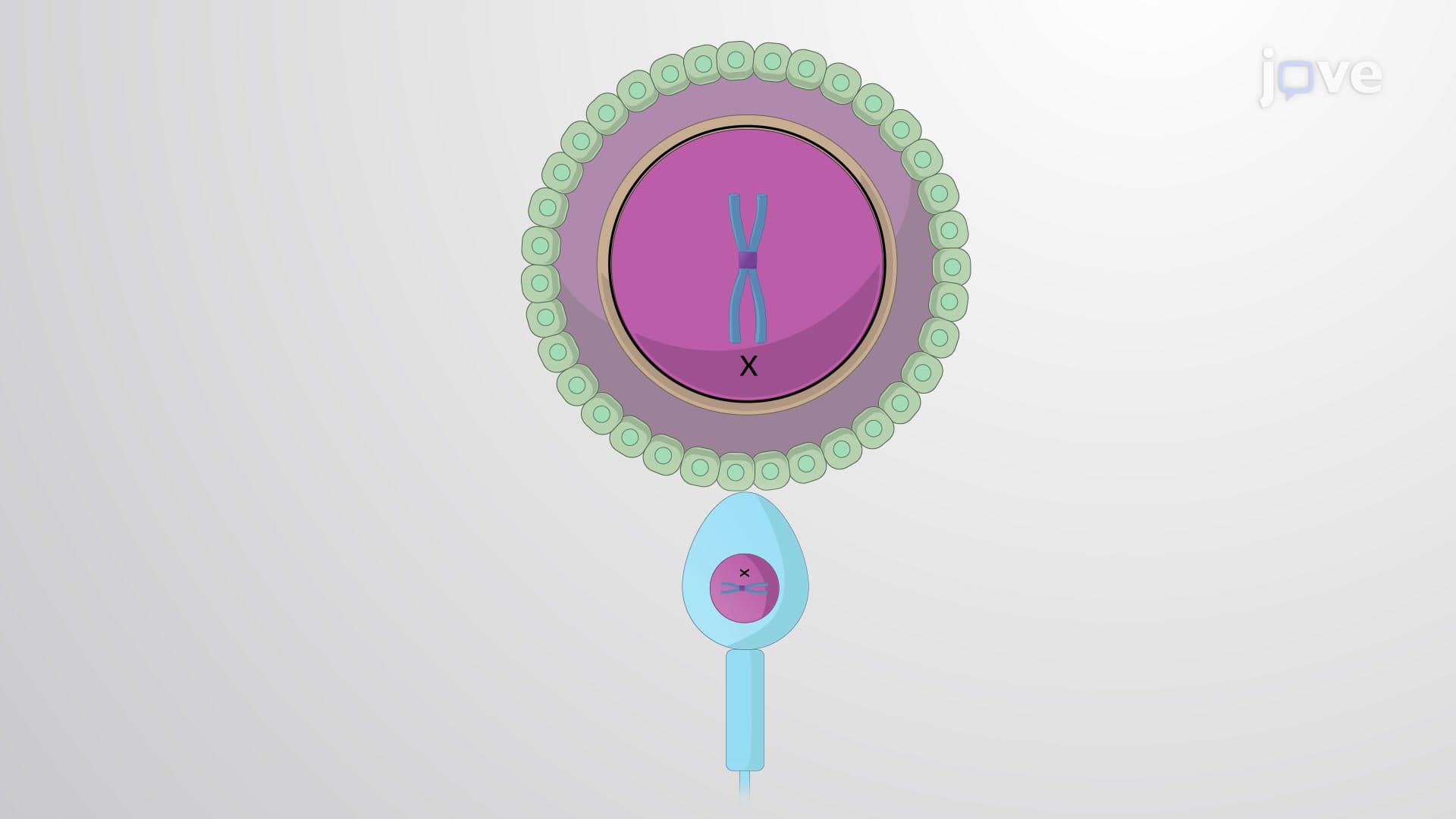
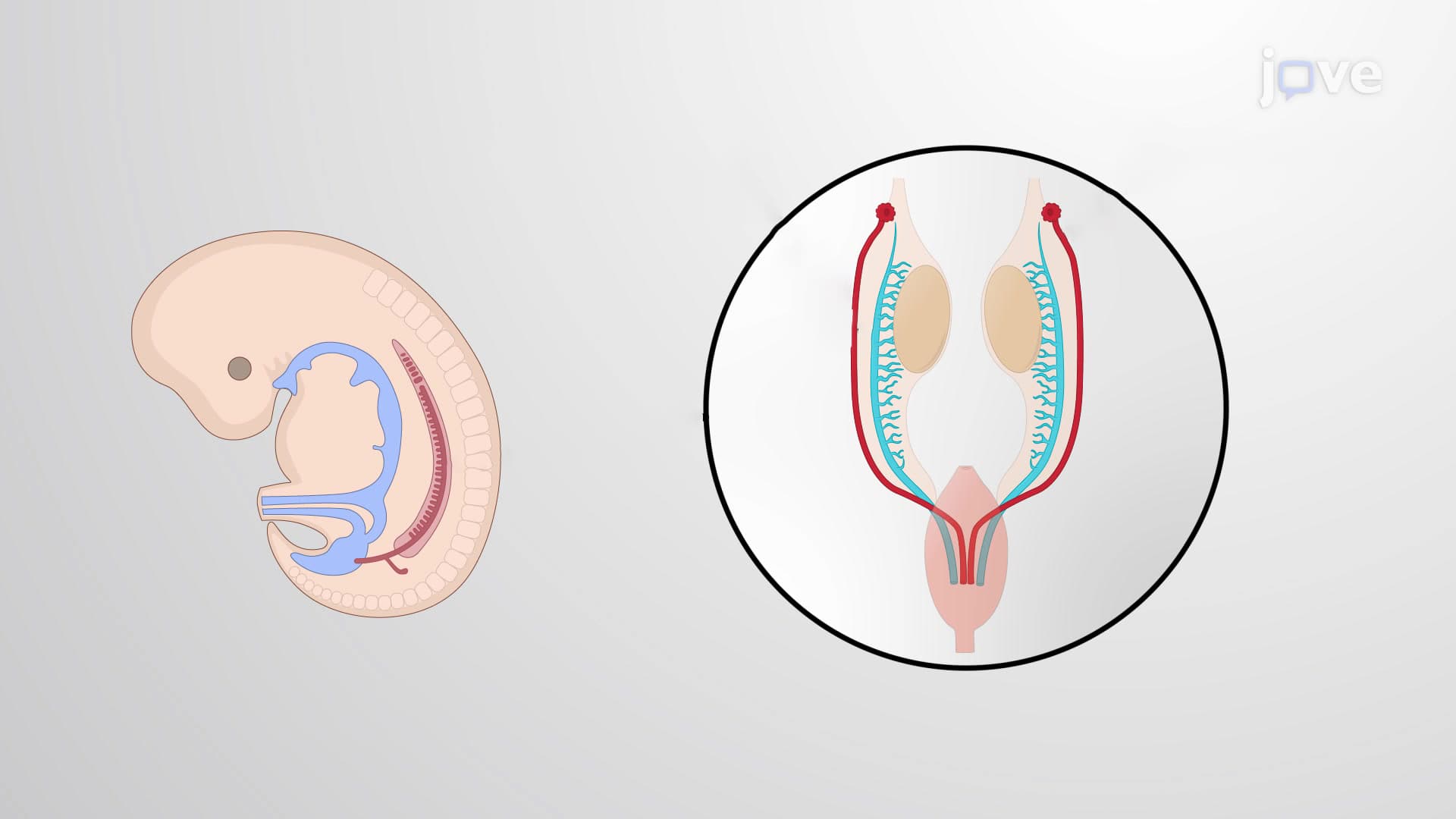
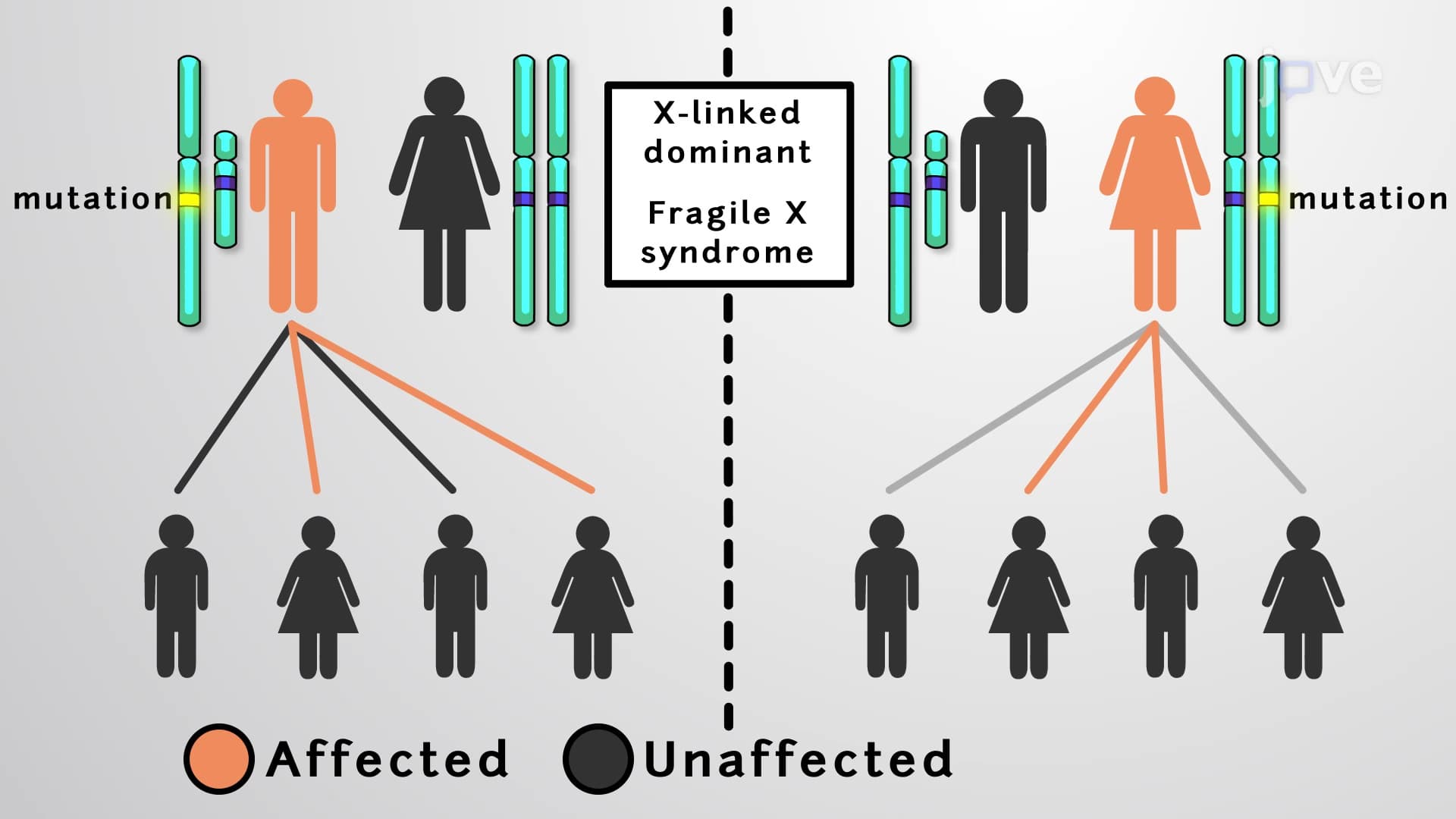
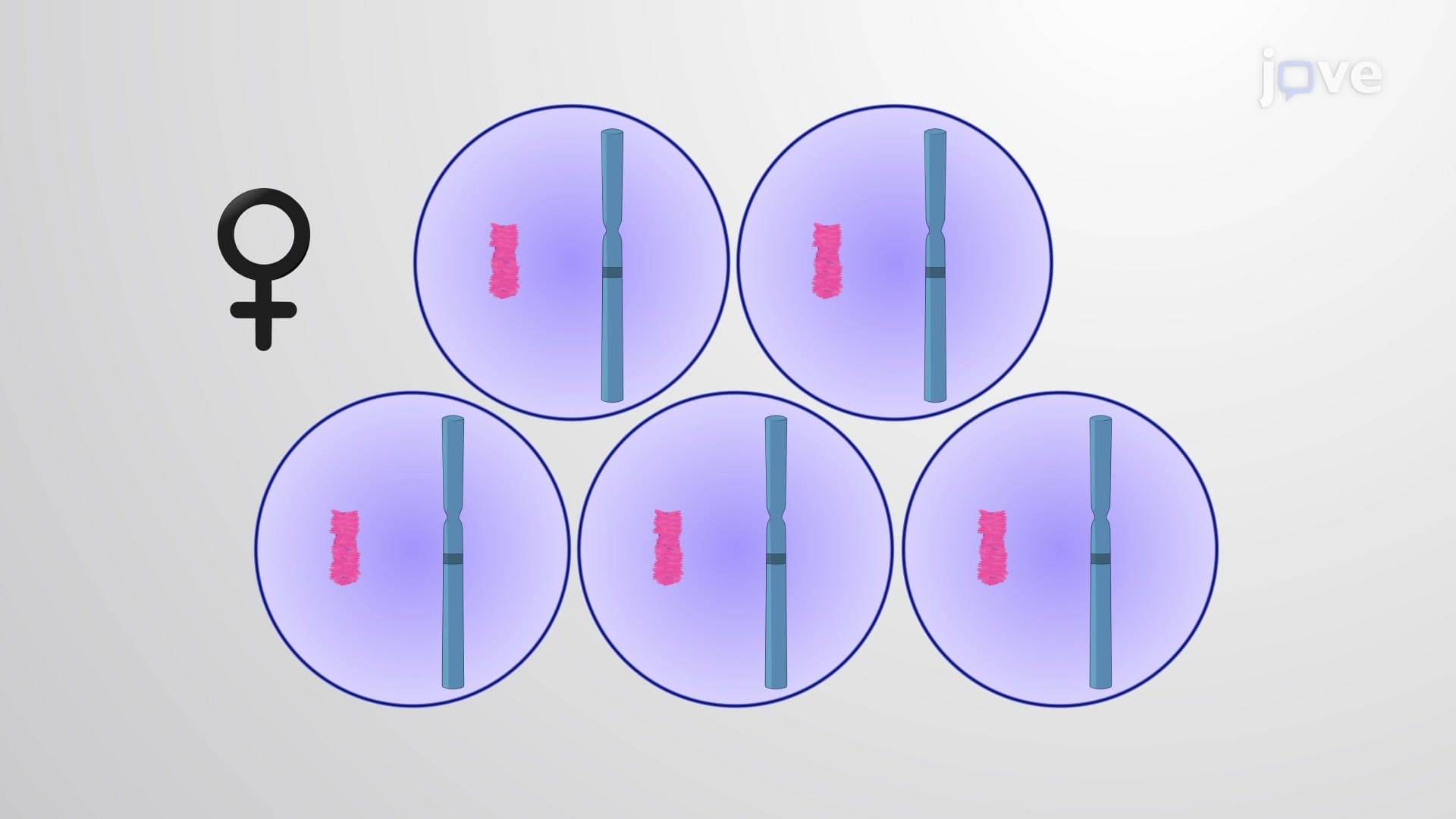
Sex chromosomes determine not only gender but also carry genes showing unique inheritance patterns. X-linked traits like color blindness and hemophilia affect males more frequently due to their single X chromosome. The SRY gene on the Y chromosome triggers male development, while X-inactivation in females equalizes gene expression between sexes. Understanding these mechanisms proves essential for genetic counselors working with families affected by conditions like Duchenne muscular dystrophy in American medical centers.
5. Advanced Genetic Analysis Techniques
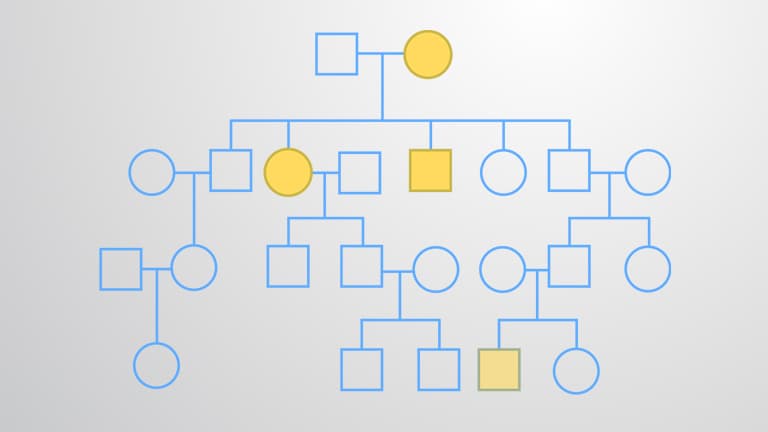
Chi-square analysis provides statistical validation for genetic hypotheses, helping researchers determine whether observed ratios match expected Mendelian predictions. Pedigree analysis tracks trait inheritance through family generations, revealing patterns like autosomal dominant conditions in Huntington's disease families or recessive disorders like phenylketonuria. These analytical tools support genetic research at institutions like the National Institutes of Health and guide clinical decision-making in American healthcare systems.
6. Environmental and Polygenic Influences
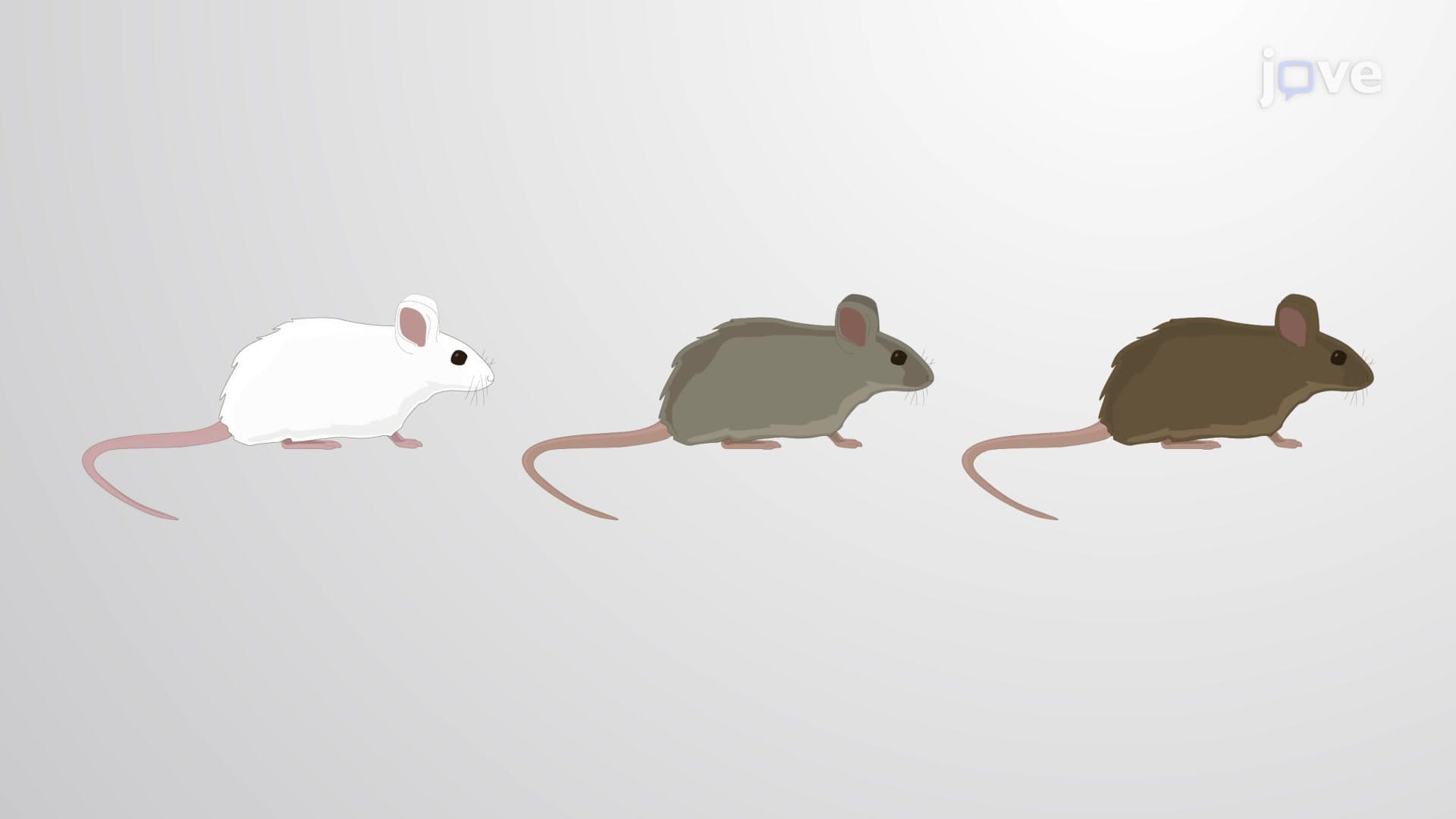
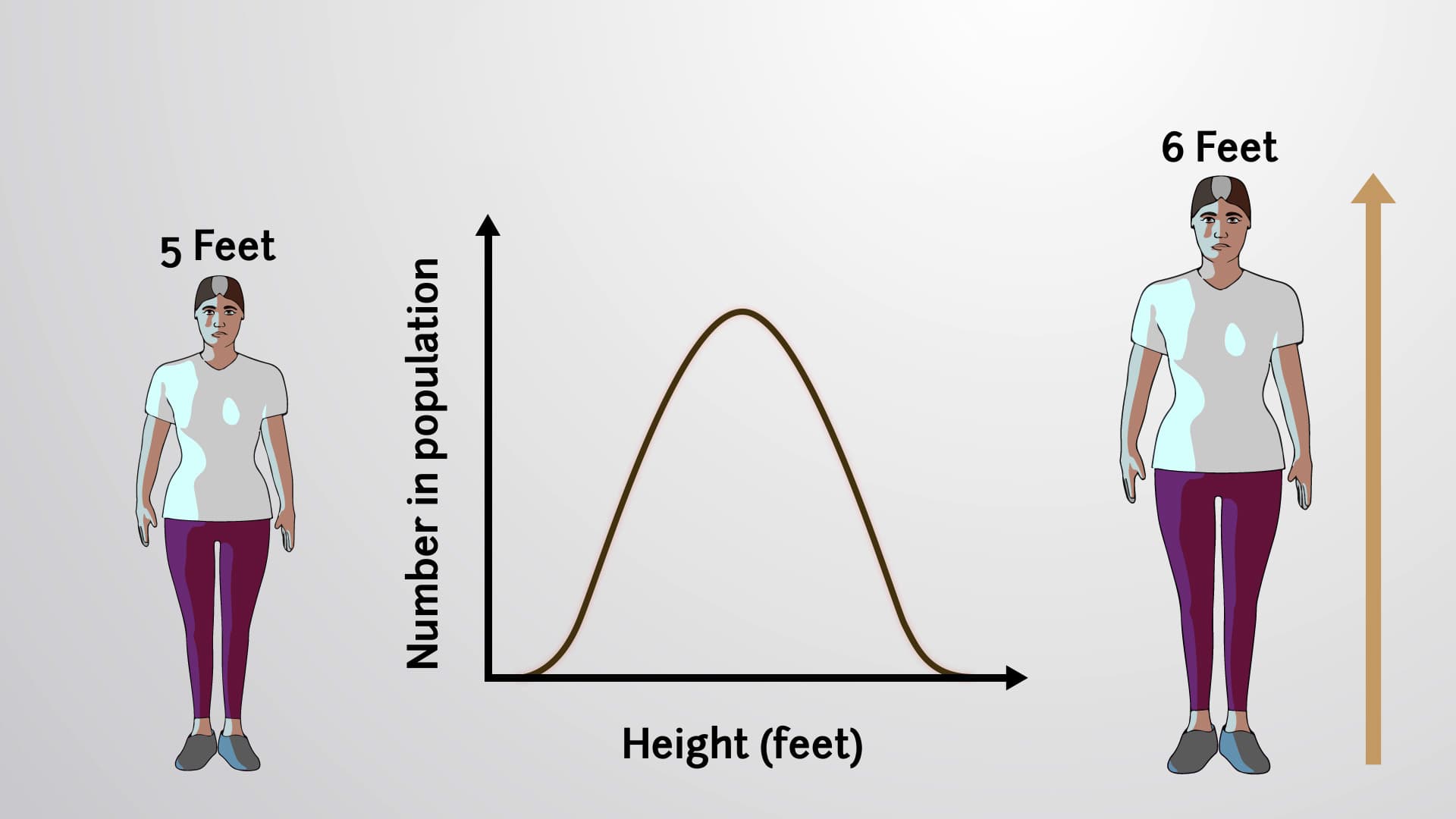
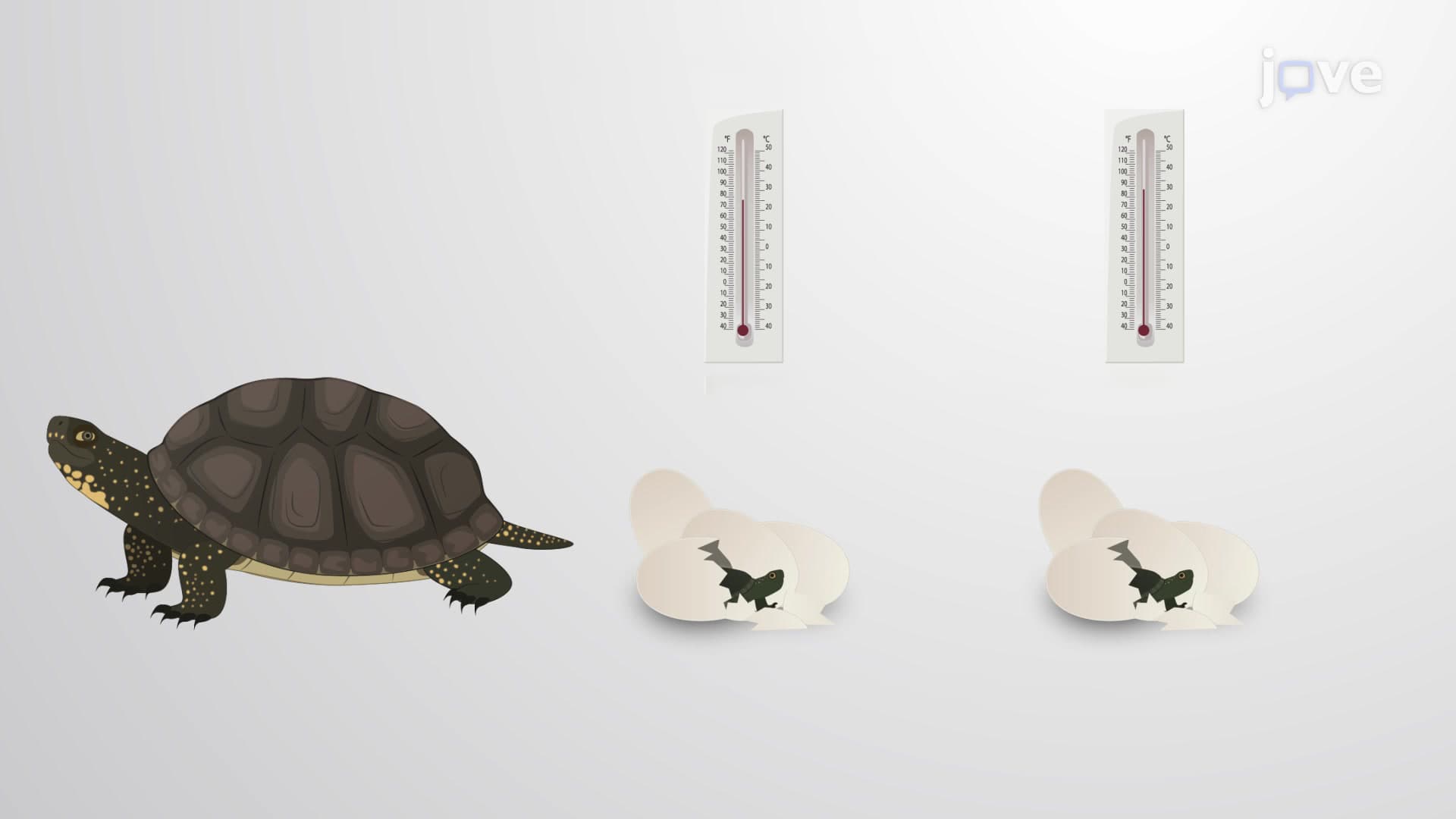
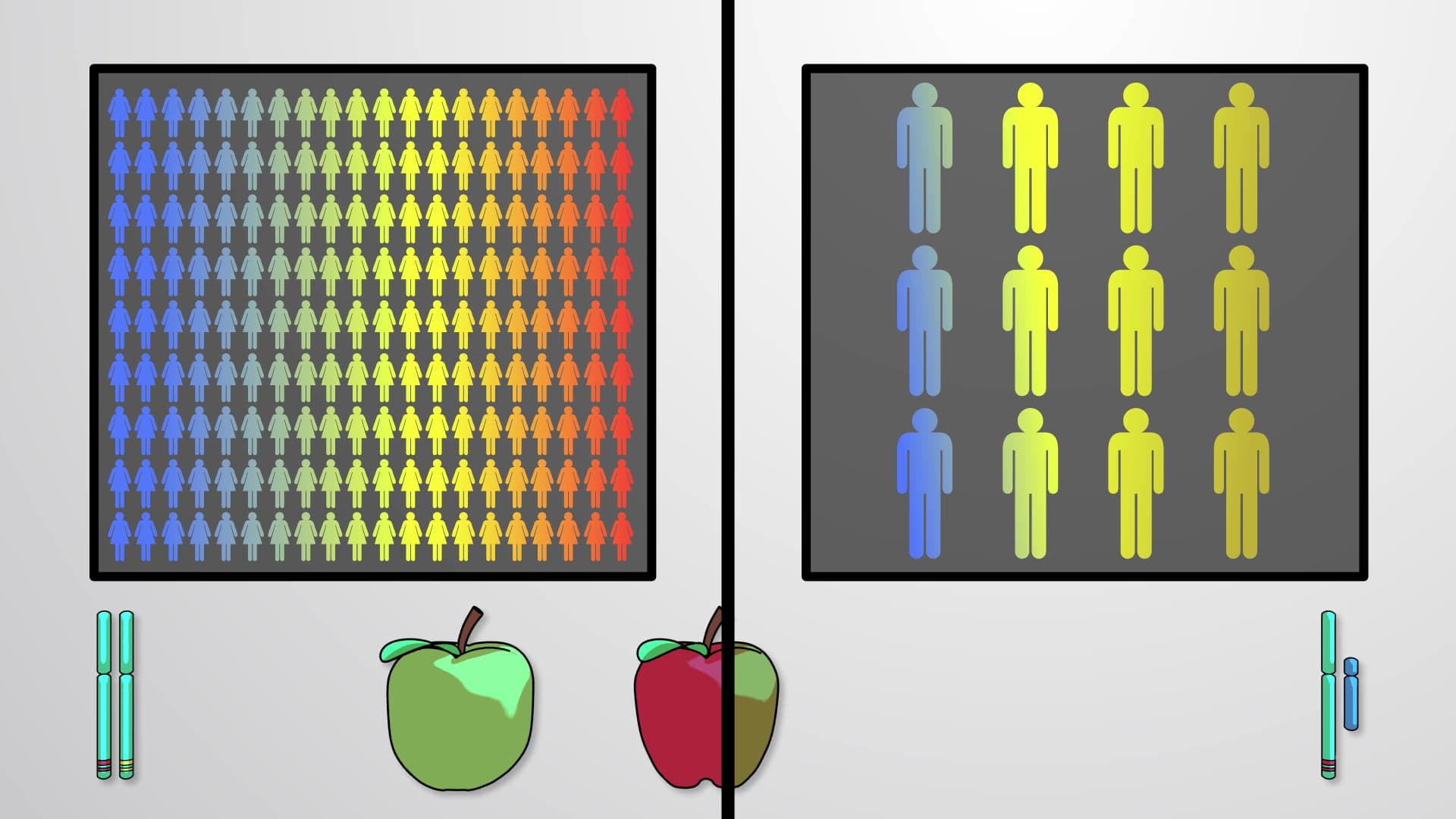
Gene expression responds to environmental factors, as demonstrated in temperature-dependent sex determination in reptiles and phenylketonuria management through dietary restrictions. Polygenic traits like human height and skin color result from multiple genes contributing small additive effects, creating continuous variation patterns observed in diverse American populations. Understanding these complex interactions helps explain trait variability and informs personalized medicine approaches developing across United States medical institutions.
Frequently Asked Questions
Genotype refers to an organism's genetic makeup (the specific alleles present), while phenotype describes the observable physical characteristics. For example, a person might have genotype Bb for eye color but display the brown eye phenotype due to the dominant B allele masking the recessive b allele.
Mendelian traits typically show clear dominant-recessive relationships with predictable ratios (3:1 for monohybrid crosses, 9:3:3:1 for dihybrid crosses). Non-Mendelian patterns include incomplete dominance, codominance, multiple alleles, or environmental influences that alter expected ratios.
Focus on Punnett square construction, understanding dominant/recessive allele interactions, calculating genetic ratios, analyzing pedigrees, and applying chi-square tests. MCAT emphasizes sex-linked inheritance, multiple alleles (like ABO blood types), and connecting genetics to evolution and population biology.
Genetic counselors use this principle to assess risks when parents carry alleles for multiple unrelated conditions. If genes are on different chromosomes, they assort independently, allowing counselors to calculate separate probabilities for each condition rather than assuming they're linked.
Deviations occur due to gene linkage (genes on the same chromosome), epistasis (gene interactions), lethal alleles eliminating certain genotypes, environmental effects on expression, or incomplete penetrance where genotypes don't always produce expected phenotypes.
Agricultural scientists use Punnett squares to predict crop characteristics when breeding for disease resistance or improved yield. Medical geneticists apply these principles to counsel families about inherited conditions like cystic fibrosis, helping them understand inheritance probabilities for future children.
Start with simple monohybrid crosses, then progress to dihybrid crosses and pedigree analysis. Practice identifying inheritance patterns, use systematic approaches for Punnett squares, and work through problems involving blood types and sex-linked traits. Focus on understanding principles rather than memorizing specific examples.
Polygenic traits result from multiple genes each contributing small effects, creating continuous variation like human height or skin color. Unlike Mendelian traits showing distinct categories, polygenic traits display bell-curve distributions in populations and are significantly influenced by environmental factors.
This microcourse includes 21 concept videos that walk you through the building blocks of Molecular Biology. Each video is short, about 2 minutes, so you can cover a full topic during a coffee break or between classes. The full sequence starts with Punnett Squares and ends with Blood Transfusion and Agglutination.