10 Concepts
11 Concepts
11 Concepts
17 Concepts
20 Concepts
16 Concepts
16 Concepts
21 Concepts
11 Concepts
15 Concepts
14 Concepts
21 Concepts
8 Concepts
15 Concepts
17 Concepts
19 Concepts
11 Concepts
18 Concepts
6 Concepts
21 Concepts
The study of DNA and RNA relies on essential laboratory techniques that enable researchers to isolate, analyze, and manipulate nucleic acids. From basic DNA extraction to advanced next-generation sequencing, these nucleic acid research methods form the foundation of modern molecular biology and biotechnology applications across medical diagnostics, forensic science, and genetic research in the United States. JoVE Coach provides comprehensive coverage of these critical laboratory skills.
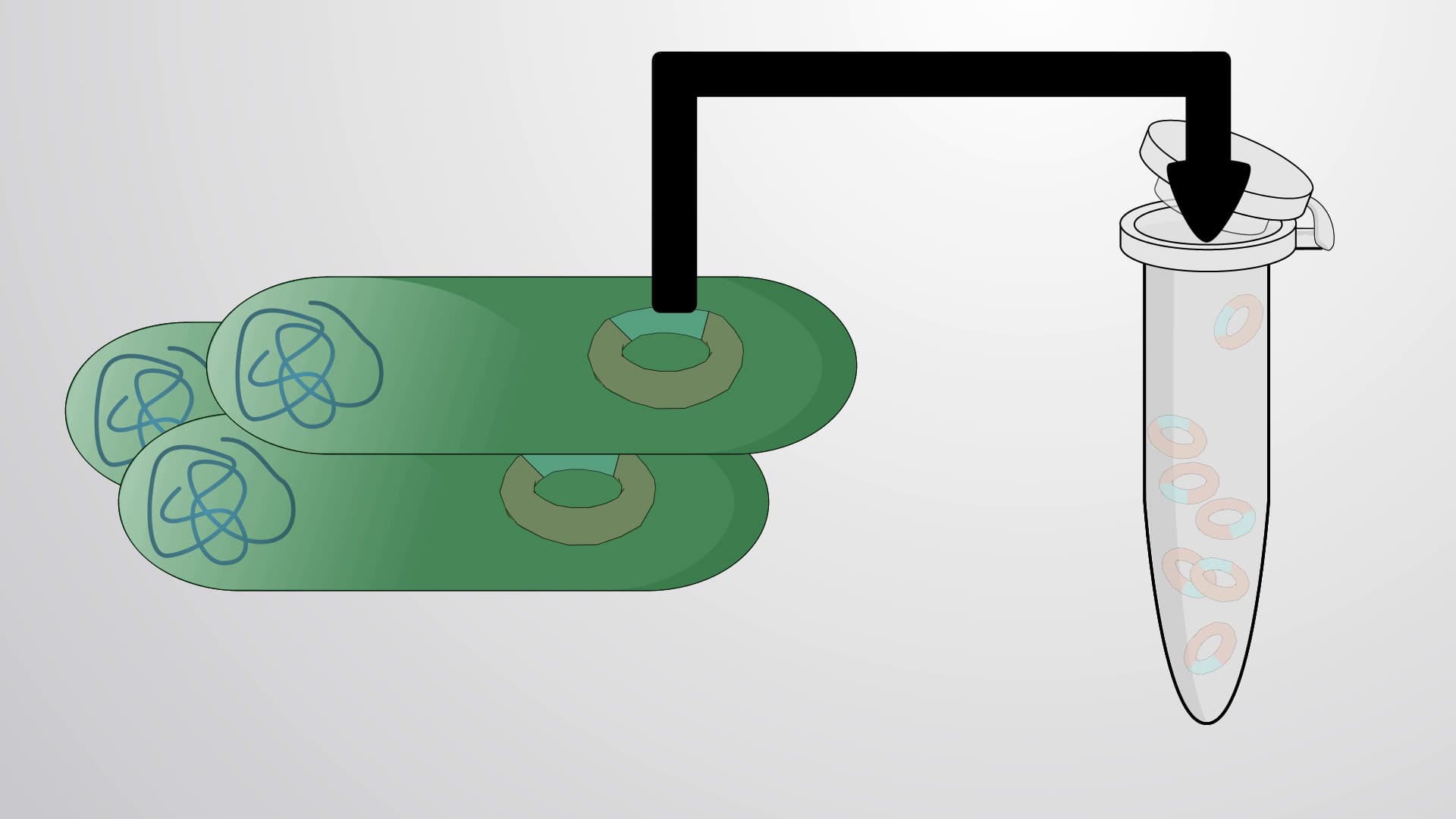
1. DNA Isolation and Purification Techniques DNA extraction involves three standard steps: cell lysis to break open cellular membranes, protein removal using enzymes like proteinase K, and DNA recovery through alcohol precipitation. Different cell types require specific protocols - bacterial cells need less aggressive treatment than plant cells with rigid cell walls. These techniques are fundamental to forensic DNA analysis used in criminal investigations across US courts and paternity testing in clinical laboratories.
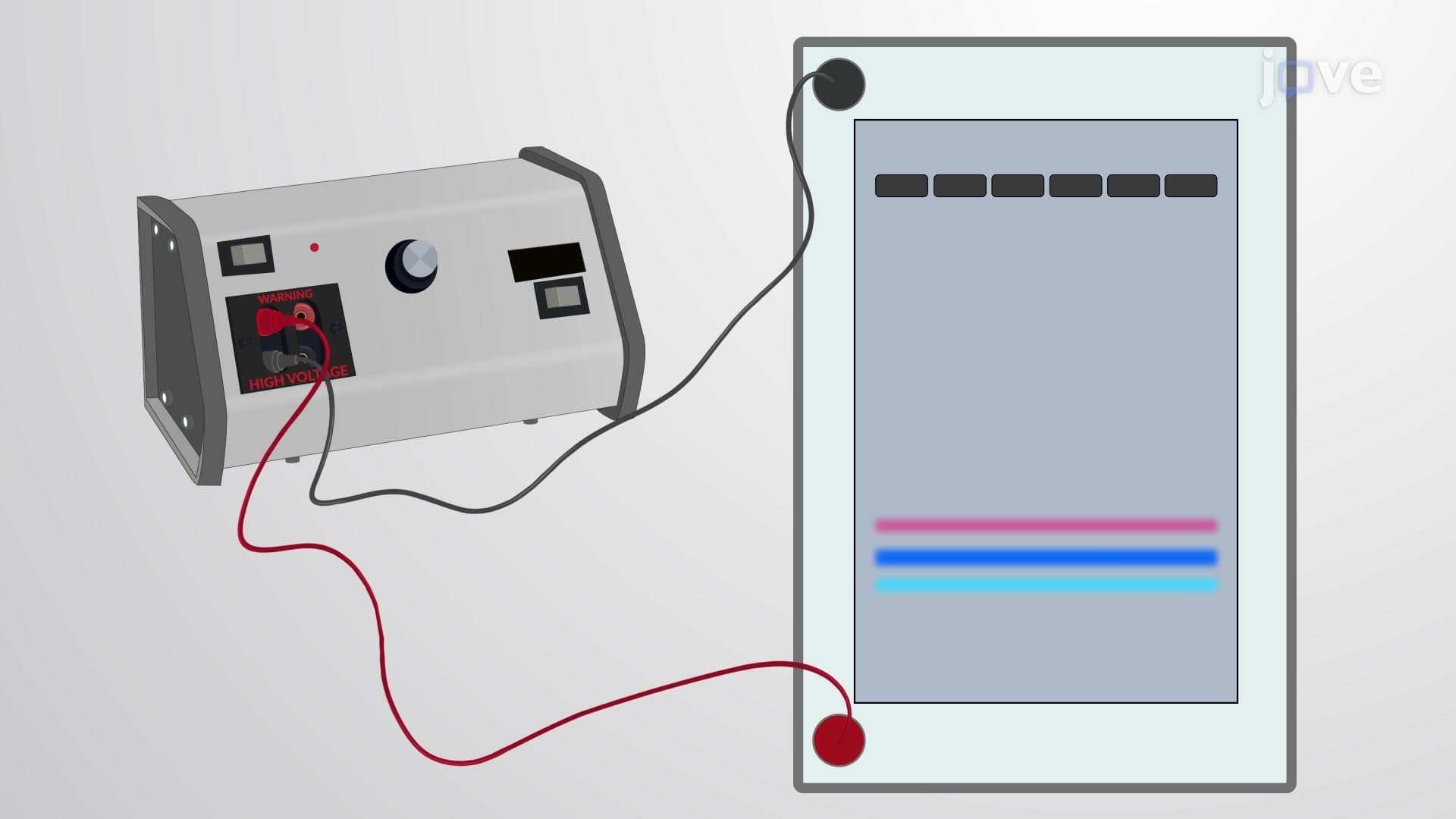
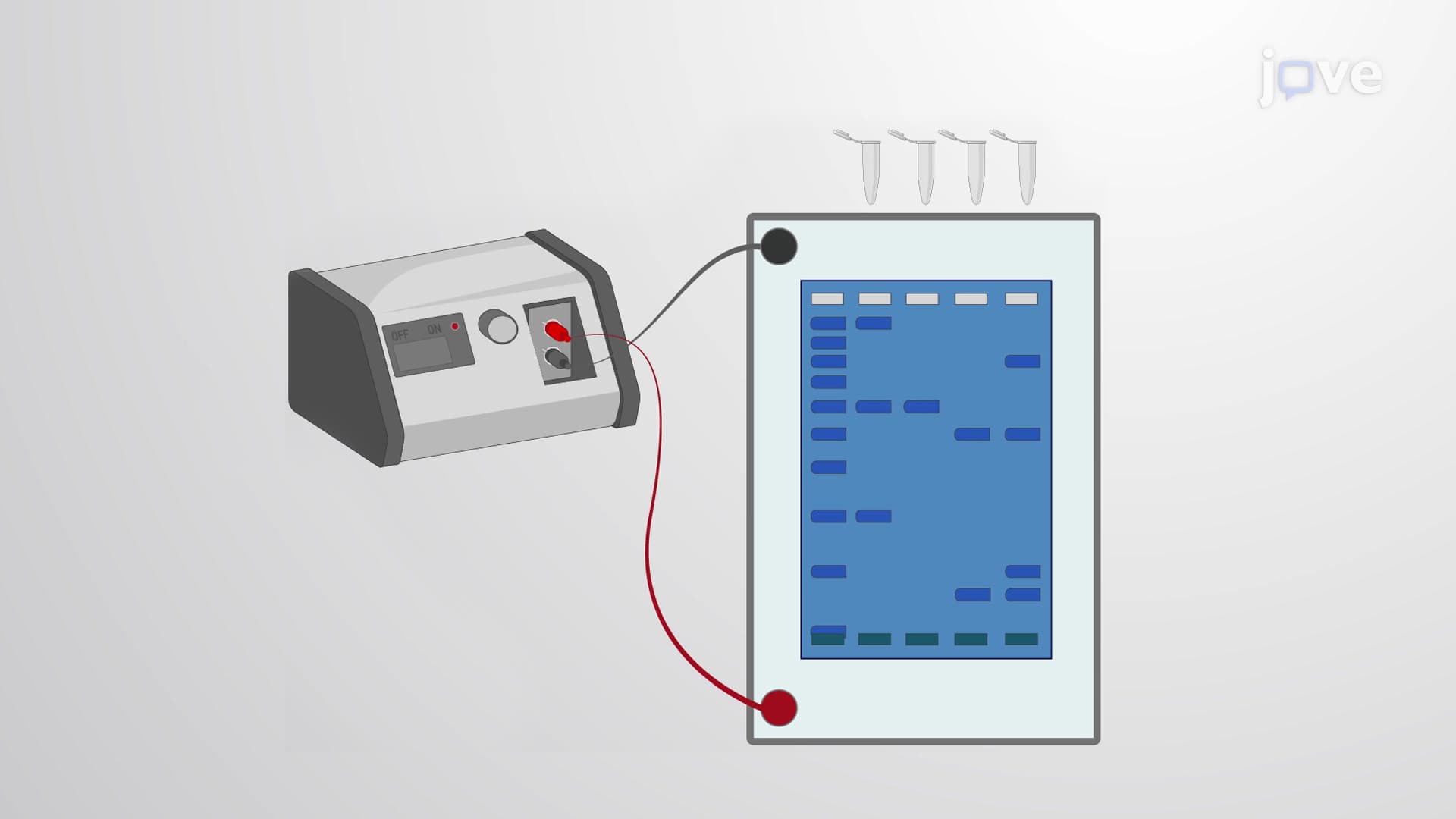
2. Agarose Gel Electrophoresis for Size Separation This technique separates DNA fragments based on size using an electric field and porous agarose matrix. Smaller fragments migrate faster through gel pores toward the positive electrode. DNA ladders provide size references for unknown samples. Ethidium bromide or safer alternatives like GelRed allow DNA visualization under UV light. This method is essential for confirming PCR results, analyzing restriction digests, and purifying DNA fragments in research laboratories.
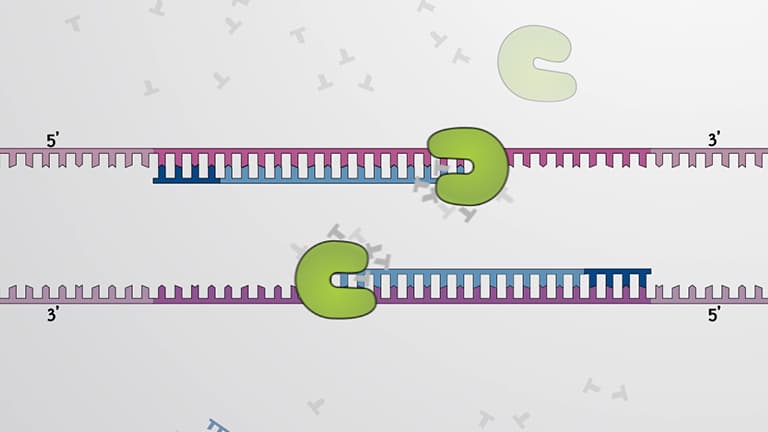
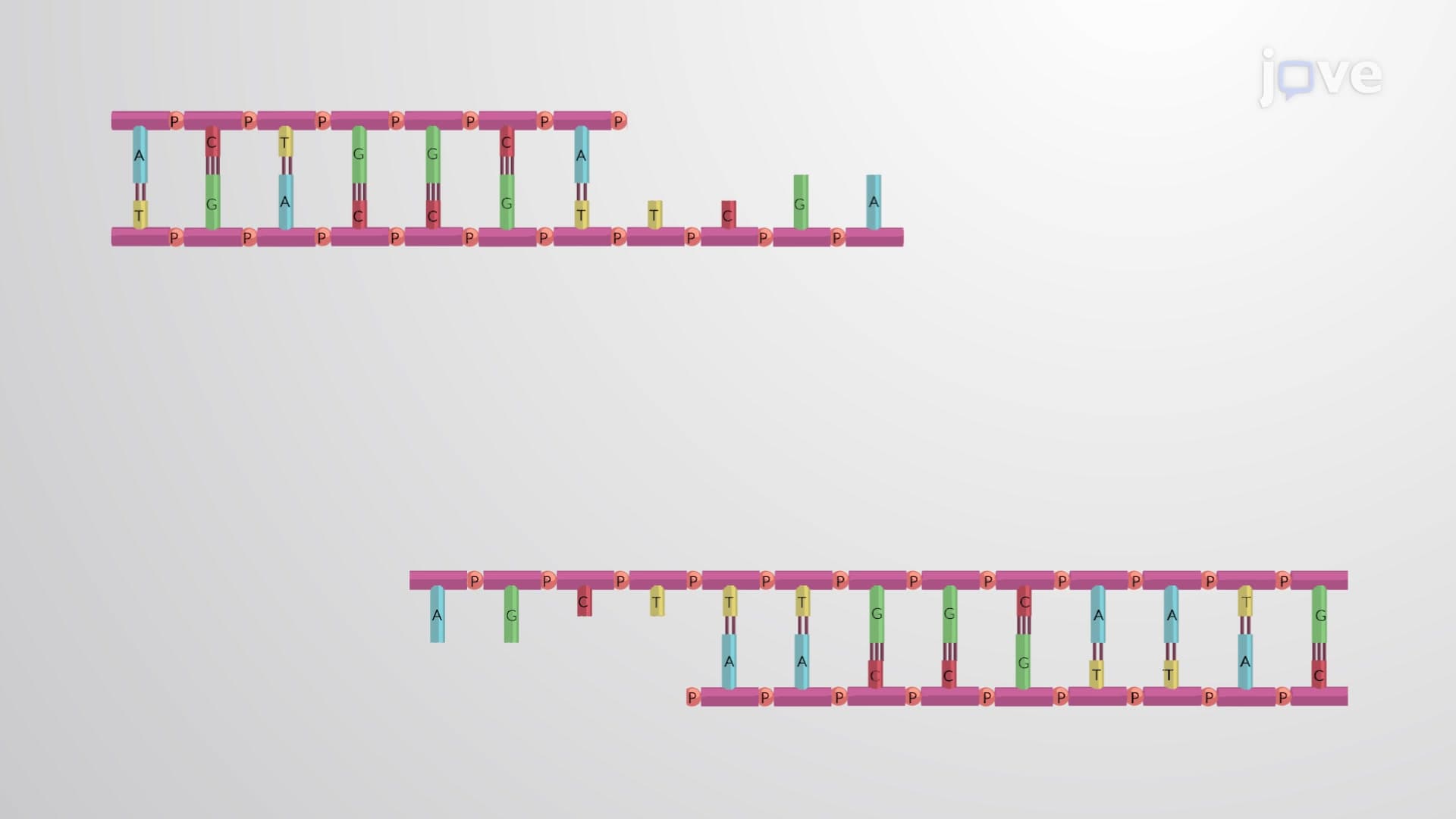
3. PCR Amplification and Real-Time Detection Polymerase Chain Reaction exponentially amplifies specific DNA sequences using thermal cycling, primers, and heat-stable Taq polymerase. Real-time RT-PCR adds fluorescent detection during amplification, enabling quantification. These techniques revolutionized medical diagnostics - COVID-19 testing relies on RT-PCR to detect viral RNA. Forensic labs use PCR for DNA fingerprinting, while research applications include gene expression analysis and genetic variation studies.
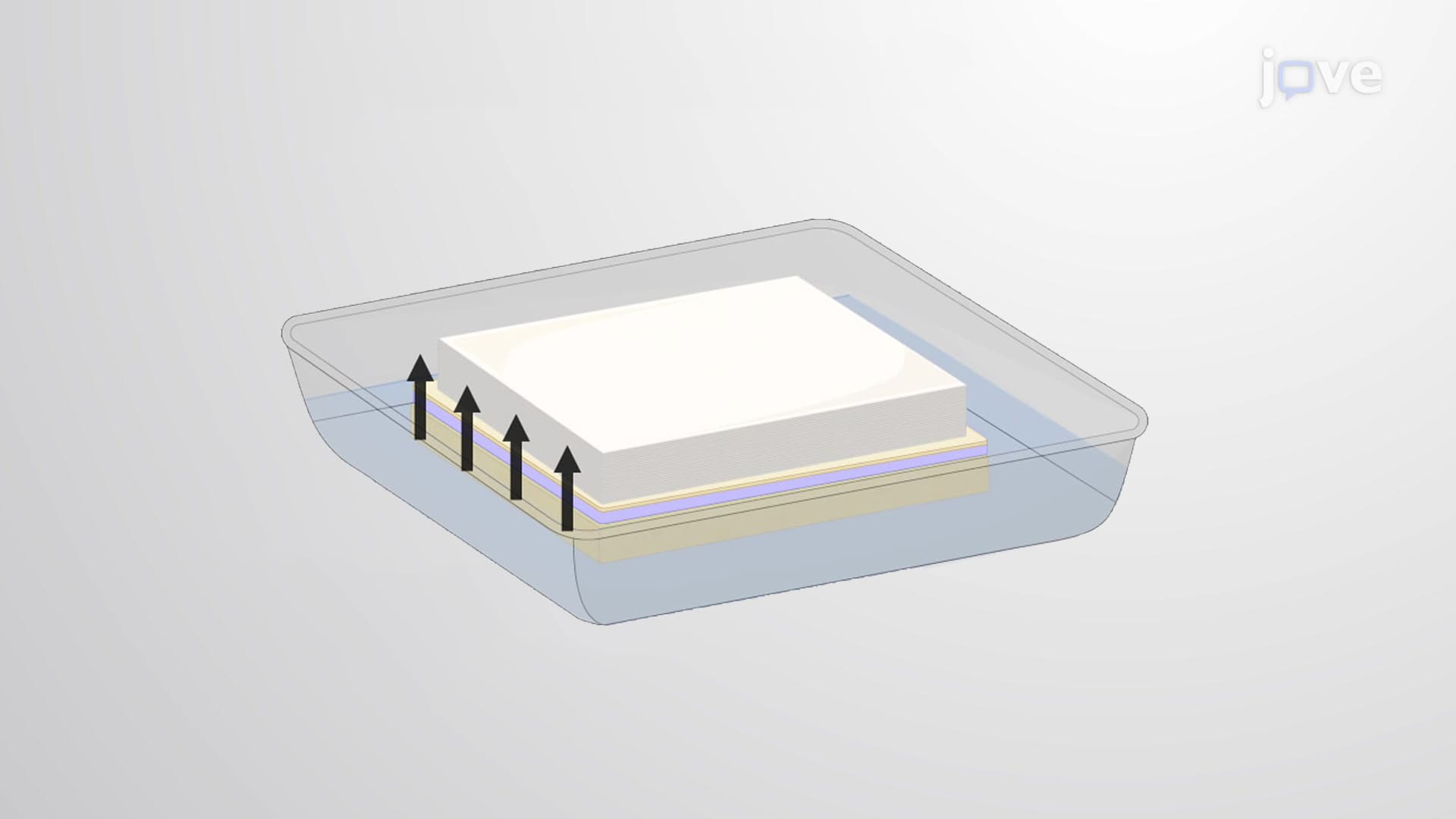
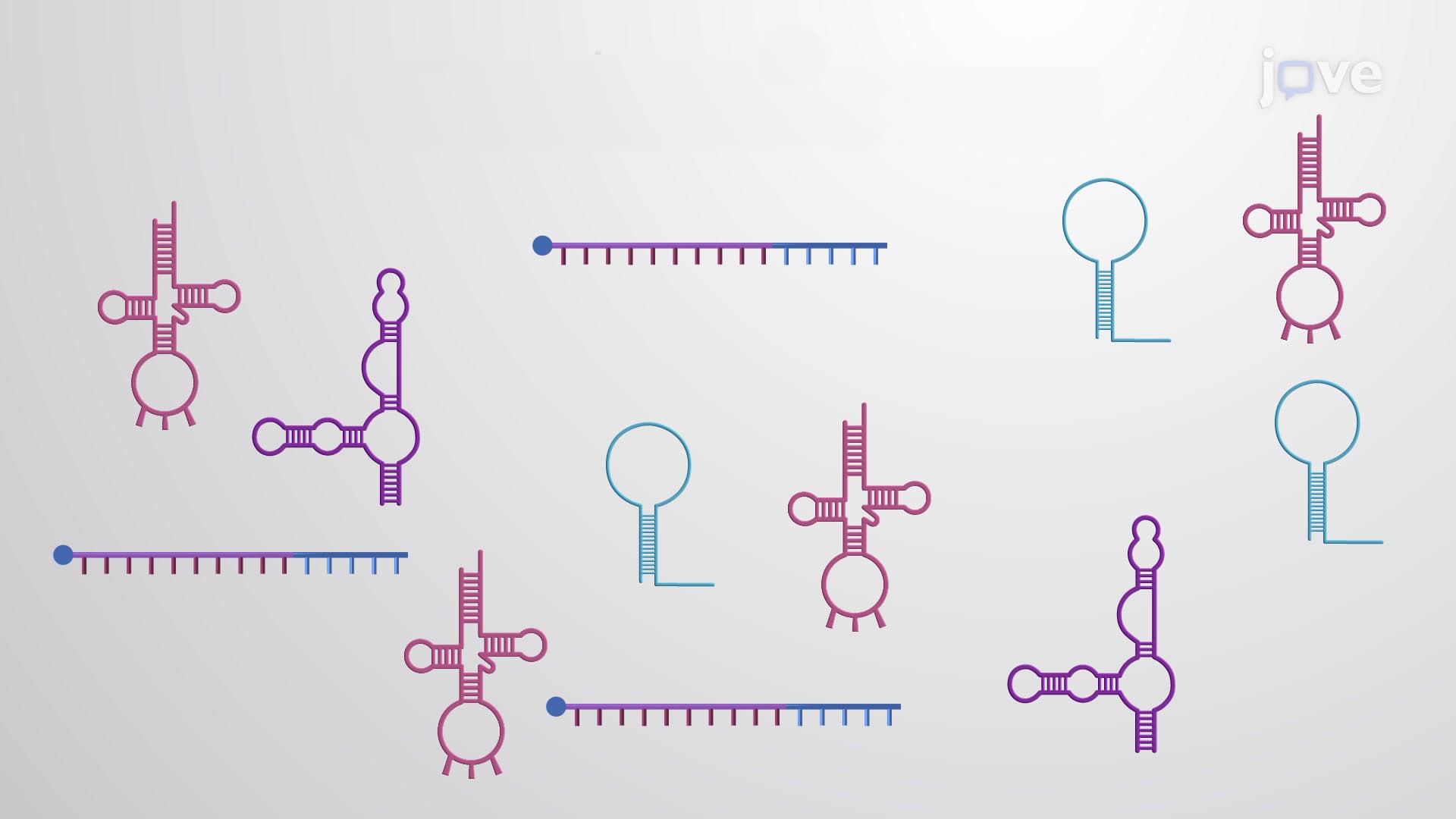
4. DNA Probe Technology and Hybridization Methods DNA probes are single-stranded sequences complementary to target DNA, labeled with radioactive, fluorescent, or enzymatic markers. Hybridization occurs when probes bind complementary sequences under controlled temperature and salt conditions. Southern blotting uses this principle to detect specific genes in complex genomic DNA. These techniques enable genetic disorder diagnosis, such as detecting sickle cell disease mutations in clinical settings across American hospitals.
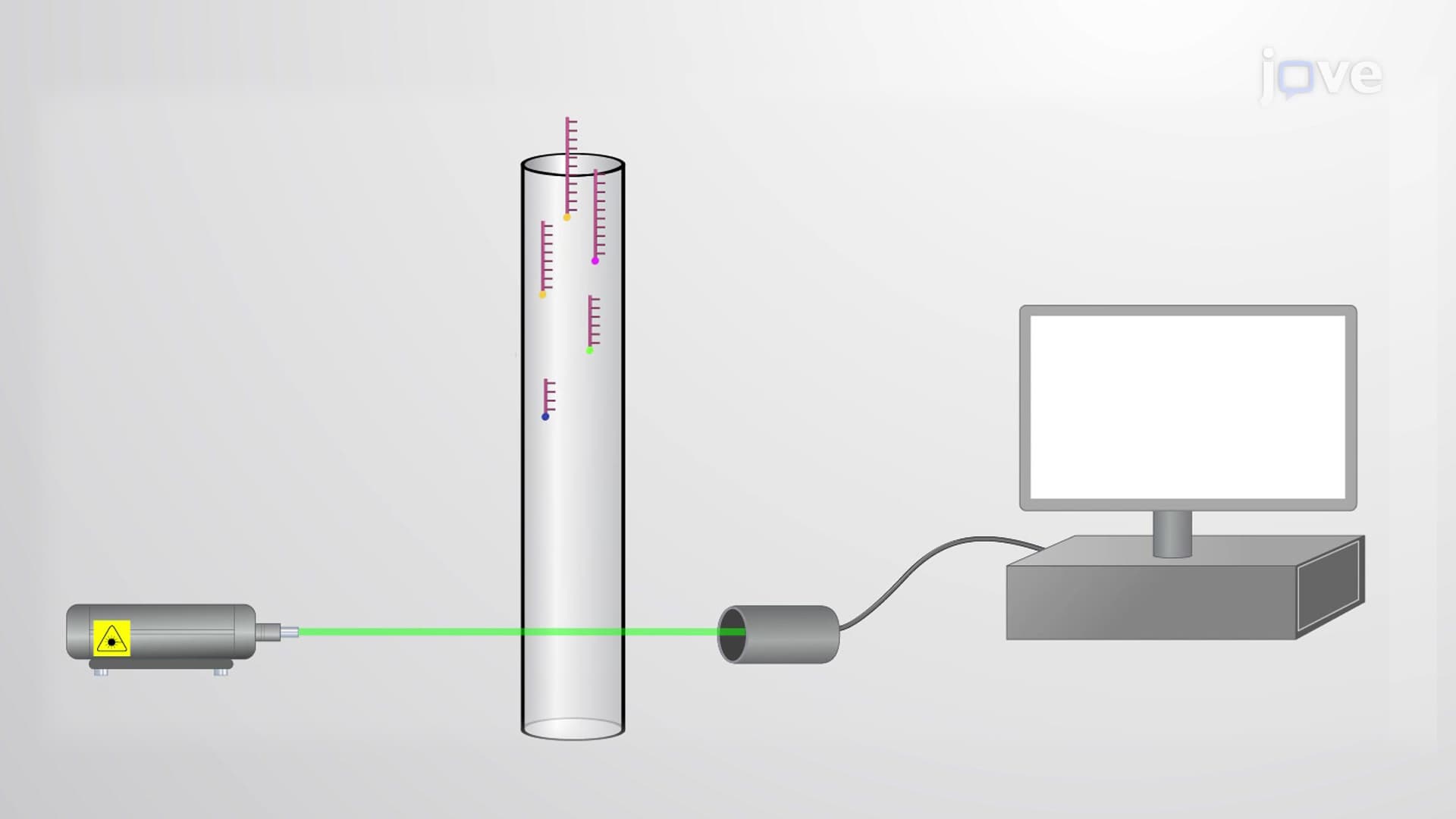
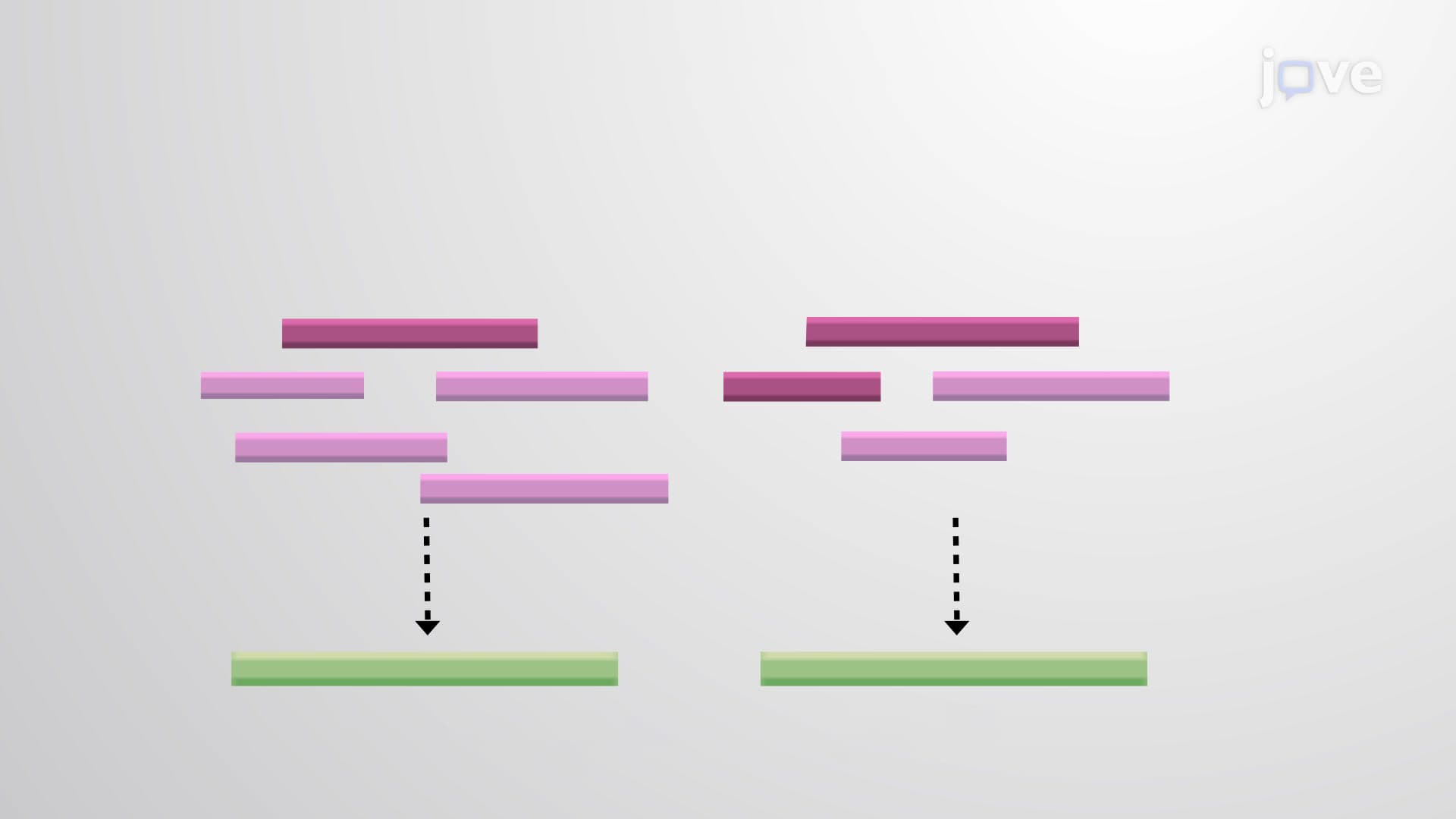
5. Advanced Sequencing Technologies Sanger sequencing uses chain-terminating dideoxynucleotides to determine DNA sequences, while next-generation sequencing enables massive parallel analysis. Technologies like Illumina's reversible terminator method sequence millions of DNA fragments simultaneously. The Human Genome Project utilized these approaches, and today they enable personalized medicine initiatives, cancer genomics research at institutions like MD Anderson, and pharmacogenomic testing to optimize drug treatments for individual patients.
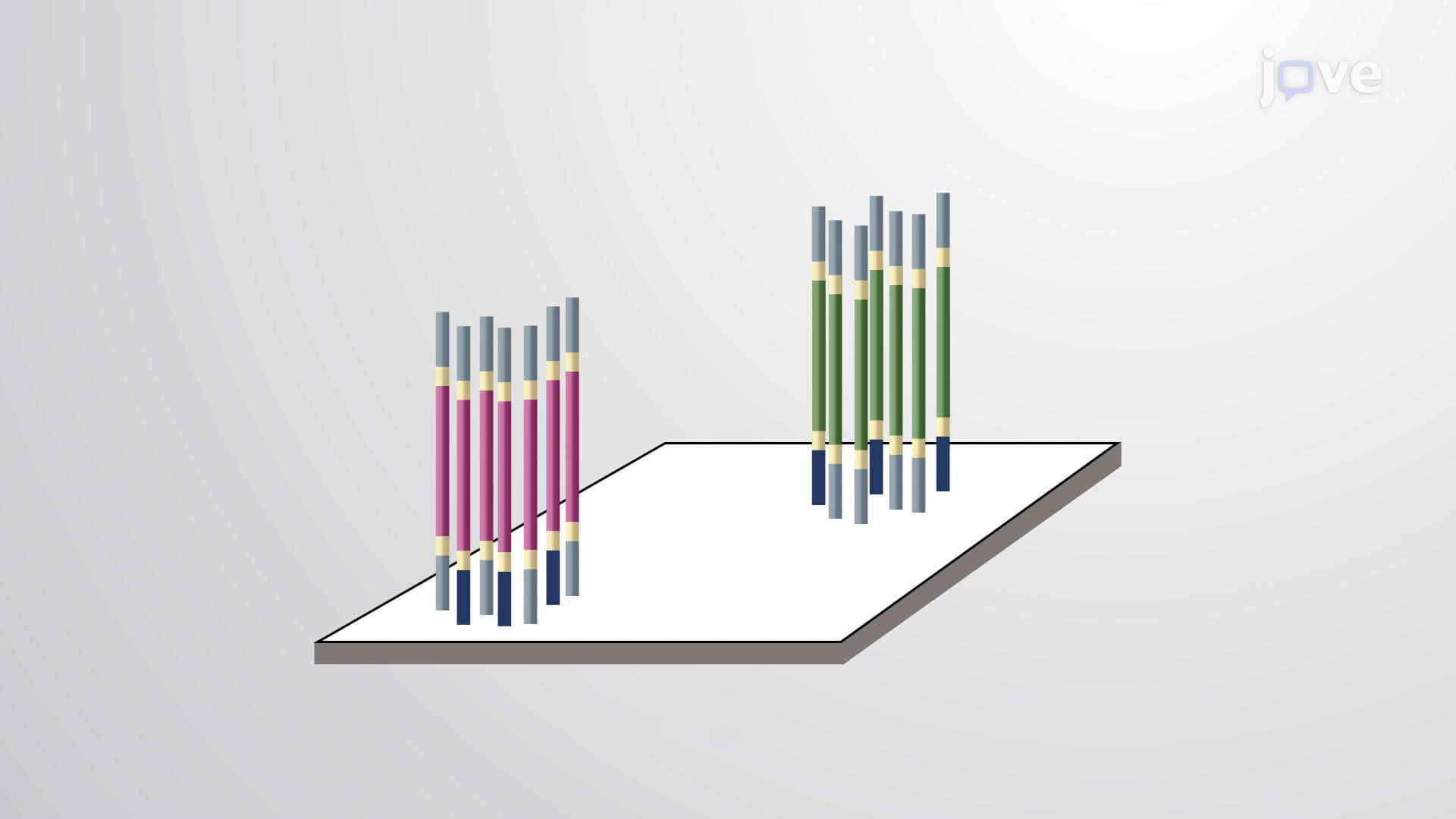
6. Gene Expression Analysis Techniques Complementary DNA synthesis converts mRNA to stable DNA copies for analysis. DNA microarrays detect thousands of genes simultaneously using fluorescent labeling and hybridization. RNA-seq provides comprehensive transcriptome analysis. These methods revealed gene expression changes in diseases like diabetes and cancer, supporting drug development by pharmaceutical companies and enabling precision medicine approaches in American healthcare systems.