Loading video…


 17 Concepts
 1.3M views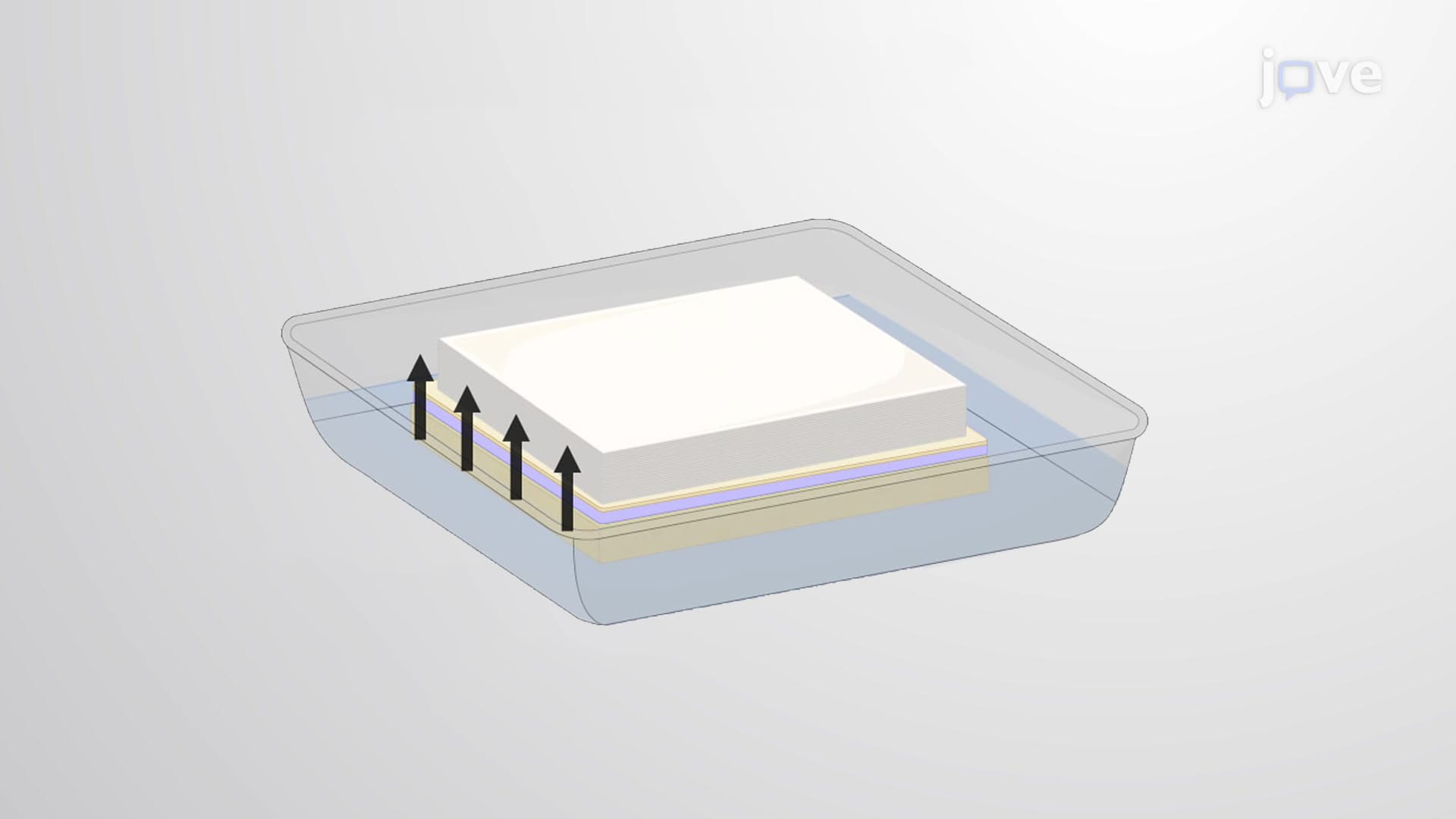

Video Summary: What Is Southern Blot
Ever wondered how forensic scientists identify DNA evidence at crime scenes or how researchers detect genetic diseases? The southern blot technique serves as a cornerstone molecular biology method that detects specific DNA sequences within complex genomes. Used extensively in medical diagnostics at institutions like Johns Hopkins and the CDC, this powerful tool helps identify everything from inherited disorders to viral infections. Watch the full video on JoVE Coach to master this concept with expert-led visuals and step-by-step explanations.
Southern blot represents one of molecular biology's most significant breakthroughs, enabling scientists to locate specific DNA sequences within entire genomes. Named after British scientist Edwin Southern, this technique revolutionized genetic research and clinical diagnostics by providing a reliable method to detect target DNA sequences among millions of base pairs.
The southern blot definition encompasses a multi-step hybridization technique that combines DNA separation, transfer, and detection. Unlike simpler DNA analysis methods, Southern blotting offers exceptional specificity and sensitivity, making it invaluable for applications ranging from genetic counseling to criminal investigations.
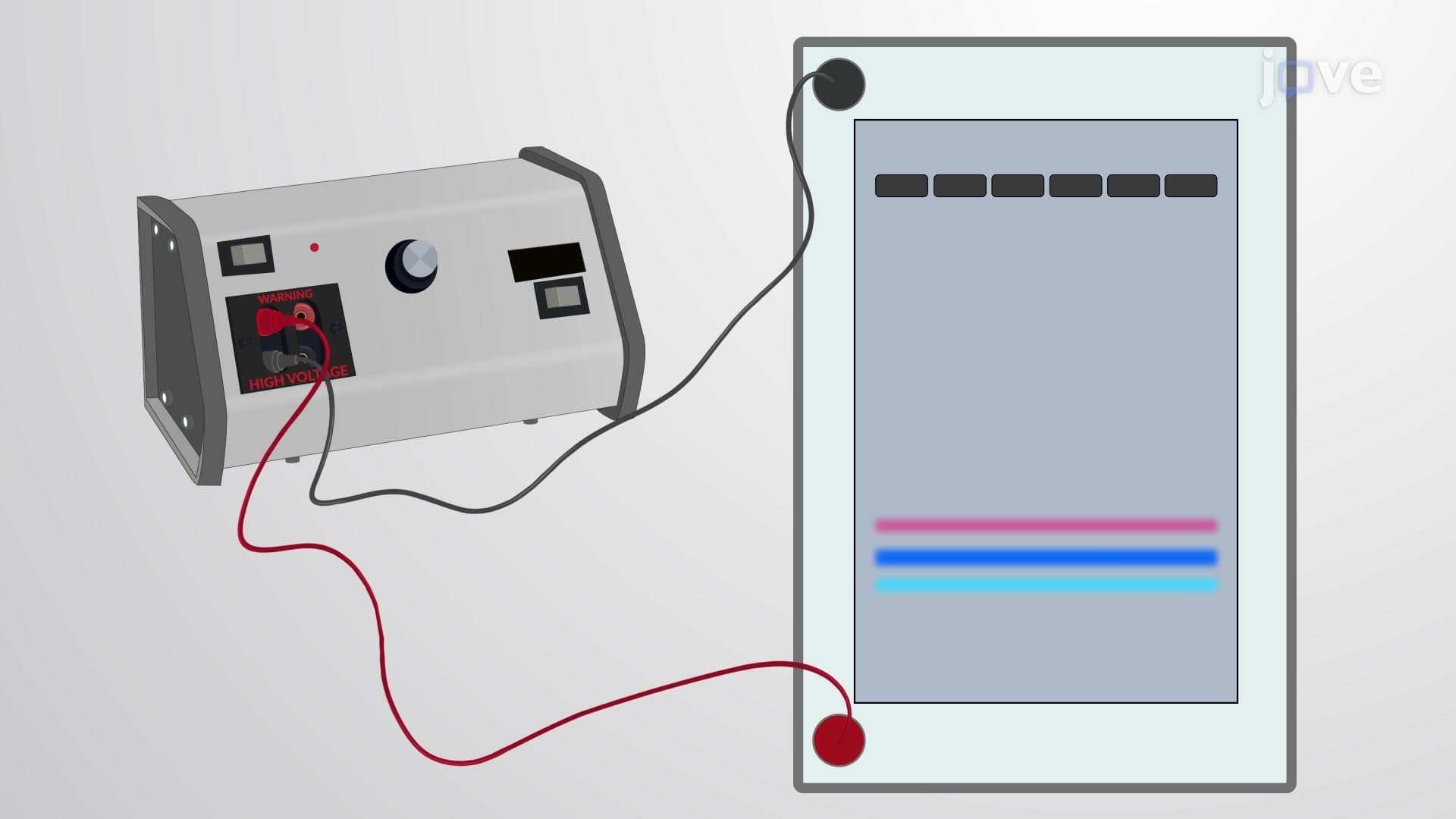
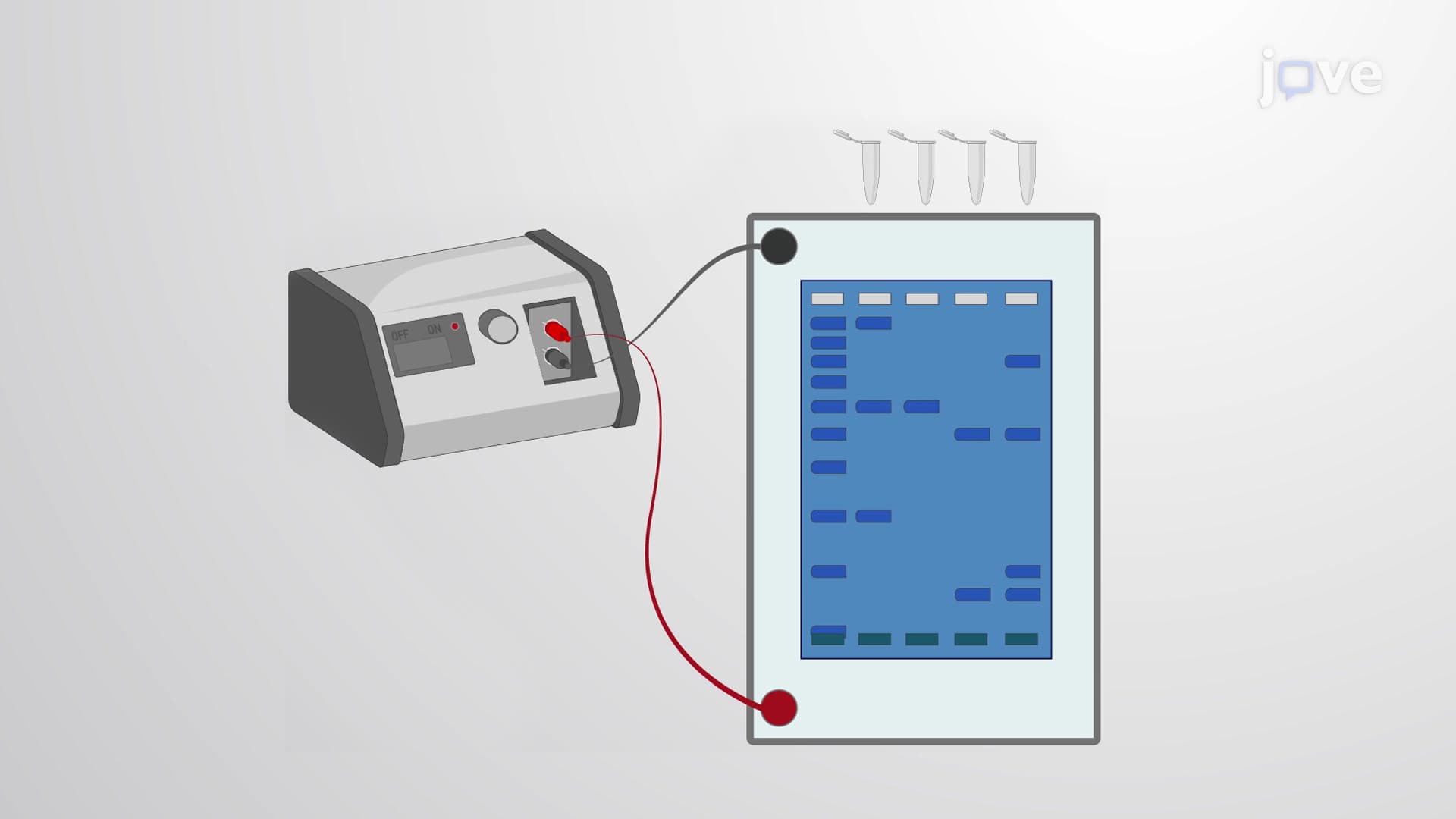
What is southern blot in detail becomes clear when examining its systematic approach. The process begins with restriction enzyme digestion, where genomic DNA is cut into manageable fragments. These fragments undergo gel electrophoresis, separating them by size-smaller fragments migrate farther through the agarose gel matrix.
Denaturation follows, using sodium hydroxide to separate double-stranded DNA into single strands. This critical step ensures DNA probes can access their complementary sequences. The neutralization step with sodium chloride and Tris buffer restores optimal pH conditions for subsequent binding.
Membrane transfer represents the technique's namesake "blotting" step. Single-stranded DNA fragments transfer from the gel onto a nylon membrane through capillary action, creating a permanent DNA library. UV cross-linking immobilizes these DNA fragments, preventing diffusion during later steps.
The hybridization step showcases molecular biology's elegance. Pre-treated membranes receive labeled DNA probes-short, single-stranded sequences complementary to target DNA. At 42°C, these probes bind specifically to their matching sequences, forming stable hybrid molecules.
Detection methods vary based on probe labeling. Radioactive phosphorus-32 probes require X-ray film exposure, while enzyme-labeled probes generate colorimetric or luminescent signals upon substrate addition. This flexibility allows laboratories to choose detection methods matching their safety protocols and equipment capabilities.
Southern blotting remains essential in US medical centers for diagnosing genetic disorders like sickle cell anemia and Huntington's disease. The FBI's Combined DNA Index System (CODIS) historically relied on Southern blot principles for forensic DNA analysis. Academic institutions use this technique in advanced biology courses, while the MCAT frequently tests students' understanding of molecular biology techniques including Southern blotting.
Related Micro-courses