Loading video…


 17 Concepts
 1.3M views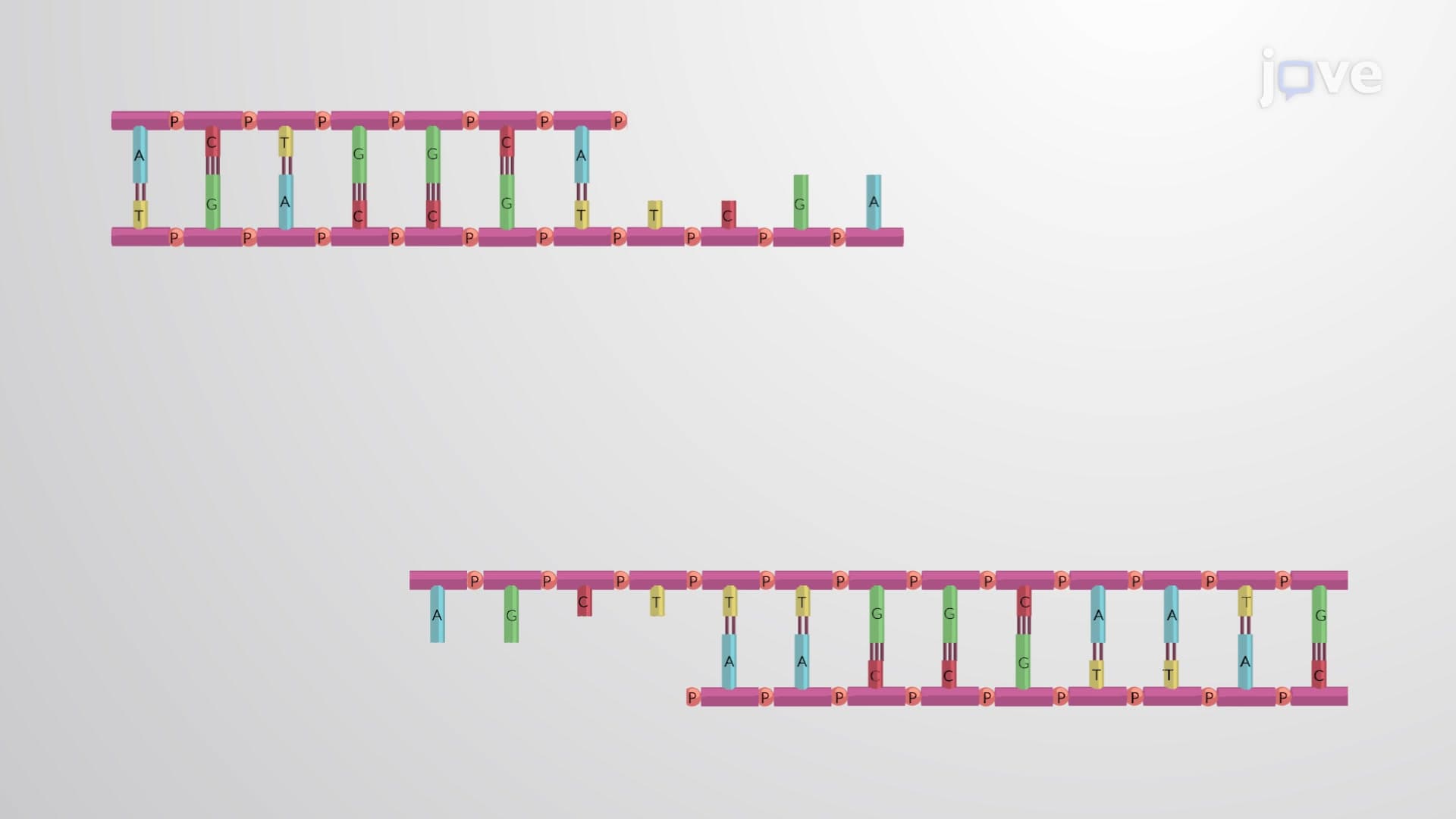

Video Summary: What are Restriction Enzymes
Ever wonder how scientists precisely cut DNA like molecular scissors? Restriction enzymes are bacterial proteins that slice DNA at specific sequences, functioning as nature's genetic engineering tools. The FDA uses these enzymes to verify genetically modified foods, while pharmaceutical companies like Genentech rely on them to produce life-saving insulin. Understanding what are restriction enzymes reveals how researchers create everything from disease-resistant crops to breakthrough cancer therapies. Watch the full video on JoVE Coach to master this concept with expert-led visuals and step-by-step explanations.
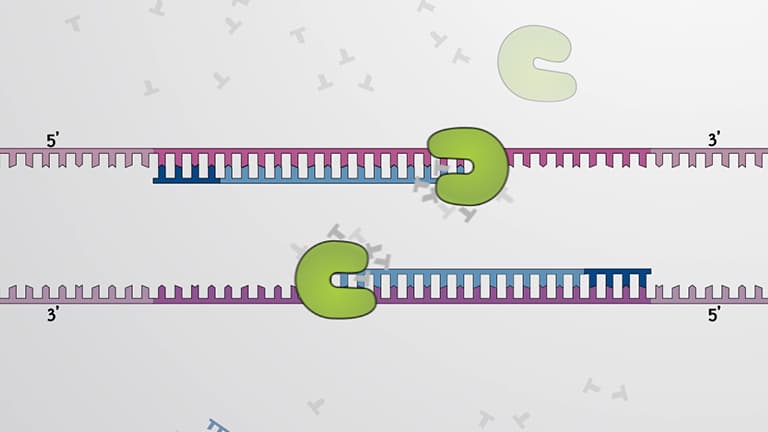
Restriction enzymes, also known as restriction endonucleases, represent one of biotechnology's most fundamental tools. Originally discovered as bacterial defense mechanisms against viral DNA, these enzymes have revolutionized genetic engineering since the 1970s. Unlike random DNA degradation, restriction enzymes exhibit remarkable precision, recognizing and cleaving only specific nucleotide sequences.
The types of restriction enzymes are classified based on their recognition sequences and cutting mechanisms. Most commonly used enzymes recognize palindromic sequences-DNA stretches that read identically on both strands when read in the 5' to 3' direction. For example, the enzyme EcoRI recognizes the sequence GAATTC, which appears as: 5'-GAATTC-3' on one strand 3'-CTTAAG-5' on the complementary strand
These recognition sequences typically span 4-8 base pairs, with longer sequences providing greater specificity. Six-base cutters like EcoRI cut less frequently than four-base cutters like MspI, making them ideal for different laboratory applications.
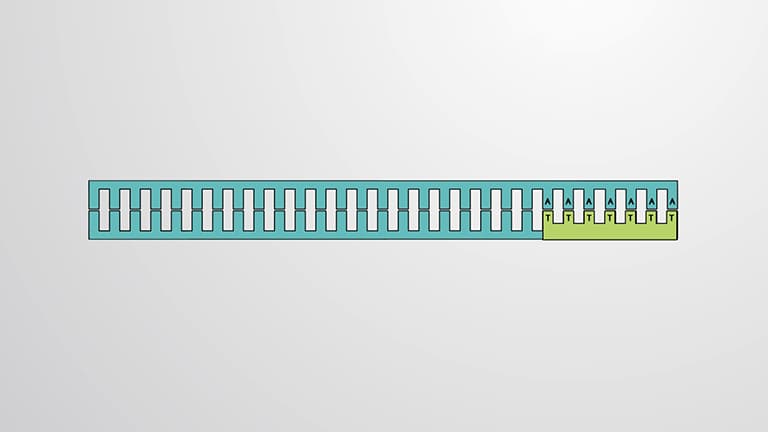
The cutting mechanism distinguishes restriction enzymes into two categories. Enzymes creating blunt ends cut straight across both DNA strands at the same position, producing fragments with no overhanging bases. Conversely, enzymes generating sticky ends make staggered cuts, leaving single-stranded overhangs that can hydrogen-bond with complementary sequences.
Sticky ends prove particularly valuable in molecular cloning because fragments cut by the same enzyme possess compatible overhangs. This compatibility allows researchers at institutions like MIT and Stanford to join DNA from different sources, creating recombinant molecules essential for gene therapy research and pharmaceutical production.
Major U.S. companies like Illumina use restriction enzymes for DNA sequencing protocols, while agricultural giants like Monsanto employ them in developing genetically modified crops. In academic settings, students encounter restriction enzymes in AP Biology labs and college molecular biology courses, where mapping restriction sites helps visualize DNA structure and function.
For MCAT preparation, understanding restriction enzyme mechanisms proves crucial for biochemistry and molecular biology sections, particularly questions involving genetic engineering and DNA manipulation techniques.
Related Micro-courses