10 Concepts
11 Concepts
11 Concepts
17 Concepts
20 Concepts
16 Concepts
16 Concepts
21 Concepts
11 Concepts
15 Concepts
14 Concepts
21 Concepts
8 Concepts
15 Concepts
17 Concepts
19 Concepts
11 Concepts
18 Concepts
6 Concepts
21 Concepts

Gene expression analysis encompasses cutting-edge molecular techniques used to study how genes are activated, regulated, and function within living systems. From CRISPR genome editing to ribosome profiling, these methods enable researchers at institutions like MIT and Stanford to decode genetic mechanisms underlying human disease, develop gene therapies approved by the FDA, and create genetically modified crops. JoVE Coach provides comprehensive training in these essential biotechnology skills.
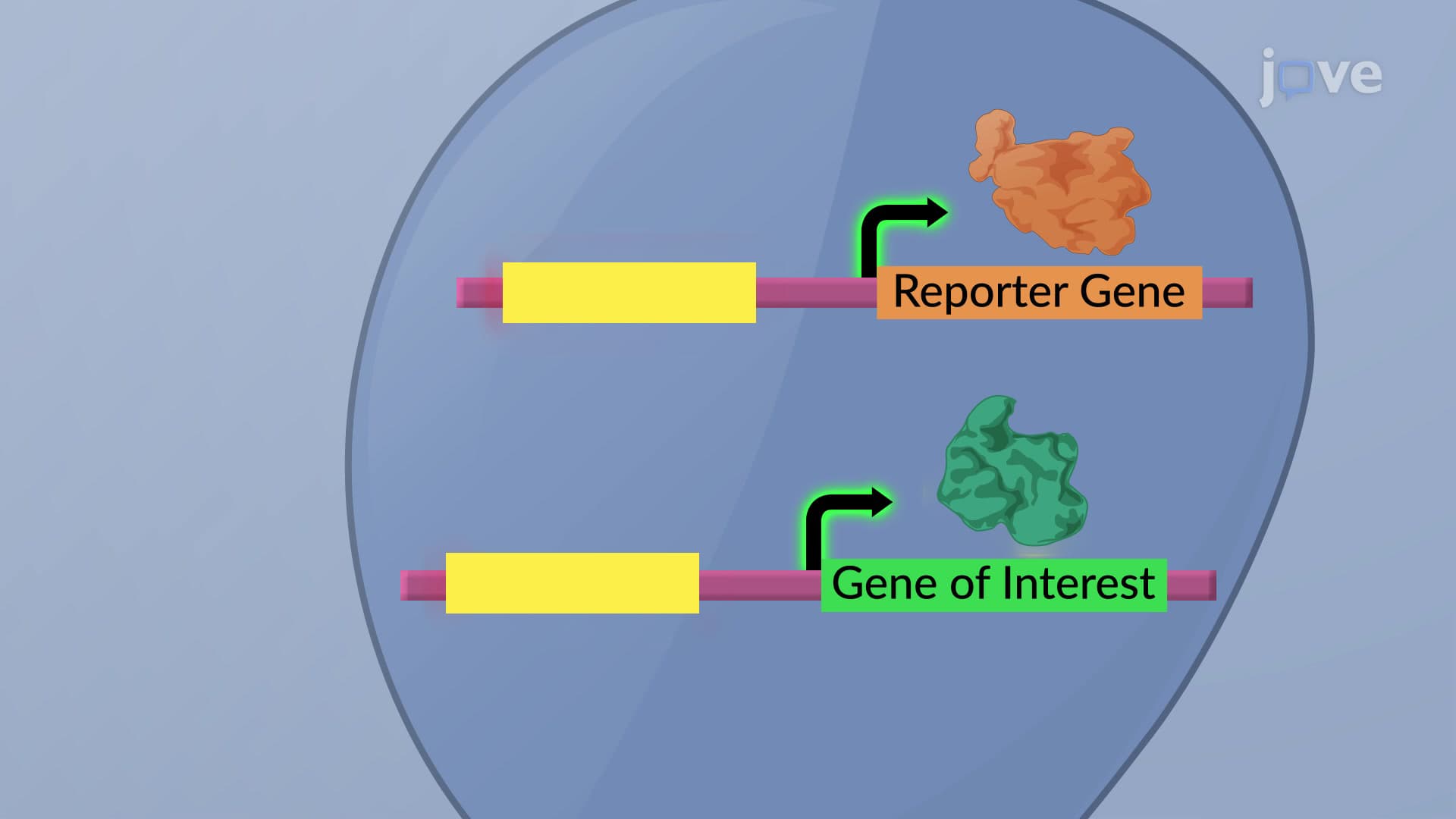
1. Forward and Reverse Genetic Screens: Genetic screens represent powerful analytical approaches for establishing genotype-phenotype relationships. Forward screens identify genes responsible for observable traits by randomly mutating organisms and screening for phenotypes of interest, as demonstrated in zebrafish developmental studies at major research universities. Reverse screens examine phenotypic outcomes when specific genes are disrupted, commonly used in Drosophila research to understand essential gene functions. These complementary approaches have been instrumental in discovering disease genes and understanding developmental pathways in model organisms used throughout American research institutions.
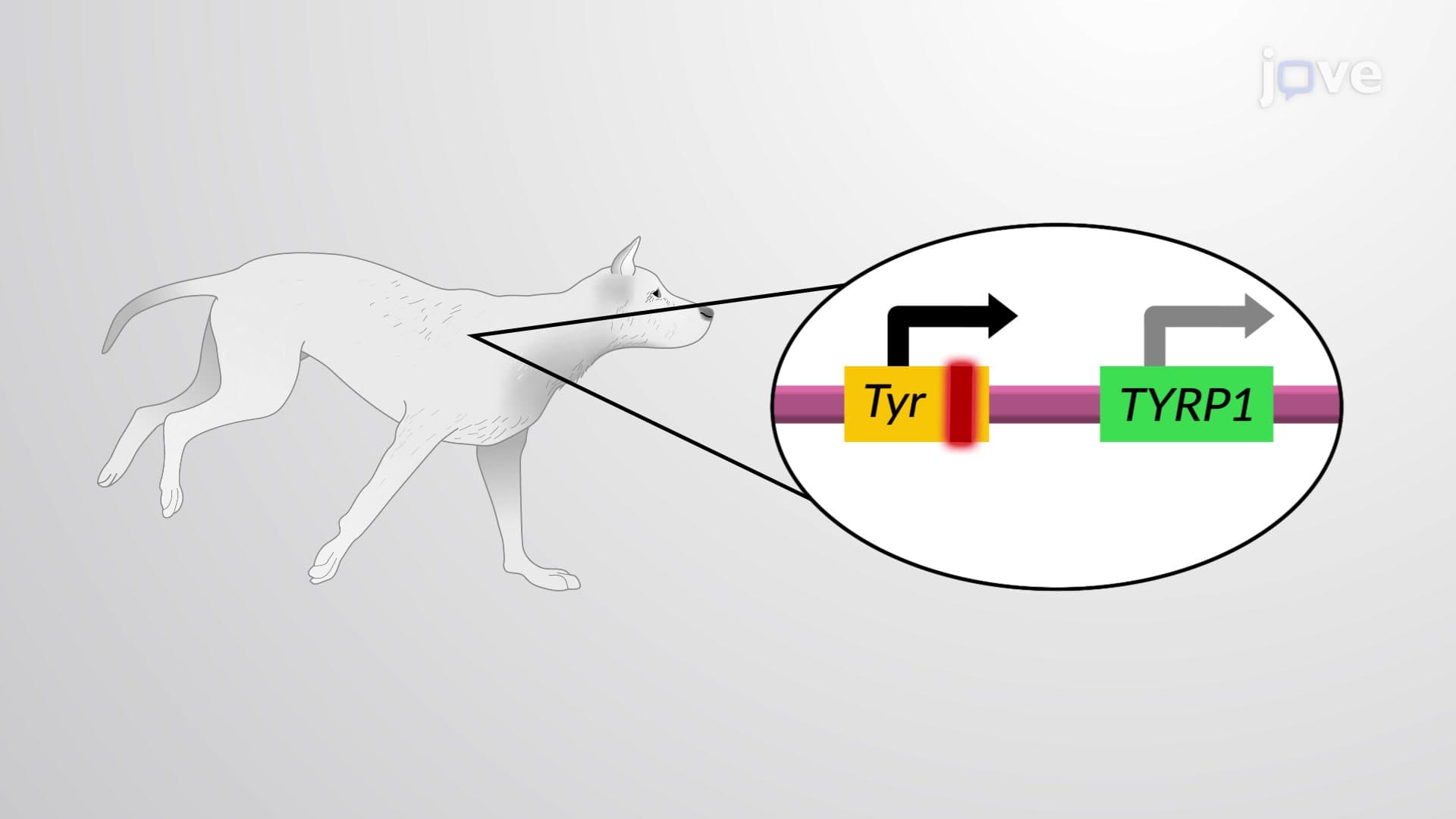
2. CRISPR-Cas9 Genome Editing Technology: CRISPR represents a revolutionary genome editing system derived from bacterial immune mechanisms, enabling precise DNA modifications in living cells. The technology uses guide RNAs to direct Cas9 nuclease to specific genomic locations, creating double-strand breaks that trigger cellular repair mechanisms. American biotech companies like Editas Medicine and Intellia Therapeutics are advancing CRISPR-based therapies for genetic diseases including sickle cell anemia and inherited blindness. Clinical trials across US medical centers demonstrate CRISPR's therapeutic potential, while agricultural applications produce disease-resistant crops approved for American markets.
3. Chromatin Immunoprecipitation (ChIP) and Epigenetic Analysis: ChIP technology enables researchers to map protein-DNA interactions and histone modifications that regulate gene expression. This technique involves crosslinking proteins to DNA, fragmenting chromatin, and using specific antibodies to isolate target protein-DNA complexes. Major pharmaceutical companies use ChIP-seq data to identify drug targets and understand how epigenetic modifications contribute to diseases like cancer and neurological disorders. American research institutions employ ChIP analysis to study transcription factor binding patterns and chromatin states associated with development and disease progression.
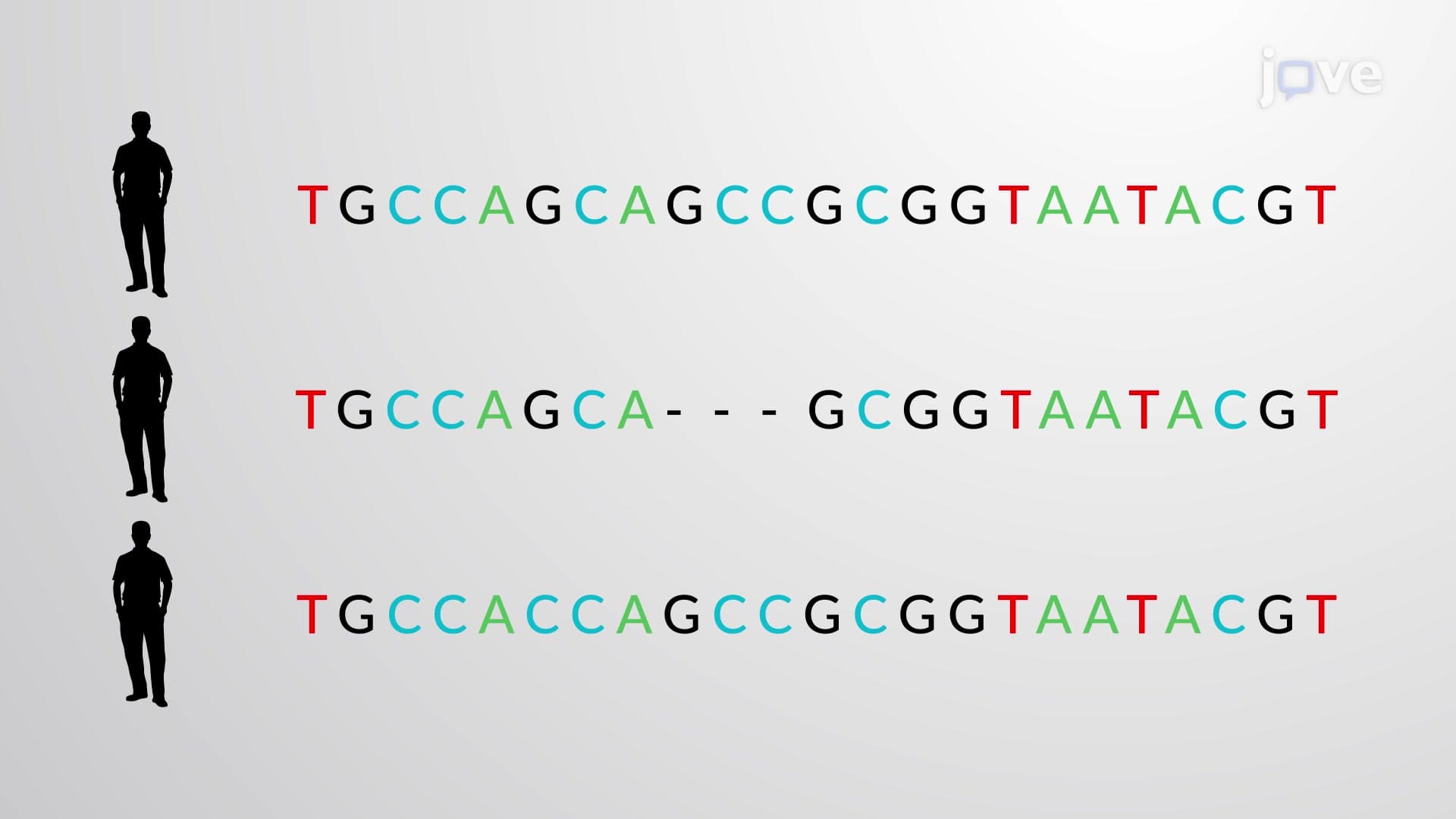
4. Single Nucleotide Polymorphisms and Genome-Wide Association Studies: SNPs represent the most common form of genetic variation among humans, occurring approximately once every 300 base pairs throughout the genome. These variations serve as molecular markers for genome-wide association studies (GWAS) that identify genetic factors contributing to complex diseases. The NIH-funded Human Genome Project and subsequent initiatives have cataloged millions of SNPs, enabling researchers to associate genetic variants with conditions like diabetes, heart disease, and psychiatric disorders prevalent in American populations. Pharmaceutical companies utilize GWAS data for personalized medicine approaches and drug development strategies.
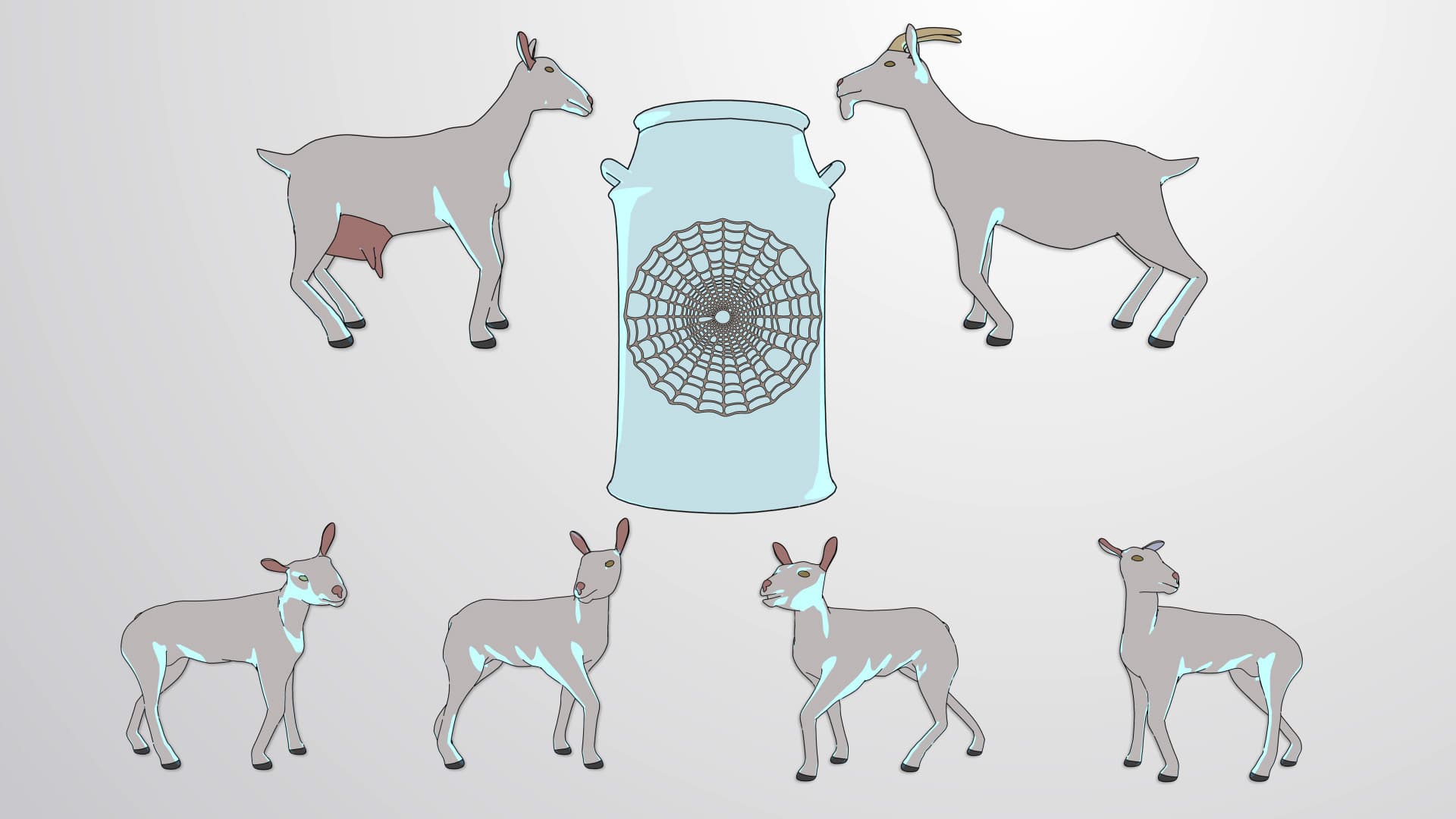
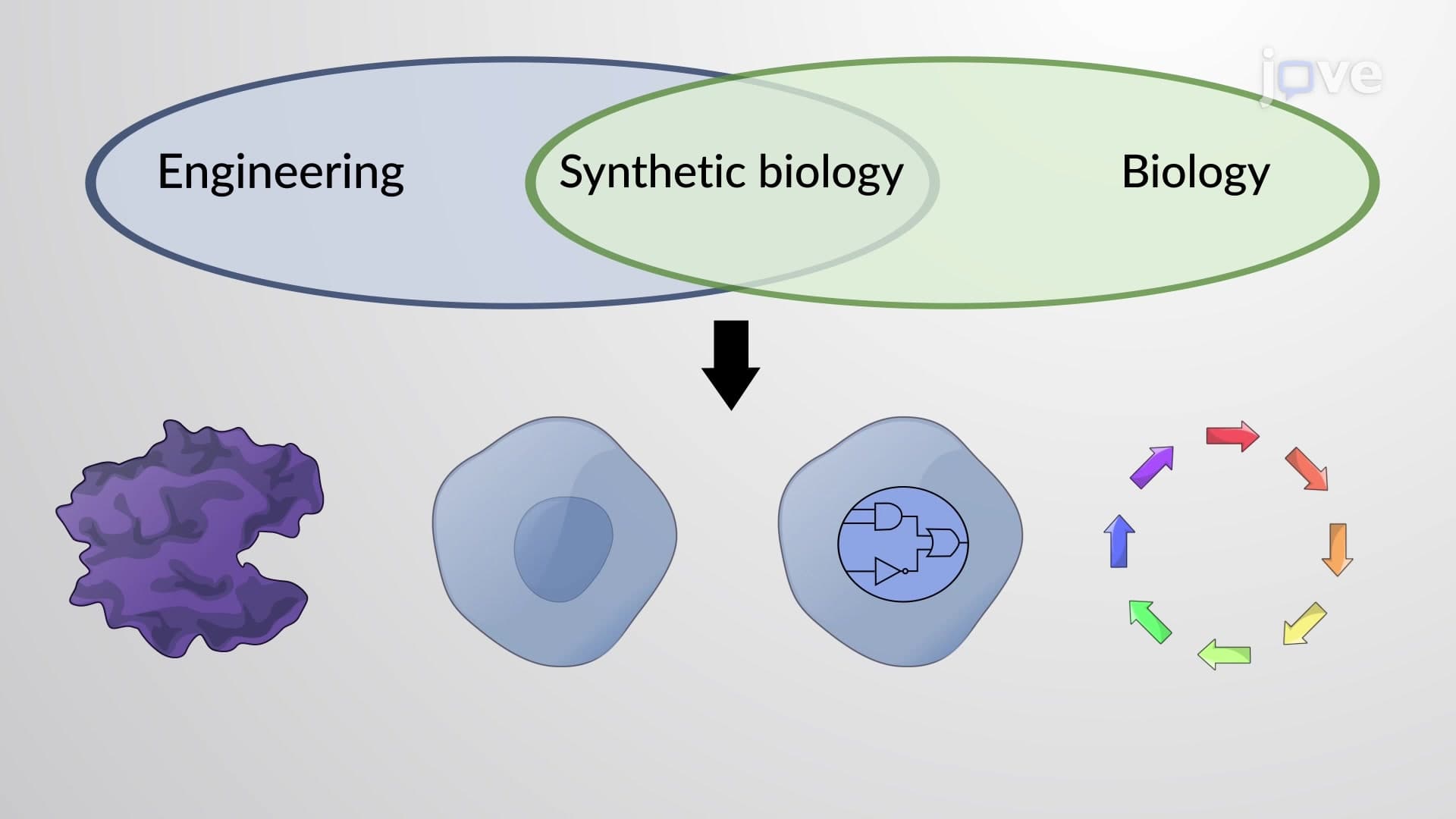
5. Synthetic Biology and Engineered Biological Systems: Synthetic biology applies engineering principles to design novel biological components and systems not found in nature. This interdisciplinary field combines molecular biology, engineering, and computational approaches to create programmable biological circuits and metabolic pathways. American companies like Ginkgo Bioworks and Synthetic Genomics engineer microorganisms for producing pharmaceuticals, biofuels, and specialty chemicals. Academic institutions across the US integrate synthetic biology into curriculum through competitions like iGEM, where students design genetically engineered machines to address real-world challenges in healthcare, environment, and manufacturing.