Loading video…


 19 Concepts
 152.9K views

Video Summary: What Is Test Cross
Ever wondered how plant breeders at universities like UC Davis determine whether a prize-winning corn plant will consistently produce high yields? A test cross is the genetic detective tool that reveals hidden genotypes by crossing an organism showing dominant traits with a homozygous recessive partner. This fundamental technique helps distinguish between homozygous dominant and heterozygous individuals, making it essential for agricultural breeding programs and genetic research across the United States. Watch the full video on JoVE Coach to master this concept with expert-led visuals and step-by-step explanations.
A test cross represents one of genetics' most elegant problem-solving tools, designed to unveil the mysterious genotype hiding behind a dominant phenotype. When Gregor Mendel first developed this technique in his monastery garden, he couldn't have imagined its impact on modern American agriculture and medical genetics. The principle remains beautifully simple: cross your unknown individual with a homozygous recessive partner and let the offspring tell the genetic story.
The power of a test cross lies in its predictable outcomes. When you cross a homozygous dominant individual (AA) with a homozygous recessive tester (aa), every offspring displays the dominant phenotype-a 100% dominant result that immediately reveals the parent's genotype. However, when a heterozygous individual (Aa) undergoes the same test cross, approximately 50% of offspring show the recessive phenotype, creating a distinctive 1:1 ratio that genetic counselors and researchers recognize instantly.
This clear-cut distinction makes test crosses invaluable for AP Biology students tackling genetics problems and college undergraduates studying inheritance patterns. The technique eliminates guesswork by providing concrete numerical evidence of genetic makeup, which proves essential when studying for the MCAT or advanced genetics courses.
Major agricultural universities like Cornell, Texas A&M, and Iowa State rely heavily on test cross methodology in their breeding programs. Corn breeders use test crosses to identify superior parent lines for hybrid development, ensuring consistent traits like disease resistance and yield potential. Similarly, cattle ranchers employ test crosses to determine whether prize bulls carry recessive genes for undesirable traits before expensive breeding decisions.
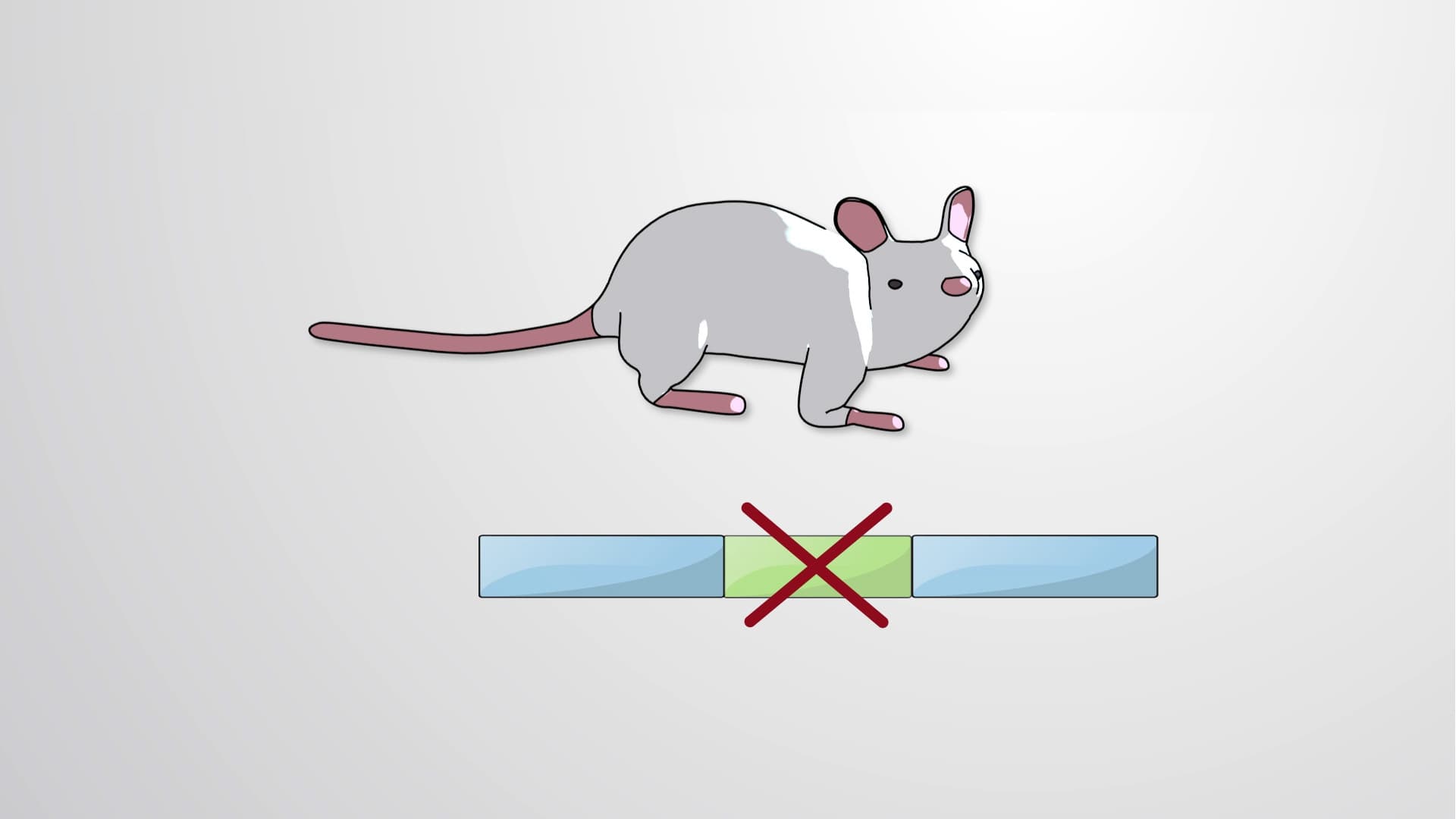
The pharmaceutical industry also utilizes test cross principles when developing laboratory mouse strains for drug testing. Research institutions like the Jackson Laboratory in Maine use these crosses to maintain genetic consistency across experimental populations, ensuring reliable research outcomes that support FDA drug approval processes.
Students preparing for AP Biology, college genetics courses, or pre-med requirements should focus on recognizing test cross scenarios and calculating expected ratios. Practice problems typically present mystery genotypes and ask students to predict offspring distributions or work backward from observed ratios to determine parental genotypes. Understanding these patterns proves crucial for success on standardized exams and provides foundational knowledge for advanced topics like gene mapping and linkage analysis.
Related Micro-courses