Loading subject page…


152,902 views


Video Summary: What Is Ribosome Profiling
Did you know that at any given moment, thousands of ribosomes in your cells are translating specific genes while ignoring others? Ribosome profiling is a cutting-edge molecular technique that captures a snapshot of exactly which genes are being actively translated into proteins. Researchers at Stanford University used this method to discover new therapeutic targets for cancer treatment by identifying previously unknown proteins being produced in tumor cells. Watch the full video on JoVE Coach to master this concept with expert-led visuals and step-by-step explanations.
What is ribosome profiling represents a revolutionary approach to studying gene expression at the translational level. Unlike traditional methods that only measure mRNA abundance, this technique provides direct evidence of which transcripts are being actively converted into proteins. The method, also known as ribo-seq, was first developed in 2009 and has since become essential for understanding cellular responses to drugs, diseases, and environmental changes.
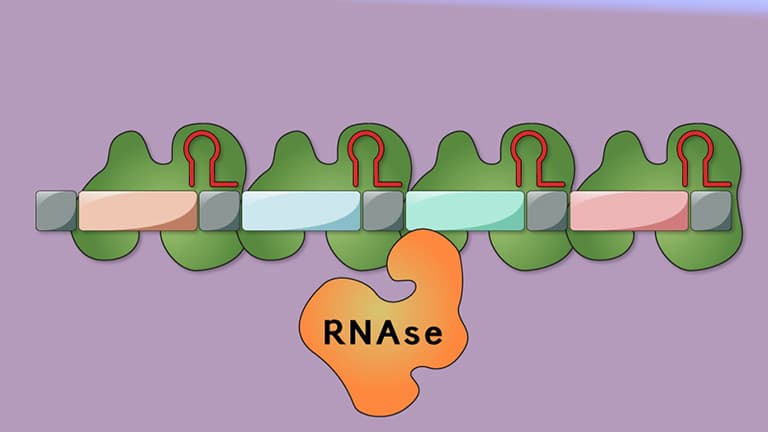
The core principle relies on ribosomes physically protecting approximately 30 nucleotides of mRNA from degradation. When cells are lysed and treated with ribonuclease (RNase) enzymes, these nucleases digest all exposed RNA while leaving ribosome-protected fragments intact. This selective protection creates a molecular "footprint" showing exactly where ribosomes were positioned during active translation.
The protected fragments undergo purification through sucrose gradient centrifugation, separating them from degraded RNA debris. After ribosome removal, reverse transcriptase converts these RNA fragments into complementary DNA (cDNA) for high-throughput sequencing analysis.
Major US research institutions like MIT and Harvard Medical School routinely use ribosome profiling to study cancer metabolism, neurological disorders, and drug resistance mechanisms. The technique proved crucial during COVID-19 research, helping scientists at Johns Hopkins University understand how the virus hijacks cellular translation machinery.
For students preparing for the MCAT or advanced AP Biology exams, understanding ribosome profiling demonstrates mastery of both molecular biology techniques and gene regulation concepts. The method frequently appears in college-level biochemistry courses as an example of how modern genomics goes beyond simple DNA sequencing.
One of ribosome profiling's most exciting applications involves identifying previously unknown protein-coding sequences. Traditional genome annotations often miss small open reading frames (sORFs) or alternative translation start sites. By mapping ribosome positions across the entire genome, researchers can discover novel proteins that might serve as therapeutic targets or biomarkers for disease diagnosis.
Related Micro-courses