Loading video…


 19 Concepts
 152.9K views

Video Summary: What are Complementation Tests
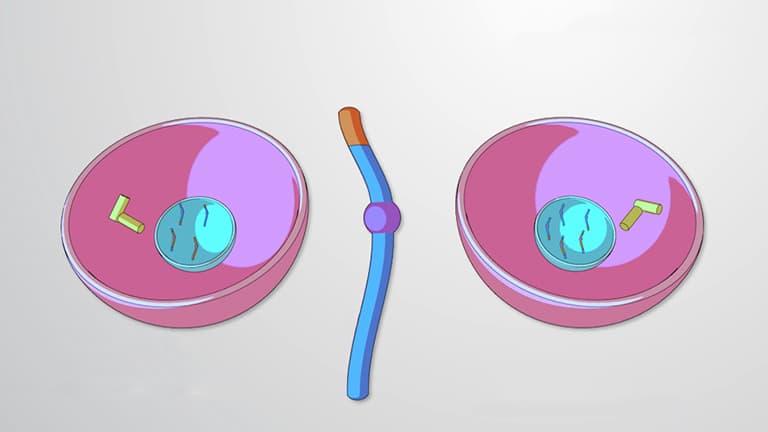
Did you know that seemingly identical white chickens at poultry farms across the United States might actually carry mutations in completely different genes? Complementation tests help scientists determine whether two organisms with the same observable trait have mutations in the same gene or different genes. This powerful genetic technique is essential for understanding heredity patterns in everything from agricultural breeding programs to human genetic disorders. What are complementation tests reveals how geneticists decode the molecular basis of inherited traits. Watch the full video on JoVE Coach to master this concept with expert-led visuals and step-by-step explanations.
Complementation tests represent one of the most elegant and powerful tools in classical genetics, allowing researchers to determine whether mutations causing similar phenotypes occur in the same gene or different genes. This fundamental technique bridges the gap between observable traits and underlying molecular mechanisms, making it essential knowledge for students pursuing careers in genetics, medicine, or biotechnology.
When two organisms carrying recessive mutations are crossed, the resulting offspring reveal critical information about gene relationships. If mutations occur in different genes (non-allelic), each parent contributes a functional copy of the gene that is mutated in the other parent. This rescue effect, called complementation, restores wild-type phenotype in the offspring. Conversely, if both mutations affect the same gene (allelic), no functional gene copy exists to compensate, resulting in continued expression of the mutant phenotype.
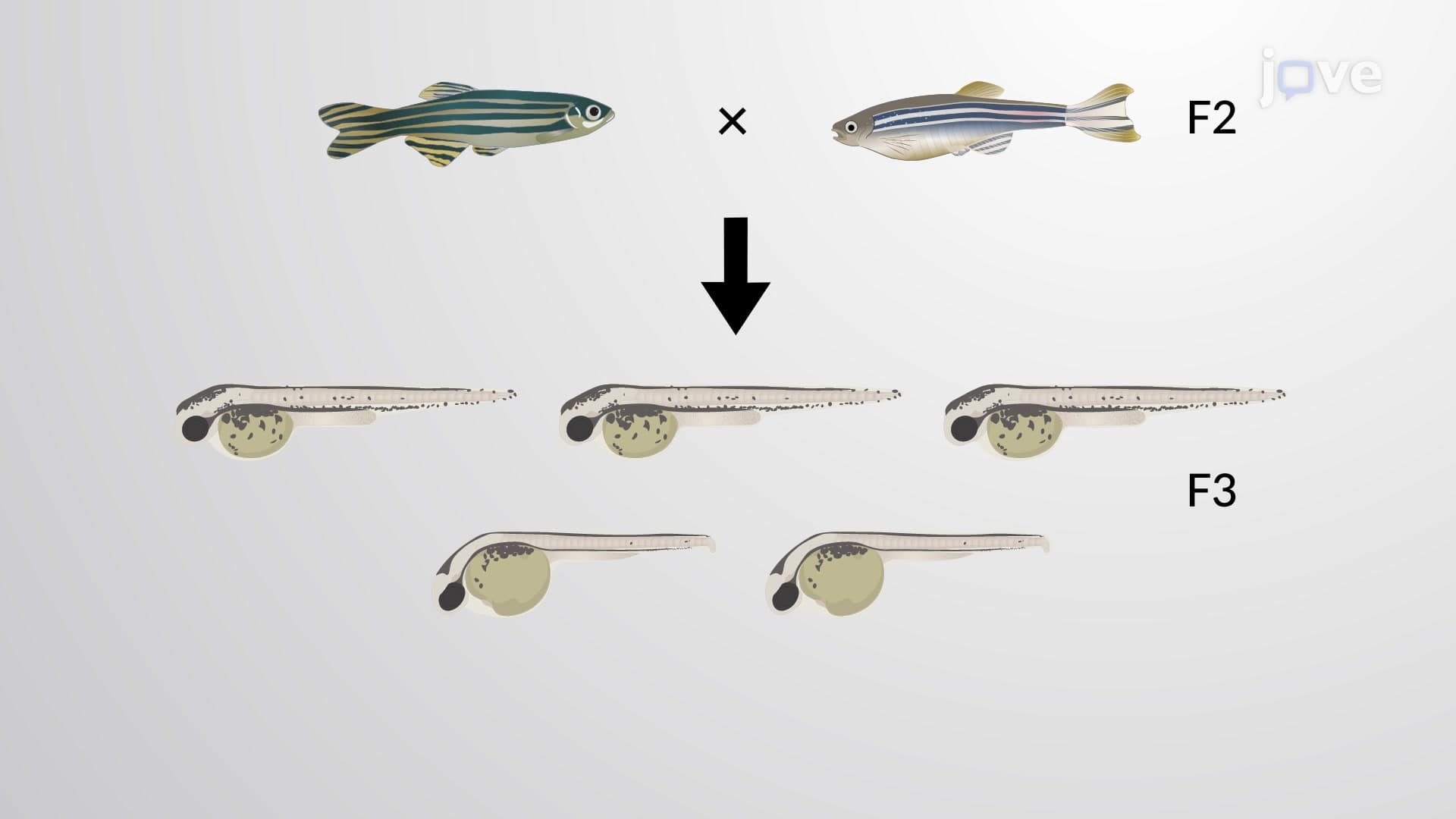
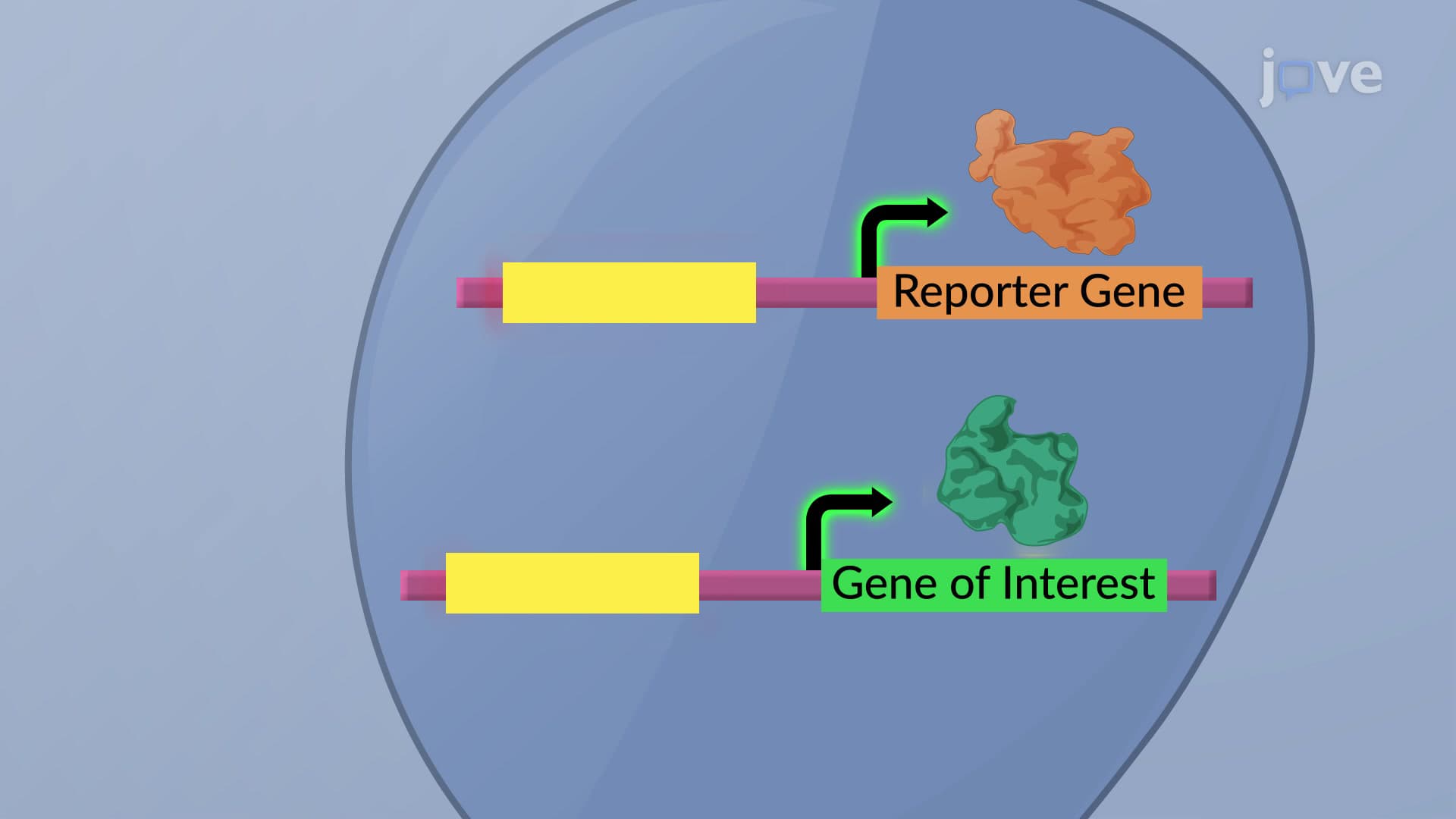
Complementation analysis takes several forms depending on the experimental system. In classical breeding experiments with organisms like Drosophila or corn, researchers cross mutant strains and observe F1 offspring phenotypes. Molecular complementation tests use genetic transformation to introduce wild-type genes into mutant organisms. Functional complementation assays measure whether introduced genes restore specific cellular activities. These approaches are particularly valuable in AP Biology laboratory exercises and college genetics courses, where students learn to interpret inheritance patterns.
Complementation testing plays a crucial role in human genetic studies, particularly for understanding genetic diseases. For example, researchers studying cystic fibrosis have used complementation analysis to identify different genes involved in chloride channel function. Similarly, complementation studies in cancer research help distinguish between mutations in tumor suppressor genes versus oncogenes. Students preparing for the MCAT will encounter complementation concepts when studying genetic diseases and inheritance patterns, making this knowledge essential for medical school preparation.
Related Micro-courses