Loading video…


 19 Concepts
 152.9K views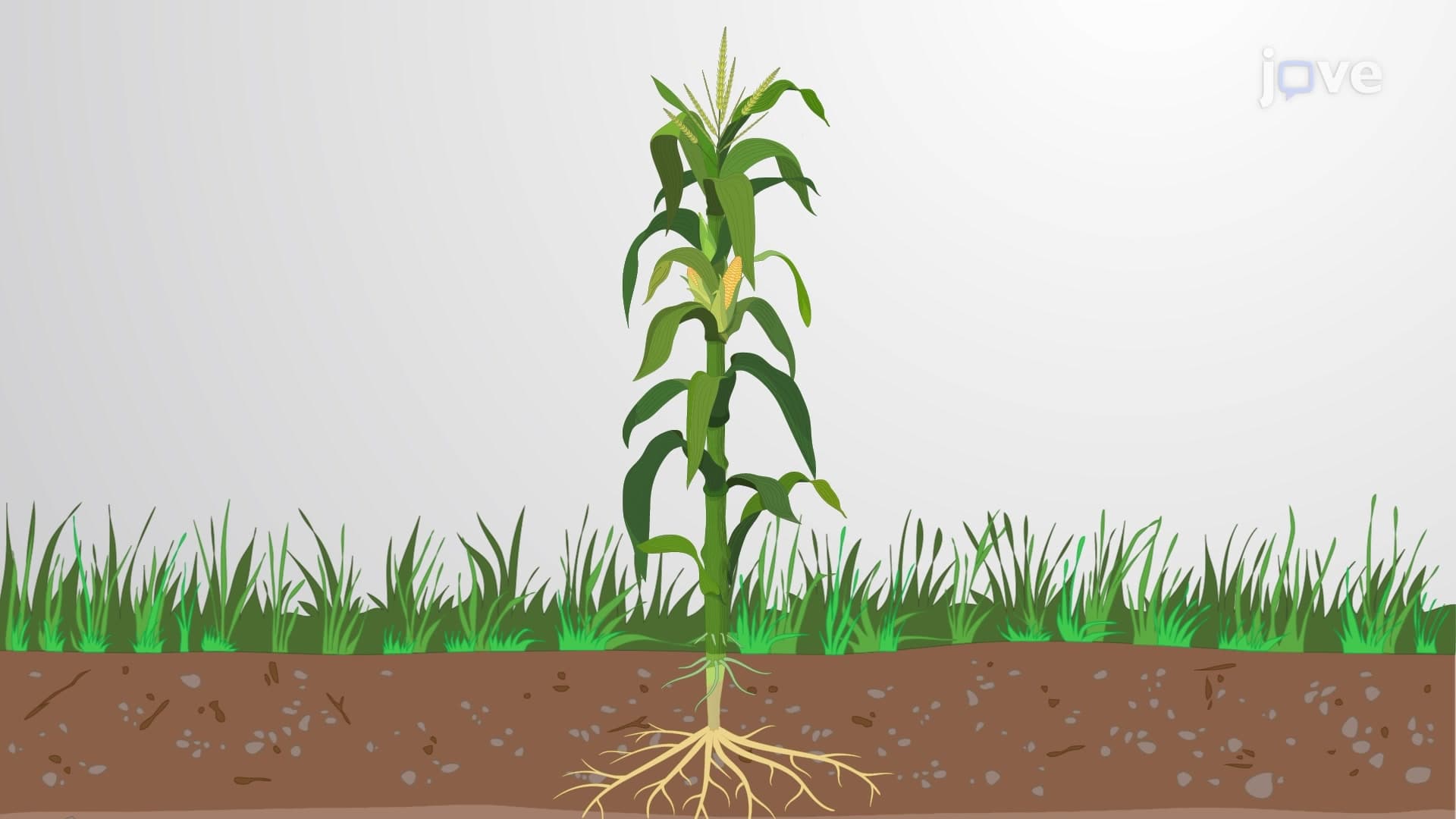

Video Summary: What Is Transgenic Plants
Did you know that the insulin many diabetics rely on is produced by genetically modified bacteria, using the same technology that creates transgenic plants? Transgenic plants are organisms created by introducing foreign genes into plant genomes, enabling them to produce life-saving medicines, resist pests, or increase crop yields. Companies like Monsanto have developed corn varieties that naturally produce insecticides, revolutionizing American agriculture. Watch the full video on JoVE Coach to master this concept with expert-led visuals and step-by-step explanations.
Transgenic plants represent one of biotechnology's most significant achievements, fundamentally changing how we approach agriculture, medicine, and environmental challenges. These genetically modified organisms contain DNA sequences from other species, enabling them to express new traits impossible through traditional breeding methods.
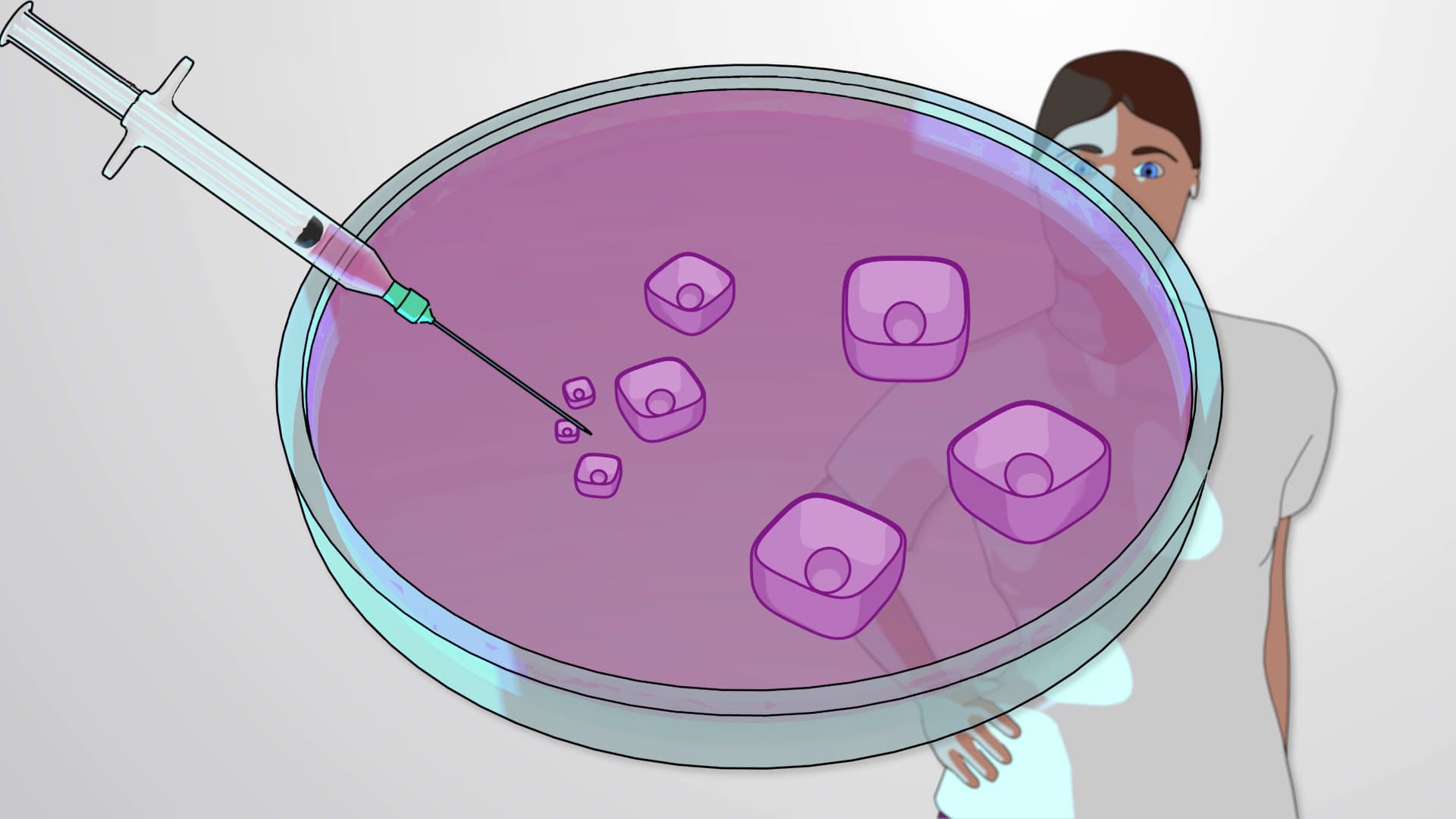
Two primary techniques dominate transgenic plant production. The protoplast method involves removing plant cell walls and directly introducing foreign DNA using polyethylene glycol. This approach works well for many plant species but requires sophisticated tissue culture facilities. The resulting protoplasts develop into callus tissue containing totipotent cells capable of regenerating entire plants.
The Agrobacterium tumefaciens method leverages nature's own genetic engineering system. This soil bacterium naturally transfers DNA into plant cells through its Ti-plasmid, making it an ideal vector for gene delivery. Scientists modify the Ti-plasmid by replacing disease-causing genes with beneficial ones, creating a biological delivery system that's both efficient and precise.
American farmers now grow millions of acres of transgenic crops. Bt corn, engineered with genes from *Bacillus thuringiensis*, produces natural insecticides that protect against corn borers, reducing pesticide use by over 100 million pounds annually. Similarly, Roundup Ready soybeans allow farmers to control weeds more effectively while minimizing environmental impact.
In pharmaceutical applications, transgenic plants produce complex proteins for medical treatments. Companies like Kentucky BioProcessing grow tobacco plants engineered to produce antibodies for cancer treatment, demonstrating how plant-based biomanufacturing can revolutionize medicine production.
This concept appears frequently in AP Biology exams, particularly in questions about biotechnology applications and genetic engineering processes. College-level genetics and molecular biology courses extensively cover transgenic plant production methods. MCAT students encounter these concepts in biological sciences sections, especially regarding gene expression regulation and biotechnology applications.
Understanding transgenic plants also prepares students for emerging careers in agricultural biotechnology, pharmaceutical manufacturing, and environmental remediation-rapidly growing fields in the American economy.
Related Micro-courses