Loading video…


 19 Concepts
 152.9K views

Video Summary: What Is Crispr
Imagine being able to edit the blueprint of life with the precision of a word processor's find-and-replace function. CRISPR, a revolutionary gene-editing technology, has made this science fiction concept a reality in laboratories across America. From treating sickle cell disease at UCLA Medical Center to developing drought-resistant corn at agricultural research facilities, this bacterial immune system turned molecular tool is reshaping biotechnology. What is CRISPR and how does it work at the cellular level? Watch the full video on JoVE Coach to master this concept with expert-led visuals and step-by-step explanations.
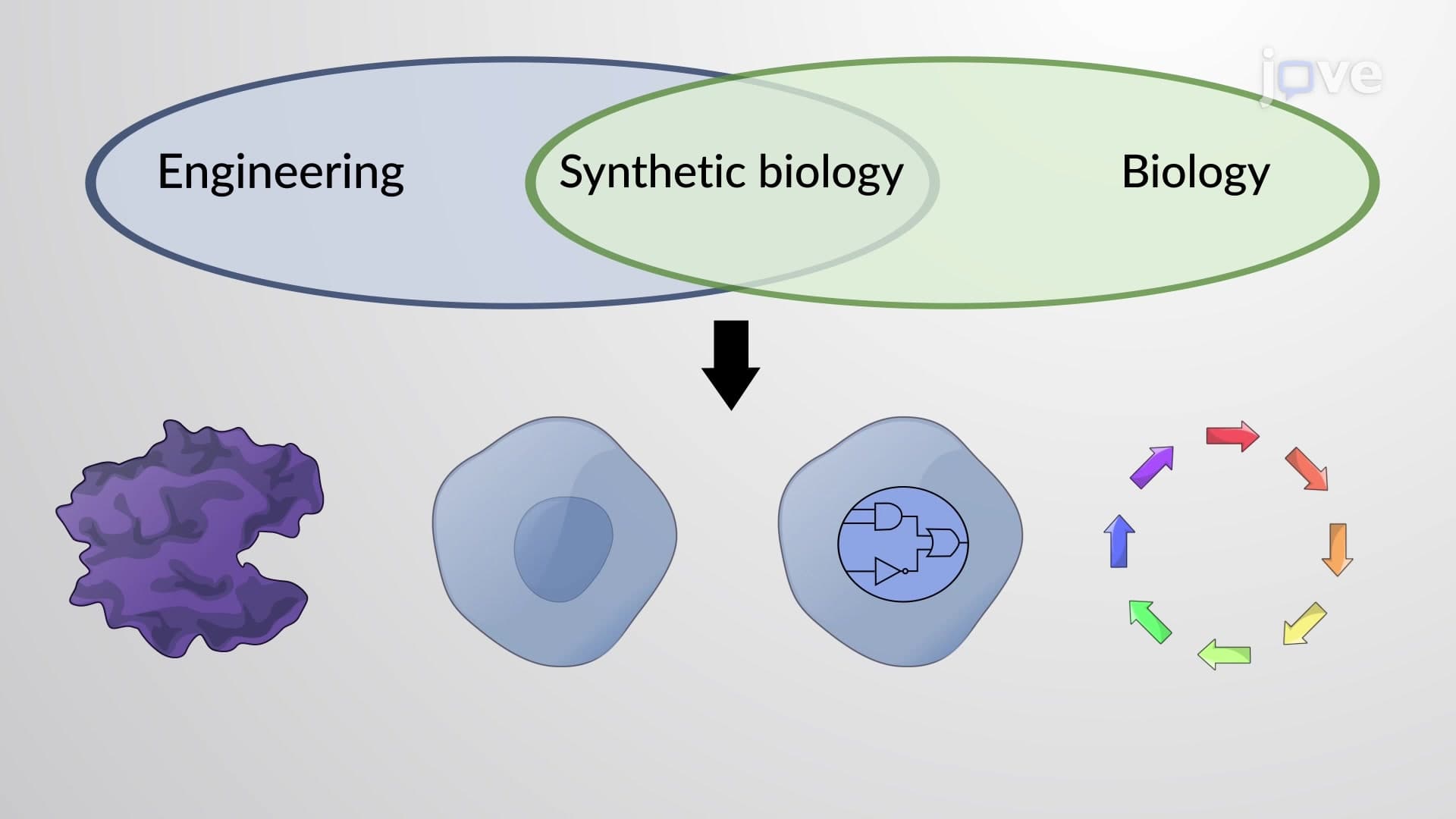
CRISPR represents one of the most significant breakthroughs in molecular biology since the discovery of DNA structure. Originally discovered as part of bacterial adaptive immunity, this system has been repurposed into a precise genome editing tool that's transforming research laboratories, clinical trials, and agricultural development across the United States.
At its core, CRISPR functions like a molecular GPS system combined with molecular scissors. The technology relies on three essential components working in harmony. First, the guide RNA (gRNA) acts as the navigation system, containing a sequence that's complementary to the target DNA location. Second, the Cas9 protein serves as the molecular scissors, capable of cutting DNA at precise locations. Third, the Protospacer Adjacent Motif (PAM) sequence acts as a landing pad, helping Cas9 recognize where to bind on the target DNA.
When these components combine, they form a ribonucleoprotein complex that scans the genome until the guide RNA finds its matching sequence. Once bound, Cas9 creates a double-strand break, triggering the cell's natural repair mechanisms. Students studying for the AP Biology exam should understand that these repair pathways-non-homologous end joining (NHEJ) and homology-directed repair (HDR)-determine the final outcome of the editing process.
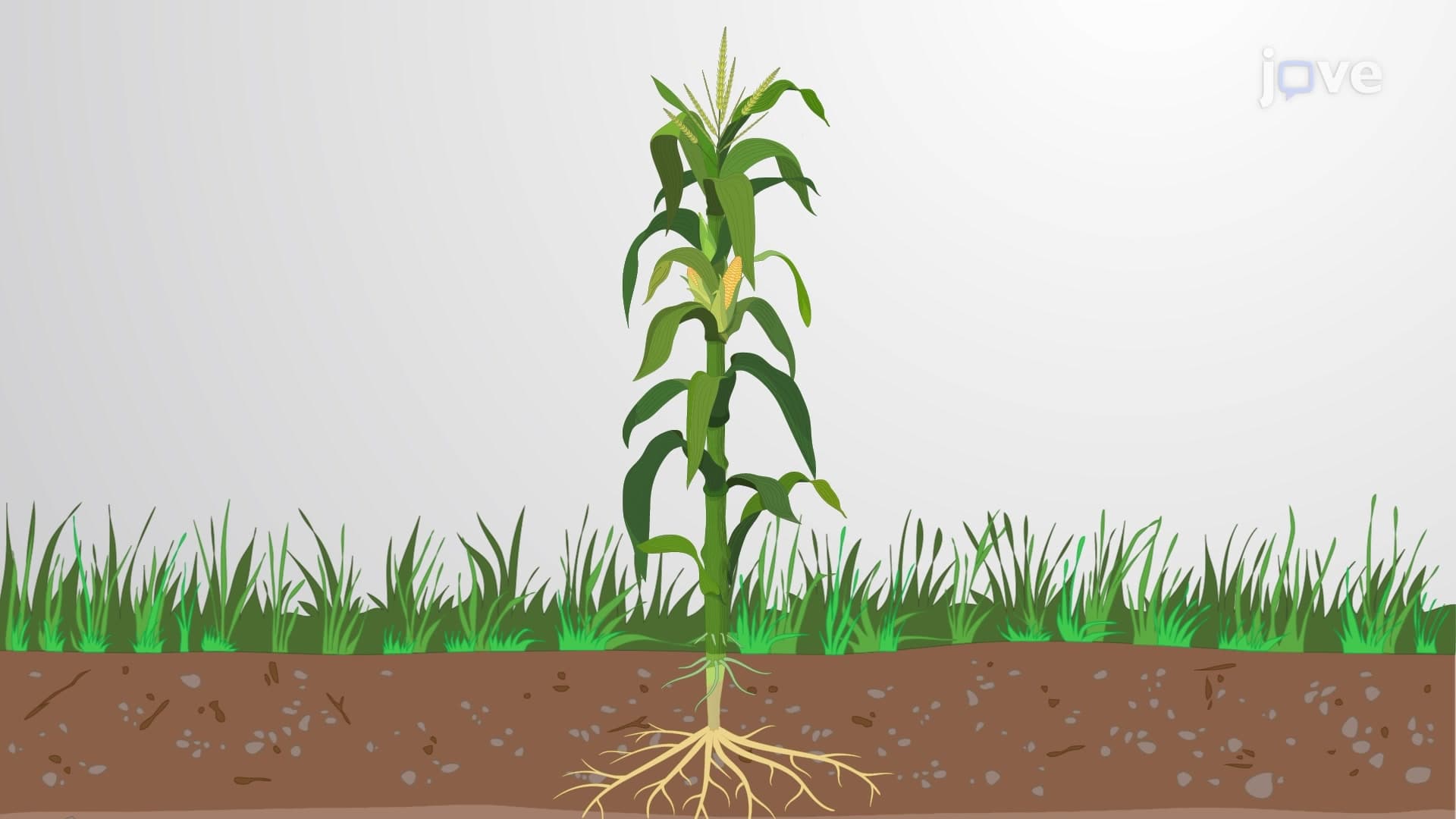
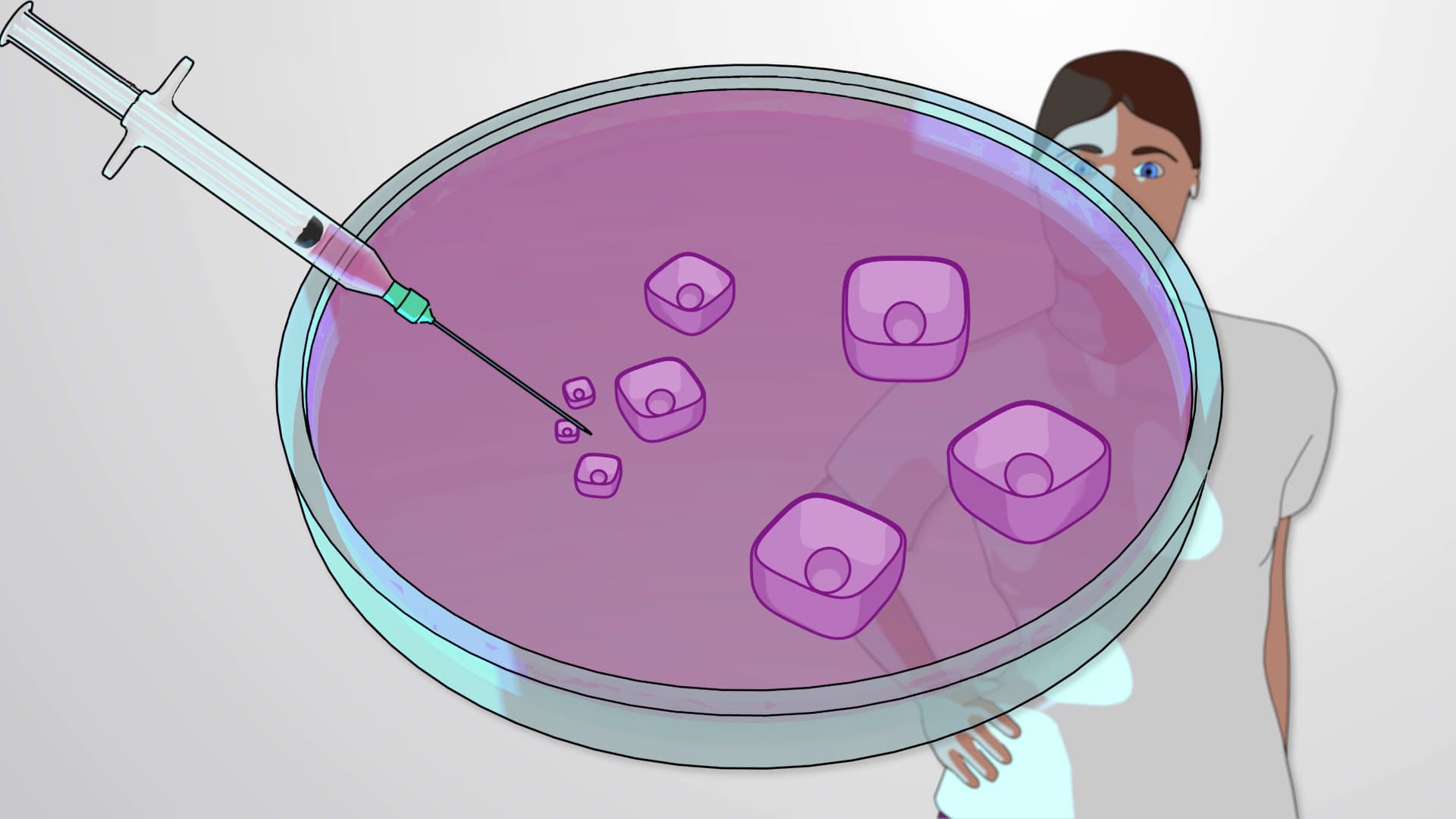
CRISPR's impact extends far beyond laboratory research. At institutions like the National Institutes of Health and Stanford University, researchers are conducting clinical trials using CRISPR to treat genetic disorders. The first FDA-approved CRISPR therapy, Casgevy, now treats sickle cell disease and beta-thalassemia patients in American hospitals. Agricultural applications are equally impressive, with companies like Corteva developing CRISPR-edited crops that resist diseases and tolerate drought conditions affecting American farmers.
For students preparing for standardized tests, CRISPR frequently appears in MCAT passages, AP Biology free-response questions, and college-level genetics exams. Understanding CRISPR's mechanism, applications, and ethical implications provides a foundation for careers in biotechnology, medicine, and agricultural science-fields experiencing rapid growth in the American job market.
Related Micro-courses