Loading video…


 19 Concepts
 152.9K views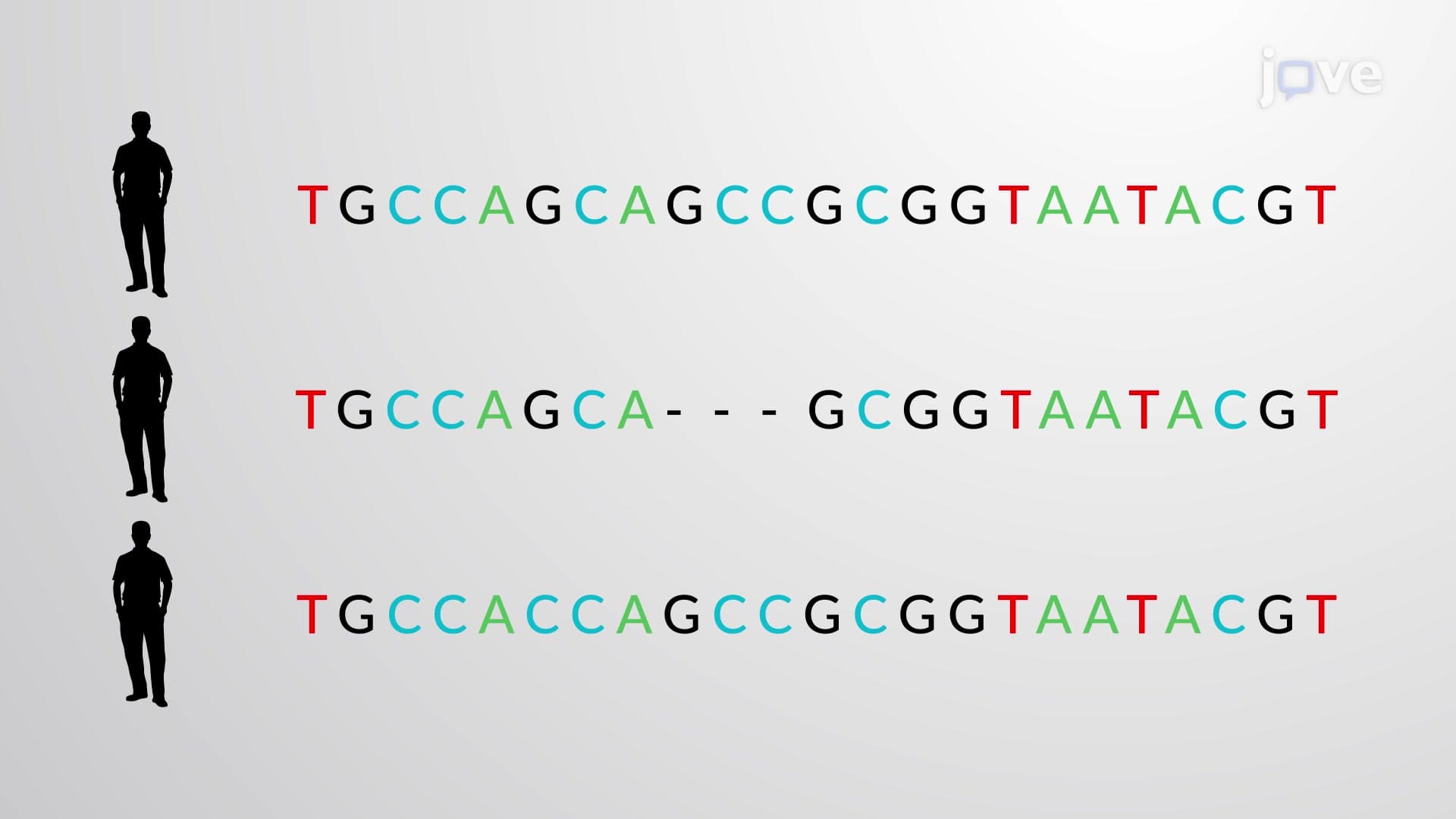

Video Summary: What Is Single Nucleotide Polymorphisms Snps
Did you know that any two humans share 99.9% identical DNA, yet that tiny 0.1% difference contains millions of genetic variations? Single nucleotide polymorphisms SNPs represent the most common type of genetic variation, occurring when one DNA building block differs between individuals at the same genomic position. For example, while most people might have the sequence AAGCCTA at a specific location, others could have AAGCTTA-a single letter change that defines an SNP. These variations help explain why some Americans respond differently to medications like warfarin, a blood thinner whose dosage requirements vary based on genetic SNP patterns. Watch the full video on JoVE Coach to master this concept with expert-led visuals and step-by-step explanations.
Single nucleotide polymorphisms SNPs represent point mutations where one DNA base pair differs between individuals at identical chromosomal positions. These variations occur approximately once every 300-1000 base pairs throughout the human genome, totaling roughly 4-5 million SNPs per person. Unlike larger structural variations, SNPs involve the substitution of a single nucleotide-for instance, a cytosine (C) replacing a thymine (T) at position 15,000 on chromosome 7.
While SNPs constitute the majority of human genetic differences, other variation types provide important context. Insertions and deletions (indels) involve stretches of DNA less than 1,000 base pairs being added or removed. Copy number variations (CNVs) represent larger structural changes exceeding 1 kilobase, where DNA segments appear in variable copy numbers between individuals. These distinctions prove crucial for AP Biology students tackling genetic variation questions and college genetics courses covering molecular mechanisms.
Haplotypes represent clusters of SNPs inherited together from a single parent, organized into discrete genomic blocks. These blocks persist across generations because chromosomal crossover events during meiosis occur infrequently within short DNA segments. Understanding haplotype structure helps explain why certain genetic traits appear linked-a concept frequently tested on the MCAT and advanced placement biology exams. American population studies reveal distinct haplotype patterns reflecting ancestral origins and migration histories.
SNP analysis drives personalized medicine initiatives across major US healthcare systems. The FDA has approved numerous pharmacogenomic tests based on SNP patterns, helping physicians prescribe optimal drug dosages for conditions ranging from cardiovascular disease to mental health disorders. For example, variations in the CYP2D6 gene affect how patients metabolize antidepressants, while VKORC1 SNPs influence warfarin sensitivity. These real-world applications demonstrate why genetics curricula increasingly emphasize SNP significance for pre-med students preparing for healthcare careers.
Related Micro-courses