Loading video…


 19 Concepts
 152.9K views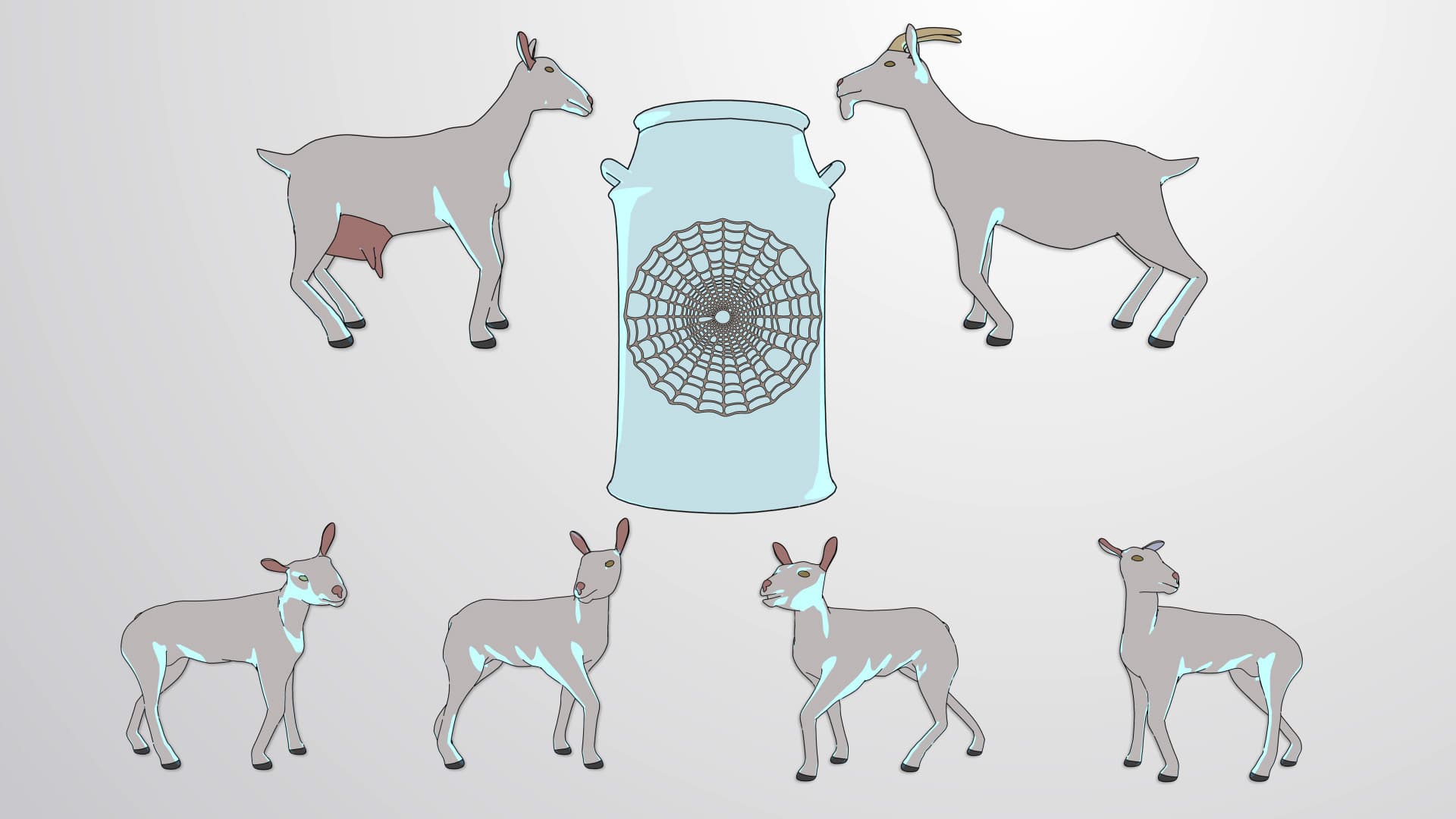

Video Summary: What are Transgenic Organisms
Ever wondered how scientists create glow-in-the-dark mice or insulin-producing bacteria? Transgenic organisms are genetically modified living entities that contain foreign DNA from other species, introduced through advanced recombinant DNA technology. These remarkable organisms have revolutionized everything from agriculture to medicine-corn resistant to pests, lab mice that model human diseases, and bacteria that produce life-saving insulin for diabetics across the United States. Watch the full video on JoVE Coach to master this concept with expert-led visuals and step-by-step explanations.
Transgenic organisms represent one of the most significant achievements in modern biology, fundamentally altering how we approach agriculture, medicine, and scientific research. Unlike traditional breeding methods that rely on natural genetic variation within species, transgenic technology allows scientists to introduce genes from completely different organisms-even crossing kingdom boundaries to move bacterial genes into plants or human genes into mice.
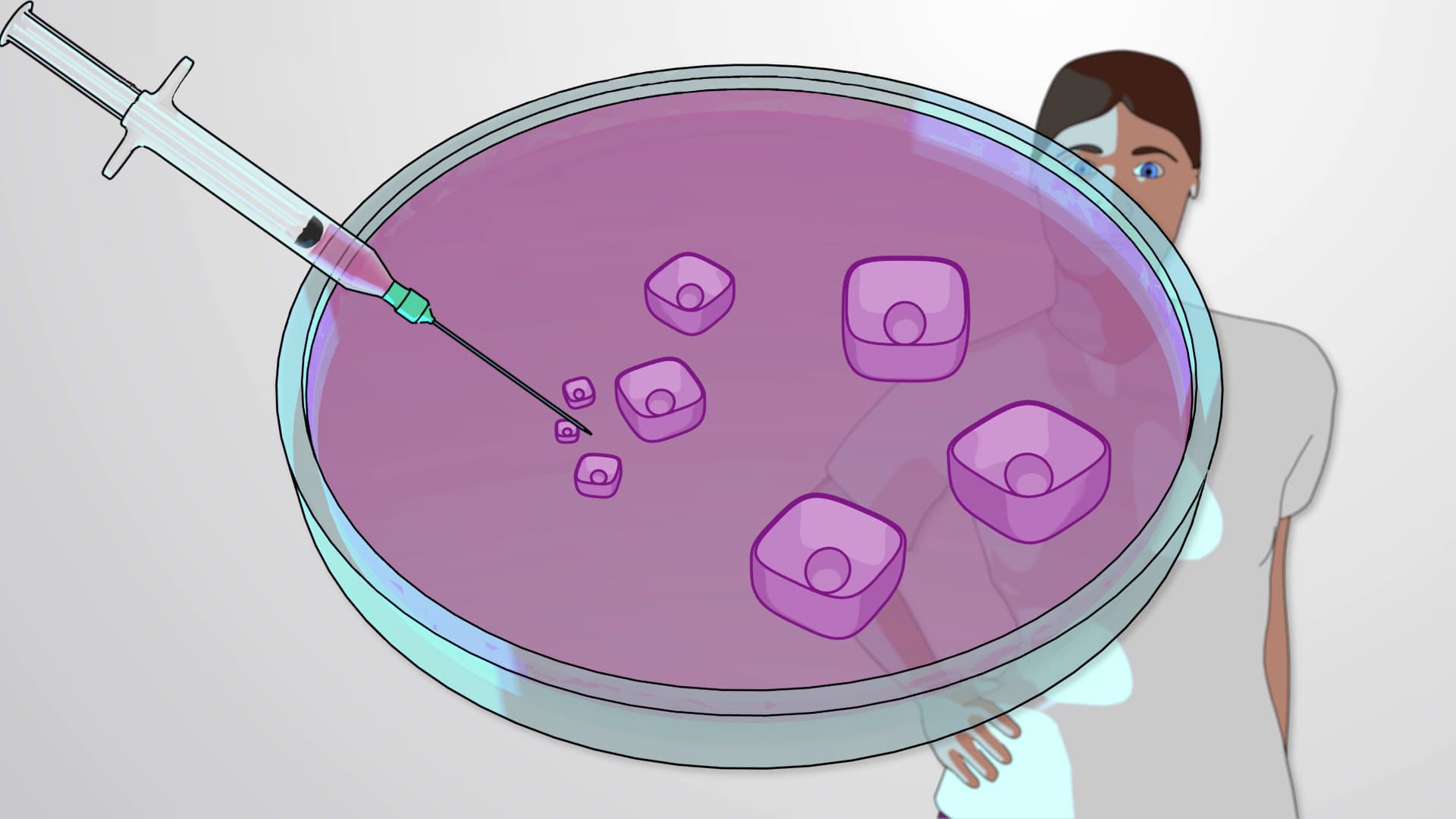
The creation of transgenic organisms requires sophisticated techniques tailored to different organism types. In animals, microinjection remains the gold standard, where researchers use incredibly fine needles to inject foreign DNA directly into fertilized eggs. This technique, perfected at institutions like MIT and Stanford University, enabled the creation of the first transgenic mice in 1981. For plants, Agrobacterium-mediated transformation exploits a natural bacterial infection process, while electroporation uses electrical pulses to create temporary pores in cell membranes, allowing DNA uptake in microorganisms.
The impact of transgenic organisms on American agriculture cannot be overstated. Over 90% of US corn, soybean, and cotton crops are now transgenic, featuring traits like Bt protein expression for insect resistance or glyphosate tolerance for weed management. Companies like Monsanto (now Bayer) have developed crops that have increased yields while reducing pesticide use across millions of acres.
In medicine, transgenic organisms serve as living pharmaceutical factories. Genentech's insulin production using transgenic E. coli bacteria revolutionized diabetes treatment, while transgenic mice models have become indispensable for studying human diseases at research institutions like Johns Hopkins and the NIH. These models help researchers understand everything from cancer progression to neurological disorders, accelerating drug development timelines.
For students preparing for AP Biology, the MCAT, or college genetics courses, understanding transgenic organisms is crucial. Exam questions often focus on comparing transformation techniques, analyzing experimental designs involving transgenic models, or evaluating the ethical implications of genetic modification. The concept frequently appears in conjunction with topics like gene expression, biotechnology applications, and genetic engineering principles, making it a cornerstone topic for advanced biology coursework.
Related Micro-courses