Loading concepts…


10 Concepts
11 Concepts
11 Concepts
17 Concepts
20 Concepts
16 Concepts
16 Concepts
21 Concepts
11 Concepts
15 Concepts
14 Concepts
21 Concepts
8 Concepts
15 Concepts
17 Concepts
19 Concepts
11 Concepts
18 Concepts
6 Concepts
21 Concepts
 11 Concepts
 72.6K Views
 Popular topics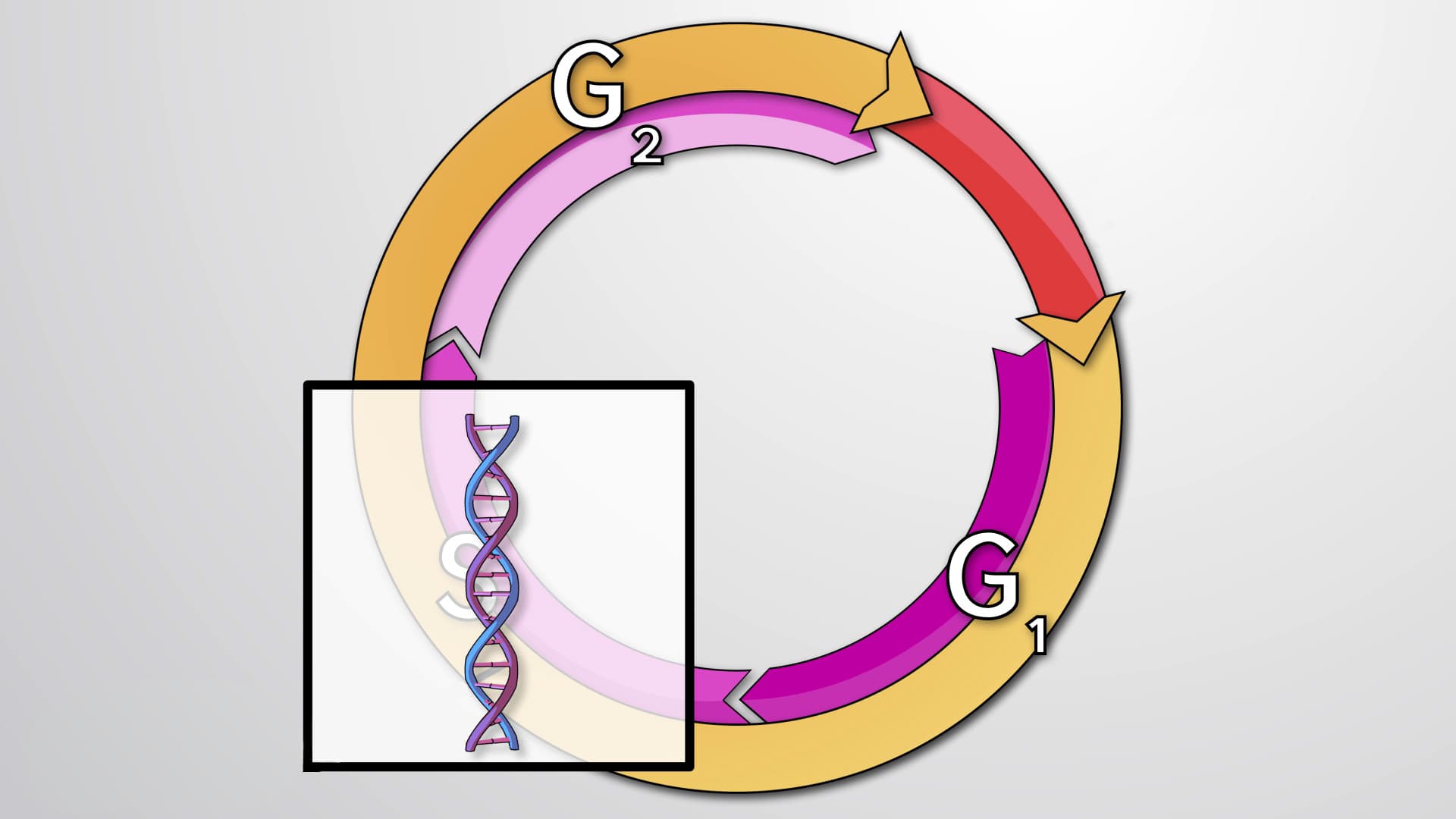
Cell proliferation is the fundamental process by which cells grow, replicate their DNA, and divide to produce new cells. This tightly regulated mechanism involves complex molecular machinery including cyclins, CDKs, and tumor suppressor proteins that control progression through distinct cell cycle phases. Understanding cell proliferation is crucial for studying cancer development, tissue repair, and developmental biology applications in US healthcare and research institutions. JoVE Coach provides comprehensive coverage of these essential cellular mechanisms.
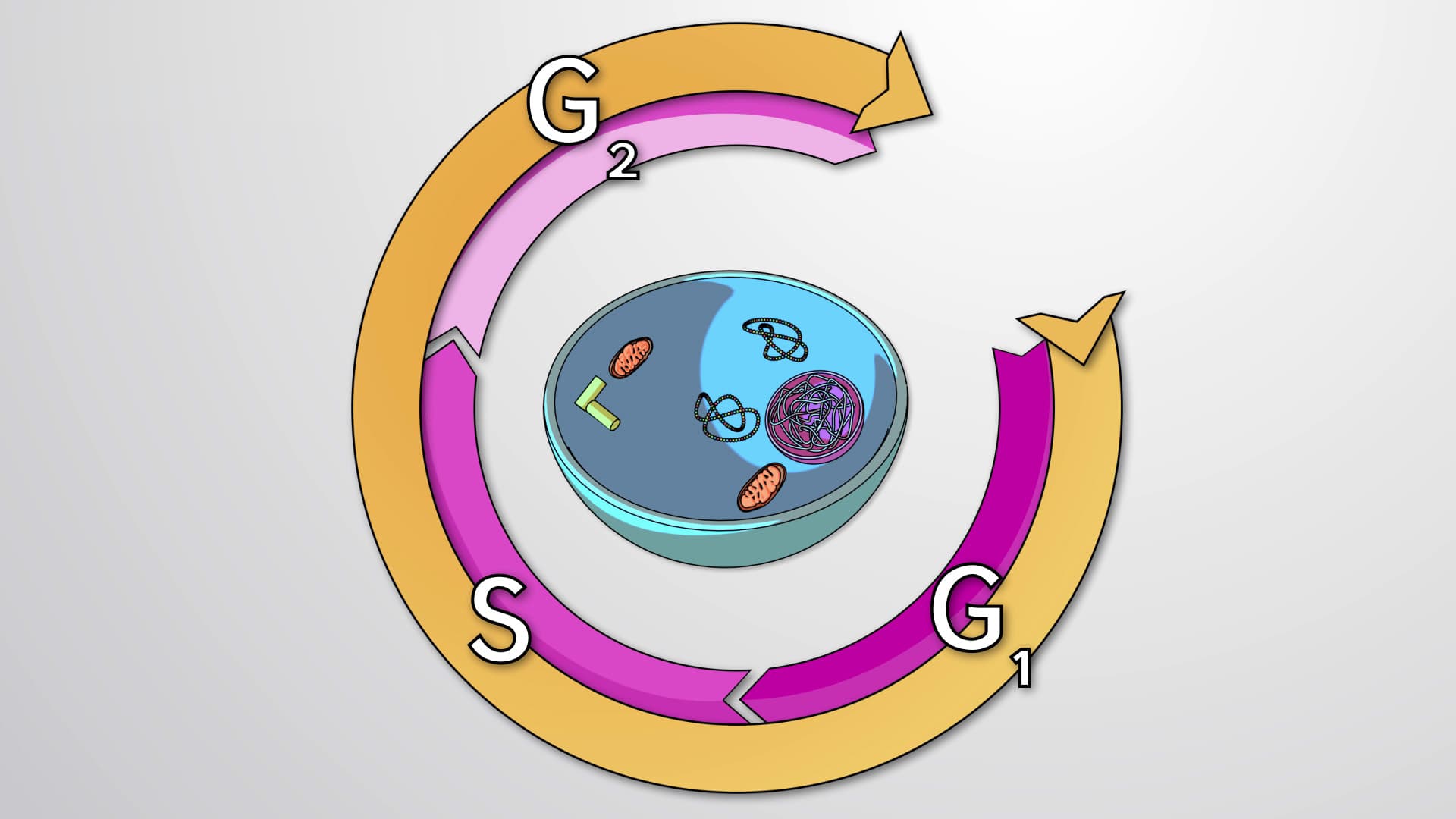
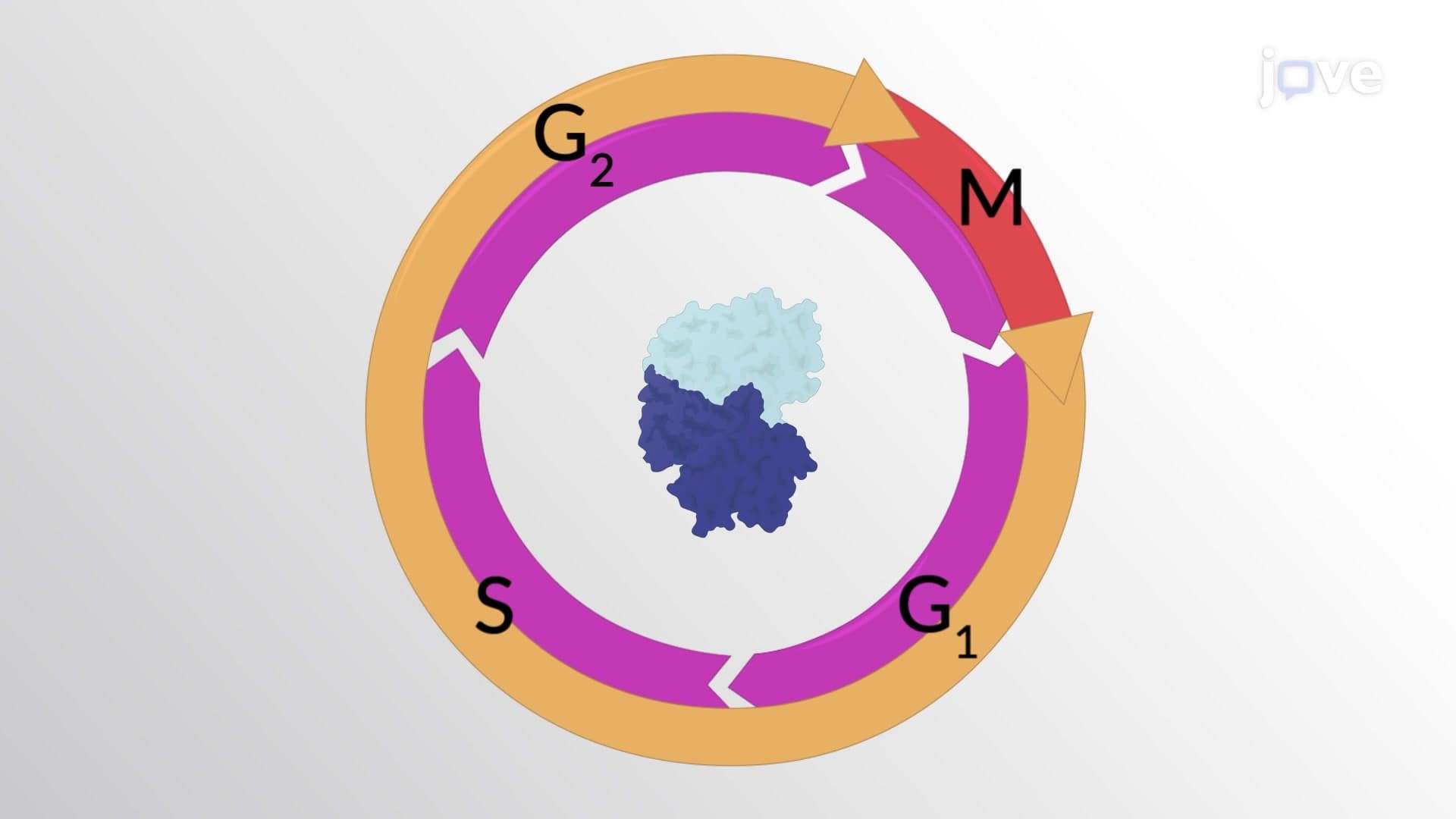
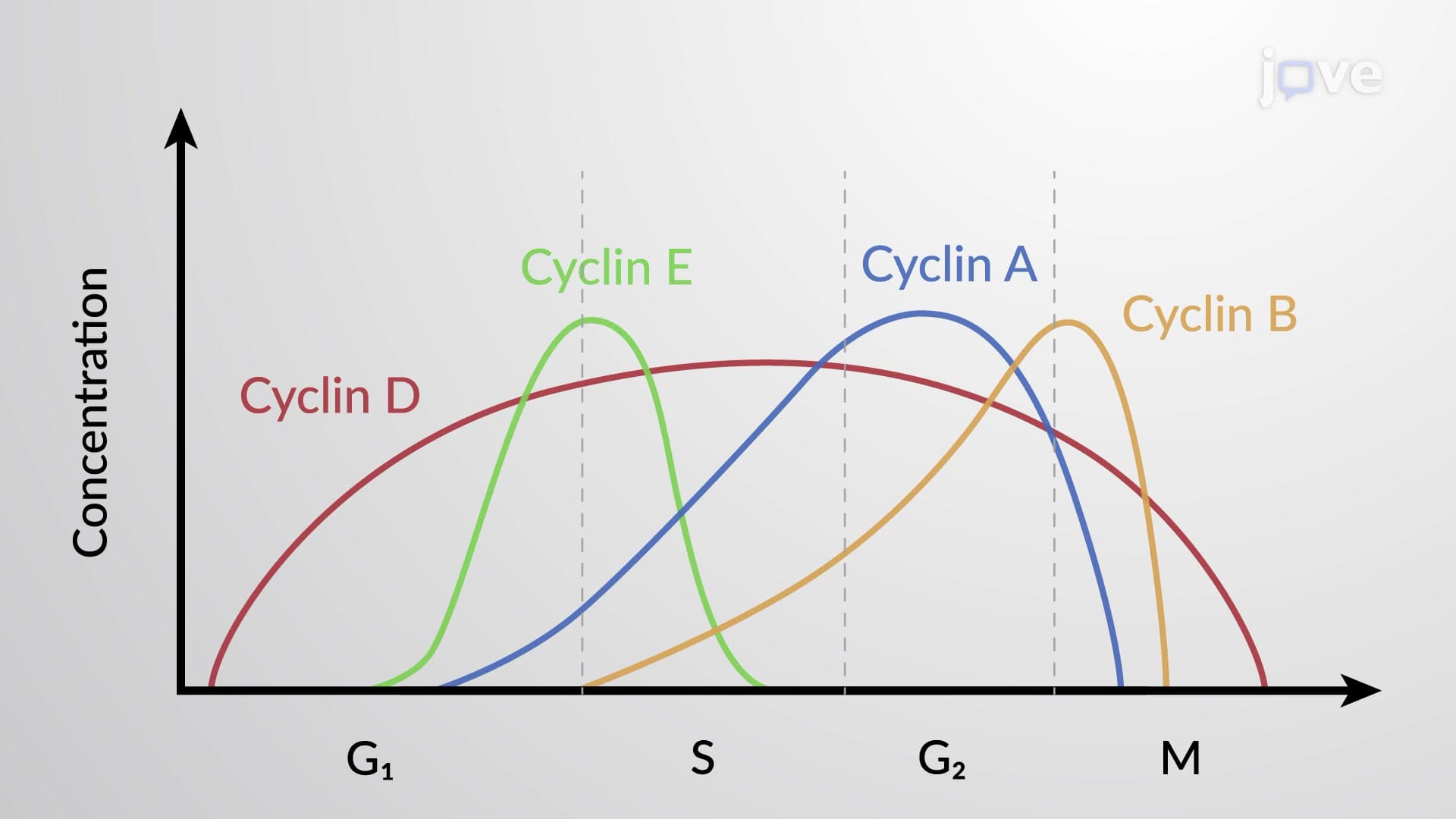
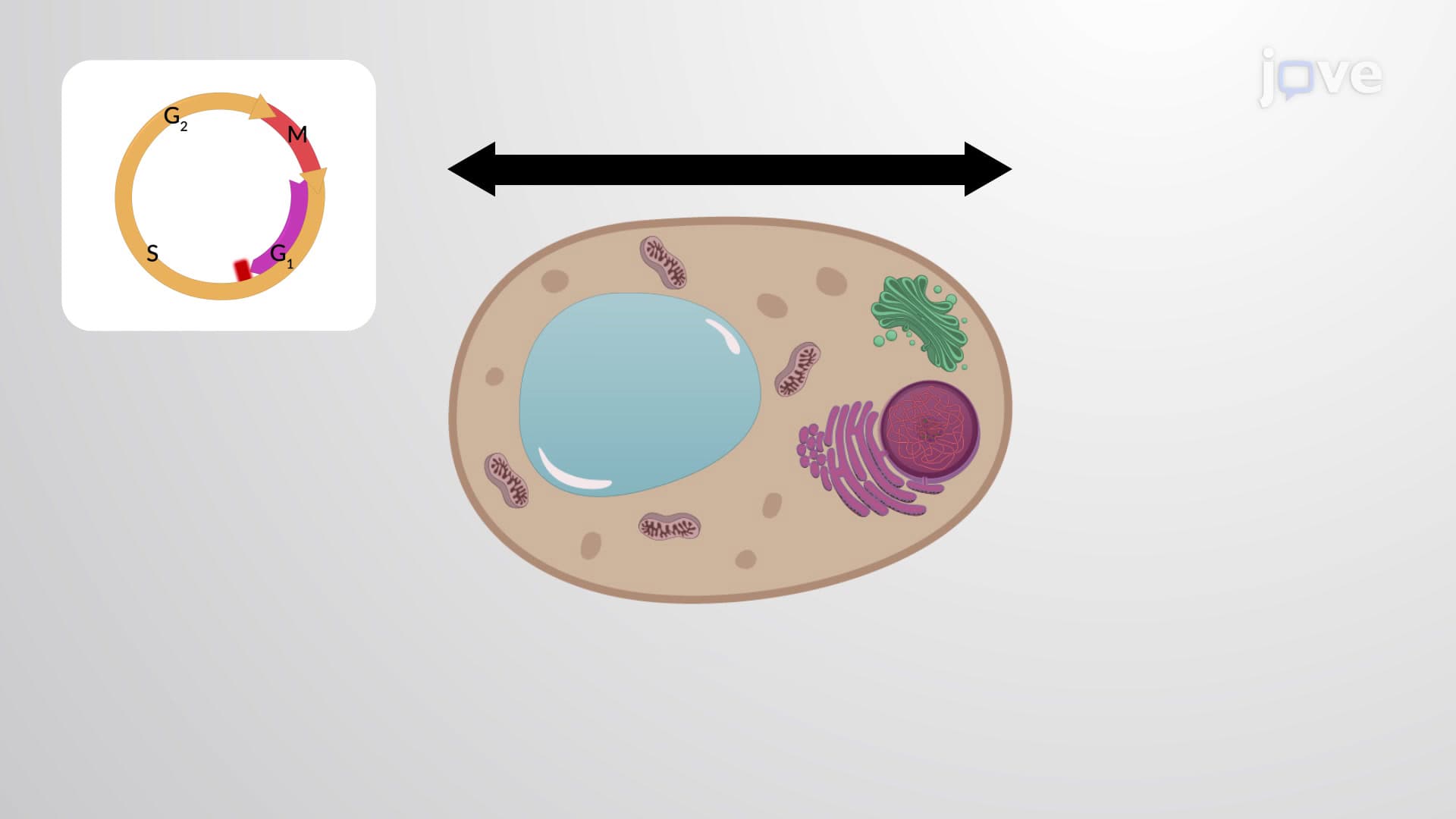
1. Cell Cycle Phases and Progression: The cell cycle consists of four distinct phases: G1 (Gap 1), S (Synthesis), G2 (Gap 2), and M (Mitosis). During G1, cells grow and prepare for DNA replication by accumulating necessary proteins and organelles. The S phase involves precise duplication of the entire genome using DNA polymerases, helicases, and other replication machinery. G2 serves as a quality control phase where cells verify DNA integrity before entering mitosis. This ordered progression ensures accurate transmission of genetic material to daughter cells, preventing mutations that could lead to cancer or cell death.
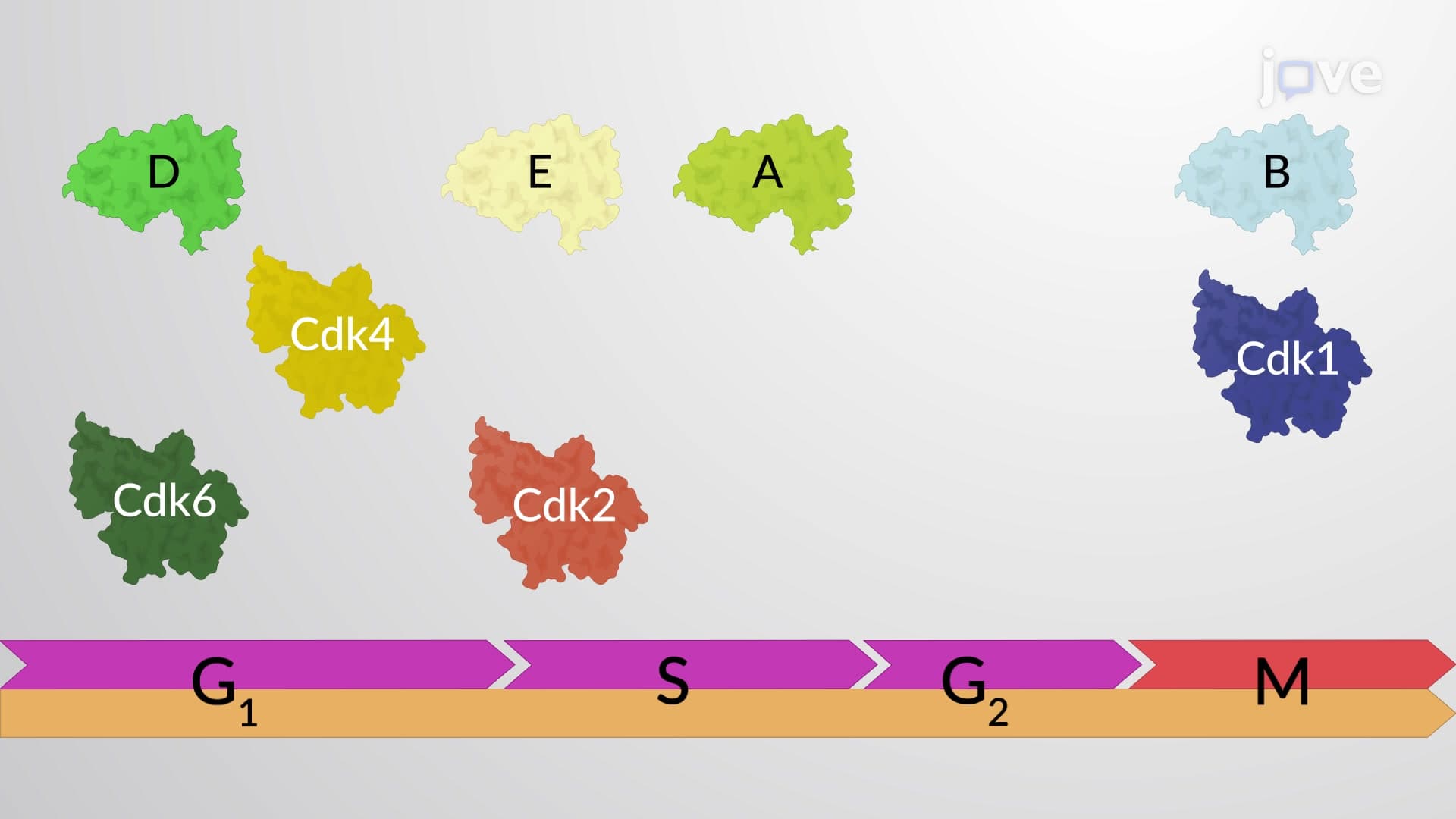
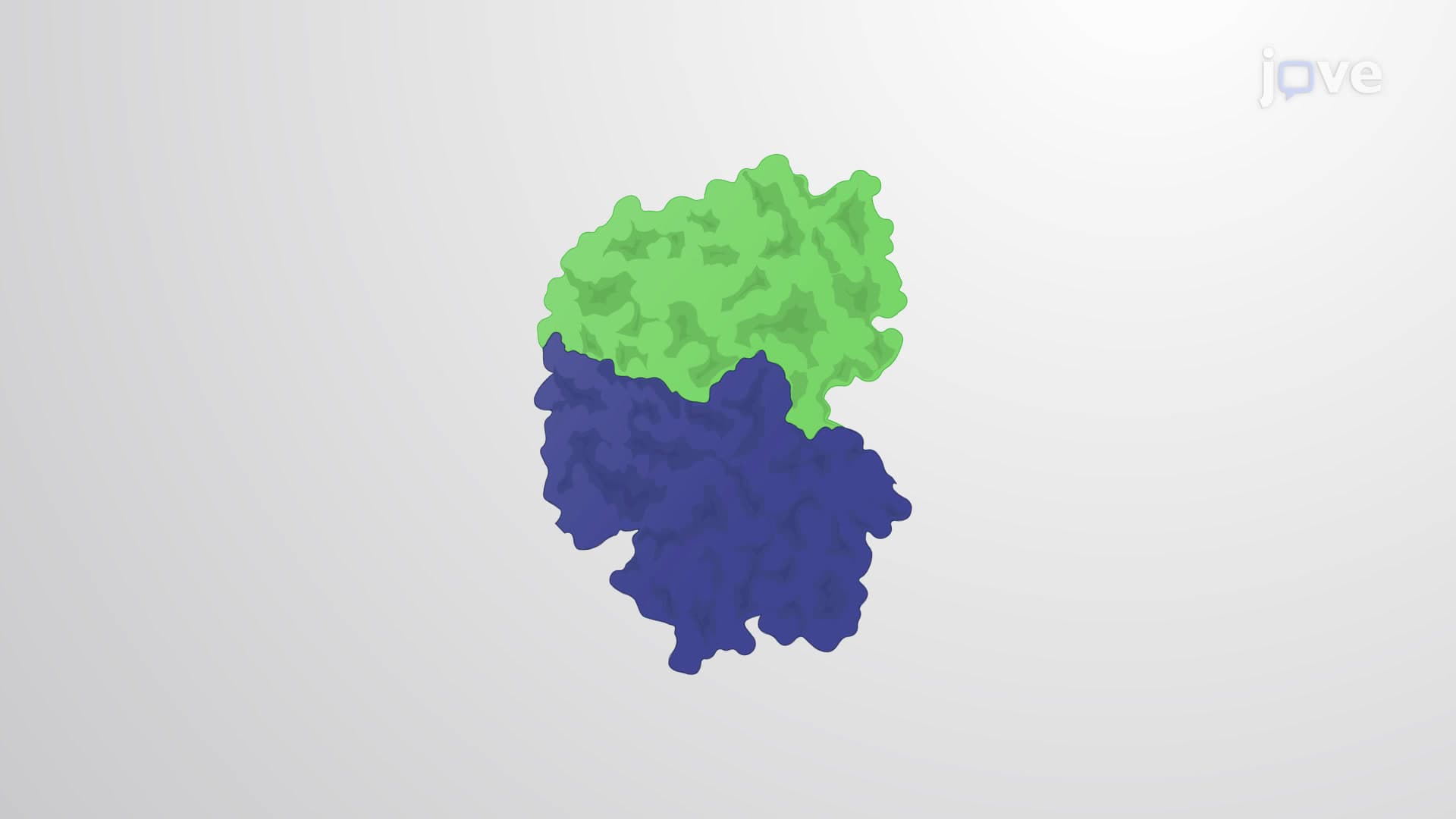
2. Cyclin-Dependent Kinase Regulation: Cell cycle progression is controlled by cyclins and cyclin-dependent kinases (CDKs) that form active complexes at specific phases. G1/S cyclins (cyclin E) bind to Cdk2 to trigger DNA replication, while M cyclins (cyclin B) activate Cdk1 to initiate mitosis. CDK activity is regulated through multiple mechanisms including cyclin degradation, inhibitory phosphorylation by Wee1 kinase, and binding of CDK inhibitors like p21 and p27. This multilayered control system ensures cells only progress when conditions are appropriate for successful division.
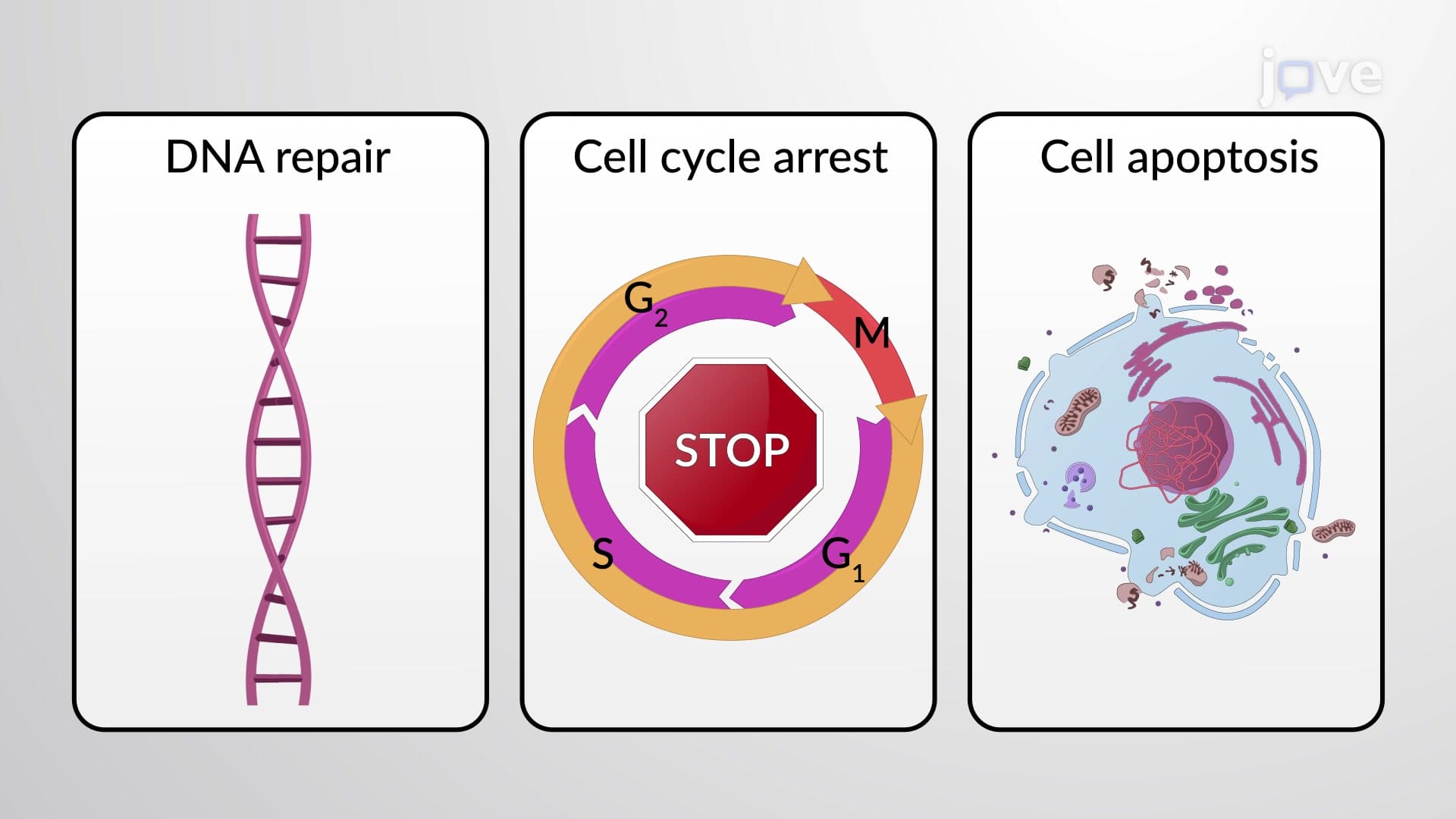
3. Cell Cycle Checkpoints and Quality Control: Three major checkpoints monitor cell cycle fidelity: the G1/S checkpoint verifies adequate cell size and DNA integrity, the G2/M checkpoint ensures complete DNA replication, and the spindle checkpoint confirms proper chromosome attachment during mitosis. These surveillance mechanisms prevent cells with damaged DNA or incomplete replication from dividing. When irreparable damage is detected, cells undergo apoptosis (programmed cell death) rather than passing mutations to daughter cells, protecting organism health.
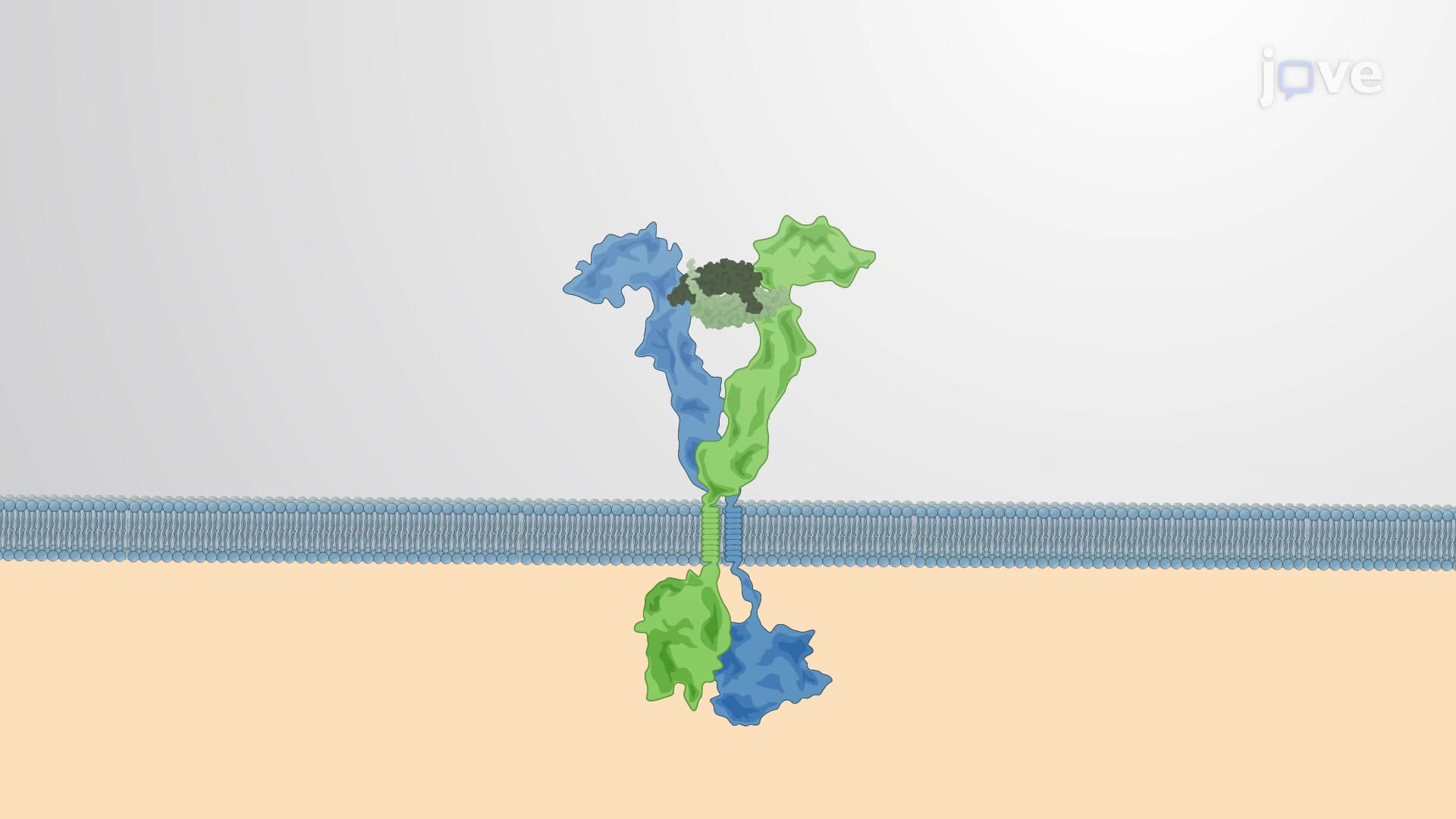
4. Mitogen Signaling and Growth Factor Control: In multicellular organisms, cell division is triggered by external signals called mitogens, such as platelet-derived growth factor (PDGF) released during tissue injury. Mitogens bind to receptor tyrosine kinases, activating MAP kinase cascades that ultimately increase expression of G1 cyclins and release the E2F transcription factor from Rb protein inhibition. This external control ensures cells divide only when needed for tissue maintenance, repair, or development, preventing unnecessary proliferation.
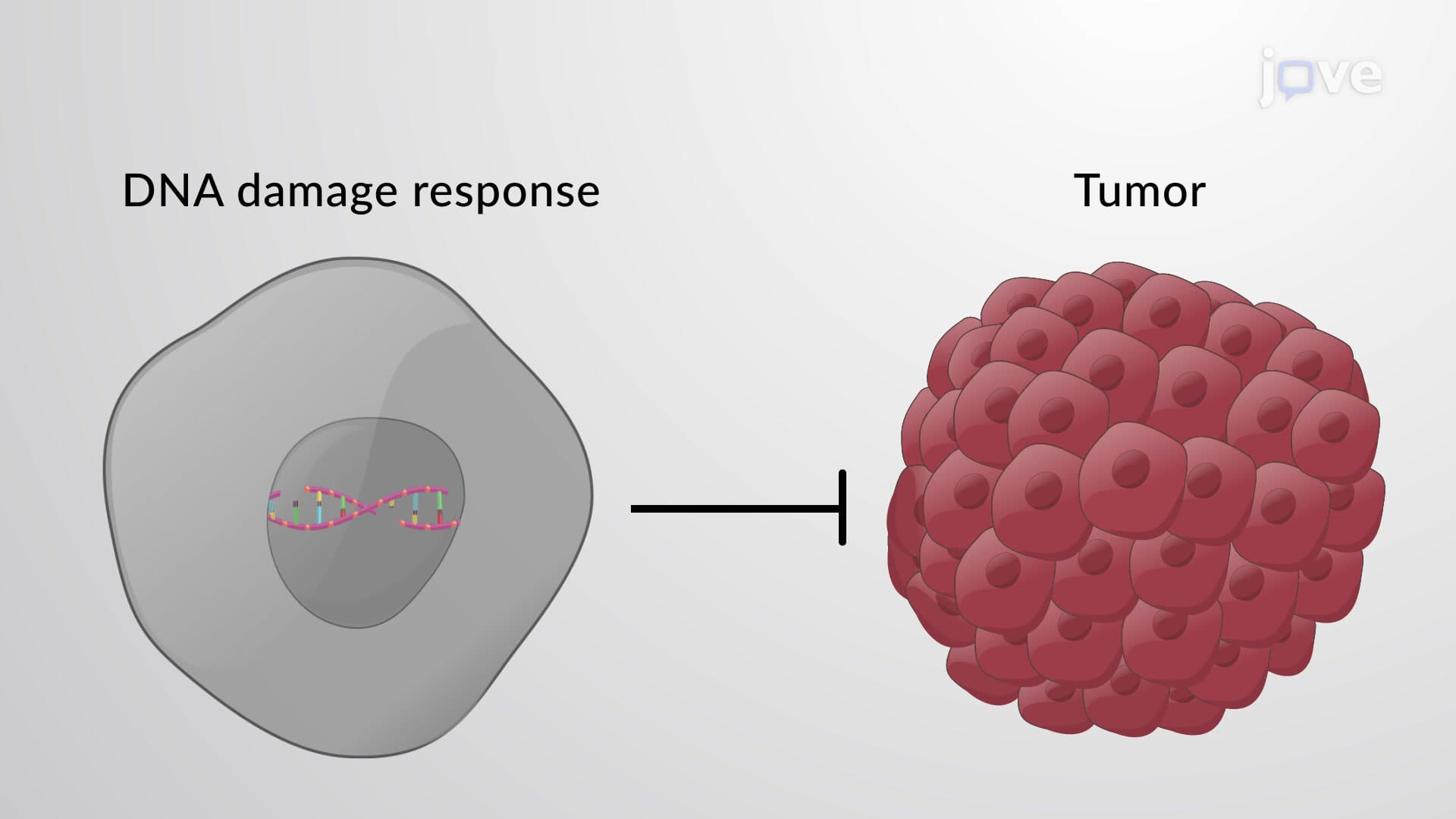
5. Tumor Suppressor Mechanisms: The p53 protein acts as a critical tumor suppressor by monitoring cellular stress and DNA damage. Under normal conditions, Mdm2 protein keeps p53 levels low through ubiquitin-mediated degradation. However, cellular stress or oncogene activation (like Myc overexpression) triggers Arf protein to sequester Mdm2, allowing p53 accumulation. Active p53 then induces DNA repair pathways, cell cycle arrest, or apoptosis to prevent proliferation of potentially cancerous cells. Loss of p53 function contributes to many human cancers.
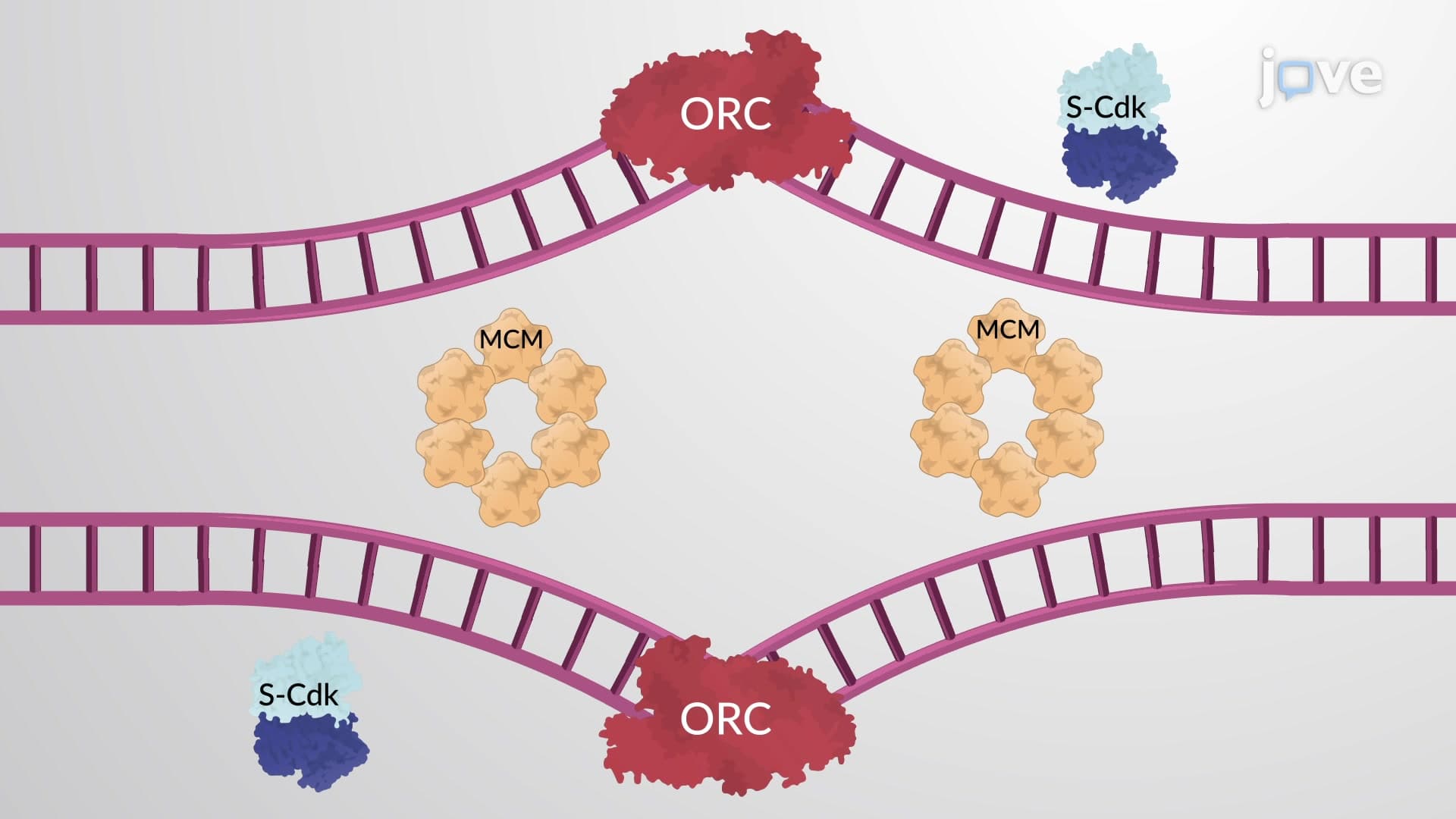
6. DNA Replication Control by S-CDK: S-phase CDKs initiate DNA replication by phosphorylating origin recognition complexes and recruiting replication machinery including MCM helicases and DNA polymerases. Importantly, S-CDKs also prevent re-replication by degrading licensing factors like Cdc6 and Cdt1, ensuring each DNA segment replicates only once per cell cycle. This prevents gene amplification and chromosomal instability that could lead to cancer development.
7. Cellular Senescence and Telomere Biology: Most human cells undergo replicative senescence after 25-50 divisions due to progressive telomere shortening. Telomeres protect chromosome ends from degradation and fusion, but shorten with each division due to DNA polymerase limitations. When telomeres become critically short, the DNA damage response is activated, triggering permanent cell cycle arrest. This mechanism limits cancer development but also contributes to aging-related tissue dysfunction in organs like skin, blood, and intestines.