Loading subject page…


72,601 views

Video Summary: What Is Replicative Cell Senescence
Did you know that human cells can only divide about 25-50 times before they permanently stop growing? This fascinating biological limit, called replicative cell senescence, explains why our bodies age at the cellular level. Consider how researchers at Johns Hopkins University study this process to understand cancer prevention mechanisms in human fibroblast cells. What is replicative cell senescence and how do shortened telomeres trigger this cellular aging process? Watch the full video on JoVE Coach to master this concept with expert-led visuals and step-by-step explanations.
Replicative cell senescence represents one of biology's most elegant protective mechanisms. Unlike programmed cell death, this process involves permanent growth arrest that prevents potentially dangerous cells from continuing to divide. Human fibroblasts, commonly studied at research institutions like Stanford University and MIT, demonstrate this phenomenon clearly by dividing approximately 25-50 times before entering senescence.
This concept frequently appears on AP Biology exams and MCAT questions, where students must explain the molecular basis of cellular aging. The finite replicative capacity directly contrasts with cancer cells, which bypass senescence through telomerase activation.
Telomeres function as molecular clocks, consisting of TTAGGG repeats in humans that can span 5,000-15,000 base pairs in young cells. The shelterin complex, discovered through extensive research at Cold Spring Harbor Laboratory, contains six key proteins: TRF1, TRF2, POT1, TIN2, TPP1, and RAP1. These proteins orchestrate the formation of T-loops, where the telomeric DNA folds back on itself, creating a protective cap structure.
College-level cell biology courses emphasize how this protection prevents chromosome fusion events that could create ring chromosomes or other aberrant structures. Students studying for the USMLE Step 1 must understand how telomere dysfunction relates to genetic instability diseases.
DNA polymerases face an inherent limitation at chromosome ends due to their 5' to 3' directionality and primer requirement. Each cell division results in 25-200 base pair losses from telomeres. Research conducted at the National Institutes of Health demonstrates that this progressive shortening eventually destabilizes the T-loop structure, exposing chromosome ends.
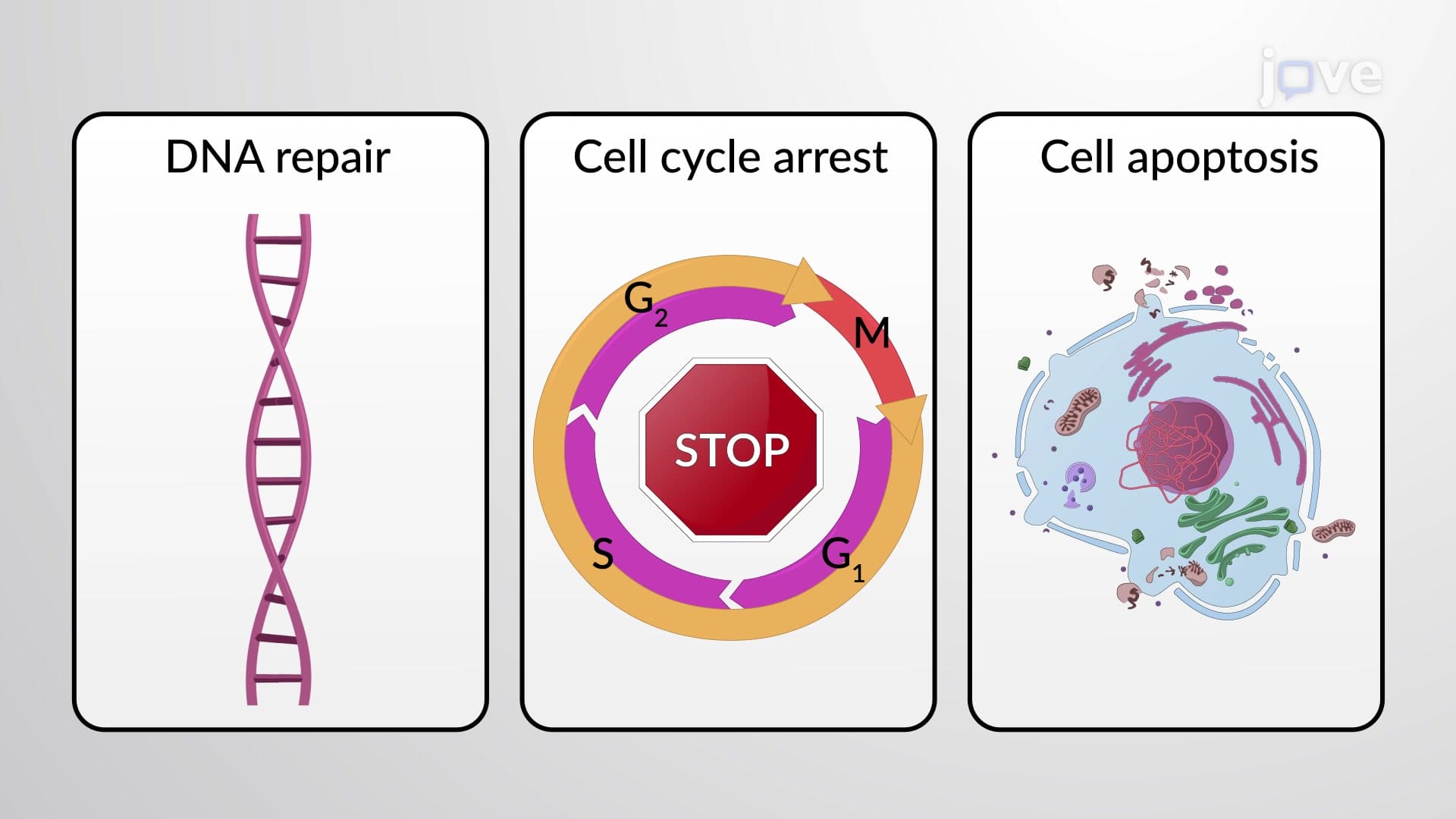
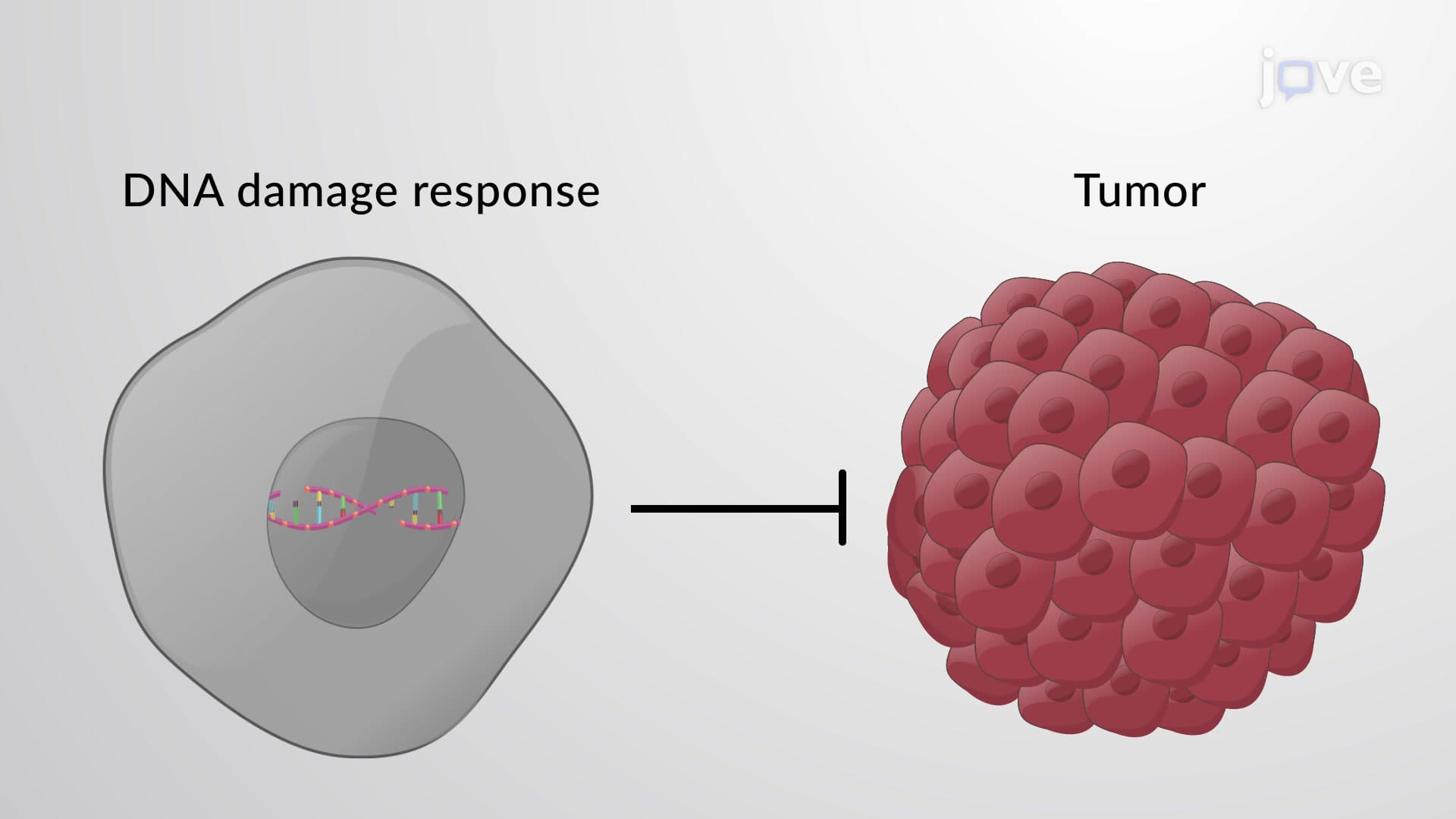
When shelterin components can no longer adequately protect shortened telomeres, cells activate DNA damage checkpoints similar to those responding to double-strand breaks. This explains why senescent cells accumulate DNA damage foci and why this process serves as a tumor suppressor mechanism.
Understanding replicative cell senescence proves crucial for comprehending age-related diseases and cancer biology. Researchers at Harvard Medical School and Johns Hopkins study how senescent cells contribute to tissue dysfunction through inflammatory secretions. MCAT test-takers encounter questions linking senescence to cancer prevention, while nursing students preparing for NCLEX exams learn how cellular aging affects wound healing and tissue repair in elderly patients.
Related Micro-courses