Loading video…


 11 Concepts
 72.6K views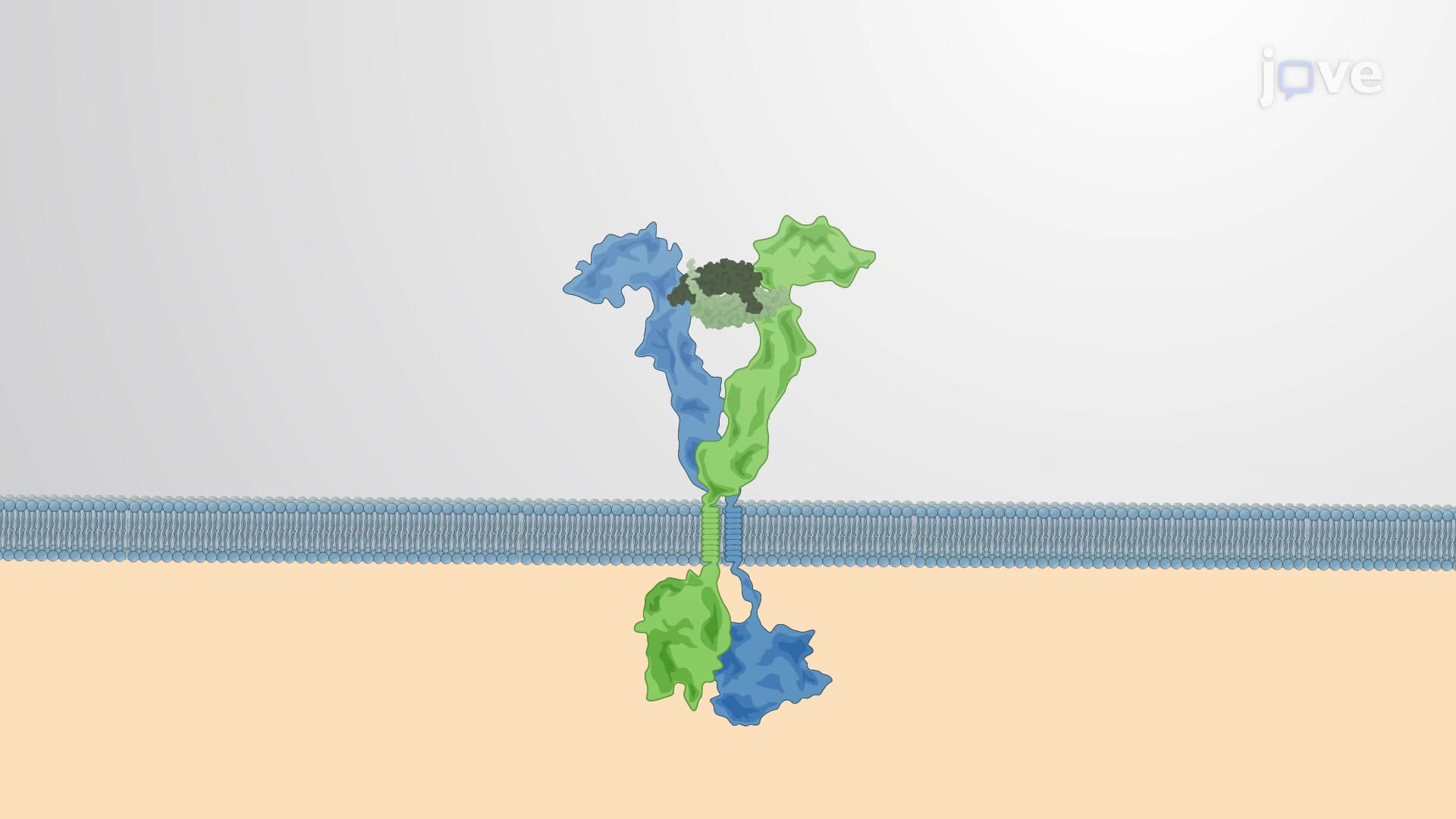

Video Summary: Mitogens and the Cell Cycle Explained
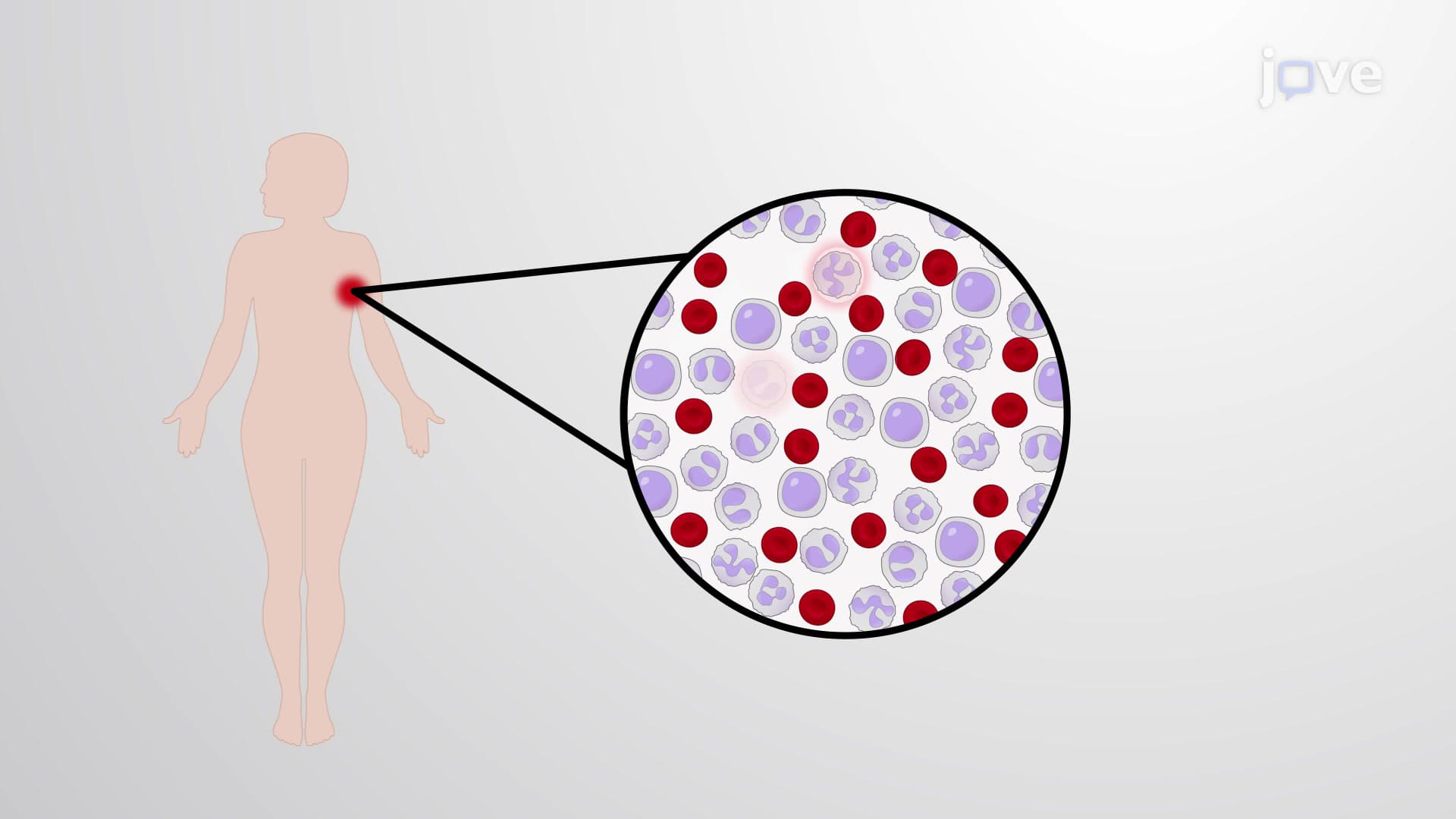
Did you know that when you scrape your knee, specialized cells immediately release chemical signals that tell nearby cells to start dividing and heal the wound? This process involves mitogens and the cell cycle, where signaling molecules like platelet-derived growth factor (PDGF) trigger cells to exit their resting state and begin division. Understanding Mitogens And The Cell Cycle Explained reveals how multicellular organisms control when and where cell division occurs, unlike bacteria that simply divide when nutrients are available. Watch the full video on JoVE Coach to master this concept with expert-led visuals and step-by-step explanations.
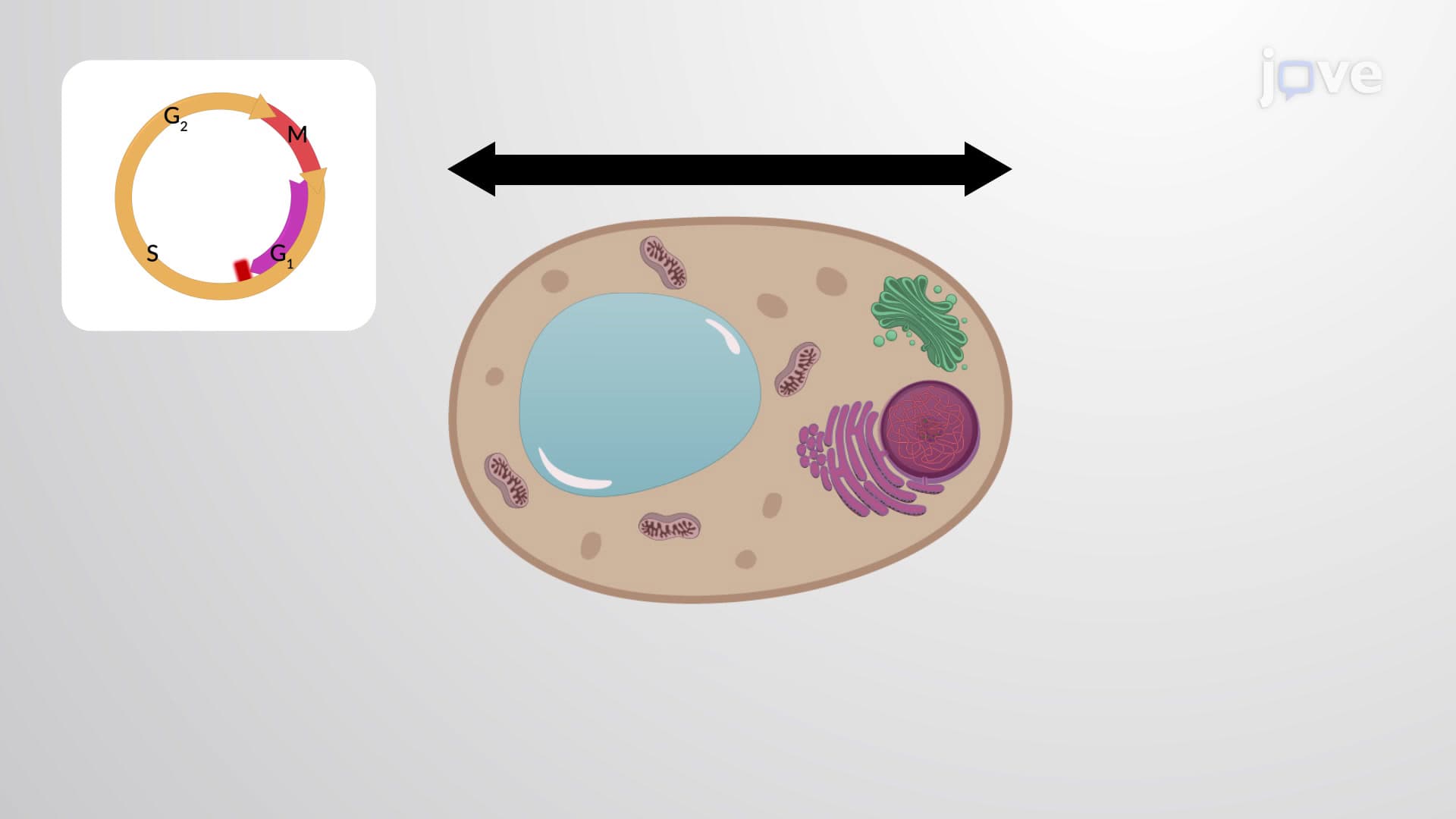
The regulation of cell division represents one of biology's most sophisticated control systems. While unicellular organisms like *E. coli* bacteria simply divide when environmental nutrients are abundant, multicellular organisms require precise coordination. Most human cells exist in G0 phase-a quiescent, non-dividing state-until specific extracellular signals called mitogens trigger their re-entry into the cell cycle.
Mitogens are typically small proteins or peptides that serve as molecular messengers. In the United States, researchers at institutions like Harvard Medical School and the National Institutes of Health have extensively studied how different mitogens respond to physiological needs. For example, when a patient suffers a myocardial infarction (heart attack), cardiac fibroblasts secrete specific mitogens to promote healing. Platelet-derived growth factor (PDGF) exemplifies this process-released during tissue injury, it binds to PDGF receptors on target cells, initiating a cascade that ultimately leads to cell division and tissue repair.
The mitogen-activated protein (MAP) kinase pathway represents a critical signal amplification system studied extensively in AP Biology and college-level cell biology courses. Upon mitogen binding, tyrosine kinase receptors undergo dimerization and autophosphorylation. This activates the small GTPase Ras, which then initiates a three-tiered kinase cascade: MAP3K phosphorylates MAP2K, which phosphorylates MAPK. This sequential phosphorylation amplifies the original signal thousands of times, ensuring robust cellular response.
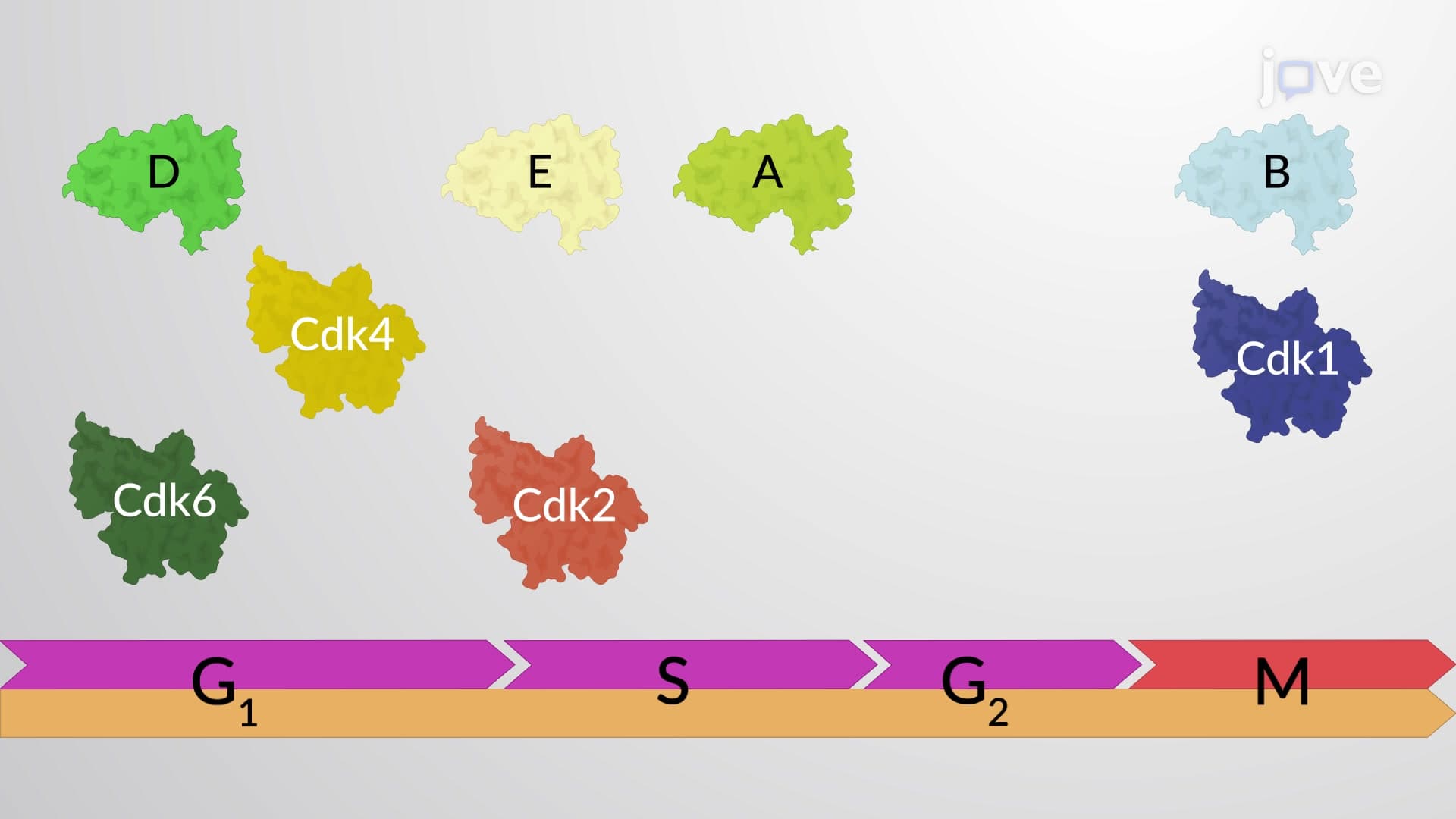
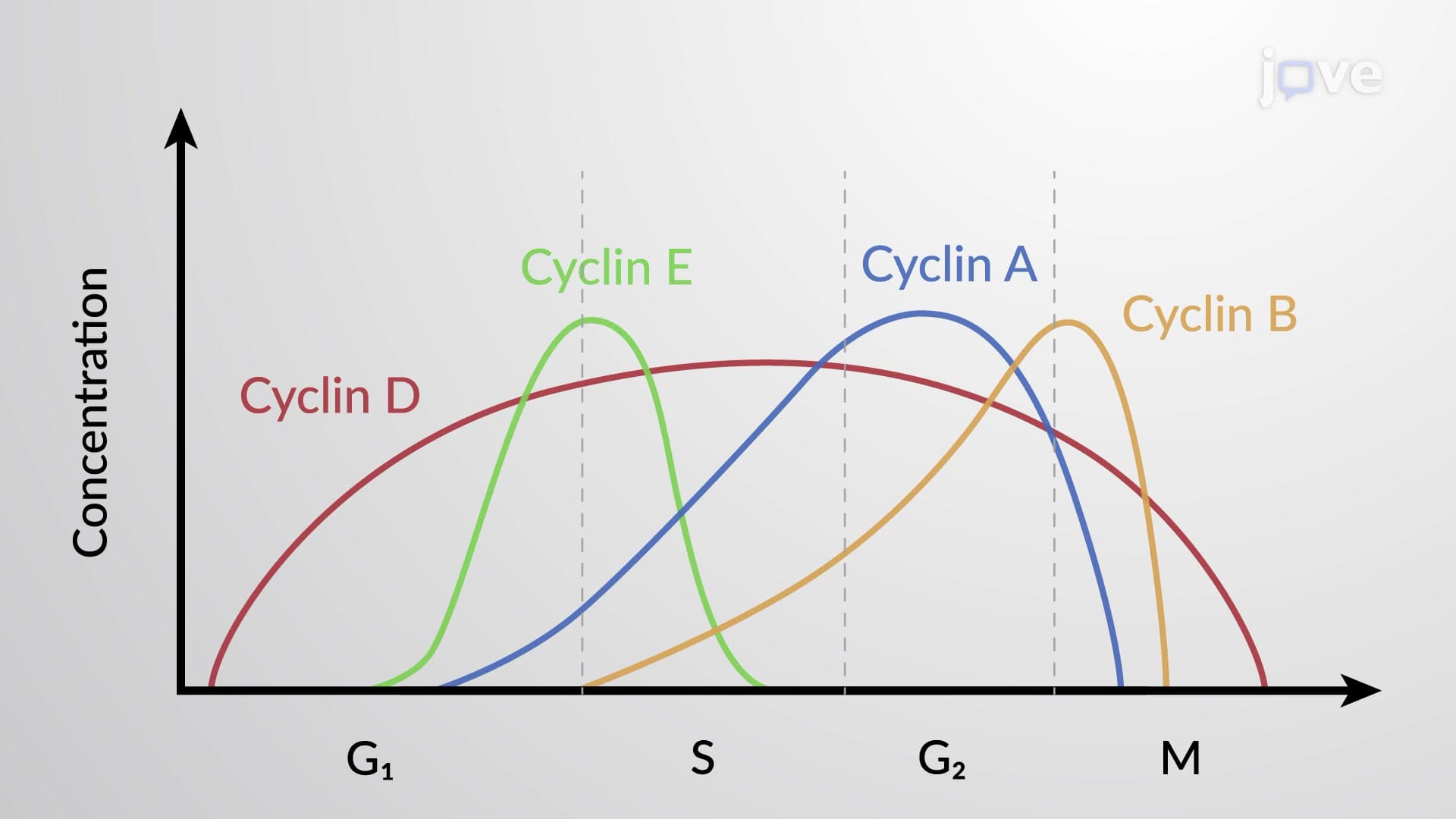
The ultimate goal of mitogen signaling involves activating transcription factors like Myc, which increase G1 cyclin expression. These cyclins partner with cyclin-dependent kinases to phosphorylate the retinoblastoma (Rb) protein-named after the pediatric eye cancer where it was first discovered at Children's Hospital of Philadelphia. Phosphorylated Rb releases the transcription factor E2F, allowing it to bind DNA and transcribe genes essential for S-phase entry. This checkpoint ensures cells only divide when appropriate growth signals are present, preventing uncontrolled proliferation that characterizes cancer.
Understanding these mechanisms proves crucial for MCAT preparation and advanced placement biology exams, where students must explain how external signals translate into precise cellular responses.
Related Micro-courses