Loading concepts…


10 Concepts
11 Concepts
11 Concepts
17 Concepts
20 Concepts
16 Concepts
16 Concepts
21 Concepts
11 Concepts
15 Concepts
14 Concepts
21 Concepts
8 Concepts
15 Concepts
17 Concepts
19 Concepts
11 Concepts
18 Concepts
6 Concepts
21 Concepts
 21 Concepts
 146.1K Views
 Popular topics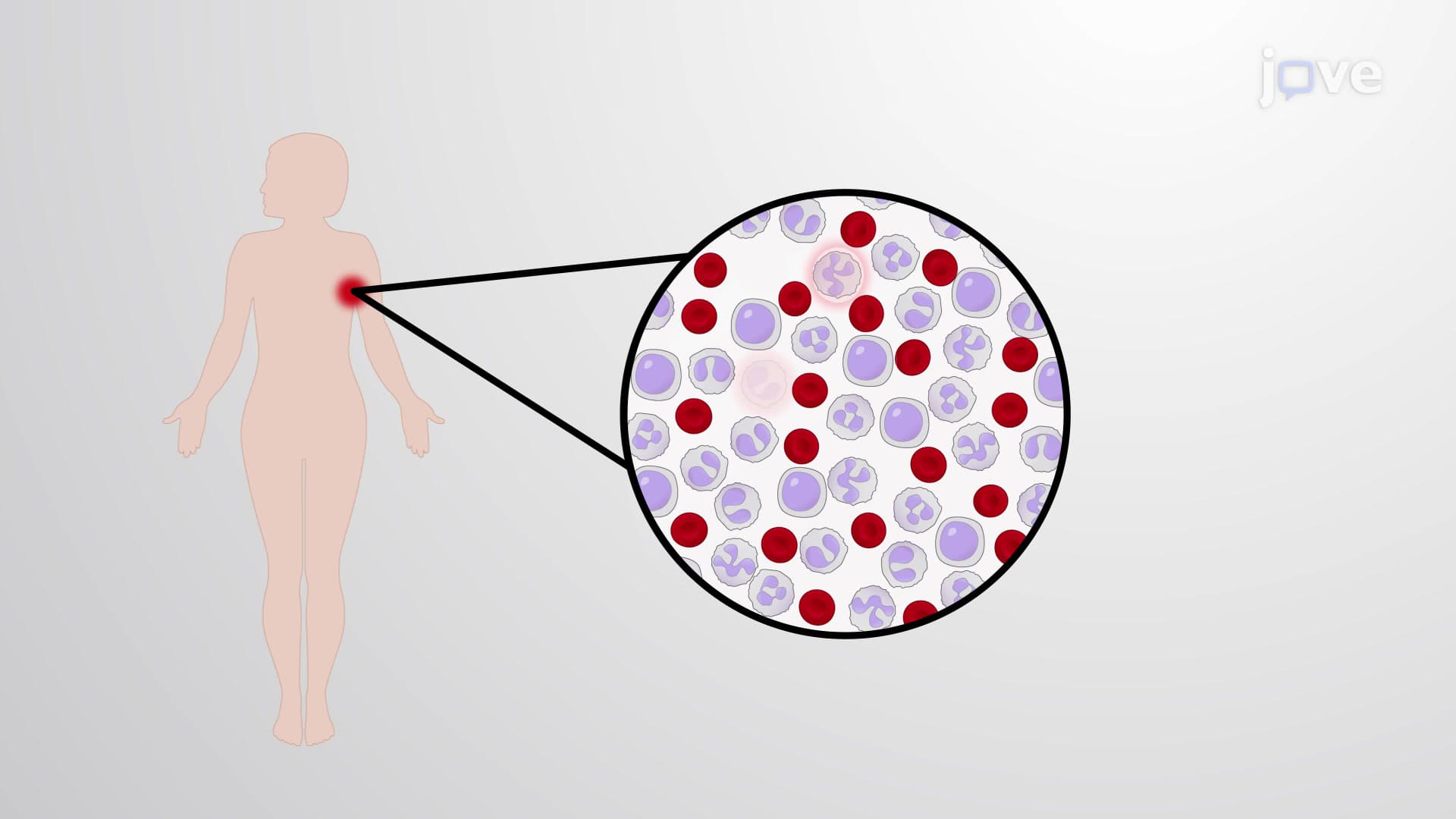


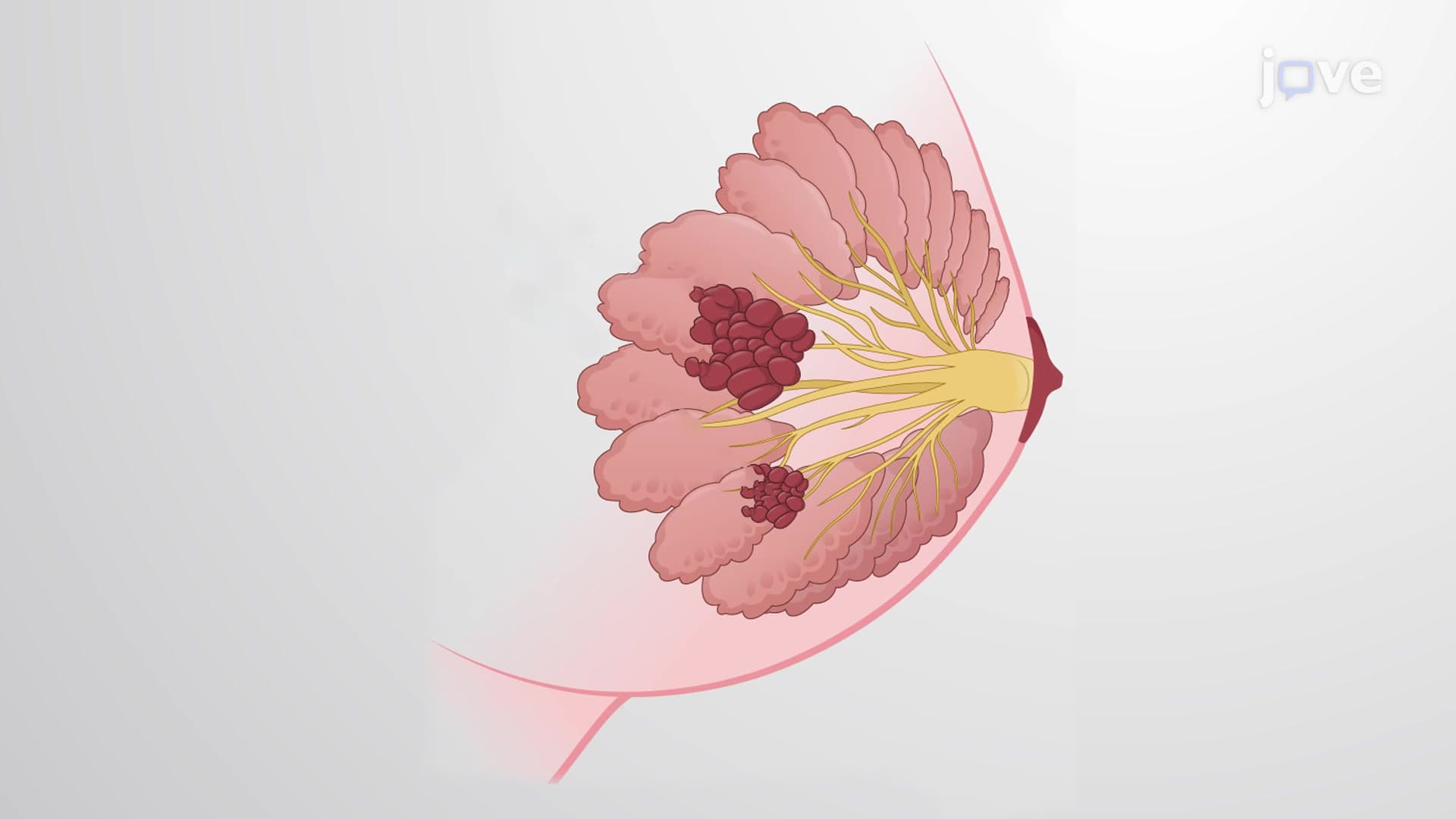
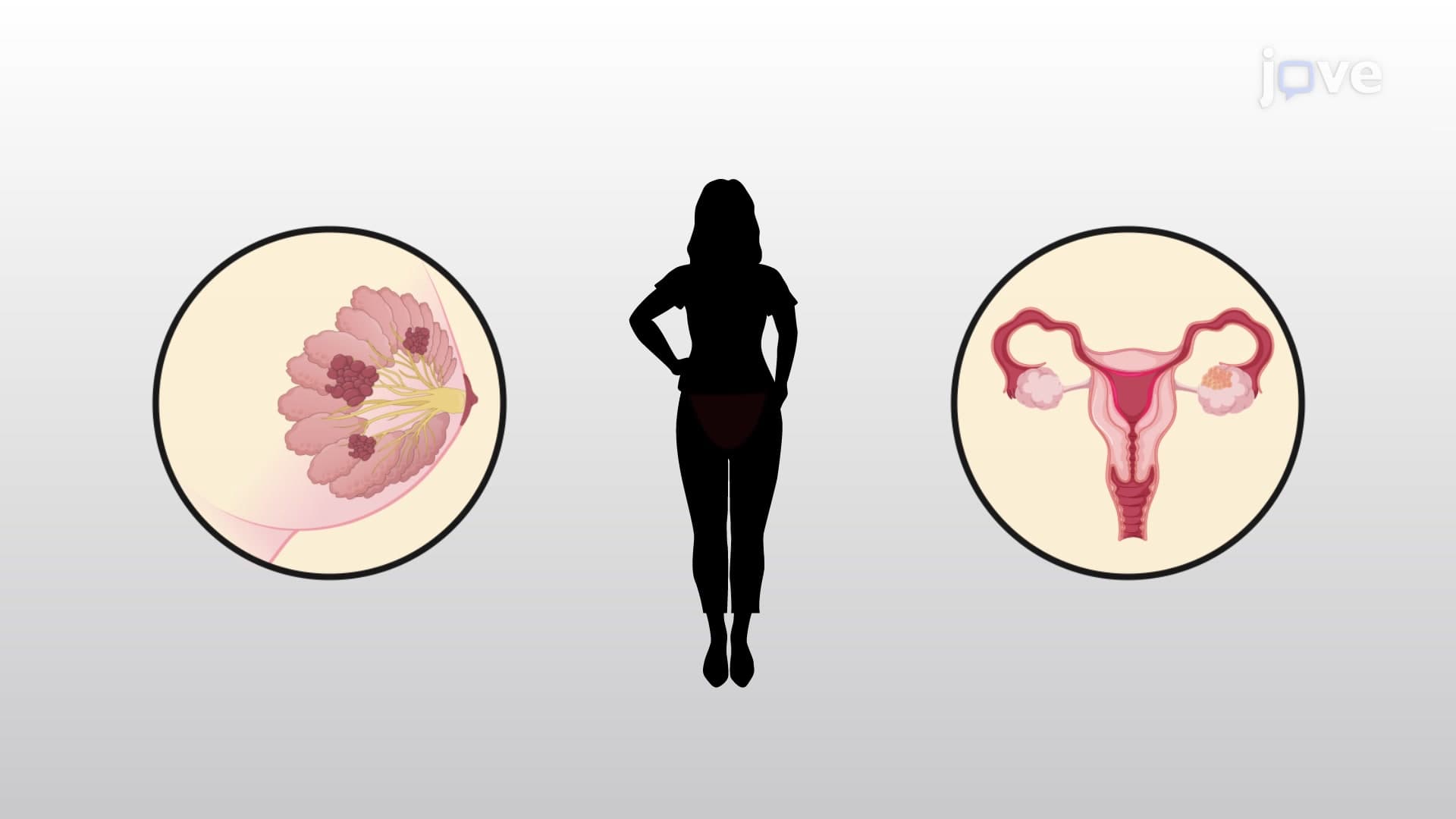


Cancer represents one of the most complex biological processes, involving the transformation of normal cells into malignant tumors through accumulated genetic mutations. This comprehensive course explores cancer biology fundamentals, from initial cellular changes to metastasis, examining how cancer develops at the cellular level through oncogenes, tumor suppressor genes, and microenvironmental factors. Students will analyze real mechanisms behind diseases affecting millions of Americans annually, including breast cancer, colon cancer, and leukemia, while mastering concepts essential for pre-med preparation with JoVE Coach.
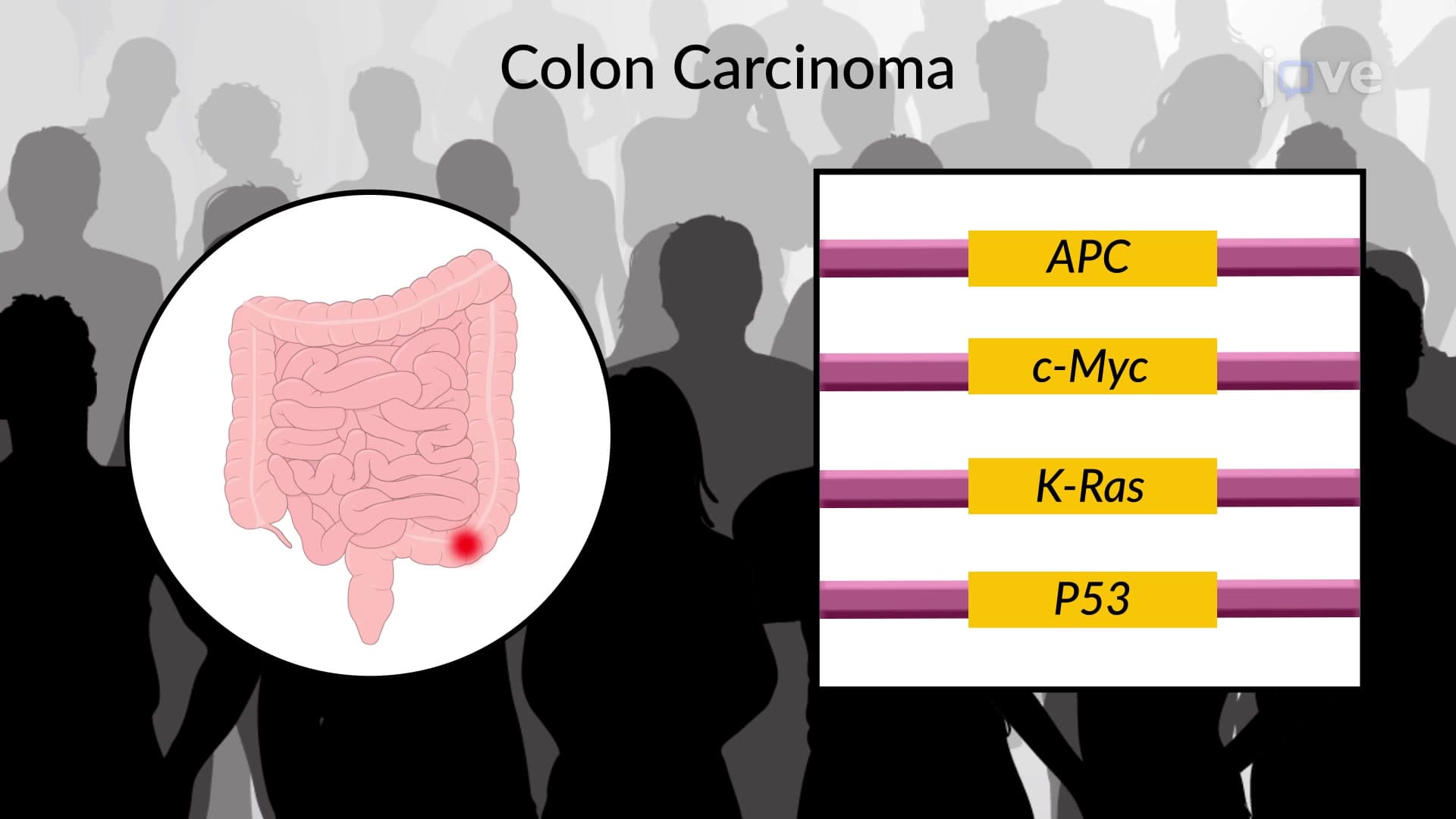
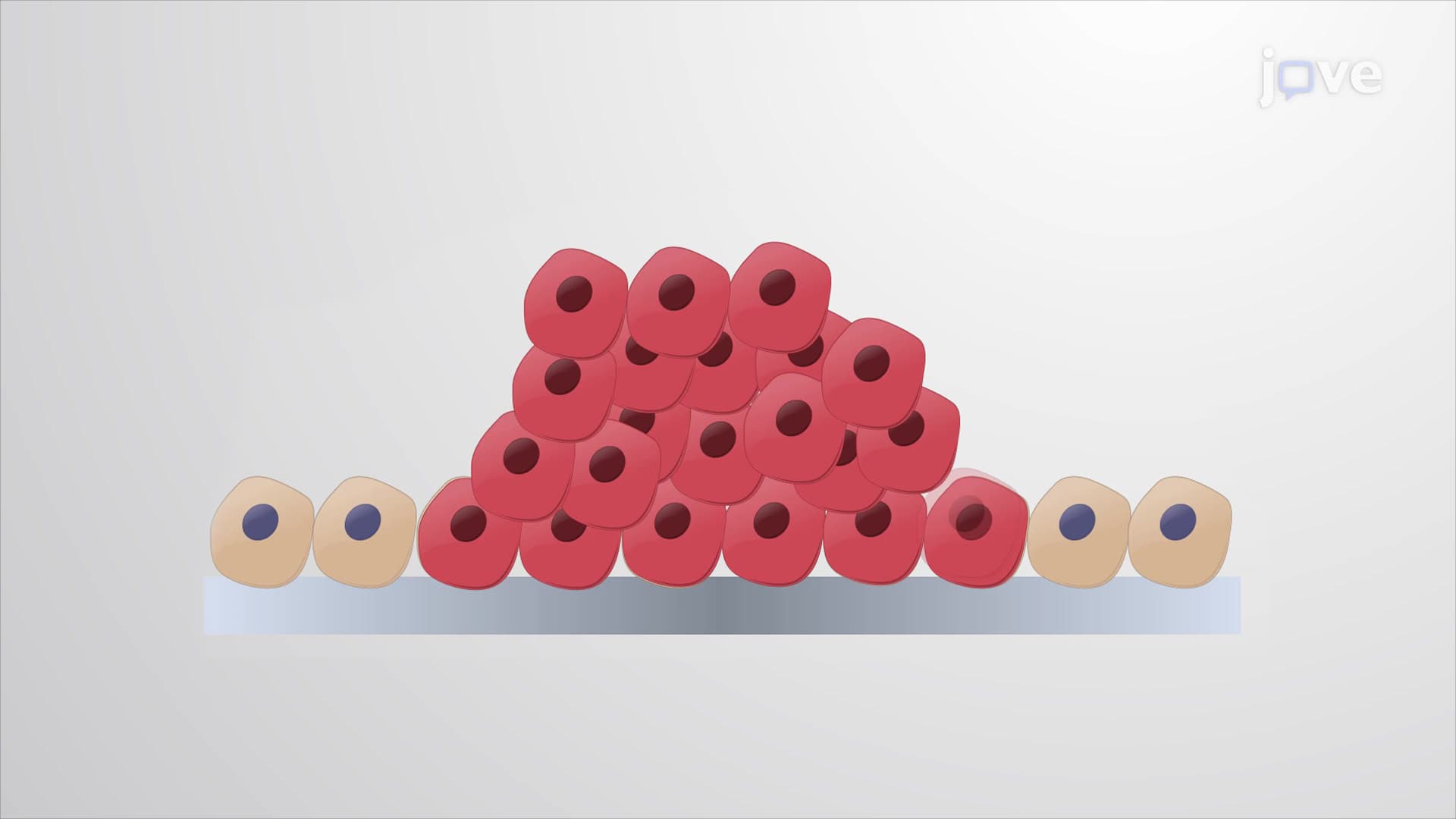
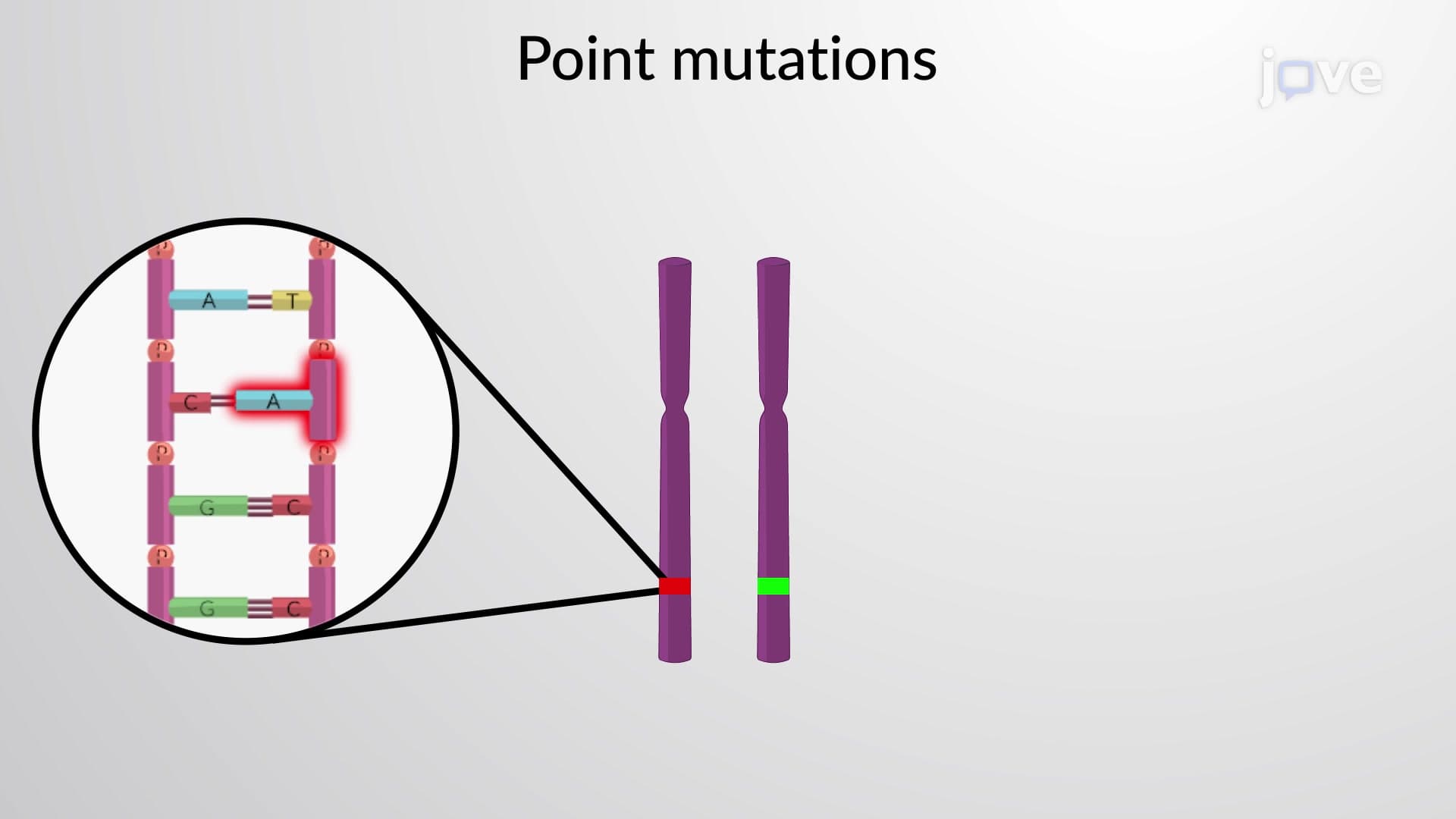
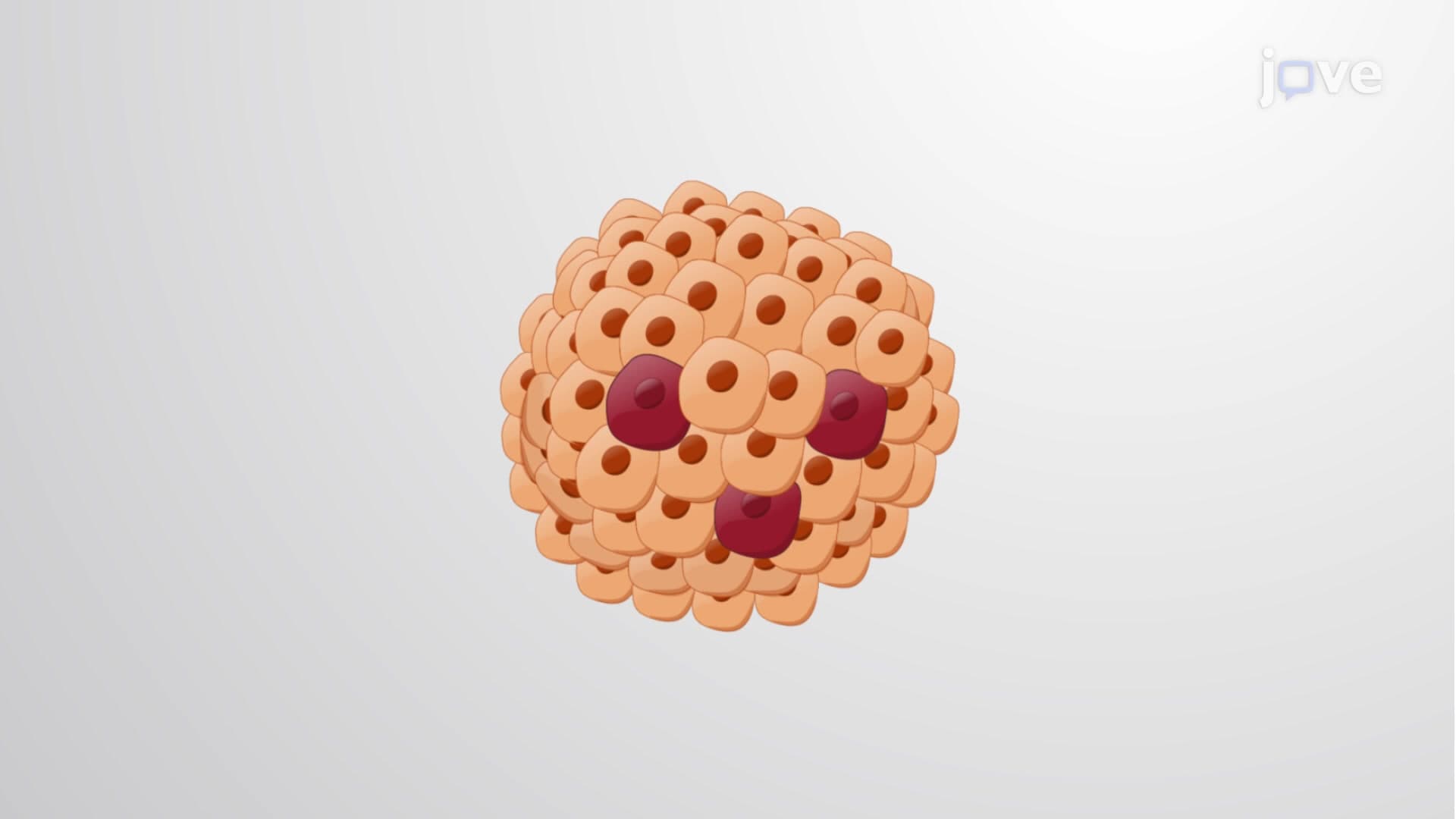
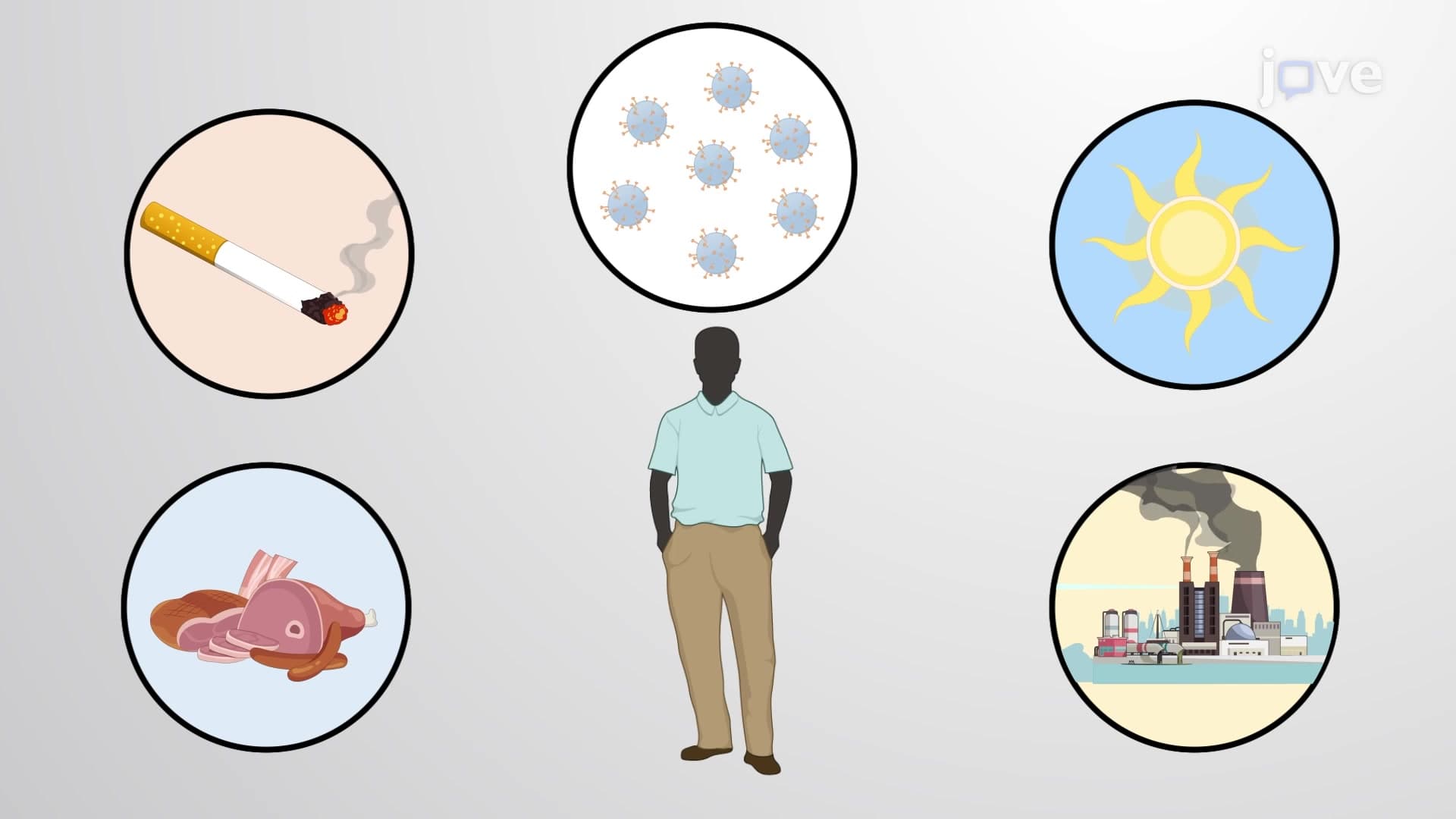
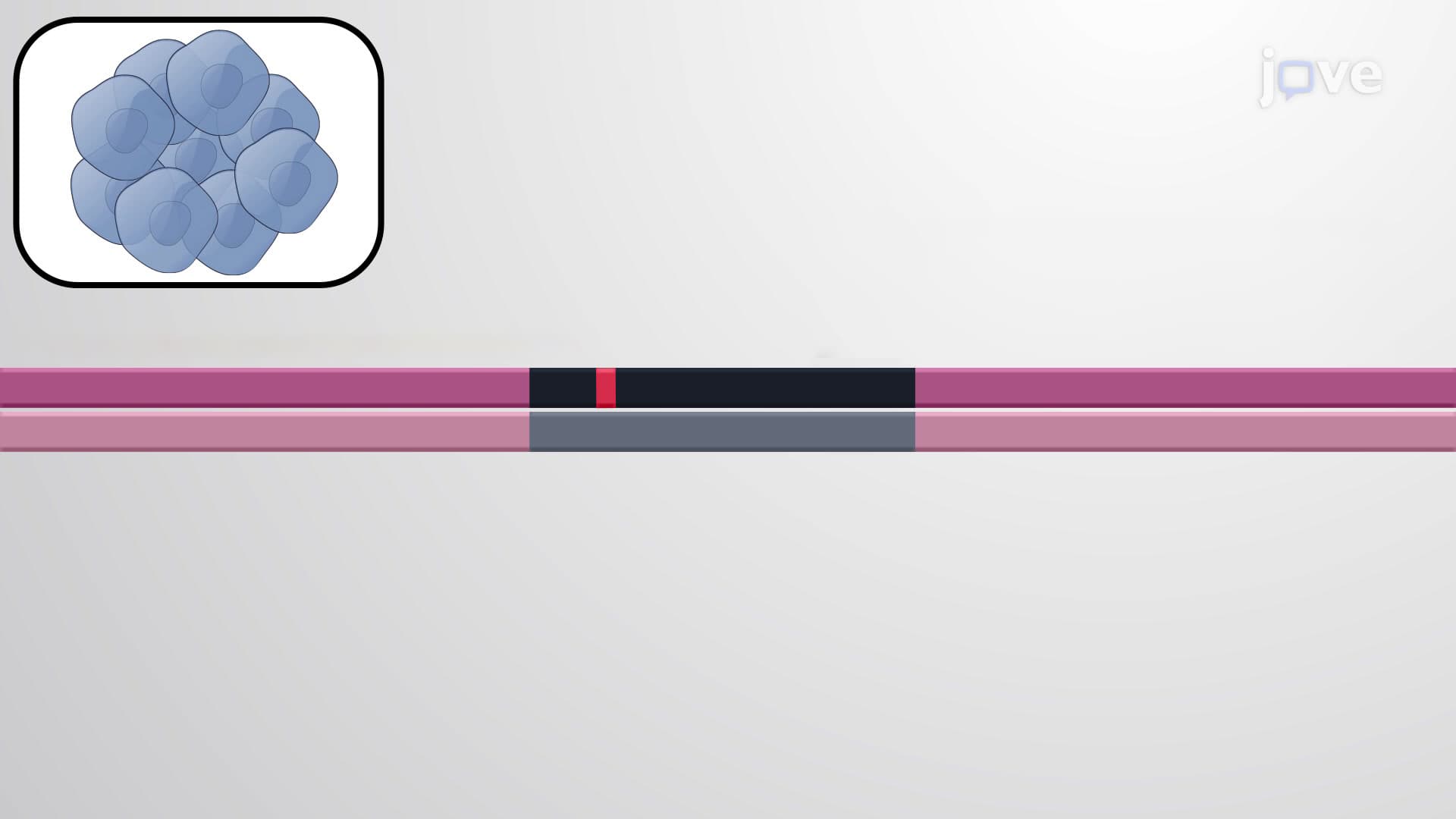
1. Cellular Origins of Cancer and Multi-Hit Theory Cancer begins when a single normal cell accumulates multiple genetic mutations over time, transforming it into a malignant cell capable of uncontrolled growth. The multi-hit theory explains that at least five to six independent genetic alterations must occur in succession for a cell to become fully cancerous. These somatic mutations typically affect genes controlling cell division, DNA repair, and programmed cell death. For example, colon cancer development involves sequential mutations in APC, K-Ras, and p53 genes. Most cancer-causing mutations are not inherited but develop during a person's lifetime through exposure to carcinogens, aging, or random DNA replication errors.
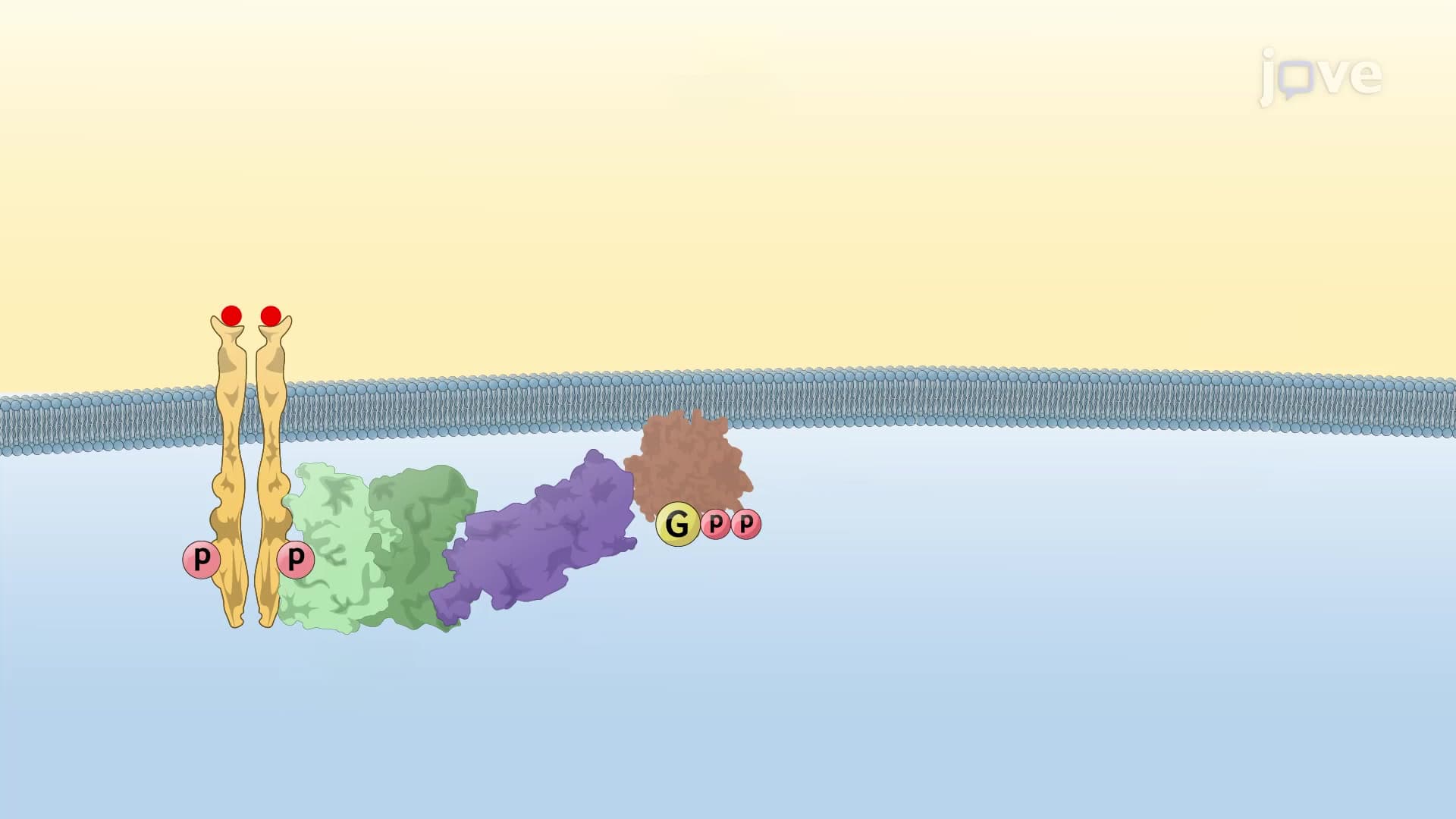
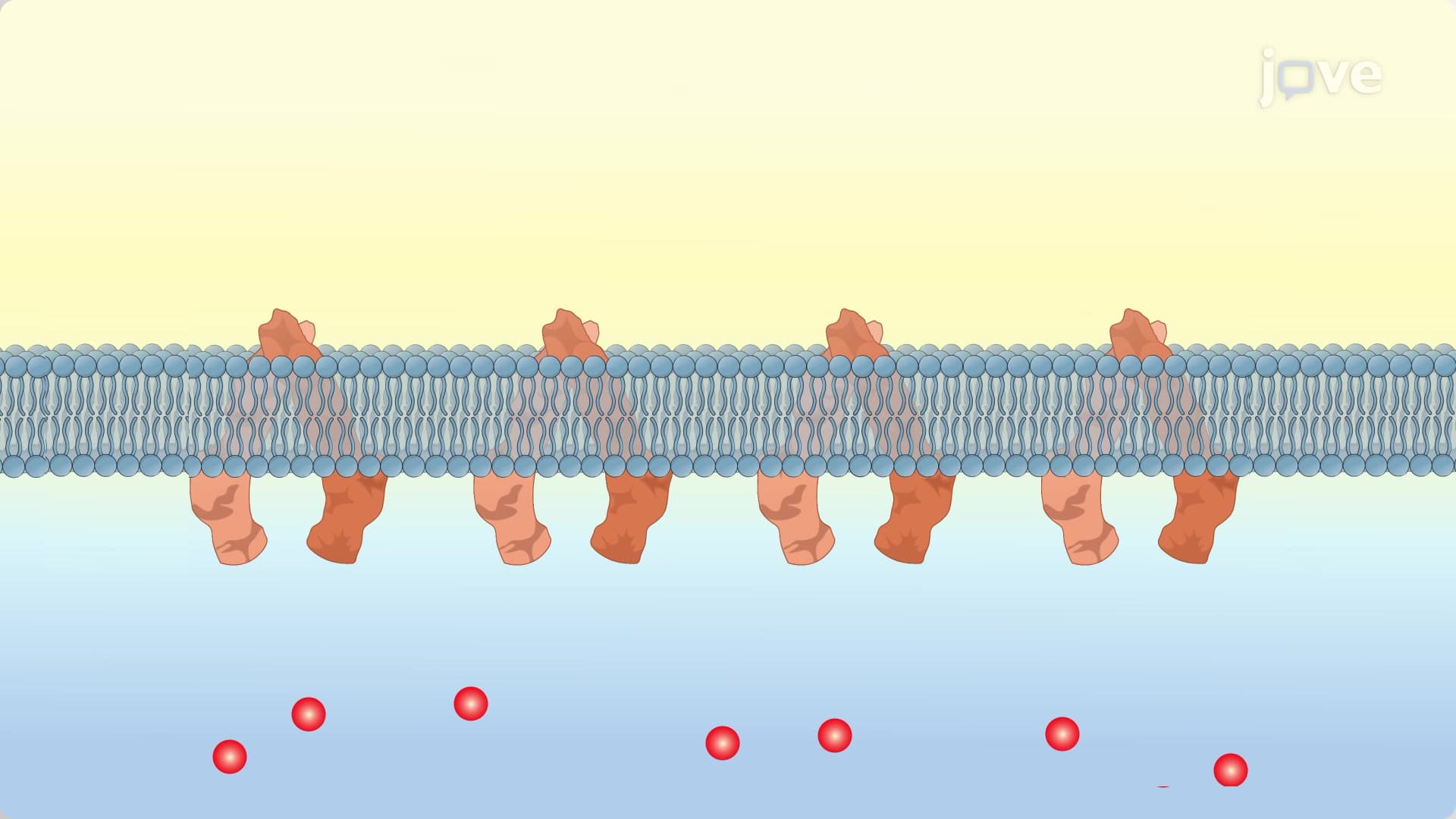
2. Proto-oncogenes and Oncogenes in Cancer Development Proto-oncogenes are normal genes that promote healthy cell growth and division when properly regulated. However, gain-of-function mutations can transform these genes into oncogenes, which drive excessive cell proliferation. The Ras gene family exemplifies this process, normally, Ras proteins cycle between active (GTP-bound) and inactive (GDP-bound) states to control growth signals. Mutated Ras proteins become constitutively active, continuously sending growth signals even without external stimuli. This hyperactivation contributes to approximately 30% of human cancers, particularly colorectal cancers. Unlike tumor suppressors, oncogenes act dominantly, meaning a single mutated copy can promote cancer development.
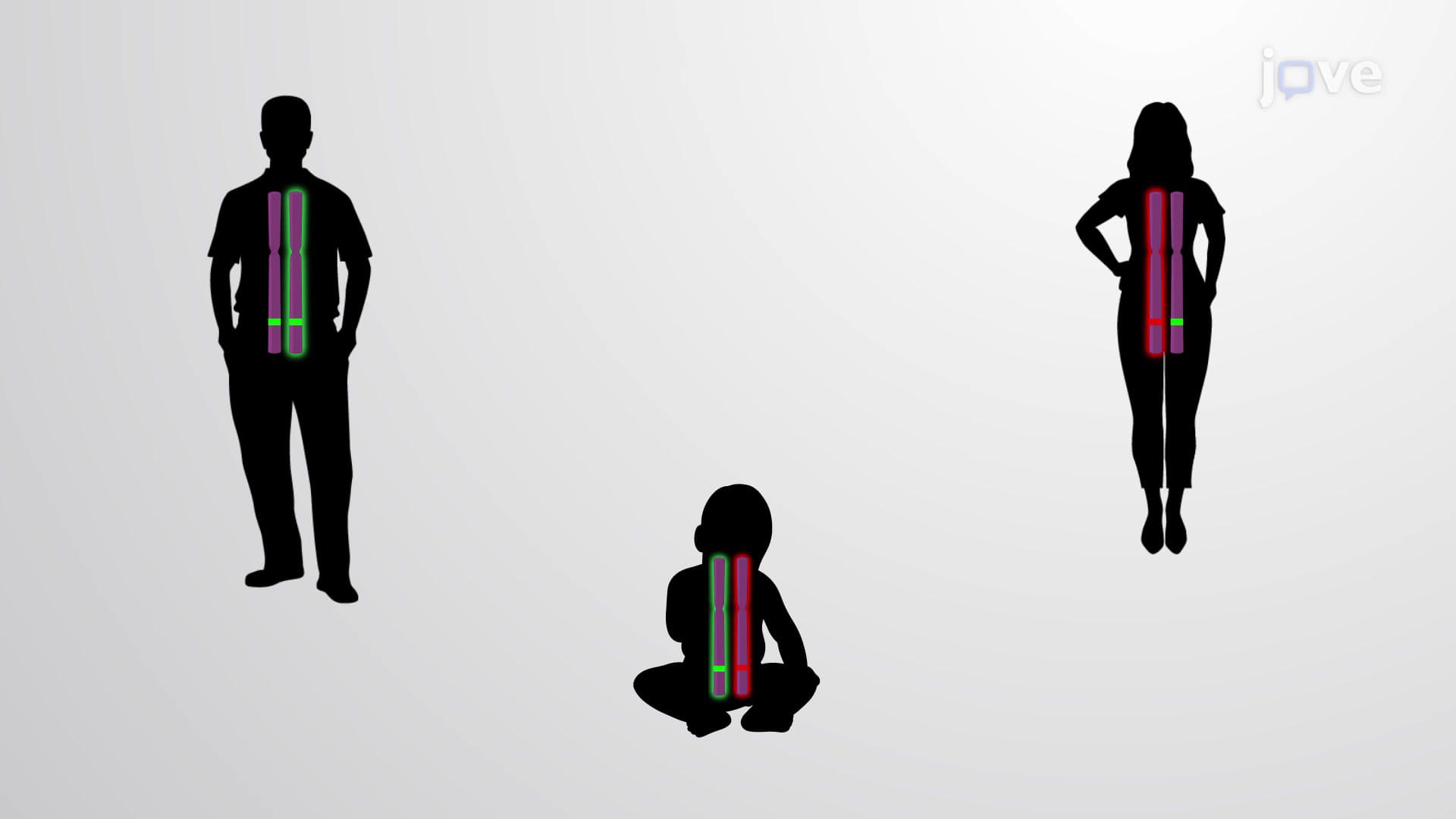
3. Tumor Suppressor Genes and Loss of Function Tumor suppressor genes normally act as cellular "brakes," preventing uncontrolled cell division and promoting apoptosis when cells become damaged. The p53 gene, often called the "guardian of the genome," exemplifies this function by detecting DNA damage and either halting cell division for repairs or triggering cell death. The retinoblastoma (Rb) gene controls cell cycle progression by regulating the G1/S checkpoint. Unlike oncogenes, tumor suppressors require loss-of-function mutations in both gene copies (following Knudson's two-hit hypothesis) to contribute to cancer. Hereditary cancer syndromes often involve inheriting one defective copy, requiring only one additional "hit" for cancer development.
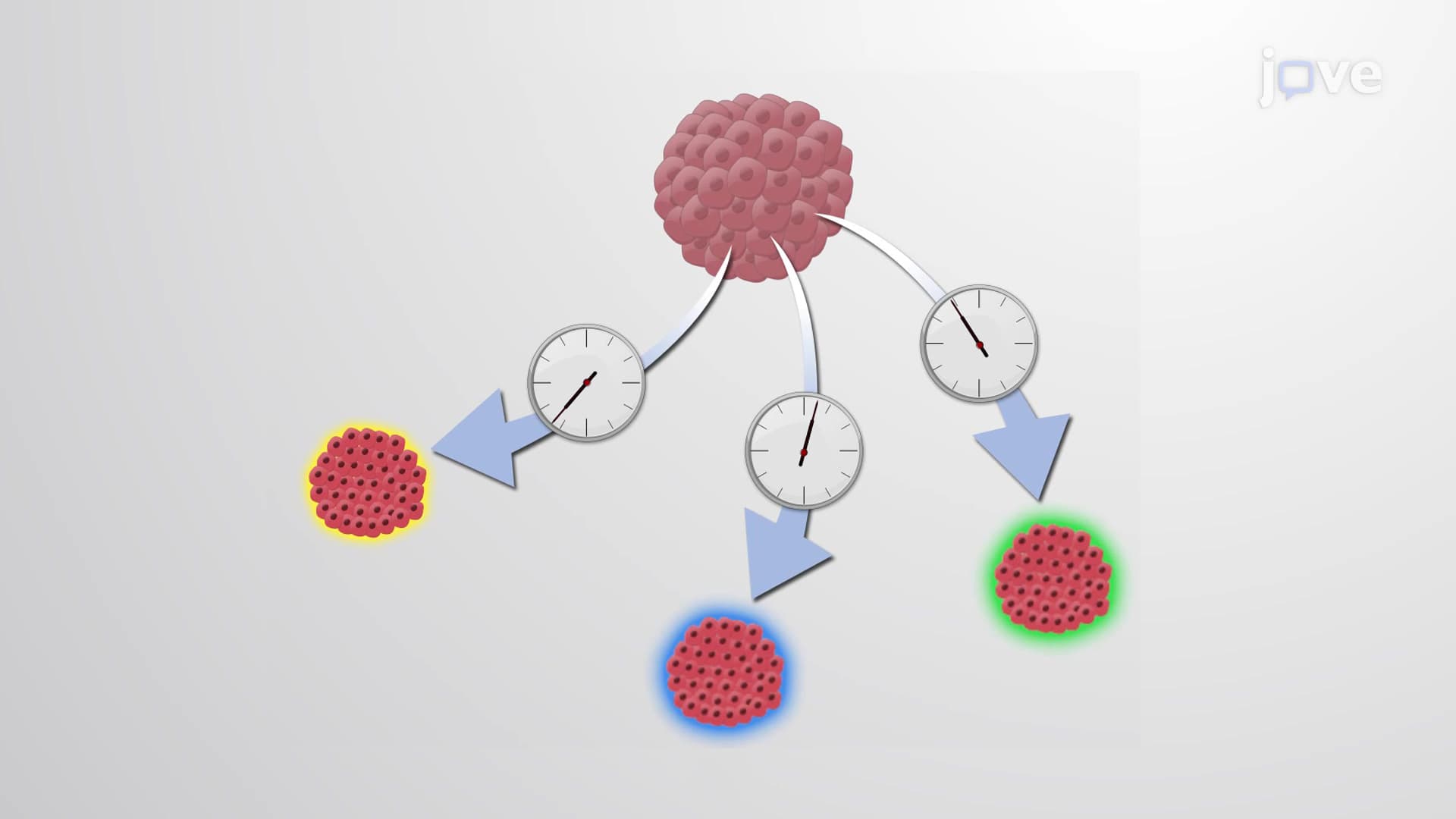
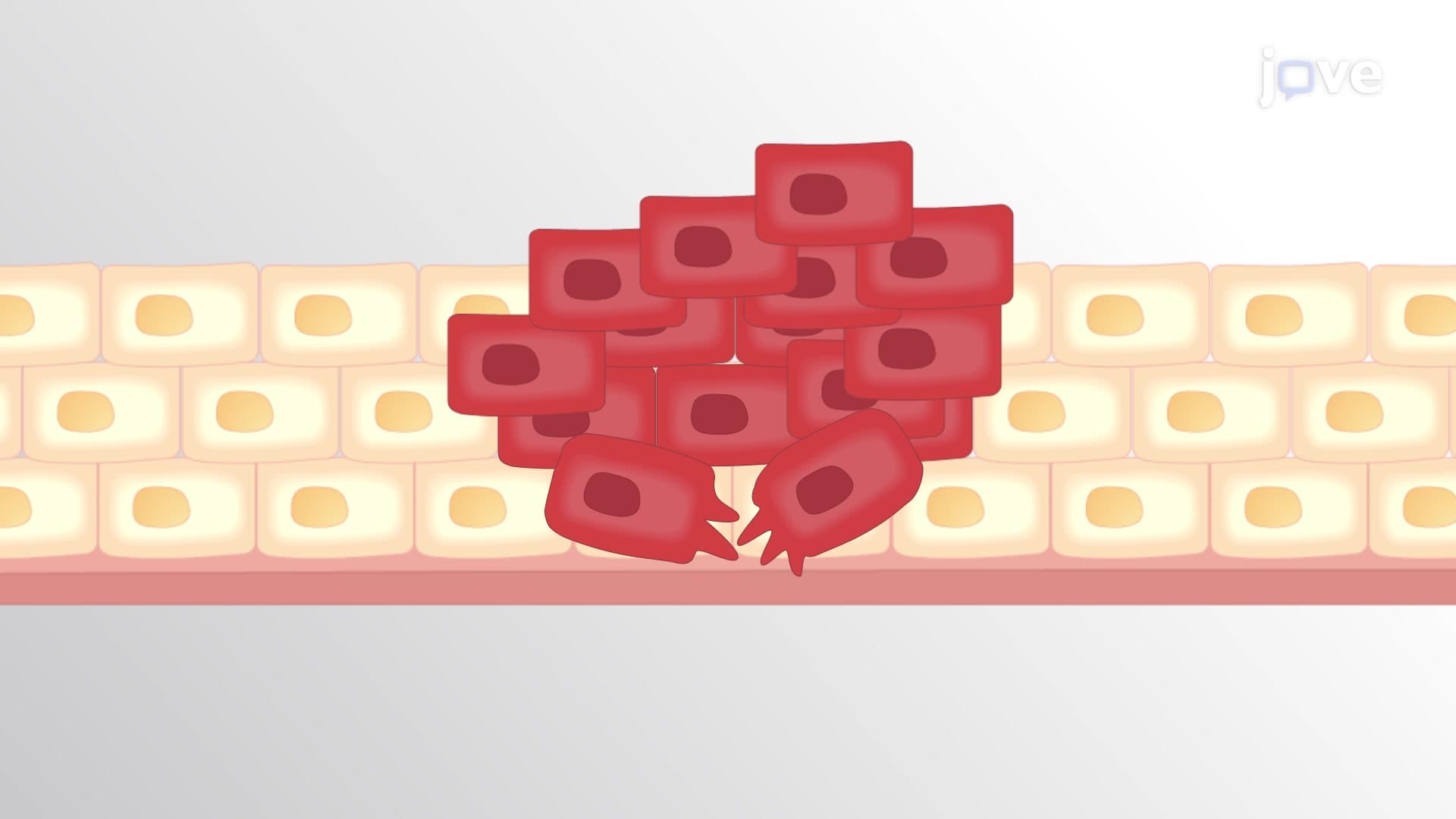
4. Tumor Progression and Metastasis Mechanisms Cancer progression involves the gradual acquisition of increasingly aggressive characteristics, transforming localized tumors into invasive, metastatic diseases. The parallel progression model explains how cancer cells can begin spreading when primary tumors are still microscopic (1-4mm), developing secondary tumors simultaneously over 6-12 years. Metastasis requires cancer cells to undergo epithelial-to-mesenchymal transition (EMT), breaking down basement membranes through invadopodia, surviving in circulation as circulating tumor cells (CTCs), and establishing new colonies in distant organs. Only about one in a million cancer cells successfully completes metastasis, but those that do drive cancer's lethality.
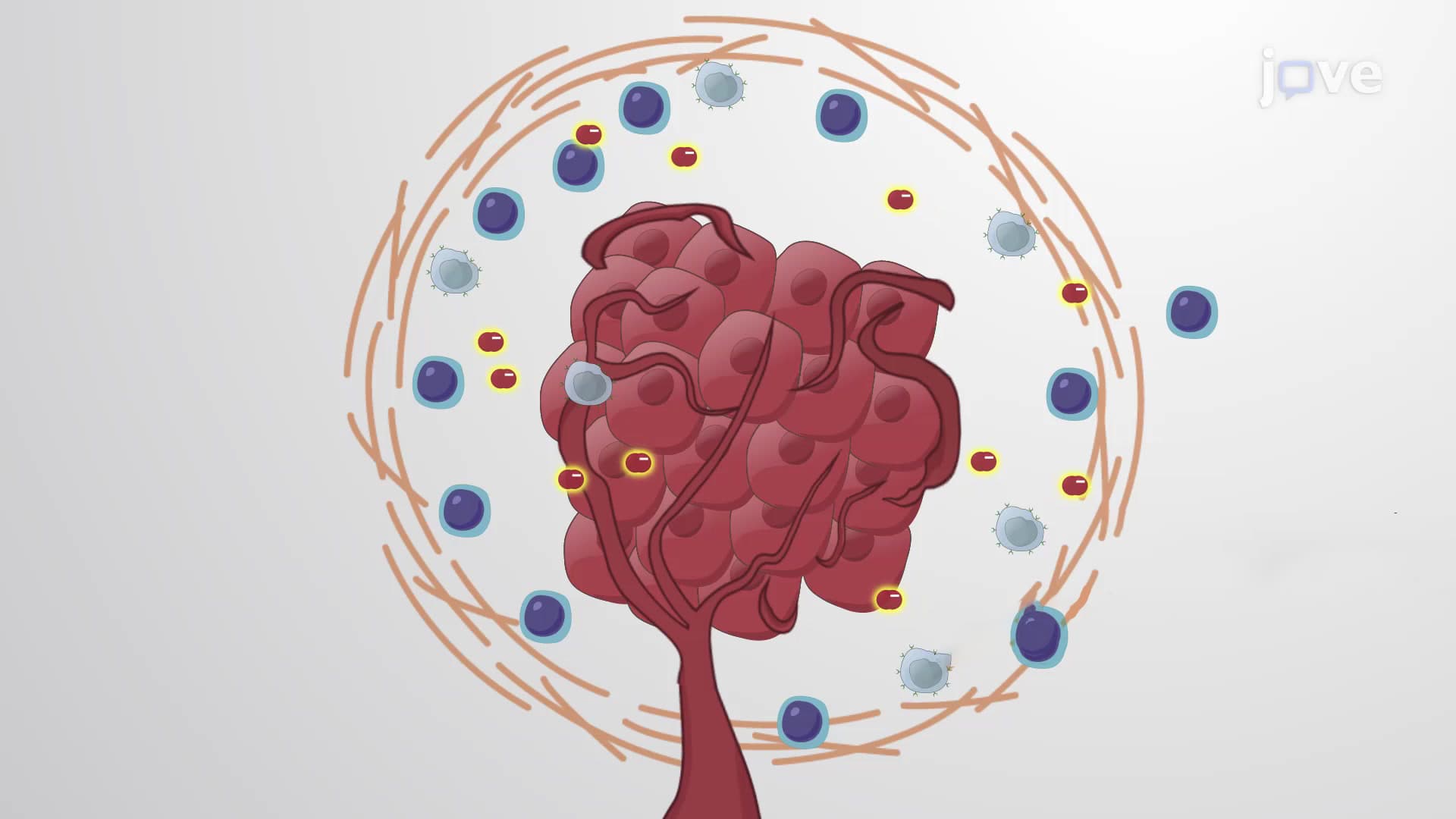
5. Adaptive Mechanisms and Tumor Microenvironment Cancer cells develop remarkable adaptations to survive hostile conditions, including hypoxia, nutrient depletion, and immune surveillance. The Warburg effect describes how cancer cells switch to glycolytic metabolism even in oxygen-rich conditions, consuming 100 times more glucose than normal cells to fuel rapid growth. The tumor microenvironment includes carcinoma-associated fibroblasts (CAFs) that secrete growth factors, modified extracellular matrix that facilitates invasion, and recruited blood vessels through angiogenesis. Cancer cells also evade immune destruction by inducing immunosuppressive T-cells and expressing proteins like survivin that protect against natural killer cells.
6. Cancer Stem Cells and Treatment Resistance Cancer stem cells represent a subpopulation within tumors that possess both cancer characteristics and stem cell properties, including self-renewal and differentiation capabilities. These cells can undergo asymmetric division, producing both new stem cells and differentiated cancer cells that form the tumor bulk. Cancer stem cells drive treatment resistance through enhanced DNA repair mechanisms, increased drug efflux pumps (like ABCB1 and ABCG2), and survival signaling pathways. For example, in chronic myeloid leukemia, while differentiated cancer cells respond to imatinib therapy, cancer stem cells can survive treatment and eventually cause disease relapse, highlighting the challenge of achieving complete cancer cures.