Loading concepts…


10 Concepts
11 Concepts
11 Concepts
17 Concepts
20 Concepts
16 Concepts
16 Concepts
21 Concepts
11 Concepts
15 Concepts
14 Concepts
21 Concepts
8 Concepts
15 Concepts
17 Concepts
19 Concepts
11 Concepts
18 Concepts
6 Concepts
21 Concepts
 10 Concepts
 243K Views
 Popular topics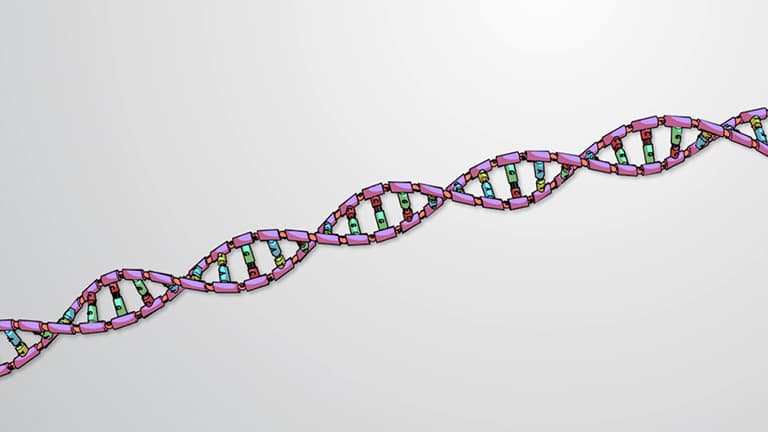
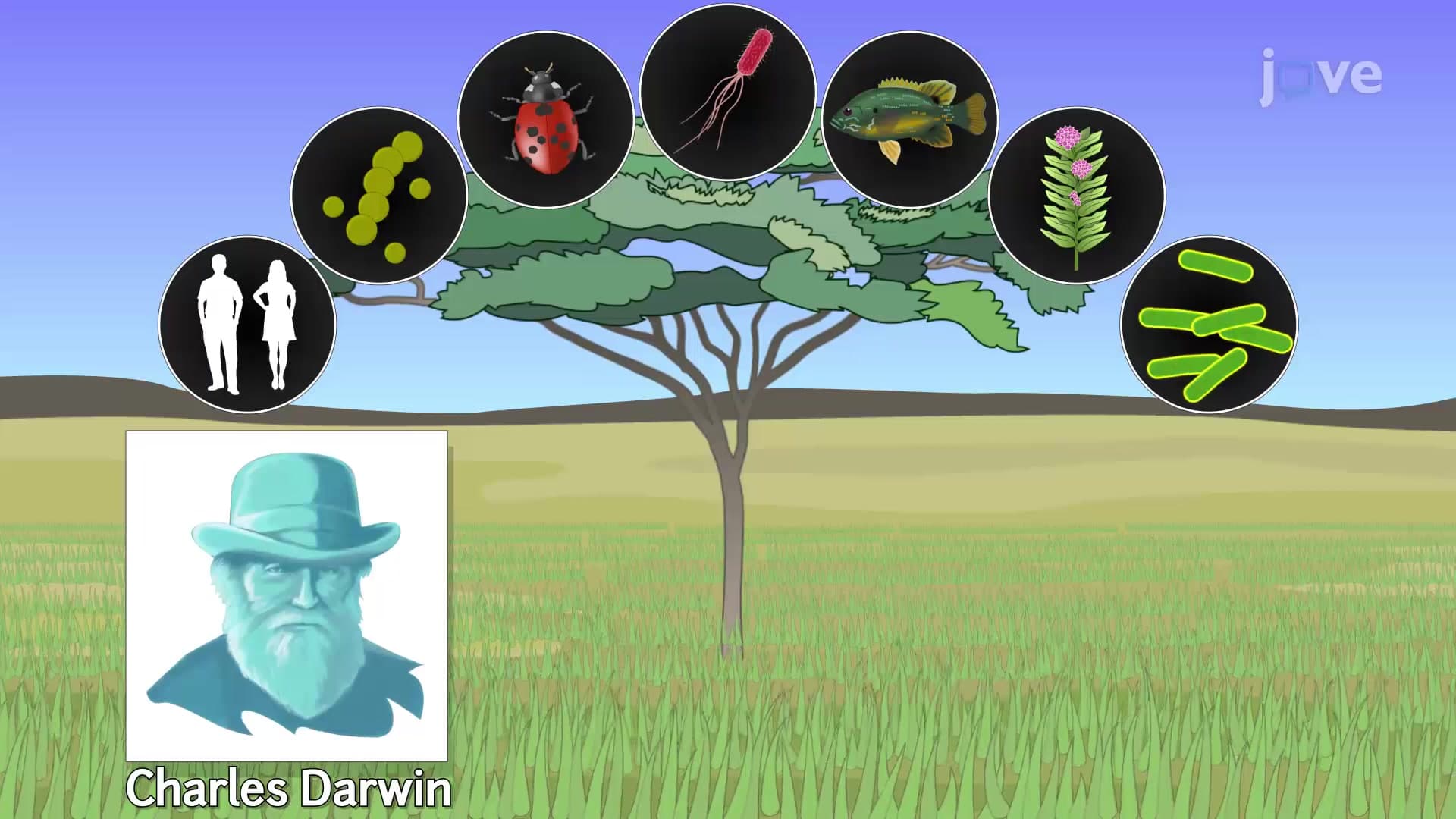

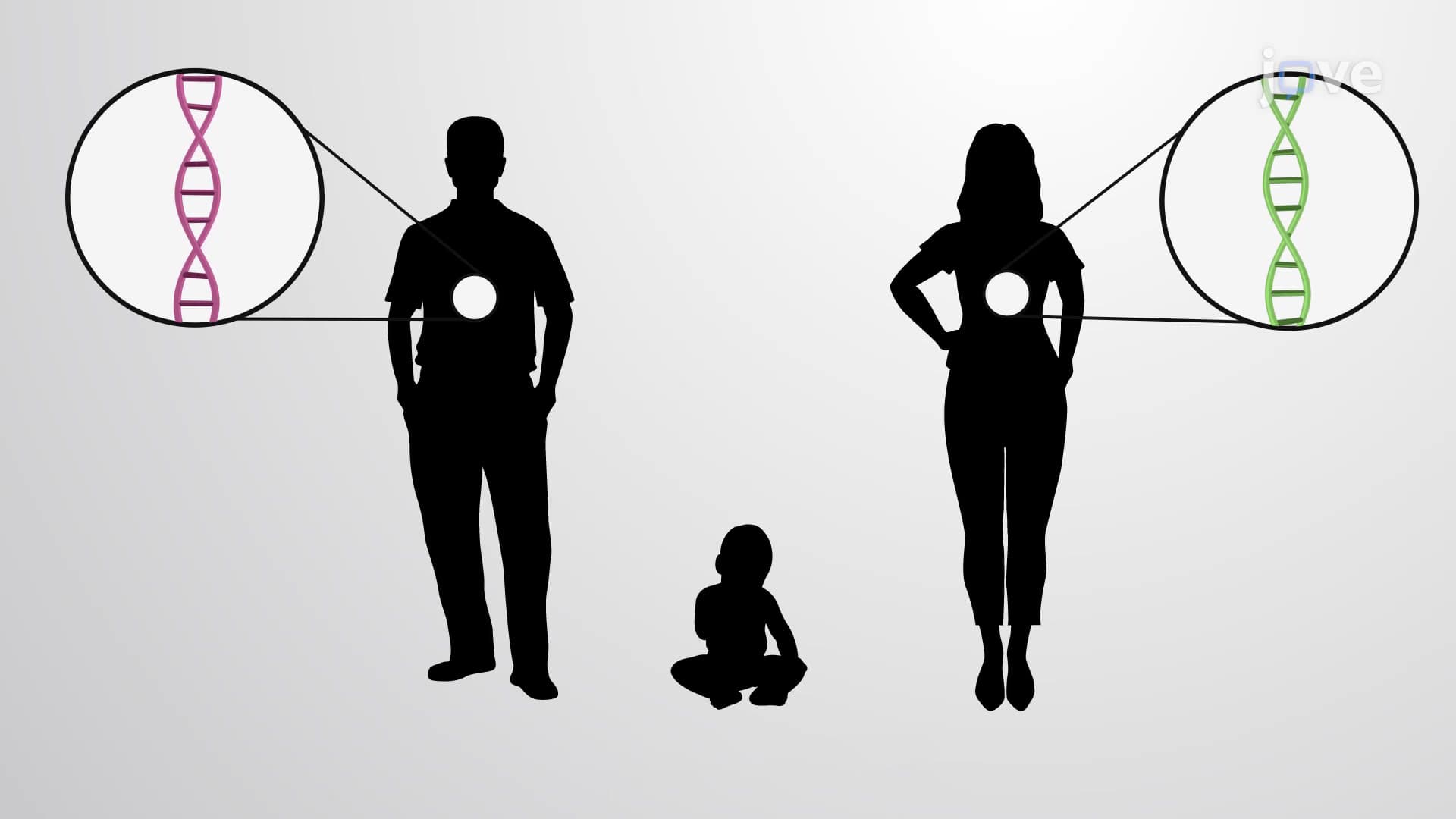
Molecular biology DNA serves as the foundation for understanding cellular evolution and genetic diversity. This comprehensive course explores how DNA changes drive cellular evolution through mutations, horizontal gene transfer, and genome evolution. Students examine molecular phylogenetics from prokaryotic simplicity to eukaryotic complexity, connecting DNA structure to evolutionary processes that shape life's diversity on Earth.
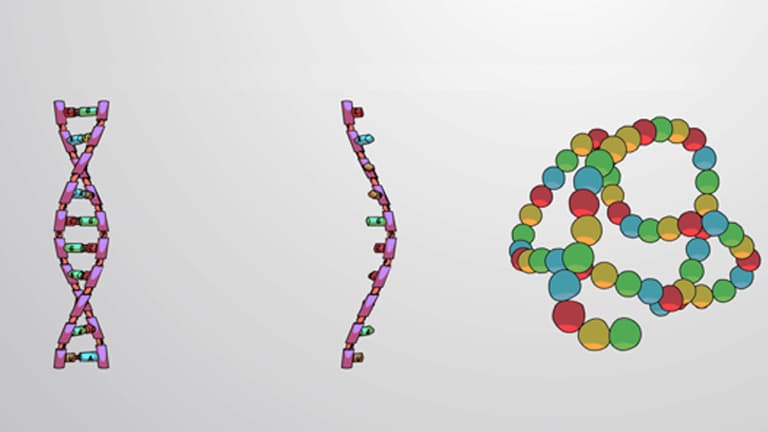
1. DNA Structure and the Double Helix Model The molecular architecture of DNA consists of two antiparallel strands forming a double helix, with nucleotides containing deoxyribose sugar, phosphate groups, and nitrogenous bases. Complementary base pairing (A-T and G-C) through hydrogen bonds stabilizes the structure while enabling replication and transcription. This discovery by Watson and Crick revolutionized genetics and enables modern applications like DNA fingerprinting used in criminal investigations across US courts, genetic testing for hereditary diseases, and PCR amplification techniques used in COVID-19 testing throughout American healthcare systems.
2. Central Dogma: From Genes to Proteins The unidirectional flow of genetic information proceeds from DNA transcription to RNA translation into proteins, orchestrating all cellular functions. RNA polymerase creates messenger RNA templates during transcription, while ribosomes synthesize proteins by linking amino acids according to mRNA sequences during translation. This process underlies genetic engineering applications producing human insulin in bacteria, gene therapy treatments for genetic disorders approved by the FDA, and understanding how mutations in genes like BRCA1 and BRCA2 increase cancer risk in American families.
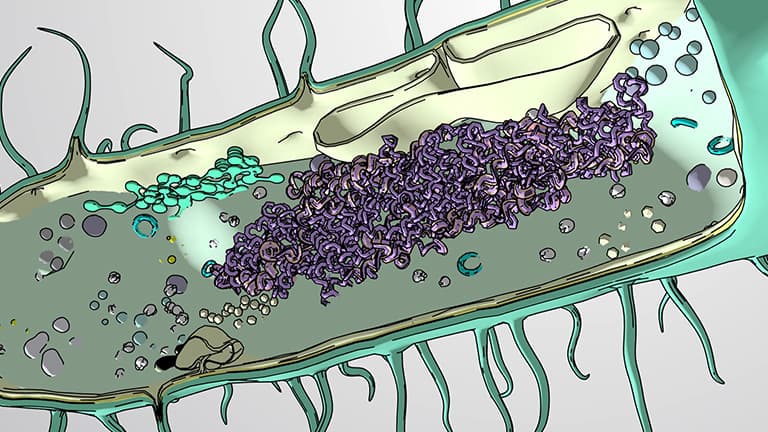
3. Prokaryotic Cell Organization and Diversity Bacteria and archaea represent Earth's most ancient life forms, characterized by nucleoid regions instead of membrane-bound nuclei and remarkable metabolic diversity. These unicellular organisms reproduce through rapid binary fission and inhabit extreme environments from Yellowstone's hot springs to deep ocean vents. Their applications include biotechnology production of pharmaceuticals, bioremediation of contaminated sites like oil spills along US coastlines, and their role in human microbiome health, while antibiotic resistance poses ongoing challenges for American healthcare systems.
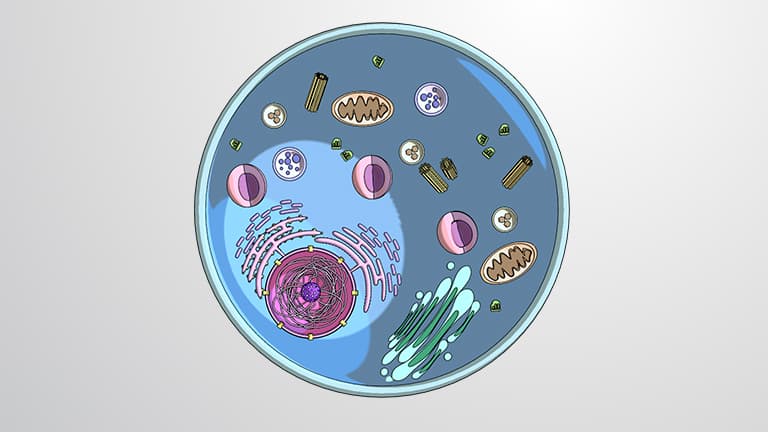
4. Eukaryotic Compartmentalization and Cellular Complexity Membrane-bound organelles enable eukaryotic cells to perform specialized functions simultaneously, from nuclear gene regulation to mitochondrial ATP production and lysosomal digestion. This compartmentalization prevents incompatible reactions and allows complex multicellular life to evolve. Understanding organelle dysfunction explains diseases like Tay-Sachs disease affecting lysosomal function, mitochondrial disorders causing muscle weakness, and how targeted drug delivery exploits organelle-specific pathways in cancer treatments used in US hospitals.
5. Three Domains of Life: Modern Phylogenetic Classification Molecular analysis, particularly 16S rRNA sequencing, revealed three distinct domains: Bacteria, Archaea, and Eukaryotes, replacing earlier classification systems based solely on observable characteristics. This molecular phylogenetics approach revolutionized evolutionary biology by revealing that some prokaryotes are more closely related to eukaryotes than to other prokaryotes. Applications include identifying pathogens in clinical laboratories, studying extremophiles for biotechnology applications, and understanding evolutionary relationships that inform conservation efforts across American ecosystems.
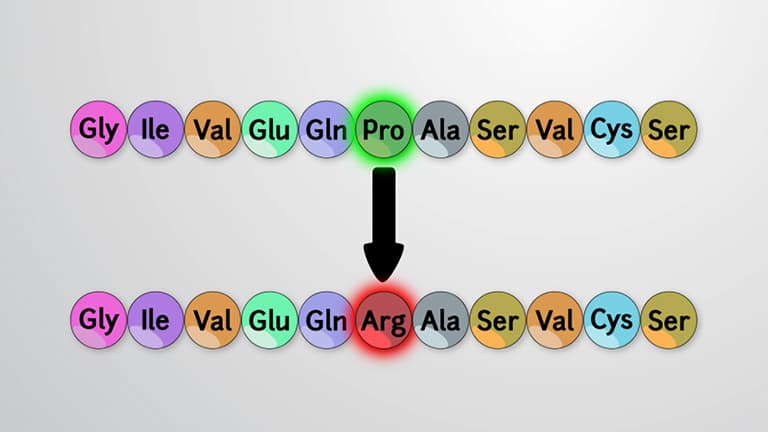
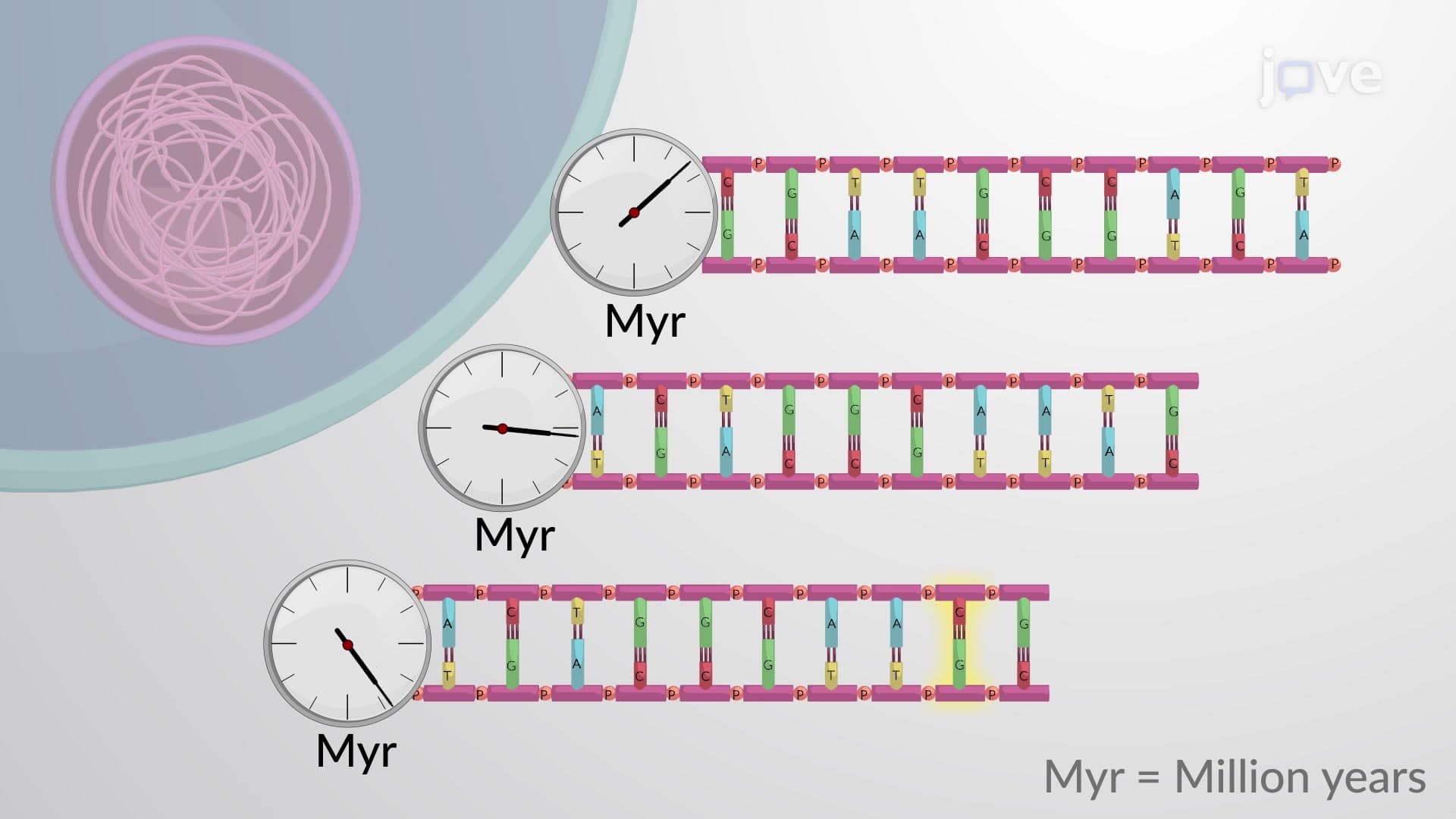
6. Genetic Mutations: Mechanisms and Evolutionary Impact DNA sequence changes result from replication errors, environmental mutagens like UV radiation, and spontaneous chemical alterations, with effects ranging from neutral to beneficial or harmful. Point mutations can cause diseases like sickle cell anemia, while beneficial mutations drive evolutionary adaptation. Understanding mutation rates helps forensic scientists analyze DNA evidence in US criminal cases, medical researchers develop cancer treatments targeting mutated genes, and evolutionary biologists study adaptation in response to environmental changes like climate shifts affecting American wildlife.
7. Gene Evolution: Duplication, Families, and Horizontal Transfer New genes evolve through duplication events creating paralogs within species, horizontal transfer between organisms, and gradual sequence divergence over time. Gene families like hemoglobin and myoglobin demonstrate how duplicated genes acquire specialized functions while maintaining related structures. These processes explain antibiotic resistance spread among bacteria in US hospitals, inform development of new pharmaceuticals based on protein families, and help researchers understand genetic diseases by comparing gene functions across species used in American biomedical research.