Loading video…


 10 Concepts
 243K views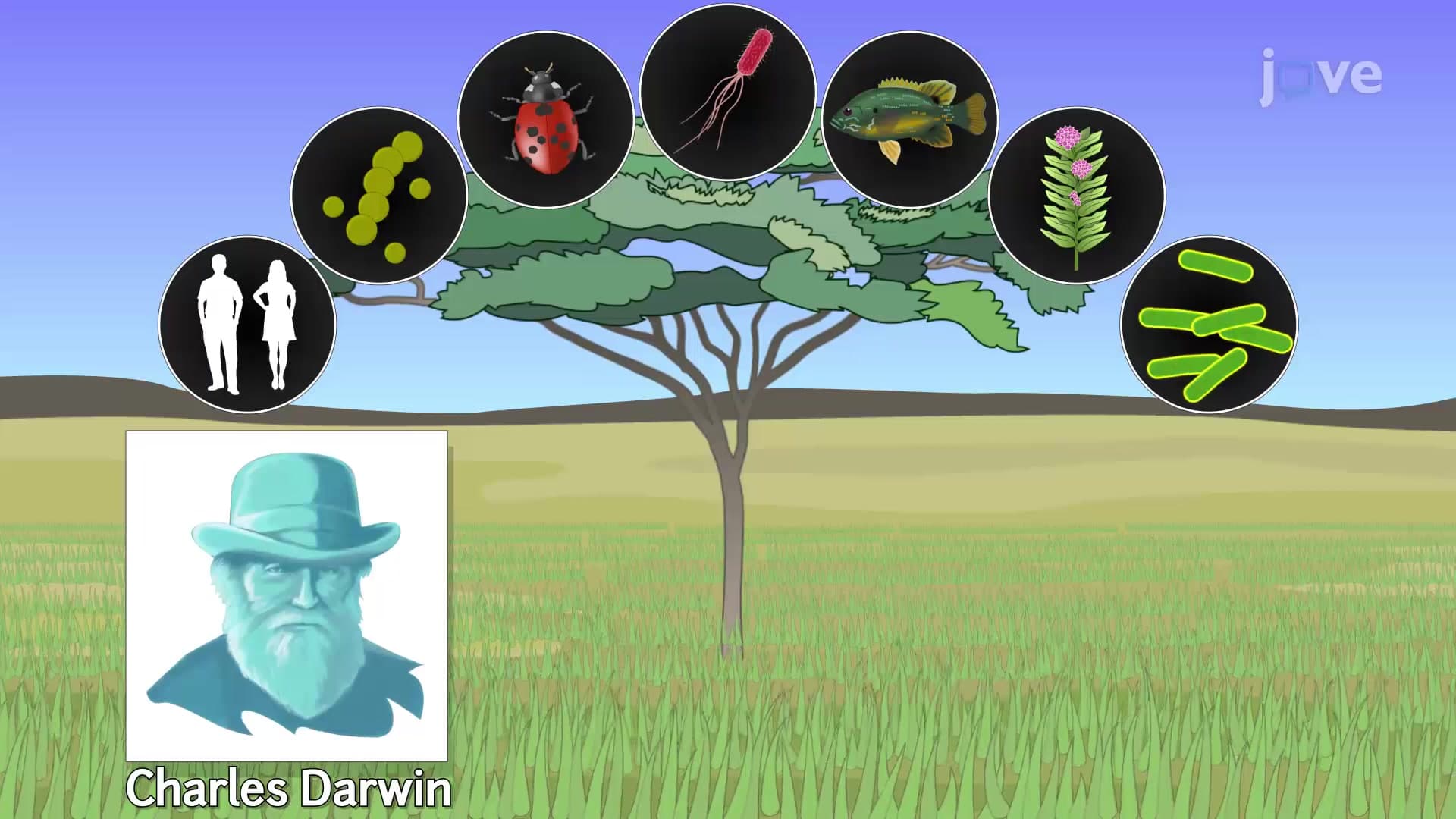

Video Summary: The Tree of Life Bacteria Explained
Did you know that bacteria share the tree of life with complex organisms like humans, yet were once incorrectly grouped together with completely different microbes? The tree of life bacteria domain represents one of three major evolutionary branches discovered through revolutionary genetic analysis. Modern molecular techniques, used extensively in labs at institutions like Harvard Medical School, revealed that bacteria form their own distinct evolutionary domain separate from archaea and eukaryotes. Watch the full video on JoVE Coach to master this concept with expert-led visuals and step-by-step explanations.
The tree of life bacteria domain represents a fundamental breakthrough in evolutionary biology, established through molecular evidence rather than simple observation. Unlike early classification attempts that relied on visible traits, the bacterial domain emerged from genetic analysis that revealed profound evolutionary distinctions invisible to the naked eye.
The journey to recognizing bacteria as a distinct domain illustrates how scientific understanding evolves. Ernst Haeckel's 1866 three-kingdom system grouped all microscopic life as "protists," while later scientists created a simple prokaryote-eukaryote division. However, this binary system proved inadequate when 16S ribosomal RNA sequencing-a technique pioneered at institutions like the University of Illinois-revealed that rod-shaped bacteria and superficially similar archaea had completely different evolutionary origins.
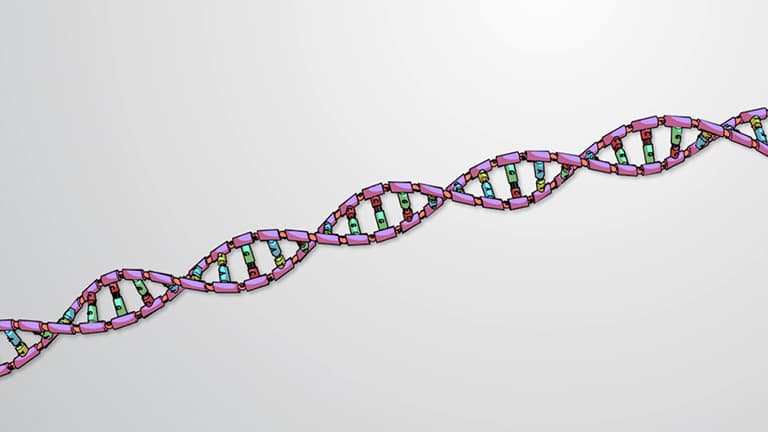
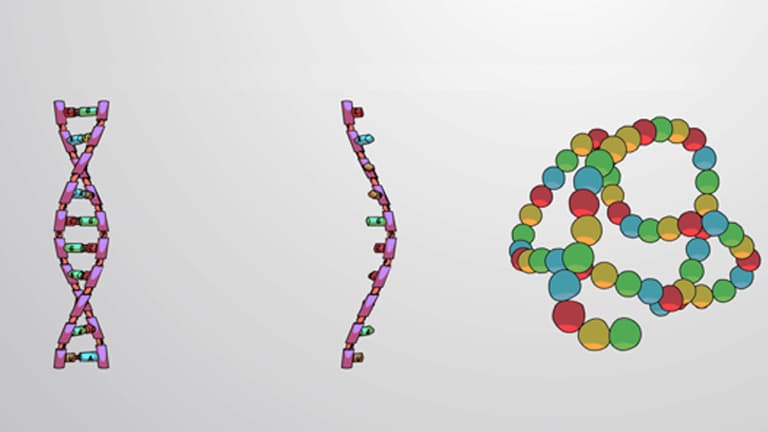
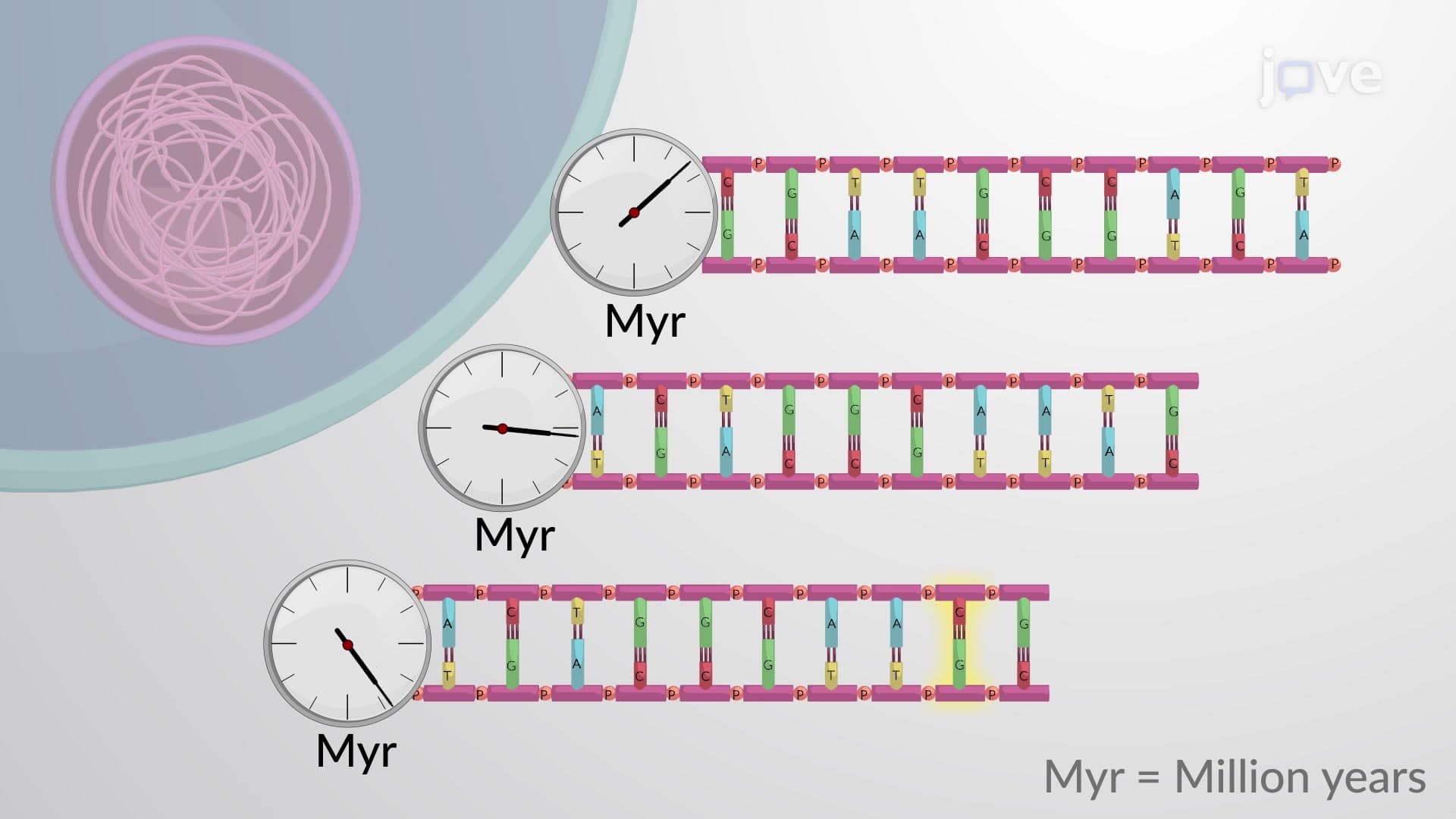
The discovery of the bacterial domain hinged on analyzing 16S ribosomal RNA, a highly conserved genetic sequence present in all prokaryotes. This molecule acts like a molecular clock, accumulating mutations at predictable rates over evolutionary time. When scientists at research centers across the United States began comparing these sequences, they discovered that organisms previously lumped together as "prokaryotes" actually represented two entirely separate evolutionary lineages.
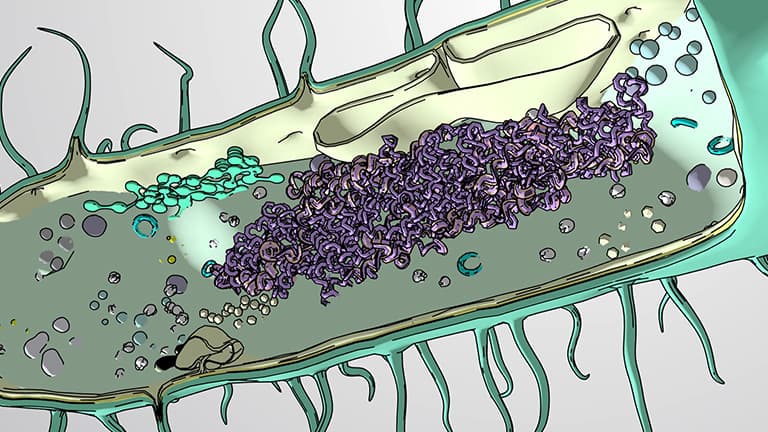
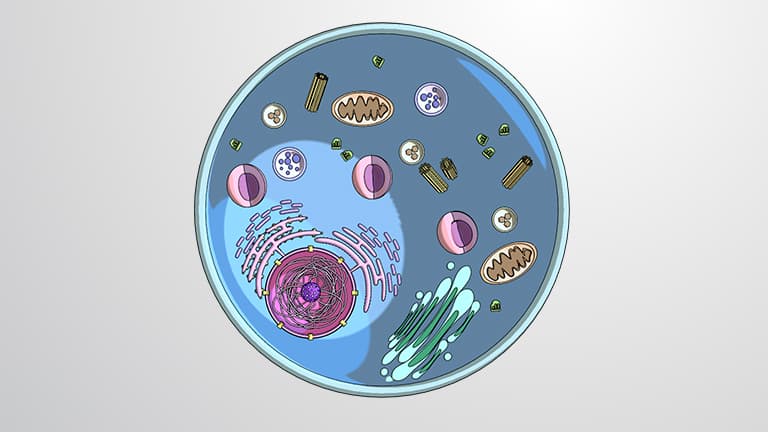
Today's three-domain system-bacteria, archaea, and eukaryotes-provides the framework for understanding life's diversity. This classification appears frequently in AP Biology curricula and college microbiology courses, where students learn to distinguish bacterial characteristics: unicellular structure, lack of membrane-bound nucleus, and unique genetic signatures. For pre-med students preparing for the MCAT, understanding bacterial domain classification proves essential for questions about evolutionary relationships and cellular biology.
The bacterial domain's discovery also transformed medical and environmental science. Researchers at the CDC now use phylogenetic analysis to track disease outbreaks, while environmental scientists studying ecosystems in places like Yellowstone National Park rely on bacterial domain classification to understand microbial community structures and their ecological roles.
Related Micro-courses