Loading concepts…


10 Concepts
11 Concepts
11 Concepts
17 Concepts
20 Concepts
16 Concepts
16 Concepts
21 Concepts
11 Concepts
15 Concepts
14 Concepts
21 Concepts
8 Concepts
15 Concepts
17 Concepts
19 Concepts
11 Concepts
18 Concepts
6 Concepts
21 Concepts
 11 Concepts
 234K Views
 Popular topics
Protein structure is fundamental to understanding how these essential macromolecules function in living organisms. This comprehensive course explores the hierarchical organization of proteins, from amino acid sequences to complex assemblies, covering protein folding mechanisms, structural classification, and the relationship between structure and function. Students will examine real-world applications in biotechnology, medicine, and disease research. The JoVE Coach micro-course integrates structural biology concepts with practical examples from therapeutic protein development and clinical diagnostics used throughout the United States.
1. Protein Basics and Amino Acid Building Blocks: Proteins are polymers composed of 20 different amino acids linked by peptide bonds. Each amino acid contains an amino group, carboxyl group, and unique side chain that determines its chemical properties. The sequence of amino acids (primary structure) determines all higher levels of protein organization. Understanding amino acid classification-nonpolar, polar, charged, and special cases like proline and glycine-is essential for predicting protein behavior. This foundational knowledge applies directly to pharmaceutical development, where companies like Pfizer and Moderna design protein-based therapeutics by manipulating amino acid sequences.
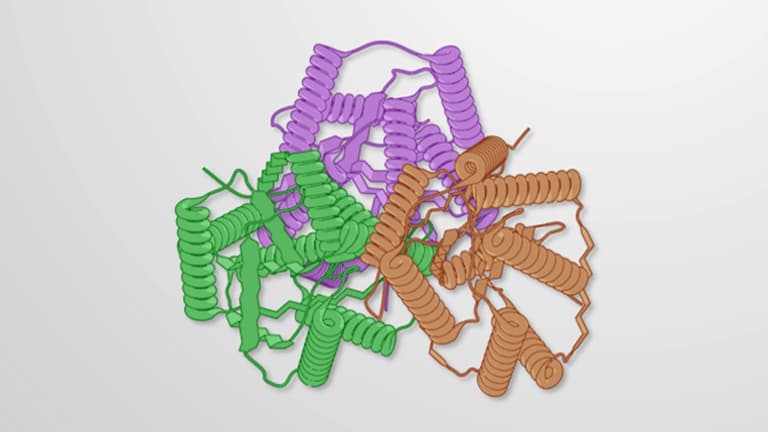
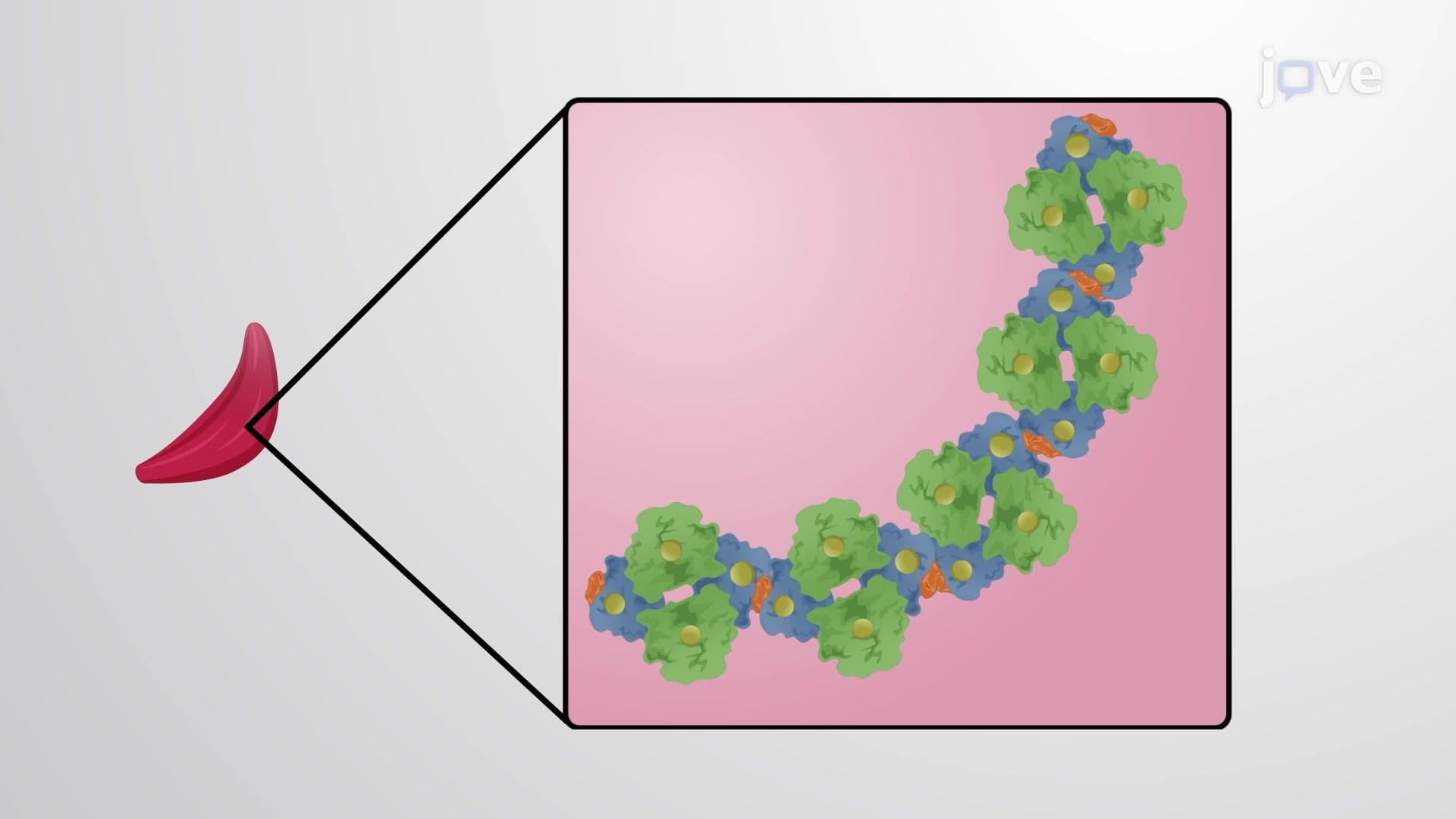
2. Primary, Secondary, Tertiary, and Quaternary Protein Structure: The hierarchical organization of proteins begins with primary structure (amino acid sequence), progresses to secondary structure (alpha-helices and beta-sheets stabilized by hydrogen bonds), continues with tertiary structure (overall 3D folding driven by various interactions), and culminates in quaternary structure (multiple polypeptide subunit assembly). Hemoglobin exemplifies quaternary structure with its four subunits working cooperatively for oxygen transport. This structural hierarchy is crucial for understanding how genetic mutations affect protein function, as seen in sickle cell anemia where a single amino acid change dramatically alters hemoglobin's properties and causes disease.
3. Protein Folding Mechanisms and Chaperone Function: Protein folding is the process by which linear amino acid chains adopt their functional three-dimensional structures. Folding is driven by thermodynamic principles, seeking the lowest energy conformation through hydrophobic interactions, hydrogen bonding, and other molecular forces. Molecular chaperones like heat shock proteins assist proper folding and prevent aggregation. Anfinsen's principle demonstrates that amino acid sequence contains all information necessary for proper folding. Misfolded proteins are either refolded by chaperones or degraded by cellular quality control systems. Understanding folding is critical for biotechnology applications, including the production of recombinant proteins used in insulin therapy and growth hormone treatments manufactured by American pharmaceutical companies.
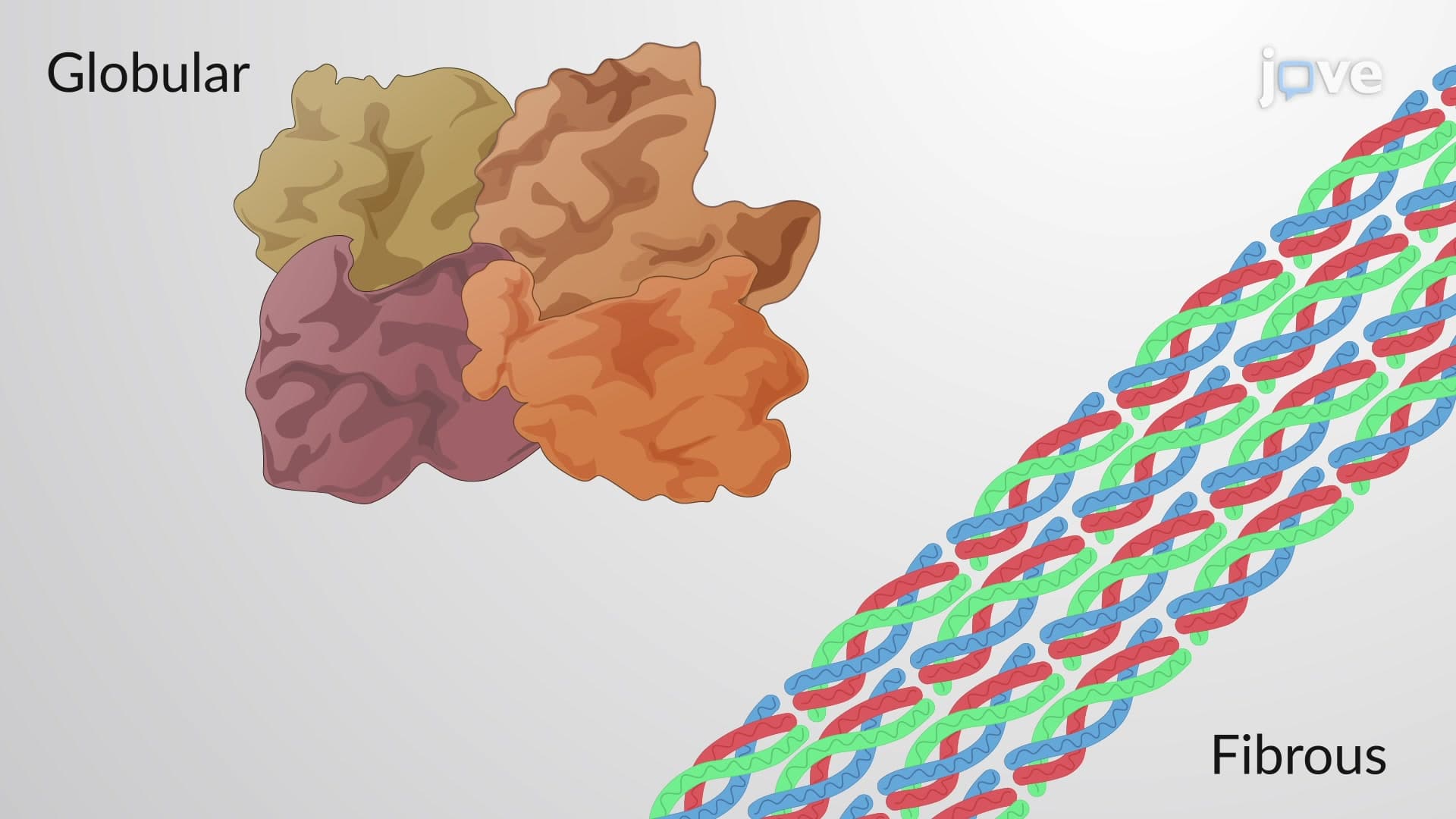
4. Globular versus Fibrous Proteins and Functional Classification: Globular proteins are compact, spherical molecules typically found inside cells, with hydrophobic amino acids buried internally and hydrophilic residues on the surface. Examples include enzymes like pepsin and transport proteins like albumin. Fibrous proteins have extended, rope-like structures providing mechanical support, such as collagen in connective tissues and keratin in hair and nails. This structural classification directly relates to protein function-globular proteins often serve catalytic or regulatory roles, while fibrous proteins provide structural integrity. Understanding these categories helps explain why collagen supplements are popular in American health markets and why enzyme replacement therapies work for treating genetic disorders like Gaucher disease.
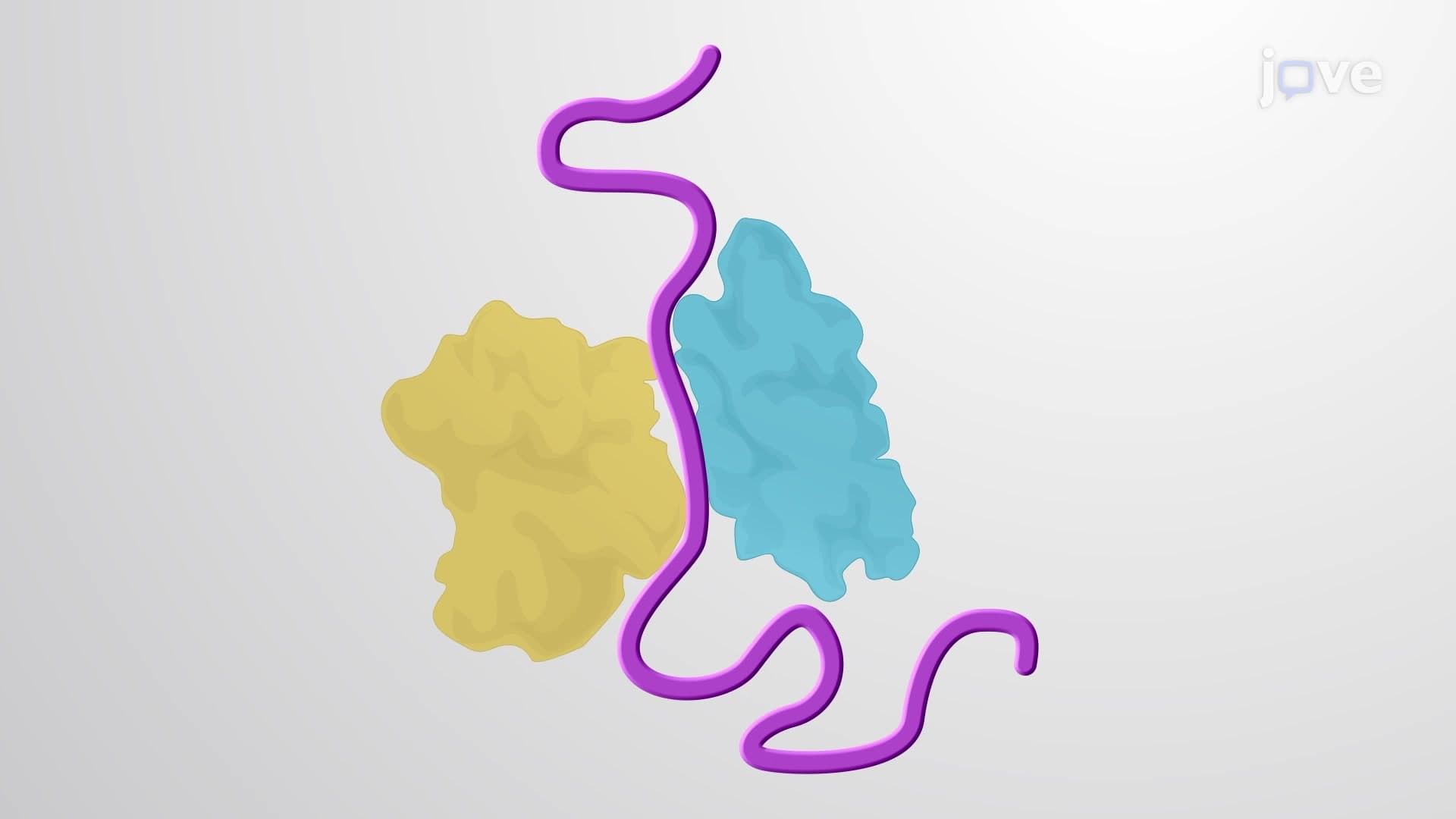
5. Intrinsically Disordered Proteins and Conformational Flexibility: Unlike traditional structured proteins, intrinsically disordered proteins (IDPs) lack fixed three-dimensional conformations and remain flexible. These proteins contain many hydrophilic amino acids and few hydrophobic residues, allowing them to function through conformational changes. IDPs can undergo disorder-to-order transitions when binding partners or cellular conditions change. They often serve as molecular switches or scaffolds, bringing other proteins together. Understanding IDPs is increasingly important in drug development, as many disease-related proteins contain disordered regions. Companies like Biogen are developing therapies targeting disordered protein regions in neurodegenerative diseases, making this knowledge relevant for students pursuing careers in American biotechnology and pharmaceutical industries.
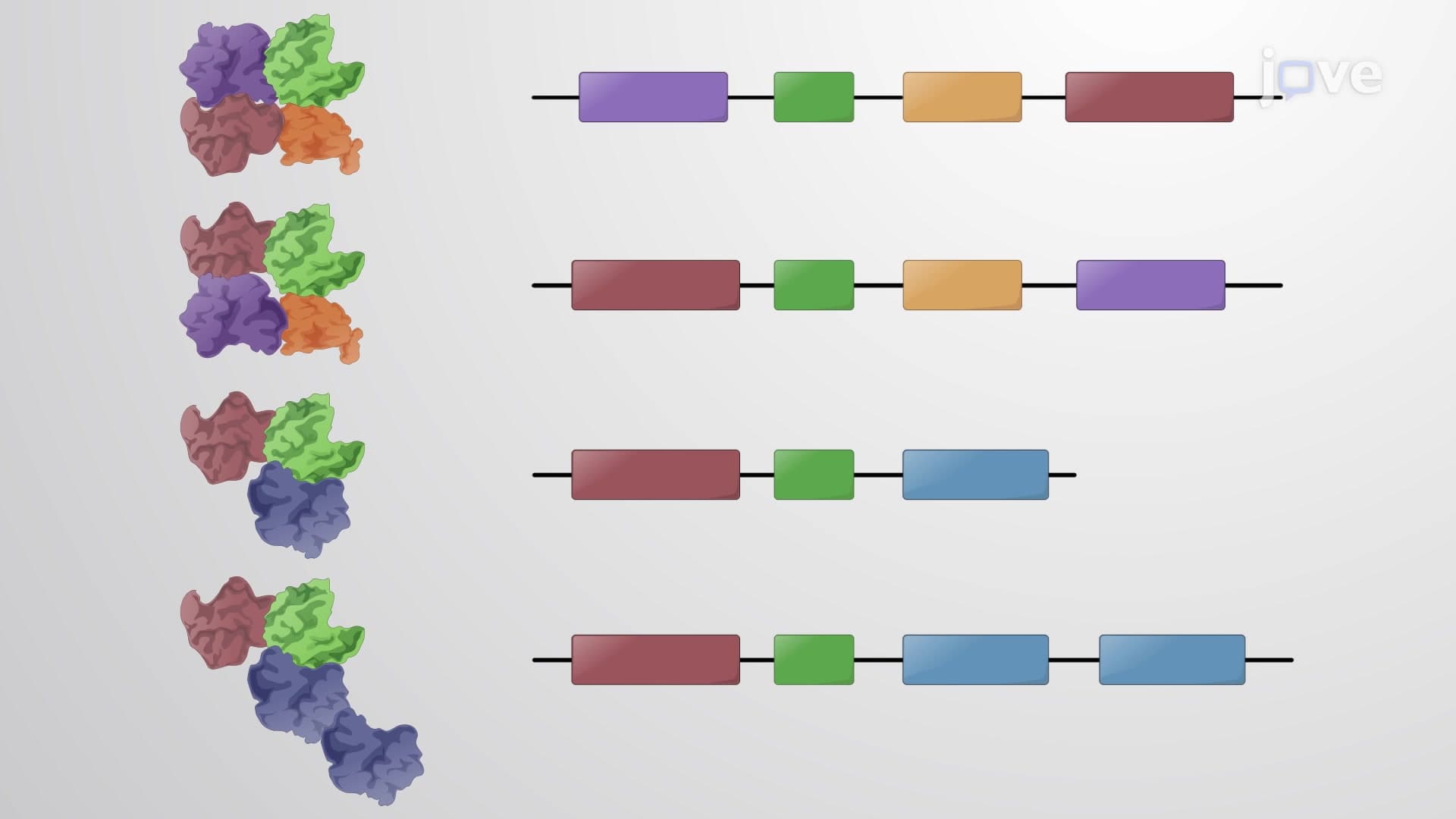
6. Protein Domains, Families, and Evolutionary Conservation: Protein domains are independently folding structural units within larger proteins that often correspond to specific functions. Domains can be shuffled between proteins during evolution, creating functional diversity. Protein families consist of homologous proteins sharing common ancestry-orthologs perform similar functions across species, while paralogs arise from gene duplication events. The conservation of critical domains across species indicates their functional importance. For example, the SH2 domain appears in many signaling proteins and always mediates phosphotyrosine binding. This concept is fundamental to bioinformatics and drug discovery, where researchers at institutions like the National Institutes of Health use domain conservation to predict protein functions and identify therapeutic targets.
7. Protein Complex Assembly and Quaternary Interactions: Many proteins function as multi-subunit complexes rather than individual polypeptides. Assembly can be homomeric (identical subunits) or heteromeric (different subunits). Self-assembly often occurs spontaneously, driven by complementary binding surfaces and thermodynamic favorability. However, molecular chaperones frequently assist complex formation, as seen in the 26S proteasome assembly. Abnormal protein assembly can cause disease-sickle cell anemia results from aberrant hemoglobin fiber formation due to a single amino acid mutation. Understanding protein assembly is crucial for developing therapeutic strategies, including the design of protein-based vaccines and the engineering of multi-enzyme complexes for industrial biotechnology applications in American manufacturing and pharmaceutical sectors.
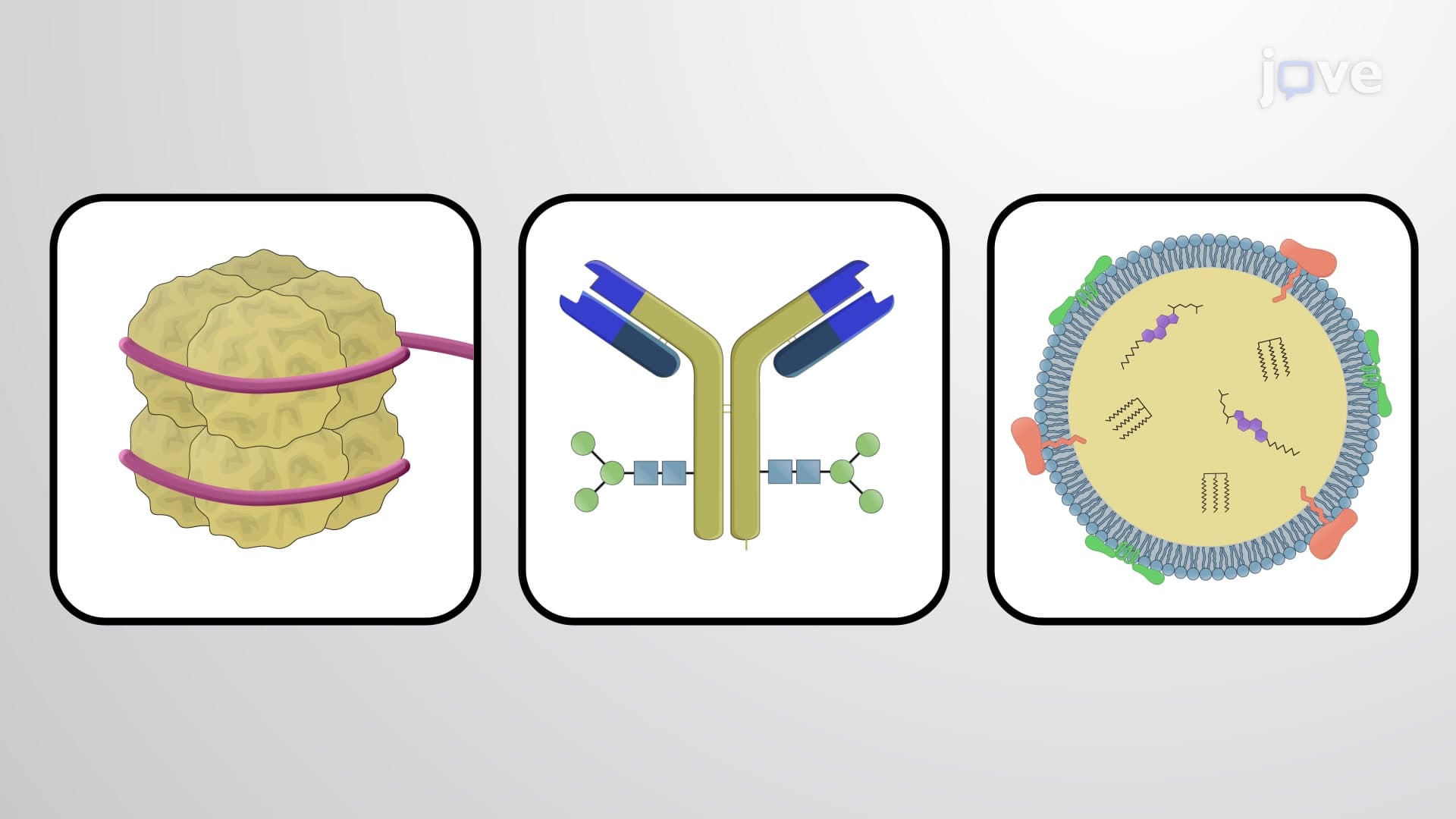
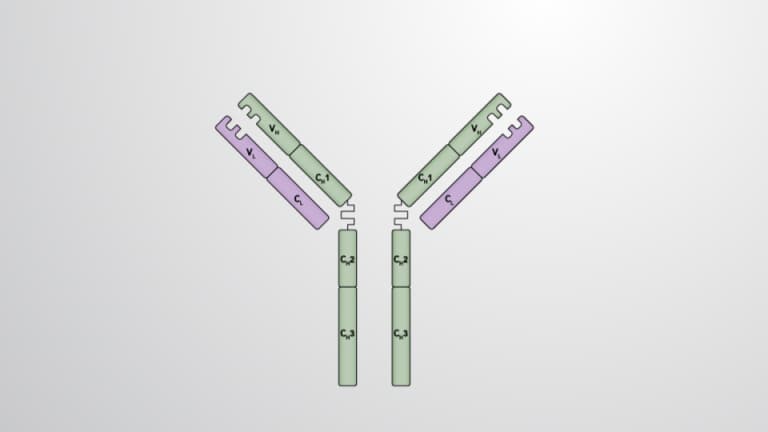
8. Conjugated Proteins and Biomolecular Complexes: Conjugated proteins combine amino acid chains with non-protein components to achieve specialized functions. Nucleoproteins (DNA-histone complexes in chromatin), glycoproteins (antibodies with carbohydrate modifications), lipoproteins (cholesterol transport complexes), and metalloproteins (hemoglobin with heme groups) represent major categories. These modifications often determine protein localization, stability, and function. For instance, glycosylation of therapeutic antibodies produced by companies like Genentech affects their effectiveness and safety profiles. Understanding conjugated proteins is essential for comprehending cellular processes and developing biotechnology applications, from recombinant protein production to designing targeted drug delivery systems using lipoprotein carriers.
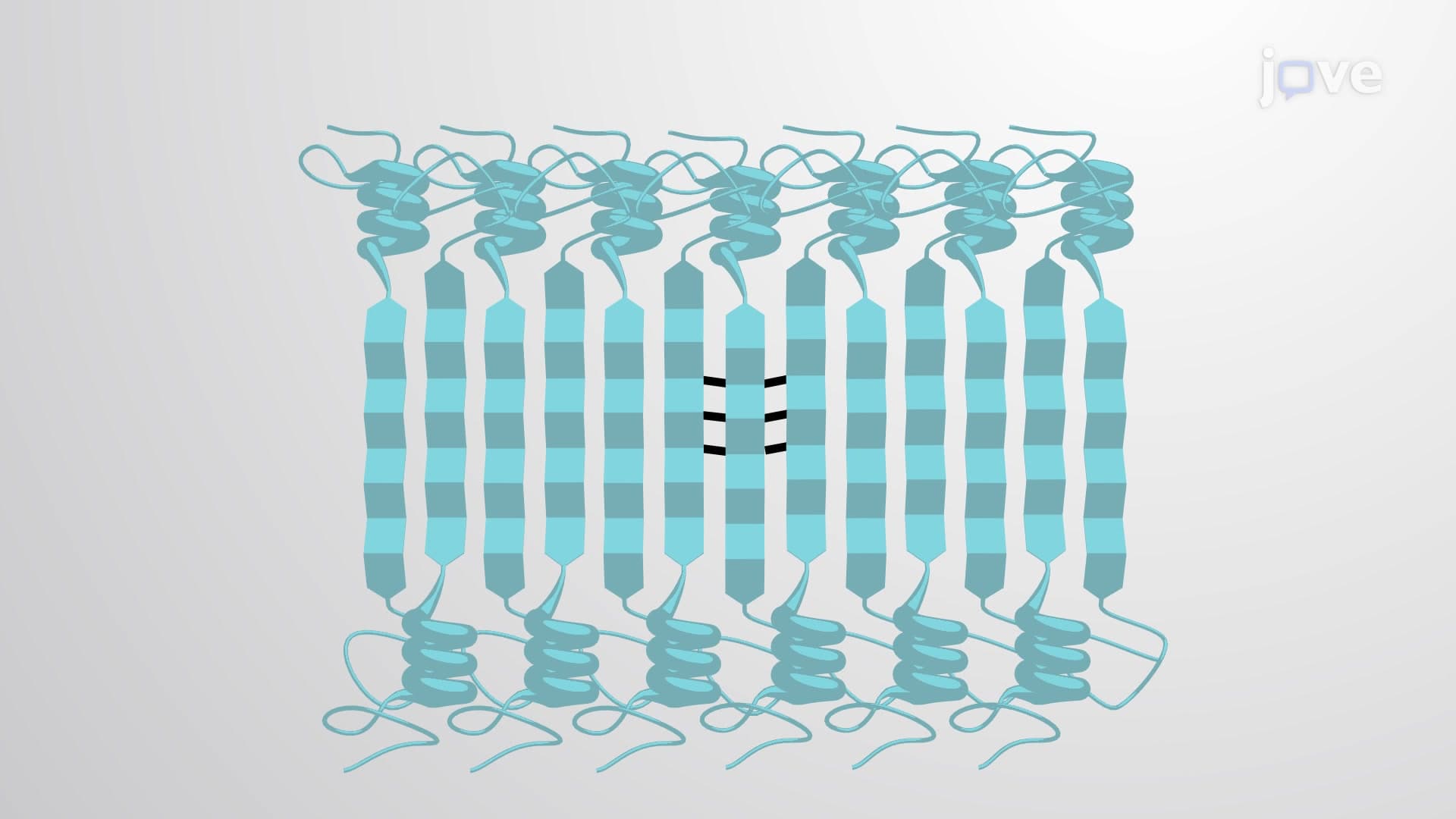
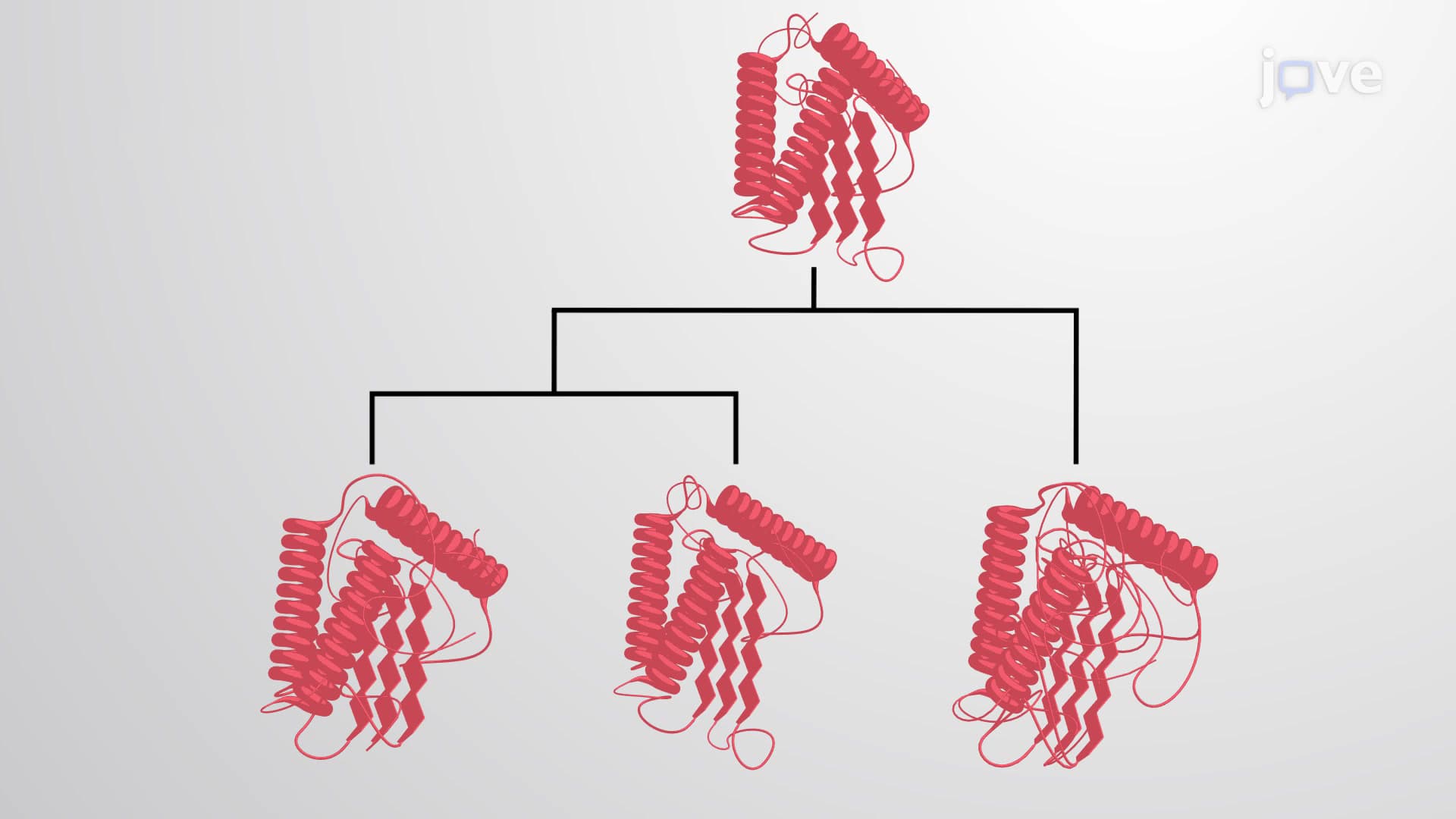
9. Amyloid Fibrils and Protein Misfolding Diseases: Amyloid fibrils form when proteins misfold into beta-sheet-rich structures that aggregate into insoluble fibers. This process is associated with neurodegenerative diseases including Alzheimer's (amyloid-beta plaques), Parkinson's (alpha-synuclein aggregates), and prion diseases like Creutzfeldt-Jakob disease. Misfolding exposes hydrophobic regions normally buried within proteins, leading to abnormal protein-protein interactions. However, not all amyloids are pathological-some organisms use controlled amyloid formation for beneficial functions. Understanding amyloid formation is critical for developing therapeutic strategies against neurodegenerative diseases, with American pharmaceutical companies like Biogen and Eli Lilly investing heavily in anti-amyloid therapies and diagnostic tools for early disease detection.